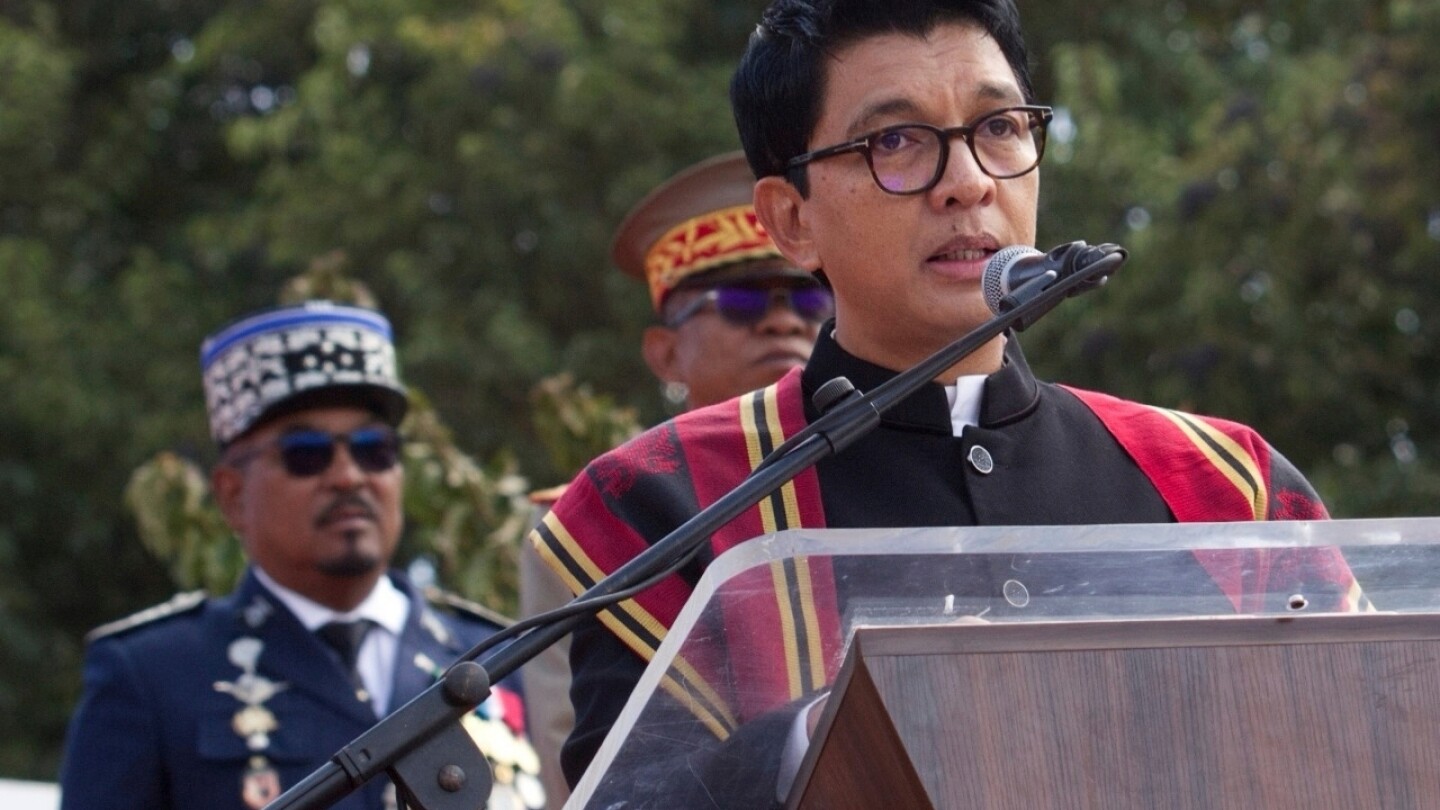
Madagascar is embroiled in a deepening political crisis as President Andry Rajoelina dissolved the National Assembly on Tuesday, a move that has escalated tensions in the Indian Ocean nation. The decision came amid a military rebellion and widespread anti-government protests, which forced Rajoelina to flee the country and seek refuge in an undisclosed location. In a statement released on the presidency’s Facebook page, Rajoelina declared the immediate dissolution of the lower house of parliament, effectively halting ongoing impeachment proceedings against him. The president’s abrupt departure followed an apparent coup attempt by an elite military unit, CAPSAT, which joined youth-led protests demanding his resignation. Rajoelina, in a late-night social media address on Monday, claimed he had relocated to a “safe place” due to fears for his life but did not disclose his whereabouts. This latest development marks the most severe political turmoil since 2009, when Rajoelina first assumed power following a military-backed coup. The current crisis stems from weeks of protests led by Gen Z groups, who have voiced grievances over chronic water and electricity shortages, widespread poverty, and alleged government corruption. Inspired by similar movements in Nepal and Sri Lanka, the protesters have called for systemic change. Rajoelina, who was reelected in 2023 amid an opposition boycott, has urged for dialogue and constitutional adherence, resisting calls for his resignation. Meanwhile, the military has undergone leadership changes, with new heads appointed for the armed forces and gendarmerie. The situation remains volatile as Madagascar grapples with its most significant political upheaval in over a decade.
作者: admin
-
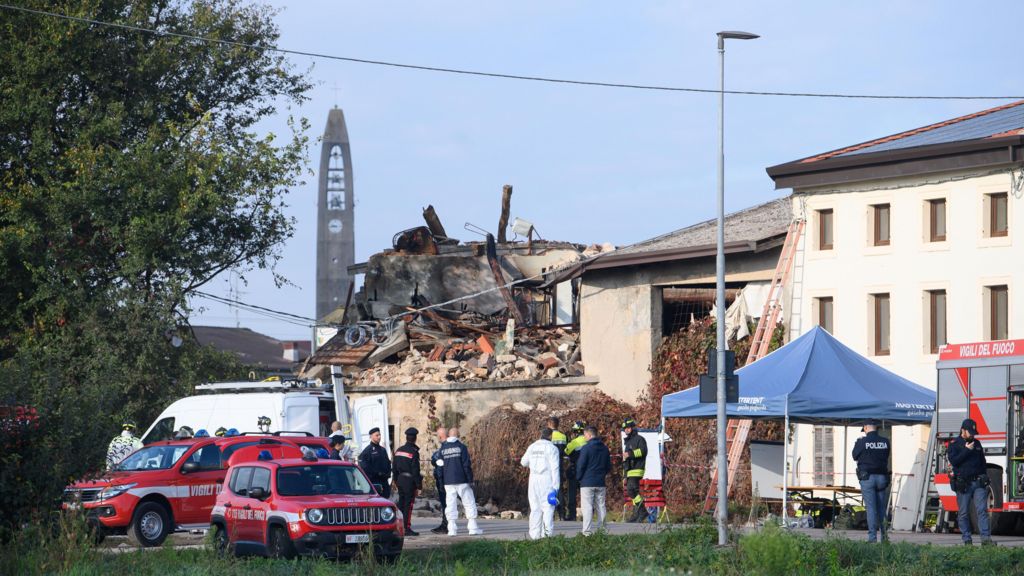
Blast kills three police officers trying to evict siblings from house in Italy
A tragic incident unfolded in northern Italy when a deliberate gas explosion at a farmhouse near Verona resulted in the deaths of three Carabinieri military police officers and left at least 15 others injured. The explosion occurred as police and firefighters were executing an eviction order for two brothers and a sister, aged in their late 50s and mid-60s, who had barricaded themselves in the property. The blast, which could be heard up to 5 kilometers away, reduced the building to rubble and caused widespread devastation. A man and a woman were arrested at the scene, while another suspect who fled was quickly apprehended. All three were hospitalized. The farmhouse had been under an eviction order due to debts accrued by the owners. Interior Minister Matteo Piantedosi described the incident as a time for grieving, noting that previous attempts to evict the siblings had been met with resistance. Mediators had been sent to negotiate with the siblings, but when Carabinieri officers arrived shortly after 3:00 AM, one of the siblings allegedly triggered the explosion. Provincial police commander Claudio Papagno described the act as ‘absolute madness,’ revealing that a gas cylinder had been ignited, directly hitting the officers. Petrol bombs were also found at the property. Among the injured were 11 Carabinieri officers, three state police officers, and a firefighter. Verona prosecutor Raffaele Tito stated that the farmhouse was in a derelict state with no electricity and described the explosion as a ‘premeditated and voluntary homicide.’ Neighbors reported that the siblings had previously threatened to ‘blow themselves up’ rather than leave the house. Defense Minister Guido Crosetto joined other political leaders in paying tribute to the fallen officers, who lost their lives in the line of duty.
-
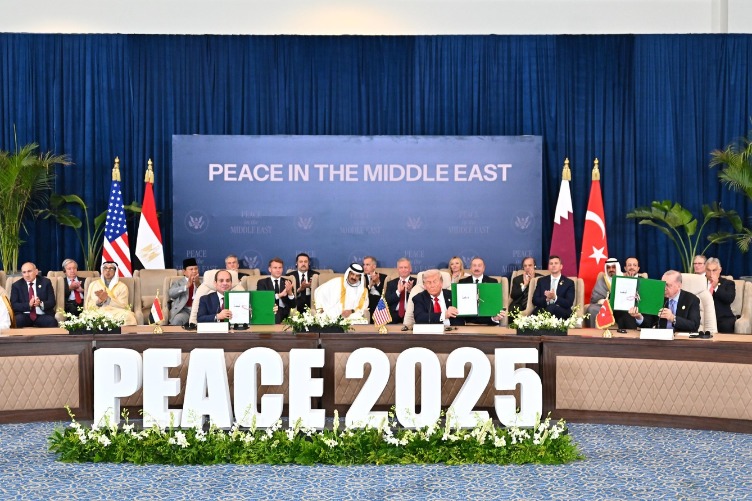
Document to support Gaza ceasefire deal signed at summit in Egypt’s Sharm el-Sheikh
In a landmark event held in Sharm el-Sheikh, Egypt, a pivotal document supporting the Gaza ceasefire deal was signed on Monday, October 13, 2025. The agreement, mediated by Egypt, the United States, Qatar, and Turkey, was formalized by Egyptian President Abdel Fattah al-Sisi, US President Donald Trump, Turkish President Recep Tayyip Erdogan, and the Emir of Qatar, Sheikh Tamim bin Hamad Al Thani. Notably, neither Israel nor Hamas were present at the signing ceremony. The summit, co-chaired by the Egyptian and US Presidents, saw participation from leaders of over 20 countries and various international organizations. President Sisi hailed the agreement as a ‘glimmer of hope’ for peace and stability in the Middle East, emphasizing the need for a two-state solution. The summit underscored the importance of international cooperation to ensure the implementation of the ceasefire, including Israeli troop withdrawals, the exchange of hostages and prisoners, and the facilitation of humanitarian aid into Gaza. Hamas announced the release of all 20 remaining hostages, while Israel began freeing nearly 2,000 Palestinian prisoners. The conflict has resulted in over 67,000 deaths and widespread devastation in Gaza, according to health authorities and UN-backed experts.
-

Russian aerial attack hits a Ukrainian hospital, days before Zelenskyy meets Trump
In a relentless escalation of hostilities, Russian forces targeted Ukraine’s second-largest city, Kharkiv, with powerful glide bombs and drones in overnight attacks. The assault struck the city’s main hospital, injuring seven people and forcing the evacuation of 50 patients, according to Oleh Syniehubov, the regional head. Ukrainian President Volodymyr Zelenskyy, who is set to visit Washington this week, emphasized that the primary targets of the attack were energy facilities, though specific details were not disclosed. ‘Every day, every night, Russia strikes power plants, power lines, and our gas facilities,’ Zelenskyy stated on Telegram, underscoring the ongoing campaign to cripple Ukraine’s power supply since the full-scale invasion began in February 2022. This strategy has left civilians without heat and running water during harsh winters. Zelenskyy is expected to appeal to U.S. President Donald Trump for advanced long-range weapons, including Tomahawk cruise missiles, to bolster Ukraine’s defense capabilities. Such a move, previously avoided by Washington to prevent escalation, could heighten tensions between the U.S. and Russia. However, it may also provide leverage to push Moscow toward negotiations. Ukrainian officials and military analysts report that Ukraine’s long-range strikes are already disrupting Russian oil production and causing significant gas shortages. Zelenskyy has urged international partners, particularly the U.S. and Europe, to supply air defense systems to protect Ukraine’s vast territory. ‘The world must force Moscow to sit down at the table for real negotiations,’ he asserted.
-

China’s exports of electric vehicles doubled in September as competition at home intensifies
China’s electric vehicle (EV) exports surged by 100% in September compared to the same period last year, reaching 222,000 units, according to the China Association of Automobile Manufacturers. This growth underscores the aggressive expansion of Chinese automakers into international markets, particularly Europe and Southeast Asia. While the figure was slightly lower than August’s 224,000 units, it highlights the increasing reliance on overseas markets due to overcapacity and intense price competition domestically. The U.S.-based consultancy Rhodium Group noted that Chinese EV manufacturers invested more abroad than domestically in 2023, marking a significant shift since 2014. BYD, one of China’s leading EV producers, reported an 880% year-on-year sales increase in the United Kingdom, now its largest market outside China. However, domestic passenger car sales growth slowed to 11.2% in September, down from 15% in August. Chinese automakers are also diversifying their investments into the Middle East and Africa, partly in response to high tariffs imposed by the European Union, U.S., and Canada. Despite these challenges, September remains a peak sales period in China, supported by government subsidies for trade-ins of new energy vehicles, though some local governments have recently suspended such payments.
-
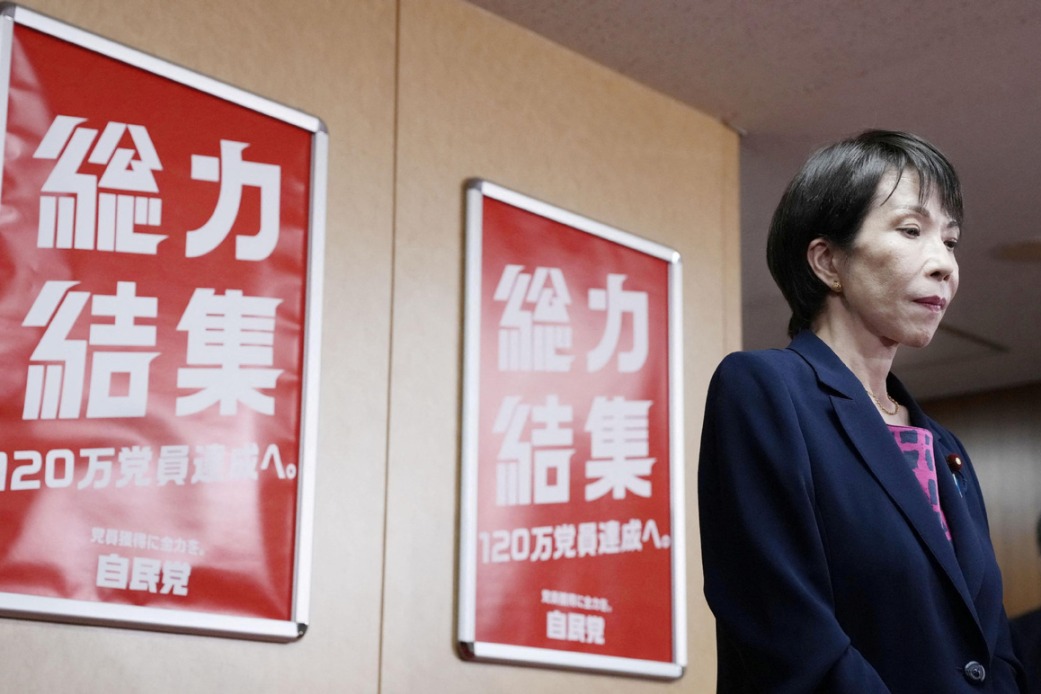
Japan’s LDP reels from trust crisis
Japan’s political landscape is in upheaval as the ruling Liberal Democratic Party (LDP) grapples with a deepening trust crisis fueled by ongoing political funding scandals. The fallout has not only eroded grassroots support but also led to the dissolution of its 26-year alliance with coalition partner Komeito, casting uncertainty over the nation’s governance. Analysts warn that the LDP’s traditional mechanisms for maintaining power are under severe strain, with the party’s ability to mobilize voters and secure funding significantly weakened. The recent appointment of lawmakers implicated in the scandal by LDP President Sanae Takaichi has further exacerbated tensions, prompting Komeito’s exit from the coalition. This development has delayed the selection of Japan’s next prime minister, originally scheduled for October 20, and raised concerns about the stability of future governance. Political experts suggest that the opposition parties may now have an opportunity to unite behind a single candidate, potentially leading to a shift in Japan’s political dynamics. However, the path forward remains uncertain, with complex negotiations and competing interests among opposition factions. The LDP’s diminished support base and the opposition’s growing influence could result in a minority coalition cabinet, leaving Japan’s policy agenda vulnerable to opposition influence and political drift.
-

Google to invest $15bn to build AI data hub in India
Alphabet Inc., Google’s parent company, has announced a groundbreaking $15 billion investment to establish a state-of-the-art AI data hub in Visakhapatnam, Andhra Pradesh, India. This facility will be a pivotal part of Google’s global network of AI centers, spanning 12 countries. Thomas Kurien, CEO of Google Cloud, revealed at an event in Delhi that this will be the largest AI hub outside the United States, with the investment phased over the next five years. The announcement aligns with India’s growing prominence as a hub for AI and cloud technologies, driven by its low data costs and rapidly expanding internet user base. Sundar Pichai, Alphabet’s CEO, emphasized that the hub will accelerate AI innovation and economic growth in India. The Andhra Pradesh government highlighted the project’s significance for the state’s digital transformation and global standing. The facility will integrate cloud and AI infrastructure with renewable energy systems and an expanded fiber-optic network, supporting the state’s ambitious plan to develop 6GW of data center capacity by 2029. India’s data center industry has seen exponential growth, surpassing 1GW capacity in 2024, nearly triple its 2019 levels, according to JLL’s 2024 report.
-
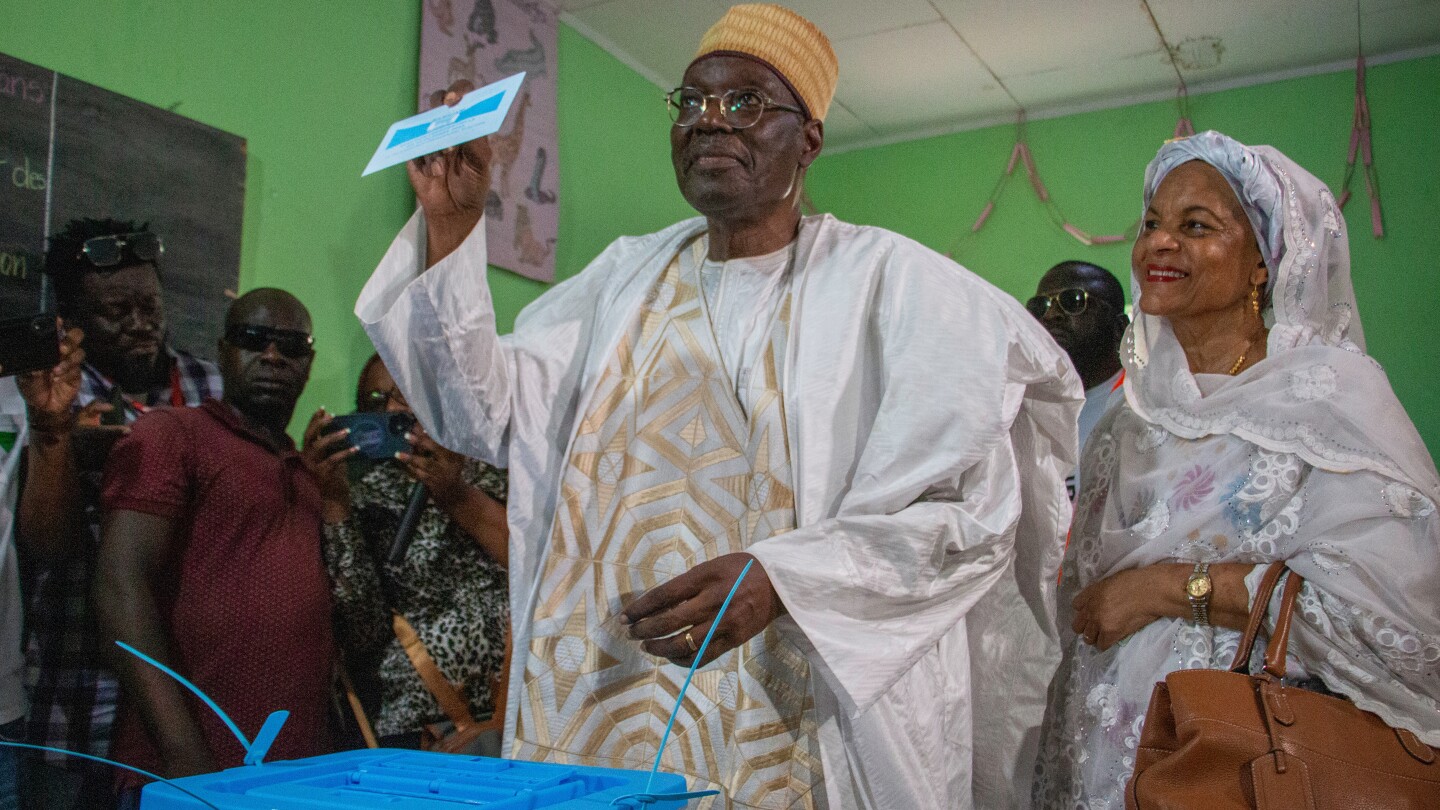
Cameroon opposition candidate Tchiroma claims victory in presidential election
In a dramatic turn of events, Cameroon’s opposition candidate Issa Tchiroma Bakary declared victory in the October 12 presidential election, challenging the long-standing rule of President Paul Biya, who has governed the nation for over four decades. Tchiroma, in a video statement on Facebook, asserted, ‘Our victory is clear, it must be respected,’ urging Biya to ‘accept the truth of the ballot box’ or risk plunging the country into chaos. However, neither Elections Cameroon, the independent body overseeing the poll, nor the constitutional court has released official results, which are expected by October 26 at the latest. Biya’s Cameroon People’s Democratic Movement (CPDM) swiftly dismissed Tchiroma’s claim, with Deputy Secretary-General Gregoire Owona stating that the opposition candidate lacks verified polling station results. Tchiroma pledged to share a detailed regional vote report in the coming days, while Minister of Territorial Administration Paul Atanga Nji warned that unauthorized result announcements would be considered ‘high treason.’ Tchiroma, a former government spokesperson and minister under Biya, garnered significant support from opposition parties and civic groups during his campaign. Analysts, however, predict a Biya victory, citing a divided opposition and the disqualification of his strongest rival in August. Biya, the world’s oldest president at 92, has ruled since 1982, facing challenges such as a deadly secessionist movement in the west and systemic corruption. Approximately 8 million voters participated in the single-round election, which awards the presidency to the candidate with the most votes. The 2018 election, marked by irregularities and low turnout, saw Biya secure over 70% of the vote, while opposition leader Maurice Kamto’s premature victory claim led to his arrest and widespread protests.
-
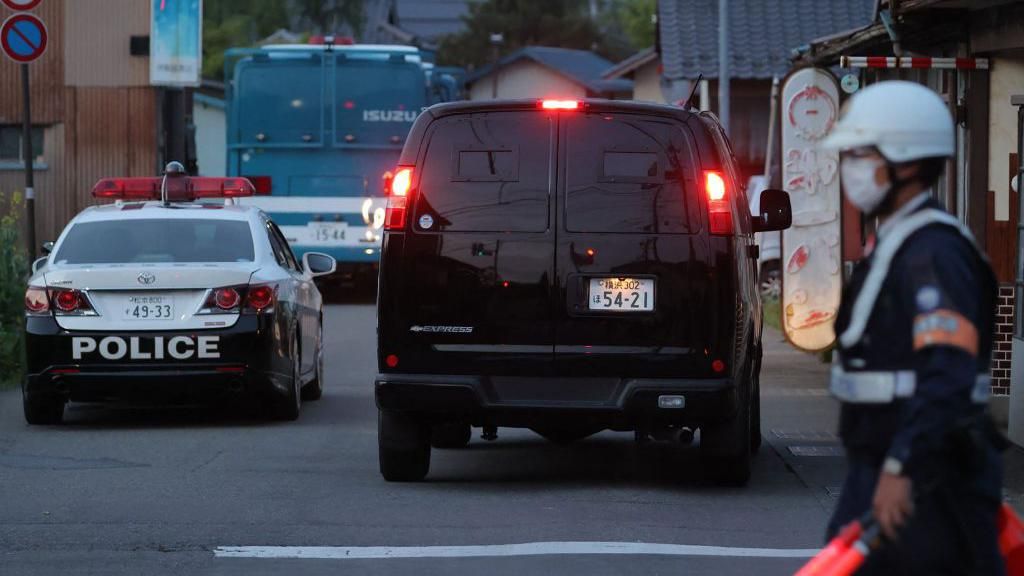
Death penalty for Japan man who killed four in gun and knife attack
In a landmark ruling, a Japanese court has handed down a death sentence to Masanori Aoki, a 34-year-old man responsible for a deadly rampage in Nakano city in 2023. Aoki’s violent spree began when he fatally stabbed two women who were out for a walk, followed by the fatal shooting of two police officers who responded to the scene. The officers were armed with a hunting rifle, a weapon rarely used in Japan due to the country’s stringent gun control laws. This incident marked one of the most shocking episodes of gun violence in Japan in over three decades. The defense argued that Aoki’s schizophrenia diminished his capacity, warranting a life sentence instead of capital punishment. However, prosecutors countered that Aoki acted with clear intent and demonstrated “exceptional cruelty and cold-bloodedness” during the attacks. According to reports, Aoki believed the women were speaking ill of him, though it remains unclear if he knew them personally. After the murders, he barricaded himself in his parents’ home for 12 hours before surrendering. His father, Masamichi Aoki, is a prominent figure in Nakano city’s assembly. The incident prompted authorities to tighten gun ownership laws, particularly for hunting rifles like the one used in the attack. Japan’s strict regulations on firearms make such violent acts exceedingly rare, adding to the shock and gravity of this case.
-
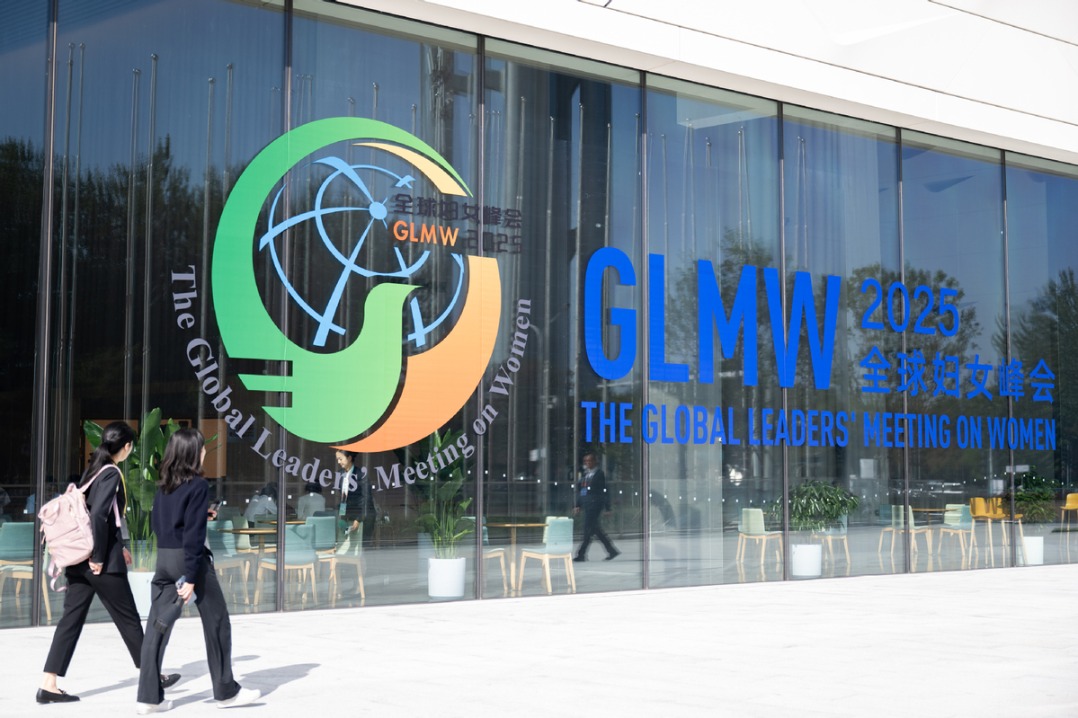
Pledge made to push women’s progress
The Global Leaders’ Meeting on Women, held in Beijing on Monday, concluded with a resounding call to action for the international community to advance women’s development, eradicate discrimination and violence, and bolster their participation in the digital revolution. The meeting, attended by representatives from the United Nations, national governments, and international organizations, underscored the importance of fostering a sense of achievement, happiness, and security for women and girls worldwide. Participants lauded China’s significant strides in promoting gender equality and its contributions to the global cause. During the plenary session, dozens of countries and organizations shared insights on enhancing education, employment opportunities, and poverty reduction for women, while addressing gender-based violence. The Beijing Declaration and Platform for Action, adopted in 1995, was reaffirmed as a pivotal framework for global gender equality efforts. Dilma Rousseff, President of the New Development Bank, emphasized the ongoing relevance of women’s rights as human rights, urging action on contemporary challenges like the digital divide and employment disparities. Leticia Carvalho, Secretary-General of the International Seabed Authority, highlighted systemic barriers to women’s inclusion and praised China and UN Women for organizing the event. As the meeting’s chair, China called for unified global efforts to ensure a safe and equitable environment for women, stressing the need to protect their rights and foster international cooperation. Sima Sami Bahous, Executive Director of UN Women, urged stakeholders to transform commitments into tangible actions, reinforcing the global momentum toward gender equality.