作者: admin

  • Indian, Pakistani expats win Dh50,000 each in Abu Dhabi’s Big Ticket draw

    Indian, Pakistani expats win Dh50,000 each in Abu Dhabi’s Big Ticket draw

    In a heartwarming display of perseverance paying off, four expatriates from India and Pakistan have each been awarded Dh50,000 in Abu Dhabi’s renowned Big Ticket weekly electronic draw. Their stories, united by years of participation and a focus on family, highlight the life-changing potential of the lottery for the UAE’s long-term resident community.

    Anwar Hussain Spin Gul, a Pakistani driving instructor and 30-year UAE resident, finally saw his 15-year dedication to the draw rewarded. Initially skeptical of the winning notification, his disbelief turned to pure elation upon confirmation. While his specific plans for the prize are still under consideration, he affirmed his intention to continue participating.

    From Oman, Indian national Manikandan Balagopal, a 55-year-old automotive executive, discovered Big Ticket during his frequent transits through Abu Dhabi Airport. After three to four years of consistent play, his victory brought an ‘overwhelming sense of happiness.’ He has earmarked the entire winnings to fund his son’s master’s degree, viewing the win as validation to keep trying his luck.

    For Kaverappa Kiekereyanda, an Indian professional in Dubai’s oil and gas sector, victory came through a collaborative effort. After a decade of participation, he and five friends pooled their resources for a winning ticket. The group plans to share the prize, with portions allocated for their families and charitable donations.

    Completing the quartet is Murtuza Ali Hayat Khan, a Gujarati business owner residing in Qatar for 29 years. A seven-year veteran of the draw, he almost dismissed the life-changing call as a modern-day scam. His skepticism vanished with the official email, and he now plans to support his daughter’s education in the UK, vowing to purchase even more tickets in the future.

    The January draw series continues to build anticipation toward its climax: a colossal Dh20 million grand prize and five consolation awards of Dh1 million each. Furthermore, the Dream Car Series offers participants additional chances to win luxury vehicles, including a BMW X5 and a Range Rover Velar, with draws extending into early February.
  • Setback for Vijay’s ‘Jana Nayagan’ release as India court stays order granting censor certificate

    Setback for Vijay’s ‘Jana Nayagan’ release as India court stays order granting censor certificate

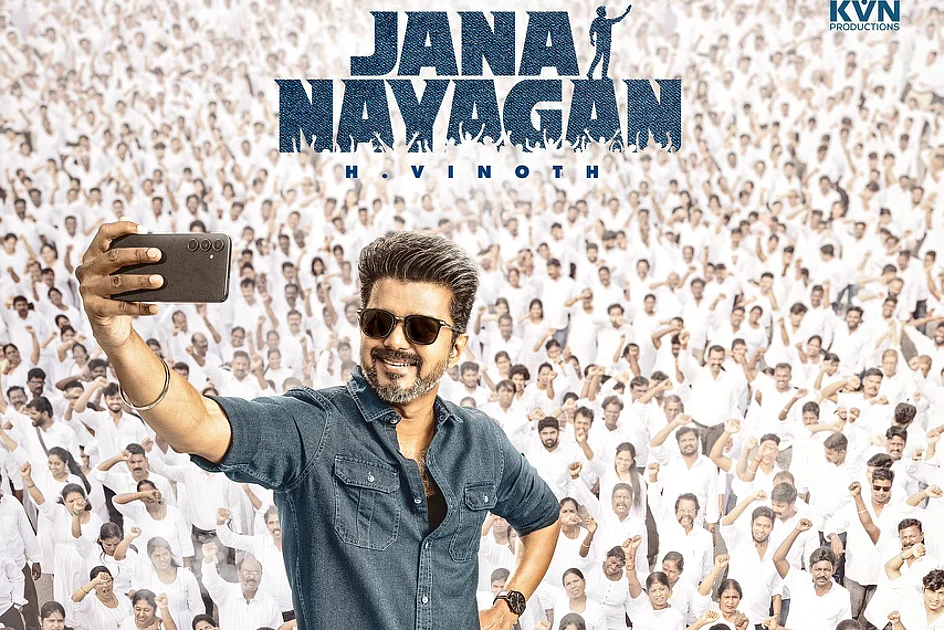
    In a significant judicial reversal, the Madras High Court has suspended the censorship clearance for Tamil superstar Vijay’s highly anticipated film ‘Jana Nayagan,’ creating substantial obstacles for the political drama’s theatrical release. A division bench led by Chief Justice Manindra Mohan Shrivastava and Justice G Arul Murugan overturned a previous single-judge ruling that had mandated India’s Central Board of Film Certification (CBFC) to issue a ‘U/A 16+’ certificate for the project.

    The judicial panel determined that the lower court had acted prematurely by not allowing adequate time for the CBFC to present its counter-affidavit regarding certification concerns. The case has now been remanded back to the single judge for renewed proceedings, with permission for the producers to modify their legal petition.

    This development represents the latest chapter in an ongoing censorship battle that has delayed the film’s scheduled January 9 release during the lucrative Pongal festival season. The CBFC had initially withheld certification, citing concerns that specific scenes might offend religious sensibilities and referring the matter to a Revising Committee for additional evaluation.

    The production team, led by producer K Venkat Narayana, had previously sought urgent judicial intervention to compel certification after the CBFC declined clearance. While the single judge initially provided temporary relief by ordering certification, the division bench subsequently stayed this order on January 9, effectively halting the release process.

    The significance of ‘Jana Nayagan’ extends beyond entertainment circles, as industry observers note this marks Vijay’s final cinematic project before his full transition into politics through his recently established Tamilaga Vettri Kazhagam (TVK) party. The continued postponement represents both commercial and symbolic setbacks for the actor-politician’s carefully orchestrated career transition.

  • ‘Doomsday Clock’ moves closer to midnight, a year into Trump term

    ‘Doomsday Clock’ moves closer to midnight, a year into Trump term

    In a sobering announcement marking heightened global instability, the symbolic Doomsday Clock has been adjusted to 85 seconds before midnight—the closest it has ever been to representing total planetary catastrophe. The Bulletin of the Atomic Scientists, the organization behind the clock, cited escalating nuclear threats, climate inaction, and the corrosive spread of disinformation as primary drivers of this alarming shift.

    The decision, made following consultations with experts including eight Nobel laureates, reflects a world where major powers like Russia, China, and the United States have grown increasingly adversarial and nationalistic. A statement released with the update warned that ‘hard-won global understandings are collapsing,’ accelerating great-power competition and undermining international cooperation on critical risks including nuclear war, climate change, and the misuse of emerging technologies.

    Key factors influencing the move include the impending expiration of the New START nuclear arms treaty between the U.S. and Russia, alongside the Trump administration’s push for a space-based missile defense system dubbed ‘Golden Dome.’ The board also highlighted record-breaking carbon emissions following a sharp reversal of U.S. climate policy and backtracking by other nations.

    Adding to the crisis, the bulletin pointed to an ‘information Armageddon’—a collapse of public trust fueled by predatory technology that spreads falsehoods and profits from societal division, as noted by Nobel Prize-winning journalist Maria Ressa.

    Founded in 1947 by Albert Einstein and J. Robert Oppenheimer, the Doomsday Clock began at seven minutes to midnight. This year’s four-second advance follows a one-second move last year, erasing earlier guarded optimism about diplomatic engagement under Trump’s second term.

  • Digipos crosses Dh20 billion in transactions in 8 years as founder Sunil Rangwani advances multi-sector expansion

    Digipos crosses Dh20 billion in transactions in 8 years as founder Sunil Rangwani advances multi-sector expansion

    Dubai-based digital payments provider Digipos has achieved a remarkable financial milestone, processing over Dh20 billion ($5.45 billion) in cumulative transactions since its establishment in 2016. This achievement underscores the company’s evolution from a specialized payment solution to a comprehensive digital infrastructure partner within the UAE’s rapidly transforming economy.

    The company’s growth trajectory has accelerated significantly, with 2025 alone accounting for Dh5 billion ($1.36 billion) in processed transactions. This performance demonstrates robust merchant confidence and consistent platform reliability across more than 15,000 Point of Sale terminals deployed throughout the UAE.

    Founder and CEO Sunil Rangwani attributes this success to strategic execution and operational discipline rather than short-term market opportunism. “Expanding to over 15,000 terminals across the UAE represents a defining moment for our organization,” Rangwani stated. “This achievement reflects the collective efforts of our entire team and our commitment to ongoing pursuit of excellence.”

    Rangwani specifically acknowledged the contributions of Co-Founder and Business Director Mirza Hussain, whose operational expertise has been instrumental in strengthening platform reliability and scaling capabilities within the competitive fintech landscape.

    Building upon this success, Digipos has initiated a structured multi-sector expansion strategy across the UAE and India. The company has launched five new ventures in 2025, applying the same principles of governance and scalability that defined its payment solutions success.

    The expansion portfolio includes Henox IT and Datacenters LLC in Dubai and India, focusing on scalable digital infrastructure; La Opulence Real Estate LLC for premium property development; and Henox Insurance Broker Services along with Henox Capital and Finserv Pvt Ltd for financial services. Across all ventures, Rangwani maintains founder-level and board leadership roles, guiding strategic direction and governance frameworks.

    “Each venture is being built with the scale, structure, and discipline required to compete at an institutional level,” Rangwani emphasized. “Our objective is to create durable, category-defining businesses that deliver long-term value across infrastructure, finance, and real assets.”

    This expansion aligns with the UAE’s national digital transformation agenda, positioning Digipos as a dependable partner for merchants seeking payment solutions that combine reliability, scalability, and operational continuity in an increasingly cashless economic environment.

  • French lawmaker recounts trauma in trial of ex-senator accused of drugging her with MDMA

    French lawmaker recounts trauma in trial of ex-senator accused of drugging her with MDMA

    PARIS — In a landmark courtroom confrontation that has captivated France, parliamentarian Sandrine Josso delivered gripping testimony against former Senator Joël Guerriau, who stands accused of intentionally drugging her with MDMA (commonly known as ecstasy) with alleged sexual intentions. The case has ignited national discourse on drug-facilitated sexual violence in a country still reckoning with the aftermath of high-profile assault cases.

    Josso, a 50-year-old National Assembly representative, described to the Paris criminal court how what began as a celebratory gathering at Guerriau’s apartment in November 2023 rapidly descended into a harrowing ordeal. The two politicians, who had maintained a professional friendship for years, met to mark Guerriau’s reelection to the Senate.

    ‘I experienced profound physical disintegration almost immediately after consuming the champagne,’ Josso testified, detailing sudden heart palpitations and escalating disorientation. She observed Guerriau exhibiting unusual agitation, frequently adjusting the lighting in the room. Her suspicion crystallized when she witnessed him retrieving ‘a small bag’ while refreshing her drink in the kitchen.

    Despite overwhelming physiological distress—including tremors and extreme thirst—Josso employed what she described as ‘survival tactics’ to conceal her impairment until she could secure a taxi escape. ‘I contacted a colleague believing I might die,’ she recounted through tears, emphasizing the psychological trauma that continues to manifest through sleep disorders, panic attacks, and dental damage from severe bruxism.

    Forensic analysis confirmed Josso’s system contained MDMA concentrations far exceeding typical recreational thresholds.

    Prosecutors have sought a three-year prison sentence with one year suspended, characterizing Guerriau’s actions as premeditated and sexually motivated.

    The 68-year-old former senator admitted to administering the substance but maintained it was accidental, attributing the incident to depression-induced confusion and pharmacological ignorance. Guerriau claimed he had previously prepared the glass for personal use but inadvertently served it to his guest. ‘I lack adequate words to express my remorse—I am devastated,’ he told the court, denying any sexual intent or discussion during the evening.

    Investigators revealed Guerriau had conducted internet searches regarding drug-assisted rape approximately one month prior to the incident, though he asserted these inquiries related to his legislative responsibilities.

    The trial continues to unfold as a critical test case for France’s judicial approach to substance-facilitated sexual violence.

  • Fujian accelerates cross-Strait integration efforts

    Fujian accelerates cross-Strait integration efforts

    Fujian Province has launched an accelerated initiative to establish itself as a premier demonstration zone for cross-Strait integration, marking a significant advancement in China’s national reunification strategy. Governor Zhao Long formally announced this strategic pivot during his government work report at the fourth session of the 14th Fujian Provincial People’s Congress.

    The coastal province, positioned directly opposite Taiwan, will implement comprehensive measures spanning economic, social, and cultural dimensions. Central to this initiative is the creation of a pioneering cross-Strait common market designed to streamline market access for Taiwan-funded enterprises while fostering innovative small-scale trade mechanisms between Fujian and Taiwan.

    Industrial collaboration will prioritize four key sectors: electronic information, mechanical equipment, petrochemicals, and biomedicine. The provincial government plans to establish specialized Taiwan-related industrial parks to facilitate these cooperative ventures, building on the impressive 2025 figures that saw 2,612 new Taiwan-funded enterprises established with actual utilized Taiwan capital reaching $724 million.

    Beyond economic integration, Fujian is developing extensive institutional frameworks to attract Taiwanese compatriots through enhanced education opportunities, internship programs, and employment pathways. The province will expand professional qualification recognition and initiate over thirty joint rural development projects.

    Cultural connectivity forms another critical component of the integration strategy. Fujian will promote the ‘Taiwan Compatriots Root-seeking Platform’ and advance legislative measures concerning cross-Strait family genealogies. Grassroots exchanges will be encouraged through shared sporting activities including baseball, softball, and dragon boat racing, complementing recent cultural successes like the television drama ‘The Silent Glory’ filmed in Fujian that has resonated across the Strait.

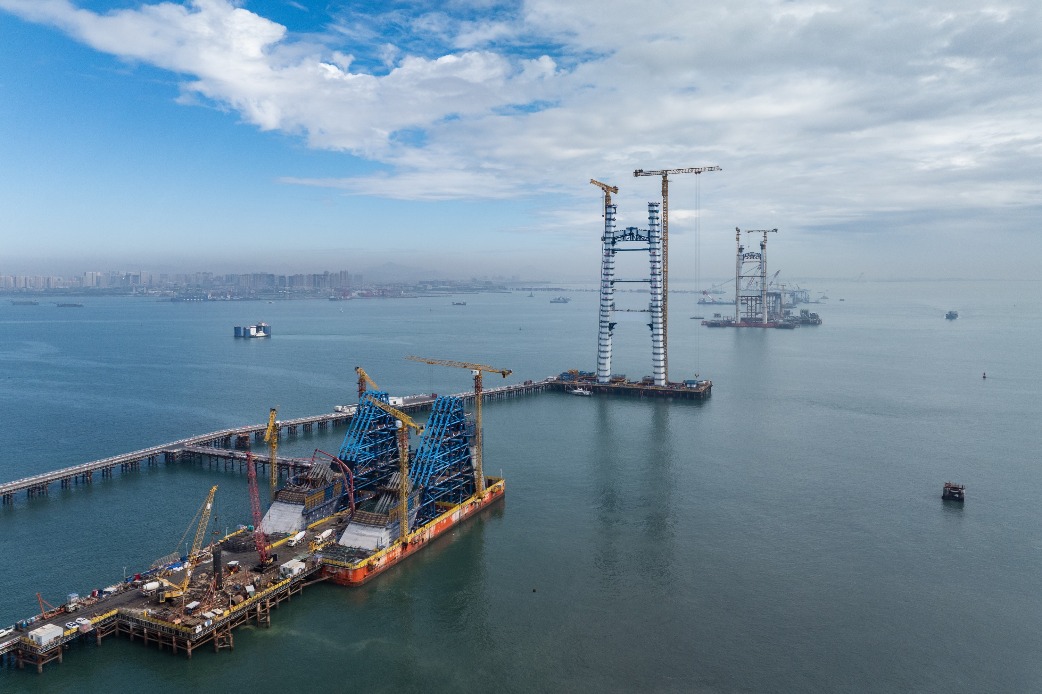
    Infrastructure development features prominently in the integration roadmap, with plans to deepen ‘living circles’ between Xiamen-Jinmen and Fuzhou-Matsu. Critical utility projects delivering water, electricity, and gas to Jinmen and Matsu will be expedited, while Xiamen is scheduled to complete its section of the Xiamen-Jinmen Bridge within the year.

    The initiative aligns with the commencement of China’s 15th Five-Year Plan (2026-30), positioning Fujian at the forefront of cross-Strait relations development.

  • Kanye West apologises for antisemitic remarks, says brain injury affected mental health

    Kanye West apologises for antisemitic remarks, says brain injury affected mental health

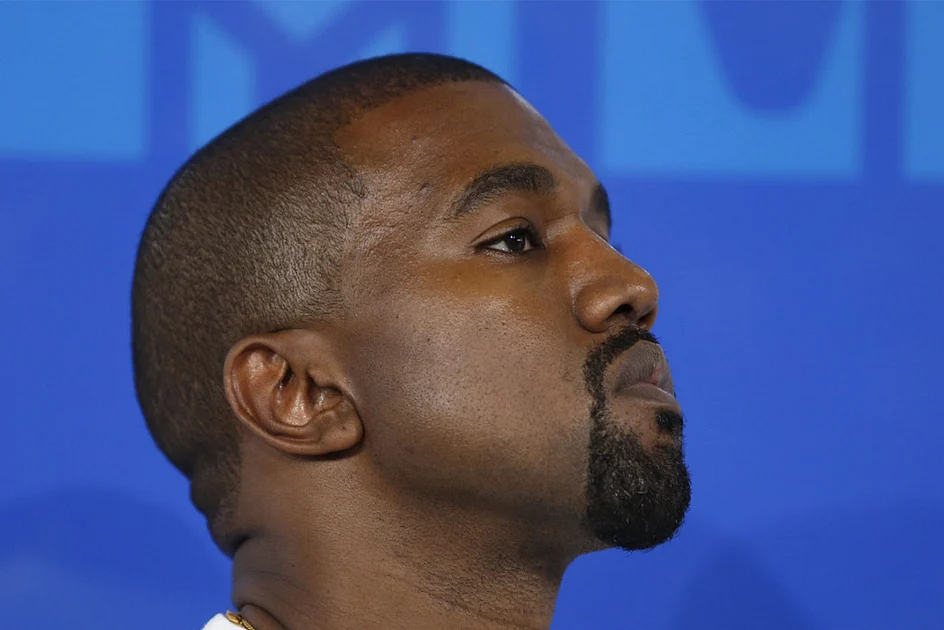
    In an extraordinary public mea culpa, music icon Kanye West (now known as Ye) has issued a formal apology for his history of antisemitic remarks and controversial behavior through a full-page advertisement in The Wall Street Journal. The rapper revealed previously undisclosed medical information that provides context for his erratic public conduct in recent years.

    The artist disclosed that a severe car accident twenty-five years ago resulted in an undiagnosed traumatic brain injury affecting his right frontal lobe. While immediate attention focused on his broken jaw and visible injuries, comprehensive neurological evaluation was overlooked at the time. This medical oversight, West explained, went undetected until proper diagnosis in 2023, significantly impacting his mental health and contributing to his bipolar type-1 diagnosis.

    West described experiencing a ‘four-month-long manic episode of psychotic, paranoid and impulsive behavior’ in 2025, during which he ‘lost touch with reality’ and gravitated toward ‘the most destructive symbols’ – including selling T-shirts bearing swastikas. He expressed particular remorse for how his actions affected loved ones, acknowledging they ‘endured fear, confusion, humiliation, and the exhaustion of trying to have someone who was, at times, unrecognizable.’

    The artist explicitly distanced himself from antisemitic ideologies, stating: ‘It does not excuse what I did, though. I am not a Nazi or an antisemite. I love Jewish people.’ He credited his wife, Bianca Censori, with encouraging him to seek professional help during his mental health crisis.

    West concluded his apology by outlining his recovery regimen involving medication, therapy, exercise, and clean living, which has provided him ‘newfound, much-needed clarity.’ He pledged to channel his energy into ‘positive, meaningful art: music, clothing, design, and other new ideas to help the world’ while seeking forgiveness from fans and those affected by his past actions.

  • China’s tech firm deploys AI model in orbit, unveils massive space computing plan

    China’s tech firm deploys AI model in orbit, unveils massive space computing plan

    In a groundbreaking advancement for space technology, Chinese commercial aerospace pioneer GuoXing Aerospace Technology has successfully deployed a general-purpose artificial intelligence model aboard its operational satellite constellation. The Chengdu-based startup announced this week that it has uplinked Alibaba’s Qwen3 large language model to its inaugural space-based computing center, enabling complete end-to-end reasoning tasks to be processed entirely in orbit.

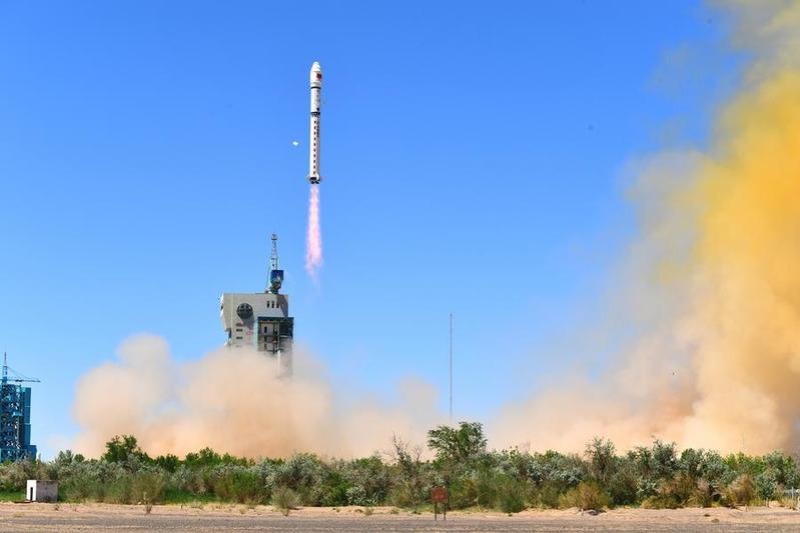
    Executive Vice-President Wang Yabo confirmed this represents the world’s first deployment of a general-purpose large-scale AI model from terrestrial control systems to an operational satellite network in space. The achievement follows China’s launch last May of 12 space computing satellites, forming the initial cluster of GuoXing Aerospace’s ambitious orbital computing project.

    During recent trials, the Qwen3 model successfully completed multiple experiments with remarkable efficiency. Questions transmitted from Earth to the satellite were processed on-board, with results returned to ground stations within an impressive two-minute timeframe.

    This development emerges as artificial intelligence continues driving unprecedented demand for computing resources, sparking a new technological frontier that pushes intelligent computing capabilities into space. The movement gained momentum when SpaceX recently orbited its Starcloud-1 satellite equipped with Nvidia GPUs.

    Looking toward the future, Wang outlined the company’s visionary plan to construct an extensive network of 2,800 specialized computing satellites by 2035. This proposed constellation will comprise 2,400 inference satellites and 400 training satellites, deployed across sun-synchronous, dawn-dusk and low-inclination orbits at altitudes ranging from 500 to 1,000 kilometers.

    The sophisticated satellite network will employ laser inter-satellite links to facilitate high-speed data transfer, with ambitious targets to deliver 100,000 petaflops of inference compute capacity and 1 million petaflops of training compute power worldwide. The company anticipates deploying its second and third satellite clusters within the year, with plans to complete a 1,000-satellite network by 2030.

  • Rwanda takes legal action against UK over axed migrant deal

    Rwanda takes legal action against UK over axed migrant deal

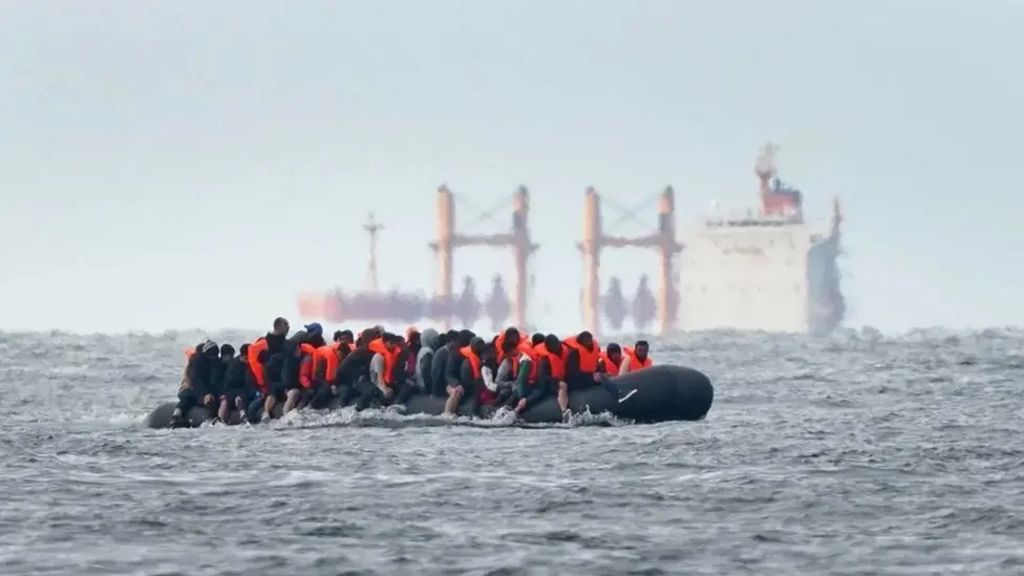
    The Rwandan government has formally commenced international legal proceedings against the United Kingdom through the Permanent Court of Arbitration in The Hague, seeking financial compensation for what it claims are unfulfilled commitments under a terminated migration agreement. This development marks a significant escalation in the diplomatic dispute between the two nations following the collapse of the controversial asylum partnership.

    According to documents filed with the Netherlands-based arbitration body, Rwanda contends that the UK failed to honor its financial obligations under the treaty signed by the previous Conservative administration. The agreement, which envisioned relocating certain asylum seekers from Britain to Rwanda, included substantial economic support packages for the African nation.

    The legal challenge emerged after Prime Minister Sir Keir Starmer’s government terminated the arrangement in 2024, declaring the scheme ‘dead and buried’ shortly after Labour’s electoral victory. The Home Office subsequently announced that £220 million in scheduled future payments would not be disbursed to Rwanda.

    A spokesperson for the Prime Minister’s office stated: ‘We will robustly defend our position to protect British taxpayers. The Rwanda scheme was a complete disaster that wasted £700 million of taxpayer money while resulting in the transfer of merely four volunteers.’

    The original agreement, negotiated under Conservative leadership, involved total expenditures of approximately £700 million, including £290 million in direct payments to Rwanda. Additional provisions included £100 million scheduled for fiscal years 2025-26 and 2026-27, plus £120 million contingent upon the transfer of 300 individuals to Rwandan soil.

    Michael Butera, Chief Technical Adviser to Rwanda’s Minister of Justice, explained the nation’s position: ‘Through arbitration, Rwanda seeks a legal determination of the parties’ respective rights and obligations under the treaty, in accordance with international law.’

    The Permanent Court of Arbitration, an established forum for resolving interstate disputes, has acknowledged receipt of the case with its status listed as pending. Arbitration procedures typically involve extended timelines, often spanning multiple years, as parties present detailed arguments according to established timetables.

    Conservative opposition figures have characterized the legal action as ‘yet another catastrophic consequence of Labour’s decision to scrap the Rwanda scheme,’ warning that British taxpayers now face substantial financial liability due to the government’s policy reversal.

    The UK government had previously indicated efforts to recover funds following the agreement’s termination, though Rwandan authorities maintain they are under ‘no obligation’ to refund any payments already received.

  • Historic Wanping town in Beijing shines anew ahead of Spring Festival

    Historic Wanping town in Beijing shines anew ahead of Spring Festival

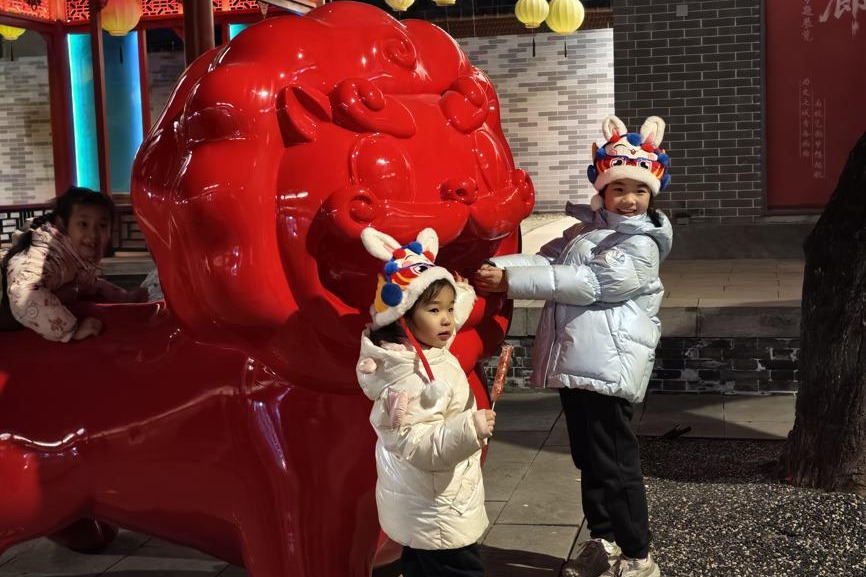
    The ancient town of Wanping in Beijing’s Fengtai district has unveiled its restored historical fortifications to the public, marking a significant cultural preservation achievement. This extensive renovation project, completed in late 2025, has revitalized the historic site just as the Spring Festival approaches, creating new opportunities for cultural tourism and historical education.

    The restoration initiative has carefully preserved the architectural integrity of Wanping’s ancient structures while incorporating modern visitor amenities. The town’s reopening in September 2025 has already attracted considerable attention from both local residents and international visitors seeking authentic cultural experiences.

    A spectacular 3D light show on December 31, 2025, demonstrated the town’s new capabilities as a cultural venue, blending traditional elements with contemporary technology. The event showcased how historical preservation can coexist with modern entertainment, creating a unique atmosphere for celebrating traditional festivals.

    The timing of Wanping’s renaissance aligns perfectly with the upcoming Spring Festival celebrations, offering residents and tourists alike a destination that combines historical significance with festive activities. This careful synchronization demonstrates the thoughtful planning behind the restoration project’s implementation.

    Local authorities have emphasized that the renovation not only preserves physical structures but also revitalizes traditional cultural practices associated with the area. The project represents a model for urban historical preservation that balances conservation with functional modernization.

    The renewed Wanping town stands as a testament to Beijing’s commitment to preserving its cultural heritage while adapting historical sites for contemporary use, ensuring that ancient landmarks remain relevant and accessible to modern audiences.