作者: admin

  • Abu Dhabi’s IHC to launch new holding with $237 billion in assets under management

    Abu Dhabi’s IHC to launch new holding with $237 billion in assets under management

    Abu Dhabi’s International Holding Company (IHC) has announced the creation of a major financial services holding entity, Judan Financial, which will command an impressive $236.88 billion (Dh870 billion) in assets under management. The new conglomerate will consolidate financial assets from IHC, Alpha Dhabi, 2PointZero Group, and Sirius International Holding, spanning diverse sectors including banking and insurance.

    With an estimated valuation of approximately Dh100 billion, Judan Financial will oversee a portfolio of more than 20 operating financial services companies, including the prominent alternative investment firm Lunate. The entity will be chaired by Sheikh Tahnoun bin Zayed Al Nahyan, who serves as the UAE’s national security adviser and also chairs both the Abu Dhabi Investment Authority (ADIA) and IHC.

    Mohamed Hassan Alsuwaidi, the UAE’s investment minister, has been appointed as Chief Executive Officer of Judan Financial. His mandate includes scaling the platform over the next five years and attracting third-party institutional capital. This strategic move follows a significant reorganization last month that saw Abu Dhabi’s newest sovereign wealth fund, L’imad Holding, assume control of ADQ, creating an investment powerhouse chaired by the emirate’s Crown Prince Sheikh Khaled bin Mohamed bin Zayed Al Nahyan.

  • Dubai’s Damac signs global partnership with Oracle Red Bull Racing for Formula 1

    Dubai’s Damac signs global partnership with Oracle Red Bull Racing for Formula 1

    Dubai’s premier real estate developer Damac Properties has strategically expanded its global sponsorship portfolio through a landmark multi-year partnership with Oracle Red Bull Racing, the championship-winning Formula 1 team. This collaboration represents Damac’s latest move in its calculated globalization initiative following its recent high-profile sponsorship agreement with Chelsea Football Club in April 2025.

    The comprehensive partnership will feature Damac’s branding prominently displayed on the RB22 car’s halo protection system and side pods, while also appearing on team principal and driver equipment including race suits, helmets, and official team kits. This positioning ensures maximum visibility during Grand Prix events across the global F1 calendar.

    Amira Sajwani, Managing Director of Sales and Development at Damac Properties, emphasized the strategic nature of these partnerships: “Our approach has consistently focused on building strong brands through authentic, meaningful collaborations. We’ve established relationships with global leaders across fashion, hospitality, and football. Our alliance with Oracle Red Bull Racing, one of Formula 1’s most successful teams, represents another milestone in this journey.”

    Ali Sajwani, Managing Director of Operations, Finance, and Hospitality, highlighted the personal and strategic significance: “Formula 1 has long been a personal passion, and I fully appreciate the sport’s massive global influence. We deliberately pursue distinctive partnerships that align with our ambition to be market trendsetters rather than followers.”

    Laurent Mekies, CEO and Team Principal of Oracle Red Bull Racing, noted the mutual benefits: “This partnership creates significant opportunities for enhanced global engagement and meaningful impact for both organizations beyond the racetrack.”

    The announcement continues Damac’s pattern of prestigious collaborations, having previously partnered with luxury fashion house Roberto Cavalli and entertainment giant Paramount. The developer’s sponsorship strategy has increasingly focused on global sports properties, as evidenced by last year’s agreement between Samana Developers and UAE’s historic Al Nasr Sports Club.

    This strategic move occurs as Dubai-based property developers increasingly expand their international footprint through both global project developments and high-visibility sponsorship arrangements, signaling the region’s growing influence in international business and sports marketing.

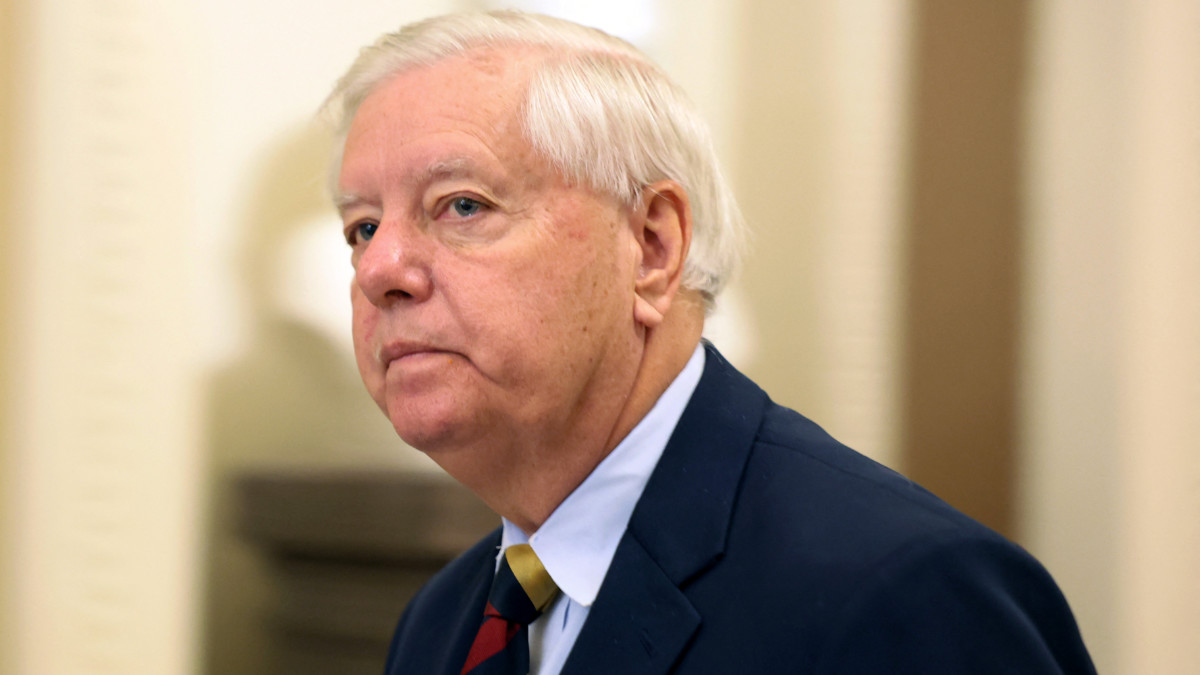
  • ‘Knock it off Saudi Arabia’: Lindsey Graham scolds Saudi leader over rift with UAE

    ‘Knock it off Saudi Arabia’: Lindsey Graham scolds Saudi leader over rift with UAE

    In a striking intervention at the Munich Security Conference, prominent Republican Senator Lindsey Graham issued a blunt directive to Saudi Crown Prince Mohammed bin Salman to immediately cease hostilities with the United Arab Emirates. The senator’s unusually forceful language highlighted growing American concern over the deepening rift between two critical Gulf allies.

    “Knock it off Saudi Arabia, knock it off. I’m tired of this crap,” Graham declared during Friday evening’s session, specifically referencing criticisms leveled by Saudi commentators against UAE leader Mohamed bin Zayed (MBZ). The senator vehemently defended the Emirati leader, stating “MBZ is not a Zionist,” while warning that the ongoing conflict was inadvertently strengthening Iran’s regional position.

    The tensions have been fueled by substantial policy divergences, particularly regarding the UAE’s continued partnership with Israel amid the Gaza conflict. While most Arab capitals have isolated Israel following UN allegations of genocide with over 72,000 casualties, the UAE has maintained normalized relations established through the 2021 Abraham Accords.

    According to Middle East Eye reports, the UAE has allegedly pressured pro-Israel lobbying organizations, including the American Jewish Committee with offices in Abu Dhabi, to condemn Saudi Arabia for purported antisemitism—a charge Saudi academics have vigorously denied as politically motivated manipulation.

    The fracture extends beyond diplomatic spats to active proxy conflicts across the region. In Yemen, Saudi Arabia has moved to expel UAE forces and their local proxies following December’s counter-offensive. Simultaneously, the Red Sea region has become another flashpoint, with Saudi Arabia, Turkey, and Egypt supporting the Sudanese army against the UAE-backed Rapid Support Forces paramilitary group—a conflict that has displaced 2.5 million people and claimed approximately 300,000 lives amid widespread allegations of war crimes.

    Despite these tensions, Western and Arab diplomats indicate both nations are attempting to manage relations, avoiding a complete breakdown similar to the 2017 Qatar blockade. Notably, Saudi Foreign Minister Prince Faisal bin Farhan attended a Munich event alongside UAE diplomatic advisor Anwar Gargash, suggesting ongoing communication channels.

    Graham, a close Trump ally and staunch Israel supporter, emphasized the broader strategic imperative: “We gotta think big picture.” He advocated for sustained US military engagement against Iran, warning that withdrawal would constitute a historic error “far worse than the Syrian redline” or Afghanistan.

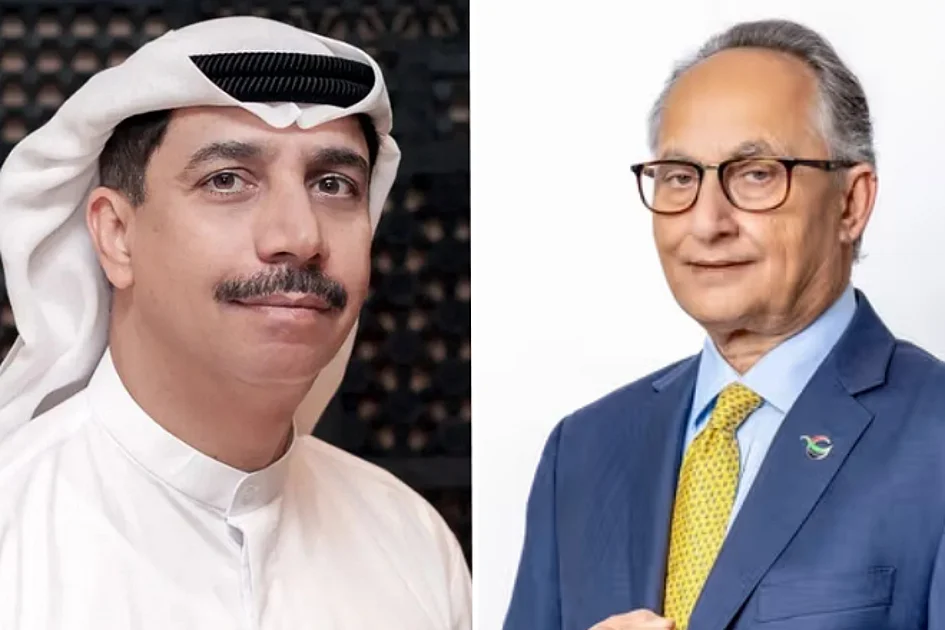
  • Who are new DP World leaders Essa Kazim, Yuvraj Narayan?

    Who are new DP World leaders Essa Kazim, Yuvraj Narayan?

    Dubai-based global logistics leader DP World has initiated a significant executive restructuring, naming financial sector veteran Essa Kazim as its new Chairman and promoting long-serving executive Yuvraj Narayan to Group Chief Executive Officer. The announcement, made on February 13, 2026, marks a strategic repositioning of one of the world’s largest port operators.

    Essa Kazim brings over three decades of distinguished financial expertise to his new role. The Emirati national currently maintains his position as Governor of the Dubai International Financial Centre, a role he has held since January 2014. His extensive career began at the UAE Central Bank in 1988 as a Senior Analyst in the Research and Statistics Department. Kazim’s transformative leadership was demonstrated during his tenure as Director-General of Dubai Financial Market from 1999 to 2006, followed by his chairmanship from 2007 to 2021, where he navigated the institution through both expansion periods and the challenges following the global financial crisis.

    Beyond his new appointment, Kazim retains several pivotal roles including Chairman of Borse Dubai, Deputy Chairman of Dubai’s Supreme Legislation Committee, and board positions at both Nasdaq and Nasdaq Dubai. His comprehensive understanding of financial markets and regulatory frameworks positions him uniquely to guide DP World’s global strategy.

    Yuvraj Narayan ascends to the Group CEO position after dedicating twenty-two years to DP World, having joined in 2004 during a critical expansion phase. The Indian expatriate was appointed Group Chief Financial Officer within his first year and most recently served as Deputy CEO and CFO, where his responsibilities encompassed financial strategy, corporate finance, and broader business operations.

    Prior to his tenure at DP World, Narayan cultivated substantial expertise in transportation infrastructure and finance. He served as Head of Corporate and Project Finance for South Asia at ANZ Group and held the CFO position at Salalah Port Services in Oman. His current directorships include positions at HDFC International Life and Re Company Limited and Dubai Financial Market.

    This leadership transition occurs as DP World continues to expand its global footprint in maritime logistics and supply chain solutions. The appointments signal a consolidation of financial acumen and operational expertise at the helm of the Dubai-based conglomerate, combining Kazim’s regulatory and market knowledge with Narayan’s deep institutional understanding and financial management capabilities.

  • UAE’s infrastructure and construction sectors continue to expand at a robust pace

    UAE’s infrastructure and construction sectors continue to expand at a robust pace

    The United Arab Emirates’ infrastructure and construction sectors are demonstrating remarkable growth momentum, creating sustained demand for advanced mechanical connection systems and pipe fittings. With the national infrastructure market projected to reach $16.71 billion in 2026, driven by consistent sovereign investment and economic diversification programs, utilities and industrial projects have become primary catalysts for materials and component suppliers.

    Capitalizing on this expanding market, GEBO Armaturen GmbH, a German engineering specialist with over eight decades of industrial heritage, has unveiled a comprehensive global expansion strategy targeting the Middle East, Africa, and Asia-Pacific regions. The company has strategically positioned Dubai as its regional coordination hub, leveraging the emirate’s advanced logistics infrastructure, regulatory transparency, and robust distribution ecosystem.

    The expansion announcement featured key leadership figures including Gerhard Kerschbaummayr, COO of GEBO Group; Michael Hess, Strategic Partner; Vinesh Eapen, Director for Asia Pacific, Middle East & Africa; and Edward Mazayan, Area Sales Manager for MENA. The leadership team outlined GEBO’s long-term vision, product innovation pipeline, and structured approach to regional market development.

    Vinesh Eapen emphasized the strategic significance of the UAE hub, noting its capacity to deliver speed, reliability, and technical excellence to surrounding markets. The company’s regional framework incorporates localized inventory positioning, strengthened distribution alliances, enhanced technical response systems, and closer collaboration with contractors, consultants, and MEP stakeholders.

    A pivotal moment came with COO Gerhard Kerschbaummayr’s formal announcement of GEBO’s strategic entry into the Asia-Pacific market, one of the world’s fastest-growing infrastructure regions driven by rapid urbanization, industrial development, and substantial public works investments.

    Founded in 1936, GEBO Armaturen has established itself as an innovator in malleable cast iron compression fittings, having pioneered technology that eliminates welding and threading requirements in pipe connections. This innovation significantly reduces installation complexity and operational downtime while maintaining compliance with stringent European quality standards.

    The company’s future roadmap includes strengthening warehouse presence throughout the GCC, expanding regional product portfolios, evaluating potential technical center establishments, and deepening partnerships across Asia-Pacific markets, solidifying its position as a trusted infrastructure partner in emerging economies.

  • UAE’s $34b nutraceutical sector market attracts new players

    UAE’s $34b nutraceutical sector market attracts new players

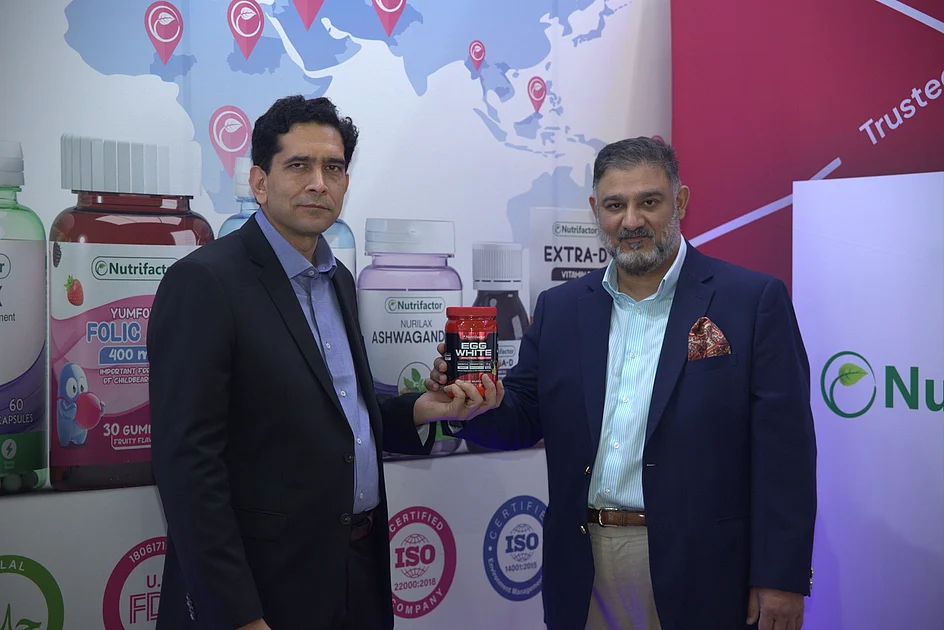
    Dubai’s rapidly expanding wellness sector, valued at approximately $34 billion, has catalyzed a significant strategic partnership between two major industry players. NutraONE, a specialized nutraceutical distribution enterprise, has entered into an exclusive collaboration with manufacturing giant Nutrifactor Laboratories to enhance market penetration across five key international territories: United Arab Emirates, Saudi Arabia, Turkey, United Kingdom, and Canada.

    The alliance, formally established during the World Health Expo 2026 in Dubai on February 11, represents a calculated response to evolving consumer behavior patterns. UAE residents are increasingly adopting proactive wellness routines, creating substantial demand for scientifically-validated health supplements across diverse categories including fertility support, weight management, musculoskeletal health, and cognitive enhancement.

    Phase one implementation will prioritize Gulf Cooperation Council markets, introducing over 100 stock-keeping units specifically tailored to regional health requirements. The partnership’s operational framework emphasizes educational outreach and quality assurance, targeting pharmacy networks, clinical environments, and fitness communities through both digital platforms and traditional retail channels.

    Financial projections indicate ambitious growth targets, with medium-term objectives exceeding $1 billion in distribution volume across the five markets. The collaborators aim to capture 1% of the global nutraceutical market—valued at $470 billion—with long-term aspirations reaching $4.7 billion in cumulative revenue.

    NutraONE’s market strategy incorporates sophisticated e-commerce integration with major platforms including Amazon and Noon, complemented by a robust sub-distribution network. The company characterizes each transaction as an ‘Amanat’ (trust), underscoring commitments to reliability, bilingual consumer education, and expedited local delivery systems.

    Executive leadership from both organizations emphasized aligned values regarding manufacturing standards and transparent consumer communication. Amjad Ali, Group Chairman of Nutrifactor Laboratories, noted: ‘This partnership combines our manufacturing excellence with NutraONE’s distribution expertise to deliver quality-controlled supplements worldwide.’

    Aamad Jalil, CEO of BINA Capital Financial Group and NutraONE Executive Board Member, added: ‘We’re building a platform predicated on genuine trust, responsible communication, and sustainable growth across all target markets.’

    The collaboration signifies a strategic consolidation within the nutraceutical industry, potentially reshaping distribution dynamics across Middle Eastern and Western markets through integrated manufacturing and logistics capabilities.

  • Trump administration ends temporary protected status for Yemenis in US

    Trump administration ends temporary protected status for Yemenis in US

    The United States Department of Homeland Security announced on Friday the termination of Temporary Protected Status (TPS) for Yemeni citizens residing in the country, effective within a two-month period. Homeland Security Secretary Kristi Noem declared the decision, asserting that continued TPS designation for Yemen contradicts national security interests and fails to meet statutory requirements for extension.

    This policy shift compels approximately 1,700 Yemeni TPS beneficiaries to depart voluntarily or face potential deportation by Immigration and Customs Enforcement authorities. The Department of Homeland Security outlined that affected individuals lacking alternative legal immigration status must arrange their departure within 60 days, utilizing the ‘CBP One’ application to coordinate travel arrangements.

    The termination comes despite the State Department maintaining its most severe travel advisory for Yemen, classifying the country under ‘Level 4 – Do Not Travel’ due to extreme risks including terrorism, civil unrest, widespread crime, health hazards, kidnapping threats, and active landmines. The US embassy in Sanaa suspended operations in February 2015 amid escalating violence and has not resumed full services.

    Yemen initially received TPS designation in September 2015 following the collapse of its government and the commencement of military operations by a Saudi-led coalition with US support. The program underwent regular renewals every 18 months, with extensions granted in 2017, 2018, 2020, 2021, 2023, and most recently in 2024.

    The administration’s departure incentive offers $2,600 plus reimbursed airfare through the CBP One portal, mirroring programs offered to undocumented immigrants since May. However, reports indicate inconsistent payout distribution, with many applicants receiving no funds despite program promises.

    Critics including Amer Ghalib, former mayor of Hamtramck, Michigan—home to a significant Yemeni-American community—denounced the decision as fundamentally contradictory. Ghalib, a Trump supporter and Yemeni immigrant, questioned the administration’s rationale: ‘If Yemen remains unsafe for American travelers, how can it be deemed safe for returning Yemenis facing potential militia persecution?’

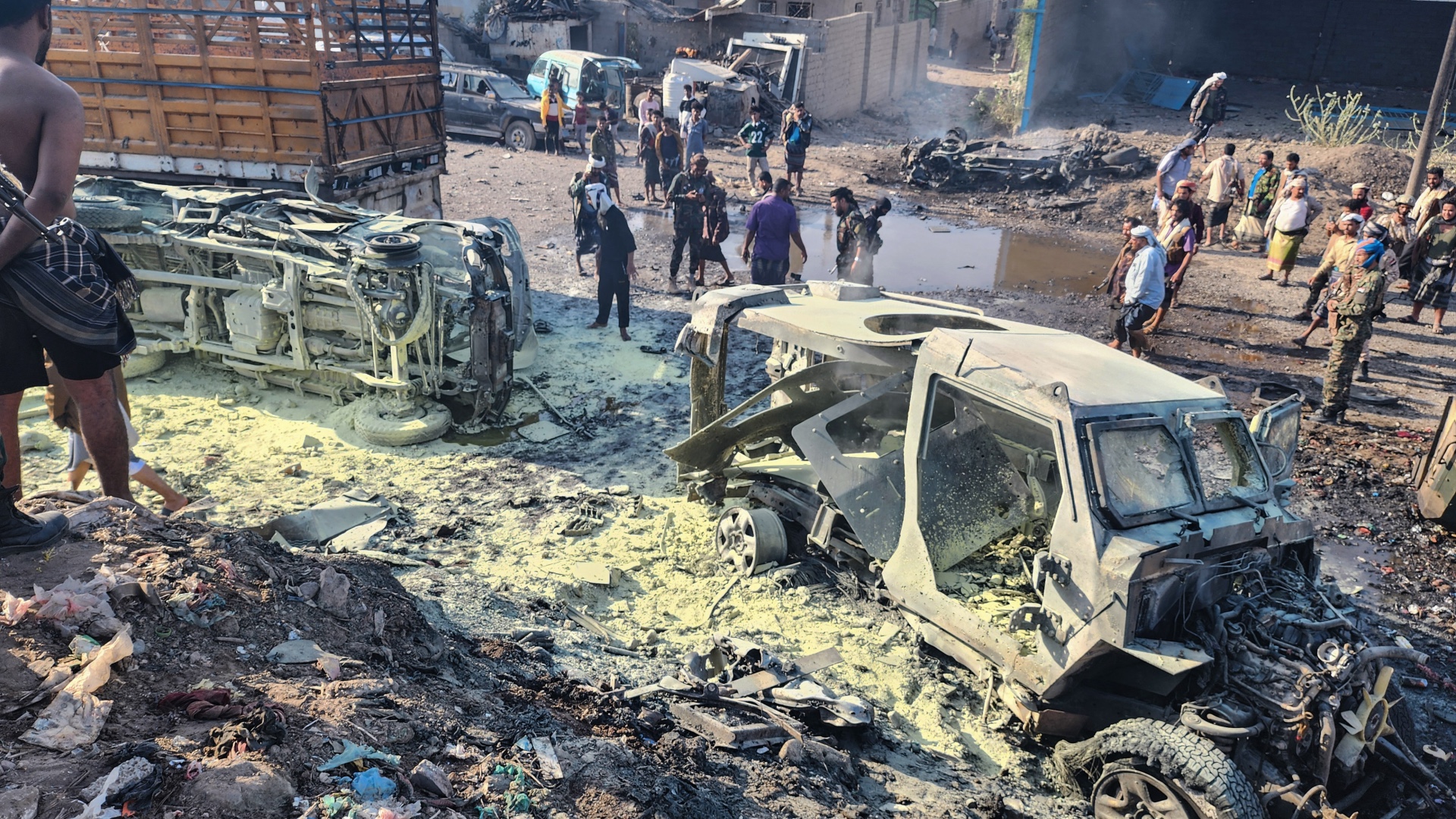
    The humanitarian crisis in Yemen persists amid ongoing conflict, with Pentagon airstrikes against Houthi targets continuing through last year and Israeli strikes killing numerous Yemeni journalists. Deportation carries a mandatory 10-year reentry ban, creating permanent separation from family members remaining in the United States.

  • African Union summit opens as youth anger grows over a ‘bloc of old leaders’

    African Union summit opens as youth anger grows over a ‘bloc of old leaders’

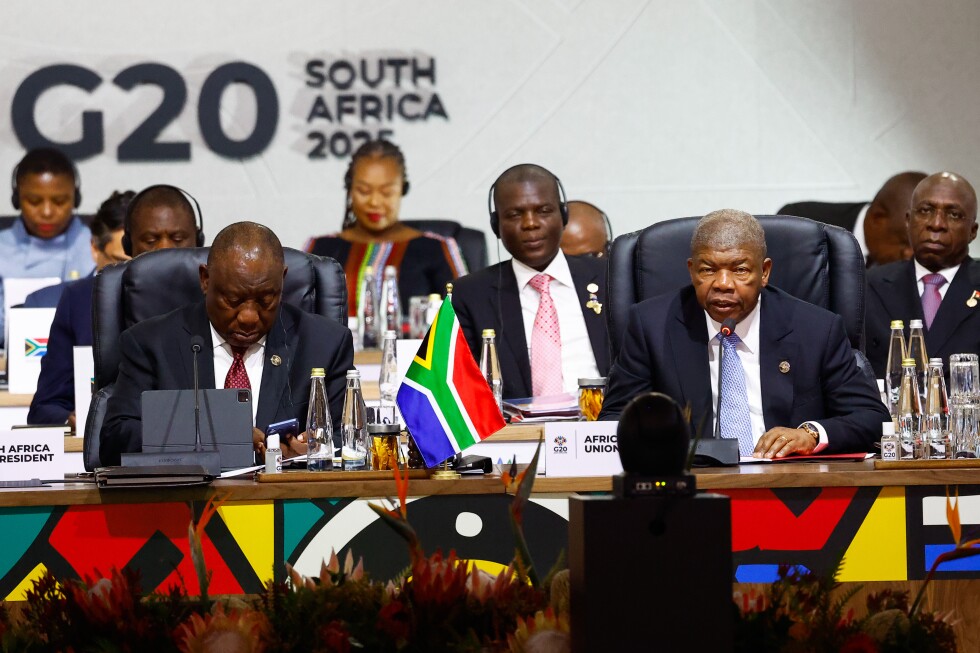
    ADDIS ABABA, Ethiopia — The African Union convenes its 39th annual summit this weekend amidst growing criticism from the continent’s youth population, who increasingly view the regional body as an ineffective organization dominated by aging leaders. Established to foster unity among African states, the AU now confronts a severe credibility challenge as military coups, contested elections, and economic protests sweep across numerous nations.

    Africa’s demographic paradox presents a central challenge: while boasting the world’s youngest population with over 400 million people aged 15-35, the continent simultaneously hosts some of the globe’s longest-serving leaders. This generational disconnect has fueled widespread disillusionment with the AU’s governance approach, which analysts say prioritizes governments over citizens.

    Liesl Louw-Vaudran, senior analyst with the Crisis Group, observes: ‘The fundamental frustration stems from the perception that this is not a citizen-driven African Union. The organization has consistently missed opportunities to center its operations around people rather than political leadership.’

    The AU’s election monitoring has drawn particular scrutiny. During recent presidential elections in Uganda, the Commission initially commended electoral conduct despite widespread reports of opposition suppression, internet shutdowns, and media intimidation. This response provoked fierce social media backlash, with one user decrying the AU as a ‘dictatorship club.’

    Enforcement mechanisms represent another critical weakness. Macharia Munene, professor of history at the United States International University in Nairobi, notes: ‘The AU struggles with implementation because not all members meet their dues or fully accept collectively decided measures.’

    This year’s summit, focused on water sanitation and climate response, occurs against a backdrop of shifting global alliances and reduced foreign aid. While the gathering offers opportunities for international coordination, critics urge the AU to address internal governance failures more urgently.

    In Nigeria’s capital Abuja, 32-year-old resident Chima Ekwueme expressed a common sentiment: ‘They exist for their own interests. Despite Nigeria’s mineral wealth, we face severe security and economic crises. Where is the AU’s accountability mechanism?’

    As the continent’s population projected to double by 2050, the pressure mounts for the AU to transform from a symbolic body into an effective institution capable of addressing Africa’s most pressing challenges.

  • Oil refinery ablaze in Cuba as fuel crisis deepens

    Oil refinery ablaze in Cuba as fuel crisis deepens

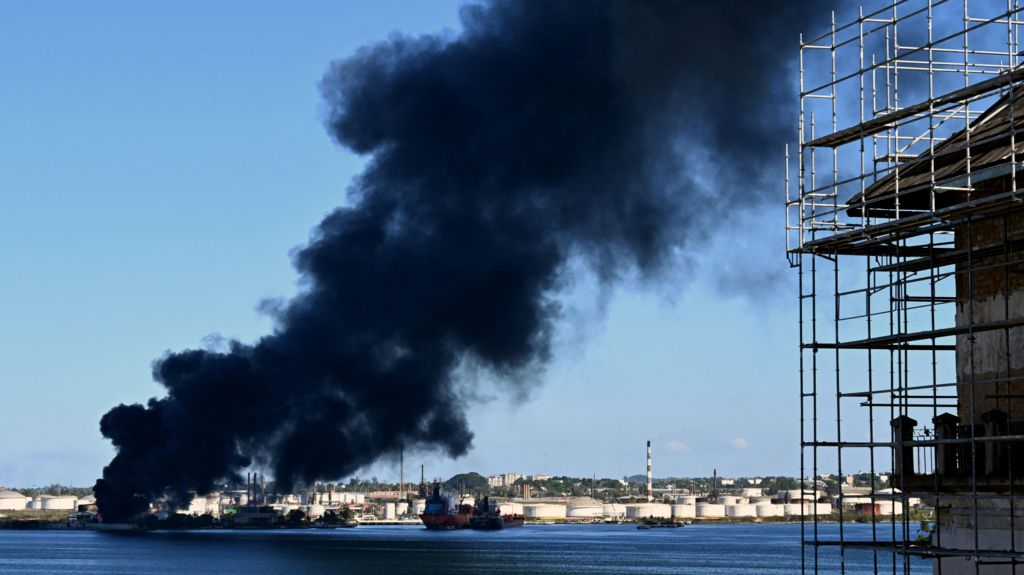
    A significant fire erupted at the Ñico López Refinery in Havana, Cuba, on Friday, sending plumes of black smoke over the capital’s bay area. Cuban energy officials confirmed the blaze has been contained without injuries, though it occurred perilously close to moored oil tankers in Havana Bay. An official investigation into the incident has been initiated.

    This industrial accident exacerbates Cuba’s severe fuel crisis, intensified by recent US actions against Venezuelan oil shipments. The United States military’s seizure of former Venezuelan President Nicolás Maduro in Caracas on January 3rd triggered a chain of events that has strangled Cuba’s energy supply. Washington subsequently confiscated Venezuelan oil tankers and imposed new tariffs on nations supplying petroleum to Cuba, effectively blocking the approximately 35,000 barrels of oil Venezuela previously provided daily.

    The embargo’s consequences are reverberating across Cuban society. Hospitals report emergency ward disruptions, dialysis patients face treatment uncertainties, and critical infrastructure like water pumping stations suffers operational failures. The aviation fuel shortage has compelled multiple airlines to suspend services to the island, prompting several countries including the United Kingdom to issue travel advisories against non-essential visits.

    Cuban authorities have implemented strict fuel rationing and scaled back public services across healthcare, education, and transportation sectors. Despite these challenges, humanitarian efforts continue with two Mexican vessels delivering 800 tonnes of aid to Havana Bay on Thursday.

    United Nations human rights experts have condemned Washington’s restrictions as “an extreme form of unilateral economic coercion,” with UN human rights chief Volker Türk expressing extreme concern over the deteriorating situation. The current crisis extends the longstanding US economic and trade embargo on Cuba that has persisted since 1960.

  • Columbia University, Cuny most ‘hostile’ campuses for Muslims: Cair

    Columbia University, Cuny most ‘hostile’ campuses for Muslims: Cair

    A comprehensive investigation by the Council on American-Islamic Relations (CAIR) has revealed a disturbing pattern of institutional hostility toward Muslim students and Palestine advocates across American higher education. The civil rights organization’s assessment of 51 university campuses since 2024 found none could be classified as “unhostile” environments for these communities.

    The report identifies Columbia University and the City University of New York (CUNY) as the most problematic institutions, followed by the University of Michigan, University of Chicago, and Case Western Reserve University. These rankings emerged from CAIR’s systematic monitoring of anti-Muslim incidents through a dedicated public reporting platform.

    Alarmingly, the investigation uncovered that over half of the surveyed institutions completely omit protections against Islamophobia and anti-Muslim bias from their official discrimination policies. Furthermore, approximately 75% of these universities reportedly summoned law enforcement to arrest students, staff, and faculty participating in Gaza genocide protests following the October 7, 2023 Hamas-led attacks on Israel.

    The spring of 2024 witnessed unprecedented student activism mirroring Vietnam-era protests, with Gaza solidarity encampments spreading nationwide. These demonstrations aimed to pressure universities to divest from entities profiting from Israel’s military operations and occupation of Palestinian territories.

    CAIR’s analysis directly links the campus crackdowns to Project 2025, a policy blueprint developed by the far-right Heritage Foundation and largely adopted by the Trump administration. The report notes that twelve institutions—including Harvard, Yale, and Columbia—have embraced the International Holocaust Remembrance Alliance’s definition of antisemitism, which critics argue conflates legitimate criticism of Israel with antisemitism.

    The legal landscape surrounding these issues remains contentious. A September federal court ruling favored Harvard in its lawsuit against federal agencies, with Judge Allison Burroughs condemning the Trump administration’s withholding of nearly $3 billion in research funding as an “ideologically-motivated assault” using antisemitism as a “smokescreen.”

    However, the confrontation continues with the Justice Department recently suing Harvard over admissions documentation, while the Trump administration seeks $1 billion in damages from the university for its defiance during the funding dispute.

    CAIR defines Islamophobia as a pattern of discrimination and oppression rooted in fear, hatred, or prejudice toward Islam and Muslims, often reducing the faith’s diverse traditions to stereotypes of violence and civilizational threat. The organization notes this phenomenon frequently encompasses anti-Palestinian racism justified through anti-Muslim rhetoric.