作者: admin

  • France invites Chad president in bid to ease troubled relations

    France invites Chad president in bid to ease troubled relations

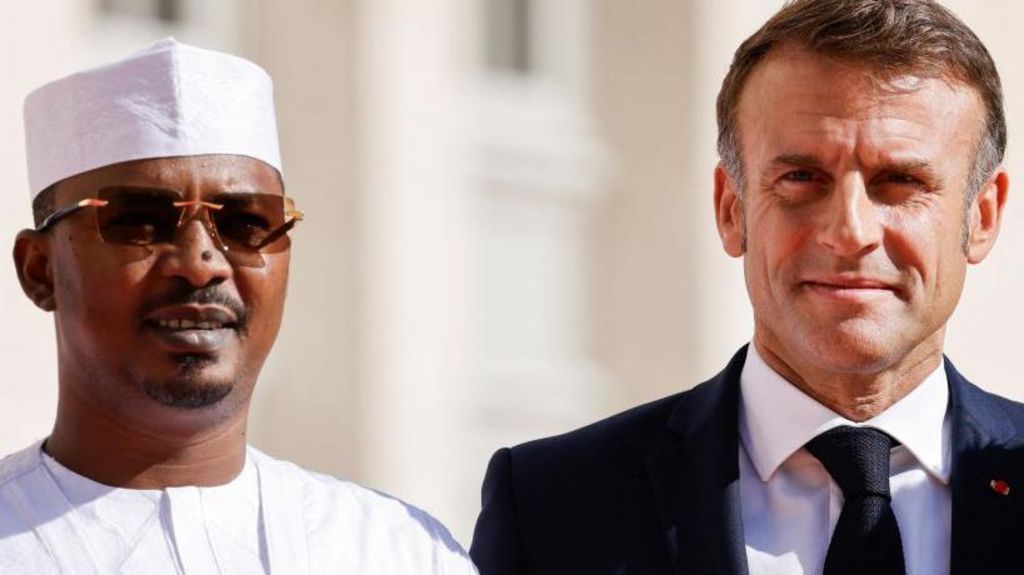
    In a significant diplomatic overture, French President Emmanuel Macron has formally invited Chadian President Mahamat Déby to Paris, signaling a potential reset of bilateral relations following recent military estrangement. The verbal invitation was conveyed by France’s Ambassador to Chad, Éric Gérard, during a Monday meeting at the presidential palace in N’Djamena.

    This development comes against the backdrop of substantial geopolitical shifts. In November 2024, Chad abruptly terminated its longstanding defense agreement with France, declaring the colonial-era pact ‘obsolete’ for addressing contemporary security challenges. This decision triggered the withdrawal of approximately 1,000 French troops who had been providing intelligence and logistical support from bases across the central African nation.

    The Chadian presidency confirmed Déby’s acceptance of the invitation while withholding specific timing details. Officials characterized the discussion as focusing on ‘renewal of bilateral cooperation’ through ‘dialogue and openness in a spirit of consultation and consideration of the interests of each party.’

    Chad’s recent foreign policy reorientation represents broader regional realignments. Prior to severing military ties with France, N’Djamena had also ordered the departure of US forces, fueling speculation about shifting alliances. While Déby has publicly denied intentions to replace Western partners with alternative foreign powers, Chad recently signed a military cooperation memorandum with Belarus, a close Russian ally.

    This diplomatic maneuvering occurs as France’s influence in the Sahel region continues to diminish following forced withdrawals from Mali, Niger, and Burkina Faso after successive military coups. Chad remains challenged by significant security threats while asserting what it terms ‘sovereign independence’ in defense matters after six decades of nationhood.
  • ‘Crying horse’ toys go viral in China ahead of Lunar New Year

    ‘Crying horse’ toys go viral in China ahead of Lunar New Year

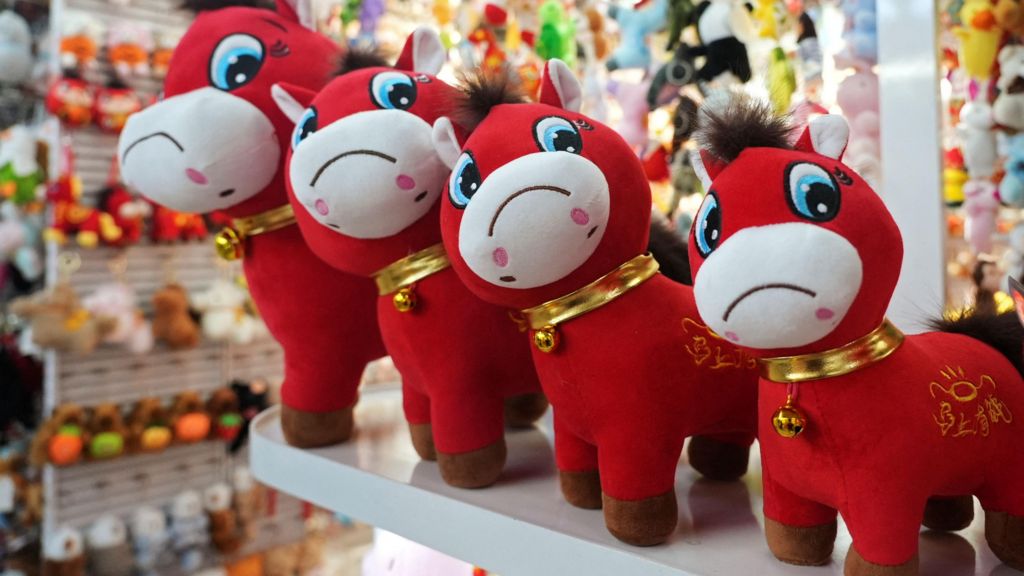
    An accidentally manufactured frowning horse plush toy has emerged as an unexpected cultural phenomenon in China, resonating deeply with the nation’s young workforce ahead of Lunar New Year celebrations. The stuffed animal, originally produced in error when a factory worker sewed its smile upside down, has transformed from a manufacturing defect into a symbolic representation of contemporary work-life realities.

    The toy’s creator, Zhang Huoqing of Yiwu-based Happy Sister shop, anticipated needing to issue refunds for the misfigured product. Instead, the melancholic equine became an internet sensation after images circulated online, triggering unprecedented demand. Zhang noted the toy’s gloomy expression particularly strikes a chord with China’s younger generation, who self-identify as ‘corporate slaves’ in today’s competitive job market.

    Consumer responses highlight the emotional connection: ‘This crying horse really fits the reality of modern working people,’ Zhang recounted from customer feedback. ‘People joked that the crying horse is how you look at work, while the smiling one is how you look after work.’

    The 20cm crimson toy, adorned with golden collar bells and embroidered with ‘money comes quickly’ in golden lettering, retails for 25 yuan (£2.62). Its design incorporates traditional Lunar New Year symbolism while subverting expectations through its sorrowful countenance.

    Manufacturing has scaled dramatically to satisfy domestic and international demand, with the item evolving into more than mere merchandise. As buyer ‘Tuan Tuan Mami’ expressed to the South China Morning Post, ‘This little horse looks so sad and pitiful, just like the way I feel at work. With this crying toy in the Year of the Horse, I hope to leave all my grievances at work behind and keep only happiness.’

    Not all observers embrace the phenomenon. Fellow Yiwu merchant Lou Zhenxian acknowledged the toy’s emotional appeal but questioned its underlying message: ‘I believe you should work hard when at work and be happy after work, it shouldn’t be two extreme opposites.’

    The toy’s popularity emerges as China prepares to welcome the Year of the Horse in February, with the zodiac animal typically symbolizing vitality and success in Chinese tradition—attributes starkly contrasted by the plush’s lamentable expression.

  • Iran official says businesses’ internet access may be restored in coming days

    Iran official says businesses’ internet access may be restored in coming days

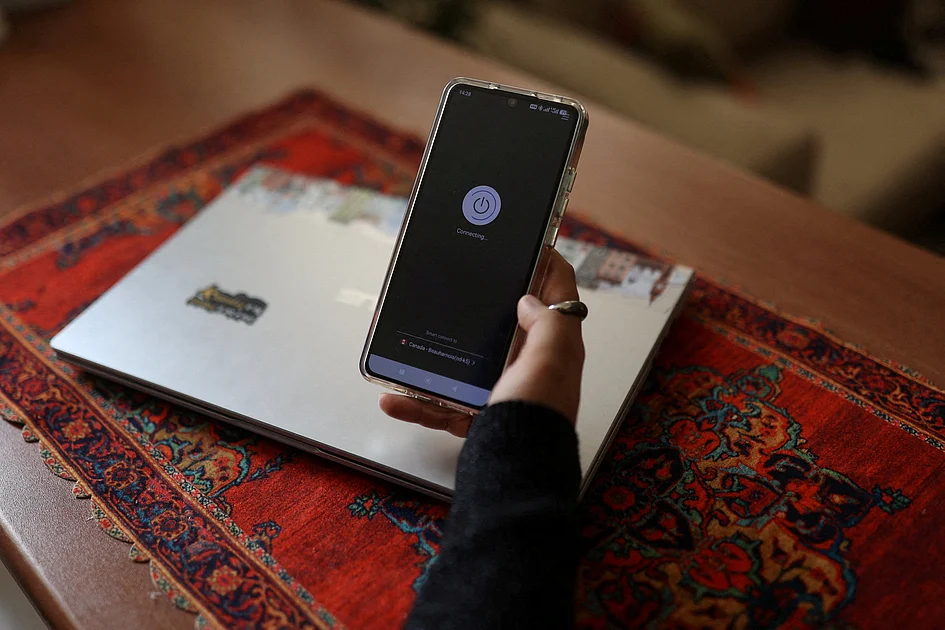
    Iranian authorities have indicated that international internet access for businesses might be restored within days, following an 18-day nationwide blackout imposed during widespread anti-government protests. Hossein Rafieian, a senior digital economy official, stated through the Mehr news agency that corporate internet connectivity could return within “the next day or two,” though he acknowledged the final decision rests beyond his direct authority.

    The internet shutdown, which monitoring group Netblocks confirms has persisted for over two weeks, has drawn international condemnation as rights organizations report it has enabled a violent crackdown on demonstrators. According to the US-based Human Rights Activists News Agency (HRANA), the confirmed death toll has reached 5,848 individuals, including 209 security personnel, with an additional 17,091 potential fatalities under investigation. The organization estimates at least 41,283 arrests have occurred.

    Iranian officials provided their first official casualty figures last week, claiming 3,117 deaths—mostly security forces and civilians allegedly killed by protesters described as “rioters.” The protests initially emerged in late December over economic concerns but rapidly evolved into a broad movement challenging the Islamic Republic’s leadership, culminating in massive demonstrations beginning January 8.

    The economic impact of the digital blackout remains contested. Iran’s deputy telecommunications minister estimated daily losses between $3-4 million, while NetBlocks calculated a significantly higher economic damage exceeding $37 million daily. The internet monitor also noted authorities were intensifying filtering measures to limit circumvention while promoting state-approved narratives through whitelisted accounts.

  • India, EU finalise landmark trade deal, PM Modi says

    India, EU finalise landmark trade deal, PM Modi says

    In a groundbreaking development for global trade, India and the European Union have concluded negotiations on a comprehensive trade agreement that represents approximately 25% of the world’s economy. Prime Minister Narendra Modi announced the completion of this landmark pact on Tuesday, marking the culmination of nearly twenty years of intermittent negotiations between the parties.

    The agreement establishes a framework for India to gradually open its massive, previously protected market of 1.4 billion people to free trade with the 27-nation European bloc, which currently stands as India’s largest trading partner. Bilateral trade between India and the EU reached $136.5 billion during the fiscal year ending March 2025.

    This strategic partnership emerges against a backdrop of shifting global alliances and economic uncertainties. The deal follows the recent collapse of India-US trade negotiations after the Trump administration imposed substantial tariffs, including a 50% levy on Indian goods. The agreement also comes shortly after the EU finalized similar pacts with Mercosur, Indonesia, Mexico, and Switzerland.

    According to Indian government officials familiar with the matter, the formal signing ceremony will occur following a five-to-six month legal review process, with full implementation expected within twelve months. This agreement represents part of a broader pattern of nations seeking alternative trade partnerships amid increasing volatility in traditional Western alliances.

  • Last remaining twin giant pandas in Japan depart for China

    Last remaining twin giant pandas in Japan depart for China

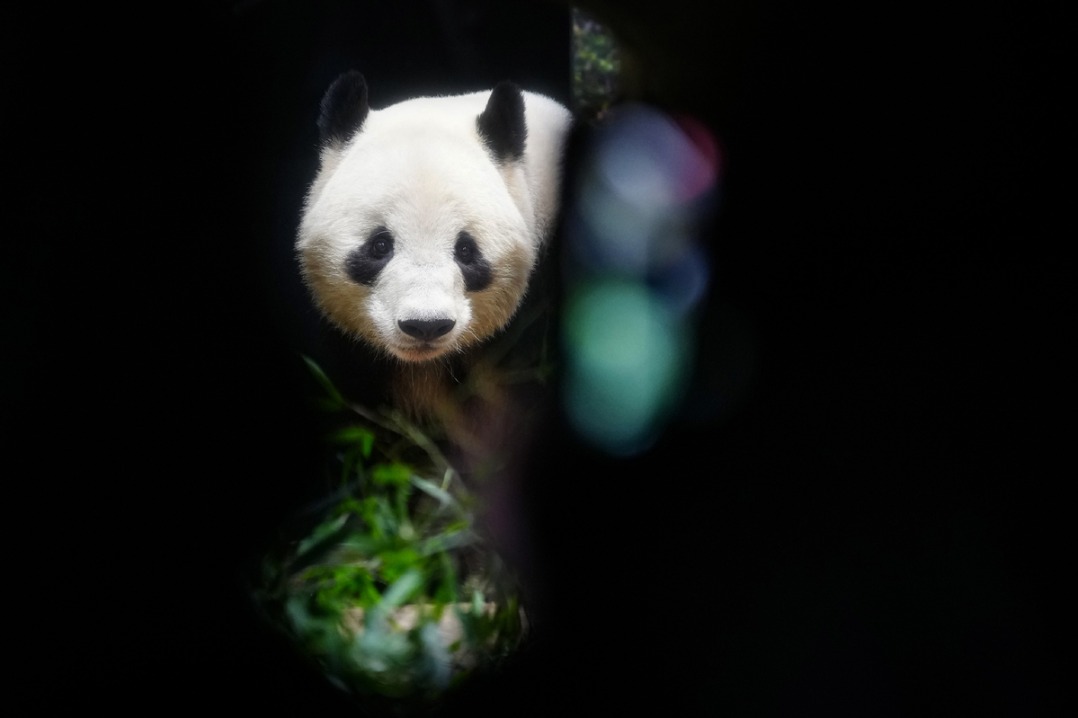
    Japan’s panda chapter closed on Tuesday as the nation’s final remaining giant pandas, twin siblings Xiao Xiao and Lei Lei, departed from Tokyo’s Ueno Zoological Gardens en route to China. This historic departure marks the first absence of giant pandas in Japan since 1972, when the iconic bears first arrived as symbols of normalized diplomatic relations between the two nations.

    The beloved twins, born in 2021 to parents Shin Shin and Ri Ri (who returned to China in September 2024), were transported via specialized truck convoy to Narita International Airport for their scheduled flight to China. Their departure fulfills a bilateral agreement between China and Japan that stipulated the pandas’ return by February 2026, with Japanese authorities coordinating an earlier transfer date through diplomatic channels.

    In their final days at Ueno zoo, the pandas attracted unprecedented public attention. The institution implemented a combined reservation-and-lottery system to manage overwhelming visitor demand, offering approximately 4,400 daily viewing slots. Mainichi Shimbun reported extraordinary public engagement, with 311,500 applications submitted and final-day reservations exceeding capacity by 24.6 times. Even those unsuccessful in the lottery gathered at the zoo to bid emotional farewells to the departing celebrities.

    Mikako Kaneko, deputy director of Ueno zoo, expressed profound gratitude to the countless supporters who had followed and nurtured the pandas’ development throughout their residence. This departure follows the June 2025 return of four giant pandas from Wakayama Prefecture, completing the gradual repatriation of China’s loaned pandas across Japanese institutions.

    The panda diplomacy program, initiated five decades ago, has served as both a conservation effort and diplomatic bridge between China and Japan. The current absence represents a significant moment in Sino-Japanese cultural exchange, though future panda loans remain possible through ongoing bilateral agreements.

  • Trump says hiking tariffs on South Korean goods to 25%

    Trump says hiking tariffs on South Korean goods to 25%

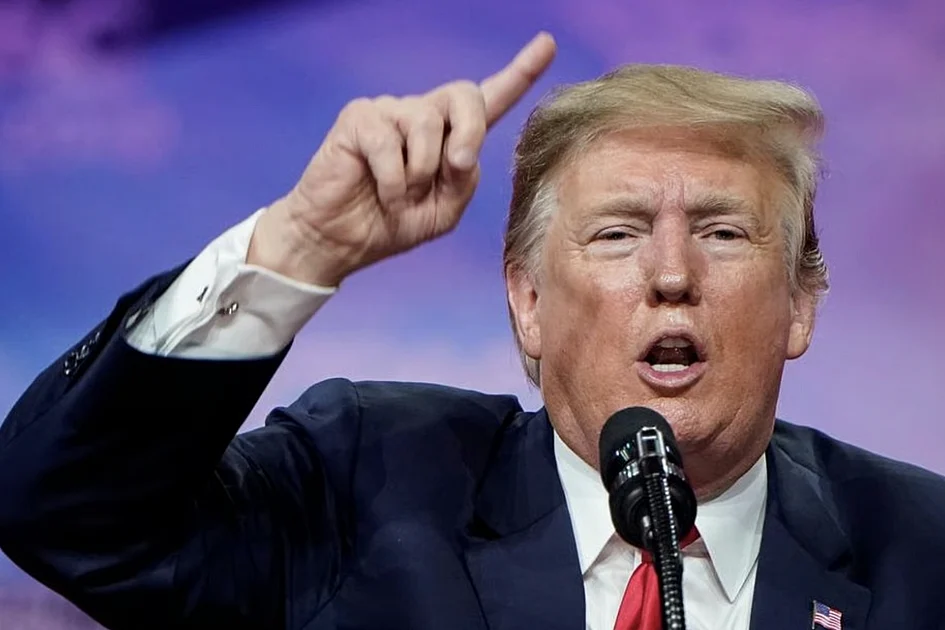
    In a significant escalation of trade tensions, former US President Donald Trump has declared his intention to increase tariffs on South Korean imports from 15% to 25%, targeting key sectors including automobiles, lumber, and pharmaceuticals. The announcement was made via Trump’s Truth Social platform on Monday, where he accused South Korea’s legislature of failing to ratify what he termed a “Historic Trade Agreement” previously negotiated with Washington.

    This potential policy reversal threatens to undermine a comprehensive trade and security agreement finalized just months earlier in October 2025, following personal negotiations between Trump and South Korean President Lee Jae Myung. The original pact had secured reduced tariff rates for South Korean exports in exchange for substantial investment commitments from Seoul.

    The South Korean government responded with measured concern, indicating it had received no prior official notification regarding the tariff increase. An emergency meeting was convened by Seoul’s presidential office, with Trade and Industry Minister Kim Jung-kwan participating remotely from Canada. In an official statement, South Korean officials emphasized their “commitment to implementing the tariff agreement” while pledging to respond “in a calm and measured manner.”

    The automotive sector represents particularly high stakes in this dispute, accounting for approximately 27% of South Korea’s exports to the United States. A reversion to higher tariff levels would place South Korean manufacturers at a competitive disadvantage compared to trading partners like Japan and the European Union, which maintain 15% tariff rates under separate agreements.

    This development marks the latest in a series of trade threats from Trump, who recently warned Canada with potential 100% tariffs should it pursue a trade deal with China, and similarly threatened European nations regarding his aspirations to purchase Greenland.

  • Will UAE petrol prices rise in February after increase last month?

    Will UAE petrol prices rise in February after increase last month?

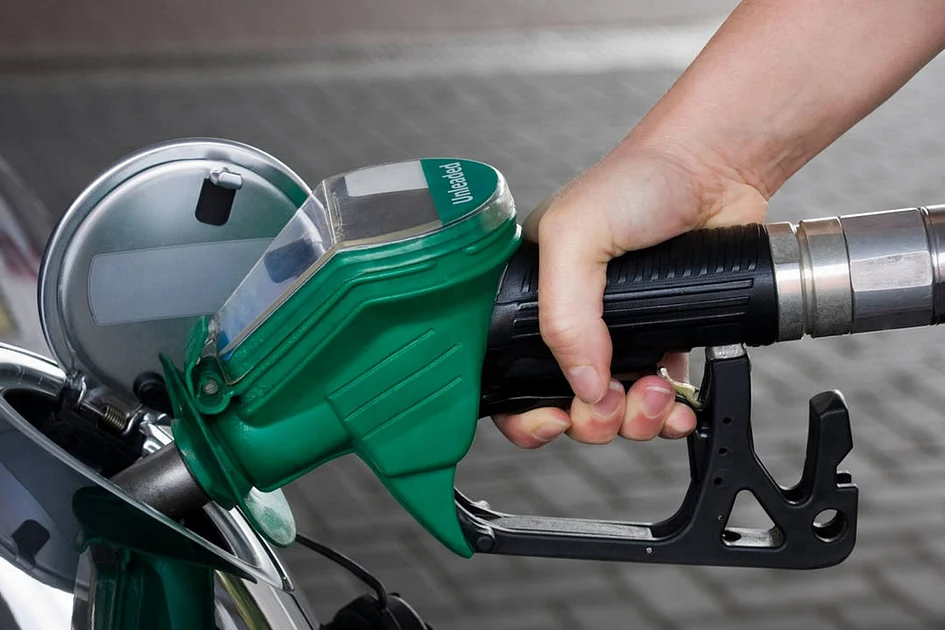
    The United Arab Emirates may witness another increase in petrol prices for February 2026 following January’s upward adjustment, as global oil markets experience renewed volatility driven by geopolitical tensions and supply concerns. Market analysts point to rising Brent crude prices, which averaged $63.47 per barrel this month compared to $61.51 in December 2025, creating pressure on local fuel pricing mechanisms.

    Geopolitical risk factors have emerged as significant price drivers, with renewed U.S. focus on Iran and Venezuela sparking supply disruption fears. The deployment of American naval assets to the Middle East has particularly raised concerns about potential escalation, contributing to what market experts describe as a ‘geopolitical risk premium’ in current oil pricing. This sentiment has prompted hedge funds to increase bullish crude positions to their highest level since August.

    Despite these upward pressures, Fitch Ratings maintains a cautious outlook, noting that any potential supply disruptions would likely be absorbed by an oversupplied global market. The ratings agency emphasized that OPEC’s future strategic stance on volume versus value will prove crucial in shaping oil market dynamics in the coming months.

    Domestically, the growing vehicle population in the UAE continues to drive substantial demand for petroleum products. Adnoc Distribution, the nation’s largest fuel retailer, reported record nine-month fuel volumes totaling 11.7 billion liters while expanding its network with 85 new service stations during January-September 2026.

    The UAE’s fuel pricing committee considers both international benchmark trends and local market conditions when determining monthly prices. For January, Super 98, Special 95, and E-Plus were priced at Dh2.53, Dh2.42, and Dh2.34 per liter respectively, representing a slight decrease from December 2025 rates. Market watchers now await the February announcement amid current market conditions that suggest possible increases.

  • Xi says China ready to uphold UN-centered intl system with Finland

    Xi says China ready to uphold UN-centered intl system with Finland

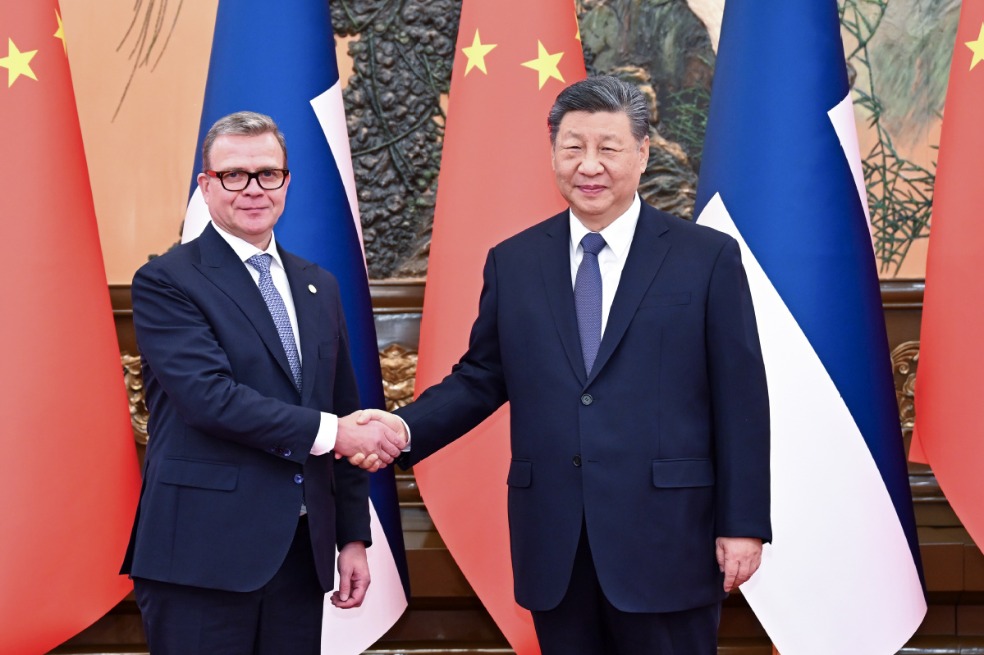
    In a significant diplomatic engagement, Chinese President Xi Jinping articulated China’s commitment to strengthening its partnership with Finland during a high-level meeting with Finnish Prime Minister Petteri Orpo in Beijing on Tuesday. The discussions centered on reinforcing the international framework with the United Nations at its core and upholding a legal-based global order.

    President Xi emphasized the necessity of Sino-Finnish collaboration in addressing pressing global challenges, highlighting shared responsibilities in maintaining international stability. ‘China stands ready to work with Finland to defend the multilateral system that has served as the foundation of international cooperation since the post-World War II era,’ Xi stated during the bilateral talks.

    The Chinese leader further elaborated on the vision for a ‘more equitable and orderly multipolar world,’ advocating for economic globalization that delivers widespread benefits rather than exacerbating existing inequalities. This approach, Xi noted, aligns with both nations’ interests in sustainable development and inclusive growth.

    Significantly, Xi characterized the relationship between China and Europe as fundamentally cooperative rather than adversarial, dismissing notions of inherent conflict between the Eastern and Western powers. ‘We are natural partners in building a more stable international environment,’ Xi affirmed, pointing to historical ties and contemporary economic complementarities.

    The meeting also explored avenues for deepening cooperation across multiple sectors including trade, technology, environmental protection, and innovation. Both leaders expressed optimism about the potential for enhanced bilateral relations to contribute positively to Eurasian stability and global governance reform.

    Prime Minister Orpo’s official visit to China marks an important step in strengthening Nordic-China relations at a time of evolving geopolitical dynamics across the European continent. The discussions are expected to pave the way for increased high-level exchanges and concrete agreements in the coming months.

  • US to send ICE agents to Winter Olympics, prompting Italian anger

    US to send ICE agents to Winter Olympics, prompting Italian anger

    Italy has expressed strong opposition to the planned deployment of US Immigration and Customs Enforcement (ICE) agents for security operations during the upcoming Milan-Cortina Winter Olympics, creating diplomatic friction between the two NATO allies. The controversy stems from recent incidents in Minneapolis where ICE officers were involved in fatal shootings, generating widespread alarm in Italy after images of the events circulated nationally.

    ICE confirmed through an official statement that its Homeland Security Investigations unit would support the US Department of State’s Diplomatic Security Service in vetting and mitigating risks from transnational criminal organizations during the Games, which run from February 6-22. The agency emphasized that its personnel would ‘obviously not conduct immigration enforcement operations outside the US’ and that all security operations would remain under Italian authority.

    The announcement triggered immediate backlash from Italian officials. Milan Mayor Beppe Sala denounced the decision on Italian radio, stating, ‘This is a militia that kills… of course they’re not welcome in Milan.’ He further asserted that ICE agents ‘don’t guarantee they conform to our democratic way of ensuring security.’

    Italian Interior Minister Matteo Pantedosi initially appeared unaware of the deployment plans but later took a firm stance, maintaining that ‘ICE will certainly not operate on Italian national territory.’ He emphasized that security remained exclusively under Italian jurisdiction and that the US had not formally communicated a list of security personnel.

    The tension escalated following reports that ICE officials in Minneapolis had threatened journalists from Italy’s public broadcaster RAI, warning them that their car window would be smashed if they continued filming federal agents. This incident, coupled with the fatal shootings in Minneapolis, intensified Italian concerns about the potential presence of these agents on their streets.

    Regional officials attempted to defuse the situation, with Lombardy Governor Attilio Fontana suggesting ICE agents would primarily protect US Vice President JD Vance and Secretary of State Marco Rubio. However, opposition politicians criticized Prime Minister Giorgia Meloni’s government for what they characterized as subservience to the Trump administration, highlighting the complex political dimensions of this international security dispute.

  • Philippines grounds ferry operator’s fleet after deadly sinking

    Philippines grounds ferry operator’s fleet after deadly sinking

    Philippine authorities have imposed an immediate suspension on all passenger vessels operated by Aleson Shipping Lines following the catastrophic sinking of MV Trisha Kerstin 3 that claimed 18 lives. The dramatic maritime disaster occurred during early morning hours on Monday off the southwestern coast of Mindanao, with 344 passengers and crew aboard the ill-fated ferry.

    Transportation Secretary Giovanni Lopez announced the comprehensive grounding order on Tuesday, revealing that the maritime regulator and coast guard would conduct an intensive safety audit over the next ten days. The decisive action comes as President Ferdinand Marcos Jr. ordered a full-scale investigation into the tragedy. “If it turns out the shipowners were deficient, they will expect the full force of the law,” Lopez stated during a press briefing, emphasizing the government’s zero-tolerance approach to maritime safety violations.

    The sunken vessel now rests approximately 76 meters (249 feet) beneath the ocean surface, creating challenging conditions for recovery operations. Coast Guard Commandant Ronnie Gavan confirmed that 10 individuals remain missing, including the ship’s captain, eight crew members, and a safety marshall. Search-and-rescue missions continue as priority, with 16 technical divers and remotely operated vehicles being deployed from Manila to assist in both recovery efforts and the forthcoming investigation.

    Disturbingly, this incident marks the second tragedy on nearly identical routes within three years. In 2023, the Lady Mary Joy 3 ferry fire resulted in 31 fatalities—another vessel owned by the same shipping company. Lopez disclosed that Aleson Shipping Lines has experienced 32 recorded safety “incidents” at sea, though specific details were not immediately provided.

    Survivor accounts paint a troubling picture of potential negligence. Aquino Sajili, a 53-year-old lawyer who survived the sinking, recounted to AFP that crew members failed to alert passengers as the vessel began tilting dangerously. “No one from the crew alerted us,” Sajili described, noting how passengers rushed to one side in a desperate attempt to counterbalance the listing ship before hearing a “loud snap” that preceded rapid submersion. Survivors spent hours floating in life jackets awaiting rescue, with Sajili indicating that legal action against the shipping company appears inevitable.

    The Philippines continues to grapple with maritime safety challenges in its extensive archipelago nation, where inter-island ferries serve as vital transportation links between more than 7,000 islands. This latest incident recalls previous tragedies including the 2015 Leyte Island capsizing (60+ fatalities) and the 1987 Dona Paz collision with an oil tanker—the world’s worst peacetime maritime disaster claiming over 4,000 lives.