作者: admin

  • How Trump’s demands on Iran have shifted over time

    How Trump’s demands on Iran have shifted over time

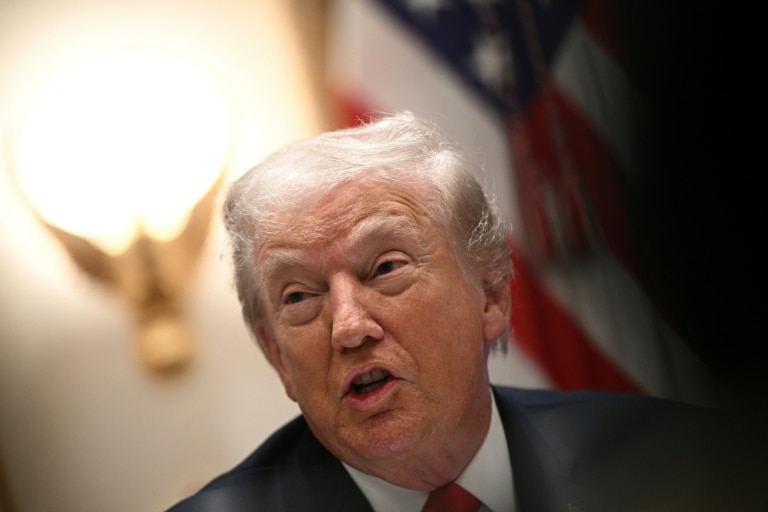
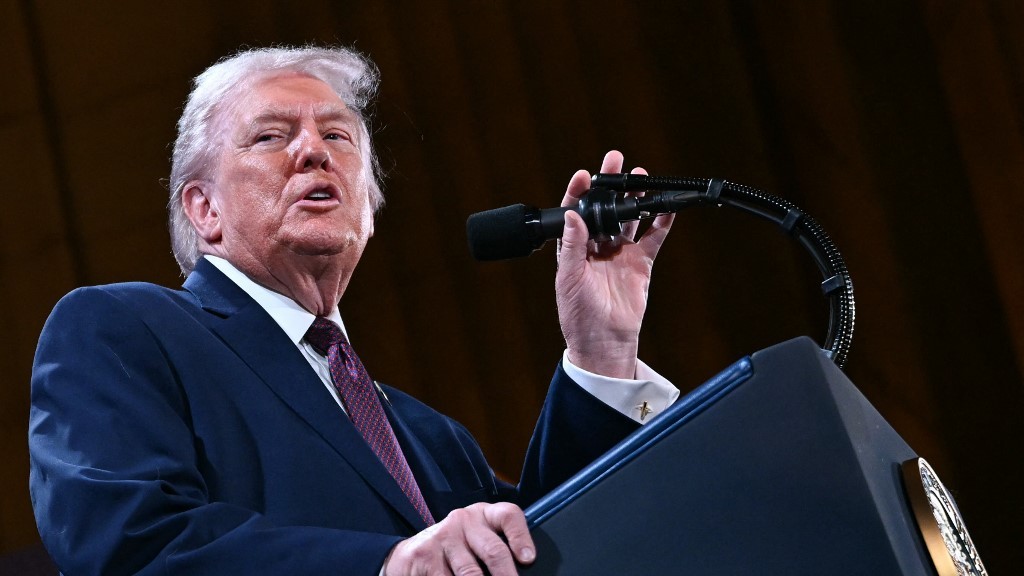
    Former U.S. President Donald Trump has intensified his confrontational stance toward Iran through a series of escalating threats delivered via his Truth Social platform. On Wednesday, he declared that a substantial naval fleet was en route to Iranian waters, prepared to execute military operations with “speed and violence” if Tehran refuses to negotiate a nuclear agreement.

    Drawing parallels to recent U.S. operations targeting Venezuelan leadership, Trump asserted this naval presence surpassed the scale of forces deployed in South America earlier this month. His statements emphasized readiness for rapid military engagement while simultaneously urging Iranian officials to return to diplomatic negotiations for a “fair and equitable” agreement prohibiting nuclear weapons development.

    This latest threat represents another evolution in Trump’s longstanding adversarial position toward Iran. His justification for potential military action has shifted repeatedly—from opposing Iran’s nuclear program to condemning its domestic crackdown on protesters—creating confusion among observers. The nuclear weapons reference appears particularly noteworthy given that Iran’s current uranium enrichment remains below weapons-grade levels according to international monitors.

    Central to Trump’s Iran policy remains his alignment with Israeli interests. Prime Minister Benjamin Netanyahu has consistently reinforced Trump’s hostility toward Iran, reportedly sharing intelligence regarding alleged assassination plots and nuclear advancements. This alliance culminated in coordinated airstrikes last June targeting Iranian nuclear facilities, which Trump publicly celebrated as exceptional military achievements.

    The former president’s approach contrasts sharply with the Obama administration’s diplomatic efforts, having unilaterally withdrawn from the 2015 nuclear agreement to implement a “maximum pressure” campaign featuring extensive sanctions. Despite this abandonment of diplomatic channels, Trump continues demanding renegotiation of nuclear terms while increasing military posturing.

    Regional stability concerns have occasionally tempered Trump’s rhetoric, as evidenced by his abrupt January reversal on military intervention following appeals from Middle Eastern allies. However, his latest ultimatum returns focus exclusively to nuclear capabilities without reference to human rights issues, suggesting strategic prioritization of nonproliferation objectives in current threat formulations.
  • Yunnan’s white plum blossoms create a cozy counter to the seasonal chill

    Yunnan’s white plum blossoms create a cozy counter to the seasonal chill

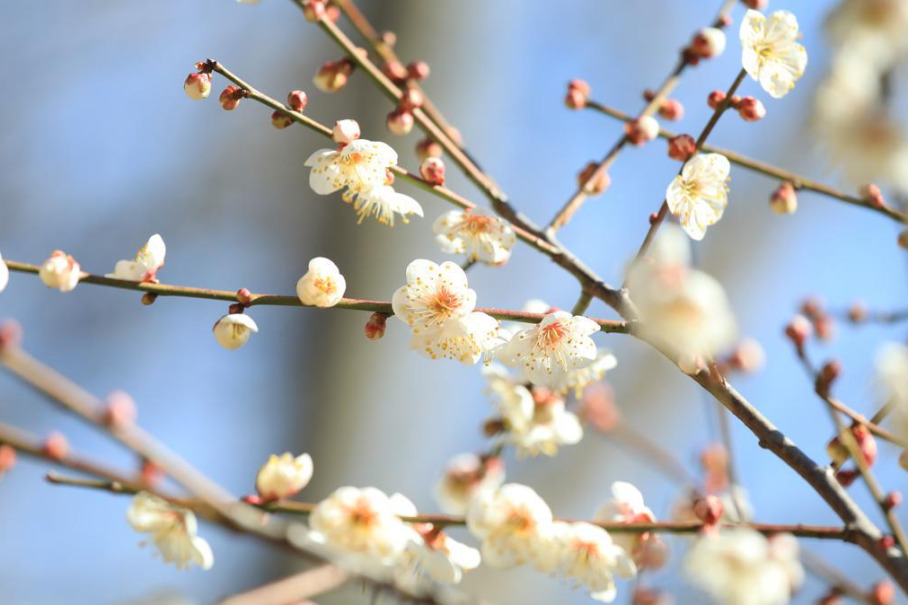
    In the mountainous region of Shidian county, Yunnan province, an extraordinary natural spectacle unfolds each winter as countless white plum blossoms burst into full bloom, creating a stunning visual contrast to the seasonal cold. The Jiutiaogou village has become the epicenter of this floral phenomenon, with delicate petals shimmering under sunlight and soft yellow stamens creating a mesmerizing display against the winter landscape.

    The meticulously arranged village cottages provide a perfect architectural backdrop to the natural beauty, seamlessly blending with the blossoming trees against crystal-clear azure skies. This harmonious integration of human settlement and natural wonder has transformed the area into an unexpected winter destination for nature enthusiasts and photographers alike.

    Tourists visiting the site have expressed awe at the breathtaking scenery. “I had heard about the legendary beauty of Jiutiaogou’s plum blossoms, but witnessing them personally exceeds all expectations,” remarked Yang Yingxin, one of the visitors. “Each individual bloom appears as if carefully crafted by nature’s most skilled artist—a true masterpiece of botanical perfection.”

    The annual blossoming has gained significant attention through coverage by Shidian County’s Integrated Media Center, which has documented the phenomenon’s ability to create warmth and comfort despite the winter chill. The white plum blossoms not only serve as a visual delight but also symbolize resilience and natural beauty thriving in adverse conditions, offering both aesthetic pleasure and metaphorical inspiration to those who witness them.

  • Sichuan prefecture launches lifetime scenic spot passes to attract tourists

    Sichuan prefecture launches lifetime scenic spot passes to attract tourists

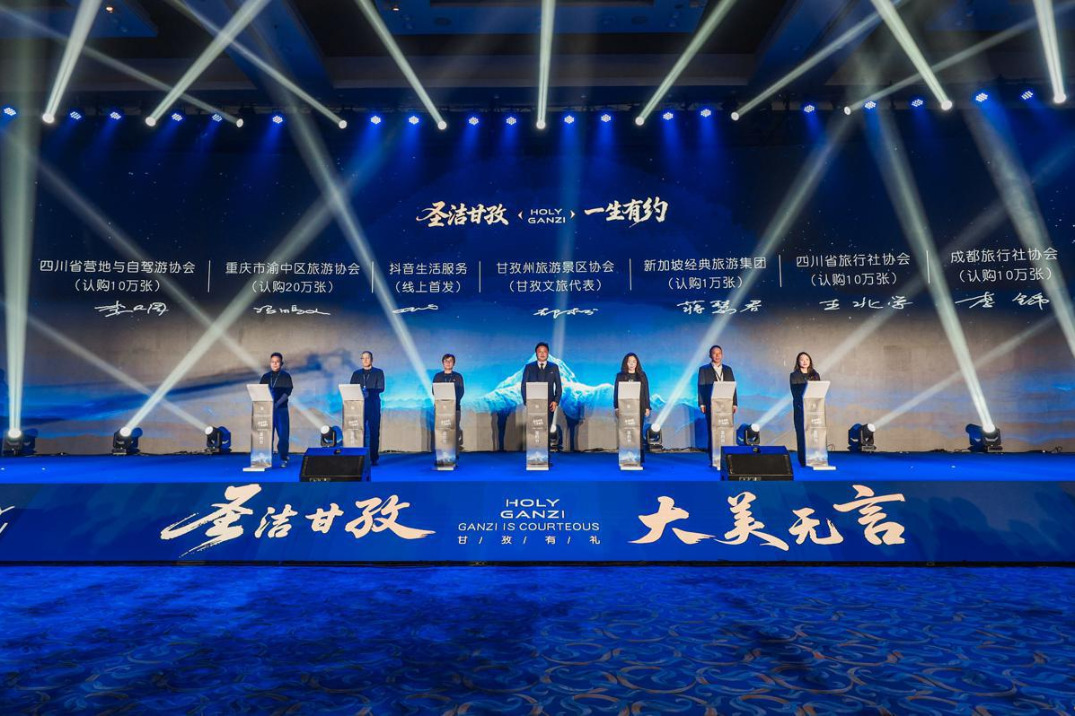
    In an unprecedented move within China’s tourism sector, Ganzi Tibetan Autonomous Prefecture in Sichuan Province has unveiled a groundbreaking lifetime access program for its scenic attractions. The initiative, launched January 28, 2026, in Chengdu, introduces two distinctive pass options: single-attraction lifetime access and a comprehensive pass covering 14 premier destinations.

    The comprehensive lifetime pass, priced strategically at either 317 or 318 yuan (approximately $46), represents exceptional value compared to the standard cumulative entry fee of 1,091 yuan for individual visits to all included sites. Among the participating attractions are world-renowned natural wonders including Hailuogou Glacier and the spectacular Daocheng Yading nature reserve.

    Prefecture Governor Feng Fagui characterized the program as a transformative approach to tourism accessibility. Immediately following the official launch ceremony, sales commenced through digital platforms including a dedicated WeChat mini-program and Douyin (China’s version of TikTok). The market response proved overwhelming, with travel agencies securing 600,000 lifetime passes in initial bulk purchases.

    Complementing the access program, Ganzi has appointed 150 professional photographers as official tourism ambassadors, granting them complimentary entry to all scenic areas. These visual artists will document the region’s stunning landscapes and cultural heritage, sharing their work globally to enhance international awareness.

    According to Liu Hong, Director of Ganzi’s Culture, Radio, Television, and Tourism Bureau, the multifaceted strategy aims to position the prefecture as a premier international eco-cultural tourism destination. The initiative builds upon the region’s growing tourism momentum, which saw 260,000 visitor arrivals in the previous year.

  • India’s Andhra Pradesh mulls social media ban for children

    India’s Andhra Pradesh mulls social media ban for children

    The southern Indian state of Andhra Pradesh is advancing toward potentially implementing a groundbreaking prohibition on social media usage for children, marking one of the most significant digital welfare initiatives in the country’s history. State Information Technology Minister Nara Lokesh announced Thursday that government authorities are conducting comprehensive studies to establish legal mechanisms for enforcing “age-appropriate access” to digital platforms.

    This development emerges against the backdrop of escalating global apprehension regarding online addiction and digital harm affecting younger demographics. Minister Lokesh emphasized that societal trust in social media ecosystems is progressively deteriorating, with children increasingly succumbing to compulsive usage patterns that demand urgent intervention.

    The state administration has formally extended invitations to major technology corporations including Meta, Google, X, and ShareChat to participate in crucial discussions evaluating international best practices in youth digital protection. This collaborative approach seeks to balance technological innovation with responsible digital citizenship.

    Andhra Pradesh’s initiative mirrors parallel considerations in Goa, where western Indian authorities are simultaneously examining the legal viability of comparable restrictions for minors. The movement gains additional momentum from the federal government’s annual economic survey, released concurrently, which recommends establishing nationwide guidelines concerning children’s screen time exposure.

    The survey explicitly suggests that “policies on age-based access limits may be considered, as younger users are more vulnerable to compulsive use and harmful content,” indicating potential nationwide policy alignment.

    Minister Lokesh further highlighted concerning trends in online safety for women, noting that many face persistent digital harassment that cannot be overlooked. This comprehensive approach addresses multiple vulnerable demographics within the digital landscape.

    India’s position as the world’s most populous nation, with approximately one billion internet users and connectivity reaching 95% of villages, underscores the monumental significance of these potential regulatory changes. This development places India within an expanding international movement, following Australia’s implementation of social media restrictions for users under 16 in December and France’s recent legislative approval blocking platform access for children under 15. The European Union and numerous other nations are contemplating similar protective measures.

  • ‘The water took everything’: Mozambique hit by worst floods in decades

    ‘The water took everything’: Mozambique hit by worst floods in decades

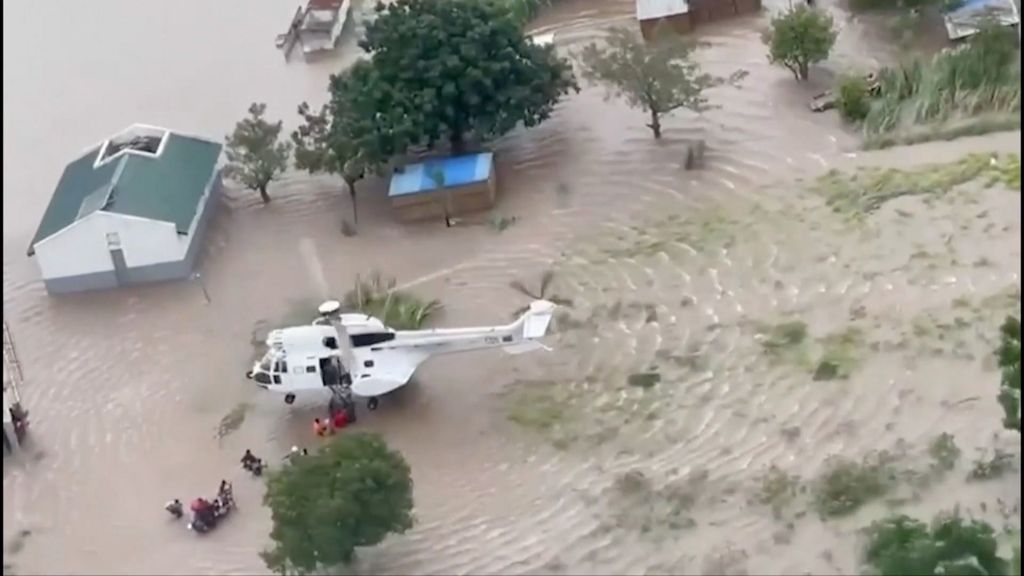
    Mozambique is confronting a humanitarian emergency of unprecedented scale as the most devastating floods in decades continue to ravage the southeastern African nation. Torrential rainfall over several weeks has triggered severe flooding, submerging vast territories, obliterating critical infrastructure, and displacing communities on a massive scale.

    Official estimates indicate that the calamity has directly impacted approximately 700,000 individuals, with countless families losing their homes, livelihoods, and access to essential services. The powerful currents of floodwater have swept away roads, bridges, and homes, severing connections between towns and villages and severely hampering rescue and aid distribution efforts. A palpable sense of despair permeates affected regions, with one resident lamenting, ‘The water took everything,’ a sentiment echoing the profound loss experienced by many.

    The national government, in conjunction with international aid agencies, is racing against time to mount a coordinated response. Emergency teams are working to evacuate stranded citizens and provide immediate relief in the form of shelter, clean water, food, and medical supplies. However, the extensive scale of the flooding presents monumental logistical challenges. Beyond the immediate crisis, concerns are mounting over the long-term repercussions, which include the heightened risk of waterborne disease outbreaks, widespread crop destruction threatening food security, and the arduous, costly process of rebuilding shattered communities and infrastructure. This disaster underscores the extreme vulnerability of certain regions to increasingly volatile weather patterns.

  • Trump says Putin agreed not to attack freezing Kyiv for a week

    Trump says Putin agreed not to attack freezing Kyiv for a week

    In a surprising diplomatic development, former U.S. President Donald Trump has asserted that Russian President Vladimir Putin consented to suspend military operations against Kyiv and other Ukrainian urban centers for one week. This announcement came during a White House cabinet meeting where Trump emphasized his personal intervention regarding the ongoing conflict.

    The timing of this claimed agreement coincides with Ukraine experiencing its most severe winter since the invasion began, with temperatures forecasted to plummet to life-threatening lows of minus 30 degrees Celsius. Russian strikes on critical energy infrastructure have already created a humanitarian emergency, leaving millions without reliable access to electricity, heating, and clean water during these extreme conditions.

    Trump elaborated on his conversation with Putin, stating: ‘Given the extraordinary cold weather—record-setting conditions similar to what we’re experiencing in Washington—I personally requested President Putin refrain from attacks on Ukrainian population centers for this seven-day period. He agreed to this arrangement, which I consider a humanitarian gesture.’

    The Kremlin has not immediately verified Trump’s account of the agreement. This would represent a significant development given that previous diplomatic engagements between Trump and Putin, including their Alaska summit in August, failed to produce substantial breakthroughs in the conflict.

    Meanwhile, Ukrainian President Volodymyr Zelensky has warned of continued Russian targeting of energy facilities, even as emergency services work to restore critical infrastructure. Regional authorities reported that Russian attacks resulted in six civilian fatalities in central and southern Ukraine on Thursday alone.

    Trump additionally suggested that U.S.-mediated negotiations between Kyiv and Moscow have shown ‘considerable progress’ toward resolving the conflict, which approaches its fifth year of ongoing hostilities.

  • Chips, anyone? German farm gives away millions of potatoes after bumper harvest

    Chips, anyone? German farm gives away millions of potatoes after bumper harvest

    Berlin has become the unexpected beneficiary of a massive potato surplus, with millions of kilograms of free spuds being distributed across the German capital since mid-January. The initiative, dubbed “the great potato rescue,” emerged after agricultural firm Osterland Agrar found itself with approximately 4 million kilograms of excess potatoes following a bumper harvest in Saxony.

    Rather than allowing the potatoes to rot in fields, the company partnered with Berliner Morgenpost newspaper and eco-friendly search engine Ecosia to coordinate a large-scale distribution effort. Food banks, schools, and churches have served as primary distribution points, with 174 designated “spud-hubs” established throughout the Berlin metropolitan area.

    Hans-Joachim von Massow, Managing Director of Osterland Agrar, explained that while the company could technically store the potatoes until mid-year, the market saturation made distribution necessary. “We’re not wishing to discard our magnificent tubers back into the fields,” von Massow stated, noting that approximately 500,000kg had already been transported to Berlin, with additional shipments sent to other German regions and Ukraine.

    The initiative has drawn sharp criticism from agricultural associations. The Brandenburg Farmers’ Association condemned the effort as a “disgusting PR stunt,” with representative Timo Scheib arguing that “food is and will remain valuable, even if thoughtless do-gooders throw around free potatoes at schools and churches.”

    Peter Schink, a Berliner Morgenpost editor who helped spearhead the plan, countered that the project ultimately aims to “put the potato in the spotlight as a valuable food” in a country known for its gastronomic passion for potatoes. Despite extensive media coverage, actual distribution has faced practical challenges, with some distribution points temporarily lacking supplies amid icy winter conditions.

    The program is now winding down in Berlin as funding diminishes, though organizers anticipate one final shipment once weather conditions improve.

  • China to boost social assistance for vulnerable groups during Spring Festival holiday

    China to boost social assistance for vulnerable groups during Spring Festival holiday

    In a significant move to safeguard welfare during the nation’s most important traditional holiday, China has implemented comprehensive social assistance measures targeting vulnerable demographics. The Ministry of Civil Affairs unveiled this enhanced support framework on Thursday, emphasizing timely and adequate aid distribution throughout the Spring Festival period.

    Zhang Wei, Deputy Director of the Ministry’s Social Assistance Department, detailed the multifaceted initiative during a press briefing. The strategy encompasses accelerated subsistence allowance payments, expanded heating subsidies, and simplified application procedures for those seeking assistance during the holiday season. “Our priority is ensuring complete and punctual disbursement of assistance funds to all eligible recipients,” Zhang stated.

    The financial backbone of this effort includes over 141 billion yuan ($20 billion) in pre-allocated central funds dedicated to social assistance programs. Major metropolitan areas including Beijing and Shanghai have already commenced distributing aid through various channels—direct cash transfers, consumption vouchers, and essential goods provision.

    To identify those in need more effectively, authorities are employing advanced data analytics platforms complemented by physical verification through field visits. This dual approach enables real-time monitoring of vulnerable groups, particularly isolated seniors, individuals with severe disabilities, and those battling serious medical conditions.

    Beyond financial support, the program features operational hotlines throughout the holiday period and personalized visits by civil affairs personnel to assess specific needs. Several provinces have additionally broadened heating assistance eligibility to include households marginally above subsistence allowance thresholds but facing financial strain due to fixed expenditures.

    This comprehensive social protection initiative reflects China’s commitment to ensuring no citizen is left behind during traditional family reunions and celebrations.

  • Turkey’s President Erdogan offers Trump a teleconference with Iran

    Turkey’s President Erdogan offers Trump a teleconference with Iran

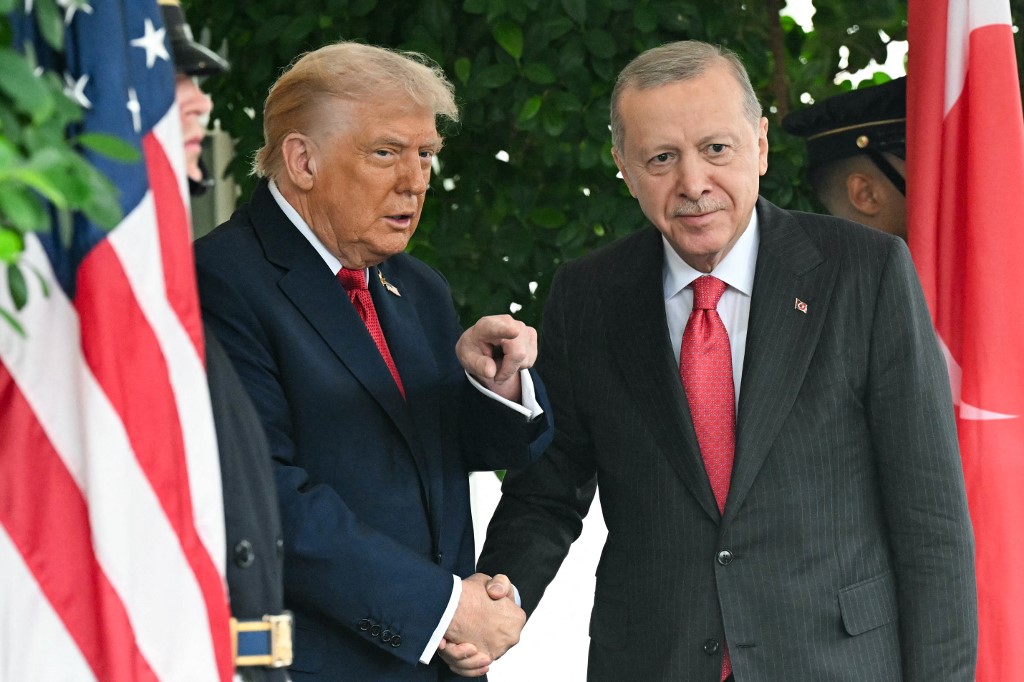
    Turkish President Recep Tayyip Erdogan has formally proposed hosting a direct teleconference between U.S. President Donald Trump and Iranian President Masoud Pezeshkian in a bold diplomatic effort to de-escalate mounting tensions between the two nations. This mediation offer comes amid heightened military threats from Washington toward Tehran, with Trump explicitly warning of imminent offensive actions.

    The initiative emerged during a Monday phone conversation between Erdogan and Trump, where the Turkish leader emphasized diplomatic solutions as the paramount priority. While President Trump reportedly expressed interest in the proposed dialogue format, Iranian leadership has yet to formally respond to the offer. Diplomatic sources indicate that Iranian Foreign Minister Abbas Araghchi, scheduled to visit Istanbul on Friday for bilateral discussions with Turkish counterpart Hakan Fidan, may deliver Tehran’s official response during these talks.

    This marks Ankara’s second mediation attempt this year, following a similar unsuccessful offer during the 12-day conflict in June that Tehran declined with apparent dismay. Turkey has consistently opposed foreign intervention in Iran, with Foreign Minister Fidan advocating for gradual, file-by-file resolution of disputes between the nations.

    The current crisis is significantly influenced by Israel’s strategic concerns regarding Iran’s ballistic missile program and nuclear research activities. Prime Minister Benjamin Netanyahu, facing domestic electoral pressures, has been actively advocating for U.S. intervention against Tehran.

    In parallel to Turkey’s diplomatic efforts, other regional nations have engaged in shuttle diplomacy. Columnist Hande Firat of Turkey’s Hurriyet newspaper reported that Ankara’s persistent messaging emphasizes diplomacy as the only viable path forward, crediting these efforts with temporarily postponing—though not resolving—the brewing crisis.

    The situation escalated dramatically when Trump publicly warned via his Truth Social platform of a ‘massive armada’ positioned to strike Iran with ‘speed and violence’ unless Tehran agrees to nuclear negotiations. Drawing comparisons to Venezuelan operations, Trump referenced previous military actions against Iranian nuclear sites in June 2025, threatening significantly more destructive consequences if Iran refuses to negotiate.

    According to intelligence reports, the Trump administration is considering precision strikes against high-value Iranian officials allegedly connected to protester deaths during recent anti-government demonstrations. This potential military action represents the latest development in weeks of intensifying tensions between the United States and Iran.

  • Israeli settlers set Palestinian homes on fire in Jerusalem

    Israeli settlers set Palestinian homes on fire in Jerusalem

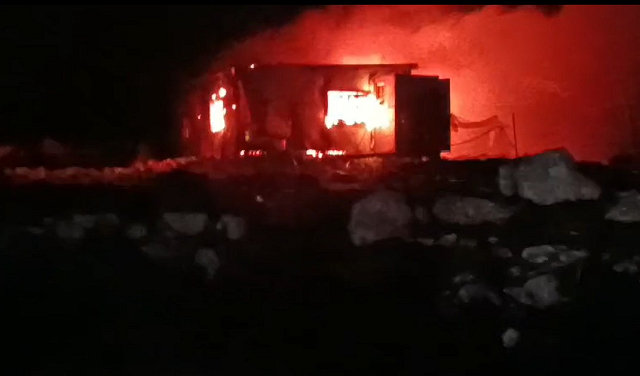
    A coordinated assault by Israeli settlers targeted the Khallat al-Sidra Bedouin community northeast of occupied East Jerusalem on Wednesday night, resulting in extensive property destruction through arson attacks. According to official reports from the Palestinian Authority’s Jerusalem Governorate, armed settlers not only set multiple homes ablaze but also physically assaulted residents before Israeli military forces entered the area.

    The violence was preceded by settlers blocking the community’s sole access road, effectively imposing a movement lockdown on residents. Viral video footage circulating on social media platforms shows structures completely engulfed in flames as desperate residents attempted to extinguish the fires with limited resources.

    This incident represents the latest in a series of escalating attacks against the Khallat al-Sidra community, which has experienced intensified violence in recent days including beatings of both residents and international activists, destruction of vehicles and animal shelters, and systematic seizure of critical infrastructure including solar panels and surveillance equipment.

    Parallel land seizure attempts were reported in the neighboring Ma’azi Jaba’ community, where approximately 200 Palestinians face repeated attacks allegedly aimed at territorial expansion for the Adam settlement and its connection to the Benjamin settlement. Such settlement construction violates international law, which explicitly prohibits building in occupied territories.

    Settler violence against Palestinian communities in the occupied West Bank and Jerusalem has operated with impunity for years, frequently under military protection. Since the beginning of the Gaza conflict, official data from the Wall and Settlement Resistance Commission documents 4,723 settler violence cases in 2025 alone. Over the past two years, more than 1,000 Palestinians, including 217 minors, have been killed by Israeli forces and settlers in the West Bank.