作者: admin

  • Hungarian court sentences German anti-fascist activist to 8 years for far-right rally assaults

    Hungarian court sentences German anti-fascist activist to 8 years for far-right rally assaults

    A Hungarian court has delivered an eight-year prison sentence to a German anti-fascist activist identified as Maja T. for her alleged participation in violent clashes during a far-right gathering in Budapest. The 25-year-old defendant was convicted on charges of attempted aggravated bodily harm and assault as part of a criminal organization during the February 2023 “Day of Honor” rally—one of Europe’s largest neo-Nazi events commemorating the failed 1945 Nazi breakout attempt during the Red Army’s siege.

    The case has drawn international scrutiny following Maja T.’s extradition from Germany in December 2024, which Germany’s Constitutional Court previously deemed unlawful due to concerns about potential inhumane treatment in Hungarian custody. The verdict emerges amid growing tensions between Hungary’s right-wing government and left-wing activist groups.

    Prime Minister Viktor Orbán’s administration designated antifa (an umbrella term for anti-fascist activists) as a terrorist organization in 2023, following similar moves by former U.S. President Donald Trump. Supporters of Maja T. have raised serious concerns about detention conditions and the fairness of judicial proceedings in Hungary, with the defendant’s father reporting “solitary confinement” and “degrading conditions” during custody.

    The conviction marks the second high-profile case involving foreign anti-fascist activists in Hungary, following the detention of Italian activist Ilaria Salis for over a year in connection with the same events. Salis was released to house arrest in May 2024 and subsequently gained legal immunity through election to the European Parliament, though Hungarian authorities continue to seek her return for trial with prosecutors requesting an 11-year sentence. Wednesday’s ruling remains subject to appeal.
  • Fears of new arms race as US-Russia nuclear weapons treaty due to expire

    Fears of new arms race as US-Russia nuclear weapons treaty due to expire

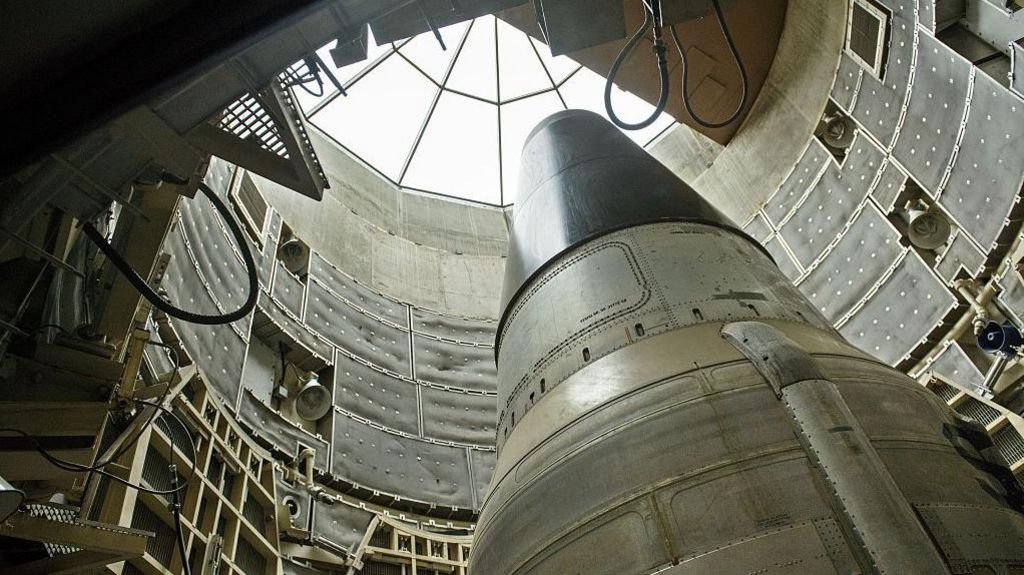
    The expiration of the New Strategic Arms Reduction Treaty (New START) on Thursday signals a critical juncture in international security, terminating the final nuclear weapons control agreement between the United States and Russia. This development raises profound concerns about the potential acceleration of a new global arms race.

    Established in 2010 during the Obama administration and signed by then-President Dmitry Medvedev, New START represented the culmination of decades of bilateral arms control efforts. The treaty imposed verifiable limits of 1,550 deployed strategic nuclear warheads for each nation while implementing comprehensive transparency measures including data exchanges, notifications, and on-site inspections.

    The collapse follows Russia’s suspension of the treaty three years ago amid escalating tensions surrounding the Ukraine conflict, though both nations were believed to be maintaining compliance until recently. This expiration continues a disturbing pattern of disintegrating arms control frameworks, including the Intermediate-Range Nuclear Forces Agreement, the Open Skies Treaty, and the Conventional Armed Forces in Europe Treaty.

    International responses reflect growing apprehension. Pope Leo recently urged treaty renewal, emphasizing the necessity of preventing renewed nuclear competition. Admiral Sir Tony Radakin, Britain’s former armed forces head, warned that the foundational architecture of global security now risks complete unraveling.

    Current modernization programs underscore the emerging arms race dynamics. Both nations are actively enhancing their nuclear capabilities, with Russia developing innovative systems like the Poseidon nuclear-powered autonomous torpedo and Burevestnik nuclear cruise missile. Concurrently, the United States, Russia, and China are advancing hypersonic missile technology capable of exceeding 4,000 mph, presenting unprecedented defense challenges.

    The diplomatic landscape appears increasingly complex. Washington insists future agreements must include China’s expanding nuclear arsenal, while Moscow demands inclusion of European nuclear powers France and United Kingdom. Darya Dolzikova of RUSI’s Proliferation and Nuclear Policy Programme notes that evolving military technologies and growing nuclear weapon salience complicate future negotiations.

    Despite brief discussion during the recent Alaska summit between Presidents Putin and Trump, no substantive progress emerged. The current administration’s stance remains ambiguous, with President Trump suggesting willingness to pursue “a better agreement” while demonstrating limited urgency.

    This treaty termination marks the end of a stabilizing era in nuclear diplomacy, potentially ushering in a more volatile and dangerous period of great power competition with global implications for security and non-proliferation efforts.

  • Strategy Symposium in Abu Dhabi explores the GCC’s rise as a global capital hub

    Strategy Symposium in Abu Dhabi explores the GCC’s rise as a global capital hub

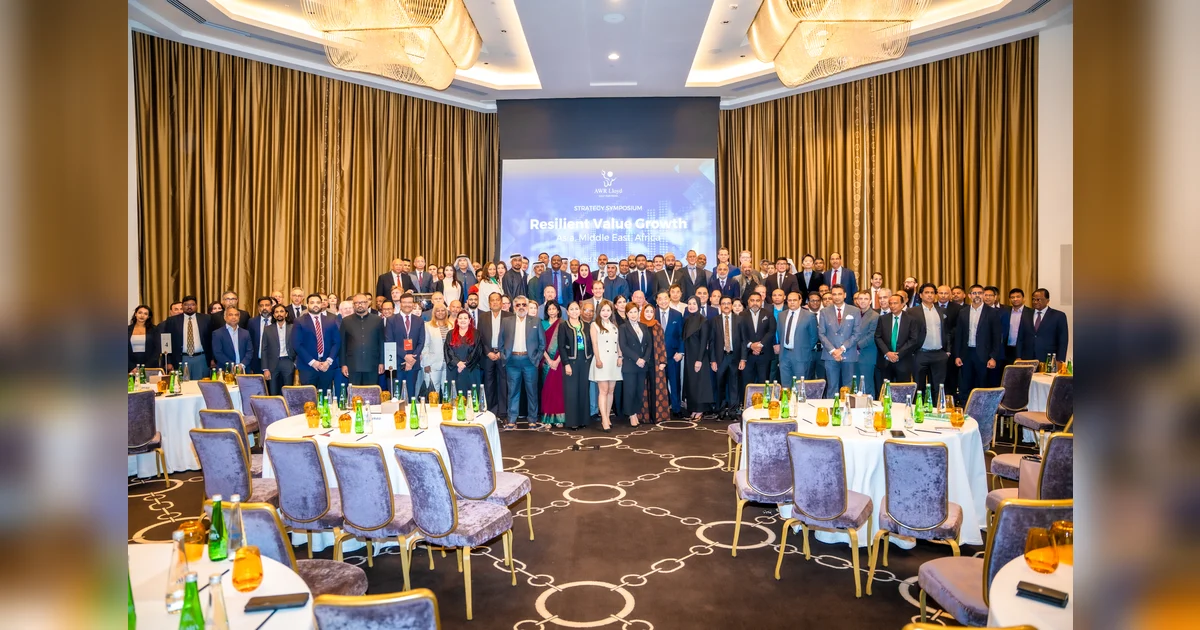
    Abu Dhabi has positioned itself at the forefront of global financial discourse with the successful conclusion of the inaugural Strategy Symposium hosted by AWR Lloyd Gulf Partners Consultancy LLC. The high-level gathering, held at the Four Seasons Hotel on January 22, brought together senior investors, corporate leaders, policymakers, and sector specialists to examine the Gulf Cooperation Council’s (GCC) accelerating transformation into a global capital nexus.

    The symposium, operating under the theme “Resilient Value Growth in Asia, the Middle East and Africa,” featured two intensive sessions that explored critical aspects of regional economic development. The opening discussion, titled “The GCC Nexus: Connecting Global Capital for Investment and M&A across Asia, the Middle East and Africa,” analyzed the region’s evolving role as a conduit for international capital flows. Distinguished panelists including Kamal Rungta, president of Globalscope Partners, and representatives from leading Gulf energy corporations and Africa-focused private equity firms examined the strategic considerations shaping cross-regional investment activities.

    The subsequent session, “Realism and Resiliency: Sustainable Value and the Energy Transition,” addressed the complex challenges of developing strategies that deliver sustainable shareholder value while navigating geopolitical volatility, economic disruptions, and rapid technological change. Esteemed participants included former CEOs of major Asia-Pacific energy conglomerates, chief analysts from London-based risk consultancies, and managing directors of clean energy technology ventures.

    Alexander Wood, Group CEO of AWR Lloyd, emphasized the GCC’s established position as “the undisputed global capital of sovereign wealth” while highlighting significant potential for expansion into family offices, private equity, hedge funds, and alternative assets. “Strong connectivity with Asia and Africa, combined with increasingly favourable regulatory frameworks, are key enablers of this shift,” Wood noted, suggesting the potential development of “a trans-regional network of exchanges for emerging and frontier markets across the Eastern Hemisphere, with the Gulf as the pivotal hub.”

    Mehdi Sethom, CEO of AWR Lloyd Gulf Partners, underscored the symposium’s value in addressing the complexities GCC entities face when pursuing investments and acquisitions across diverse markets. The presence of Siraj Holding leadership, including Chairman Ahmed Bin Khalaf Al-Otaiba and Group CEO Mohamed Rusan Fyroze, demonstrated the organization’s commitment to fostering high-level dialogue around capital formation and cross-regional investment strategies.

    The event reinforced Abu Dhabi’s growing significance as a center for strategic financial collaboration, supporting long-term value creation and sustainable growth across three continents while establishing new paradigms for global capital deployment in an era of economic uncertainty.

  • EB-5 investment pathway tightens as key U.S. immigration deadlines approach

    EB-5 investment pathway tightens as key U.S. immigration deadlines approach

    With key legislative deadlines approaching, the EB-5 Immigrant Investor Program is undergoing significant transformations that will impact investment thresholds and processing protections. The United Arab Emirates has emerged as a pivotal hub for this activity, with growing interest from GCC expatriates seeking long-term residency solutions, educational access, and eventual citizenship pathways for their families.

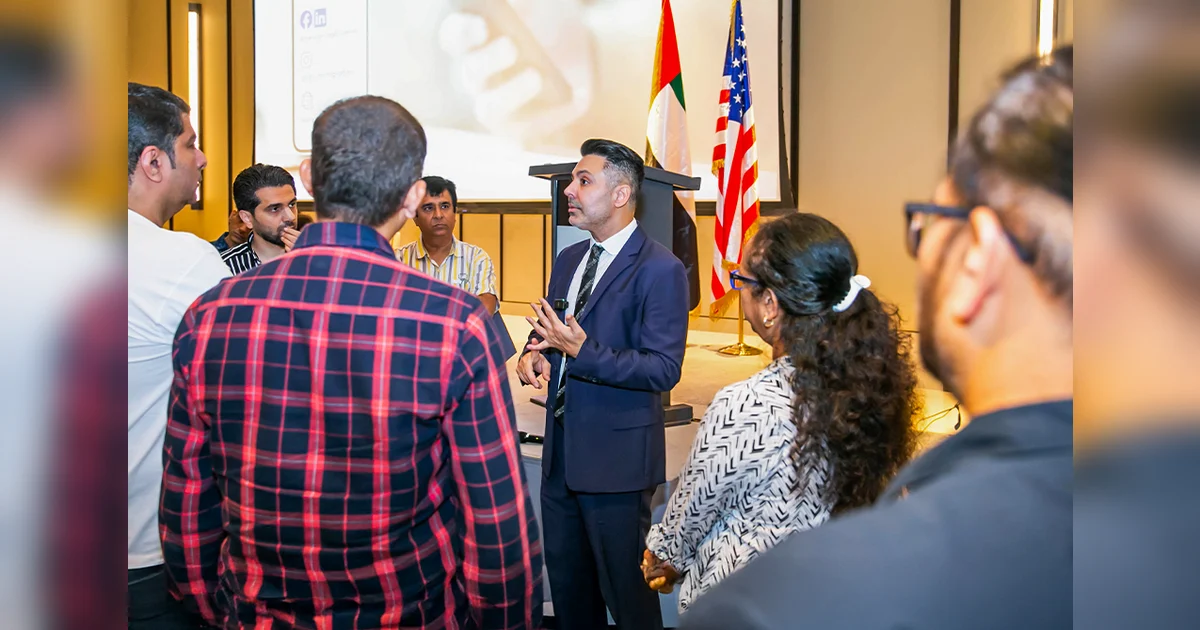
    The American Legal Center is addressing this heightened demand through an ongoing series of educational seminars across the UAE. Conducted by U.S.-licensed attorneys, these sessions provide crucial guidance on navigating the program’s increasing regulatory complexity. The initiative continues through September 2026, offering multiple engagement opportunities for prospective investors.

    An upcoming seminar scheduled for February 8, 2026, at The Westin Hotel Mina Seyahi in Dubai will specifically address tightening immigration timelines and strategic considerations surrounding critical statutory deadlines. The session will emphasize the September 30, 2026 cutoff established under the EB-5 Reform and Integrity Act, which guarantees grandfathering protections for applications submitted before this date, ensuring continued processing regardless of future legislative changes.

    Additionally, participants will receive updates on scheduled investment threshold increases. The current minimum investment of $800,000 is expected to rise effective January 1, 2027, though exact figures remain unpublished. This anticipated increase underscores the financial implications of delayed decision-making for UAE-based investors.

    Shai Zamanian of The American Legal Center emphasized the narrowing window for action: ‘Well-prepared applicants still have opportunities within the current framework, but compressed timelines make early legal assessment increasingly critical.’

    The complimentary seminars feature limited seating. UAE residents may register by contacting The American Legal Center directly at +971 52 446 6095.

  • Arteta backs Arsenal to build on ‘magical’ place in League Cup final

    Arteta backs Arsenal to build on ‘magical’ place in League Cup final

    In a dramatic conclusion to their League Cup semifinal clash, Arsenal secured a monumental victory against Chelsea on Tuesday evening, propelling them into their first final appearance in six years. German international Kai Havertz delivered the decisive blow in the dying moments of the match, securing a 1-0 second-leg victory and a 4-2 aggregate triumph that sent Emirates Stadium into euphoric celebrations.

    This victory represents a significant psychological breakthrough for manager Mikel Arteta’s squad, who had endured four consecutive semifinal disappointments across various competitions since 2021. The Gunners will now await the winner of the Manchester City versus Newcastle matchup, with the final scheduled for March 22 at Wembley Stadium.

    Arteta characterized the achievement as ‘magical’ and emphasized its importance to the club’s broader ambitions. ‘These moments provide the essential vitamins for our continued progress,’ the Spanish tactician remarked. ‘The collective joy and energy generated by such victories create invaluable momentum for our campaign.’

    The manager, who previously served as Pep Guardiola’s assistant at Manchester City, understands the catalytic effect cup successes can have on a team’s overall performance. Arsenal currently maintain a six-point advantage at the Premier League summit while having achieved a perfect record in their Champions League group stage, winning all eight matches.

    This semifinal breakthrough carries particular significance for a club that hasn’t lifted the League Cup since 1993 and seeks its first trophy since the 2020 FA Cup victory. For Chelsea manager Liam Rosenior, the defeat marked his first significant setback since taking charge, having won six of his previous seven matches across all competitions.

    Despite the disappointment, Rosenior remained philosophical: ‘We cannot allow this setback to diminish our progress against a team of Arsenal’s caliber.’ Meanwhile, Arteta’s men must quickly shift focus to maintaining their Premier League advantage while preparing for their Wembley appearance next month.

  • Heriot-Watt University Dubai convenes global and regional leaders at the second edition of the Sustainability Symposium

    Heriot-Watt University Dubai convenes global and regional leaders at the second edition of the Sustainability Symposium

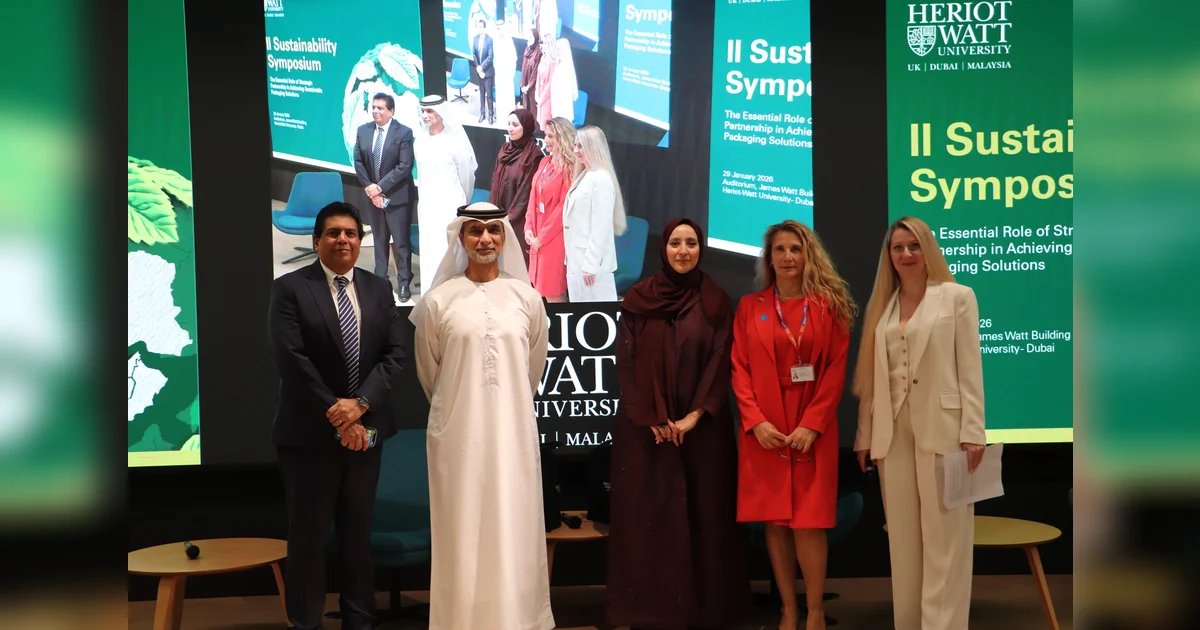
    Heriot-Watt University Dubai has successfully concluded its second annual Sustainability Symposium, creating a pivotal platform for addressing one of the most pressing environmental challenges of our time. The February 2026 gathering united academics, industry pioneers, policy architects, humanitarian organizations, and students under the thematic focus “The Essential Role of Strategic Partnerships in Achieving Sustainable Packaging Solutions.”

    The symposium built upon the foundational work initiated in 2024, emphasizing that sustainable packaging transformation cannot occur through isolated efforts. Through expert keynote presentations, real-world business case studies, and dynamic panel dialogues, participants explored practical methodologies for post-consumption waste management, emerging sustainable materials, and scalable solutions applicable to both commercial and humanitarian supply chains.

    Dr. Matthew Sukumaran, Chief Operating Officer of Heriot-Watt University Dubai, emphasized the institution’s dedication to converting theoretical concepts into actionable environmental solutions. “This platform actively bridges the gap between academia and implementation by bringing together diverse stakeholders,” Sukumaran noted. “Strategic partnerships form the cornerstone of meaningful progress in sustainable packaging, demonstrating how collective action generates measurable, scalable impact.”

    Maher Al Kaabi, Advisor to the Group Chairman of Al Serkal Group and UAE Circular Economy Council member, delivered a keynote address highlighting the multidimensional nature of packaging sustainability. “Addressing sustainable packaging demands synergistic alliances that integrate scientific innovation, industrial capability, regulatory frameworks, and humanitarian considerations,” Al Kaabi stated. “Academic institutions like Heriot-Watt play crucial roles in translating research into circular solutions that support national sustainability objectives while delivering economic and environmental value.”

    The symposium featured deep-dive examinations of critical packaging challenges, including the complexities of collection systems, segregation technologies, and recycling infrastructure. Discussions also covered advancements in biodegradable and compostable materials alongside adaptations of international best practices for regional implementation.

    A standout feature was the presentation of the II Design Competition outcomes, where Heriot-Watt students developed applied solutions for Expo City Dubai’s post-consumption waste management and sustainable packaging for humanitarian supply chains. These student projects, created in collaboration with Dubai Humanitarian and Othalo, demonstrated how innovative design thinking combined with strategic partnerships can produce tangible environmental benefits.

    The event reinforced Heriot-Watt University’s position as a convening force in sustainability discourse, actively supporting the UAE’s circular economy objectives through knowledge exchange, partnership facilitation, and practical innovation.

  • Former Xinjiang herder discovers prosperity and passion on the ski run

    Former Xinjiang herder discovers prosperity and passion on the ski run

    URUMQI, China – At a premier ski resort near China’s northwestern city of Urumqi, 19-year-old Huzar Tohtarhan navigates a demanding schedule between coaching sessions and an unexpected second career as an action sports videographer. The former herder from Miao’ergou village has transformed his childhood passion into a thriving profession, emblematic of Xinjiang’s growing winter tourism economy.

    Huzar’s days are structured around tight intervals between day and night skiing sessions, often allowing less than an hour for meals and preparation. His expertise extends beyond instruction to capturing follow-cam footage for clients seeking professional-grade skiing videos. This specialized service has gained significant popularity through social media platforms like Douyin, with approximately 30 skiers booking purely for filming services this winter alone.

    The transition from rural herding to ski professionalism represents a remarkable journey. Huzar first encountered snowboarding at age six through his parents, who worked at a local ski area. Despite initial injuries and without formal training, he developed his skills through middle school teams and relentless practice. As China’s skiing popularity surged and Xinjiang developed its winter sports infrastructure, what began as hobby evolved into viable career opportunity.

    Local government and village support enabled Huzar to obtain professional instructor certification, marking his official departure from traditional herding life. “Herding meant being under the sun and wind all day, often alone,” he reflected. “Now I’m doing what I truly love.”

    His technical proficiency now includes backward skiing for frontal shots—a skill acquired through persistent practice that initially resulted in numerous bruises. Beyond athletic mastery, Huzar emphasizes the human connections forged through his work: “Before, my companions were horses and sheep. Sometimes I didn’t speak all day. Now I meet people from all over.”

    The economic impact extends beyond individual success. Nearby villages have developed complementary businesses including guesthouses, restaurants, and extended-hour strawberry-picking gardens, transforming seasonal summer tourism into year-round industry. During Xinjiang’s inaugural “snow holiday” in December 2025, the resort attracted over 20,000 skiers, with Huzar personally instructing more than 500 students this season.

    Through social media, Huzar shares technical advice, behind-the-scenes content, and scenic landscapes, hoping to inspire others to discover unconventional career paths. His story reflects broader regional development where traditional livelihoods are evolving alongside emerging economic opportunities in China’s northwestern frontier.

  • Young railway staff on track for Spring Festival travel rush

    Young railway staff on track for Spring Festival travel rush

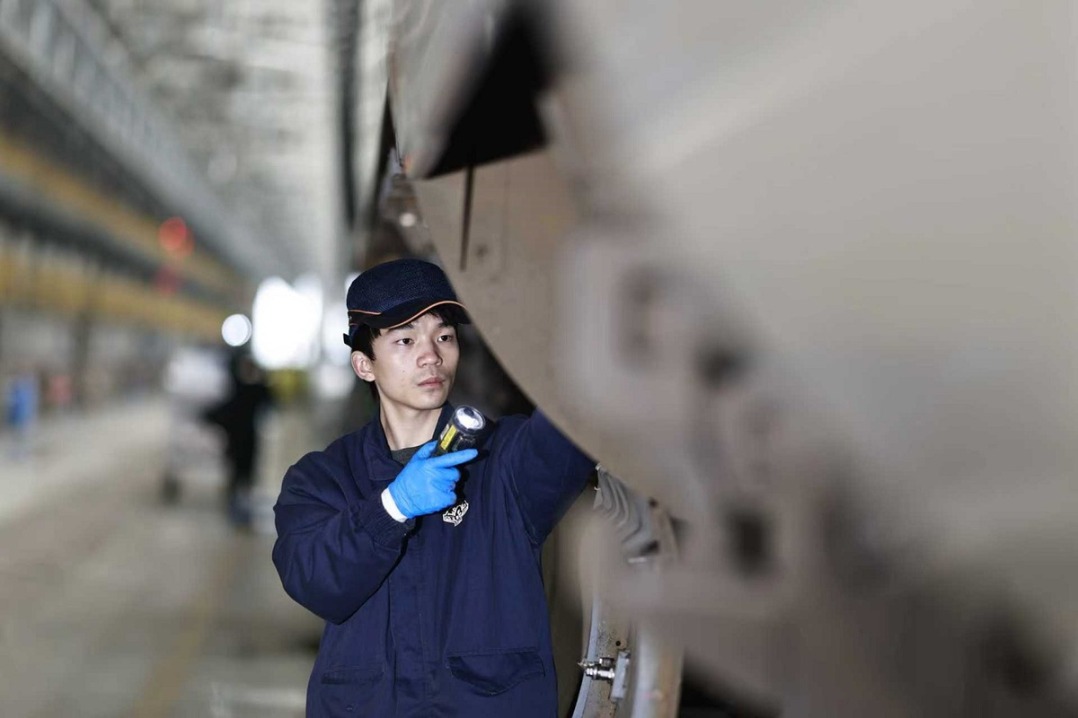
    As China’s monumental Spring Festival travel period commences, a dedicated team of young technicians at Chongqing West EMU Depot stands at the forefront of transportation safety. These skilled mechanics, including 26-year-old Shi Gaohua, have intensified their maintenance protocols to ensure the seamless operation of China’s high-speed rail network during the world’s largest annual human migration.

    The 2026 Spring Festival travel rush, spanning from February 1st to March 13th (a 40-day period), anticipates transporting hundreds of millions of passengers returning to their hometowns for family reunions. At the heart of this operation, the maintenance crew works meticulously through night shifts, conducting comprehensive inspections on bullet trains’ critical systems including braking mechanisms, electrical components, and structural integrity.

    Shi Gaohua, representing the new generation of railway professionals, exemplifies the technical expertise required for maintaining China’s advanced rail infrastructure. ‘Every bolt, every circuit matters when millions of families are counting on us for safe journeys,’ Shi remarked during a recent overnight shift. His team employs specialized diagnostic equipment and follows rigorous checklists to identify potential issues before they escalate.

    The Chongqing West Depot, serving as a crucial maintenance hub in southwestern China, has implemented extended work schedules and enhanced quality control measures to handle the increased operational demands. These young technicians, many fresh from specialized railway academies, combine digital monitoring systems with hands-on mechanical expertise to maintain the world’s largest high-speed rail network operating at peak efficiency during this critical travel period.

    China’s railway system expects to handle approximately 480 million passenger trips during this year’s Spring Festival migration, with high-speed trains accounting for over 70% of total railway transportation. The work of these maintenance crews remains largely unseen by travelers but forms the essential foundation enabling the massive seasonal migration that defines Chinese cultural traditions.

  • Israel kills at least ten Palestinians in Gaza, including three children

    Israel kills at least ten Palestinians in Gaza, including three children

    Israeli military operations resulted in the deaths of at least ten Palestinians, including three children, during early Wednesday attacks across Gaza. Hamas has urgently called upon international mediators and guarantor states to intervene against what it describes as daily violations of the ceasefire agreement.

    According to a source within Gaza’s ambulance and emergency services who spoke with Al Jazeera Arabic, Israeli artillery strikes targeted the Zaytoun and Tuffah neighborhoods east of Gaza City at dawn, killing seven individuals including two infant girls. Simultaneously, in southern Gaza, the Nasser Medical Complex reported that an Israeli strike hit tents sheltering displaced Palestinians outside Khan Younis, resulting in three additional fatalities including one child.

    These developments follow Tuesday’s demolitions conducted by Israeli troops targeting buildings and facilities in areas under their control east of Al-Tuffah. Despite a ceasefire agreement that took effect in October of last year, Israeli operations have reportedly killed more than 526 Palestinians and wounded 1,447 others through repeated violations of the truce.

    The ceasefire initially halted Israel’s military campaign on Gaza that commenced on October 8, 2023—a conflict that has claimed at least 72,000 Palestinian lives, injured over 171,000, and destroyed or damaged approximately 90% of the enclave’s infrastructure. Thousands more remain buried under rubble according to estimates.

    In a separate incident in the occupied West Bank, Israeli forces shot and killed 24-year-old Palestinian man Saeed Nael Saeed al-Sheikh during a Tuesday evening raid in Jericho. Palestinian officials confirmed the death, with Riyad Eid, director of Jericho Governmental Hospital, detailing that al-Sheikh sustained a fatal abdominal gunshot wound causing severe internal damage, including liver rupture. Three other Palestinians suffered injuries of varying severity during the incursion.

    Meanwhile, despite an agreement to reopen the Rafah crossing, only forty Palestinians returned to Gaza early Wednesday after significant delays, with Israeli forces implementing rigorous searches, questioning, and movement restrictions. The crossing had reopened on February 2nd on a limited basis for the first time in nearly two years under strict Israeli restrictions. While the agreement anticipated 50 Palestinians returning to Gaza and 50 patients (each with two companions) exiting to Egypt on the first day, actual numbers fell dramatically short with only 12 entries and 8 exits recorded.

    Hamas condemned the mistreatment of returnees at Rafah as ‘a crime’ and urged mediators to take immediate action. The group further accused Israel of maintaining severe limitations on humanitarian aid entry despite ceasefire provisions. Hamas spokesperson Hazem Qassem warned that worsening cold-weather conditions are exacerbating the dire situation for displaced families living in tents, while Israel continues to restrict adequate quantities of fuel and cooking gas from entering the territory.

  • Olympic hosting race for 2036 set to be more transparent when India, Qatar vie for votes

    Olympic hosting race for 2036 set to be more transparent when India, Qatar vie for votes

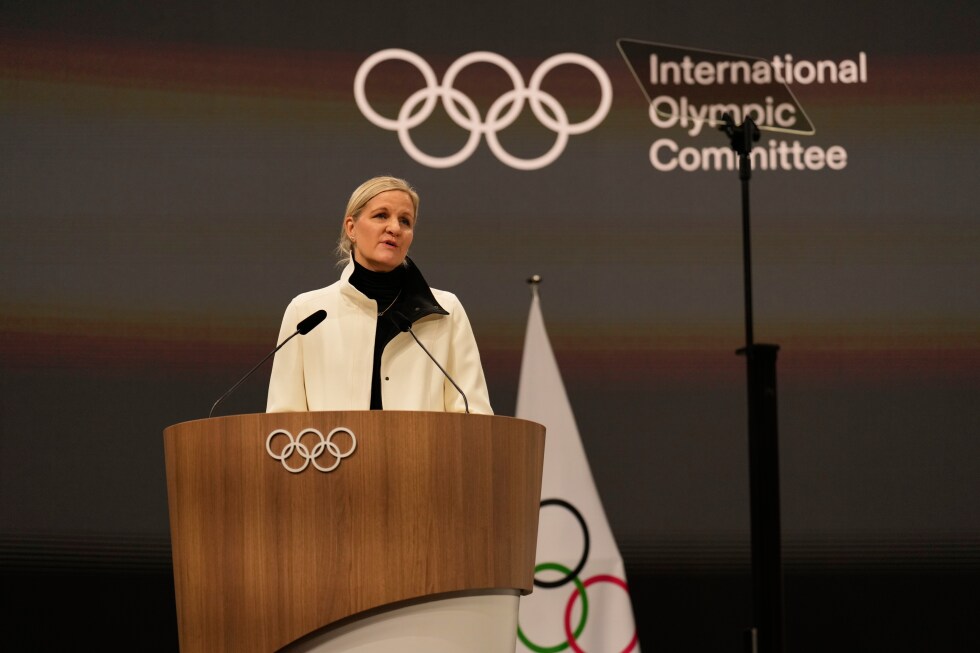
    The International Olympic Committee (IOC) has initiated a comprehensive reform of its host city selection process for future Games, responding to internal demands for greater transparency and structured evaluation criteria. This strategic shift, announced Wednesday during an IOC session, directly impacts the upcoming contest for the 2036 Summer Olympics—a highly sought-after event with strong interest from India and Qatar.

    Under the leadership of President Kirsty Coventry, who assumed office in June, the IOC has abandoned the opaque, fast-track approach that secured Brisbane’s 2032 hosting rights eleven years in advance. Instead, the committee has established a review panel chaired by Kolinda Grabar-Kitarović, former President of Croatia, to implement a more transparent system with documented procedures and regular updates for all stakeholders.

    The reformed process introduces several key changes: a mandatory short-list stage requiring detailed project plans from candidate cities earlier in the process, recognition of prior multisport event hosting experience, and increased involvement of IOC members through confidential briefings and secure online consultations. Grabar-Kitarović emphasized that these measures would ‘build legitimacy and guard against perceptions of favoritism’ while ensuring ‘structured timelines, greater transparency and more meaningful IOC member involvement.’

    The 2036 bidding competition, currently paused pending formal approval of the new process in June, has attracted global interest. India’s Ahmedabad project, backed by the influential Ambani family, and Qatar’s Doha bid are considered frontrunners, though Turkey, Hungary, Germany, and Chile have also expressed interest. Indonesia was reportedly removed from consideration in October after refusing to host Israeli athletes at an international sporting event.

    The revised evaluation criteria will emphasize venue master plans, sports program clarity, financial guarantees, and the added value of prior multisport event experience. Both Qatar and India possess relevant hosting credentials: Doha hosted the 2006 Asian Games and will host again in 2030, while India has hosted multiple Asian Games and the 2010 Commonwealth Games, with Ahmedabad scheduled to host the Commonwealth Games in 2030.