作者: admin

  • Israeli army bulldozes Gaza cemetery containing Allied soldiers’ graves

    Israeli army bulldozes Gaza cemetery containing Allied soldiers’ graves

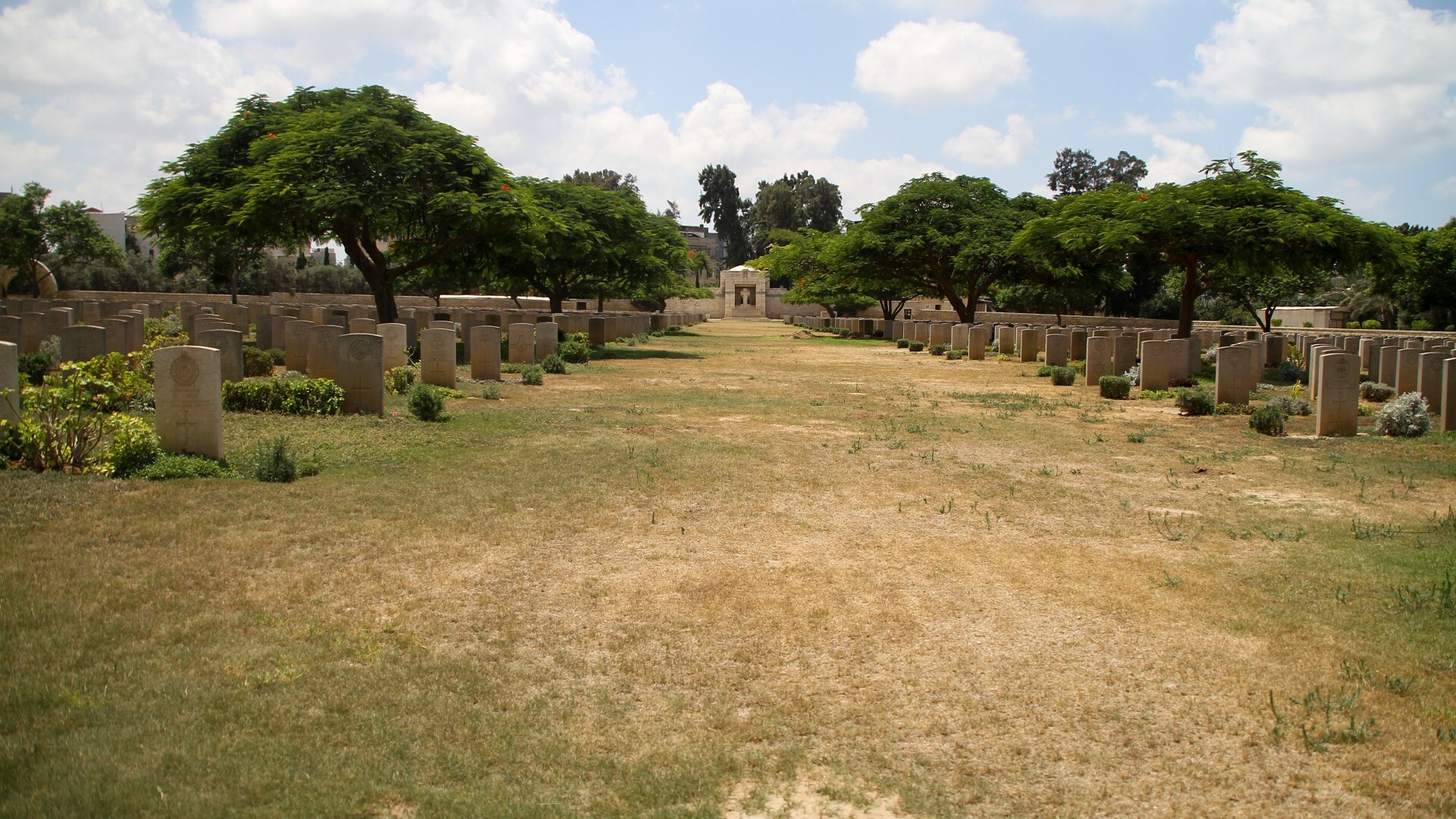
    Satellite imagery analysis has confirmed extensive destruction at a historic Commonwealth war cemetery in Gaza City, with Israel’s military acknowledging operational activities at the site. The al-Tuffah cemetery, containing graves of British, Australian, and other Commonwealth soldiers who perished in both World Wars, has undergone systematic demolition using heavy machinery.

    Guardian-reviewed satellite photographs document months of earthworks throughout 2025 that churned the ground and removed entire rows of gravestones. Essam Jaradah, the cemetery’s former caretaker, witnessed two distinct bulldozing operations that expanded from visitor areas to the memorial monument itself.

    The Israeli Defense Forces spokesperson confirmed military operations in the area, stating measures were taken to “neutralise identified threats” in what was described as “an active combat zone.” This incident continues a pattern of damage to the sacred site, which previously suffered partial destruction from an Israeli missile in 2006, resulting in £90,000 compensation, and sustained further damage during the 2009 Gaza offensive.

    The Gaza War Cemetery contains 3,217 graves, including 781 unidentified remains, with casualties from both World Wars alongside 30 post-war burials. Current reports indicate that journalists and local residents are being prevented from accessing the Deir al-Balah cemetery site, raising concerns about transparency and preservation of this historically significant location.

  • Fearing Russia will seize her town, war widow moves husband’s grave to Kyiv

    Fearing Russia will seize her town, war widow moves husband’s grave to Kyiv

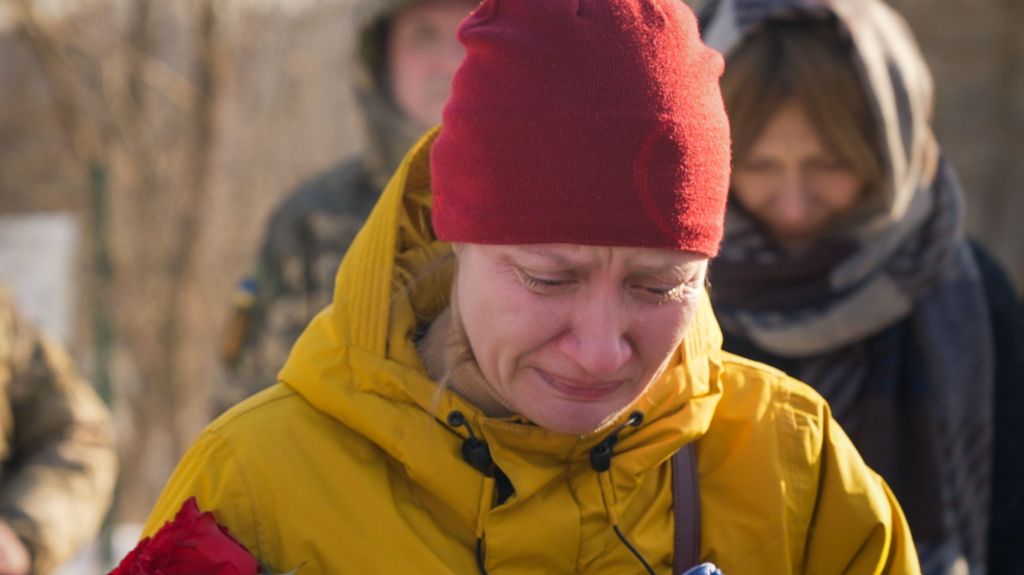
    The crisp silence of a Kyiv military cemetery fractures under the solemn sound of a trumpet salute, followed by the sharp report of rifle fire. Soldiers stand at attention, a Ukrainian flag draped over a polished wooden coffin as snow blankets the ground in silent tribute. A woman’s anguished cry pierces the ceremony—Natalia is burying her husband Vitaly for the second time.

    Killed in 2022 during intense fighting in eastern Donbas, Vitaly was initially laid to rest in his hometown of Slovyansk. However, with Russian forces advancing and the region becoming increasingly vulnerable to occupation, Natalia made the painful decision to exhume her husband’s remains and relocate them hundreds of miles to the relative safety of Ukraine’s capital.

    ‘When we first buried him in Slovyansk, Ukrainian forces were liberating territory and we believed the war would conclude quickly,’ Natalia explains through tears. ‘Now the frontline shifts ever closer, and I feared Vitaly might end up under Russian occupation.’

    Vitaly, a ceramics artist by profession, had volunteered to defend his country during the initial days of Russia’s full-scale invasion. ‘He didn’t want to go, but felt compelled—he was a true patriot,’ Natalia recalls. Tragically, he never met their daughter, as Natalia was pregnant when he was killed.

    This deeply personal story unfolds against the backdrop of complex geopolitical negotiations. As the United States attempts to broker a peace agreement between Moscow and Kyiv, Russia continues its relentless assault on Ukrainian energy infrastructure and frontline positions. The most significant pressure for compromise currently rests on Ukraine’s shoulders.

    The impending talks are expected to address the most sensitive issue: the status of the eastern Donbas region where countless soldiers like Vitaly have perished. While Ukraine maintains control of approximately one-fifth of the territory, including Slovyansk, Russian forces continue their push to capture more ground.

    Kyiv’s position favors a frozen conflict without additional territorial concessions, while Moscow demands control over the entire region—a proposition reportedly receiving consideration from American mediators. This potential compromise, though far from Vladimir Putin’s original ambition to capture all of Ukraine, would nonetheless allow the Russian leader to claim a form of victory.

    Meanwhile, the reality on ground remains brutally dangerous. Natalia describes Slovyansk’s current conditions: ‘Drones strike minibuses in the streets, glide bombs crater the city center. Attacks occurred weekly months ago; now they happen every few days.’

    North of Slovyansk, around Kharkiv, defensive measures intensify as the danger zone expands. Workers install protective netting over roads to shield against Russian drones, while Ukrainian soldiers innovate in clandestine workshops to counter Russia’s numerical and resource advantages.

    In one such underground facility, soldiers of the Typhoon unit repair battle-damaged drones and develop new technologies. Their commander, 29-year-old Roman, avoids discussions about territorial concessions: ‘People quarrel over this, but we need unity against the Russians instead.’ Having lost numerous comrades during two years of infantry service in Donbas, Roman believes ceding territory to Putin would only invite future aggression.

    Another soldier, Maksym, offers a redefined perspective on victory: ‘Our triumph lies in preserving statehood. Even with minimal territory, maintaining our constitution and institutions means Ukraine endures.’ He acknowledges Russia’s overwhelming size advantage but insists surrender cannot be an option.

    Back in Kyiv, as gravediggers complete their solemn task, Natalia finds comfort in having her husband securely relocated where she and their daughter Vitalina can visit safely. The child, who knows her father only through videos and photographs, ‘loves him deeply despite never meeting him,’ Natalia shares with a bittersweet smile.

    In a testament to hope amid tragedy, Natalia reveals the couple had preserved sperm at a clinic days before Vitaly’s death. She hopes to soon tell him she’s pregnant again—a practice increasingly common among Ukrainian soldiers deploying to the front.

    The devastating human cost of four years of full-scale war weighs heavily. Natalia acknowledges that many quietly accept ceding Russian-controlled territory, but she cannot bear the thought of surrendering additional land, including the town where she and Vitaly built their life together.

    With unwavering conviction, she states: ‘I have no doubt Vitaly would want the army to continue fighting rather than concede. Russia might pause for a year, then achieve another breakthrough toward Kharkiv. I simply don’t believe they will stop.’

    The story of Vitaly’s reburial encapsulates Ukraine’s painful dilemma—honoring immense sacrifice while facing impossible choices between territorial integrity and potential peace.
  • Iran state agency posts images of US bases in Middle East with no context amid tensions

    Iran state agency posts images of US bases in Middle East with no context amid tensions

    Tehran-based Fars News Agency, known for its connections to Iranian security forces, has generated international concern by publishing unexplained imagery of American military installations across the Middle East. The photographs, displaying facilities like Bahrain’s Isa Air Base where US aircraft are stationed, appeared without editorial commentary beyond Persian calendar dates.

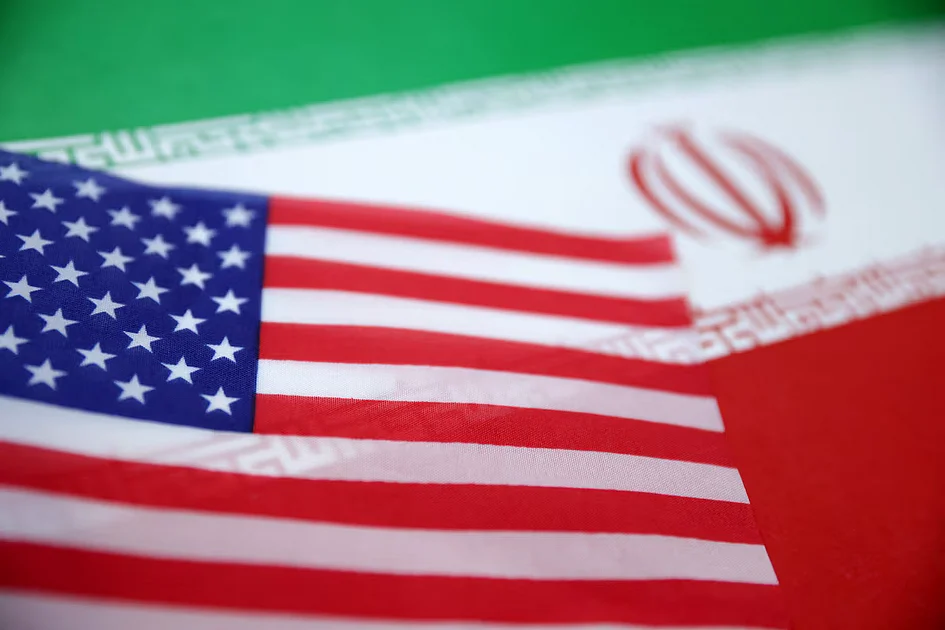
    This psychological maneuver occurs against a backdrop of heightened US-Iran tensions. President Donald Trump has threatened military intervention should Iran refuse constraints on its nuclear program following the government’s violent suppression of domestic protests. Iranian officials have consistently warned of immediate retaliation against Gulf-based American assets if attacked.

    The imagery publication coincides with anticipated but unconfirmed diplomatic exchanges between Iranian Foreign Minister Abbas Araghchi and US envoy Steve Witkoff. In a separate display of hostility, a provocative billboard emerged in Tehran depicting crashed American planes with Iranians triumphantly waving national flags above the wreckage.

    France expressed particular alarm regarding these developments due to its military presence in the region. President Emmanuel Macron confirmed enhanced vigilance, stating, “We are obviously very vigilant regarding this situation. We have taken all necessary measures to ensure our soldiers there are deployed in optimal security conditions.”

    The tension recently manifested militarily when a US fighter jet eliminated an Iranian drone approaching the USS Abraham Lincoln aircraft carrier deployment. However, security analysts note the published imagery appears to be archival material rather than fresh intelligence, with AFP confirming the Bahrain base photographs are dated.

  • Oman to host US-Iran talks on Friday: Iranian semi-official news agency

    Oman to host US-Iran talks on Friday: Iranian semi-official news agency

    The Sultanate of Oman is set to host pivotal diplomatic negotiations between the United States and Iran this Friday, according to reports from Iran’s semi-official ISNA news agency. The talks will feature high-level representation from both nations, with Iranian Foreign Minister Abbas Araqchi and US envoy Steve Witkoff leading their respective delegations.

    This diplomatic engagement follows a format consistent with previous negotiation rounds, though significant questions remain regarding regional participation. According to reporting by Axios journalist Barak Ravid citing Arab diplomatic sources, discussions are actively underway regarding the potential inclusion of additional Arab and Muslim nations from the region in the Oman talks.

    The venue shift from initially planned talks in Turkey to Oman occurred following a specific request from Iranian officials, which the Trump administration ultimately approved. This development comes amid heightened tensions, with President Donald Trump recently issuing stark warnings about potential consequences should nuclear negotiations fail to progress.

    Iranian President Masoud Pezeshkian confirmed his administration’s readiness for dialogue earlier this week, stating on social media platform X that he had directed his foreign minister to pursue “fair and equitable negotiations” provided they occur in an environment “free from threats and unreasonable expectations.” This conditional approach underscores the delicate diplomatic balancing act facing both nations as they prepare for Friday’s critical engagement in Muscat.

  • Trump says America should move on from Epstein – it may not be that easy

    Trump says America should move on from Epstein – it may not be that easy

    The U.S. Justice Department has concluded its massive document review stemming from the Jeffrey Epstein sex-trafficking investigation, declaring no grounds for new prosecutions despite releasing millions of pages of evidence over the past two months. Deputy Attorney General Todd Blanche stated that while the trove contained extensive correspondence, emails, and photographs, this material did not necessarily provide sufficient basis for criminal charges.

    Despite the DOJ’s closure of its review, political ramifications continue to reverberate through Washington. The House of Representatives is advancing its own inquiry, with former President Bill Clinton and former Secretary of State Hillary Clinton scheduled to testify later this month after Republicans threatened contempt of Congress proceedings.

    The document release has implicated numerous high-profile figures across political and business spheres. Former Prince Andrew, Lord Peter Mandelson (former UK ambassador to the US), and former Treasury Secretary Larry Summers have faced professional consequences following revelations of their connections to Epstein. Technology billionaires Bill Gates and Elon Musk have been compelled to explain their mentions within the documents.

    President Donald Trump, whose name appears over 6,000 times in the files, has emerged relatively unscathed thus far. The President maintains that his association with Epstein ended in the early 2000s, prior to Epstein’s 2008 conviction. While the documents include unverified FBI tips containing sexual abuse allegations against Trump and other prominent figures, the Justice Department has dismissed these as unfounded claims lacking credibility.

    Epstein victims and congressional Democrats continue demanding full transparency, alleging potential document withholding. Lisa Phillips, one of Epstein’s survivors, criticized the DOJ for violating multiple commitments regarding document disclosure and victim privacy protections.

    The political landscape remains volatile as Democrats promise to subpoena Trump and other Republicans for testimony if they gain House control in the upcoming midterm elections. Though the administration seeks to move forward, the Epstein saga demonstrates enduring political potency, with potential for renewed scrutiny through congressional investigations and independent revelations.

  • Filipina nurse dead, 2 others injured in Saudi Arabia hit-and-run incident

    Filipina nurse dead, 2 others injured in Saudi Arabia hit-and-run incident

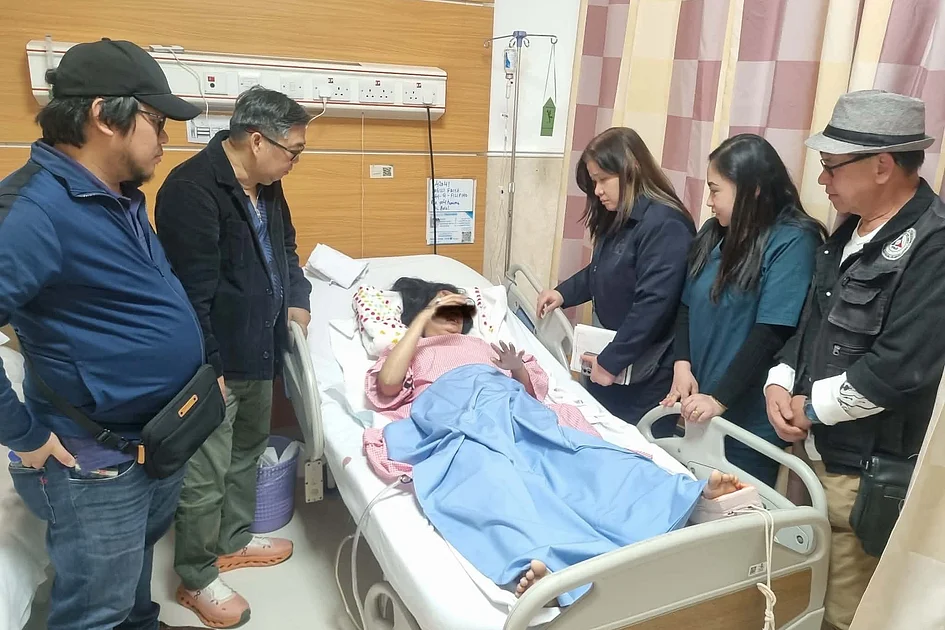
    A tragic hit-and-run incident in northwestern Saudi Arabia has resulted in the death of one Filipina healthcare worker and left two others with serious injuries, prompting an urgent response from Philippine authorities. The accident occurred in the early hours of Saturday, January 31st, in Tabuk’s Muruj Al Amir district as the three nurses were returning home after shopping at a local mall.

    According to the Migrant Workers Office (MWO) in Jeddah, the victims were struck by a speeding vehicle while crossing a wide roadway adjacent to Tabuk Park Mall at approximately 1:00 AM. All three nurses, employed by a major medical clinic in Tabuk, were rendered unconscious immediately upon impact and transported via ambulance to King Khalid Hospital.

    The Philippine Department of Migrant Workers (DMW) confirmed Wednesday that one nurse remained unresponsive upon arrival at the medical facility and subsequently succumbed to her injuries. The two surviving nurses regained consciousness the following day, February 1st, with one requiring transfer to a specialized medical facility in Riyadh for advanced surgical intervention.

    Saudi authorities apprehended the motorist allegedly responsible after an attempted escape. The driver currently remains under investigation by local law enforcement officials.

    The DMW has initiated comprehensive support measures, including facilitating the repatriation of the deceased’s remains and assisting family members with necessary documentation. Next of kin for all affected individuals have been formally notified of the incident.

    The Philippine government continues to monitor the medical condition of the injured nurses while coordinating with Saudi officials regarding the ongoing investigation into the circumstances surrounding the fatal collision.

  • Second round of trilateral talks on Ukraine crisis kicks off in Abu Dhabi

    Second round of trilateral talks on Ukraine crisis kicks off in Abu Dhabi

    Abu Dhabi has become the focal point for renewed diplomatic efforts to resolve the Ukraine conflict as it hosts the second round of trilateral negotiations between the United States, Russia, and Ukraine. This high-stakes meeting follows an initial round of talks held in the UAE capital late last month, which both Moscow and Kyiv described as conducted in a ‘constructive spirit’ despite acknowledging significant challenges ahead.

    The current two-day summit marks a continuation of diplomatic engagement facilitated by the United Arab Emirates, which has positioned itself as a neutral mediator with strong bilateral relations with all three nations involved. The talks represent the first face-to-face meeting between Russian and Ukrainian negotiators to specifically address a peace proposal advanced by US President Donald Trump aimed at ending the nearly four-year conflict.

    In an official statement, the UAE Ministry of Foreign Affairs expressed optimism that this round would build upon progress achieved during previous discussions and support broader understandings between the parties. The Ministry emphasized that the UAE’s hosting role reflects its balanced international relationships and the global community’s confidence in its ability to facilitate meaningful dialogue.

    Ukrainian President Volodymyr Zelensky previously characterized the Abu Dhabi discussions as substantive and constructive, noting that ‘a lot was discussed’ during the initial meetings. The UAE’s mediation efforts have previously yielded tangible results, including the successful exchange of 168 prisoners between Russia and Ukraine, demonstrating the Emirates’ growing role as an effective diplomatic intermediary in complex international conflicts.

  • Uruguayan president’s call links voices across continents

    Uruguayan president’s call links voices across continents

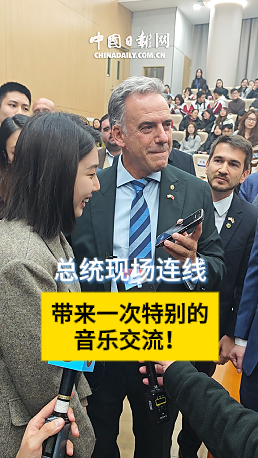
    In a remarkable display of cultural diplomacy, Uruguayan President Yamandu Orsi transformed a routine university visit into an extraordinary cross-continental connection during his Wednesday appearance at Beijing Foreign Studies University. The presidential engagement reached its emotional peak when Orsi witnessed Chinese student Li Yuelin’s heartfelt performance of the classic Uruguayan ballad ‘Tu Vestido’.

    Demonstrating the power of modern technology to bridge geographical divides, President Orsi immediately placed a live voice call to Ana Prada, the original singer and composer of the beloved Uruguayan song. This spontaneous act created a magical moment where the Chinese performer, the Uruguayan artist, and the South American president became interconnected through shared musical appreciation.

    The impromptu musical conference call served as a powerful metaphor for international relations, showcasing how cultural exchange can transcend political and linguistic barriers. President Orsi’s gesture highlighted the growing soft diplomacy initiatives between China and Uruguay, two nations separated by vast oceans but increasingly connected through educational and cultural partnerships.

    This incident occurred against the backdrop of strengthening Sino-Uruguayan relations, with both nations recently expanding cooperation in trade, education, and cultural exchange programs. The Beijing Foreign Studies University, known for cultivating China’s diplomatic and international relations talent, provided the perfect setting for this demonstration of people-to-people diplomacy through artistic expression.

  • Epstein asked Chomsky for advice over ‘putrid’ media coverage, files show

    Epstein asked Chomsky for advice over ‘putrid’ media coverage, files show

    Recently unsealed court documents from the U.S. government’s investigation into Jeffrey Epstein have revealed previously undisclosed communications between the convicted sex offender and renowned linguist Noam Chomsky. The correspondence, dating to February 2019, shows Epstein seeking strategic advice from Chomsky regarding media coverage of the sex trafficking allegations against him.

    In an email exchange, Epstein characterized the press attention as “putrid” and “spiraling out of control,” specifically asking whether he should “defend myself” or “try to ignore” the growing controversy. He expressed concern that “mobs are dangerous” in reference to public opinion.

    The documents include a response attributed to Chomsky that expresses sympathy for what it describes as “the horrible way” Epstein was being treated. The response lamented “the hysteria that has developed about abuse of women,” claiming it had reached such intensity that “even questioning a charge is a crime worse than murder.” The advised course of action was clear: “It’s painful to say, but I think the best way to proceed is to ignore it.”

    Beyond crisis management advice, the correspondence reveals a broader relationship between Epstein and the Chomskys. The documents show discussions ranging from academic papers to personal financial matters, with Valeria Chomsky (Noam’s wife and spokesperson) seeking Epstein’s input on family financial communications with their children in a September 2017 email that stated: “We trust you.”

    Epstein was arrested in July 2019 and died by apparent suicide in his Manhattan jail cell the following August while awaiting trial on federal sex trafficking charges. The released correspondence predates his final arrest but follows the Miami Herald’s groundbreaking investigative series that renewed scrutiny on Epstein’s controversial 2008 plea deal.

    When contacted by the BBC for comment regarding the newly revealed emails, Valeria Chomsky has not yet responded. Previous statements from Noam Chomsky to the Wall Street Journal in 2023 characterized their relationship as occasional meetings, while simultaneously questioning the public’s interest in their association.

  • Epstein files reveal Turkey’s final ultimatum to Assad before Syrian war

    Epstein files reveal Turkey’s final ultimatum to Assad before Syrian war

    A classified United Nations document chronicling a pivotal 2011 telephone discussion between then-Turkish Foreign Minister Ahmet Davutoglu and UN Secretary-General Ban Ki-moon has surfaced among the possessions of convicted sex offender Jeffrey Epstein. This confidential memorandum, dated 16 August 2011, details diplomatic exchanges during a critical juncture in the Syrian uprising, raising questions about how such sensitive material reached Epstein’s archives.

    The document captures high-stakes diplomacy as Syria descended into conflict. Davutoglu revealed his extensive diplomatic efforts with Syrian President Bashar al-Assad, including a six-hour meeting featuring three and a half hours of private discussion. The Turkish minister had presented Assad with urgent reform requirements and a clear warning: implement immediate changes or face international isolation comparable to Saddam Hussein and Muammar Gaddafi.

    According to the transcript, Davutoglu expressed bewilderment at Assad’s decision to launch military operations in Hama during Ramadan, despite earlier agreements to withdraw tanks and permit international observers. The document reveals that Davutoglu advised Assad to expect diminishing credibility unless he allowed international commissions into Syrian cities and implemented substantive political reforms.

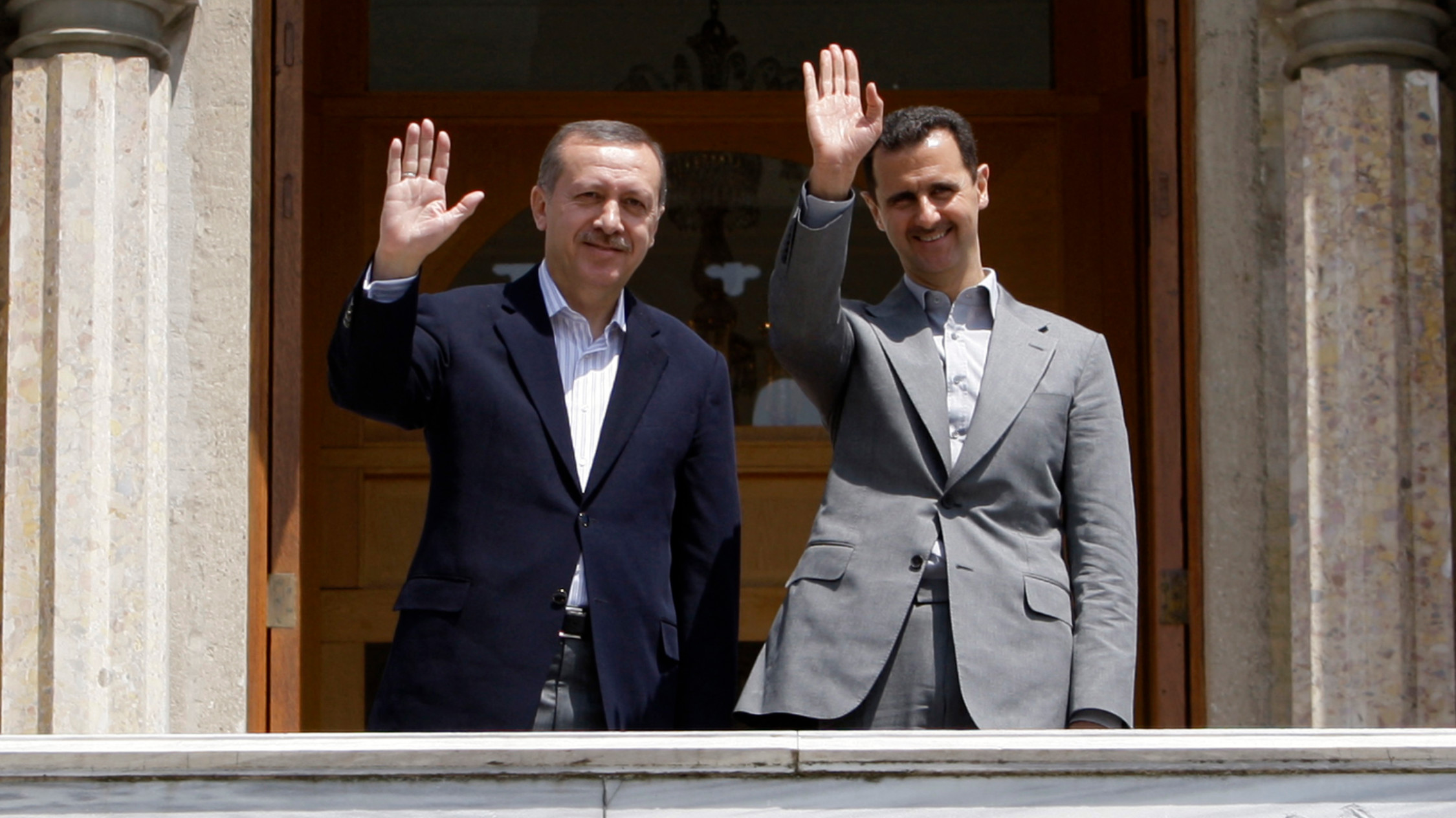
    The correspondence further discloses coordinated international pressure, with Secretary Hillary Clinton and President Barack Obama consulting Turkish leadership before Obama’s planned address calling for Assad’s departure. Turkish Prime Minister Recep Tayyip Erdogan personally urged Assad to act before Obama’s speech rendered his position untenable.

    Additional Epstein communications indicate his ongoing interest in Syrian affairs, including an October 2015 email exchange where entrepreneur Joi Ito sought Epstein’s assistance in securing a prisoner’s release from Syrian detention. Epstein’s brief response (‘Not for email’) suggests cautious engagement with Syrian matters.

    The UN document also encompasses Turkish-Israeli negotiations following the 2010 Mavi Marmara incident, detailing Turkey’s diplomatic strategy including potential International Court of Justice action and naval demonstrations in the Mediterranean.