作者: admin

  • White House border czar announces withdrawal of 700 federal officers from US Minnesota

    White House border czar announces withdrawal of 700 federal officers from US Minnesota

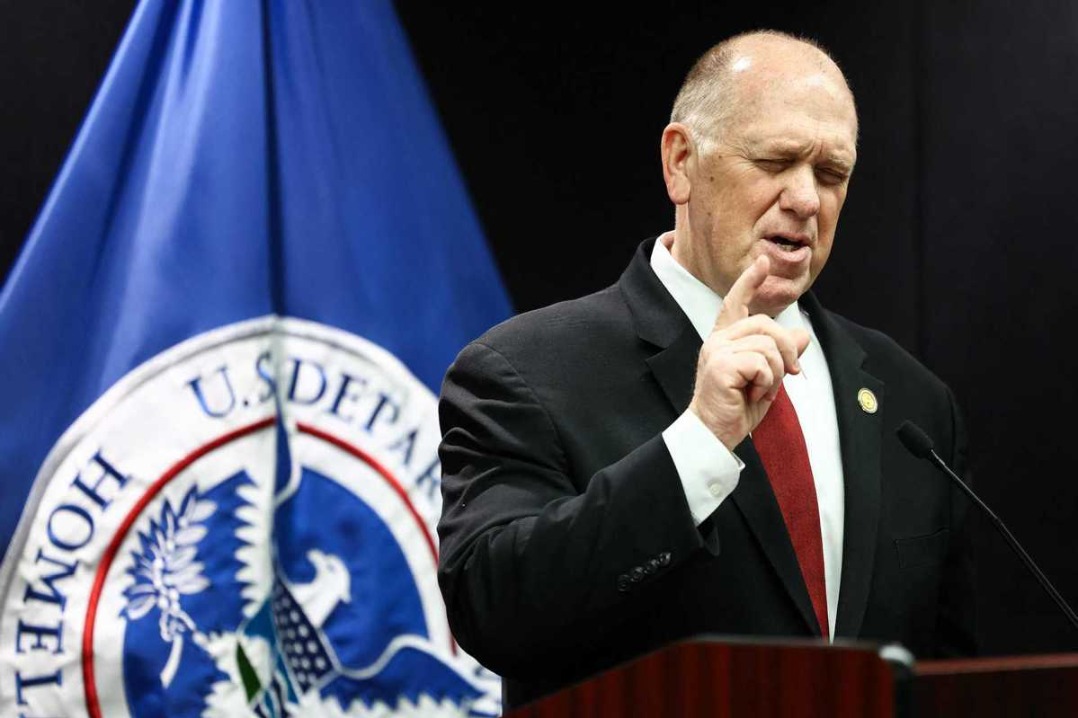
    In a significant policy shift, White House Border Coordinator Tom Homan declared the immediate withdrawal of 700 federal immigration enforcement personnel from Minnesota during a Wednesday press conference at the Bishop Henry Whipple Federal Building in Minneapolis. This decision concludes weeks of heightened federal operations that culminated in the fatal shooting of two protesters last month, events that triggered widespread public outcry.

    Homan characterized the drawdown as a strategic reallocation rather than a reduction in enforcement capabilities, attributing the move to “unprecedented cooperation” now established with state and local law enforcement agencies. The official noted that enhanced collaboration with local jails would allow for more efficient processing of undocumented immigrants within detention facilities, theoretically reducing the need for street-level operations.

    Following this withdrawal, approximately 2,000 federal agents will maintain their presence in Minnesota, with the majority continuing operations in the Twin Cities metropolitan region encompassing Minneapolis and Saint Paul. Homan emphasized that this revised approach represents “smart law enforcement, not less law enforcement,” suggesting that interior enforcement would continue through different methodologies.

    The deployment of federal agents to Minnesota and Homan’s subsequent appointment to oversee operations came directly from President Donald Trump following January’s controversial shootings that escalated tensions between federal authorities and local communities. While Homan previously hinted at a potential reduction contingent on local cooperation, Wednesday’s announcement made this withdrawal effective immediately, though specific redeployment locations for the withdrawn agents remain unspecified.

  • Growing calls in India to restrict children’s social media use

    Growing calls in India to restrict children’s social media use

    India is currently evaluating the potential implementation of social media restrictions for users under 16, following regulatory moves by Australia and several European nations. This consideration has gained traction among ministers from multiple Indian states who are examining the feasibility of such measures within the country’s legal and digital framework.

    The discussion gained official momentum when India’s Economic Survey, an annual policy document prepared by the chief economic adviser’s team, recommended age-based limitations for social media access by children. Although non-binding, these recommendations often influence government policy decisions.

    Several states have taken proactive steps toward regulation. Andhra Pradesh’s government has established a ministerial group to study international regulatory models and has initiated consultations with major technology companies including Meta, X, Google, and ShareChat. The state’s IT Minister Nara Lokesh expressed concern about children’s ‘relentless usage’ of social media platforms and its detrimental effects on education and attention spans.

    Other states including Goa and Karnataka have joined the conversation. Karnataka’s IT Minister Priyank Kharge referenced a ‘digital detox’ program involving 300,000 students and 100,000 teachers developed in partnership with Meta, though specific legislative proposals remain undefined.

    However, digital rights experts highlight significant implementation challenges. Activist Nikhil Pahwa notes the complexity of enforcing geographic-based restrictions due to unreliable IP address location data and potential conflicts between states with differing regulations. Age verification presents another substantial hurdle, as Prateek Waghre of Tech Global Institute explains that compliance would require universal verification across internet services.

    The human dimension adds complexity to the debate. Some parents welcome potential restrictions, while others like Delhi resident Jitender Yadav argue that the core issue lies with parental engagement patterns. ‘Unless parents give enough time to their children or learn to keep them creatively engaged,’ Yadav notes, ‘children will always find ways to bypass such bans.’

    This development places India within a growing global movement addressing youth social media usage, with Australia implementing the world’s first comprehensive ban for under-16s and France considering restrictions for under-15s.

  • From Chevron to Saudi Arabia, Syria signs raft of new business deals

    From Chevron to Saudi Arabia, Syria signs raft of new business deals

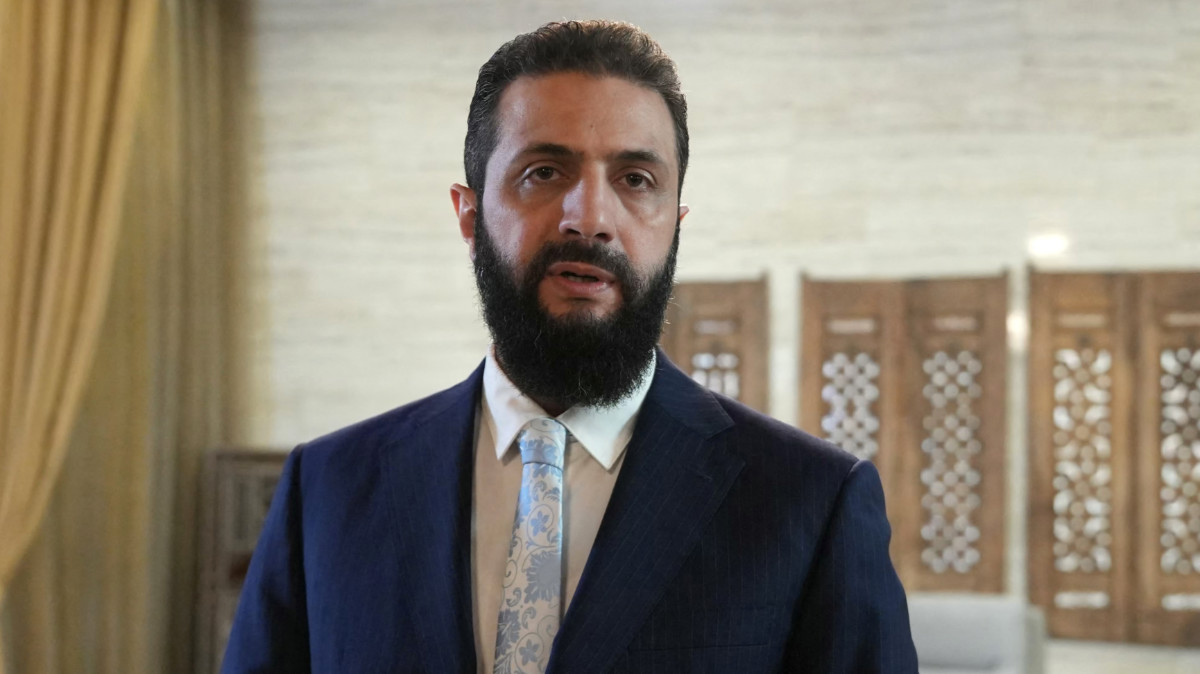
    A significant geopolitical realignment is unfolding in the Middle East as Syria secures substantial economic agreements with Gulf powers under explicit American endorsement. US energy conglomerate Chevron formalized a preliminary arrangement with Syria and Qatar’s UCC Holding to initiate offshore oil and gas exploration along Syria’s coastline, marking Damascus’s inaugural venture into offshore energy development.

    The Chevron agreement coincides with Saudi Arabia’s announcement of a multi-billion dollar investment package targeting Syria’s transportation infrastructure, including establishment of a private airline company. These developments occur alongside substantial Qatari-led energy infrastructure projects, notably a completed natural gas pipeline supplying Syrian industries with Turkish gas exports.

    US diplomatic presence at the Damascus signing ceremony, through envoy Tom Barrack, signals Washington’s tacit approval of these economic partnerships despite previous tensions regarding President Sharaa’s military campaigns against US-aligned forces. The coordinated investments reveal emerging cooperation between historically opposed regional powers, with Qatar, Turkey, and Saudi Arabia collectively driving Syria’s reconstruction efforts.

    This economic diplomacy extends beyond bilateral agreements, reflecting broader strategic realignments. Saudi Arabia and Turkey have strengthened ties through mutual opposition to Israeli military operations and coordinated support for factions in Sudan’s civil conflict. The convergence of American energy interests through Chevron’s regional presence—from Israel’s Leviathan field to Libyan exploration agreements—further demonstrates Washington’s strategic balancing act in Eastern Mediterranean energy politics.

  • Gen Z toppled an autocrat – but old guard tipped to win Bangladesh vote

    Gen Z toppled an autocrat – but old guard tipped to win Bangladesh vote

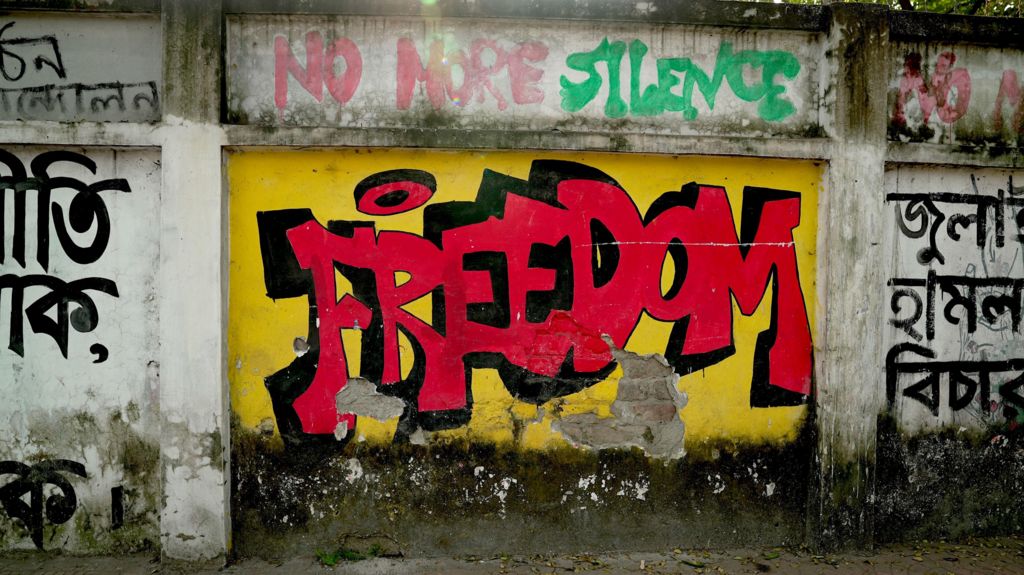
    Dhaka’s streets, once vibrant with revolutionary graffiti celebrating Sheikh Hasina’s ousting, now witness a complex political realignment as Bangladesh approaches pivotal elections. The 2024 youth uprising that claimed approximately 1,400 lives according to UN estimates has evolved into a fragmented political landscape, where idealistic student leaders navigate uncomfortable alliances and enduring dynastic politics.

    The movement’s catalyst emerged from police brutality during July 2024 protests, captured in viral footage showing Rahat Hossain desperately dragging his fatally wounded friend Emam Hasan Taim Bhuiyan amid continued gunfire. This visceral moment galvanized nationwide demonstrations that ultimately toppled Hasina’s 15-year administration, which had increasingly employed authoritarian measures despite overseeing economic progress.

    Two years later, the student-led National Citizen Party (NCP) faces severe challenges. Despite initial expectations that uprising leaders would shape Bangladesh’s future, the party has fractured notably through its alliance with Jamaat-e-Islami, an Islamist group historically accused of collaborating with Pakistani forces during the 1971 independence war. This pragmatic coalition has particularly alienated female activists like Shima Akhter, who notes women are being systematically sidelined despite their crucial role in the revolution.

    Jamaat’s political resurgence signals remarkable shifts in Bangladesh’s political consciousness. The party secured control of Dhaka University’s student union for the first time since independence, indicating younger voters increasingly separate the organization from its controversial history. Party leader Shafiqur Rahman emphasizes commitments to end corruption and restore judicial independence, though these promises face skepticism in a nation with entrenched corruption challenges.

    The political vacuum created by Hasina’s exile and the Awami League’s banning primarily benefits the Bangladesh Nationalist Party (BNP), which has rebranded as a liberal democratic force under Tarique Rahman’s leadership. Ironically, this represents a return to dynastic politics—Tarique is son of former Prime Minister Khaleda Zia, who herself assumed power after her presidential husband’s assassination.

    As elections approach, fundamental questions persist about whether the bloodshed produced meaningful change. Hossain reflects near the site where his friend was killed: “One cannot expect mangoes from a tamarind tree,” suggesting true transformation requires elected government reform rather than revolutionary idealism alone. With many awaiting justice for police violence and women demanding equal political representation, Bangladesh’s democratic future remains uncertain amid resurgent establishment forces.

  • Turkish Airlines flight makes emergency landing in India after fire in engine

    Turkish Airlines flight makes emergency landing in India after fire in engine

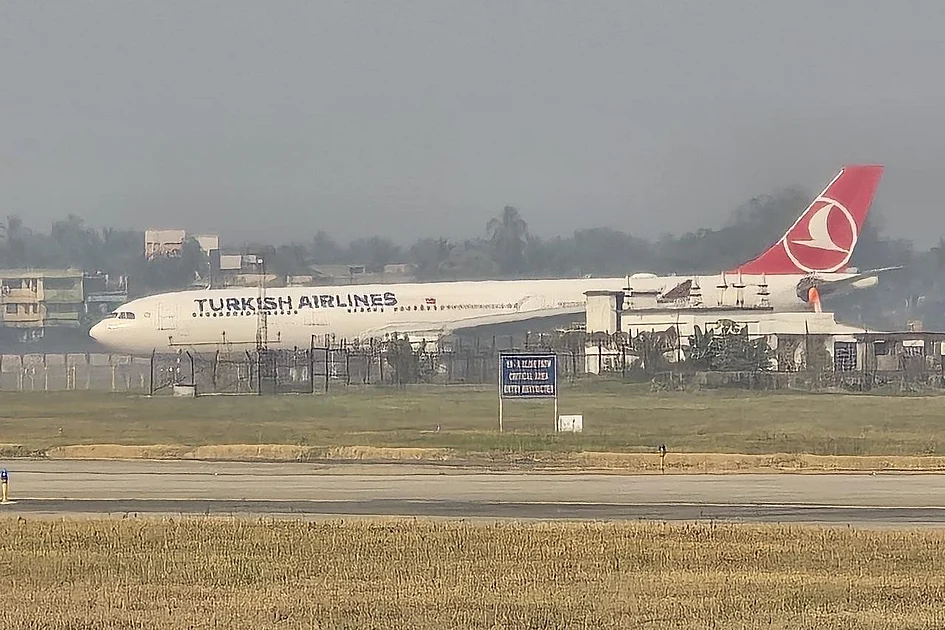
    A Turkish Airlines aircraft operating from Kathmandu to Istanbul was compelled to execute an emergency landing at Kolkata’s Netaji Subhash Chandra Bose International Airport on Wednesday following an engine fire incident. The Indian Civil Aviation Ministry confirmed the aircraft issued a ‘PAN PAN’ distress signal—a international aviation alert indicating an urgent situation—at approximately 1:38 PM local time. The pilot reported a fire in the right engine and subsequent failure of that engine, necessitating an immediate diversion to the nearest suitable airport. Airport emergency services were placed on full alert as the aircraft approached. The fire was successfully extinguished by ground crews by 1:51 PM, just minutes after the plane touched down. Authorities have confirmed that all passengers and crew aboard the flight emerged unharmed, with no injuries reported. The incident highlights the critical importance of pilot training and emergency response protocols in managing in-flight technical failures, ensuring passenger safety during unforeseen aviation emergencies.

  • ‘Heartbreaking’: Zaheer Abbas on ugly feud between India and Pakistan cricket

    ‘Heartbreaking’: Zaheer Abbas on ugly feud between India and Pakistan cricket

    Pakistani cricket icon Zaheer Abbas, renowned for his elegant batting during the 1970s and early 1980s, has expressed profound disappointment over the escalating tensions between Indian and Pakistani cricket authorities. The former International Cricket Council president described the current state of relations as “heartbreaking” in an exclusive interview with Khaleej Times.

    The deterioration reached new lows with Pakistan’s decision to boycott the T20 World Cup match against India following Bangladesh’s elimination from the tournament. This development follows last year’s Asia Cup controversy where Indian players refused handshakes with Pakistani counterparts, triggering chaotic scenes, mutual allegations, and subsequent boycott threats.

    “I don’t know how to react to everything that has happened between the two countries’ cricket boards,” stated the 78-year-old legend during a phone conversation from Karachi. “It’s heartbreaking that we have reached a stage where all we see is negativity and bitterness.”

    Abbas highlighted specific incidents that violated cricket’s spirit, including the absence of traditional handshakes during the Asia Cup and India’s refusal to accept trophies from PCB chairman Mohsin Naqvi during presentation ceremonies. The cricketing great emphasized that “nobody is bigger than the sport” and condemned the unsportsmanlike behavior displayed by administrators and players from both nations.

    Reflecting on his playing era, Abbas recalled how cricket served as a bridge for cultural exchange despite political tensions between the nuclear-armed neighbors. “I played numerous matches against India and developed lasting friendships with Indian players. Politics never influenced our on-field competitions or off-field relationships,” he reminisced. “Cricket previously united people through positive interactions and mutual respect—what we witness today stands in stark contrast to those values.”

    The cricketing legend urged both nations to prioritize dialogue over confrontation, emphasizing that cricket administrators should focus on progressing the sport rather than damaging it through perpetual conflict.

  • Breakthrough for LIV Golf: OWGR awards the tour ranking points in landmark decision

    Breakthrough for LIV Golf: OWGR awards the tour ranking points in landmark decision

    In a watershed moment for professional golf, the Official World Golf Ranking (OWGR) board has granted LIV Golf tournaments eligibility for world ranking points following years of contentious deliberation. This landmark decision, announced on February 4, 2026, marks the first formal integration of the Saudi-backed tour into golf’s global competitive framework since its controversial inception in 2021.

    The breakthrough comes with significant structural modifications: OWGR points will be allocated exclusively to the top ten finishers and ties at each of LIV’s thirteen scheduled events. This restricted distribution model distinguishes LIV from all other OWGR-recognized tours, reflecting the board’s attempt to balance inclusivity with preservation of ranking system integrity.

    While falling short of LIV’s original expectations, the compromise acknowledges the tour’s operational adaptations, including its transition toward traditional 72-hole tournaments and enhanced qualification pathways. The OWGR board characterized LIV’s application as “unique,” necessitating a tailored approach rather than full alignment with existing tour models.

    Current points allocations position LIV events comparably to PGA Tour opposite-field competitions, notably surpassing this week’s DP World Tour Qatar Masters in total available points. Statistical analysis reveals:
    – PGA Tour WM Phoenix Open: 344.55 total points (59.26 to winner)
    – LIV Golf Riyadh: 108.29 total points (23.03 to winner)
    – DP World Tour Qatar Masters: 121.74 total points (20.93 to winner)

    The inherently limited field size of 57 players—contrasting sharply with conventional 156-player fields—continues to impact points distribution, remaining a central consideration in the OWGR’s calibrated approach.

    Top-ranked LIV professionals Tyrrell Hatton (22nd) and Bryson DeChambeau (33rd) stand to benefit immediately, with broader implications for player mobility, emerging talent recruitment, and major championship eligibility. This decision represents the most significant step toward unifying golf’s fractured competitive landscape, potentially heralding a new era of coexistence between traditional tours and disruptive newcomers.

  • Khelif willing to take sex test for 2028 Olympics

    Khelif willing to take sex test for 2028 Olympics

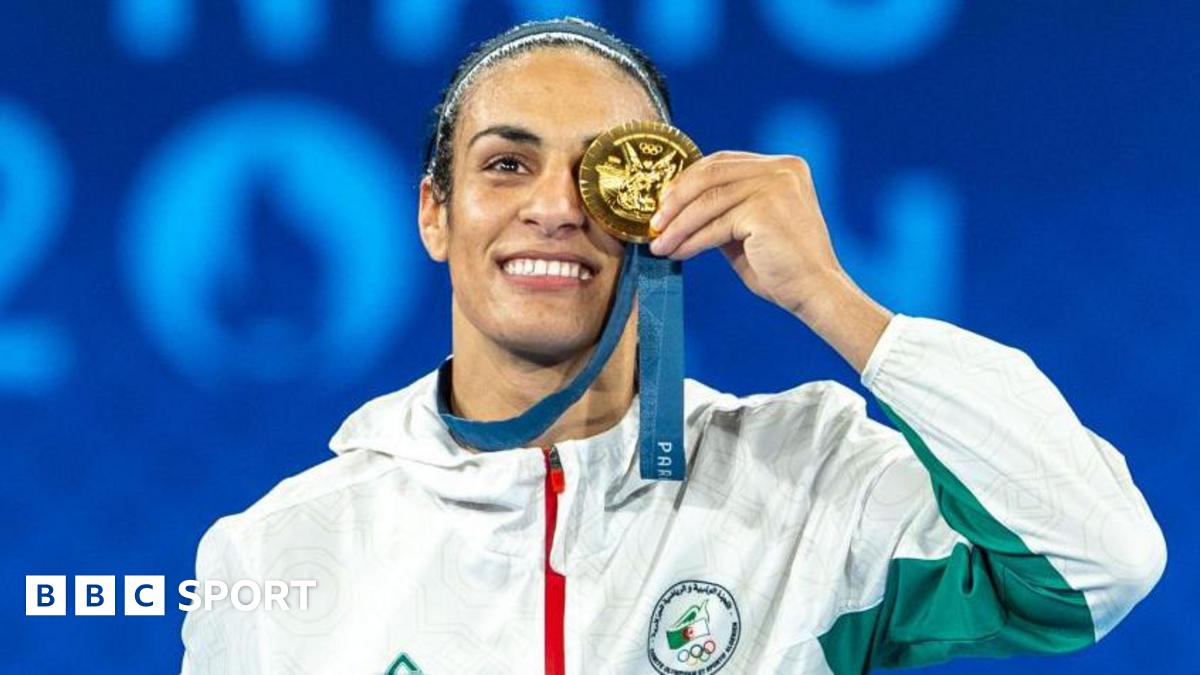
    Algerian Olympic gold medalist Imane Khelif has declared her willingness to undergo sex verification testing under International Olympic Committee protocols to secure her participation in the 2028 Los Angeles Games. The welterweight champion, who triumphed at the 2024 Paris Olympics, continues to face intense scrutiny regarding her gender eligibility in women’s boxing.

    The controversy traces back to 2023 when both Khelif and Taiwanese boxer Lin Yu-ting faced disqualification from the World Championships after the International Boxing Association (IBA) alleged they had failed gender eligibility assessments. The IOC, which had revoked IBA’s recognition that same year, subsequently cleared Khelif for Olympic competition in Paris.

    In a recent CNN interview, the 26-year-old athlete asserted her biological womanhood and distanced herself from transgender identity claims. “I’m not transgender. I’m a woman,” Khelif stated emphatically. “I have nothing to hide and would accept any testing required by the IOC to compete.” She added a poignant appeal: “They should protect women, but they need to pay attention that while protecting women, they shouldn’t hurt other women.”

    The political dimension emerged when former US President Donald Trump referenced Khelif as a “male boxer” while defending his executive order barring transgender women from female sports categories. Khelif responded to such characterization by urging against her exploitation in political agendas.

    The regulatory landscape shifted in February 2025 when the IOC granted provisional recognition to World Boxing as the sport’s new international governing body. This organization implemented mandatory genetic testing to determine athletes’ sex at birth and competition eligibility, specifically citing Khelif’s case before subsequently issuing an apology.

    In August 2025, Khelif formally appealed World Boxing’s testing mandate through the Court of Arbitration for Sport, with proceedings currently pending. This ongoing legal challenge underscores the complex intersection of athletic regulation, human rights, and scientific verification in contemporary sports governance.

  • US probes Nike over white worker discrimination claims

    US probes Nike over white worker discrimination claims

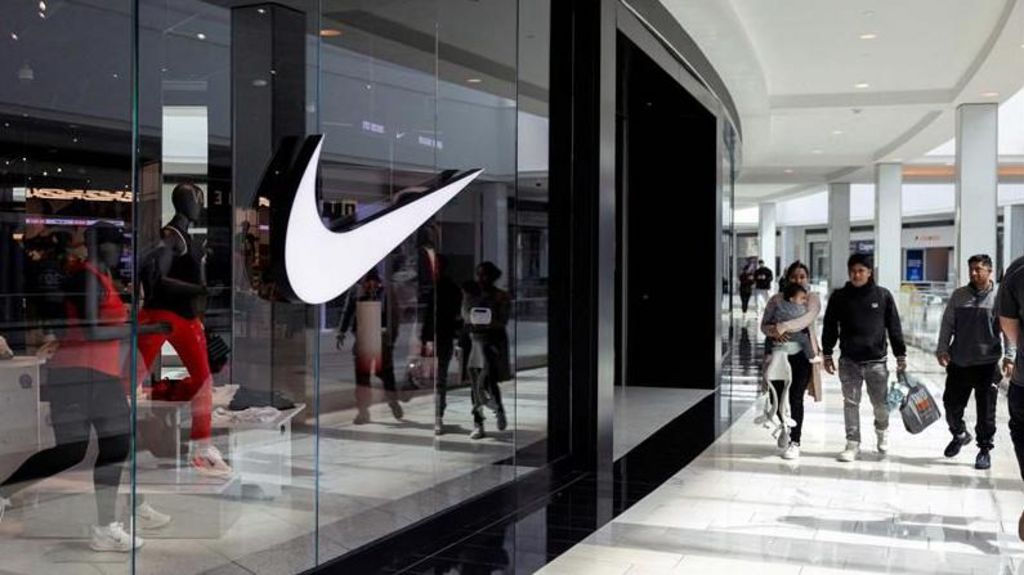
    The U.S. Equal Employment Opportunity Commission (EEOC) has launched a formal investigation into Nike Inc. following allegations of systematic discrimination against Caucasian workers and job applicants. Court documents reveal the federal agency is examining whether the global sportswear giant engaged in “a pattern or practice of disparate treatment against white employees, applicants, and training program participants.”

    The investigation, initiated in response to a 2024 complaint from conservative organization America First Legal, seeks extensive company records dating back to 2018. The EEOC’s subpoena demands detailed information about Nike’s hiring practices, training programs, promotion systems, and executive compensation structures—specifically examining whether racial and ethnicity data influenced pay decisions.

    According to legal filings, the EEOC claims Nike has failed to fully comply with information requests spanning thirteen months, including a prior subpoena. “Nike’s failure to comply… has delayed and hampered the EEOC’s investigation of alleged unlawful employment practices,” court documents state.

    The company has defended its practices, stating it has already submitted “thousands of pages of information” to the agency. In an official statement, Nike maintained its commitment to “fair and lawful employment practices” and called the investigation “a surprising and unusual escalation.” The company asserts its programs comply with all anti-discrimination laws and plans to continue cooperating with the EEOC while challenging the scope of the inquiry.

    This investigation represents one of the first major enforcement actions by the EEOC under the Trump administration, which has criticized corporate diversity initiatives as potentially constituting “reverse discrimination.” EEOC Chair Andrea Lucas has previously stated that many standard workplace diversity programs may violate US laws and encouraged white male employees to submit discrimination complaints.

    Legal experts note this case reflects a significant shift in the EEOC’s traditional focus from protecting minority groups to investigating allegations of discrimination against white workers. The agency is currently pursuing similar actions against Northwestern Mutual Life Insurance Company.

    Michael Foreman, director of the Civil Rights Appellate Clinic at Penn State Dickinson Law, characterized the investigation as “more of EEOC’s consistent pattern of basically being the bully pulpit for the Trump administration,” suggesting it may discourage corporate diversity efforts while leaving other forms of discrimination unaddressed.

  • Washington Post starts massive layoff, closes sports department

    Washington Post starts massive layoff, closes sports department

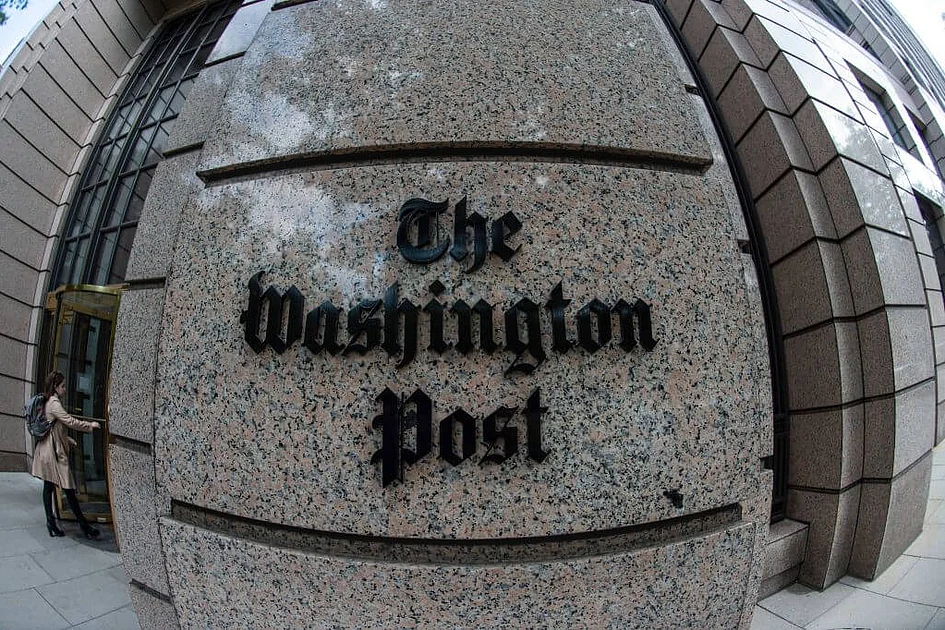
    In a significant restructuring move, The Washington Post initiated substantial workforce reductions on Wednesday, February 4, 2026, that will eliminate its entire sports division and reduce its international operations. Executive Editor Matt Murray announced the cuts during an 8:30 a.m. ET company-wide briefing, confirming the complete closure of the sports department while maintaining politics and government coverage as the newspaper’s central focus.

    The decision comes amidst ongoing financial challenges that have plagued the 145-year-old publication. The Post, owned by Amazon founder Jeff Bezos, reported approximately $100 million in losses during 2023, prompting previous cost-cutting measures including voluntary separation packages offered across all departments.

    This restructuring follows the newspaper’s recent scaling back of coverage for the 2026 Winter Olympics, reflecting broader industry struggles. The digital revolution has fundamentally disrupted traditional journalism economics, causing digital advertising rates to plummet and shifting audience trust toward independent content creators.

    The Post’s White House correspondence team recently expressed concerns to Bezos in a January 29 letter, emphasizing that their most impactful reporting depends on collaboration with teams now facing elimination. They stressed that maintaining a diversified newsroom remains crucial despite financial pressures.

    These layoffs represent the latest chapter in the ongoing transformation of legacy media organizations attempting to establish sustainable business models in the digital era. The Washington Post joins numerous other news outlets grappling with similar economic challenges as reader habits and revenue streams continue to evolve.