作者: admin

  • ‘Heartbreaking’: Zaheer Abbas on ugly feud between India and Pakistan cricket

    ‘Heartbreaking’: Zaheer Abbas on ugly feud between India and Pakistan cricket

    Pakistani cricket icon Zaheer Abbas, renowned for his elegant batting during the 1970s and early 1980s, has expressed profound disappointment over the escalating tensions between Indian and Pakistani cricket authorities. The former International Cricket Council president described the current state of relations as “heartbreaking” in an exclusive interview with Khaleej Times.

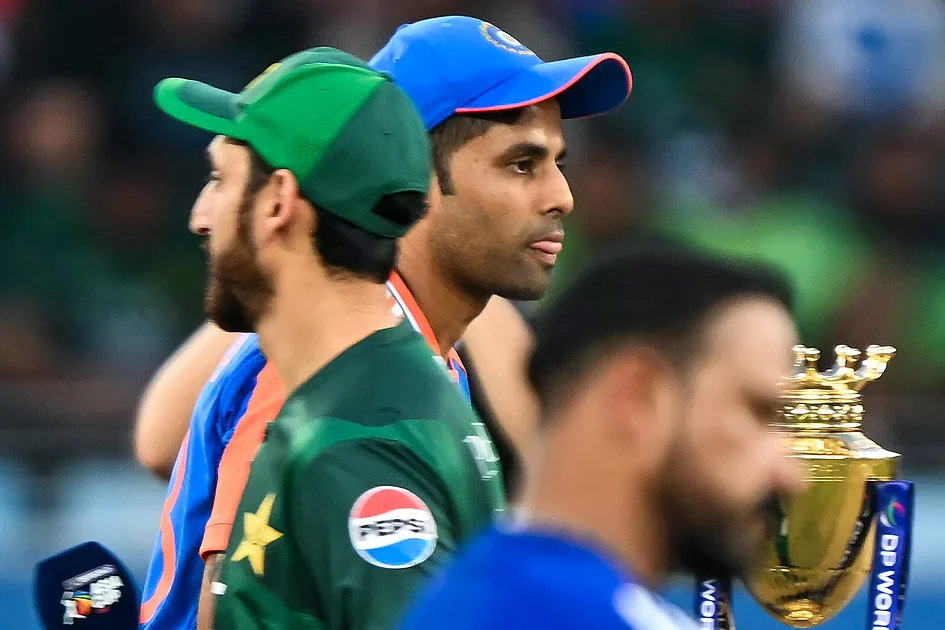
    The deterioration reached new lows with Pakistan’s decision to boycott the T20 World Cup match against India following Bangladesh’s elimination from the tournament. This development follows last year’s Asia Cup controversy where Indian players refused handshakes with Pakistani counterparts, triggering chaotic scenes, mutual allegations, and subsequent boycott threats.

    “I don’t know how to react to everything that has happened between the two countries’ cricket boards,” stated the 78-year-old legend during a phone conversation from Karachi. “It’s heartbreaking that we have reached a stage where all we see is negativity and bitterness.”

    Abbas highlighted specific incidents that violated cricket’s spirit, including the absence of traditional handshakes during the Asia Cup and India’s refusal to accept trophies from PCB chairman Mohsin Naqvi during presentation ceremonies. The cricketing great emphasized that “nobody is bigger than the sport” and condemned the unsportsmanlike behavior displayed by administrators and players from both nations.

    Reflecting on his playing era, Abbas recalled how cricket served as a bridge for cultural exchange despite political tensions between the nuclear-armed neighbors. “I played numerous matches against India and developed lasting friendships with Indian players. Politics never influenced our on-field competitions or off-field relationships,” he reminisced. “Cricket previously united people through positive interactions and mutual respect—what we witness today stands in stark contrast to those values.”

    The cricketing legend urged both nations to prioritize dialogue over confrontation, emphasizing that cricket administrators should focus on progressing the sport rather than damaging it through perpetual conflict.
  • Breakthrough for LIV Golf: OWGR awards the tour ranking points in landmark decision

    Breakthrough for LIV Golf: OWGR awards the tour ranking points in landmark decision

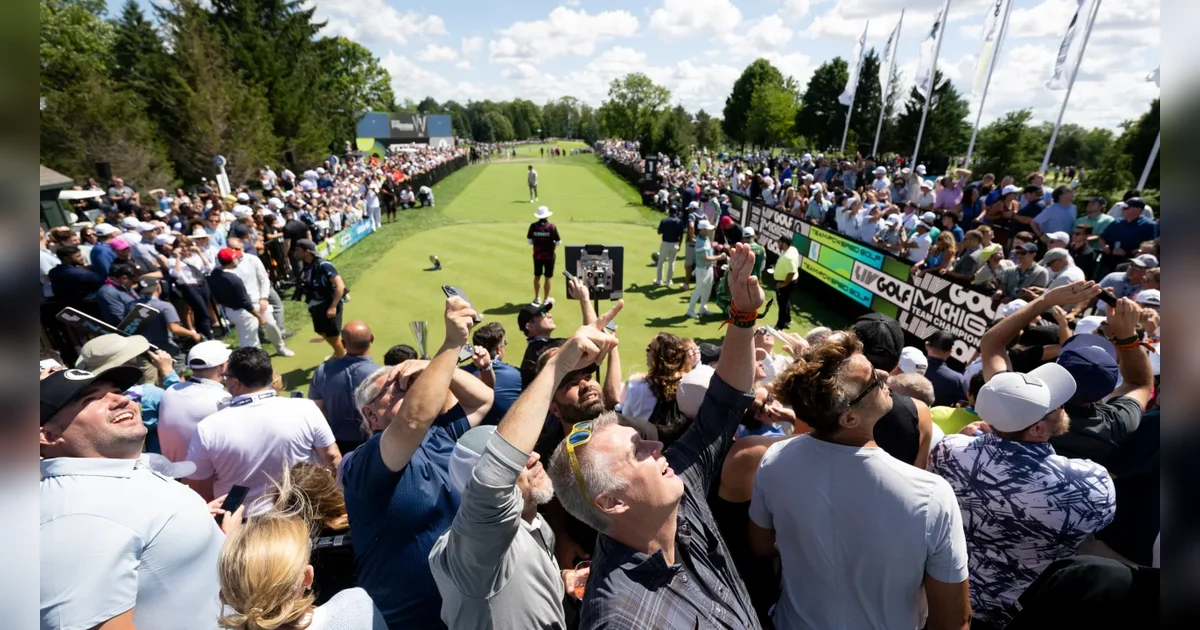
    In a watershed moment for professional golf, the Official World Golf Ranking (OWGR) board has granted LIV Golf tournaments eligibility for world ranking points following years of contentious deliberation. This landmark decision, announced on February 4, 2026, marks the first formal integration of the Saudi-backed tour into golf’s global competitive framework since its controversial inception in 2021.

    The breakthrough comes with significant structural modifications: OWGR points will be allocated exclusively to the top ten finishers and ties at each of LIV’s thirteen scheduled events. This restricted distribution model distinguishes LIV from all other OWGR-recognized tours, reflecting the board’s attempt to balance inclusivity with preservation of ranking system integrity.

    While falling short of LIV’s original expectations, the compromise acknowledges the tour’s operational adaptations, including its transition toward traditional 72-hole tournaments and enhanced qualification pathways. The OWGR board characterized LIV’s application as “unique,” necessitating a tailored approach rather than full alignment with existing tour models.

    Current points allocations position LIV events comparably to PGA Tour opposite-field competitions, notably surpassing this week’s DP World Tour Qatar Masters in total available points. Statistical analysis reveals:
    – PGA Tour WM Phoenix Open: 344.55 total points (59.26 to winner)
    – LIV Golf Riyadh: 108.29 total points (23.03 to winner)
    – DP World Tour Qatar Masters: 121.74 total points (20.93 to winner)

    The inherently limited field size of 57 players—contrasting sharply with conventional 156-player fields—continues to impact points distribution, remaining a central consideration in the OWGR’s calibrated approach.

    Top-ranked LIV professionals Tyrrell Hatton (22nd) and Bryson DeChambeau (33rd) stand to benefit immediately, with broader implications for player mobility, emerging talent recruitment, and major championship eligibility. This decision represents the most significant step toward unifying golf’s fractured competitive landscape, potentially heralding a new era of coexistence between traditional tours and disruptive newcomers.

  • Khelif willing to take sex test for 2028 Olympics

    Khelif willing to take sex test for 2028 Olympics

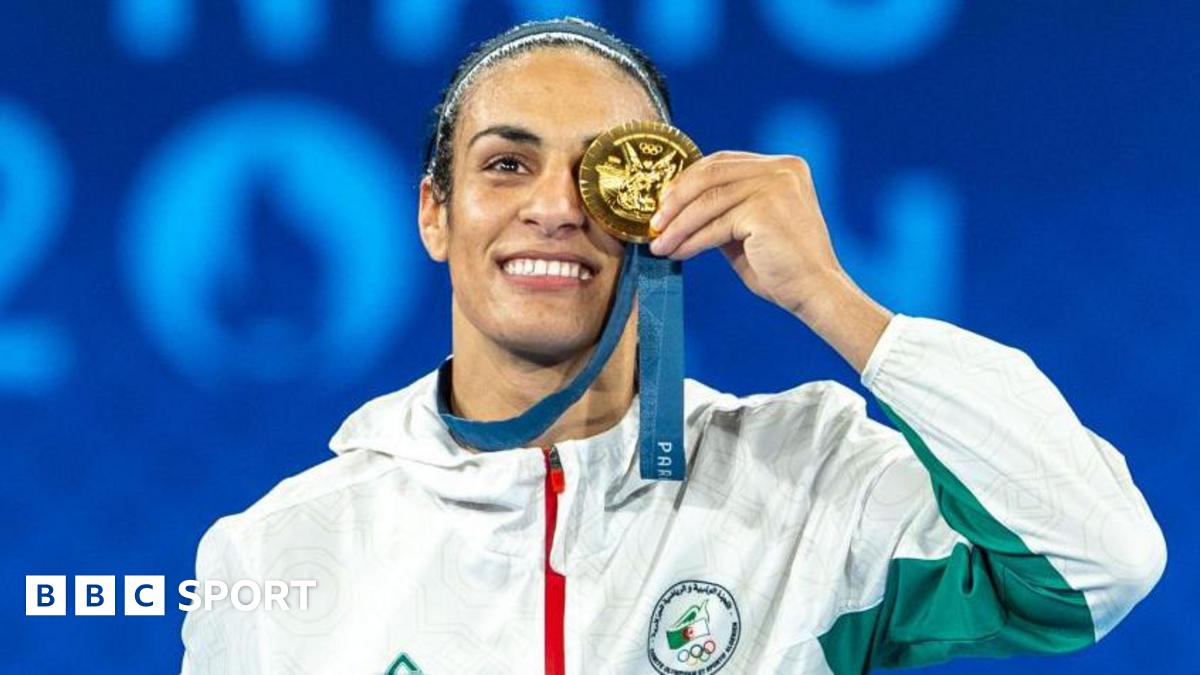
    Algerian Olympic gold medalist Imane Khelif has declared her willingness to undergo sex verification testing under International Olympic Committee protocols to secure her participation in the 2028 Los Angeles Games. The welterweight champion, who triumphed at the 2024 Paris Olympics, continues to face intense scrutiny regarding her gender eligibility in women’s boxing.

    The controversy traces back to 2023 when both Khelif and Taiwanese boxer Lin Yu-ting faced disqualification from the World Championships after the International Boxing Association (IBA) alleged they had failed gender eligibility assessments. The IOC, which had revoked IBA’s recognition that same year, subsequently cleared Khelif for Olympic competition in Paris.

    In a recent CNN interview, the 26-year-old athlete asserted her biological womanhood and distanced herself from transgender identity claims. “I’m not transgender. I’m a woman,” Khelif stated emphatically. “I have nothing to hide and would accept any testing required by the IOC to compete.” She added a poignant appeal: “They should protect women, but they need to pay attention that while protecting women, they shouldn’t hurt other women.”

    The political dimension emerged when former US President Donald Trump referenced Khelif as a “male boxer” while defending his executive order barring transgender women from female sports categories. Khelif responded to such characterization by urging against her exploitation in political agendas.

    The regulatory landscape shifted in February 2025 when the IOC granted provisional recognition to World Boxing as the sport’s new international governing body. This organization implemented mandatory genetic testing to determine athletes’ sex at birth and competition eligibility, specifically citing Khelif’s case before subsequently issuing an apology.

    In August 2025, Khelif formally appealed World Boxing’s testing mandate through the Court of Arbitration for Sport, with proceedings currently pending. This ongoing legal challenge underscores the complex intersection of athletic regulation, human rights, and scientific verification in contemporary sports governance.

  • US probes Nike over white worker discrimination claims

    US probes Nike over white worker discrimination claims

    The U.S. Equal Employment Opportunity Commission (EEOC) has launched a formal investigation into Nike Inc. following allegations of systematic discrimination against Caucasian workers and job applicants. Court documents reveal the federal agency is examining whether the global sportswear giant engaged in “a pattern or practice of disparate treatment against white employees, applicants, and training program participants.”

    The investigation, initiated in response to a 2024 complaint from conservative organization America First Legal, seeks extensive company records dating back to 2018. The EEOC’s subpoena demands detailed information about Nike’s hiring practices, training programs, promotion systems, and executive compensation structures—specifically examining whether racial and ethnicity data influenced pay decisions.

    According to legal filings, the EEOC claims Nike has failed to fully comply with information requests spanning thirteen months, including a prior subpoena. “Nike’s failure to comply… has delayed and hampered the EEOC’s investigation of alleged unlawful employment practices,” court documents state.

    The company has defended its practices, stating it has already submitted “thousands of pages of information” to the agency. In an official statement, Nike maintained its commitment to “fair and lawful employment practices” and called the investigation “a surprising and unusual escalation.” The company asserts its programs comply with all anti-discrimination laws and plans to continue cooperating with the EEOC while challenging the scope of the inquiry.

    This investigation represents one of the first major enforcement actions by the EEOC under the Trump administration, which has criticized corporate diversity initiatives as potentially constituting “reverse discrimination.” EEOC Chair Andrea Lucas has previously stated that many standard workplace diversity programs may violate US laws and encouraged white male employees to submit discrimination complaints.

    Legal experts note this case reflects a significant shift in the EEOC’s traditional focus from protecting minority groups to investigating allegations of discrimination against white workers. The agency is currently pursuing similar actions against Northwestern Mutual Life Insurance Company.

    Michael Foreman, director of the Civil Rights Appellate Clinic at Penn State Dickinson Law, characterized the investigation as “more of EEOC’s consistent pattern of basically being the bully pulpit for the Trump administration,” suggesting it may discourage corporate diversity efforts while leaving other forms of discrimination unaddressed.

  • Washington Post starts massive layoff, closes sports department

    Washington Post starts massive layoff, closes sports department

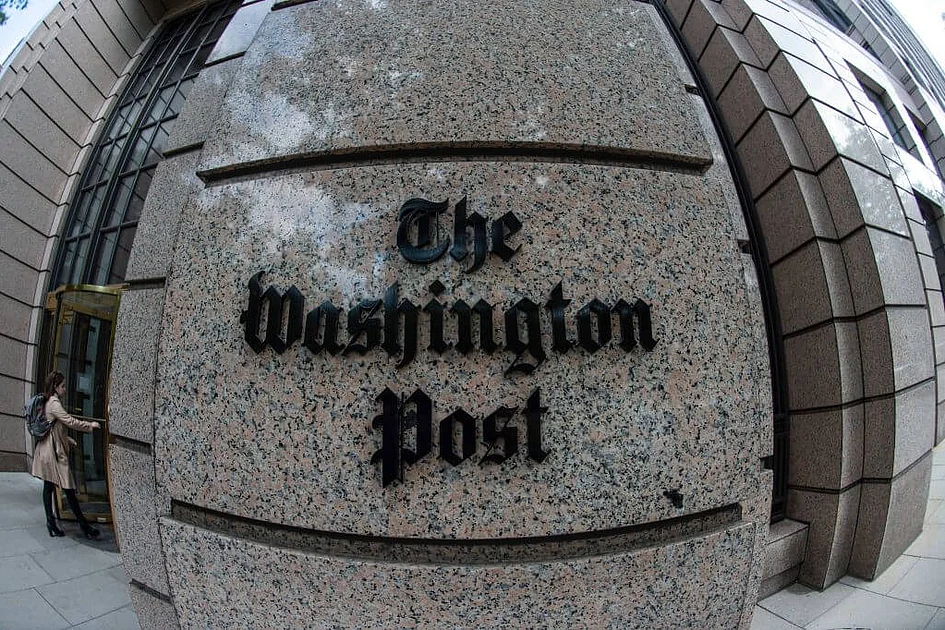
    In a significant restructuring move, The Washington Post initiated substantial workforce reductions on Wednesday, February 4, 2026, that will eliminate its entire sports division and reduce its international operations. Executive Editor Matt Murray announced the cuts during an 8:30 a.m. ET company-wide briefing, confirming the complete closure of the sports department while maintaining politics and government coverage as the newspaper’s central focus.

    The decision comes amidst ongoing financial challenges that have plagued the 145-year-old publication. The Post, owned by Amazon founder Jeff Bezos, reported approximately $100 million in losses during 2023, prompting previous cost-cutting measures including voluntary separation packages offered across all departments.

    This restructuring follows the newspaper’s recent scaling back of coverage for the 2026 Winter Olympics, reflecting broader industry struggles. The digital revolution has fundamentally disrupted traditional journalism economics, causing digital advertising rates to plummet and shifting audience trust toward independent content creators.

    The Post’s White House correspondence team recently expressed concerns to Bezos in a January 29 letter, emphasizing that their most impactful reporting depends on collaboration with teams now facing elimination. They stressed that maintaining a diversified newsroom remains crucial despite financial pressures.

    These layoffs represent the latest chapter in the ongoing transformation of legacy media organizations attempting to establish sustainable business models in the digital era. The Washington Post joins numerous other news outlets grappling with similar economic challenges as reader habits and revenue streams continue to evolve.

  • AI, uncertainty, end of fixed roles: Experts in Dubai discuss future work place

    AI, uncertainty, end of fixed roles: Experts in Dubai discuss future work place

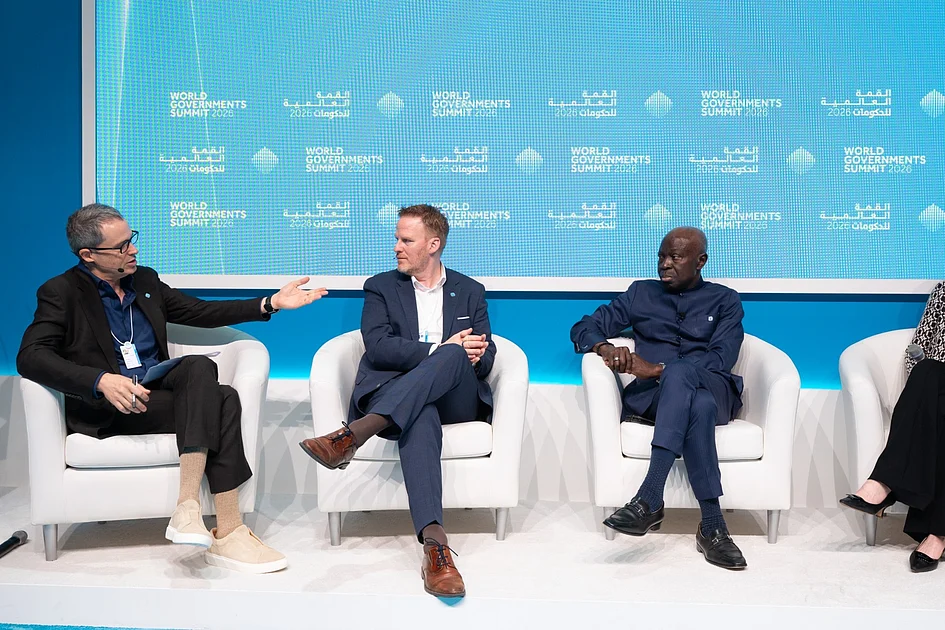
    DUBAI – At the World Government Summit, a distinguished panel of global experts delivered a transformative vision for the future of work, emphasizing that artificial intelligence, economic volatility, and demographic shifts are permanently dismantling traditional career structures. The session, moderated by Ted Kemp of Khaleej Times, featured Gilbert Houngbo (International Labour Organization), Robyn Scott (Apolitical), and David Bach (IMD Business School), who collectively argued that adaptation must become humanity’s core competency.

    In a significant departure from conventional workforce planning, Gilbert Houngbo asserted that governments must embrace uncertainty as the new constant. ‘Predicting the labor market’s landscape in five, ten, or twenty years is increasingly challenging,’ he stated, advocating for resilient, flexible institutions instead of rigid long-term plans. He issued a critical warning regarding AI’s productivity paradox: while automation delivers efficiency gains, these benefits are not automatically translating into improved wages or job security. ‘The widening gap between productivity and compensation demands proactive policy intervention to prevent deepening inequalities,’ Houngbo emphasized, noting that continuous skill investment has transitioned from optional to fundamental.

    Robyn Scott presented a compelling case for governmental AI adoption, identifying a staggering $1.75 trillion productivity opportunity within bureaucratic systems. She championed human-AI collaboration where algorithms handle repetitive tasks while humans focus on complex judgment-driven work. ‘The crucial distinction lies in whether humans operate above or below the algorithm,’ Scott cautioned. ‘Surrendering全部 human agency to automated systems creates a zero-sum dynamic that poses profound societal dangers.’ She reframed retraining as an ongoing ‘change management muscle’ rather than a one-time initiative.

    David Bach addressed the psychological dimension of workplace evolution, identifying fear—not technology—as the primary obstacle. Contrasting global optimism levels, he noted significantly higher confidence in the UAE compared to Western nations. ‘Pessimism paralyzes skill investment and stifles experimentation,’ Bach observed. ‘True leadership involves articating optimistic visions that acknowledge risks while mobilizing collective action.’

    All experts concurred that ‘good work’ must be redefined beyond job titles in an era of non-linear careers. Houngbo emphasized AI’s role in reducing hardship while ensuring decent wages and social protections, particularly for women in automation-vulnerable roles. Scott noted the shrinking ‘half-life’ of professions, urging a shift from external job identity to internal meaning. Bach illustrated this with the example of a hospital cleaner deriving profound purpose from supporting cancer patients, demonstrating that meaningful work transcends technological prestige.

    The panel anticipated fundamental organizational redesign, with AI enabling individual contributors to achieve massive impact without becoming managers. Scott advocated replacing role-based thinking with task-oriented workflows, while Bach emphasized creating environments where experimentation and safe failure become institutional norms. As the experts concluded, the future belongs to those who can navigate perpetual transformation with purpose and adaptability.

  • A global craze for Korean culture is making its humblest snacks unaffordable

    A global craze for Korean culture is making its humblest snacks unaffordable

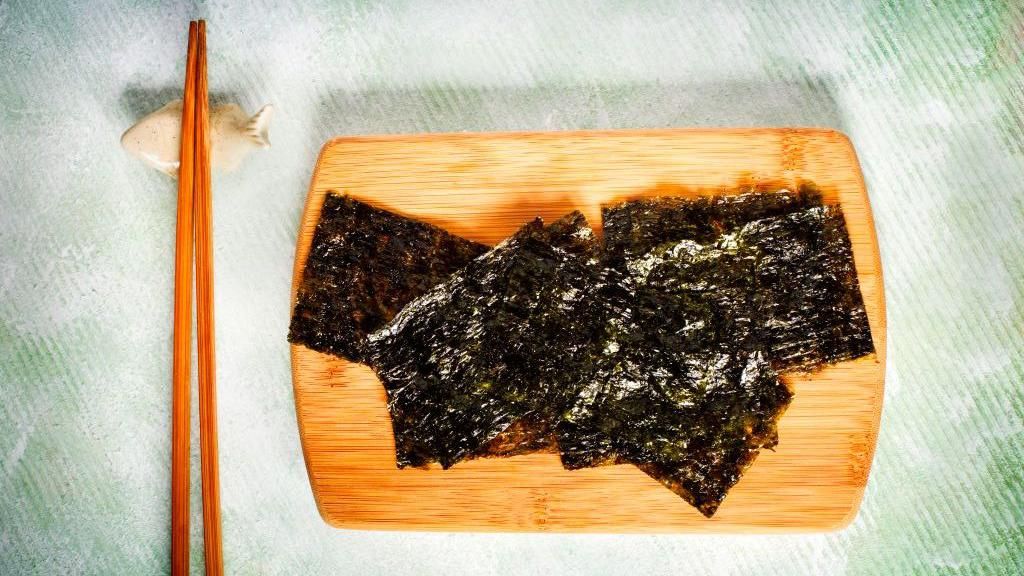
    SEOUL – The humble gim, a crispy dried seaweed staple of Korean cuisine, has transformed into a billion-dollar global commodity, creating both economic opportunity and domestic consumer anxiety as prices reach unprecedented levels.

    For 47 years, vendor Lee Hyang-ran has witnessed the evolution of gim from a local dietary essential to an international sensation. ‘Western visitors once considered this black, paper-like snack peculiar,’ the veteran merchant remarked from her Seoul market stall. ‘Now they seek it out specifically.’

    South Korea dominates the global gim market, exporting $1.13 billion worth of dried seaweed in 2025 according to the Korea Maritime Institute. This remarkable figure represents a steady upward trajectory fueled by the worldwide Korean cultural wave. The product has earned the nickname ‘black semiconductor’ in reference to Korea’s technological dominance, highlighting its economic significance.

    This international appetite comes with domestic consequences. Gim prices have surged approximately 50% within a year, breaking historical records. The standard sheet that cost 100 won ($0.06) in 2024 now exceeds 150 won, with premium products reaching 350 won per sheet.

    Consumers like Kim Jaela, who traditionally purchased in bulk, are reconsidering their buying habits. ‘I noticed the price increase immediately when shopping online,’ she explained. ‘If prices remain elevated, I’ll need to adjust my purchasing patterns significantly.’

    The global fascination stems from cultural phenomena including K-pop and television dramas that showcase Korean cuisine. American supermarket chain Trader Joe’s experienced a viral sensation with their gimbap (seaweed-wrapped rice rolls) in 2023, with products disappearing from shelves nationwide shortly after launch.

    International visitors recognize both the similarities and distinctions between gim and Japanese nori. ‘Gim is lighter, crispier, and typically grilled with sesame oil and salt,’ noted Miki, a Japanese tourist. ‘The flavor profile is distinctly different.’

    Professor Lee Eunhee of Inha University’s consumer studies department observes: ‘Growing global familiarity with gim from Asian to Western markets has increased international demand, which consequently drives up domestic prices.’

    The production side faces its own challenges. Kim Namin, who operates a family-owned processing factory in Wando, acknowledges the supply-demand imbalance. ‘There aren’t enough gim factories to meet rising demand,’ he stated, noting his family’s consideration of operational expansion. He emphasized gim’s price sensitivity in the domestic market, where even minor increases generate consumer resistance.

    Multiple factors contribute to the price surge, including overall inflation, rising labor costs, reduced overseas production, and fundamentally, unprecedented global demand. In response, government agencies and corporations are implementing countermeasures. The Ministry of Oceans and Fisheries is monitoring the situation closely, while companies like Pulmone plan to establish land-based seaweed research centers enabling year-round production.

    Despite domestic concerns, the international market continues to thrive. Lee Hyang-ran reports unprecedented sales: ‘Gim sells like hotcakes, especially varieties for making gimbap. I’m delighted that Korean gim has gained such popularity.’

  • Can ICC take action against Pakistan for boycotting India match?

    Can ICC take action against Pakistan for boycotting India match?

    The International Cricket Council faces an extraordinary governance challenge as Pakistan’s government-mandated boycott of its T20 World Cup match against India creates tournament chaos and legal complications. This politically charged decision, announced via social media amid escalating regional tensions, has thrown the global cricket spectacle into disarray and threatens the event’s most lucrative fixture—a match generating approximately $400 million in broadcasting revenue.

    The unprecedented situation stems from Pakistan’s solidarity protest against the ICC’s expulsion of Bangladesh from the tournament. Bangladesh had previously requested venue relocation from India to Sri Lanka citing security concerns, which the ICC rejected before removing them from competition. This chain of events has created a complex geopolitical standoff with cricket at its center.

    Legal experts highlight the peculiar complication that the boycott decision originated from Pakistan’s government rather than its cricket board. According to ICC protocols, the Pakistan Cricket Board must formally communicate the government’s rationale to the governing body, though neither organization has confirmed whether such official correspondence has occurred.

    Former ICC official Sami ul Hasan suggests financial penalties would not critically damage Pakistani cricket, noting the nation’s historical resilience: “Pakistan survived playing offshore between 2009-2019 without hosting India, yet still claimed major tournaments including the 2009 T20 World Cup and 2017 Champions Trophy.”

    Conversely, Indian sports journalist Vimal Kumar warns of severe consequences: “The PCB depends heavily on ICC distributions largely funded by Indian cricket revenues. If Pakistan maintains this position, the ICC may implement sanctions that could prove devastating to their cricket economy.”

    The cricketing world now watches for potential resolution before the scheduled February 15 clash in Colombo, with broadcasters reportedly considering legal action over the possible cancellation of the tournament’s most valuable match.

  • Son of Norway’s Crown Princess gives evidence as rape trial continues

    Son of Norway’s Crown Princess gives evidence as rape trial continues

    A Norwegian court witnessed unprecedented royal participation as Marius Borg Høiby, son of Crown Princess Mette-Marit, testified in an ongoing criminal trial where he faces multiple serious charges including rape. The proceedings at Oslo District Court have drawn significant international attention due to the defendant’s unique position within Norway’s royal lineage.

    Høiby, 27, has entered a plea of not guilty to all allegations, maintaining his innocence throughout the judicial process. The case represents one of the most sensitive legal matters involving a member of the Norwegian royal family in recent history, testing the nation’s constitutional monarchy framework which typically maintains distance from judicial matters.

    International media, including BBC correspondent Paul Kirby reporting from outside the courthouse, have closely monitored developments in the trial that began earlier this week. The case has sparked broader conversations about legal accountability, privilege, and the evolving role of modern European monarchies when their members become entangled in criminal proceedings.

    Norwegian legal experts note that the case proceeds under standard judicial protocols despite the royal connections, with the court maintaining strict impartiality. The prosecution’s evidence presentation continues alongside witness testimonies, with the trial expected to extend through several more court sessions before reaching a verdict.

  • Why UAE is becoming global testbed for air taxis and self-driving cars

    Why UAE is becoming global testbed for air taxis and self-driving cars

    The United Arab Emirates is positioning itself at the forefront of transportation innovation, establishing what industry leaders describe as an ideal testing environment for next-generation mobility solutions. With electric air taxis scheduled for deployment later this year, the nation’s unique regulatory landscape and safety-focused approach are creating what experts call a “sandbox” for autonomous transportation development.

    At the recent World Government Summit 2026, mobility pioneers highlighted the UAE’s strategic advantages. Joeben Bevirt, CEO of Joby Aviation, announced plans to launch piloted electric air taxi services in 2026, followed by progressive implementation of autonomous capabilities. “The UAE presents an incredible opportunity as an early adopter environment,” Bevirt noted, emphasizing the region’s limited general aviation traffic compared to the United States, which reduces complexity for testing emerging technologies.

    The autonomous revolution extends beyond aviation. Daniil Shuleyko, CEO of Yango Group, praised the UAE’s methodical approach to implementing ground-based autonomous systems through controlled district deployments. This incremental strategy allows for careful scaling from initial pilot programs to broader implementation based on demonstrated success and safety performance.

    Despite rapid advancements in artificial intelligence, both executives emphasized the continued critical role of human oversight. “The most crucial component of any autonomous system remains human judgment,” Shuleyko stated. Bevirt concurred, noting that autonomy functions most effectively when humans provide supervision for exceptional circumstances, mirroring current aviation practices.

    Public acceptance represents a significant challenge as autonomous systems scale. Yango’s approach includes anthropomorphic design elements—such as eye-like lights and voice capabilities—to foster public comfort with robotic systems. “It’s easy to embrace the first few robots,” Shuleyko observed, “but public perception becomes more challenging at scale.”

    Mattar Al Tayer, Director General of Dubai’s Roads and Transport Authority, outlined the emirate’s comprehensive smart mobility vision during the summit. Dubai’s autonomous transportation initiative, dating to 2016, targets converting 25% of all transportation to autonomous operation by 2030. The program initially involves 100 autonomous vehicles with plans to expand to 1,000 units rapidly.

    Al Tayer identified multiple factors driving this transformation, including climate change mitigation through zero-emission vehicles, AI-optimized traffic infrastructure, and urban redesign initiatives. “Dubai isn’t merely responding to transportation evolution,” he declared, “we are actively leading this transformative movement while focusing on making mobility more efficient, safe, and sustainable for our residents.”