作者: admin

  • Scam centres ‘destroying’ Cambodia’s economy, PM tells AFP

    Scam centres ‘destroying’ Cambodia’s economy, PM tells AFP

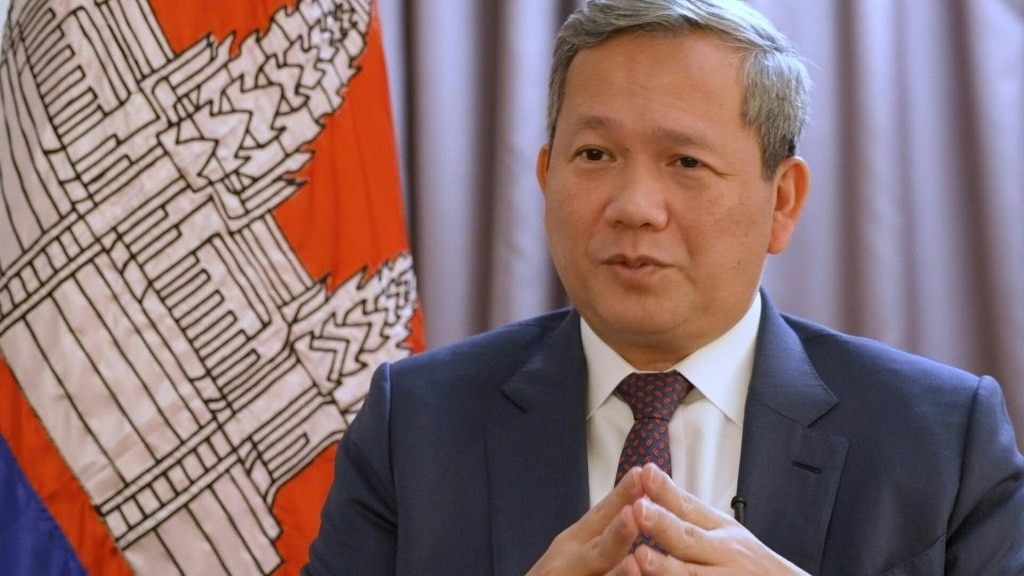
    In a rare international media interview, Cambodian Prime Minister Hun Manet has delivered a stark assessment of the cyber scam operations proliferating within his nation’s borders, characterizing them as a destructive force undermining Cambodia’s economic foundation and global reputation. Speaking with AFP in Brussels during a diplomatic tour addressing border tensions with Thailand, the leader acknowledged the indirect economic benefits these criminal networks have generated while vehemently denying any governmental profiteering.

    The Prime Minister described the multibillion-dollar fraud industry as a ‘black economy’ that actively damages Cambodia’s legitimate economic sectors, particularly through diminished tourism and foreign investment. Despite conceding that scam centers have stimulated certain business activities—including real estate development and employment opportunities—Hun Manet insisted that the vast majority of illicit proceeds never enter government coffers.

    Cambodia has emerged as a regional epicenter for sophisticated cyber fraud operations, with experts estimating approximately 100,000 individuals—many trafficked victims—perpetrating global scams from dozens of compounds nationwide. These operations initially targeted Chinese-speaking populations but have expanded to multilingual schemes extracting billions from victims worldwide through fake romantic relationships and fraudulent cryptocurrency investments.

    The government’s recent crackdown has resulted in thousands of arrests, highlighted by the high-profile extradition to China of Chen Zhi, a former adviser to both Hun Manet and his father. The Chinese-born tycoon, described by US authorities as the kingpin of a ‘sprawling cyber-fraud empire’ operating under the guise of legitimate business through his Prince Group conglomerate, was stripped of his Cambodian citizenship after authorities discovered he obtained it through fraudulent documentation.

    Hun Manet claimed ignorance of Chen’s alleged criminal activities, stating that to Cambodian officials, he appeared merely as a business contributor until allegations surfaced. The Prime Minister explained that Chen’s extradition to China rather than the United States was necessitated by his exclusive Chinese citizenship following the revocation of his Cambodian status.

    While some industry experts question the authenticity of Cambodia’s anti-fraud efforts—pointing to alleged connections between officials and cyber scam networks—Hun Manet maintains that the nation’s economic stability relies not on criminal enterprises but on legitimate sectors including tourism and manufacturing. The government continues its push to dismantle what it characterizes as an existential threat to Cambodia’s economic integrity and international standing.

  • As fighting spirals in South Sudan, a humanitarian crisis looms for displaced survivors

    As fighting spirals in South Sudan, a humanitarian crisis looms for displaced survivors

    A resurgence of violence in South Sudan’s Jonglei state has displaced approximately 280,000 people over the past two months, creating a severe humanitarian crisis that threatens to unravel the nation’s fragile peace agreement. The conflict between government forces (South Sudan People’s Defense Forces) and opposition groups (Sudan People’s Liberation Movement In Opposition) has escalated dramatically since December when opposition fighters seized government outposts.

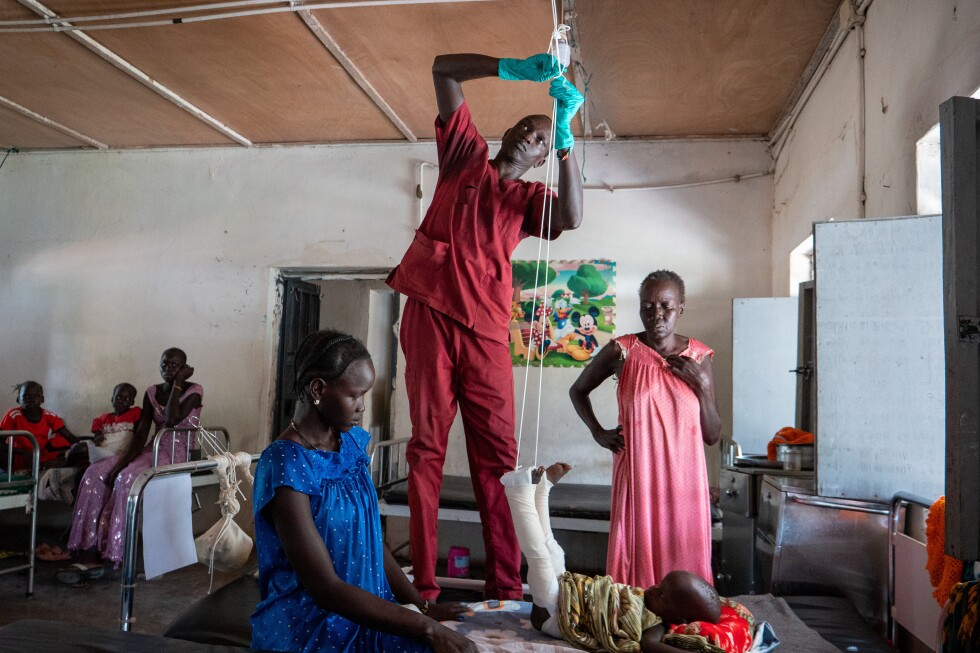
    The human toll is devastating. Eighteen-month-old Kool Gatyen Pajock represents one of countless civilian casualties, hospitalized with bullet wounds inflicted by government forces according to his grandmother Nyayual Chuol, who witnessed the killing of the infant’s parents. Chuol carried her grandson 130 kilometers to Akobo hospital, now separated from her four other children who fled in different directions during the attack.

    Despite a 2018 peace agreement that ended five years of civil war and a 2020 power-sharing arrangement that made opposition leader Riek Machar first vice president alongside President Salva Kiir, tensions erupted again in March. Machar was placed under house arrest and charged with treason in September alongside seven opposition members linked to attacks on government forces.

    The government’s counteroffensive since January has included aerial bombardments and ground assaults, despite official commitments to peace. Nyankhiay Gatluak Jock, 28, described fleeing her village of Walgak after government helicopters bombed the area followed by ground troops shooting from vehicles. She now shelters with 42,000 other displaced persons in Akobo under UN protection.

    Humanitarian operations have been severely compromised. Thirteen health facilities in Jonglei have been looted or partially destroyed, including a Doctors Without Borders hospital bombed on February 3. Nyaphan Nyang Lual escaped that attack with her family but her husband was shot and daughter abducted during their journey to Akobo. She arrived with her one-month-old granddaughter suffering from diarrhea but found no available medicine or food assistance.

    Funding cuts and government-imposed restrictions on aid organizations have crippled relief efforts. Susan Tab, a reproductive health officer with South Sudanese organization Nile Hope, reported having “nothing … no feeding, no medication” to offer beyond psychosocial support.

    UN humanitarian chief Tom Fletcher, during a February 21 visit to Akobo, declared South Sudan “one of the most neglected crises in the world right now” and pledged to make the situation more visible to prompt international response. He was greeted by thousands of displaced women and children holding posters with handwritten messages, including one that starkly stated: “They killed everyone.”

  • Modi flatters Netanyahu, assures support to Israel in landmark Knesset address

    Modi flatters Netanyahu, assures support to Israel in landmark Knesset address

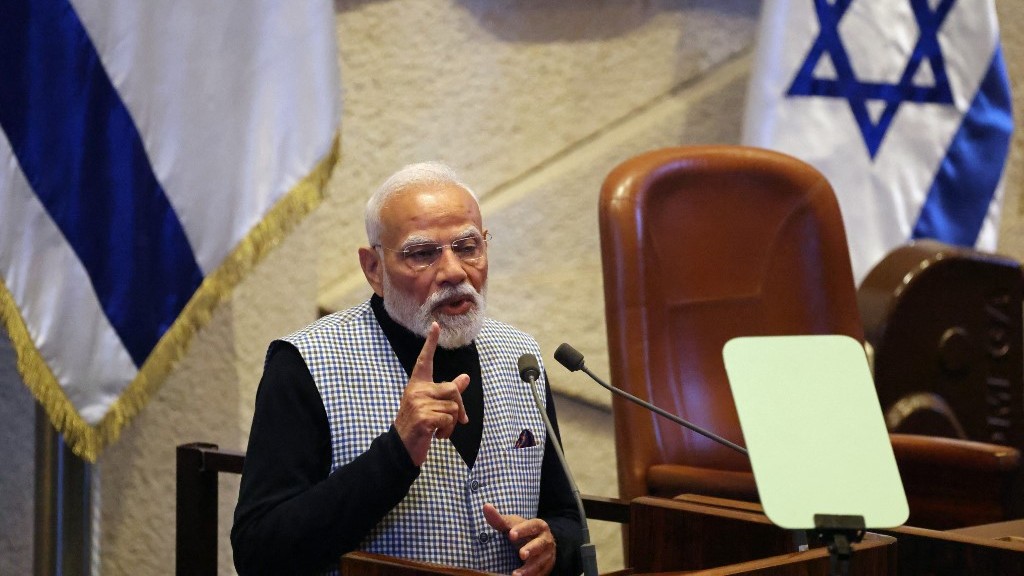
    Indian Prime Minister Narendra Modi received an unprecedented welcome at Israel’s Knesset on Wednesday, where lawmakers erupted in synchronized chants of his name before falling into complete silence for his address. The ceremonial spectacle revealed the profound strategic recalibration occurring between both nations as they forge alliances beyond traditional Western partnerships.

    Modi opened his landmark speech by delivering India’s strongest condemnation to date of Hamas’ October 7, 2023 attacks, stating, “I carry with me the deepest condolences of the people of India for every life lost and for every family whose world was shattered in the barbaric terrorist attack.” His declaration that “India stands with Israel firmly with full conviction in this moment and beyond” triggered another standing ovation from assembled lawmakers.

    The visit featured meticulously orchestrated symbolism, including the Knesset illuminated in India’s tricolor flag and children waving both nations’ flags. Israeli Prime Minister Benjamin Netanyahu broke diplomatic protocol by repeatedly calling Modi “my brother” and acknowledging, “I’ve never been more moved than by your visit here with us.”

    Netanyahu highlighted their personal chemistry, recalling their 2017 Mediterranean wading incident in Haifa that became emblematic of the relationship’s warmth. He praised India’s consistent support following October 7, noting Modi was the first world leader to call him after the attacks.

    Significantly, most Israeli opposition parties returned to the Knesset specifically to honor Modi after boycotting Netanyahu’s speech, underscoring the cross-party importance placed on Indo-Israeli relations despite domestic political divisions over judicial reforms.

    The leaders announced resumed negotiations on a bilateral Free Trade Agreement, with trade already reaching $3.62 billion in the 2024-2025 period. Modi emphasized this would “unlock the vast untapped potential in our trade relationship” across defense, agriculture, cybersecurity, and technology sectors.

    While Modi endorsed the US-backed Gaza Peace Initiative endorsed by the UN Security Council as offering “a pathway to just and durable peace,” he notably avoided direct reference to Palestinian casualties or Israel’s military operations in Gaza.

    The Prime Minister framed the partnership as having “civilisational affinity” stretching back “thousands of years,” referencing Biblical texts that mention India. The timing of his birth coinciding with India’s recognition of Israel in 1950 provided symbolic resonance to what Netanyahu characterized as a relationship built on “trust, history, and political chemistry.”

  • Hope fades in search for missing after Brazil rains kill 46

    Hope fades in search for missing after Brazil rains kill 46

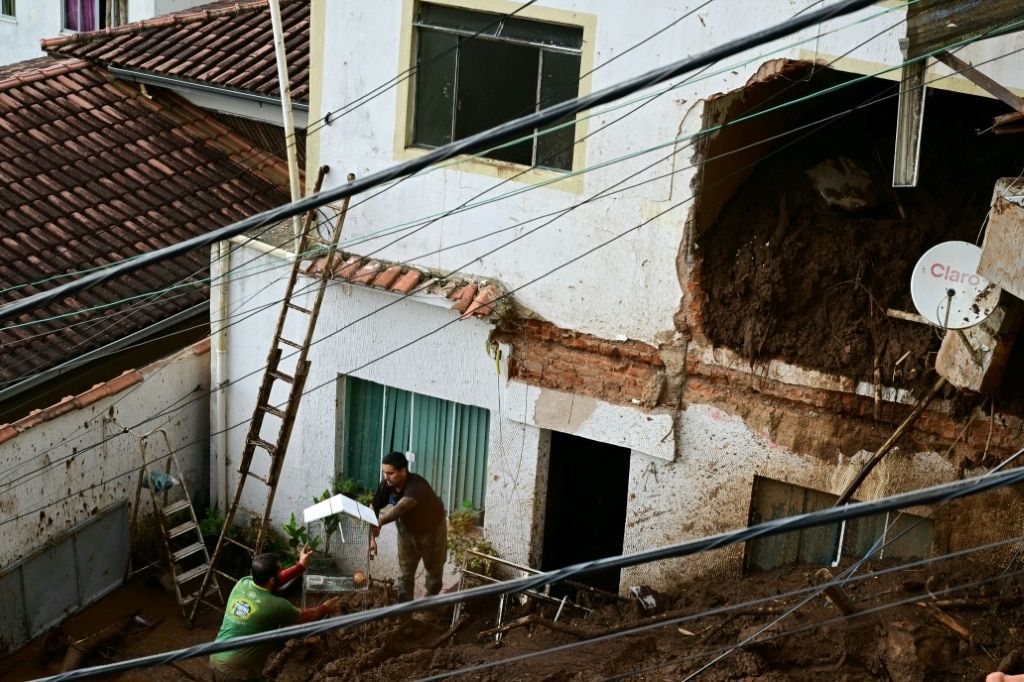
    Rescue operations in southeastern Brazil are confronting diminishing prospects of locating survivors as the death count from catastrophic rainfall climbed to 46. The state of Minas Gerais endured violent downpours on Monday that triggered devastating floods and landslides, submerging streets and sweeping away residential structures.

    The city of Juiz de Fora suffered the most severe impact, accounting for 40 fatalities, while the neighboring municipality of Uba reported six confirmed deaths. Official rescue services indicate 21 individuals remain unaccounted for. Meteorological forecasts predicting additional heavy rainfall this week have further complicated recovery efforts, with firefighters publicly expressing pessimism about finding any additional survivors.

    Personal tragedies underscore the human cost of the disaster. Josiane Aparecida, a local cook, recounted losing both her aunt and cousin while continuing the desperate search for her cousin’s two young children and their father. Despite maintaining hope, she acknowledged the grim reality of the situation following multiple family losses.

    First responders recovered one victim who had heroically saved his wife from their collapsing home before being engulfed by landslide debris. In Uba, residents waded through thick mud to clear sludge from the overflowed Uba River, which reached unprecedented levels according to longtime residents.

    The economic consequences are substantial, with local businesses facing catastrophic losses. Hardware store owner Felippe Souza Lima described watching neighbors paddle canoes through flooded streets, while automobile dealer Mauro Pinto de Moraes Filho estimated nearly $1 million in damages from two-meter high flooding.

    This catastrophe represents the latest in Brazil’s increasing frequency of extreme weather events. Juiz de Fora’s mayor confirmed the municipality experienced its wettest February in recorded history. The disaster follows 2024’s historic flooding in southern Brazil that claimed over 200 lives and affected two million people, plus the 2022 Petropolis deluge that killed 241 individuals – events scientists increasingly attribute to climate change patterns.

  • US government accused of major ‘cover-up’ over Trump sex abuse claims

    US government accused of major ‘cover-up’ over Trump sex abuse claims

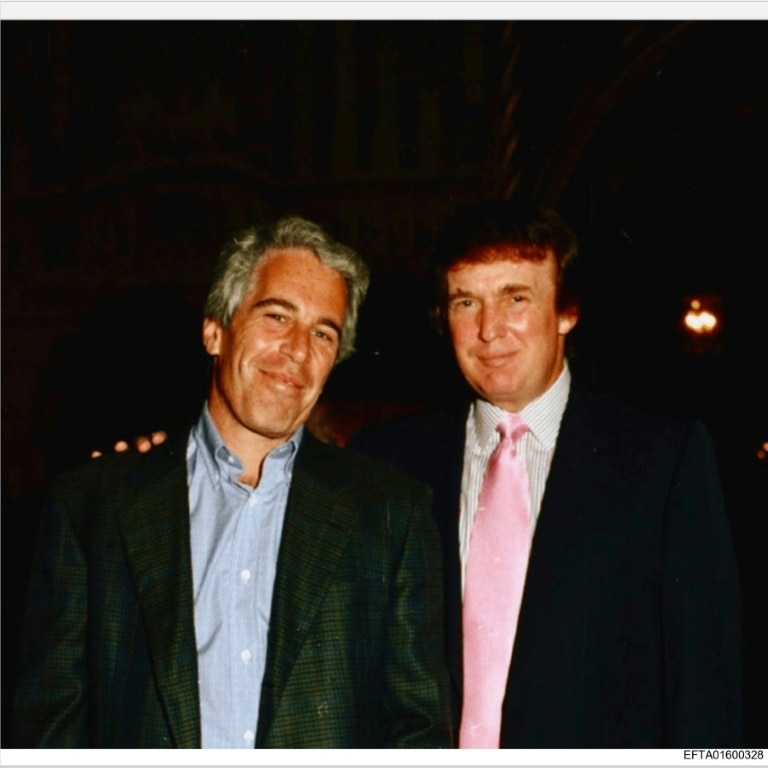
    Congressional Democrats have leveled explosive accusations against the Trump administration, characterizing it as \”the largest government cover-up in modern history\” regarding the handling of documents connected to sexual assault allegations against former President Donald Trump. The controversy centers on apparent gaps in recently released Jeffrey Epstein case files under the Freedom of Information Act.

  • US eases Cuba oil embargo but demands ‘dramatic’ change

    US eases Cuba oil embargo but demands ‘dramatic’ change

    In a significant policy shift, the United States Treasury Department has authorized the resumption of Venezuelan oil exports to Cuba’s private sector for both commercial and humanitarian purposes. The decision, announced Wednesday, comes as the Biden administration seeks to address growing regional instability concerns while maintaining pressure on Cuba’s communist government.

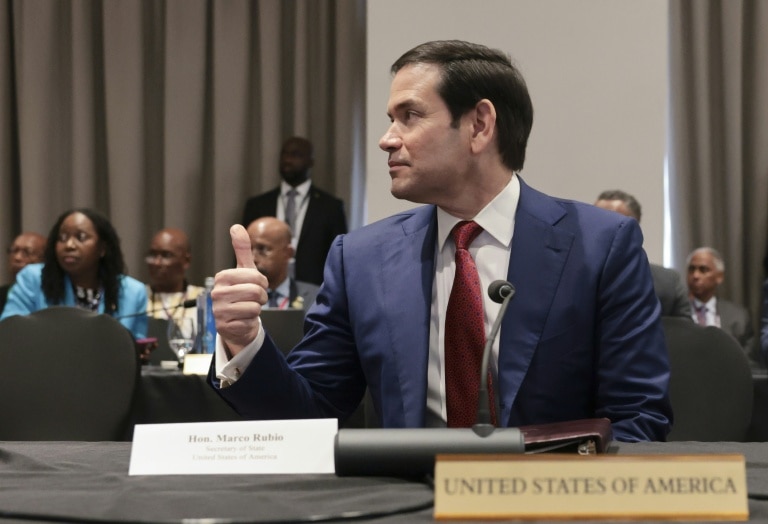
    Secretary of State Marco Rubio, speaking at the Caribbean Community (CARICOM) summit in Saint Kitts and Nevis, delivered a stark ultimatum alongside the sanctions relief. The Cuban-American diplomat emphasized that any diversion of oil to government or military entities would trigger immediate reinstatement of restrictions. ‘Cuba needs to change dramatically because it is the only chance that it has to improve the quality of life for its people,’ Rubio stated, characterizing Cuba’s economic system as ‘in collapse.’

    The policy adjustment follows January’s US-led operation that deposed Venezuelan leader Nicolás Maduro, which abruptly halted nearly half of Cuba’s oil imports and triggered widespread fuel shortages and rolling blackouts. Caribbean leaders expressed deep concern about potential regional spillover effects, with Jamaican Prime Minister Andrew Holness warning that ‘a prolonged crisis in Cuba will not remain confined to Cuba.’

    Saint Kitts and Nevis Prime Minister Terrance Drew, who studied medicine in Cuba, reported concerning firsthand accounts of food scarcity and deteriorating urban conditions. ‘A destabilized Cuba will destabilize all of us,’ Drew cautioned, highlighting the interconnectedness of Caribbean nations.

    Meanwhile, Canada announced $5.8 million in humanitarian assistance for Cuba, diverging from its southern neighbor’s approach while acknowledging the severity of the crisis. The developments occurred alongside a reported maritime incident involving Cuban authorities and a Florida-registered speedboat, which Rubio described as ‘unusual’ and under investigation.

    Rubio simultaneously defended the US position on Venezuela, asserting that the nation had made ‘substantial progress’ since Maduro’s removal and emphasizing the need for ‘fair, democratic elections’ without specifying a timeline.

  • ‘I can’t breathe any more’: Inside the night a mob burned a newspaper

    ‘I can’t breathe any more’: Inside the night a mob burned a newspaper

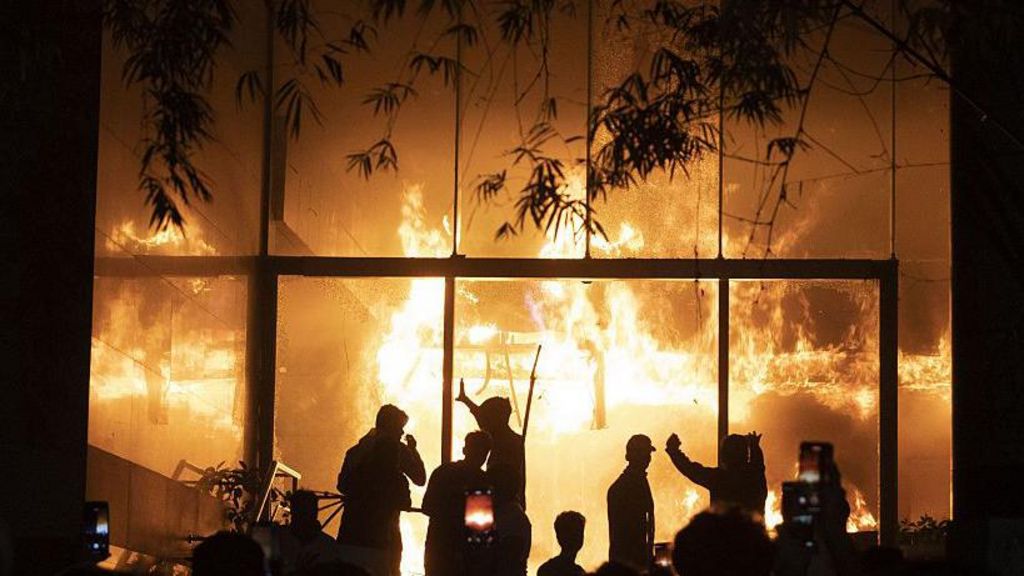
    In a harrowing display of press intimidation, twenty-eight staff members of Bangladesh’s leading English-language newspaper, The Daily Star, endured a four-hour rooftop siege after a violent mob set their Dhaka headquarters ablaze on December 18th.

    The incident unfolded as investigative reporter Zyma Islam was finalizing her coverage of Sharif Osman Hadi’s assassination—a prominent youth leader whose death had ignited political tensions. Without evidence, protesters accused The Daily Star and its Bengali-language sister publication Prothom Alo of complicity in Hadi’s killing and amplifying anti-India sentiments.

    As midnight passed, the building was stormed by assailants hurling bricks and incendiary devices. Islam and colleagues barricaded themselves on the ninth-floor rooftop, using potted plants to secure the entrance while smoke engulfed the structure. ‘The smoke wasn’t grey; it was black. I couldn’t see my own hand,’ Islam recounted in her firsthand account.

    Trapped journalists resorted to wet cloths against toxic fumes as colleagues embedded in the crowd warned of armed attackers ‘planning an assassination.’ After enduring psychological torment and near-asphyxiation, military forces orchestrated a daring 4:30 AM rescue involving a smoke-choked stairwell descent and escape over a rear wall.

    The newspaper sustained approximately $2 million in damages, including destroyed archives, looted equipment, and a gutted auditorium. Despite this, staff produced an eight-page edition within 15 hours under the headline ‘Unbowed.’

    Three months later, investigations remain stagnant with only 37 arrests made initially. Police have identified but not apprehended a key social media instigator, leaving the attack’s masterminds and motivations unresolved.

    The event underscores deteriorating press freedoms in Bangladesh, where journalists routinely face threats without institutional protection. Despite physical and psychological trauma, The Daily Star’s team continues reporting—embodying a resilience that transforms survival into defiance.

  • Venezuela attorney general resigns, then lands acting ombudsman role in surprise move

    Venezuela attorney general resigns, then lands acting ombudsman role in surprise move

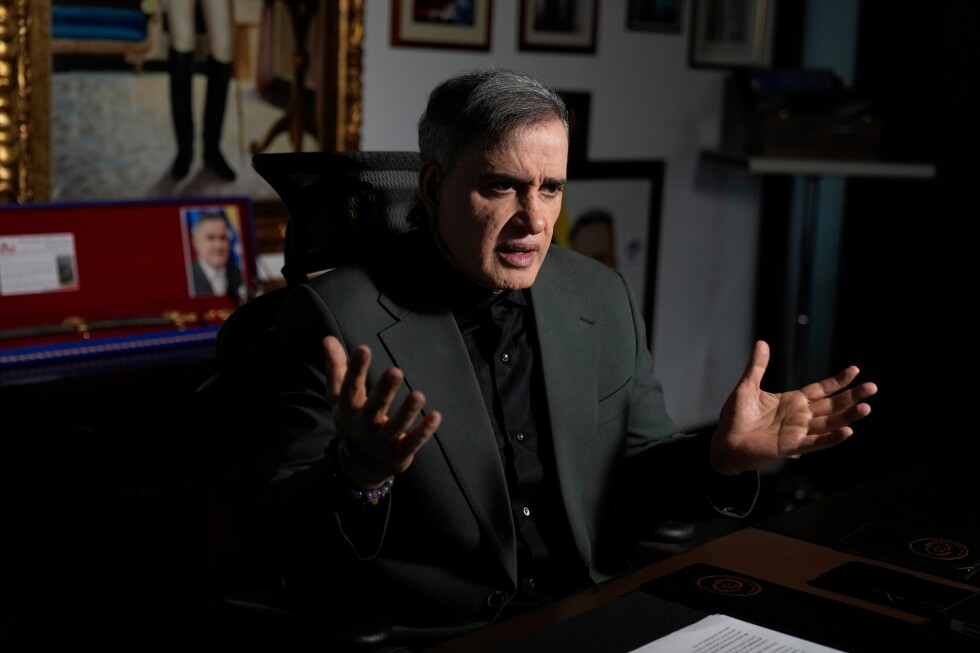
    In a surprising political maneuver, Venezuela’s Attorney General Tarek William Saab resigned from his position Wednesday amid mounting pressure for judicial reform, only to be promptly appointed as the nation’s acting ombudsman by the ruling party-controlled National Assembly.

    Saab, a longtime ally of deposed President Nicolás Maduro, had served as Venezuela’s top prosecutor since 2017 despite facing persistent allegations of human rights violations throughout his tenure. His resignation letter, submitted without explanation, comes during a period of significant governmental restructuring following Maduro’s dramatic capture by U.S. forces in Caracas on January 3.

    The development coincides with the resignation of Alfredo Ruiz, who stepped down as ombudsman citing personal, family, and health reasons after holding the position since 2017. Saab will temporarily assume Ruiz’s responsibilities, which include promoting, defending, and monitoring human rights protections—a stark contrast to his previous role overseeing prosecutions.

    These personnel changes occur against the backdrop of reform initiatives launched by Acting President Delcy Rodríguez, who recently authorized the release of political prisoners and signed into law an amnesty bill. These actions have sparked public demonstrations and renewed scrutiny of Venezuela’s justice system, highlighting patterns of fabricated charges, procedural delays, and systemic abuses against government opponents.

    Human rights organizations have condemned Saab’s appointment to the human rights position. Juanita Goebertus, Americas director at Human Rights Watch, characterized the move as ‘a slap in the face of victims,’ emphasizing that genuine reform requires an independent attorney general committed to releasing all political prisoners.

    Saab has consistently denied allegations of misconduct, asserting Wednesday that he executed his duties ‘with integrity and honor’ while preserving peace and protecting human rights ‘during a period of unimaginable aggression.’

    However, UN-backed human rights experts have documented Saab’s instrumental role in what they describe as giving ‘a semblance of legality’ to serious abuses, particularly following the 2024 presidential election. Their reports detail how Saab’s office led state actions resulting in mass arrests and human rights violations under the pretext of combating a supposed ‘coup d’état’ and ‘fascism.’

  • Shen Yun in the news again: target of an Australian bomb threat

    Shen Yun in the news again: target of an Australian bomb threat

    On a Tuesday evening, Australian Prime Minister Anthony Albanese was abruptly evacuated from his official Canberra residence, the Lodge, after a bomb threat was traced directly to the ongoing dispute over the New York-based dance troupe Shen Yun Performing Arts. In an emailed threat targeting the group, the sender claimed explosive devices would be detonated unless Shen Yun canceled its scheduled performances across Australia.

    This incident is far more than an isolated act of intimidation; it marks the latest flashpoint in a growing, high-stakes transnational struggle over cultural representation, political narrative, and who holds the right to define Chinese culture for a global audience. To understand the stakes of this confrontation, it is first necessary to unpack the origins and mission of the organization at the center of the controversy.
    Shen Yun, whose name translates loosely to “divine rhythms,” was founded in 2006 by practitioners of the Falun Gong spiritual movement. The group frames itself as a reviver of traditional Chinese culture, specifically what it calls “China before communism,” and operates as a global touring classical dance and music company based out of New York. Its performances blend elaborate choreography, symphonic scores, and digital backdrops with narrative segments that center on the alleged persecution of Falun Gong members within mainland China.
    Falun Gong itself is a new religious movement that emerged in 1992, drawing roots from traditional Chinese qigong meditation practices and integrating moral teachings from Chinese Buddhism and Daoism. The Chinese government banned the group as an illegal organization in 1999, and over the following decades, Falun Gong evolved into a transnational dissident movement with clear religious, political, and cultural agendas. Shen Yun acts as one of the movement’s primary cultural outreach arms, alongside the media outlet The Epoch Times, and currently tours regularly to 36 countries, performing primarily in high-profile, elite cultural venues. The organization is best understood as a hybrid entity: it is simultaneously a commercial performing arts enterprise, a vehicle for a diasporic religious movement, and an platform for exiled political and cultural messaging that directly challenges the Chinese government’s global narrative.
    Shen Yun has faced widespread criticism from multiple quarters. Chinese government officials have long labeled the group a dangerous “cult” and a political tool that peddles a distorted, misleading version of Chinese culture. The organization has also drawn condemnation from independent observers outside of China: a 2024 New York Times investigation exposed systemic poor treatment of injured dancers, with one former performer filing a lawsuit alleging the organization operates as an exploitative “forced labor scheme” that abuses young artists.
    Beyond these critiques, the Chinese government’s sharp reaction to Shen Yun reveals a deeper core strategic concern. Since the beginning of the 21st century, Beijing has poured billions of dollars into building global cultural soft power, launching initiatives ranging from the Confucius Institute network to widespread expansion of state-sponsored international media. These efforts are built on a foundational premise: that the Chinese state is the sole legitimate custodian of Chinese civilization and the only authorized representative of Chinese cultural identity on the global stage. This framing aligns closely with Chinese President Xi Jinping’s “Chinese Dream” narrative, which emphasizes patriotism, national rejuvenation, and China’s rise as a dominant global power.
    Shen Yun upends this entire premise by rejecting the Chinese state’s exclusive right to define authentic Chinese culture. For Shen Yun’s supporters, the organization preserves the true, unfiltered spirit and heritage of Chinese culture in the face of what they call the Chinese government’s ongoing transnational campaign to suppress Falun Gong.
    Traditionally, global cultural representation and cultural diplomacy have been the exclusive domain of sovereign nation-states. State-backed entities – national ballet companies, symphony orchestras, cultural institutes like Confucius Institutes, and official festival delegations – have long been the primary vehicles for projecting a country’s soft power abroad. Shen Yun upends this established model entirely: it operates as a non-state actor that uses the universal language of performance art to advance a narrative that directly contradicts the Chinese government’s official representation of Chinese culture.
    Rather than promoting the official Chinese concept of “positive energy,” Shen Yun centers its narrative on struggle, survival, and resistance against political repression, all while presenting its own interpretation of traditional Chinese culture. It is not merely presenting a cultural performance; it is actively challenging the Chinese state’s global cultural authority, arguing that authentic Chinese culture is shaped by diasporic communities and individual people, not by government mandate.
    This confrontation has turned ordinary Western cultural spaces into unexpected battlegrounds for a new kind of 21st-century geopolitics. Shen Yun intentionally targets its outreach to Western liberal cultural markets, staging performances in major mainstream theaters, marketing itself as high-end cultural entertainment – tickets for its current Australian tour range from 100 to 300 Australian dollars – and claiming protection under widely accepted norms of artistic freedom.
    The recent bomb threat that triggered Albanese’s evacuation, while authorities have found no credible evidence linking the threat to the Chinese government, illustrates how quickly cultural disputes can spiral into national security concerns in this new geopolitical landscape. What began as a disagreement over cultural representation has now spilled into the very heart of Australian political life, proving that cultural performances can carry outsized political weight in an era of transnational media and widespread diaspora political mobilization.
    The Shen Yun controversy is not an isolated incident; it is a clear symptom of a shifting global geopolitical order marked by the fragmentation of traditional cultural sovereignty. Multiple competing actors now vie for the right to define what counts as authentic Chinese culture, and who gets to represent that culture to the world. From major theater halls across Western countries to the prime minister’s official Canberra residence, these transnational cultural and political struggles are increasingly playing out in public view. As this analysis from Haiqing Yu, a professor in the School of Media and Communication at RMIT University, notes, Western liberal democracies like Australia can expect to see more such disputes in the coming years, as culture, religion, and political legitimacy become ever more deeply entangled across national borders.
  • Is Ethiopia heading back to war in Tigray?

    Is Ethiopia heading back to war in Tigray?

    Northern Ethiopia faces escalating tensions that threaten to plunge the region back into armed conflict merely three years after the devastating civil war concluded. The fragile Pretoria peace agreement, brokered by the African Union in November 2022, shows alarming signs of disintegration as multiple geopolitical fault lines reactivate.

    Current indicators mirror the distressing pre-war period: banking institutions in Mekelle impose strict withdrawal limits of approximately 2,000 birr ($13) daily amid severe cash shortages. Commodity prices surge exponentially as civilians stockpile essentials. A significant exodus is underway, with those possessing means fleeing via air travel while others resort to overcrowded buses toward Addis Ababa.

    The core tensions stem from multiple unresolved issues. Eritrea’s absence from the original peace talks continues to destabilize the region, with Ethiopia recently accusing Asmara of supporting Tigrayan hardliners. Simultaneously, the Western Tigray territorial dispute with Amhara forces remains incendiary. The recent electoral board decision to administer disputed territories independently rather than under Tigrayan or Amharic jurisdiction has further inflamed tensions.

    Political complications abound: The TPLF’s legal status remains in limbo after its electoral license revocation, preventing participation in June’s elections. Internal fractures have emerged within the party, with splinter groups forming new political entities. Prime Minister Abiy Ahmed’s government now confronts hostility from former allies—Eritrea and Amhara militias—while managing a low-level rebellion in Amhara since 2023.

    The Red Sea access dispute compounds these tensions, with landlocked Ethiopia increasingly vocal about securing maritime territories. Abiy’s parliamentary statements suggesting potential forceful acquisition of Assab port have intensified regional anxieties.

    International observers warn of catastrophic consequences should conflict reignite. The UN describes the situation as ‘highly volatile,’ with drone strikes already reported and flight suspensions implemented. Experts caution that any new conflict would likely merge with Sudan’s existing crisis, potentially destabilizing the entire Horn of Africa region.

    Diplomatic intervention remains uncertain, with diminished AU leverage and divided attention among global powers. Gulf state involvement offers limited hope, though their competing allegiances (UAE with Ethiopia, Saudi Arabia with Eritrea) may hinder cohesive peace efforts.