作者: admin

  • Vance heads overseas for the Winter Olympics. Then he’ll stop in Armenia and Azerbaijan

    Vance heads overseas for the Winter Olympics. Then he’ll stop in Armenia and Azerbaijan

    Vice President JD Vance has commenced a significant international journey that strategically blends diplomatic engagement with athletic diplomacy. The weeklong mission features dual objectives: leading the U.S. delegation at the 2026 Winter Olympics in Milan Cortina, followed by high-stakes diplomatic visits to Armenia and Azerbaijan to reinforce a White House-brokered peace agreement.

    The itinerary reflects the Trump administration’s careful balancing of international commitments with domestic priorities ahead of November’s midterm elections. According to White House Chief of Staff Susie Wiles, administration officials are maintaining heightened focus on domestic affairs, making this one of Vance’s limited overseas engagements this year.

    The Olympic delegation showcases a distinguished roster including Secretary of State Marco Rubio, U.S. Ambassador to Italy Tilman Fertitta, and Olympic champions across multiple winter sports disciplines. The vice president’s schedule includes attending the opening ceremony and supporting Team USA athletes, beginning with the women’s hockey preliminary match against Czechia.

    Following the Olympic events, Vance will pivot to diplomatic duties in the South Caucasus region, where he aims to advance the historic peace agreement between Armenia and Azerbaijan. This accord represents a significant geopolitical achievement for the Trump administration, establishing enhanced U.S. influence amid declining Russian regional authority. The agreement includes substantial infrastructure development, notably the “Trump Route for International Peace and Prosperity” transit corridor connecting Azerbaijan with its Nakhchivan exclave through Armenian territory.

    This diplomatic assignment echoes Vance’s previous peacebuilding mission to Israel following the Gaza ceasefire negotiations. The vice president’s travel pattern continues the established tradition where second-in-command executives undertake strategic international visits that complement presidential priorities while addressing emerging global challenges.


  • Australia police charge man with abuse of 459 children

    Australia police charge man with abuse of 459 children

    Queensland police have unveiled one of Australia’s most extensive child exploitation cases, charging a 27-year-old man with 596 offenses involving 459 victims across 16 countries. The suspect, who remains in custody since his February 2025 arrest, allegedly orchestrated a sophisticated online predation scheme targeting children through popular social media and gaming platforms.

    Investigators discovered over 23,000 explicit videos and images stored on the defendant’s electronic devices, meticulously organized in named folders. The sheer volume of material required extensive forensic analysis, with authorities confirming 360 identified victims to date. Approximately 200 victims reside in Australia, while others are primarily located in English-speaking nations worldwide.

    According to Detective Acting Chief Superintendent Denzil Clark, the accused employed elaborate deception tactics between 2018 and 2025, creating multiple online personas posing as both genders to groom minors aged 7 to 15, predominantly boys. The predator recorded all interactions and used systematic coercion techniques to manipulate victims into producing sexually explicit material.

    The charges include 244 counts of producing child abuse material through carriage services, 163 counts of using carriage services to procure persons under 16, and 87 counts of engaging in sexual activity with children using communication networks. Clark emphasized the increasing prevalence of children being groomed through popular apps and games, noting the significant trauma inflicted on victims.

    International collaboration continues as authorities work to identify remaining victims and provide appropriate support services. Police confirmed ongoing investigations into additional suspects while declining to name specific platforms used, describing them only as “very popular” applications.

  • Taiwan-US ties are ‘rock solid,’ the island’s president says after Trump-Xi call

    Taiwan-US ties are ‘rock solid,’ the island’s president says after Trump-Xi call

    TAIPEI, Taiwan — Taiwanese President Lai Ching-te delivered a strong affirmation of the island’s relationship with the United States on Thursday, characterizing the bilateral ties as “rock solid” despite mounting diplomatic pressure from Beijing. The declaration came shortly after U.S. President Donald Trump and Chinese leader Xi Jinping engaged in their first telephone discussion since November, which prominently addressed Taiwan’s geopolitical status.

    President Lai, speaking during an official visit to textile merchants in western Taiwan, emphasized that “all cooperation projects will continue uninterrupted” between Taipei and Washington. This statement represents a deliberate reinforcement of Taiwan’s strategic positioning following the high-level Sino-American dialogue.

    According to China’s Foreign Ministry readout of the call, President Xi explicitly cautioned his American counterpart to exercise “prudence” regarding weapons provisions to Taiwan. Beijing maintains its longstanding position that Taiwan constitutes an inseparable part of Chinese territory, despite the island’s autonomous democratic governance since 1949. China’s foreign policy consistently prohibits nations with which it maintains diplomatic relations—including the United States—from establishing formal governmental connections with Taipei.

    The United States, while refraining from official recognition of Taiwan’s sovereignty, remains the island’s most significant informal ally and primary arms supplier. In December, the U.S. State Department unveiled its most substantial weapons package proposal for Taiwan to date, valued at over $11.1 billion and encompassing advanced missile systems, artillery platforms, and unmanned aerial vehicles. This comprehensive military assistance package awaits congressional approval.

    China responded to the proposed arms transaction with pronounced hostility, executing two days of extensive military exercises encircling Taiwan in late December. These demonstrations involved coordinated deployments of air, naval, and missile units, showcasing Beijing’s military capabilities and strategic resolve.

    Domestically, Taiwan faces political challenges regarding defense expenditure. The opposition Kuomintang (KMT) party, which controls the legislative assembly, has obstructed President Lai’s budgetary initiatives—including a proposed $40 billion special defense allocation—advocating instead for substantially reduced military spending. The administration’s plan to increase defense appropriations to 3.3% of Taiwan’s gross domestic product has encountered resistance from both political opponents and segments of the civilian population.

    President Trump characterized his discussion with President Xi as “excellent” and “thorough” in a social media post, additionally revealing China’s consideration of purchasing 20 million tons of U.S. soybeans during the current season—a significant increase from the previous season’s 12 million tons. The American leader also confirmed plans for an April visit to China, which would mark his first official trip to the country during his current presidential term.

  • Malaysia bans e-waste imports, vows to end illegal dumping

    Malaysia bans e-waste imports, vows to end illegal dumping

    KUALA LUMPUR, Malaysia — In a decisive environmental policy shift, Malaysia has enacted an immediate and comprehensive prohibition on all electronic waste imports, declaring the nation will no longer serve as the world’s refuse repository. The Malaysian Anti-Corruption Commission (MACC) announced Wednesday that e-waste has been reclassified under an “absolute prohibition” category, effectively stripping the Department of Environment of its previous authority to grant import exemptions.

    MACC Chief Commissioner Azam Baki emphasized the finality of the new directive, stating, “E-waste is no longer permitted,” while promising “firm and integrated enforcement action” to combat illegal shipments. The policy transformation follows years of environmental advocacy and mounting evidence of hazardous materials contaminating Malaysian soil and water systems.

    The ban coincides with an expanding corruption investigation within environmental regulatory bodies. Last week, authorities detained the Environment Department’s director-general and his deputy over alleged power abuse and corruption related to e-waste oversight. The probe has resulted in frozen bank accounts and seized assets connected to the case.

    Environmental scientists have long warned that improperly processed e-waste—discarded electronics containing lead, mercury, cadmium and other toxins—poses severe threats to public health and ecological systems. Malaysia has repeatedly intercepted hundreds of suspicious containers at its ports in recent years, often mandating their return to originating countries.

    The Home Ministry reinforced the policy shift through social media channels, asserting that “e-waste is not just garbage but a serious threat to environment, people’s health and national security.” The statement unequivocally declared: “Malaysia is not a dumping ground for the world’s waste.”

  • Why misinformation dominates the crypto conversation

    Why misinformation dominates the crypto conversation

    The cryptocurrency ecosystem continues to grapple with pervasive misinformation that clouds public understanding and distorts mainstream perception of blockchain technology’s transformative potential. Despite significant advancements in digital finance, superficial narratives and fear-based commentary dominate conversations about this rapidly evolving financial system.

    A revealing personal encounter illustrates this communication gap: when discussing cryptocurrency with an intelligent, accomplished individual who unquestioningly accepts mainstream media narratives, the conversation immediately defaulted to stereotypical criticisms—criminal associations, perceived worthlessness, and excessive risk. While risk acknowledgment holds validity, the complete dismissal of blockchain’s integration into global finance demonstrates how deeply entrenched misconceptions persist.

    The fundamental disconnect emerges when comparing micro-level banking conveniences with macro-level financial infrastructure limitations. While domestic transfers between personal accounts occur seamlessly, international payments remain plagued by delays and substantial fees. Business-to-business transactions continue relying on archaic third-party systems and cumbersome reconciliation processes, revealing a global financial architecture that remains slow, inefficient, and surprisingly costly.

    This educational journey through cryptocurrency has revealed several critical learning patterns: Initial enthusiasm often leads to premature discussions with underinformed individuals, while excessive attention to voices spreading IFUD (Ignorance, Fear, Uncertainty, and Doubt) creates unnecessary barriers to understanding. Even financial experts frequently offer contradictory advice, suggesting comprehensive mastery before participation—an approach that would paralyze learning in any other field from parenting to driving.

    Traditional financial advisors have consistently dismissed blockchain as a scam or temporary fad, while major financial institutions publicly expressed skepticism while simultaneously accumulating and developing blockchain solutions privately. The space has been further clouded by paid promoters shilling coins without disclosure, creating exit liquidity scenarios for unsuspecting investors.

    Market commentary has been dominated by panic during corrections, conflicting investment methodologies, and outright rejection from unexpected sources including business-savvy family members. The most persistent challenge has been subtle mockery directed at genuine curiosity about blockchain technology.

    The evolution in understanding comes not from停止 listening, but from developing discernment—recognizing that continuous learning provides the tools to identify credible information amidst the noise. The path forward requires balanced skepticism, recognizing both blockchain’s transformative potential and its legitimate challenges while filtering out unsubstantiated criticism and exaggerated hype alike.

  • Canada eliminates Islamophobia, antisemitism envoys from government

    Canada eliminates Islamophobia, antisemitism envoys from government

    In a significant policy reversal, Canadian Prime Minister Mark Carney’s administration has discontinued the specialized offices combating Islamophobia and antisemitism, despite campaign assurances to maintain these positions. The announcement, delivered by Minister of Canadian Identity and Culture Marc Miller on Wednesday, revealed plans to establish a comprehensive “Rights, Equality and Inclusion” advisory council to address all forms of racism through a unified approach.

    This structural change coincides with the recent commemoration of Canada’s National Day of Remembrance of the Québec City Mosque Attack, which occurred on January 29, 2017, when a gunman killed six worshippers and injured nineteen others. Prime Minister Carney himself recently characterized the tragedy as “a solemn reminder of the pervasiveness of Islamophobia and the devastating consequences of hatred.”

    The antisemitism envoy position had remained vacant for six months following the retirement of diplomat Deborah Lyons, while Islamophobia envoy Amira Elghawaby, appointed by former Prime Minister Justin Trudeau, was abruptly removed from her position. Her term had been scheduled to conclude next year. The government has not clarified whether Ms. Elghawaby will transition to the new advisory council.

    The decision has generated substantial controversy within affected communities. Former Canadian intelligence officer Huda Mukbil expressed surprise at the Liberal Party’s move, noting that Conservative leader Pierre Poilievre had previously pledged to eliminate the position. Ms. Elghawaby had earned broad support through her work, including developing anti-racism strategies for the Royal Canadian Mounted Police and coordinating Canada’s first anti-Islamophobia summit following the 2021 killing of a Muslim family in London, Ontario.

    Her tenure involved confronting escalating anti-Muslim sentiment, particularly after the October 7 Hamas attacks and subsequent Gaza conflict. According to the National Council of Canadian Muslims, where Elghawaby previously worked, Canada has experienced more Muslim fatalities from targeted hate attacks than any other G7 nation. The organization now expresses concern about losing a crucial advocacy voice at the federal level.

  • How Dubai sets global aviation standard with travel tech, airport experience

    How Dubai sets global aviation standard with travel tech, airport experience

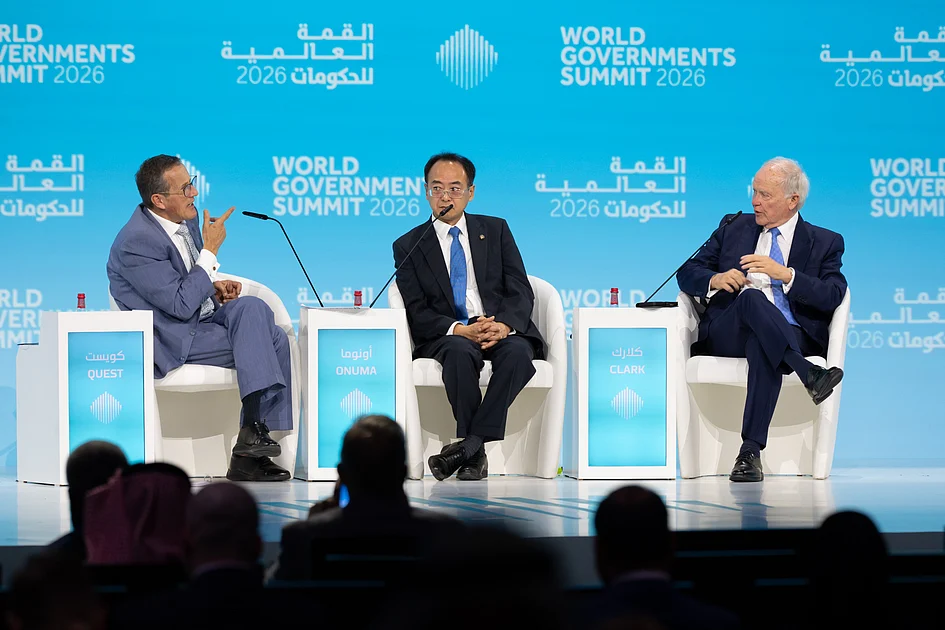
    Dubai’s aviation sector has established unprecedented global standards in biometric systems and seamless travel technology, positioning the emirate as the world’s foremost innovator in passenger experience. Emirates Airline President Sir Tim Clark revealed this technological leadership during the World Government Summit, contrasting Dubai’s advanced implementation with the European Union’s delayed adoption of similar digital systems.

    Speaking alongside International Civil Aviation Organisation President Toshiyuki Onuma at a session titled “What is the next destination for Aviation,” Clark detailed Dubai’s successful deployment of frictionless airport technology that eliminates physical interventions. “We’ve been advancing the pace so we can process passengers through Dubai without any kind of physical interdiction at all,” Clark stated, emphasizing that the technology has been operational for years while the EU’s recent digitization efforts remain overdue.

    The aviation leaders identified commercial space launches as a critical challenge facing the industry. Clark highlighted how private space companies, particularly SpaceX, have disrupted civil aviation when launches encounter problems. “Every time one of these things goes wrong, it can completely screw up civil aviation hundreds of thousands of miles,” he noted, despite fortunately avoiding catastrophic losses.

    Onuma acknowledged the need for careful evaluation of emerging technologies, stating that stakeholders often present biased views requiring objective analysis. Both leaders agreed that while commercial space ventures should not be impeded, enhanced coordination is essential as companies like Blue Origin expand low Earth orbit operations.

    Regarding airspace management, Clark praised the Middle East’s “Herculean” progress in modernizing systems compared to other regions. He specifically commended the rapid advancements in Qatar and the United Arab Emirates, while criticizing Europe’s need for fundamental airspace management restructuring to address congestion and efficiency challenges.

    The discussion concluded that the primary obstacles to global aviation modernization are not technological capabilities but rather harmonized ground systems and coordinated international approaches among stakeholders with divergent national agendas.

  • Political row erupts in India over ex-army chief’s unpublished memoir

    Political row erupts in India over ex-army chief’s unpublished memoir

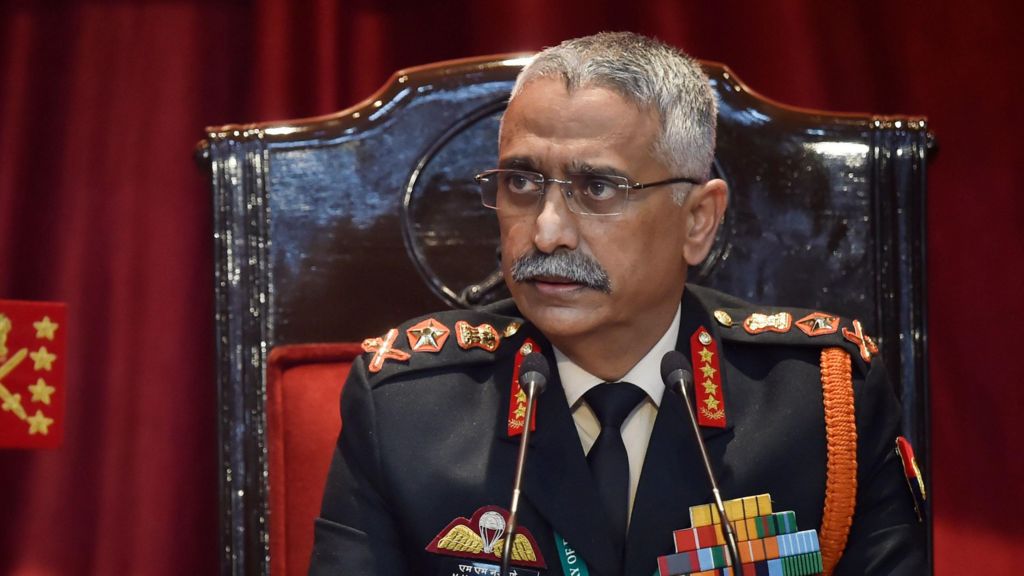
    India’s parliamentary proceedings descended into chaos this week as opposition leader Rahul Gandhi attempted to cite explosive allegations from former Army Chief General MM Naravane’s unpublished memoir, triggering vehement protests from ruling party members and resulting in multiple suspensions.

    The controversy centers on General Naravane’s manuscript ‘Four Stars of Destiny,’ which reportedly contains damning accusations regarding the government’s handling of the 2020 military standoff with China. According to excerpts published by The Caravan magazine and cited by Gandhi, political leadership provided ambiguous directives during critical moments of the Himalayan border crisis, leaving military commanders effectively abandoned.

    During heated parliamentary debates, Gandhi claimed the memoir revealed that as Chinese tanks advanced toward Indian positions in Ladakh’s Galwan Valley, Naravane received instructions simply ‘to do what he deemed appropriate’ rather than clear strategic guidance. The opposition leader further quoted the former army chief as feeling ‘really alone’ and ‘abandoned by the entire establishment’ during the crisis.

    The ruling BJP party immediately condemned Gandhi’s actions, with Defense Minister Rajnath Singh accusing him of violating parliamentary procedures by referencing an unpublished document. Government ministers interrupted proceedings, demanding physical proof of the manuscript’s existence and asserting that no officially published book contained such claims.

    This political confrontation represents the latest chapter in the ongoing controversy surrounding Naravane’s memoir, which has been awaiting government clearance since 2024 under protocols requiring retired security officials to obtain approval before publishing potentially sensitive material. The delayed publication has sparked intense speculation about its contents, particularly regarding the deadly 2020 border clash that claimed twenty Indian and four Chinese soldiers’ lives.

    The parliamentary standoff resulted in the suspension of eight Congress party MPs for disorderly conduct, while both houses faced repeated adjournments. Gandhi later displayed what he claimed was a copy of the unpublished manuscript to reporters outside parliament, challenging the government’s assertions that the book didn’t exist.

    This incident marks another escalation in the ongoing political battles over national security accountability, with the opposition continuing to criticize the government’s handling of border tensions with China despite recent diplomatic progress that has eased military confrontations along the disputed Himalayan frontier.

  • Doctor who treated Bondi Junction mass killer referred to health regulator

    Doctor who treated Bondi Junction mass killer referred to health regulator

    A comprehensive coronial inquest into Sydney’s 2024 Westfield Bondi Junction stabbing rampage has identified critical failures across mental healthcare, law enforcement, and security systems that contributed to Australia’s deadliest mass-casualty event in years. Coroner Teresa O’Sullivan’s 800-page findings reveal how multiple institutional breakdowns enabled Joel Cauchi, a 40-year-old unmedicated schizophrenic, to murder six people and injure ten others during a psychotic episode.

    The investigation determined that while psychiatrist Dr. Andrea Boros-Lavack provided ‘exemplary’ care to Cauchi over many years, she committed a ‘major failing’ by disregarding urgent warnings from his family about his mental deterioration in late-2019. The coroner noted the psychiatrist failed to proactively urge Cauchi to resume medication after weaning him off pharmaceuticals, and provided inadequate documentation when transferring his care to another practitioner.

    Systemic vulnerabilities extended beyond healthcare. The inquest revealed NSW police missed intervention opportunities due to staffing shortages, with an email warning about Cauchi’s mental state being overlooked amid heavy workloads. Security provisions at Westfield shopping center proved equally deficient, with the sole CCTV operator during the attack deemed ‘incompetent’ for their role.

    Coroner O’Sullivan issued 23 recommendations for reform, including referring Dr. Boros-Lavack to Queensland health authorities for investigation, enhancing mental health outreach services, establishing short-term housing for mentally ill individuals, improving inter-agency coordination, and launching public safety campaigns promoting ‘escape, hide, tell’ protocols during armed incidents.

    The report also criticized media coverage for exacerbating trauma among victims’ families while recommending bravery awards for police inspector Amy Scott (who neutralized Cauchi), two French bystanders who intervened during the attack, and victim Ashlee Good who died shielding her infant daughter.

    Victims’ families expressed that the inquest demonstrated the tragedy represented ‘the end point of a long story’ rather than a random act of violence, with Cauchi’s parents hoping the findings would prevent similar future tragedies.

  • ‘Sorry, papa’: Minor girls leave heartbreaking note before jumping off balcony in Delhi NCR

    ‘Sorry, papa’: Minor girls leave heartbreaking note before jumping off balcony in Delhi NCR

    In a devastating incident that has shocked the community of Ghaziabad, Uttar Pradesh, three minor sisters tragically ended their lives by jumping from the ninth-floor balcony of their residential high-rise. The incident occurred in the early hours of Wednesday, around 2:00 AM, in the Bharat City complex within the Tilamod police station jurisdiction.

    According to law enforcement officials, the deceased have been identified as Nishika (16), Prachi (14), and Pakhi (12), daughters of resident Chetan Kumar. Emergency services transported the sisters to a nearby 50-bed hospital in Loni, where medical professionals pronounced all three deceased upon arrival.

    The investigation has taken a disturbing turn with the discovery of a suicide note that contained a heartbreaking apology to their father. The note, written in both English and Hindi, stated: ‘A true life story. Read everything written in this diary, because it is true. Read now! I am really sorry, sorry papa.’

    Preliminary reports from Indian media sources suggest the adolescents had developed an addiction to a Korean task-based online game that allegedly presented suicide as its ultimate challenge. The diary recovered from the scene reportedly detailed the sisters’ deep engagement with Korean entertainment, culture, and media.

    Assistant Commissioner of Police Atul Kumar Singh confirmed that police received the emergency call at approximately 2:15 AM through the Police Response Vehicle system. Law enforcement authorities are currently conducting thorough investigations, including interviews with family members and comprehensive analysis of the victims’ digital footprints and online activities.

    This tragic event follows similar concerning incidents across India, highlighting growing apprehensions about the impact of online content and gaming challenges on adolescent mental health and wellbeing.