
Italian authorities have successfully intercepted a sophisticated cyber offensive originating from Russian entities targeting critical infrastructure associated with the 2026 Winter Olympics. Foreign Minister Antonio Tajani confirmed the attempted breaches targeted official Olympic websites, hospitality establishments in host location Cortina d’Ampezzo, and diplomatic facilities including Italy’s embassy in Washington.\n\nCortina d’Ampezzo, serving as one of five primary competition clusters for the Games, is scheduled to host alpine skiing, biathlon, curling, and sliding events. The cyber intervention occurred just days before the official opening ceremony, though preliminary competitions had already commenced.\n\nThe cybersecurity development emerges alongside controversial discussions regarding Russia’s potential reintegration into international sports. FIFA President Gianni Infantino and International Olympic Committee President Kirsty Coventry recently suggested reconsidering Russia’s suspension from global sporting events. Both Russian and Belarusian athletic organizations face comprehensive bans implemented in February 2022 following Russia’s invasion of Ukraine, though individual athletes may compete as neutrals after rigorous vetting.\n\nThirteen Russian and seven Belarusian athletes have received eligibility approval for the 2026 Winter Games. Ukrainian Sports Minister Matvii Bidnyi condemned Infantino’s remarks as \”irresponsible\” and \”infantile,\\” asserting that sporting sanctions remain necessary despite arguments about their effectiveness. President Coventry indirectly suggested potential reinstatement for the 2028 Los Angeles Olympics, emphasizing sport as \”neutral ground\” for international participation.
作者: admin
-

Warning of long airport queues under new EU border control system
European airports are facing severe congestion and extended waiting times at passport control due to the ongoing implementation of the new Entry-Exit System (EES), with warnings of potential five-to-six-hour queues during upcoming holiday periods. The biometric border system, designed to enhance security, has already caused significant disruptions at major travel hubs including Geneva and Tenerife airports.
Social media videos from Geneva Airport recently documented three-hour queues at passport control during the busy winter ski season. Airport authorities attribute the congestion directly to the new EES implementation, describing it as a ‘major challenge’ for border operations. Similar issues have emerged at Tenerife’s popular winter sun destination, where UK travelers have experienced unpredictable delays ranging from 20 minutes to two hours, with occasional system failures creating additional bottlenecks.
The digital Entry-Exit System represents a fundamental shift from traditional passport stamping, requiring non-EU citizens to register fingerprints and facial biometrics alongside passport scanning upon first entry into the Schengen zone. This registration remains valid for three years. Currently in a phased rollout that began in October, the system is operational at approximately half of border points, processing about one-third of eligible non-EU travelers.
Travel industry representatives report dramatically increased processing times. Olivier Jankovec, Director General of Airports Council International Europe, indicates border control processing has slowed by ‘four to five times’ under EES, with typical waits extending to two hours. He cites insufficient border staff and technical issues with the automated kiosks as primary concerns, warning that the situation could deteriorate significantly during peak travel periods like Easter and summer without intervention.
In response to these challenges, the European Commission has authorized member states to partially suspend EES operations during peak times until September if border situations become ‘unsustainable.’ Markus Lammert, European Commission Spokesperson for Internal Affairs, maintains that the system has operated ‘largely without issues’ while acknowledging ongoing improvement efforts. The Commission reports approximately 23 million entries and exits registered through EES with 12,000 entry refusals to date.
Travel associations emphasize the urgent need for better coordination and contingency planning. ABTA, the UK travel association, notes that border authorities have underutilized their ability to reduce checks when necessary, contributing to unnecessary passenger delays. Industry experts advise travelers to prepare for extended waits during upcoming holiday periods by bringing refreshments and entertainment for children, particularly during peak travel times.
-
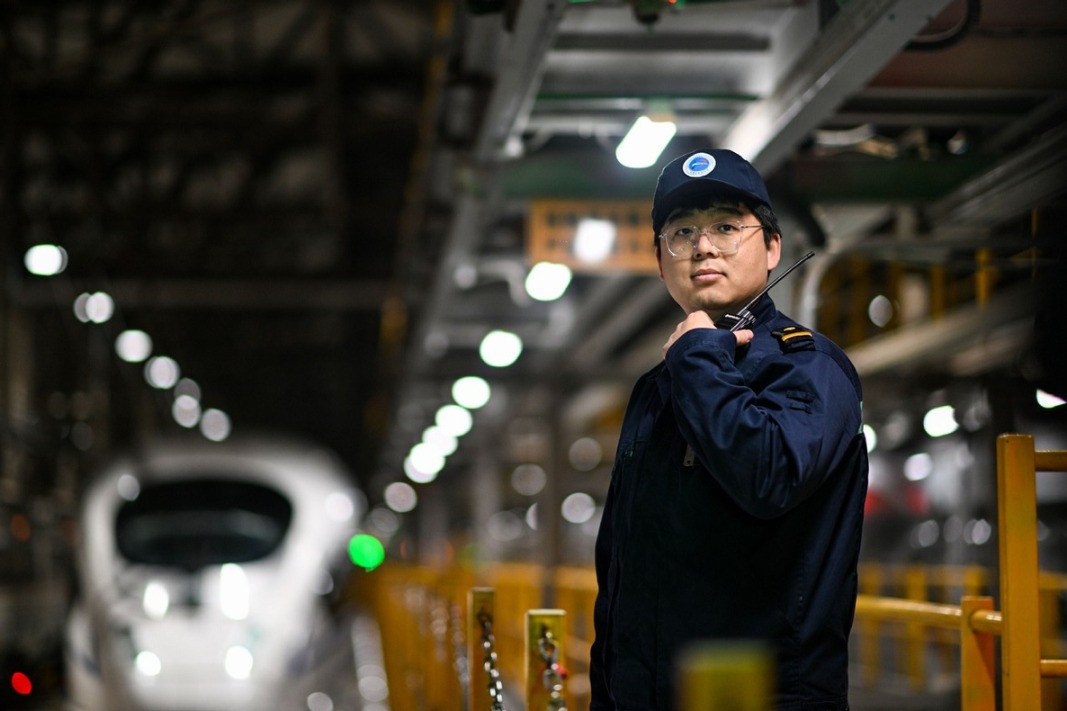
Bullet train maintenance worker safeguards Spring Festival travel rush
As China’s monumental Spring Festival travel rush commenced in early February 2026, a dedicated team of railway maintenance professionals worked through the night to ensure the safety of the nation’s high-speed rail network. At an electric multiple unit (EMU) maintenance depot in Tianjin, team leader Li Qiwei directed over 40 technicians performing comprehensive inspections on 28 bullet train sets.
The maintenance facility operated at peak capacity on February 1st, with workload volumes exceeding typical operations by approximately 20%. This intensive preparation period directly preceded the Chunyun season – China’s annual mass migration phenomenon that represents the largest periodic human movement globally.
Li Qiwei, an eight-year veteran of the maintenance depot, has progressed from recent graduate to competent team leader since earning his vehicle engineering degree from Dalian Jiaotong University. His team’s overnight shift involved meticulous ‘health checkups’ on the technologically advanced trains, examining every critical system to guarantee both safety and punctuality for the millions of passengers depending on rail transport during the holiday period.
Speaking about his responsibilities, Li expressed pride in contributing to the safe operation of bullet trains that facilitate family reunions across China. His sentiment reflects the broader dedication of railway workers who maintain the infrastructure enabling this cultural tradition, working behind the scenes while much of the country travels homeward for Spring Festival celebrations.
-
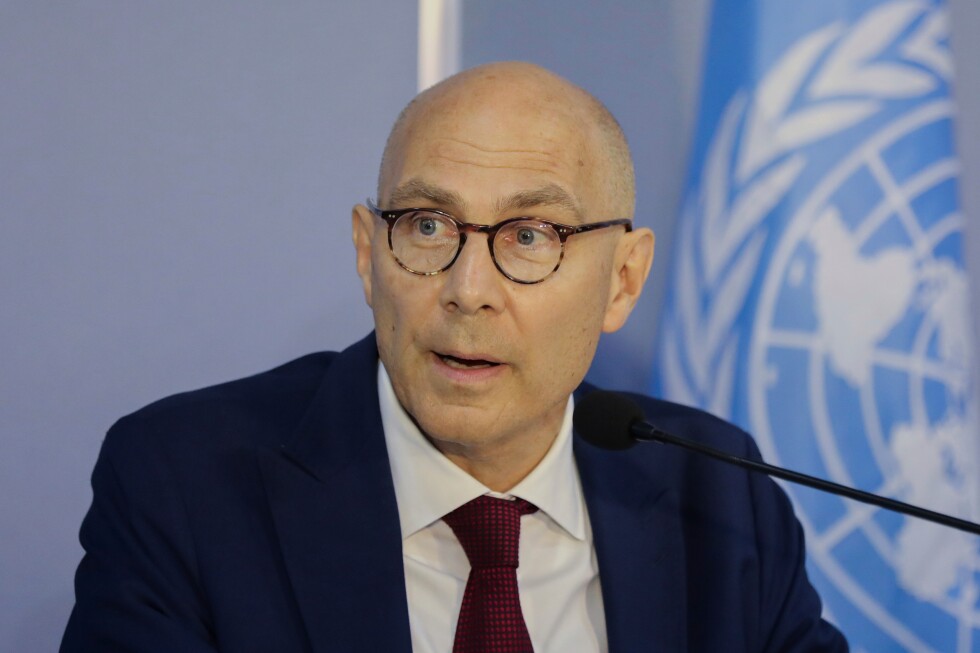
UN human rights chief warns of impunity for perpetrators as he seeks extra funds
GENEVA — The United Nations human rights chief issued a stark warning on Thursday, revealing that his office has been forced into “survival mode” due to severe funding shortages that have compromised operations across 17 nations. Volker Türk made an urgent appeal for $400 million in voluntary contributions to sustain essential human rights monitoring worldwide.
The funding crisis emerged after the United States and several other Western nations significantly reduced their financial support for humanitarian aid and UN-related organizations in 2025. These cuts have particularly affected critical monitoring missions in conflict zones and developing regions including Colombia, Myanmar, and Chad.
Türk addressed diplomats at the UN human rights headquarters in Geneva, emphasizing that reduced funding effectively “untie perpetrators’ hands everywhere” by diminishing the international community’s ability to hold human rights violators accountable. “With crises mounting, we cannot afford a human rights system in crisis,” he stated.
The financial shortfall has produced tangible consequences: monitoring missions have been reduced to less than half compared to 2024 levels, Colombia’s peace process engagement has been significantly pared down, Myanmar programs faced 60% cuts, and support for nearly 600 detainees in Chad has been reduced. Most alarmingly, programs addressing gender-based violence and LGBTIQ+ rights protection have suffered cuts of up to 75%.
Despite these challenges, Türk acknowledged 113 funding partners including governments, private entities, and multilateral donors for their continued support. The office receives funding through both the regular UN budget and voluntary contributions, with the latter traditionally constituting the majority of its operational budget.
Last year’s financial appeal of $500 million yielded only $258 million in voluntary contributions, combined with $191 million from the regular budget—$55 million less than initially approved. The United States, which had been the top single donor with $36 million during the Biden administration, halted all contributions under the subsequent administration. France provided no voluntary funding last year after contributing over $5 million in 2024, while Britain also reduced its outlay. Some donors including Sweden, Germany, and the European Union increased their contributions.
Despite the financial constraints, the office continues critical work in Ukraine monitoring civilian casualties since 2014, in occupied Palestinian areas where it has trained over 320 staffers to identify vulnerable populations, and in Colombia where it collaborates with the Defense Ministry on establishing conduct codes and training programs.
-

‘Suicide contagion’? Goa student’s death reveals India’s alarming mental health crisis
A recent suspected suicide at BITS Pilani’s Goa campus has intensified scrutiny of India’s escalating student mental health emergency. The death of 20-year-old electronics engineering student V. Jitesh marks the sixth such tragedy at the institute within 15 months, revealing disturbing patterns of academic pressure and psychological distress among India’s youth.
Goa’s chief minister has established a district-level monitoring committee to investigate the alarming trend. Their preliminary findings point to a phenomenon known as ‘suicide contagion’ or copycat behavior, where one suicidal act triggers similar actions among vulnerable individuals. A senior official involved in the investigation noted the committee had documented multiple instances of this imitation effect across five examined cases.
The broader statistics paint a grim national picture. According to National Crime Records Bureau data, student suicides have surged by 65% between 2013 and 2023. Shockingly, student suicides now exceed those within the farming community. The IC3 Institute’s recent report, ‘Student Suicides: An Epidemic Sweeping India,’ estimates over 13,000 students take their lives annually, with student suicide rates growing at twice the pace of general suicides.
While BITS Pilani’s administration expressed condolences and highlighted existing support systems, including counseling services and mental health professionals, critics argue institutional responses remain inadequate. Political leaders have called for judicial inquiries, describing the situation as a ‘total collapse of student safety and mental-health governance.’
The UNICEF’s State of the World’s Children report adds crucial context, indicating one in seven Indian youth aged 15-24 experiences poor mental health, yet only 41% seek support. This combination of high prevalence and low help-seeking behavior creates a perfect storm that demands urgent policy intervention and societal awareness campaigns.
-

Europeans don’t admit Greenland concessions, JD Vance says
U.S. Vice President JD Vance has asserted that European allies have privately offered Washington significantly greater concessions regarding Greenland than their public statements suggest. In a recent appearance on the Megyn Kelly Show, Vance declared the Trump administration had secured “much more than we initially had” through a newly established framework agreement.
The controversial arrangement, unveiled by former President Donald Trump last month, aims to address Arctic security concerns. Trump has repeatedly characterized Greenland as vital for U.S. missile defense systems against potential threats from Russia and China, despite offering no evidence for his claims of the island being “covered with Russian and Chinese ships.”
This development follows previously heightened tensions when Trump openly contemplated using force against NATO ally Denmark to acquire the semi-autonomous territory. Both Danish and Greenlandic authorities maintain their firm opposition to any sovereignty transfer, receiving strong backing from European partners.
While Vance provided no specific details about the newly obtained concessions, he emphasized the strategic importance of Greenland’s location between North America and the Arctic for early warning systems. The vice president criticized European allies for what he called “duplicity,” claiming they privately make accommodations while publicly criticizing U.S. positions.
The potential agreement may involve access to Greenland’s substantial natural resources, including rare earth minerals, uranium, and iron deposits, which are becoming increasingly accessible due to climate-induced ice melt. Scientists believe significant oil and gas reserves may also exist beneath the melting ice sheet.
Currently, over 100 U.S. military personnel are permanently stationed at a strategic base in Greenland’s northwestern tip, a facility operated by the United States since World War II. Existing agreements with Denmark already permit unlimited troop deployments to the territory.
-

Japan’s Ayumu Hirano points toward competing in Winter Olympics after nasty injury, broken bones
LIVIGNO, Italy — Olympic halfpipe gold medalist Ayumu Hirano has provided a cautiously optimistic update regarding his physical condition following significant injuries sustained last month, indicating his intention to compete in the upcoming Milan Cortina Winter Games. The Japanese snowboarding superstar suffered a severe crash during a competition in Switzerland, resulting in a broken nose and pelvic fractures according to his training team’s social media reports.
The 27-year-old athlete, who captured gold at the previous Olympics after securing two silver medals in earlier Games, remained deliberately vague about his current recovery status. In an official statement distributed by the Ski Association of Japan, Hirano expressed his competitive philosophy: “I just have to trust what I’ve built up to this point so far and ride the way I’m capable of riding.”
Historical significance awaits Hirano should he medal in Cortina, as Olympics.com identifies him as potentially becoming the first Japanese Winter Olympian to achieve podium finishes across four consecutive Games. His career has been defined by groundbreaking performances and legendary rivalries, particularly his dramatic back-and-forth battle with snowboarding icon Shaun White during the 2018 Pyeongchang Games, where he narrowly missed gold.
Hirano’s breakthrough moment occurred four years ago when he successfully landed the revolutionary triple cork maneuver—three inverted aerial rotations—to surpass Australian competitor Scotty James for Olympic victory. Reflecting on his mental approach, Hirano noted: “I think it’s been a process of coming to terms with myself and recognizing what I needed to work on. I’ve always felt like the challenger, so not a lot has changed about me as far as I’m concerned. I hope to be myself, just give it everything I’ve got.”
With official halfpipe training sessions commencing Sunday and men’s qualification rounds scheduled for next Wednesday, the snowboarding community awaits Hirano’s return to competitive form amidst concerns about his recent injuries.
-
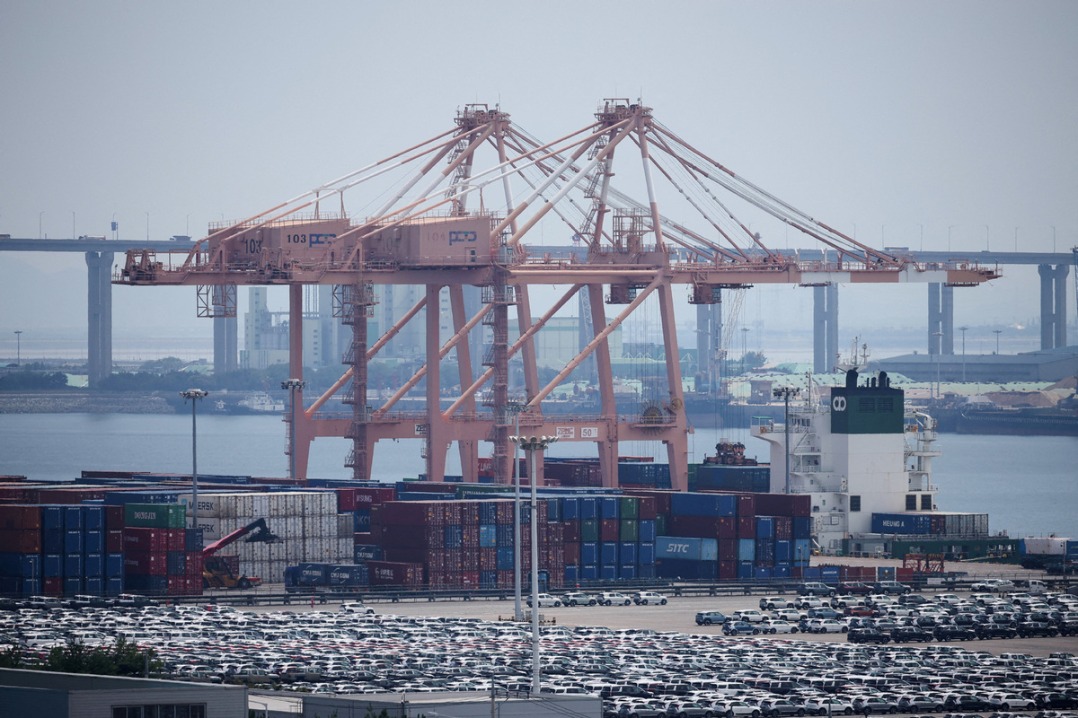
Uncertainty clouds tariff talks
A critical diplomatic meeting between South Korean Foreign Minister Cho Hyun and US Secretary of State Marco Rubio concluded without resolution on Tuesday, leaving unresolved the specter of substantial tariff increases on Korean exports. The high-level discussions in Washington addressed bilateral trade concerns, including shipbuilding disputes and investment frameworks, yet failed to produce a concrete agreement to avert impending levies.
The trade tension escalated significantly on January 26 when former President Donald Trump announced via social media his intention to raise import duties on South Korean goods from 15% to 25%. This proposed increase hinges on Seoul’s delayed ratification of a bilateral trade agreement that would authorize a monumental $350 billion investment package in the United States.
Despite Minister Cho’s detailed presentation of Seoul’s implementation efforts and his proposal for enhanced communication between trade authorities, the US State Department’s official meeting summary conspicuously omitted any reference to the tariff discussion. This absence signals a fundamental divergence in diplomatic priorities between the two nations, according to regional analysts.
Professor Kang In-soo of Sookmyung Women’s University characterized the situation as a ‘macro-critical emergency’ for South Korea, noting that the potential tariffs could severely impact export revenues, corporate profitability, and broader economic stability including employment and currency markets. Meanwhile, US officials appear to approach the matter primarily as an implementation issue rather than a diplomatic crisis requiring immediate de-escalation.
The foreign minister’s visit followed similarly inconclusive talks by Trade Minister Yeo Han-koo, who spent the previous week in Washington unable to secure meetings with key US trade officials. Minister Yeo noted that American administrators are proceeding with plans to formalize ‘reciprocal’ tariff increases, emphasizing the need for continued dialogue to bridge institutional understanding gaps.
Domestically, South Korea’s ruling Democratic Party is accelerating legislative efforts to pass the special investment bill, recently agreeing with opposition parties to establish a special committee to expedite the process. Economic experts advise that any legislation should incorporate protective measures such as conditional disbursement requirements, periodic parliamentary review, and investment caps to prevent future negotiation vulnerabilities.
Industry representatives from Korea’s International Trade Association suggest that Washington has increasingly employed tariffs as a standard negotiation tool, indicating that similar pressures may recur depending on investment sector selection and execution timelines.
-
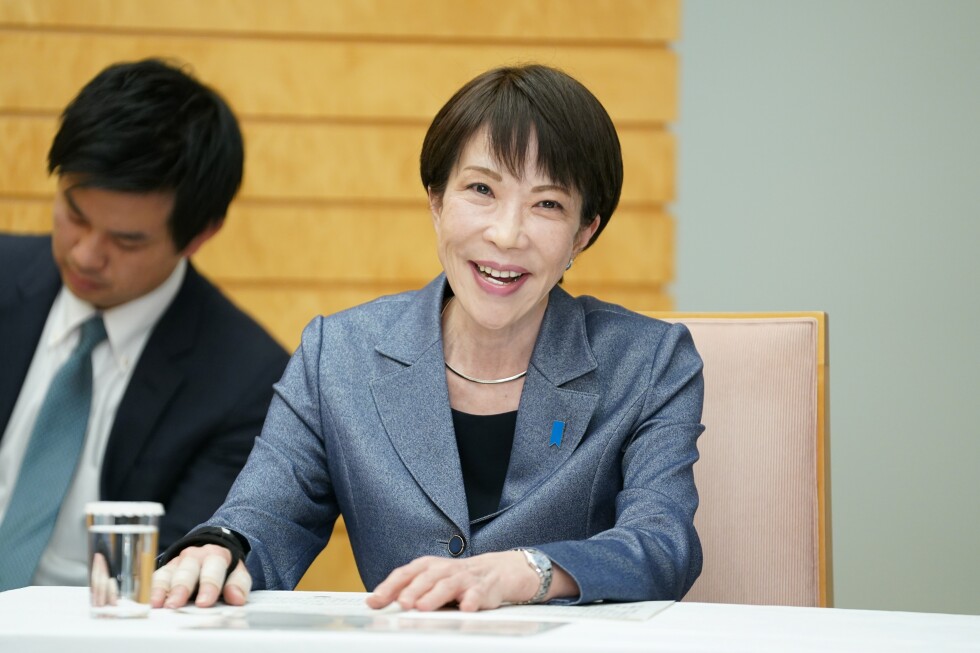
TSMC to make advanced AI semiconductors in Japan in boost for its chipmaking ambitions
In a strategic move reshaping global semiconductor manufacturing, Taiwan Semiconductor Manufacturing Company (TSMC) has confirmed plans to produce cutting-edge 3-nanometer semiconductors at its second Japanese facility in Kumamoto Prefecture. This decision positions Japan as a critical hub for advanced chip manufacturing amid soaring artificial intelligence-related demand worldwide.
The announcement came during a high-level meeting in Tokyo between TSMC Chairman C.C. Wei and Japanese Prime Minister Sanae Takaichi, who characterized the development as highly significant for Japan’s economic security. The 3nm chips, representing the industry’s most advanced technology, will primarily serve AI applications, robotics, and autonomous driving systems—sectors specifically designated as strategically vital by the Japanese government.
This expansion represents a substantial advancement from TSMC’s first Kumamoto plant, which began mass production of less sophisticated chips in late 2024. The company’s Japanese investment coincides with parallel expansions in Arizona, United States, creating a diversified global manufacturing footprint to address the explosive growth in AI-driven computing requirements.
Japan’s aggressive semiconductor policy, featuring substantial subsidies for domestic chipmaker Rapidus alongside incentives for international partners like TSMC, demonstrates the nation’s determined effort to regain competitiveness in advanced chip manufacturing. Despite emerging concerns about potential overinvestment in AI infrastructure, TSMC leadership maintains confidence in the sustainability of demand, recently announcing plans to increase capital spending by up to 40% this year, with projected investments reaching $52-56 billion by 2026.
-
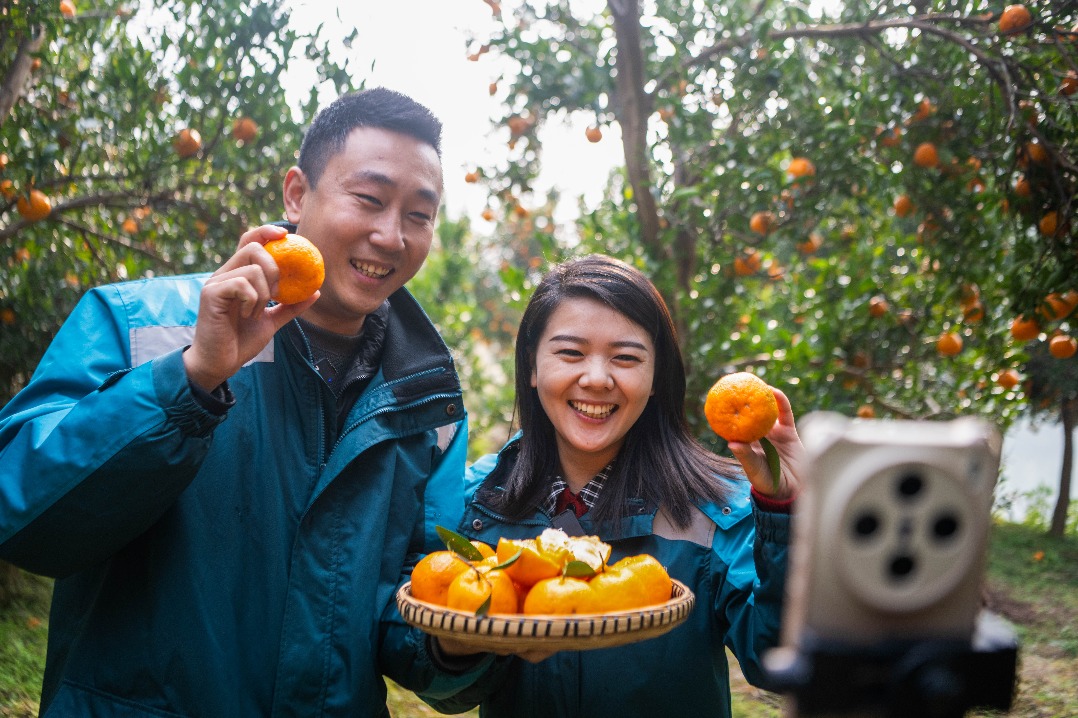
China’s netizens surpass 1.12 billion: report
China’s digital ecosystem has achieved a monumental milestone, with the nation’s online population now exceeding 1.12 billion users according to the latest official report. The data, released on February 5, 2026, reveals not only massive internet penetration but also substantial adoption of cutting-edge artificial intelligence technologies across the country.
The comprehensive digital report highlights that approximately 602 million Chinese citizens have engaged with generative AI platforms and tools, demonstrating remarkable technological adoption rates. This represents one of the world’s largest concentrations of AI-literate users within a single national market.
This unprecedented digital expansion reflects China’s sustained investments in technological infrastructure, digital literacy programs, and innovation ecosystems over the past decade. The convergence of widespread internet access and advanced AI adoption positions China at the forefront of the global digital transformation, with implications for economic development, social connectivity, and technological innovation.
The massive user base creates unique opportunities for digital economy growth, e-commerce expansion, and technological innovation while simultaneously presenting challenges in cybersecurity, digital governance, and technological ethics. This digital landscape transformation is reshaping how Chinese citizens work, communicate, and access information, fundamentally altering the social and economic fabric of the nation.