作者: admin

  • Indian rupee faces prolonged pressure amid trade deficits, US deal uncertainty

    Indian rupee faces prolonged pressure amid trade deficits, US deal uncertainty

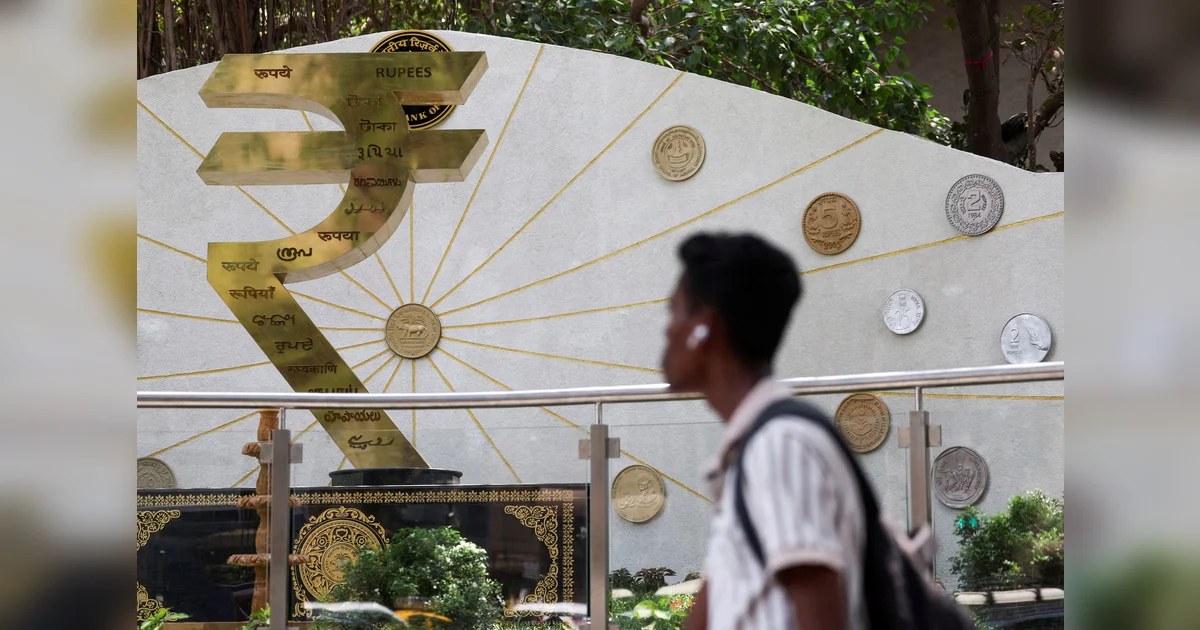
    The Indian rupee is projected to encounter persistent challenges throughout 2026, with financial analysts forecasting continued depreciation against the US dollar. Multiple factors are converging to create sustained pressure on the currency, primarily driven by widening trade deficits and unresolved trade negotiations with the United States.

    Currency projections indicate the rupee-dollar exchange rate may reach approximately 92.00 by the third quarter of 2026, representing a significant adjustment from previous expectations of 90.80. This depreciation trajectory, while slower than the previous year’s decline, reflects ongoing underperformance against both G10 and Asian currency crosses. The rupee concluded 2025 at 89.87, registering a 4.72 percent annual decline—its most substantial drop since 2022.

    Structural challenges include substantial foreign portfolio outflows, with international investors withdrawing nearly $18 billion from Indian markets in 2025. This capital flight has been exacerbated by robust initial public offering activity and private equity profit-taking cycles. Additionally, the delayed inclusion of Indian bonds in the Bloomberg Global Aggregate Index has removed a potential catalyst for foreign investment inflows.

    The current account deficit has emerged as another critical pressure point. Second-quarter data for fiscal year 2026 revealed net financial flows plummeting to $0.7 billion from $8.1 billion in the preceding quarter, accompanied by a $10.9 billion depletion in foreign exchange reserves.

    US trade policy constitutes another significant headwind. Approximately 50 percent tariffs on Indian imports imposed during the Trump administration remain in effect, with limited progress in bilateral trade discussions between New Delhi and Washington. Federal Reserve interest rate policies have further complicated matters by incentivizing capital movement toward higher-yielding US bonds.

    The Reserve Bank of India has adopted measured intervention strategies, primarily during periods of elevated volatility. While India’s economic fundamentals remain robust with 7.4 percent real GDP growth projections and stable inflation, authorities appear comfortable with gradual rupee depreciation that enhances export competitiveness.

    Currency swap agreements with nations including the UAE and Russia offer marginal support mechanisms. These arrangements aim to reduce dollar dependency in bilateral trade and enhance the rupee’s role in trade finance. India-UAE trade reached $100.06 billion in FY 2024-25, growing 19.6 percent year-on-year, creating potential for local currency transactions to alleviate dollar demand.

    Despite these mechanisms, analysts emphasize that swap agreements alone cannot reverse depreciation trends without supportive balance-of-payments conditions and consistent foreign inflows. The rupee’s trajectory will ultimately depend on resolving trade tensions, stabilizing capital flows, and maintaining economic growth momentum.
  • Mainland spokesman: Taiwan-US trade deal sells out Taiwan

    Mainland spokesman: Taiwan-US trade deal sells out Taiwan

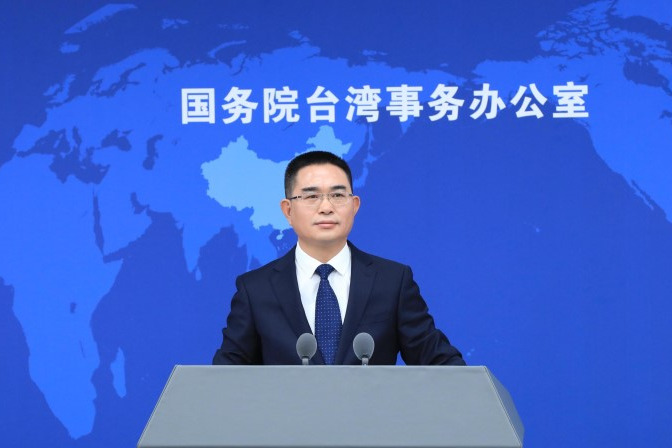
    A senior Chinese official has vehemently denounced the recently negotiated trade agreement between Taiwan and the United States, characterizing it as a detrimental arrangement that compromises Taiwan’s economic sovereignty. Chen Binhua, spokesperson for China’s State Council Taiwan Affairs Office, delivered sharp criticism during a press briefing on Thursday, asserting that the Democratic Progressive Party (DPP) authorities have engaged in what he described as foreign subservience.

    According to Chen, the trade pact essentially constitutes a ‘list of tributes’ that undermines Taiwan’s interests while disproportionately benefiting the United States. He accused the DPP leadership of pursuing independence agendas through external alliances, effectively facilitating the exploitation of Taiwan’s industrial sector and compromising the welfare of its citizens. The spokesman emphasized that such diplomatic and economic maneuvers reveal what he called a ‘servile and obsequious posture’ by Taiwan’s current administration.

    The controversial agreement, finalized on January 15, stipulates that the United States will reduce tariff rates on Taiwanese imports from 20% to 15%. In exchange, Taiwan has committed to investing a minimum of $250 billion in the U.S. while providing equivalent credit guarantees exceeding $250 billion. The arrangement currently awaits legislative ratification in Taiwan, where opposition lawmakers have raised transparency concerns regarding the negotiation process and its long-term implications.

    Chen’s remarks came in direct response to statements made by Taiwan leader Lai Ching-te, who previously advocated for cross-party support to safeguard the trade agreement during an ‘economic prosperity partnership dialogue’ conference. The escalating diplomatic rhetoric highlights continuing tensions in cross-strait relations and reflects Beijing’s firm opposition to any bilateral agreements that might suggest international recognition of Taiwan’s separate political status.

  • Newly discovered Michelangelo foot sketch could fetch up to £1.5m

    Newly discovered Michelangelo foot sketch could fetch up to £1.5m

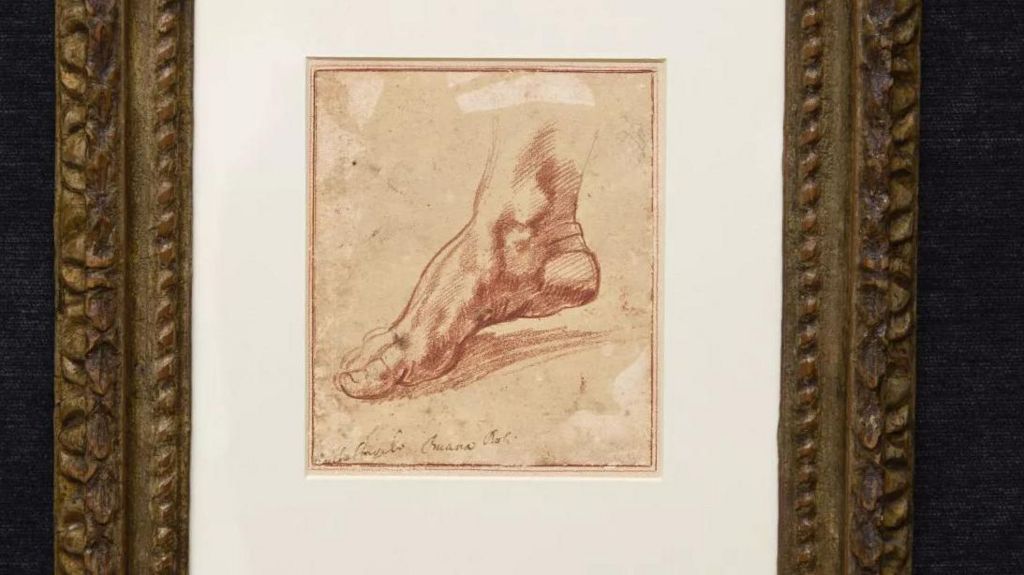
    A previously undocumented Michelangelo sketch, hidden for centuries within a family collection, has been authenticated and is now poised to command between $1.5 and $2 million at Christie’s upcoming Old Master Drawings auction in New York. The remarkable red chalk study, created circa 1511-1512, depicts a foot study for the Libyan Sibyl figure that would later adorn the Sistine Chapel ceiling.

    The extraordinary discovery began when the current owner, a West Coast-based American who inherited the piece from his grandmother, submitted a photograph to Christie’s for a routine valuation. The artwork had been passed down through generations since the late 1700s without recognition of its true provenance.

    Christie’s specialists employed advanced infrared reflectography to examine the sheet, revealing additional drawings on the reverse that displayed characteristics consistent with Michelangelo’s technique. Giada Damen, a specialist in the Old Master Drawings Department, conducted meticulous comparative analysis with authenticated Michelangelo works at the Metropolitan Museum, ultimately confirming the sketch’s authenticity.

    Andrew Fletcher, Global Head of Christie’s Old Masters Department, characterized the find as “one of the most memorable moments” of his professional career. The upcoming sale places this Renaissance treasure among other landmark art market achievements, including Leonardo da Vinci’s $450 million Salvator Mundi in 2017 and recent record-breaking sales of works by Gustav Klimt and Frida Kahlo.

    The Thursday auction represents not merely a commercial transaction but the culmination of art historical detective work that has restored a lost masterpiece to its proper place in Michelangelo’s celebrated oeuvre.

  • China to ban ‘hidden’ car door handles to address safety fears

    China to ban ‘hidden’ car door handles to address safety fears

    China has announced groundbreaking regulatory measures that will prohibit vehicles from featuring concealed door handles starting in 2027, establishing the world’s first comprehensive safety standard addressing this controversial automotive design. The policy shift comes amid growing international scrutiny over the potential safety hazards associated with flush-mounted handle mechanisms popularized by Tesla and subsequently adopted by numerous Chinese electric vehicle manufacturers, including technology giant Xiaomi.

    The Ministry of Industry and Information Technology unveiled detailed technical specifications mandating that all automobile doors must incorporate both exterior and interior mechanical release mechanisms. Under the new framework, while innovative electrical handle designs remain permissible as supplementary features, mechanical operation capabilities will become compulsory safety components. The regulations explicitly outline requirements for handle positioning, visibility, and operational functionality to ensure emergency access remains possible during accident scenarios.

    This regulatory development follows a tragic incident reported by Chinese state media in October, wherein a driver of a Xiaomi SU7 Ultra sedan perished in a collision as bystanders struggled to locate and operate the vehicle’s concealed door handles while the car was engulfed in flames. Concurrently, United States automotive safety authorities have initiated defect investigations into Tesla’s emergency door release systems, highlighting transcontinental safety concerns regarding modern handle designs.

    Implementation will occur in phases: newly developed vehicle models must comply with the handle requirements by January 1, 2027, while existing approved models receive until January 1, 2029, to undergo necessary design modifications. This measured approach provides manufacturers with adequate transition periods to redesign door systems while prioritizing occupant safety through mechanical redundancy systems.

  • China sees sustained drop in serious crimes: top procuratorate

    China sees sustained drop in serious crimes: top procuratorate

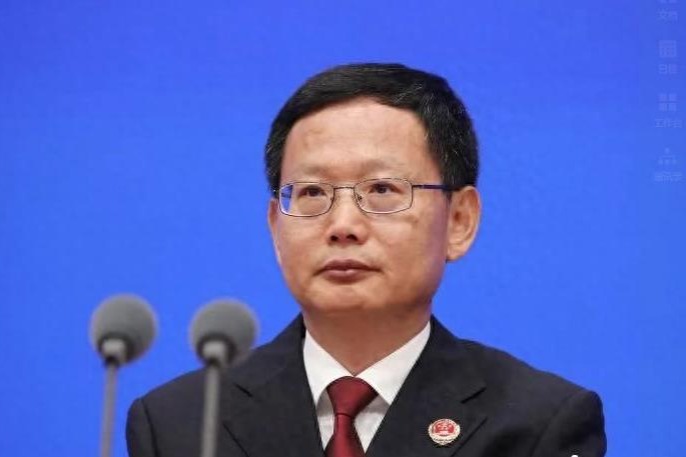
    BEIJING – China’s judicial authorities have reported a landmark achievement in public safety, with the nation experiencing its lowest levels of serious criminal activity in a quarter century. The Supreme People’s Procuratorate announced these findings during a Thursday press briefing in the capital, signaling a transformative shift in the country’s law enforcement landscape.

    Deputy Procurator-General Miao Shengming revealed compelling statistical evidence demonstrating this downward trend. Between January and November 2025, Chinese prosecutorial organs received arrest applications for 873,000 individuals, representing a substantial 15.6 percent decrease compared to the previous year. Of these applications, approximately 604,000 arrests were formally approved, marking a 12.9 percent year-on-year reduction.

    The data further indicated that prosecution applications against more than 1.6 million people were processed during this eleven-month period, with nearly 1.3 million individuals actually prosecuted. These figures reflect dramatic declines of 19.6 percent and 13.3 percent respectively from 2024 numbers. The consistent downward trajectory across multiple crime categories suggests a comprehensive improvement in social stability and public security.

    Official statements emphasized that both violent crimes and high-frequency offenses affecting citizens’ sense of safety have shown marked reduction. This development represents a significant milestone in China’s ongoing efforts to maintain social order and enhance legal governance, with implications for both domestic policy and international perceptions of public safety in the world’s most populous nation.

  • FIFA reports a record of 5,973 international transfers in January window

    FIFA reports a record of 5,973 international transfers in January window

    ZURICH — FIFA’s latest Global Transfer Market Report reveals a paradoxical trend in international soccer transfers during the January trading period. While the volume of transactions reached unprecedented levels, financial expenditures experienced a notable contraction.

    The data shows 5,973 international transfers were processed for male players during the window, representing a 3% increase from the previous year and setting a new record for transaction volume. Despite this surge in activity, total spending declined by approximately 18% to $1.95 billion, though this figure remains significantly higher than pre-2023 benchmarks.

    Women’s soccer demonstrated remarkable financial growth with clubs investing over $10 million in international transfers—an 85% increase from the previous record set just one year earlier. This substantial investment surge occurred despite a 6% decrease in the number of transfers, which totaled 420 international moves.

    England maintained its position as the dominant financial force in the men’s game, with Premier League clubs spending $363 million while generating only $150 million through player sales. Italy emerged as the second-largest spender at $283 million, followed by Brazil, Germany, and France in the top five.

    French clubs achieved the most favorable financial balance, earning $218 million from transfer sales. Italian, Brazilian, English, and Spanish clubs completed the list of top revenue generators.

    In the United States, clubs invested $99 million in acquiring international talent while receiving $48 million from outgoing transfers. English women’s clubs demonstrated particular financial dominance in their sector, leading both spending and earnings with over $5 million invested.

  • Rohit Shetty firing case: Mumbai Police arrest weapon supplier

    Rohit Shetty firing case: Mumbai Police arrest weapon supplier

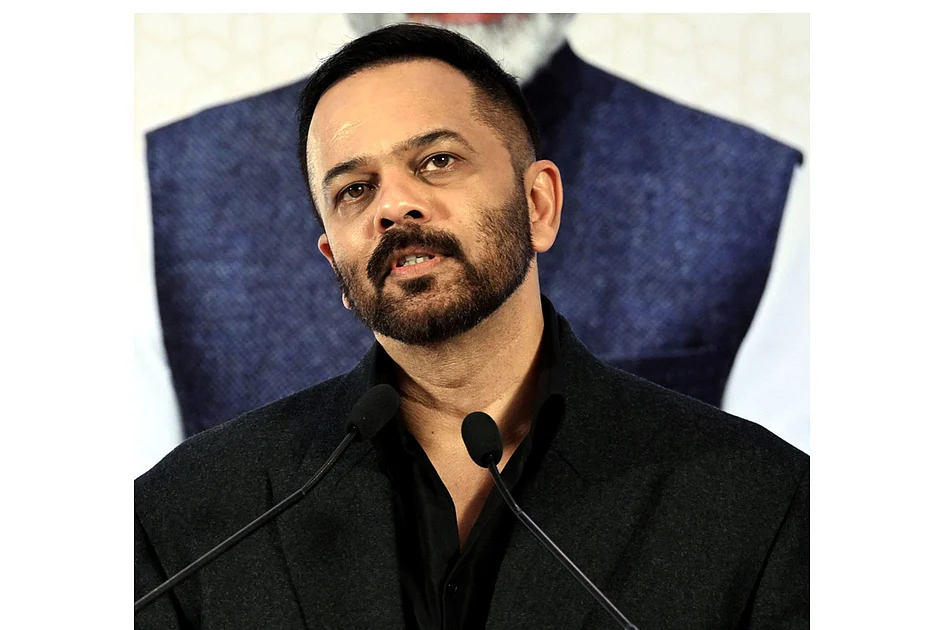
    Mumbai law enforcement has achieved a significant breakthrough in the investigation of the shooting incident outside renowned Bollywood filmmaker Rohit Shetty’s residence. The Anti-Extortion Cell of Mumbai Crime Branch apprehended Asaram Fasle, alias Babu, identified as the primary weapons supplier in the case. This arrest marks the fifth detention in the ongoing probe.

    Investigative authorities revealed Fasle provided the firearm used in the February 3rd shooting outside Shetty’s Mumbai home. The suspect is scheduled for presentation before Mumbai’s Esplanade Court (Killa Court) as police seek extended custody for further interrogation.

    The investigation has uncovered a sophisticated criminal network employing compartmentalized operations. According to police sources, participants remained unaware of collaborators’ identities throughout different stages of the operation. The shooting was allegedly orchestrated by Shubham Lonkar, who directed multiple discrete cells through encrypted communications.

    Police discovered the assailants used a two-wheeler purchased days earlier from a Pune resident for approximately ₹30,000 (Dh1,218). The buyer, already detained suspect Aditya Gayaki, obtained the seller’s signature on blank paper potentially for fraudulent documentation. The vehicle was subsequently positioned at a predetermined location in Mumbai’s Juhu area for the shooter’s collection.

    This modular criminal methodology mirrors patterns observed in previous unsolved cases, suggesting experienced coordination. The actual perpetrator who fired outside Shetty’s residence remains at large as investigative teams pursue multiple leads across Maharashtra state.

  • Experts warn against drinking raw milk after New Mexico baby’s listeria death

    Experts warn against drinking raw milk after New Mexico baby’s listeria death

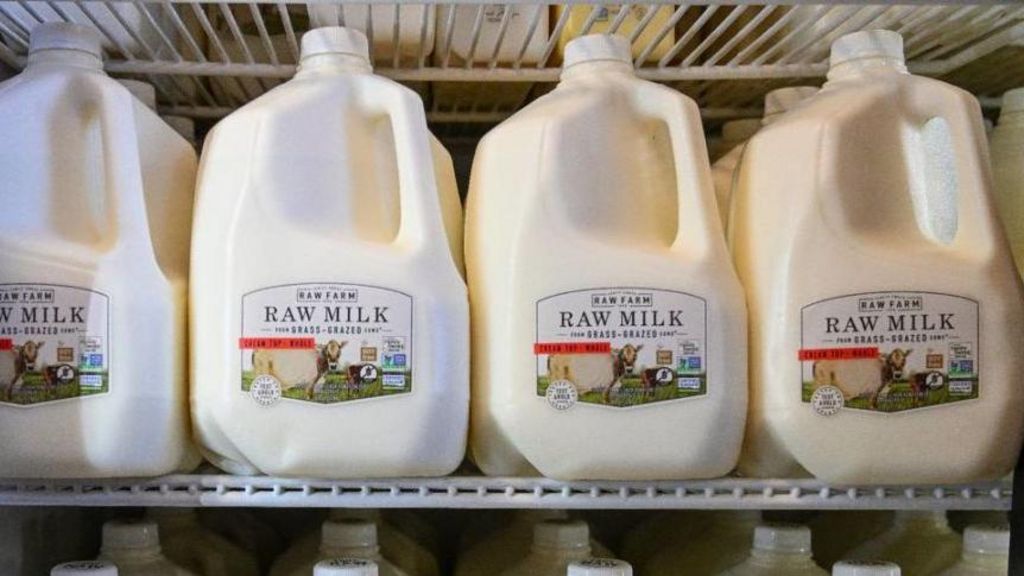
    A tragic infant death in New Mexico has triggered urgent health warnings from medical experts regarding the consumption of unpasteurized raw milk. Health authorities confirmed a newborn succumbed to a listeria infection that was likely transmitted when the mother consumed raw dairy during pregnancy. This fatal case has ignited renewed concerns about the dangerous trend of consuming untreated dairy products.

    The New Mexico Department of Health emphasized that raw milk carries significant pathogen risks including bird flu, brucella, tuberculosis, salmonella, campylobacter, cryptosporidium, and E. coli. Unlike pasteurized milk, which undergoes a heating process to eliminate dangerous bacteria, raw milk comes directly from animals without any pathogen-elimination treatment. Listeria poses particular danger to pregnant women as it can cross the placental barrier, with neonatal infections carrying a 20-30% mortality rate.

    This safety alert emerges alongside developments at Ballerina Farm, a prominent influencer-owned company with over 10 million social media followers, which recently paused raw milk sales following routine testing that revealed health violations. The company’s owner, Hannah Neeleman, had previously promoted raw milk as ‘liquid gold’ on Instagram, claiming skincare benefits and stating her family drinks directly from the cow.

    The raw milk movement has gained momentum through social media influencers and political campaigns such as the Make America Healthy Again (MAHA) movement, which has advocated for legalizing unpasteurized dairy sales. Notably, Health and Human Services Secretary Robert F. Kennedy Jr. has previously identified as a raw milk enthusiast.

    Dr. Kali Kneil, Professor of Microbial Food Safety at the University of Delaware, cautioned that ‘even if it’s a clean dairy, or the animals look healthy, you cannot guarantee that raw milk is clear of pathogens.’ She attributed the trend’s popularity partly to European studies suggesting raw milk might help with asthma and allergies, though she emphasized that pasteurization doesn’t significantly diminish nutritional value while providing crucial protection.

    Health officials are urging state and local governments to follow New Mexico’s lead in warning vulnerable populations—including pregnant women, young children, elderly individuals, and immunocompromised persons—about the serious risks associated with raw dairy consumption.

  • Panama will not be threatened by China over canal court ruling, leader says

    Panama will not be threatened by China over canal court ruling, leader says

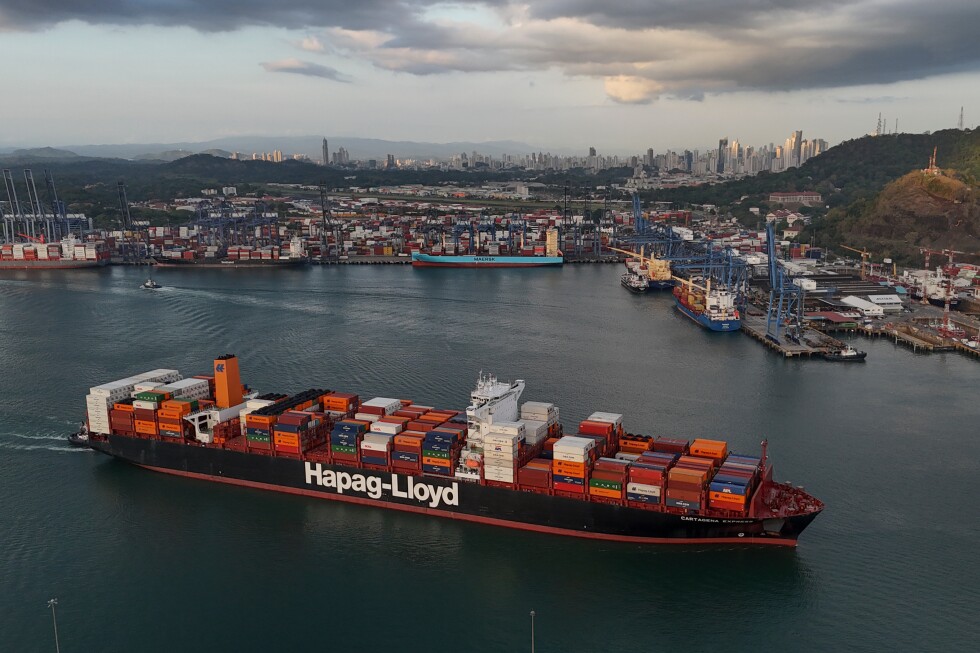
    Panamanian President José Raúl Mulino has adopted a resolute stance regarding the escalating legal dispute with Hong Kong-based CK Hutchison Holdings over port operations along the Panama Canal. During his Thursday morning press briefing, Mulino emphasized Panama’s sovereign dignity while responding to diplomatic pressure from China. “Panama is a dignified country and will not allow itself to be threatened by any country on earth,” Mulino declared, addressing Beijing’s warnings that Panama would face severe consequences if it upheld its Supreme Court’s recent ruling.

    The controversy stems from last week’s landmark decision by Panama’s Supreme Court, which declared unconstitutional the concession held by Hutchison Ports’ local subsidiary, Panama Ports Company. This judicial move has been interpreted as a strategic victory for U.S. interests seeking to counter Chinese influence over the critical maritime corridor, placing Panama at the center of intensifying geopolitical competition between Washington and Beijing.

    In response to the court’s decision, CK Hutchison Holdings has initiated formal arbitration proceedings against the Panamanian government, asserting strong disagreement with the ruling. Meanwhile, President Mulino has assured continuous port operations during the transition period, with Panama’s Maritime Authority coordinating with the current operator until the concession is formally terminated. Subsequently, Danish logistics giant A.P. Moller-Maersk’s local subsidiary will assume temporary operational control until a new concession can be competitively bid.

    The disputed ports constitute a significant portion of CK Hutchison’s $23 billion global port divestment to a consortium including U.S. investment firm BlackRock—a transaction initially announced in March 2023 that has encountered delays due to both legal complications in Panama and heightened Sino-American geopolitical tensions. Industry analysts suggest the Hong Kong conglomerate may employ prolonged legal maneuvers to buy time while exploring alternatives for its broader port portfolio restructuring.

  • Sri Lanka appoints first female Auditor General

    Sri Lanka appoints first female Auditor General

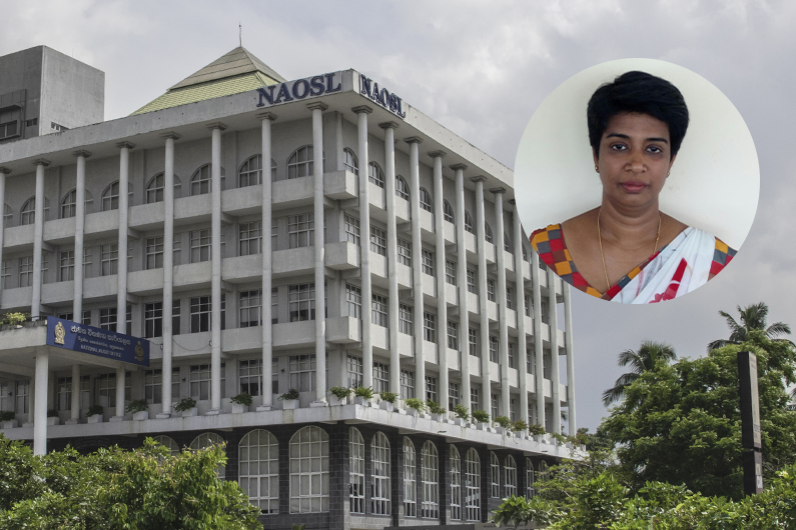
    In a landmark decision for gender equality and institutional leadership, Sri Lanka has appointed Samudika Jayaratne as the nation’s Auditor General, marking the first time a woman has assumed this prestigious position in the country’s history. The historic appointment was confirmed on Thursday at the National Audit Office in Colombo, where Jayaratne officially became the 42nd individual to hold this constitutional post.

    Addressing media representatives shortly after assuming office, Jayaratne articulated her vision for enhancing accountability mechanisms and promoting greater transparency within Sri Lanka’s public financial management systems. Her appointment represents a significant milestone in breaking gender barriers within the South Asian nation’s highest governmental audit institution.

    Jayaratne brings extensive expertise to her new role, having commenced her professional journey within the Auditor General’s Department back in 2003. Over her distinguished two-decade career, she has developed specialized knowledge across multiple financial domains including public sector auditing, banking operations, insurance frameworks, taxation policies, treasury management, and sovereign debt administration. Her comprehensive background in financial governance positions her ideally to oversee the nation’s audit functions during a period of economic recalibration.

    This groundbreaking appointment has been widely interpreted as signaling Sri Lanka’s commitment to both gender parity in leadership positions and strengthened financial governance, particularly as the nation continues to navigate complex economic challenges. The selection of a highly qualified female professional to this traditionally male-dominated position sets a powerful precedent for women’s advancement in Sri Lanka’s public sector hierarchy.