作者: admin

  • Look: Sonam Kapoor wears Dubai-based designer’s creation for international beauty campaign

    Look: Sonam Kapoor wears Dubai-based designer’s creation for international beauty campaign

    Bollywood actress and internationally recognized style icon Sonam Kapoor has showcased Dubai’s burgeoning fashion influence through her latest high-profile campaign. As Lancôme’s newly appointed international brand ambassador, Kapoor selected a meticulously tailored celestial pantsuit from Dubai-based luxury label Alina Anwar Couture for the beauty giant’s prestigious global campaign.

    The ensemble, drawn from Alina Anwar Couture’s Autumn/Winter 2025 collection, features a sharply structured jacket with an innovative detachable cape component, complemented by perfectly tailored matching trousers. This fashion choice represents more than mere aesthetic selection—it signals a significant shift in the global luxury landscape where Middle Eastern designers are gaining unprecedented international recognition.

    Kapoor’s deliberate selection of a Dubai-based designer for a major international campaign underscores her reputation as a fashion visionary who consistently spotlights both emerging and established talent. Her fashion decisions carry substantial weight within the industry, often triggering increased visibility and commercial success for the designers she champions.

    Alina Anwar Couture, founded by its eponymous designer, has built its reputation on creating bold, confidence-inspiring designs for cosmopolitan women who navigate global fashion capitals with ease. The brand’s inclusion in a Lancôme international campaign marks a milestone for Middle Eastern fashion houses seeking broader global reach.

    Beyond her fashion influence, Kapoor maintains an active acting career, most recently appearing in the 2023 thriller ‘Blind.’ The daughter of Bollywood veteran Anil Kapoor began her industry journey as an assistant director on Sanjay Leela Bhansali’s acclaimed 2005 film ‘Black’ before making her acting debut in 2007’s ‘Saawariya.’ Her diverse filmography includes notable performances in ‘Neerja,’ ‘Sanju,’ ‘Raanjhanaa,’ and ‘Veere Di Wedding,’ demonstrating her versatility across genres.


  • 3.2 million-year-old fossil that rewrote human history now on display in Abu Dhabi

    3.2 million-year-old fossil that rewrote human history now on display in Abu Dhabi

    Abu Dhabi’s newly inaugurated Natural History Museum has unveiled its crown jewel—the legendary Lucy fossil, a 3.2-million-year-old anthropological marvel that continues to reshape scientific understanding of human evolution. This extraordinary exhibition marks the first time the globally renowned Australopithecus afarensis specimen has been displayed in the Middle East, offering visitors unprecedented access to one of paleoanthropology’s most significant discoveries.

    Discovered in Ethiopia’s Afar region in 1974, Lucy represents a watershed moment in evolutionary science. The remarkably preserved skeleton—approximately 40% complete—provides critical anatomical evidence demonstrating how early hominins transitioned to bipedal locomotion. Her pelvic structure, femoral alignment, and spinal characteristics conclusively established that upright walking predated brain expansion in human evolutionary development.

    Dr. Mark Jonathan Beech, Scientific Research Lead at the museum, emphasizes the specimen’s profound significance: “To stand beside a 3.2-million-year-old individual whose bones record intricate details about her physiology, movement patterns, and environmental adaptations constitutes an extraordinary scientific privilege. Lucy remains among the most comprehensively studied fossil skeletons ever unearthed.”

    The exhibition presents Lucy within a sophisticated contextual framework, featuring both the original fossil remains and a scientifically informed reconstruction depicting how this young female hominin may have appeared during her lifetime. The specimen, on loan from the Ethiopian government through a special cultural partnership, is affectionately known as Dinkinesh (‘you are marvellous’) in Ethiopia’s Amharic language—a reference to its exceptional preservation state.

    Lucy’s display forms the centerpiece of the museum’s Human Story gallery, which charts cosmological and biological evolution from the universe’s inception 13.8 billion years ago through modern times. The exhibition enhances Abu Dhabi’s growing stature as a global cultural destination, complementing other notable installations including Stan the Tyrannosaurus rex and positioning Saadiyat Island as a emerging hub for scientific and heritage tourism.

  • G-Dragon is coming to Dubai: All you need to know about ‘Krazy Super Concert’

    G-Dragon is coming to Dubai: All you need to know about ‘Krazy Super Concert’

    Dubai’s entertainment landscape is set for a seismic shift as K-Pop icon G-Dragon prepares to headline the highly anticipated Krazy Super Concert on February 17, 2026. The groundbreaking event at Dubai Media City Amphitheatre will mark a significant cultural moment for Middle Eastern fans, featuring an unprecedented gathering of Asian music royalty.

    The concert lineup represents a strategic fusion of established legends and emerging talents. Joining G-Dragon—celebrated for revolutionizing K-Pop’s global presence—will be multifaceted artist Jay Park, Chinese sensation KUN, and returning performer Kim JongKook. The roster is completed by rising soloists Yein and Yerin, both commanding international followings through their distinctive artistic voices.

    Organized by One Pulse Group, the event promises an immersive experience showcasing genre-defining hits. Attendees can anticipate performances of G-Dragon’s iconic tracks including ‘Fantastic Baby,’ ‘Crooked,’ and ‘Heartbreaker,’ alongside curated selections from the supporting artists’ acclaimed repertoires.

    Venue logistics indicate doors opening at 6 PM with performances commencing at 7 PM at the 22,000-capacity amphitheater. Ticket structures offer tiered access, with general admission starting from Dh399 and premium VIP packages available through Coca-Cola Arena’s official platform.

    One Pulse Group CEO Luffy Huang characterized the event as transcending typical concert parameters: “Dubai’s dynamic international character makes it the ideal host for this cultural convergence. With G-Dragon anchoring our historic lineup, we’re creating more than entertainment—we’re facilitating a transformative cross-cultural experience for Middle Eastern audiences.”

    The concert underscores Dubai’s growing status as a global entertainment hub while highlighting K-Pop’s expanding international influence. It follows recent high-profile Asian music events in the region, signaling increased market demand for diverse musical experiences in the Middle East.

  • A glimmer of hope for democracy in Venezuela as opponents test the limits of free speech

    A glimmer of hope for democracy in Venezuela as opponents test the limits of free speech

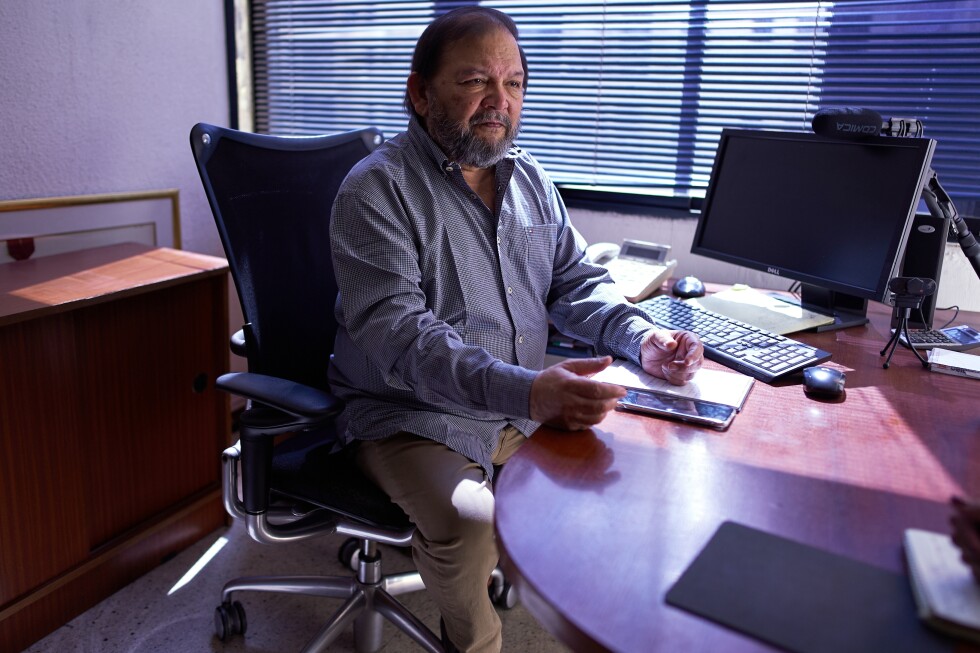
    CARACAS, Venezuela — In the wake of Nicolás Maduro’s U.S.-orchestrated overthrow, Venezuela is witnessing a tentative political renaissance as former dissidents cautiously emerge from hiding. Among them is Andrés Velásquez, a former governor who had grown a thick beard and sent his children into exile fearing reprisals after campaigning against Maduro in the disputed 2024 election.

    Velásquez’s January 19 video statement supporting Maduro’s removal marked a turning point—followed days later by a bold appearance outside Caracas’ notorious Helicoide prison demanding freedom for political prisoners. “We must dismantle the entire repressive apparatus in the hands of the state,” he declared. “Venezuela will be free!”

    This emerging openness, described by Velásquez as Venezuela’s ‘glasnost’ in reference to Soviet-era reforms, unfolds under the unusual stewardship of the Trump administration. Washington has employed financial incentives and threats of additional military strikes to advance its pledge to “run” Venezuela from afar, creating a paradoxical transition where political liberalization occurs under foreign tutelage.

    Acting President Delcy Rodríguez, a longtime Maduro ally, has announced surprising measures including a general amnesty that could free hundreds of opposition figures and the transformation of the infamous Helicoide prison into a cultural complex. “May this law serve to heal the wounds left by political confrontation,” she stated surrounded by ruling-party stalwarts.

    Yet skepticism persists among human rights experts. Pedro Vaca of the Inter-American Commission on Human Rights cautioned that “Venezuela’s civic space is still a desert,” describing emerging critical voices as “seeds breaking through hardened ground” rather than evidence of genuine democratic transformation.

    The landscape remains fraught with contradictions. While private media outlets like Venevision and Globovision have begun reintroducing critical voices, Rodríguez’s allies simultaneously resist meaningful liberalization. Interior Minister Diosdado Cabello recently accused media of participating in plots to sow chaos, and access to social media platform X remains restricted.

    For activists like journalist Carlos Julio Rojas, who endured 638 days of imprisonment and torture, the psychological barriers remain formidable. “For me, not speaking meant I still felt imprisoned,” said Rojas, who defied gag orders just days after his release. “The biggest obstacle we have to overcome is fear.”

    As Venezuela navigates this uncertain transition, the ultimate destination of Washington’s political experiment remains unclear—with both hope and apprehension marking this fragile moment of change.

  • China speeds up post-disaster rebuilding to secure sustainable future for quake-hit county

    China speeds up post-disaster rebuilding to secure sustainable future for quake-hit county

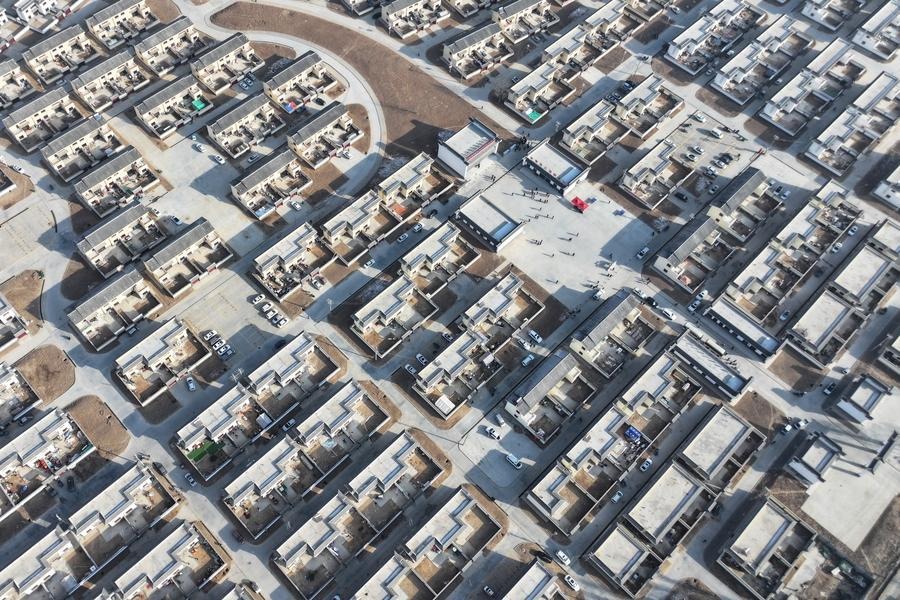
    In an extraordinary demonstration of national mobilization, China has completed a comprehensive three-year reconstruction program in just two years for Jishishan county, Northwest China’s Gansu province, following the devastating December 2023 earthquake that measured 6.2 magnitude.

    The seismic event, which struck with destructive force, damaged over 230,000 rooms and affected approximately 240,000 residents across more than 50,000 households. The disaster rendered numerous homes uninhabitable, including that of An Mingqiang, a 47-year-old farmer whose property suffered severe structural damage.

    Rather than facing a typical agricultural slack season, An now manages an unexpectedly busy schedule tending to his livestock and crops—a testament to the remarkable recovery efforts. Through systematic reconstruction policies implemented since March 2024, An received substantial financial support including a 75,000 yuan subsidy and a 50,000-yuan subsidized loan to rebuild his residence on its original site.

    The reconstruction achievement is particularly notable given Jishishan’s challenging environmental conditions. With an average altitude exceeding 2,200 meters and temperatures frequently dropping below -10°C during harsh winters, construction teams from across Gansu province worked tirelessly against climatic obstacles and tight deadlines.

    Their efforts culminated in the repair of homes for 28,927 households, the reconstruction of 10,080 houses on original sites, and the completion of all 10,015 new homes across 13 centralized resettlement areas within an eight-month period—a feat residents have come to recognize as characteristic ‘China speed’ efficiency.

    Beyond housing solutions, Jishishan county has implemented comprehensive industrial revitalization strategies to ensure sustainable livelihoods. These measures include robust support for livestock through subsidies for purchasing cattle, sheep, and feed; promotion of high-value cash crops like ginseng fruit, pumpkins, and nectarines with free seedlings; land-use rights transfers; greenhouse construction; and deployment of agricultural experts for on-site guidance.

    The results speak for themselves: An Mingqiang reported earning tens of thousands of yuan from pumpkin sales alone last year, supplemented by over 80,000 yuan from livestock sales. He has diversified into egg-laying pigeons (whose eggs command 3-5 yuan each) and beekeeping, with 15 hives producing approximately 75 kilograms of honey annually selling for up to 160 yuan per kilogram.

    According to Mao Jinhuang, professor at Lanzhou University’s School of Economics, Jishishan’s recovery exemplifies efficient and pragmatic reconstruction methodology. This success stems from scientific planning, systematic resource allocation, collaborative societal support, and mutual aid among affected residents—collectively providing a global benchmark for effective post-disaster reconstruction.

  • US, Iran confirm nuclear talks in Oman after venue and agenda dispute

    US, Iran confirm nuclear talks in Oman after venue and agenda dispute

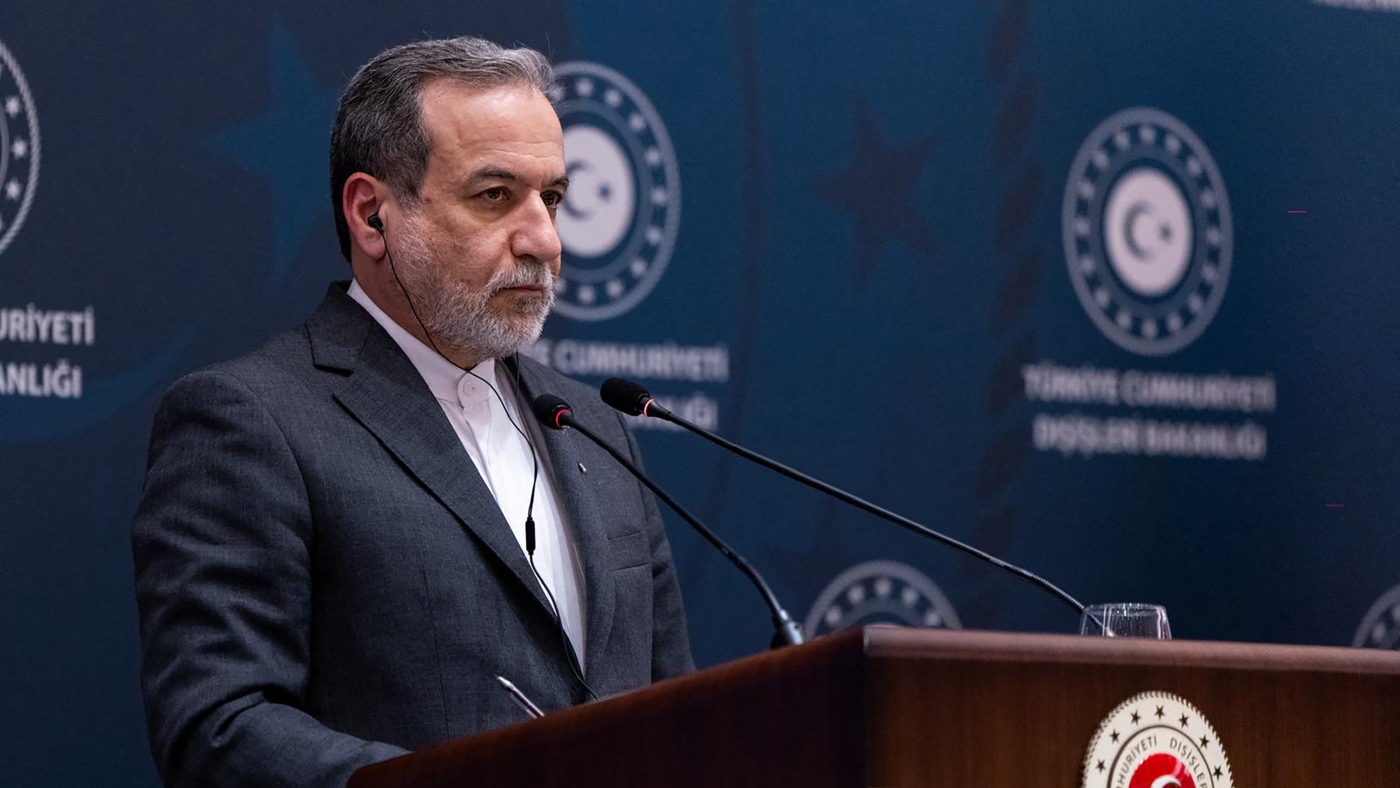
    Diplomatic channels have been reactivated as Iran and the United States have finalized arrangements to convene crucial negotiations concerning Tehran’s nuclear program this Friday in Muscat, Oman. This development follows a period of uncertainty during which the talks appeared on the verge of collapse due to disagreements over the appropriate venue and format.

    The breakthrough was reportedly facilitated by intense diplomatic lobbying from several Middle Eastern leaders who urgently appealed to the Trump administration to re-engage. Iranian Foreign Minister Abbas Araghchi publicly confirmed the scheduled meeting via social media, expressing gratitude to Omani authorities for their mediating role and for making ‘all necessary arrangements.’ Oman has historically served as an intermediary for indirect communications between the two nations.

    White House officials have concurrently verified the timing and location of the upcoming dialogue. This diplomatic movement occurs against a backdrop of escalating military tensions in the Persian Gulf, characterized by a significant American military build-up and repeated threats of potential armed action from President Donald Trump.

    Initially planned for Turkey, the venue was shifted to Oman at Iran’s insistence, seeking continuity with previous nuclear discussions held in the Gulf Arab state. Iranian officials have firmly established the parameters of the negotiation, explicitly stating that while they are prepared to discuss nuclear matters within a framework of mutual respect, their ballistic missile program and national defense capabilities are unequivocally non-negotiable. This position directly contradicts reported U.S. desires to broaden the agenda.

    President Trump has simultaneously intensified rhetorical pressure, refusing to dismiss the possibility of military escalation and issuing stark warnings to Iranian Supreme Leader Ayatollah Ali Khamenei. The fundamental discord persists, with the U.S. and Israel alleging Iran seeks nuclear weapons—a claim Tehran consistently denies, maintaining its nuclear ambitions are purely peaceful.

  • Nestle recalls more Guigoz baby formula as France tightens toxin level

    Nestle recalls more Guigoz baby formula as France tightens toxin level

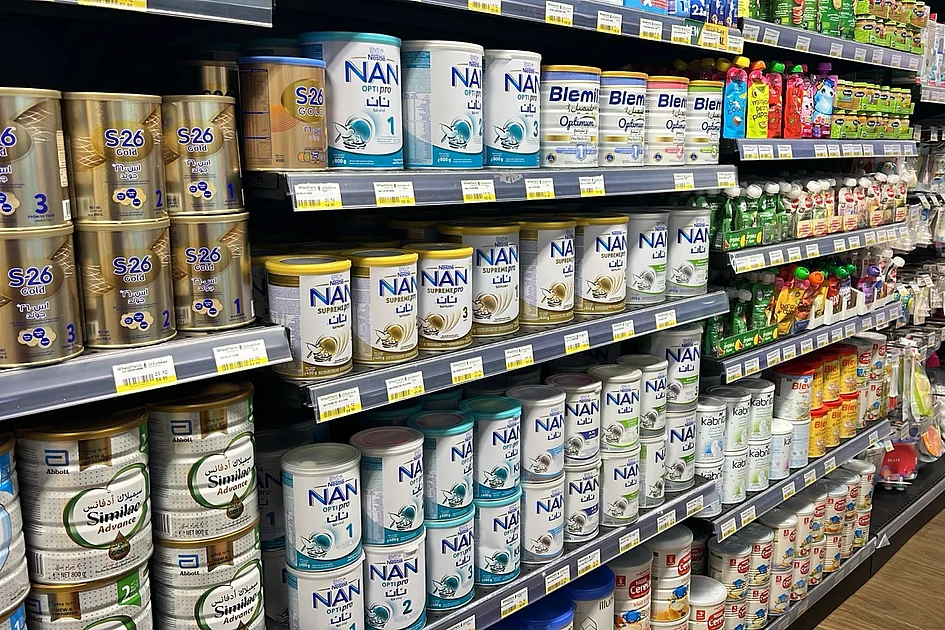
    In a significant development for infant nutrition safety, Nestle has broadened its recall of Guigoz-brand baby formula products following France’s decision to implement more stringent regulations regarding cereulide toxin levels. This move contradicts earlier analyst predictions that additional withdrawals would be unnecessary.

    The expanded recall comes as detection methods for cereulide—a toxin known to cause nausea, vomiting, and other gastrointestinal symptoms—have become increasingly sophisticated. The contamination originated from ingredients sourced from a Chinese manufacturing facility that supplies multiple major infant formula producers, including industry giants Danone and Lactalis.

    France’s revised safety threshold, established last Saturday, represents a proactive measure to enhance consumer protection amid growing international concern. The decision followed consultations with the European Food Safety Authority (EFSA), which subsequently issued comparable guidance earlier this week.

    Despite assertions from Barclays and Jefferies analysts that Nestle and Danone would likely avoid further recalls, Nestle proceeded with voluntary market withdrawals. This marks the third recall incident since December, when initial contaminations were identified.

    The situation has gained additional gravity as French authorities investigate potential connections between the contaminated products and the tragic deaths of two infants. While both Nestle and French health officials emphasize that no conclusive evidence currently links the formula to these fatalities, results from ongoing investigations are anticipated within days.

    The contamination event has triggered widespread product recalls across dozens of countries, generating substantial concern among parents and caregivers regarding infant nutrition safety standards and international supply chain oversight.

  • Overfishing in Philippines wipes out 45 million kilos of fish annually, new study reveals

    Overfishing in Philippines wipes out 45 million kilos of fish annually, new study reveals

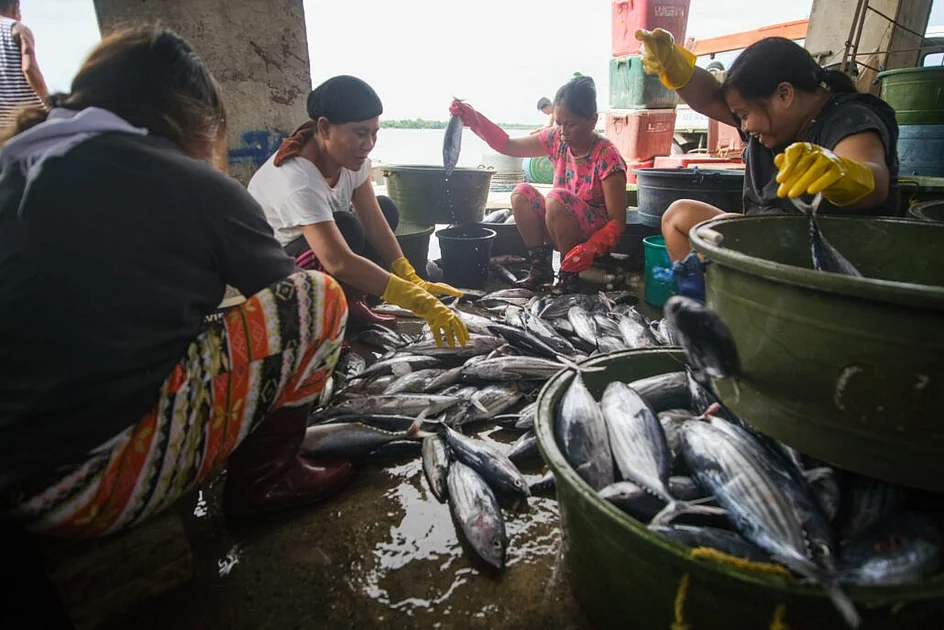
    A startling new assessment by international marine conservation organization Oceana has exposed a severe fisheries collapse in the Philippines, revealing annual losses exceeding 45 million kilograms of fish—a volume equivalent to discarding a fully loaded jumbo jet’s worth of seafood from national waters daily. The comprehensive study, titled ‘The Philippine Fisheries Assessment, A Glimpse of RA 10654’s 10-Year Implementation,’ attributes this catastrophic 13-year decline to systemic governance failures and inadequate law enforcement.

    The archipelago nation, possessing the world’s fifth-longest coastline spanning 36,289 kilometers across 7,000 islands, now confronts a mounting food security emergency. Fisheries production has plummeted from 2.6 million metric tons in 2010 to just 1.9 million metric tons in 2023, with 88% of fish stocks classified as overfished and depleted according to government assessments.

    Oceana Vice President Von Hernandez presented these findings at the University of the Philippines in Manila, warning that the crisis is driving generational poverty in coastal communities where seafood serves as the primary protein source. The report indicates that over 353,000 fisherfolk families fell below the poverty line in 2023, with approximately 93,000 households unable to afford basic nutritional requirements.

    The study identifies multiple contributing factors: weak implementation of the Fisheries Code, commercial fishing encroachment into protected municipal waters detected through satellite monitoring of 270,165 night lights, and the alarming aging of the fishing workforce—now averaging 49-52 years—as younger generations abandon the industry due to meager monthly incomes ranging from ₱2,500 to ₱7,000 (US$45-125).

    Additionally, activist coalition Pamalakaya cites China’s maritime incursions since 2013 as exacerbating the crisis, reporting an 80% income reduction among Filipino fishermen operating near the West Philippine Sea. Oceana has urgently called upon President Ferdinand Marcos Jr. to investigate responsible officials and reverse this dangerous trajectory threatening both national food sovereignty and marine biodiversity.

  • Organizers say a new civilian-led aid flotilla with over 10 will sail to Gaza in March

    Organizers say a new civilian-led aid flotilla with over 10 will sail to Gaza in March

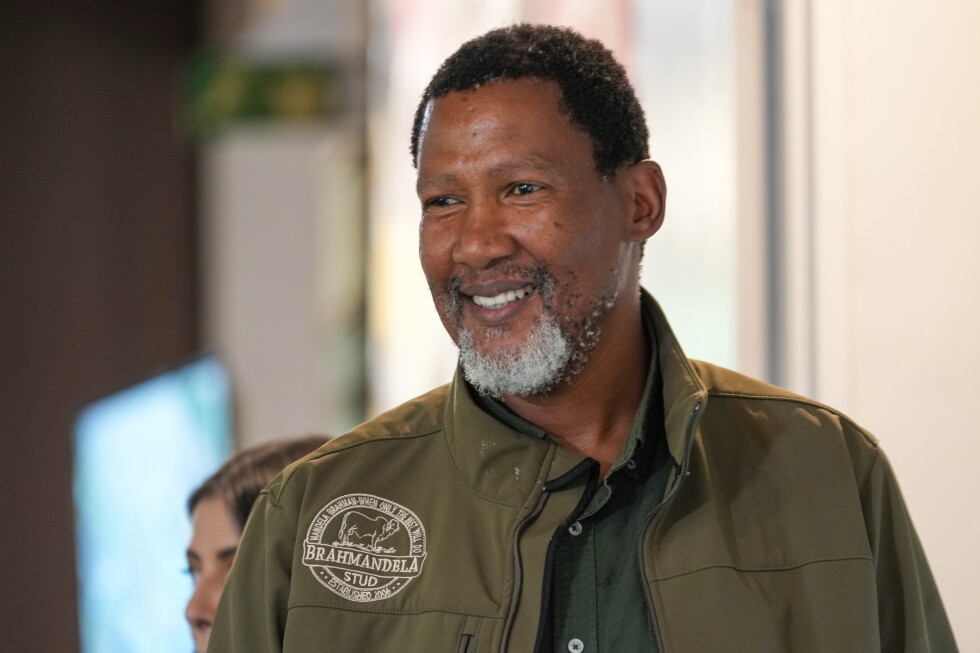
    JOHANNESBURG — In a significant escalation of civilian-led humanitarian efforts, international organizers have unveiled plans for a massive flotilla mission comprising over 100 vessels destined for Gaza in March. The announcement, made at the Nelson Mandela Foundation in South Africa, represents what campaigners describe as the largest civilian mobilization against Israel’s ongoing operations in the Palestinian territory.

    Mandla Mandela, grandson of the late South African president and a participant in last year’s intercepted mission, joined speakers in calling for international protection against Israeli interception of the humanitarian operation. The flotilla organizers explicitly invoked the International Court of Justice’s provisional ruling in South Africa’s case against Israel, arguing that international law prohibits nations from obstructing humanitarian missions to Gaza.

    The upcoming mission will feature an unprecedented scale of participation, with over 1,000 activists including medical professionals, war crimes investigators, and engineers. A supporting land convoy is expected to attract thousands additional participants from across North Africa and the Middle East. Departure points have been established in Spain, Tunisia, and Italy, with organizers anticipating broad mobilization through Egypt, Lebanon, Jordan, and other accessible borders.

    This development occurs despite the UN reporting that hundreds of thousands of humanitarian pallets have been processed through Gaza crossings since October’s fragile ceasefire. However, Israel’s suspension of more than two dozen aid organizations for non-compliance with new registration requirements has exacerbated the humanitarian crisis affecting Gaza’s 2 million residents.

    Organizers acknowledge the likelihood of confrontation with Israeli forces but maintain their legal protection under international law. The choice of the Nelson Mandela Foundation for the announcement deliberately highlighted Nelson Mandela’s historical support for Palestinian self-determination, coinciding with South Africa’s recent diplomatic actions including the expulsion of Israel’s deputy ambassador.

    The previous flotilla mission in 2023 involved approximately 50 vessels and 500 activists, resulting in the detention of 443 participants—including Mandela, climate activist Greta Thunberg, and European Parliament member Rima Hassan—after Israeli forces employed water cannons against boats in international waters.

  • Cubans rendered powerless as outages persist and tensions with US escalate

    Cubans rendered powerless as outages persist and tensions with US escalate

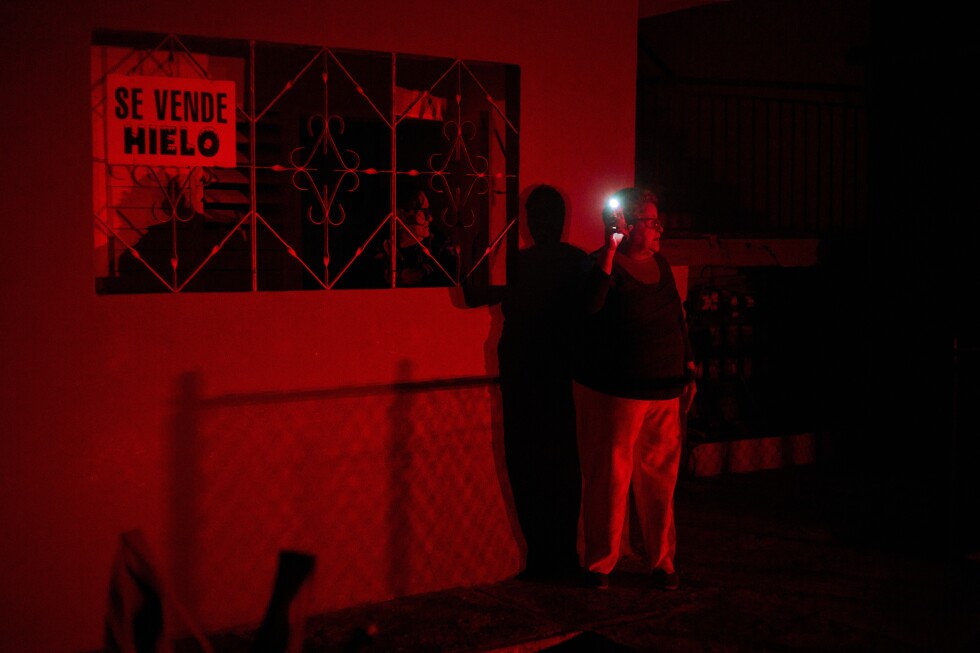
    SANTA CRUZ DEL NORTE, Cuba — In this coastal community where sulfur scents the air from petroleum production and one of Cuba’s largest thermoelectric plants operates, residents exist in paradoxical darkness. Despite reactivated energy infrastructure, the people of Santa Cruz del Norte face escalating hardships as geopolitical tensions between Washington and Havana trigger severe fuel shortages.

    The town east of Havana has become emblematic of Cuba’s deepening crisis, where daily blackouts force residents to revert to primitive cooking methods. Kenia Montoya, a 50-year-old mother, recently dismantled her bathroom door for firewood to feed her children. ‘Things are getting worse for us now,’ she lamented, gesturing toward the faded purple sheet currently serving as her bathroom door.

    This deterioration follows U.S. President Donald Trump’s threat to impose tariffs on nations supplying oil to Cuba, effectively strangling the island’s energy imports. ‘Well, it’s a failed nation now,’ Trump declared this week. ‘They’re not getting any money from Venezuela, and they’re not getting any money from anywhere.’

    The Cuban government remains silent regarding oil reserves, offering no clarity on potential Russian assistance following disrupted Venezuelan shipments after U.S. actions against Venezuela’s leadership in January. While Mexican humanitarian aid including food has been pledged, residents fear worsening conditions.

    Gladys Delgado, 67, survives on a $6 monthly pension while sewing colorful rugs from clothing scraps for supplemental income. ‘With all those tariffs they’re going to impose on countries, no oil will come in, and how are we going to live?’ she questioned.

    The human impact manifests in countless small tragedies: diabetic Minorkys Hoyos cooking cassava in darkness, her rechargeable lights broken; children playing with dominoes on dusty sidewalks; families celebrating birthdays early to avoid evening blackouts.

    Despite the town’s mural proclaiming ‘NO ONE GIVES UP HERE. LONG LIVE A FREE CUBA,’ residents increasingly wonder about their endurance capacity. The crisis combines severe blackouts, soaring prices, and critical shortages of basic goods, creating what local Iván Amores describes as ‘truly torture’ compared to former prosperity.

    As temperatures dropped to record lows in late January, the resourcefulness Cubans are renowned for—improvised lanterns using baby food jars, handmade tube lights with USB ports—becomes essential yet increasingly inaccessible for pensioners like Mariela Viel, who receives $8 monthly after 40 years of service.

    Through the darkness, moments of resilience persist. Birthday celebrations continue under yellow moons, with music blasting from scooter speakers as 61-year-old Olga Lilia Laurenti philosophizes: ‘You’re not going to waste part of your life on something that’s out of your control… You need laughter, you need joy.’