作者: admin

  • Soon, AI engineer at Dewa to help reduce operational costs, enhance reliability

    Soon, AI engineer at Dewa to help reduce operational costs, enhance reliability

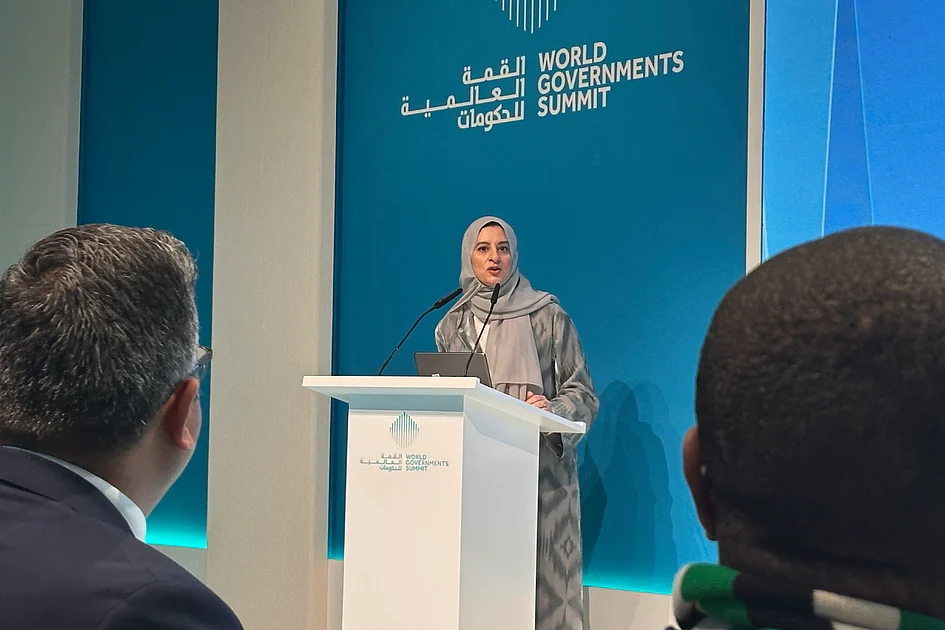
    Dubai Electricity and Water Authority (DEWA) is poised to revolutionize energy sector operations with the scheduled deployment of an artificial intelligence ‘virtual engineer’ in June 2026. The announcement, made during a keynote address at the World Government Summit, represents a significant milestone in utility digitalization.

    The sophisticated AI system will function as an expert analytical tool, continuously monitoring and optimizing the performance of DEWA’s power generation infrastructure. Engineered to process massive datasets from power plants through advanced machine learning algorithms, the virtual engineer will deliver predictive maintenance alerts, perform root cause analysis, and provide performance enhancement recommendations.

    This technological innovation forms the cornerstone of DEWA’s comprehensive strategy to become the world’s first fully AI-integrated utility provider. The system’s implementation is projected to substantially reduce operational expenditures while simultaneously improving grid reliability through proactive maintenance protocols and operational efficiency optimization.

    DEWA’s digital transformation extends beyond the virtual engineer initiative. The authority’s Digital DEWA subsidiary has already demonstrated AI capabilities through the ‘Rammas’ virtual employee platform, which has successfully addressed over 12 million customer inquiries. Additionally, AI implementation at the Mohammed bin Rashid Al Maktoum Solar Park—the world’s largest single-site solar facility—has enhanced solar panel efficiency, improved energy production forecasting, and optimized storage solutions.

    The United Arab Emirates continues to demonstrate global leadership in artificial intelligence adoption, with recent reports from Microsoft and Oxford Insights ranking the nation first worldwide in AI tool implementation and among the top performers in the 2025 Government AI Readiness Index. DEWA’s initiatives align with broader national objectives to achieve climate neutrality by 2050 while establishing Dubai as a global hub for both sustainability innovation and artificial intelligence development.


  • Saudi suspends 1,800 Umrah agencies: UAE operators urge pilgrims to follow approved plans

    Saudi suspends 1,800 Umrah agencies: UAE operators urge pilgrims to follow approved plans

    In a significant regulatory move, Saudi Arabian authorities have suspended approximately 1,800 foreign Umrah travel agencies, creating substantial operational challenges during the peak Ramadan pilgrimage season. The mass suspension, attributed to performance deficiencies and substandard service quality, has prompted urgent responses from UAE-based operators who are now implementing stringent compliance measures.

    According to travel industry experts in the UAE, Saudi Arabia’s enhanced digital monitoring system now comprehensively tracks pilgrims throughout their spiritual journey. The integrated platform meticulously records visa particulars, accommodation arrangements, transportation logistics, and departure schedules. Any discrepancy between documented itineraries and actual pilgrim activities triggers immediate accountability measures against the associated travel agency.

    UAE operators have identified several critical compliance violations that precipitated the widespread suspensions:

    1. Incomplete Package Bookings: Many pilgrims historically obtained Umrah visas without securing accompanying hotel or transportation services, creating systemic gaps in the monitoring framework.

    2. Unauthorized Accommodation Changes: Pilgrims frequently alter pre-approved hotel reservations after arriving in Saudi Arabia, generating mismatches between digital records and actual stays.

    3. Private Residence Stays: Choosing to reside with relatives rather than authorized hotels constitutes a direct violation of Umrah regulations.

    4. Unapproved Hotel Selection: Economic considerations sometimes lead pilgrims to select cheaper accommodations not sanctioned by Saudi authorities.

    5. Unregistered Transportation: Self-arranged travel within the Kingdom creates undocumented movement patterns undetectable by monitoring systems.

    6. Visa Overstays: Failure to depart Saudi Arabia before visa expiration represents a serious regulatory breach.

    Industry representatives Qaiser Mahmood of Asaa Travel and Tourism and Shihab Perwad of Rehan Al Jazeera Tourism emphasize that post-confirmation itinerary modifications create substantial operational and compliance challenges. The current environment demands strict adherence to pre-approved plans without deviation.

    UAE operators now universally recommend comprehensive package bookings that include all required services rather than visa-only arrangements. The emerging operational paradigm prioritizes transparency and strict compliance with Saudi Arabia’s enhanced regulatory framework, recognizing that individual pilgrim choices directly impact agency viability in the newly stringent regulatory environment.

  • Chairman of major US law firm steps down after Epstein files release

    Chairman of major US law firm steps down after Epstein files release

    Brad Karp has relinquished his position as chairman of elite law firm Paul Weiss amid revelations contained within recently unsealed Department of Justice documents detailing his communications with convicted sex offender Jeffrey Epstein. The disclosure, part of a comprehensive document release concerning the Epstein investigation, contains numerous email exchanges between the prominent attorney and the disgraced financier.

    Among the correspondence is a 2016 email where Karp allegedly sought Epstein’s assistance in securing a film production role for his son with director Woody Allen. More significantly, a March 2019 email—sent just four months prior to Epstein’s arrest on sex trafficking charges—appears to show Karp commenting on legal documents related to Epstein’s 2008 plea agreement, stating ‘The draft motion is in great shape’ according to Bloomberg’s analysis of the correspondence.

    In an official statement released Wednesday, Karp announced his resignation, noting that ‘Recent reporting has created a distraction and has placed focus on me that is not in the best interests of the firm.’ The statement notably omitted any direct reference to the Epstein documents. Paul Weiss simultaneously announced that corporate practice chair Scott Barshay would assume the chairman role, praising Karp’s ‘immense contributions’ over his four-decade tenure.

    The law firm maintains that it never formally represented Epstein and previously stated that while Karp had known the financier, he ‘never witnessed or participated in any misconduct.’ According to the firm, their association consisted of ‘two group dinners in New York City and a small number of social interactions by email, all of which he regrets.’

    Karp will remain with Paul Weiss as a practicing attorney, focusing exclusively on client services. His resignation concludes a turbulent period that included his negotiation of a $40 million pro bono legal services agreement with the Trump administration in exchange for the rescission of an executive order targeting the firm. The Epstein documents continue to reveal connections between the financier and numerous powerful figures across legal, financial, and political spheres.

  • Seven Toronto police officers arrested in corruption probe

    Seven Toronto police officers arrested in corruption probe

    A sweeping corruption investigation has resulted in the arrest of seven active Toronto police officers and one former service member, uncovering a web of criminal activity that includes alleged drug trafficking and a conspiracy to commit murder. The probe, which also led to the apprehension of seven civilians, was triggered by a June 2025 incident where officers were accused of attempting to assassinate a corrections official at his private residence.

    Authorities revealed that some officers allegedly engaged in trafficking fentanyl and cannabis, while three civilians are charged with plotting to murder the prison manager. Four other arrested civilians face charges linked to international organized crime networks, including allegations of bribing officers for confidential information to facilitate extortion schemes.

    Police Chief Myron Demkiw characterized the situation as particularly damaging due to organized crime’s penetration of law enforcement, stating the harm extends far beyond immediate wrongdoing. All seven officers have been suspended, with Demkiw seeking to suspend them without pay where appropriate.

    The investigation, dubbed a collaborative effort involving over 400 officers from multiple agencies including York Regional Police and Ontario Provincial Police, was described by York Police Chief Jim MacSween as demonstrating ‘the insidious and corrosive nature of organized crime.’

    Surveillance footage presented at Thursday’s press conference showed three masked armed men ramming a police vehicle in the corrections official’s driveway. Despite the severity of the internal corruption, Chief Demkiw confirmed he has not been asked to resign while acknowledging the situation has generated significant public distrust.

  • Weekly quiz: How did this boxer lose his hair during a fight?

    Weekly quiz: How did this boxer lose his hair during a fight?

    This week witnessed significant developments across multiple news spheres, capturing international attention with a diverse range of stories. The judicial landscape was dominated by the substantial release of millions of additional court documents pertaining to the late financier and convicted sex offender Jeffrey Epstein. These files continue to fuel global discourse on accountability and legal transparency in high-profile cases.

    In a remarkable survival story, a British national provided a firsthand account to the BBC detailing his harrowing confrontation with a lethal shark species. This gripping narrative has sparked renewed conversations about marine safety and human-wildlife interactions in coastal regions.

    Meanwhile, popular culture intersected with fiscal responsibility as recording artist Harry Styles garnered recognition for his financial contributions to public services. The singer was officially listed among the United Kingdom’s highest individual taxpayers, highlighting the substantial economic impact of successful entertainment careers on national revenue.

    These developments occurred alongside numerous other global events throughout the past seven days, prompting reflection on news consumption patterns and public attention spans in the digital age. News organizations continue to employ interactive formats like weekly quizzes, compiled by journalists such as Ben Fell, to engage audiences with current affairs retrospectives and archival content.

  • Morocco evacuates 140,000 people as torrential rains and dam releases trigger floods

    Morocco evacuates 140,000 people as torrential rains and dam releases trigger floods

    RABAT, Morocco — Moroccan authorities have mobilized military units to execute one of the nation’s largest emergency evacuations, relocating over 140,000 residents from northwestern regions as catastrophic flooding submerges urban areas and agricultural lands. The Interior Ministry confirmed the mass displacement Thursday after torrential rainfall triggered dam overflow and severe river swelling.

    The Loukkous River and its tributaries breached their banks following what meteorologists describe as ‘exceptional’ climate conditions, forcing controlled water releases from critically saturated reservoirs. The Oued Al Makhazine dam near Ksar El Kebir—a key agricultural hub renowned for sugar production—discharged over 372 million cubic meters of water after exceeding its 672.8 million cubic meter capacity by 46%.

    Urban centers have transformed into ghost towns, with Ksar El Kebir experiencing 85% depopulation as residents fled to government-established shelters or relatives’ homes. Witness footage obtained by The Associated Press reveals structural collapses and landslide devastation in the mountainous community of Bni Zid, where earthmoving equipment struggles to clear debris from isolated roadways.

    The hydrological emergency presents a paradoxical crisis for the North African nation. While ending a seven-year drought cycle and securing drinking water reserves for approximately one year, the deluge has devastated avocado, potato, and olive cultivations while paralyzing transportation networks. Maritime operations between Moroccan and Spanish ports face significant disruptions, with rising Sebou River levels halting rail services and submerging infrastructure.

    Climate data reveals Morocco received 150 millimeters of precipitation during the past six months—surpassing annual averages by 32.5%—prompting the national meteorology directorate to issue red alerts for impending rainfall. Emergency protocols remain activated as officials balance reservoir management against continued precipitation in what represents both a water security breakthrough and humanitarian challenge.

  • UAE eliminates 4,000 government procedures, unlocks Dh1 billion annually

    UAE eliminates 4,000 government procedures, unlocks Dh1 billion annually

    In a radical transformation of its governance model, the United Arab Emirates has achieved unprecedented success through its Zero Government Bureaucracy Programme, eliminating more than 4,000 administrative procedures and reducing service delivery times by over 70%. The comprehensive reform has yielded extraordinary results: saving 12 million work hours annually and unlocking approximately Dh1 billion in economic value each year.

    Huda Al Hashimi, UAE Deputy Minister of Cabinet Affairs for Strategic Affairs, revealed these groundbreaking achievements during her address at the World Government Summit in Dubai. She presented bureaucracy not as a peripheral administrative concern but as a fundamental economic variable that directly impacts national competitiveness. “Every unnecessary procedure is a hidden tax on entrepreneurship,” Al Hashimi asserted. “Every fragmented approval process represents a significant barrier to investment.”

    The Zero Government Bureaucracy Programme stands as the central pillar of the UAE’s innovative governance framework, designed specifically to enable economies to “design forward” rather than merely playing catch-up with global standards. Al Hashimi emphasized that ambitious national strategies frequently fail because “the machinery of implementation was too heavy,” warning that “you cannot outgrow your own friction.”

    The UAE’s approach is built upon a sophisticated four-pillar strategy for economic resilience and competitiveness:

    First, the principle of ‘Know Your Competitive Advantage’ encourages economies to concentrate on their unique strengths rather than attempting excellence across all sectors. For the UAE, this strategic focus on openness, private sector development, and financial system strength has produced remarkable results, including achieving 95% of non-oil foreign trade targets five years ahead of schedule.

    Second, ‘Clarity as an Economic Asset’ demonstrates how well-defined national visions like the ‘We the UAE 2031’ plan generate market confidence and direct investment flows toward strategic objectives. Al Hashimi explained that clarity actively removes economic friction, contrasting it with the confusion that undermines confidence when governments pursue multiple competing strategies simultaneously.

    Third, ‘Data and Strategic Intelligence’ addresses the challenges of radical uncertainty through substantial investments in artificial intelligence and data analytics. The UAE’s commitment of over Dh180 billion in AI since 2024 represents a strategic effort to enable superior intelligence, enhanced services, and improved outcomes across all sectors.

    Fourth, ‘Simplicity as a Growth Strategy’ forms the cornerstone of the entire approach, where treating bureaucracy as a core economic problem has directly empowered entrepreneurship and facilitated investment. By embedding simplicity into its governance DNA, the UAE has created an environment where operational speed generates opportunity, and opportunity drives sustainable growth.

    Al Hashimi concluded with a powerful statement on modern economic competitiveness: “The old advantages—natural resources, geography, population—still matter, but they are no longer decisive. What is decisive is the ability to see clearly, adapt quickly and execute with discipline.”

  • US and Russia agree to resume regular military contact

    US and Russia agree to resume regular military contact

    In a significant diplomatic breakthrough, the United States and Russia have agreed to restore high-level military communications following a crucial meeting in Abu Dhabi. The discussions occurred alongside broader talks addressing the ongoing conflict in Ukraine, marking a notable step toward de-escalation between the world’s two foremost nuclear powers.

    U.S. European Command confirmed the development in an official statement, emphasizing that the reestablished dialogue aims to foster “consistent military-to-military contact” as both nations work toward achieving a durable peace. This move aligns with former President Donald Trump’s repeatedly stated objective of normalizing U.S.-Russia relations.

    The timing of this announcement is particularly critical, coinciding with reports that both countries are negotiating an extension of the New START nuclear arms reduction treaty, which is set to expire imminently. Historically, even during periods of intense confrontation, Washington and Moscow have maintained open channels between their armed forces to prevent misunderstandings and reduce escalation risks. However, these communications were severed in 2021, just prior to Russia’s full-scale invasion of Ukraine.

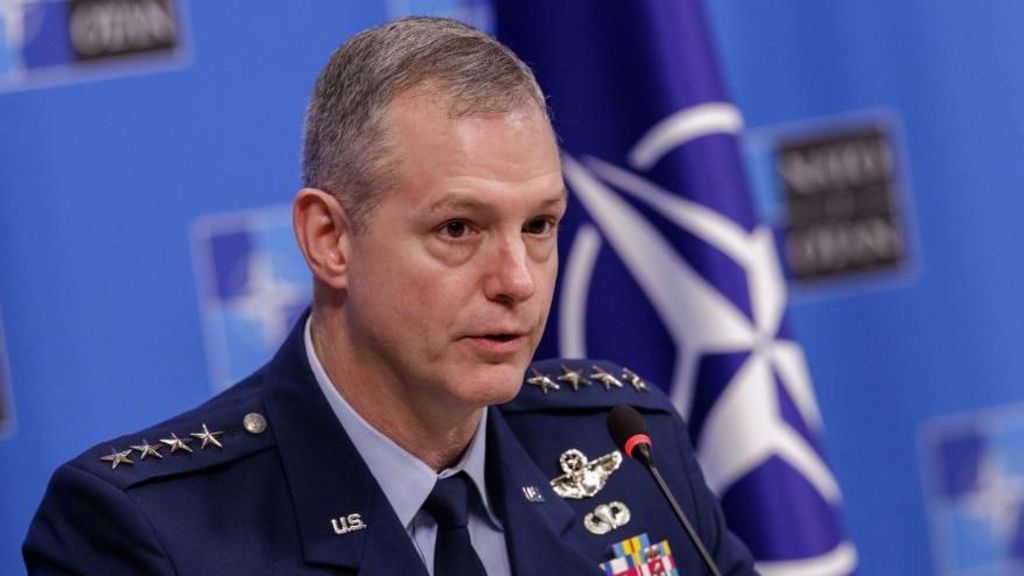
    Since the suspension, several incidents have heightened tensions, including Russian drones and warplanes entering NATO airspace, and U.S. unmanned aircraft operating over Syria and the Black Sea. The new agreement was finalized during talks in the United Arab Emirates, involving U.S. General Alexus Grynkewich—America’s and NATO’s top general in Europe—along with senior Russian and Ukrainian military officials.

    U.S. European Command underscored the importance of this renewed engagement, stating, “Maintaining dialogue between militaries is an important factor in global stability and peace, which can only be achieved through strength, and provides a means for increased transparency and de-escalation.” The primary objective is to minimize miscalculation and prevent unintended escalation by either side.

    While limited contact between U.S., NATO, and Russian military officers has occurred in recent years, this agreement institutionalizes a regular, high-level dialogue. Meanwhile, Russia expressed regret over the impending expiration of New START but affirmed its readiness to engage in discussions. The Kremlin has proposed extending the treaty, and spokesman Dmitry Peskov indicated that Russia would respond positively to U.S. cooperation.

    According to Axios, negotiations intensified over the past 24 hours in Abu Dhabi, with both countries nearing an agreement to uphold key provisions of New START. The treaty, originally signed in 2010, limits each side to 1,550 strategic nuclear warheads and 700 bombers or missiles. Its expiration would mark the first time in half a century that no legal framework exists to curtail the nuclear ambitions of either nation.

  • Russia and Ukraine exchange prisoners as peace talks end without breakthrough

    Russia and Ukraine exchange prisoners as peace talks end without breakthrough

    In a significant diplomatic development, Ukraine and Russia have executed their first prisoner exchange in four months, swapping 157 captives from each side following U.S.-mediated negotiations in Abu Dhabi. The carefully coordinated operation returned Ukrainian military personnel and civilians alongside Russian soldiers, marking a rare moment of cooperation amid ongoing hostilities.

    The exchange follows intensive trilateral discussions involving Russian, Ukrainian, and American delegations in the United Arab Emirates capital. According to Ukrainian President Volodymyr Zelensky, many of the repatriated Ukrainians had endured captivity since 2022, with seven civilians included among those returning to Ukrainian territory. Simultaneously, Russian defense officials confirmed their received personnel were temporarily stationed in Belarus.

    While the prisoner swap represents a humanitarian breakthrough, broader peace negotiations remain gridlocked on fundamental issues. The most contentious points involve territorial sovereignty over the eastern Donbas region, where Russia continues to demand Ukrainian concessions, and Kyiv’s insistence on binding security guarantees from Western allies to prevent future aggression.

    The Abu Dhabi talks, orchestrated by the Trump administration as part of its renewed diplomatic push, featured Special Envoy Steve Witkoff and Senior Advisor Jared Kushner. Despite characterizing discussions as “detailed and productive,” Witkoff acknowledged substantial obstacles remain before any comprehensive settlement can be achieved.

    The negotiations proceeded against a backdrop of renewed military action, with Russia resuming attacks on Ukrainian energy infrastructure after a brief humanitarian pause requested by President Trump during extreme winter conditions. These assaults have exacerbated the humanitarian crisis, leaving thousands without essential services in freezing temperatures.

    President Zelensky, while welcoming the return of captured citizens, emphasized the challenging nature of the talks and expressed desire for accelerated progress. The Ukrainian government maintains its commitment to securing the release of all remaining prisoners despite the complex diplomatic landscape.

  • Flying without real ID? Be ready to pay $45, TSA warns US air travellers

    Flying without real ID? Be ready to pay $45, TSA warns US air travellers

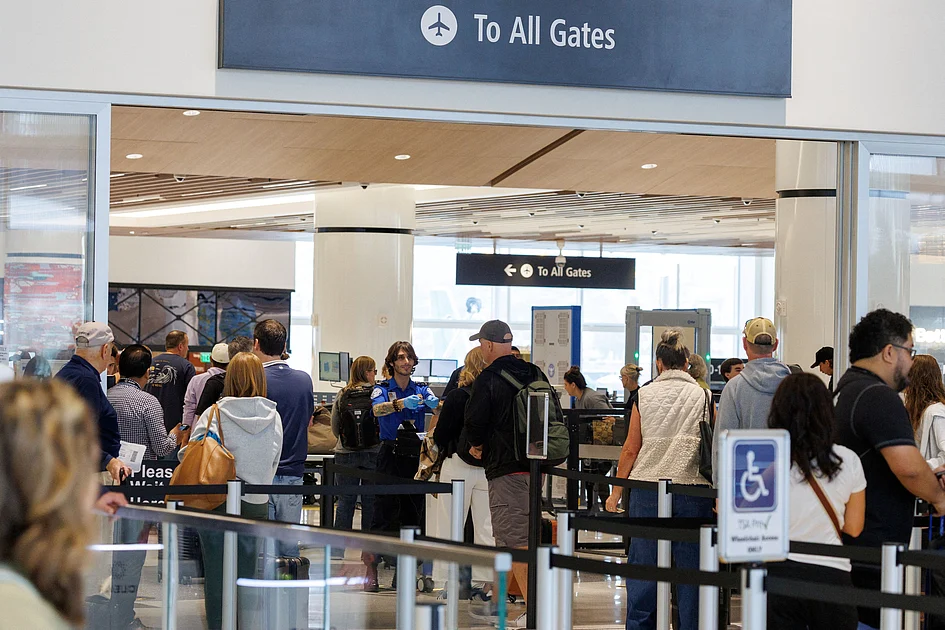
    The Transportation Security Administration (TSA) has initiated a significant policy shift, now mandating a $45 processing fee for air passengers lacking federally compliant identification. This measure, effective since February 1, 2026, targets the approximately 6% of daily travelers who continue to present identification that fails to meet enhanced security standards established under the REAL ID Act.

    TSA Deputy Administrator Ha Nguyen McNeil disclosed during a U.S. House of Representatives hearing that compliance rates have shown modest improvement, rising from 93% to 94% since enforcement began in May 2025. The agency previously issued warnings and conducted enhanced screenings before implementing the financial penalty.

    The substantial fee increase from the previous $18 charge reflects a comprehensive reassessment of processing costs associated with identity verification protocols. McNeil emphasized that the fee serves dual purposes: covering administrative expenses and maintaining aviation security by ensuring all passengers present adequate identification documentation.

    Travelers should note that the $45 fee provides airport access for a 10-day period and is nonrefundable. Those arriving at security checkpoints without prepayment may experience additional processing delays of up to 30 minutes. Exemptions apply to passengers under 18 years old, who are not required to present identification at airport checkpoints.

    Acceptable identification formats include state-issued driver’s licenses meeting REAL ID standards, valid passports from any government, permanent resident cards, Department of Defense identification, and Department of Homeland Security trusted traveler cards.

    The REAL ID standards originate from 2005 legislation implementing the 9/11 Commission’s recommendation that the federal government establish minimum security standards for identification documents. Despite congressional approval, full enforcement has experienced multiple delays over the past two decades. These enhanced identification standards are also required for access to federal buildings and secure facilities.