作者: admin

  • Indonesia makes case for regional integration

    Indonesia makes case for regional integration

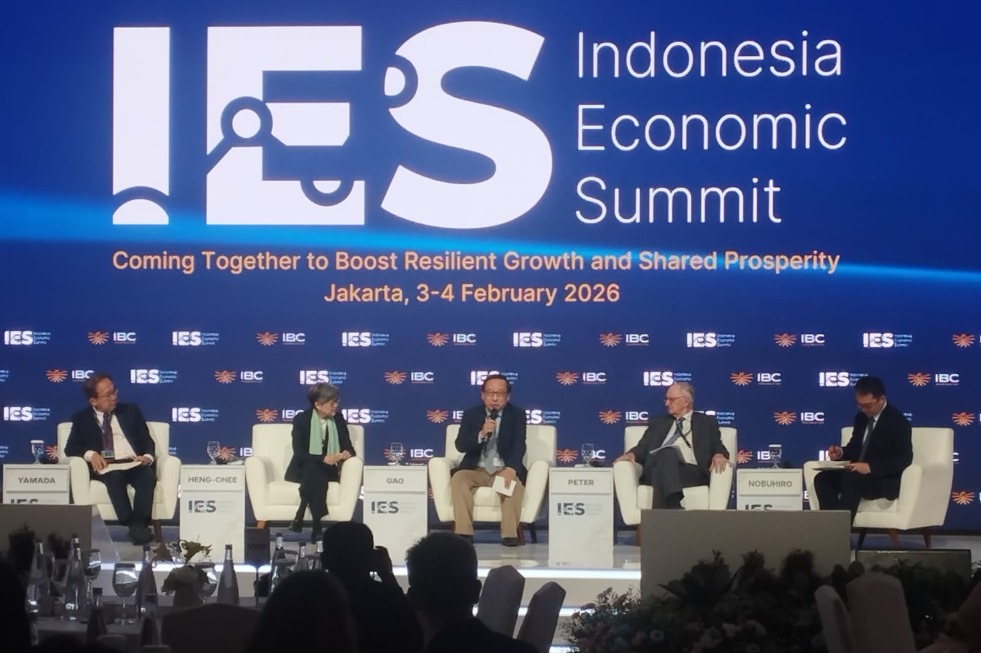
    At the Indonesia Economic Summit 2026 in Jakarta, a powerful consensus emerged among Asia-Pacific leaders: Southeast Asian nations must pursue deeper regional integration to navigate an increasingly complex global landscape. The two-day forum, themed ‘Coming Together to Boost Resilience Growth and Shared Prosperity’, brought together government officials, corporate executives, and academics to address shifting economic paradigms.

    Indonesia’s Economy Coordinating Minister Airlangga Hartarto set the tone by observing that contemporary global relations are now ‘based on realism’ rather than ideological divisions. Highlighting this transformation, Hartarto noted that recent World Economic Forum discussions in Davos had unusually focused on conflict rather than technological innovation—a significant departure from previous years.

    The minister emphasized the critical need for middle powers like Indonesia to strategically balance relationships with major powers amid geopolitical changes. Indonesia is currently negotiating trade and economic agreements with multiple partners including Canada, the European Union, Singapore, the United Kingdom, and the United States.

    ASEAN’s remarkable economic trajectory was highlighted as a model of regional cooperation. Teh Kok Peng, Chairman of East Asian Institute at National University of Singapore, stressed that ‘the more you get into the world of globalization, the more ASEAN needs to create scale.’ He specifically advocated for collaboration with China, Japan, and South Korea on developing the ASEAN Power Grid to enhance regional energy security.

    Arsjad Rasjid, Chairperson of the Indonesian Business Council’s board of trustees, emphasized translating diplomatic capital into tangible economic benefits. He pointed to China—Indonesia’s largest trading partner—as a valuable source of development lessons, particularly in food and energy resilience.

    The forum also featured international perspectives, with Victor Gao of the Center for China and Globalization praising Indonesia’s multilateral cooperation across the Arab world, China, Japan, Australia, and India. Meanwhile, Saudi representative Abdullah Saleh Kamel discussed Saudi Vision 2030’s market liberalization as evidence of growing international economic integration opportunities.

    Former Indonesian minister Bambang Brodjonegoro projected China’s emerging leadership role in Asia’s economic future, noting that ‘Asia needs China as it is moving toward high-income status.’ The collective message underscored that regional cooperation and strategic partnerships remain essential for sustainable growth in an era of geopolitical uncertainty.

  • Dubai official explains why city’s parks, beaches keep you coming back

    Dubai official explains why city’s parks, beaches keep you coming back

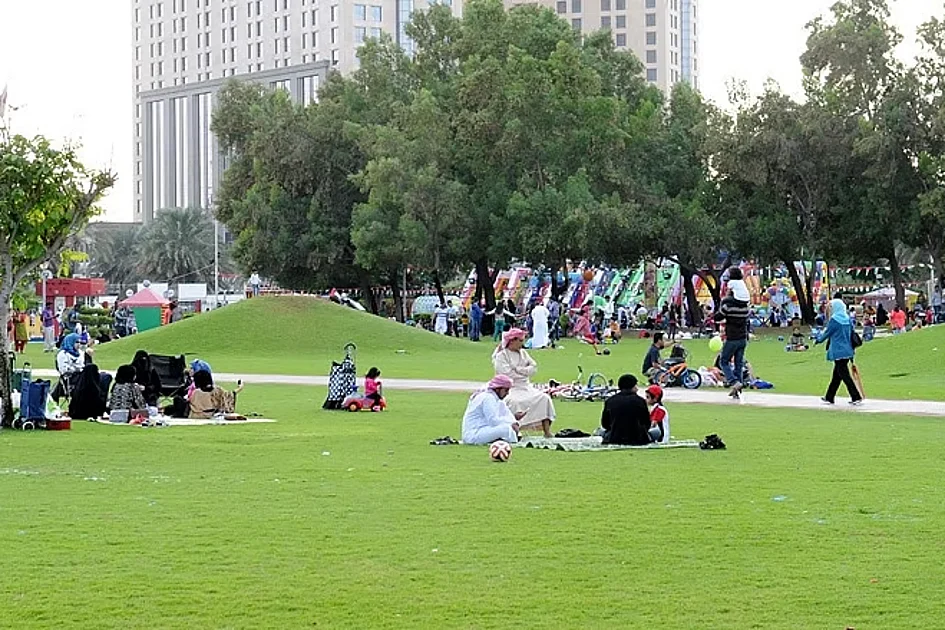
    DUBAI – The enchanting allure of Dubai’s public parks and beaches, where iconic skylines seamlessly blend with recreational spaces, is no mere coincidence. According to a senior municipal official, this magnetic charm is the product of meticulous research, strategic planning, and a fundamental shift in regulatory frameworks.

    Speaking at the concluding session of the World Governments Summit, Marwan Ahmed bin Ghalita, Director General of Dubai Municipality, revealed the philosophy underpinning the city’s public infrastructure. “Behind every swing, there is research to ensure it brings joy to a child and encourages repeated use,” Ghalita explained, emphasizing that success is measured by continuous public engagement and the creation of lasting memories.

    The core objective, he stated, is crafting environments that compel visitors to return repeatedly. This requires examining every minute detail through the lens of user experience and comfort, transforming standard public facilities into destinations with significant added value.

    Among Dubai’s groundbreaking innovations is the world’s first artificially illuminated night beach. While natural bioluminescent beaches exist globally, Dubai pioneered an artificial alternative using advanced lighting systems to create stunning nocturnal landscapes. This project required the municipality to adapt existing rules and regulations—a flexibility Ghalita cites as central to Dubai’s innovative spirit. “The beauty of Dubai is when you come up with a new idea, you change the rules for the benefit of the community,” he noted, attributing this adaptability to the city’s year-round tourist appeal.

    This announcement coincides with the recent unveiling of Dubai’s ambitious 2030 Blue and Green Spaces Roadmap. Valued at over $1.09 billion (Dh4.03 billion), this comprehensive plan aims to significantly expand the emirate’s green corridors and public beachfronts, including planting 1.5 million trees. This initiative reinforces Dubai’s commitment to enhancing quality of life through thoughtfully designed public realms that merge functionality with aesthetic excellence, ultimately strengthening the city’s fabric and global appeal.

  • Queen Máxima starts training to become a Dutch army reservist

    Queen Máxima starts training to become a Dutch army reservist

    In a striking demonstration of royal commitment to national defense, Queen Máxima of the Netherlands has commenced military training to become an army reservist. The 54-year-old monarch, born in Argentina, began her preparatory program this week at a military academy in Breda, following in the footsteps of her daughter Crown Princess Amalia who recently completed basic training.

    The Dutch Ministry of Defense confirmed the Queen’s voluntary enrollment, stating that her decision reflects growing concerns about European security in the wake of Russia’s ongoing conflict in Ukraine. ‘Because the security of the Netherlands can no longer be taken for granted, Máxima has decided to become a reservist,’ the ministry announced in an official communiqué.

    Her comprehensive training regimen will encompass practical and theoretical components including marksmanship, physical endurance exercises, self-defense techniques, topographic navigation, and military jurisprudence. Photographs released by the Royal House show the Queen actively participating in combat simulations, firearms training, and aquatic obstacle courses.

    Upon completion, Queen Máxima will receive the rank of lieutenant-colonel and will be deployed according to operational requirements. While reservists typically serve within national borders, overseas assignments remain possible on a voluntary basis.

    This royal initiative coincides with broader European efforts to strengthen military capabilities. The incoming Dutch coalition government plans to expand armed forces to 122,000 personnel from the current 80,000, while Germany, France, Denmark, and Belgium have implemented parallel recruitment strategies. These measures respond to heightened security apprehensions across the continent and align with NATO’s revised defense spending targets established during the 2023 summit.

    Defense officials express optimism that the Queen’s participation will inspire broader civic engagement with military service, potentially addressing recruitment challenges that have persisted for years.

  • Explained: 4 methods countries use to determine start dates for Ramadan, Eid

    Explained: 4 methods countries use to determine start dates for Ramadan, Eid

    As each Hijri month draws to a close, a unique celestial vigil unfolds across the Muslim world. Religious authorities and trained observers fix their gaze on the western horizon, seeking the first faint sliver of the new crescent moon (Al hilal). This sighting, or lack thereof, determines the commencement of every Islamic month, a system rooted in a lunar calendar where months span 29 or 30 days. The process holds profound significance, particularly for defining the start of sacred periods like Ramadan, Eid Al Fitr, and Hajj. However, a singular, universal approach to moonsighting does not exist, leading to a tapestry of methodologies employed by different nations.

    Globally, Muslim communities adhere to one of four primary systems to declare the new month. The first is Local Physical Sighting (Ru’yah), which relies on direct human observation—either by the naked eye or with optical aids—after the Maghrib prayer. Verified sightings are reported to an official religious committee, which then makes a public announcement.

    Conversely, some nations prioritize Astronomical Calculations. Scientific data, including conjunction times, moon altitude, and visibility criteria, are used to predict the crescent’s appearance. This method is adopted in regions like Singapore, where persistent cloud cover and limited viewing spaces make physical observation impractical.

    A third approach involves following a Standard set by another country, often a nearby Muslim-majority nation or a religious epicenter like Makkah. This is particularly useful for Muslims in areas without established Islamic authorities, such as researchers in Antarctica.

    Finally, a Hybrid Approach is gaining traction, merging scientific calculation with physical confirmation. Astronomy determines if sighting is theoretically possible, guiding observers, but an official religious declaration based on actual witness reports remains the final arbiter.

    This diversity in practice, influenced by geography, weather, and time zones, explains why Islamic holidays can begin on varying dates across the world. Special committees, often supported by astronomers and advanced technology—as seen with the UAE’s pioneering use of drones and AI in 2025—are tasked with this critical duty, ensuring the lunar calendar continues to guide religious life with accuracy and reverence.

  • Guangzhou plans 45-minute fireworks show for Chinese New Year

    Guangzhou plans 45-minute fireworks show for Chinese New Year

    The southern Chinese metropolis of Guangzhou is preparing to welcome the Year of the Horse with an unprecedented fireworks spectacle over the Pearl River on February 17. Municipal authorities have announced a comprehensive 45-minute pyrotechnic display that will transform the city’s waterfront into a dazzling canvas of light and color.

    According to Ke Xiandong, Deputy Director of Guangzhou’s Bureau of Culture, Broadcast, Television and Tourism, this year’s exhibition will feature over 150,000 fireworks launched across high, medium, and low altitudes. The production incorporates significant technological enhancements, including 75 new firework varieties that expand the chromatic range while maintaining environmental sustainability through carbon-neutral products.

    The operational infrastructure has been substantially upgraded with four professional firing vessels and ten floating platforms strategically positioned along the Pearl River—increasing both the visual span to 800 meters and maximum altitude to 225 meters. This configuration ensures optimal visibility for spectators throughout the metropolitan area.

    The fireworks presentation serves as the centerpiece of Guangzhou’s “Celebrate Chinese New Year in Guangzhou, Admire Flowers in the City of Flowers” festival series. Complementary activities include traditional flower market tours, Spring Festival lantern exhibitions, cultural site visits, and Lingnan culinary experiences.

    To accommodate anticipated large crowds while ensuring public safety, authorities have established 180,000 designated viewing spots across 17 zones in Liwan, Haizhu, and Yuexiu districts. Access will be regulated through a reservation and lottery system open from February 8-10, with results announced on February 12. The comprehensive crowd management plan reflects the city’s commitment to combining cultural celebration with public safety protocols.

  • Captain Agha reiterates Pakistan’s refusal to play India at the T20 World Cup

    Captain Agha reiterates Pakistan’s refusal to play India at the T20 World Cup

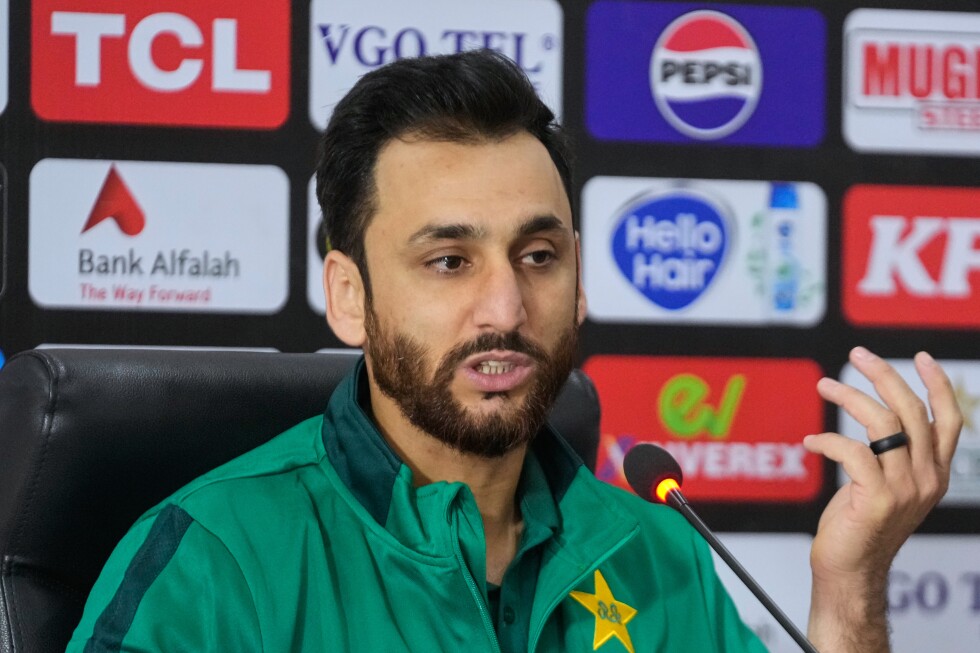
    COLOMBO, Sri Lanka — The highly anticipated Twenty20 World Cup clash between cricketing rivals India and Pakistan faces cancellation after Pakistan’s team captain Salman Ali Agha confirmed his squad will adhere to their government’s directive not to compete against India. The political decision has thrown the international tournament into disarray, with organizers scrambling to salvage what is traditionally the most-watched match in global cricket.

    Speaking at a captains’ media conference on Thursday, Agha stated the team would respect their government’s position despite the disappointment surrounding the potential cancellation. “The India game is not in our control,” Agha commented. “The government has decided and we respect that. Whatever they are saying we’ll do. We are playing three other group games and we are excited about that.”

    The boycott decision emerged following the International Cricket Council’s expulsion of Bangladesh from the tournament after they raised security concerns about playing in India. Pakistan has accused the ICC of applying double standards in handling security considerations, noting that India and Pakistan typically only meet at neutral venues during ICC tournaments due to longstanding political tensions.

    Indian captain Suryakumar Yadav, speaking from Mumbai, maintained his team’s readiness to compete regardless of Pakistan’s stance. “Our mindset is pretty clear,” Yadav stated. “We did not refuse to play them. The refusal came from them. ICC organized the fixture. Our flight to Colombo is booked. So we are going. We’ll see what happens later.”

    The political dimensions of the conflict have increasingly spilled into sports, with teams refusing post-match handshakes during last year’s men’s Asian Cup and Women’s World Cup. Pakistan will open their World Cup campaign against the Netherlands on Saturday in Colombo, with all their group stage matches scheduled in co-host Sri Lanka alongside Namibia and the United States.

  • Top NHL draft prospect Gavin McKenna charged with assault

    Top NHL draft prospect Gavin McKenna charged with assault

    Gavin McKenna, an 18-year-old Canadian ice hockey phenom projected as the first overall selection in the 2026 NHL Draft, now faces serious criminal charges that threaten to derail his promising career. Authorities in Centre County, Pennsylvania have charged the Penn State University student with felony aggravated assault, misdemeanor simple assault, and multiple counts of harassment and disorderly conduct.

    The allegations stem from an incident occurring on January 31st, where McKenna allegedly punched a 21-year-old male in the face, causing injuries severe enough to require corrective surgery. The altercation took place hours after McKenna’s collegiate team, the Nittany Lions, suffered a narrow 5-4 defeat against Michigan State—a game in which the talented forward scored one of Penn State’s goals.

    Following his arraignment on Wednesday in State College, McKenna posted $20,000 bail and was released from custody. His preliminary court hearing is scheduled for February 11th in Centre County. If convicted on the felony assault charge, the hockey prodigy could potentially face several years in prison alongside substantial financial penalties.

    Penn State Athletics acknowledged awareness of the situation through an official statement but declined further comment, citing the ongoing legal proceedings. The charges emerge at a particularly inopportune moment for McKenna, who just last month helped secure a bronze medal for Canada at the World Junior Championships and has been dominating collegiate hockey throughout the current season.

    The hockey world now watches with apprehension as one of its most promising talents navigates both the legal system and the potential ramifications for his professional prospects. The NHL Draft, scheduled for June 2026 in Buffalo, New York, was expected to crown McKenna as its top selection—a trajectory now complicated by serious criminal allegations.

  • Explore archaeology and museums in Beautiful Hebei episode nine

    Explore archaeology and museums in Beautiful Hebei episode nine

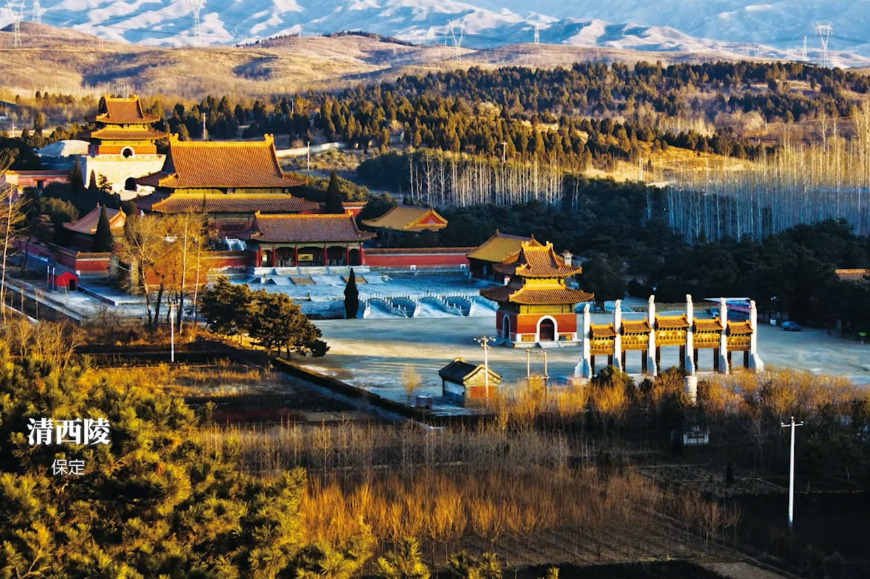
    The ninth installment of the captivating ‘Beautiful Hebei’ series has been released, offering viewers an immersive journey through the Chinese province’s rich archaeological heritage and museum collections. Produced by the Hebei Photographers Association, this visual documentary showcases the region’s ancient towns and significant cultural sites through exceptional photographic storytelling.

    This comprehensive series comprises 11 meticulously crafted short videos that incorporate 198 carefully selected photographs drawn from the association’s extensive image library. The collection features special submissions from renowned photographers alongside targeted contributions from relevant cultural organizations, creating a diverse visual tapestry of Hebei’s historical legacy.

    The project represents a significant cultural preservation initiative that highlights both well-known and hidden archaeological treasures throughout the province. Through stunning visual narratives, the series documents ancient urban settlements, museum artifacts, and cultural landmarks that define Hebei’s historical significance within Chinese civilization.

    Photographer Sun Ke contributed to this cultural documentation effort, which serves as both an educational resource and a promotional vehicle for Hebei’s tourism potential. The timing of the release during the Spring Festival period provides domestic and international audiences with engaging content that explores China’s regional cultural heritage beyond mainstream tourist destinations.

    The ‘Beautiful Hebei’ series stands as a testament to the growing emphasis on cultural preservation and regional promotion through digital media formats, making archaeological and historical content accessible to broader audiences through visually compelling storytelling techniques.

  • Indian rupee faces prolonged pressure amid trade deficits, US deal uncertainty

    Indian rupee faces prolonged pressure amid trade deficits, US deal uncertainty

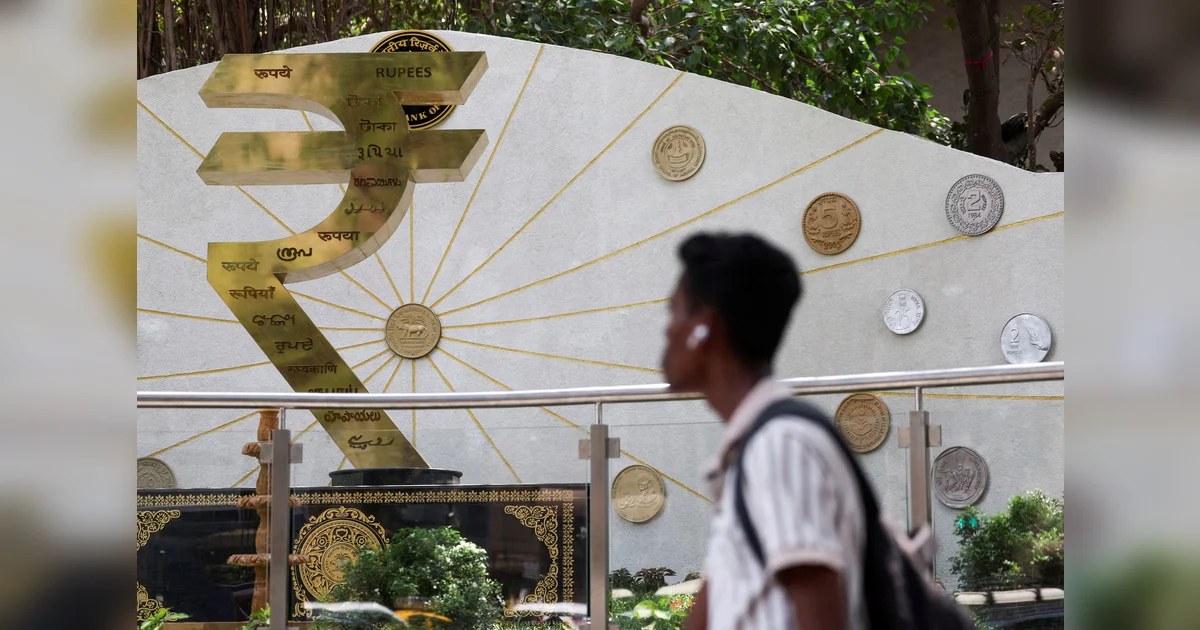
    The Indian rupee is projected to encounter persistent challenges throughout 2026, with financial analysts forecasting continued depreciation against the US dollar. Multiple factors are converging to create sustained pressure on the currency, primarily driven by widening trade deficits and unresolved trade negotiations with the United States.

    Currency projections indicate the rupee-dollar exchange rate may reach approximately 92.00 by the third quarter of 2026, representing a significant adjustment from previous expectations of 90.80. This depreciation trajectory, while slower than the previous year’s decline, reflects ongoing underperformance against both G10 and Asian currency crosses. The rupee concluded 2025 at 89.87, registering a 4.72 percent annual decline—its most substantial drop since 2022.

    Structural challenges include substantial foreign portfolio outflows, with international investors withdrawing nearly $18 billion from Indian markets in 2025. This capital flight has been exacerbated by robust initial public offering activity and private equity profit-taking cycles. Additionally, the delayed inclusion of Indian bonds in the Bloomberg Global Aggregate Index has removed a potential catalyst for foreign investment inflows.

    The current account deficit has emerged as another critical pressure point. Second-quarter data for fiscal year 2026 revealed net financial flows plummeting to $0.7 billion from $8.1 billion in the preceding quarter, accompanied by a $10.9 billion depletion in foreign exchange reserves.

    US trade policy constitutes another significant headwind. Approximately 50 percent tariffs on Indian imports imposed during the Trump administration remain in effect, with limited progress in bilateral trade discussions between New Delhi and Washington. Federal Reserve interest rate policies have further complicated matters by incentivizing capital movement toward higher-yielding US bonds.

    The Reserve Bank of India has adopted measured intervention strategies, primarily during periods of elevated volatility. While India’s economic fundamentals remain robust with 7.4 percent real GDP growth projections and stable inflation, authorities appear comfortable with gradual rupee depreciation that enhances export competitiveness.

    Currency swap agreements with nations including the UAE and Russia offer marginal support mechanisms. These arrangements aim to reduce dollar dependency in bilateral trade and enhance the rupee’s role in trade finance. India-UAE trade reached $100.06 billion in FY 2024-25, growing 19.6 percent year-on-year, creating potential for local currency transactions to alleviate dollar demand.

    Despite these mechanisms, analysts emphasize that swap agreements alone cannot reverse depreciation trends without supportive balance-of-payments conditions and consistent foreign inflows. The rupee’s trajectory will ultimately depend on resolving trade tensions, stabilizing capital flows, and maintaining economic growth momentum.

  • Mainland spokesman: Taiwan-US trade deal sells out Taiwan

    Mainland spokesman: Taiwan-US trade deal sells out Taiwan

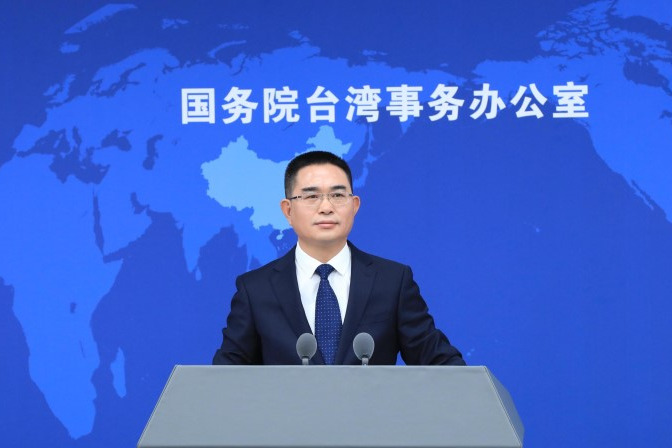
    A senior Chinese official has vehemently denounced the recently negotiated trade agreement between Taiwan and the United States, characterizing it as a detrimental arrangement that compromises Taiwan’s economic sovereignty. Chen Binhua, spokesperson for China’s State Council Taiwan Affairs Office, delivered sharp criticism during a press briefing on Thursday, asserting that the Democratic Progressive Party (DPP) authorities have engaged in what he described as foreign subservience.

    According to Chen, the trade pact essentially constitutes a ‘list of tributes’ that undermines Taiwan’s interests while disproportionately benefiting the United States. He accused the DPP leadership of pursuing independence agendas through external alliances, effectively facilitating the exploitation of Taiwan’s industrial sector and compromising the welfare of its citizens. The spokesman emphasized that such diplomatic and economic maneuvers reveal what he called a ‘servile and obsequious posture’ by Taiwan’s current administration.

    The controversial agreement, finalized on January 15, stipulates that the United States will reduce tariff rates on Taiwanese imports from 20% to 15%. In exchange, Taiwan has committed to investing a minimum of $250 billion in the U.S. while providing equivalent credit guarantees exceeding $250 billion. The arrangement currently awaits legislative ratification in Taiwan, where opposition lawmakers have raised transparency concerns regarding the negotiation process and its long-term implications.

    Chen’s remarks came in direct response to statements made by Taiwan leader Lai Ching-te, who previously advocated for cross-party support to safeguard the trade agreement during an ‘economic prosperity partnership dialogue’ conference. The escalating diplomatic rhetoric highlights continuing tensions in cross-strait relations and reflects Beijing’s firm opposition to any bilateral agreements that might suggest international recognition of Taiwan’s separate political status.