作者: admin

  • Delegates attending APEC Senior Officials’ Meeting, related sessions visit Guangzhou

    Delegates attending APEC Senior Officials’ Meeting, related sessions visit Guangzhou

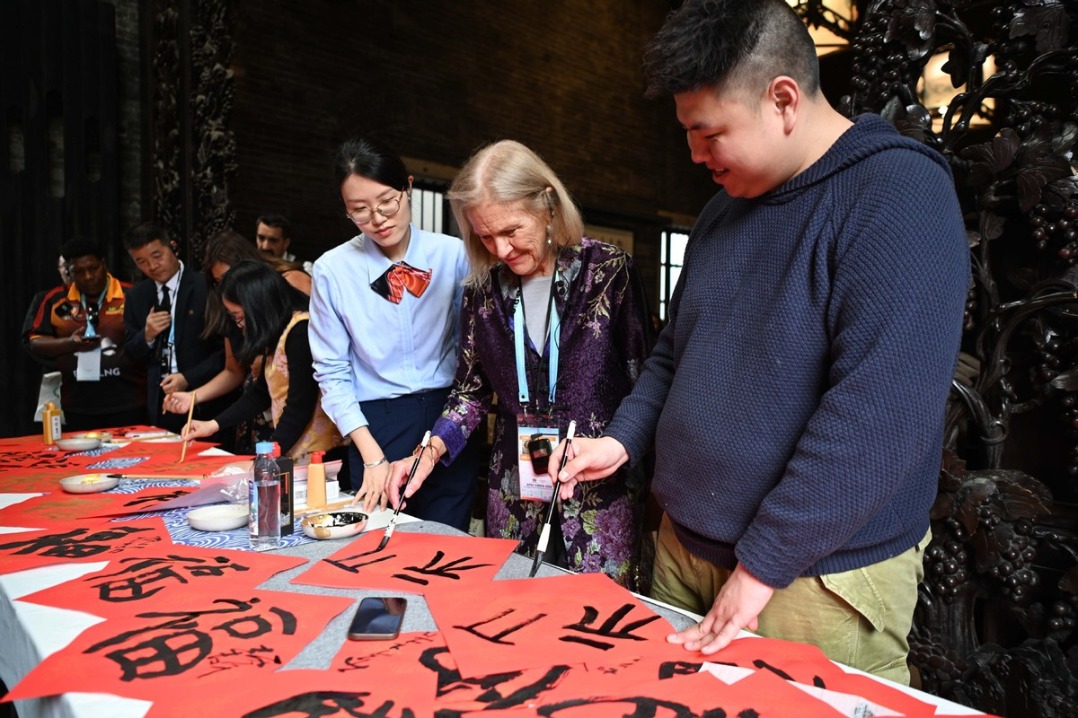
    GUANGZHOU, China – International delegates participating in the APEC Senior Officials’ Meeting gained immersive cultural exposure during their visit to Guangzhou’s historic Chen Clan Ancestral Hall on February 6, 2026. The excursion provided diplomatic representatives with hands-on experience in traditional Chinese calligraphy amid the architectural splendor of one of Guangdong Province’s most significant cultural landmarks.

    This cultural diplomacy initiative forms part of China’s comprehensive hosting duties for the 33rd APEC Economic Leaders’ Meeting scheduled for November 2026. The current preliminary sessions, running from February 1-10, establish the foundational framework for the upcoming economic summit where Asia-Pacific leaders will address regional cooperation and global economic challenges.

    The Chen Clan Ancestral Hall, renowned for its exquisite traditional Cantonese architecture and status as a protected cultural heritage site, served as an ideal backdrop for cross-cultural exchange. Delegates engaged directly with China’s artistic traditions through calligraphy demonstrations, symbolizing the intersection of cultural preservation and international diplomacy.

    These preliminary meetings in Guangzhou represent critical preparatory work for establishing agenda priorities and policy directives ahead of the main November summit. The cultural component demonstrates China’s approach to diplomacy that blends substantive economic discussions with opportunities for cultural appreciation and mutual understanding among member economies.

    The selection of Guangzhou as host city highlights China’s strategic emphasis on showcasing developed metropolitan centers beyond its capital, presenting the dynamic economic and cultural landscape of southern China to international representatives.
  • Canada, the world’s historic curling powerhouse, is feeling the pressure at Cortina

    Canada, the world’s historic curling powerhouse, is feeling the pressure at Cortina

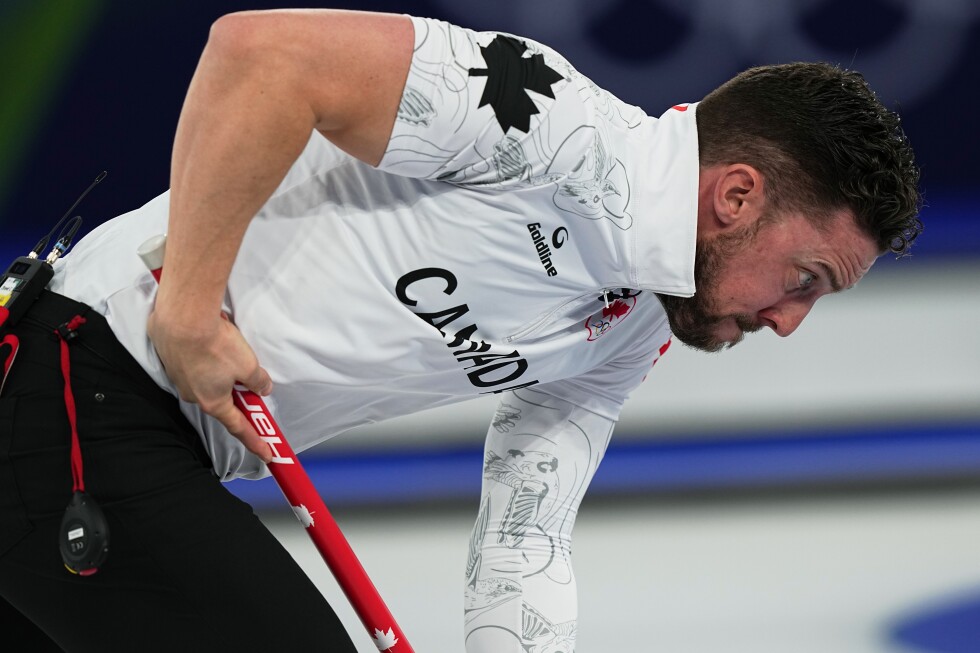
    CORTINA D’AMPEZZO, Italy — The Olympic curling arena witnessed a dramatic power shift on Saturday as Great Britain’s Bruce Mouat and Jennifer Dodds delivered a decisive blow to Canadian veterans Brett Gallant and Jocelyn Peterman. The match, characterized by Britain’s aggressive stone placement that systematically dismantled Canada’s strategic formations, represents more than just a round-robin defeat—it symbolizes the complete transformation of international curling competitiveness.

    This marked Canada’s second consecutive loss in the mixed doubles tournament, following an earlier defeat by the United States team. The back-to-back setbacks highlight the erosion of Canada’s historical dominance in a sport it once commanded. Olympic observers now recognize that the competitive landscape has undergone fundamental changes through recent Olympic cycles, with multiple nations developing world-class training programs.

    Devin Heroux, Canadian Broadcasting Corporation’s seasoned curling analyst, noted: “This outcome perfectly illustrates curling’s current global state. Canada long operated under the assumption that it produced the world’s finest curlers. The reality now is that not only has the international community caught up—they’ve arguably surpassed us.”

    Despite these losses, both teams remain likely to advance to the next round alongside the United States and Italy, with Britain now positioned strongly for qualification among the ten teams competing at the 2026 Milan Cortina Games.

    The British duo’s victory stems from years of dedicated training at Scotland’s National Curling Academy, established in 2017. Their partnership exemplifies the structured development programs that have produced formidable challengers to Canadian supremacy. Since the 2018 Pyeongchang Games—where Canada failed to medal in either four-person team event—the nation’s curling dominance has waned, managing only a single bronze across all disciplines in Beijing.

    Post-match discussions revealed another critical factor: rapidly changing ice conditions at Cortina’s curling center. Athletes noted significant alterations from previous days, with ice playing “up to two seconds faster”—a substantial variation that forced tactical adjustments. Gallant employed an automotive analogy: “It’s like taking a Honda Civic down the highway then jumping into a Ferrari.” He emphasized that while challenging, the conditions didn’t excuse the loss: “The team that adjusts better gains the advantage. They adapted quicker than we did.”

    His assessment was echoed by the victorious British pair. “We coped with it very well,” stated Dodds, while Mouat added: “We’re communicating effectively and now understand how the ice will behave for the remainder of the competition.”

    Heroux concluded that adaptation to Cortina’s volatile ice conditions would ultimately determine which team claims gold, marking a new era where flexibility and rapid adjustment have become as crucial as traditional curling skills.

  • Open Masters Games Abu Dhabi 2026: Meet couple who ‘never wins’ but travels world for sport

    Open Masters Games Abu Dhabi 2026: Meet couple who ‘never wins’ but travels world for sport

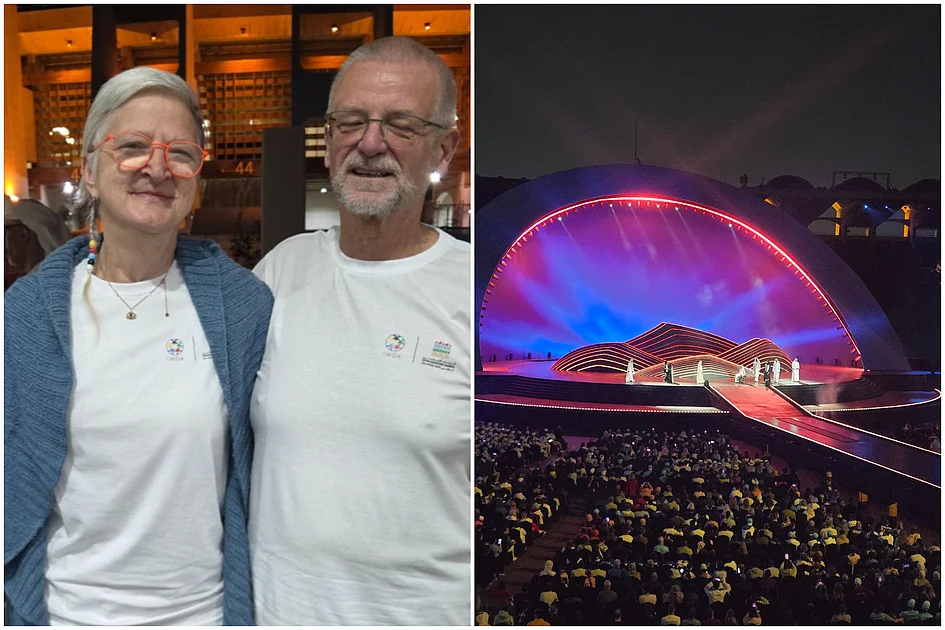
    ABU DHABI – While elite athletics often focus on podium finishes and medal counts, the Open Masters Games Abu Dhabi 2026 is showcasing a profoundly different competitive ethos: one where participation transcends victory and community outweighs conquest. This alternative sporting philosophy finds perfect embodiment in German archers Manfred and Maria Wirsing, whose global journey exemplifies the event’s core values.

    Since their inaugural Masters competition in Auckland (2017), the Wirsings have traversed continents not in pursuit of trophies but meaningful human connections. “We never win,” acknowledges 70-year-old Manfred with cheerful acceptance. “We try. We want to meet friends. Meeting people is what matters.” His wife Maria, a 62-year-old archery enthusiast for quarter-century, shares this perspective: “It’s a hobby. If you win, that’s good – but it’s not necessary.”

    Their story converged with thousands of other amateur athletes during Friday’s opening ceremony, where the couple experienced a novel honor – marching behind the archery flag despite their non-competitive status. For the Wirsings, this recognition symbolized something deeper than athletic achievement: validation of their decade-long commitment to global sporting fellowship.

    The ceremony itself marked a historic milestone as the first Open Masters Games hosted in the Middle East, featuring a spectacular fusion of visual effects, cultural storytelling, and live performances. Organizers introduced the concept of the “original athlete” – defined not by medals but by movement, resilience, and collective human endeavor. This narrative framework deliberately emphasized sport’s roots in daily life rather than elite performance.

    Among those embodying this spirit was Emirati athlete Azza Al Ghunaimi, selected to carry the International Masters Games flag. The 49-year-old runner from Abu Dhabi described her unexpected nomination as culminating years of dedication. “When I came for rehearsals and they called my name, I felt that all these years of hard work meant something,” she reflected, preparing for her upcoming half-marathon participation.

    Meanwhile, Lebanese swimmer Racha Kabbara (55) embraced both the honor and anxiety of marching before thousands. “They trained us how to walk, how to hold the flag,” she noted. “It’s not hard – but there is fear. Fear of being in front of all these people.” Kabbara’s ambitions extend far beyond these Games, with plans to attempt an Ironman triathlon at age 60.

    The scale of the event is monumental: over 21,000 participants from more than 100 nations, ranging from their 30s to 91 years old, competing across 38 sports until February 15. As UAE Minister of Sports Dr. Ahmad Belhoul Al Falasi emphasized, the Games represent a broader vision positioning sport as both lifestyle and unifying force.

    International Masters Games Association President Sergii Bubka highlighted the inspirational message sent by nonagenarian competitors: “The desire to move has no limits.”

    For the Wirsings – already planning future competitions in Kansai and New Zealand – the Abu Dhabi experience reinforces their enduring conviction. As Manfred observed while watching athletes from across the globe parade under stadium lights: “Abu Dhabi is new for us, but this community – it’s always the same spirit.” In an arena where simply participating constitutes victory, the Games continue redefining what it means to be an athlete at any age.

  • China successfully launches a reusable experimental spacecraft

    China successfully launches a reusable experimental spacecraft

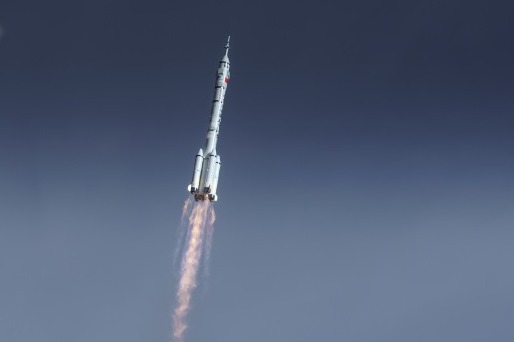
    China has marked a significant milestone in its space exploration program with the successful deployment of a reusable experimental spacecraft on Saturday. The launch occurred at the Jiuquan Satellite Launch Center in northwest China, utilizing the reliable Long March 2F carrier rocket system.

    According to the official Xinhua News Agency, the spacecraft represents a technological leap forward in China’s aerospace capabilities. The experimental vehicle is specifically engineered to conduct a series of planned technical validations aimed at demonstrating and refining reusable spaceflight technology.

    This achievement forms part of China’s broader strategy to develop sustainable space exploration methods that could significantly reduce mission costs and increase access to space. The successful verification of these technologies promises to enhance China’s position in the global space community while supporting peaceful extraterrestrial activities.

    The development of reusable spacecraft technology has become a priority for spacefaring nations seeking to establish regular and economically viable access to orbit. China’s progress in this domain demonstrates the nation’s growing proficiency in advanced aerospace engineering and its commitment to becoming a leading space power.

    While specific technical details and mission duration remain undisclosed, the accomplishment underscores China’s systematic approach to space technology development through methodical testing and validation processes.

  • Funerals for victims of suicide blast at Islamabad mosque that killed at least 31

    Funerals for victims of suicide blast at Islamabad mosque that killed at least 31

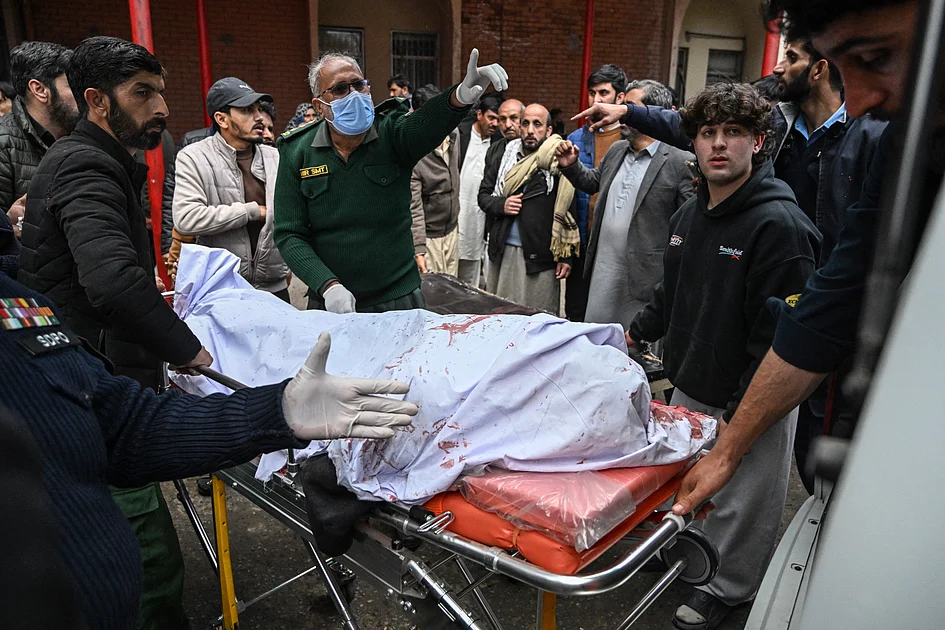
    Islamabad witnessed a day of profound mourning on Saturday as funerals commenced for victims of a devastating suicide bombing that struck during Friday prayers. The assault on Imam Bargah Qasr-e-Khadijatul Kubra mosque, located on the capital’s outskirts, resulted in at least 31 fatalities and left 169 individuals wounded, with authorities cautioning that the death toll may further escalate.

    Eyewitness accounts depict a scene of chaos and horror. According to security sources, the attacker was intercepted at the mosque entrance before detonating explosives. Muhammad Kazim, a 52-year-old worshipper, described an ‘extremely powerful’ explosion that reverberated through the building as prayers commenced. Another attendee, Imran Mahmood, reported an exchange of gunfire between the assailant and volunteer security personnel prior to the detonation.

    The aftermath revealed a tragic spectacle of devastation. AFP journalists documented bloodied clothing, debris, and emotional scenes at local hospitals where victims, including children, were urgently transported. Social media footage, though unverified, showed multiple bodies near the mosque’s entrance and a prayer hall carpeted in red now stained with tragedy.

    Pakistan’s leadership swiftly condemned the attack. Prime Minister Shehbaz Sharif pledged to pursue and prosecute those responsible, while Deputy Prime Minister Ishaq Dar denounced the bombing as ‘a heinous crime against humanity and a blatant violation of Islamic principles.’ International condemnation followed, with United Nations Secretary-General Antonio Guterres issuing a strong rebuke through a spokesperson.

    This incident marks the deadliest attack in Islamabad since September 2008, when a truck bomb devastated the Marriott Hotel, claiming 60 lives. It occurs amidst escalating security challenges for Pakistan, where intensifying insurgencies in southern and northern border provinces with Afghanistan have strained military resources. Just last week, separatist insurgents in Balochistan killed 58 security personnel and civilians, triggering extensive counter-operations that neutralized nearly 200 militants.

  • Olympics opening ceremony in Milan was lacking snow, but tiny winter wonderland was on its sidelines

    Olympics opening ceremony in Milan was lacking snow, but tiny winter wonderland was on its sidelines

    While the Winter Olympics opening ceremony dazzled global audiences with its high-fashion athlete parade and Mariah Carey’s operatic performance, Milan’s unseasonably warm temperatures—hovering near 50°F (10°C)—created an ironic absence of natural snowfall during the winter sports celebration. This meteorological paradox led spectators to seek alternative snowy experiences at an unexpected venue: Slava’s Snowshow at Teatro Strehler.

    Russian performance artist Slava Polunin’s acclaimed production, running through the Olympics’ final day on February 22, transforms theaters into winter wonderlands using elaborate paper snowstorms. Since 1993, this wordless spectacle has captivated audiences across 60 countries with its unique blend of visual poetry and physical comedy.

    The current Olympic edition features updated improvisational elements reflecting Games atmosphere. During performances, clowns in vibrant green and yellow costumes interact playfully with audiences—swapping belongings, spraying water from umbrellas, and even mimicking phone calls about ongoing Olympic events. A humorous nod to athletic competition emerges when the iconic ‘Chariots of Fire’ theme accompanies slow-motion clown routines.

    For Polunin, 75, snow represents profound duality. Born in Siberia, he explains: ‘It can be immensely beautiful and incredibly dangerous.’ This emotional complexity permeates the show through moments like Polunin cradling an empty coat—a gesture simultaneously tender and lonely—amidst the joyful chaos of bouncing giant balloons and paper blizzards.

    Audience members like Paola Volpe, attending with children after first experiencing the show 15 years prior, appreciate the production’s timeless magic. Regular attendee Raquele Maggi describes it as ‘a dream… a little like magic’ that transcends language barriers through universal physical storytelling.

    The production’s silent narrative format aligns surprisingly with Olympic values of cross-cultural communication, offering spectators an alternative perspective on winter’s essence beyond athletic competition.

  • 5 dead, thousands displaced as Typhoon Penha triggers floods, landslides in Philippines

    5 dead, thousands displaced as Typhoon Penha triggers floods, landslides in Philippines

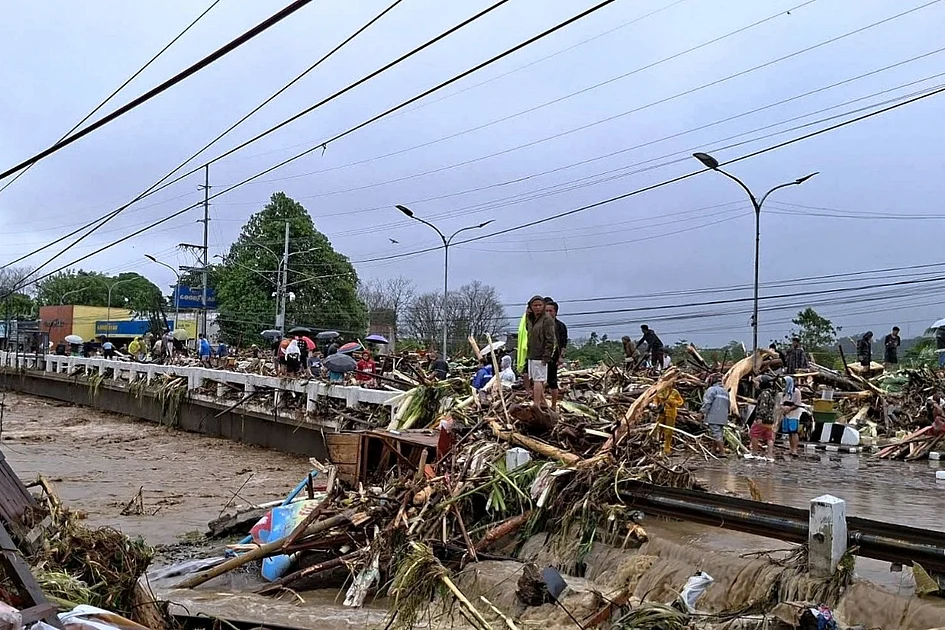
    Northern Mindanao in the Philippines has been struck by devastating floods and lethal landslides triggered by Typhoon Penha, internationally recognized while locally named Basyang. This catastrophic event marks the nation’s first major disaster of the year, resulting in five confirmed fatalities and multiple injuries according to the Philippine Office of Civil Defense (OCD).

    A particularly tragic incident occurred in Barangay Agusan, where a rain-induced landslide near a quarry site completely buried a family of four, killing all members. Three additional individuals sustained injuries from falling debris in a neighboring municipality, as confirmed by OCD spokesperson Junie Castillo.

    The storm’s impact extended severely to Iligan City, where widespread flooding submerged residential areas under water and coated extensive urban sections with thick mud. The calamity claimed the life of local radio broadcaster Creselyn Baterna Velasco, who suffered cardiac arrest after floodwaters invaded her apartment. Emergency response teams worked continuously through Thursday night executing rescue operations for residents trapped by the overflowing Tubod River.

    Official statistics reveal the typhoon has displaced approximately 21,000 individuals across northeastern and northern Mindanao, with 6,384 families currently sheltering in activated evacuation centers. Disaster management authorities established 197 emergency shelters, including 32 facilities utilized for preemptive evacuations prior to the storm’s arrival. Overall impact assessments indicate approximately 100,375 people across 27,572 families have been affected, including communities in the Visayas region and Bacolod City on Negros Island.

    The typhoon initially caused significant power disruptions across 28 areas, though utility providers successfully restored electricity to all affected locations by Saturday morning. The Philippines typically experiences 20-25 tropical cyclones annually, with scientific evidence indicating these weather systems are growing progressively more destructive due to climate change effects.

  • Iran says talks with US in Oman were ‘good start’, will continue

    Iran says talks with US in Oman were ‘good start’, will continue

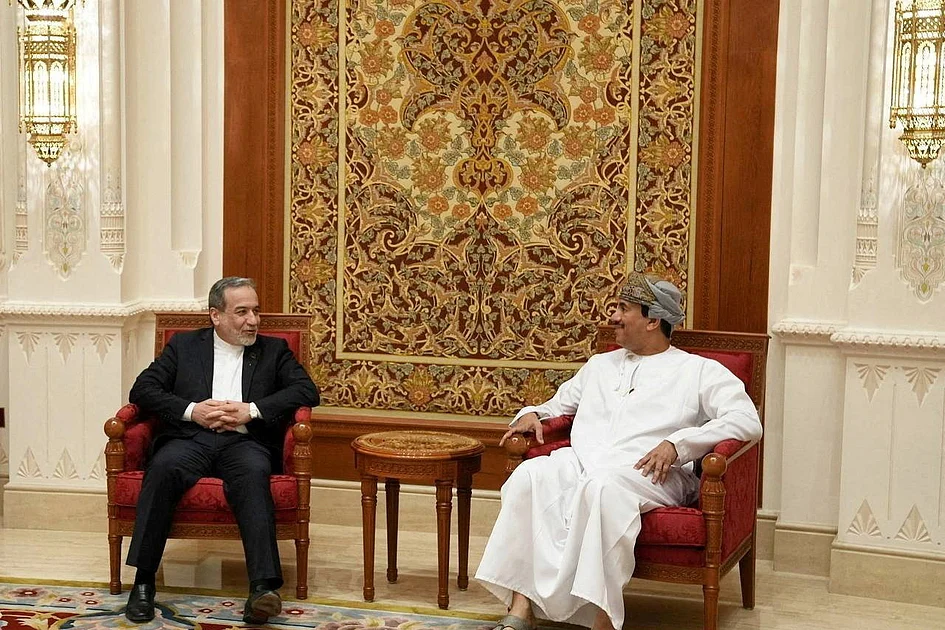
    Initial diplomatic engagements between the United States and Iran, facilitated by Oman, have yielded cautious optimism despite fundamental disagreements on key issues. Iranian Foreign Minister Abbas Araqchi characterized the Muscat talks as a “good start” while emphasizing Tehran’s refusal to discuss its ballistic missile program or regional activities.

    The negotiations, which included U.S. Special Envoy Steve Witkoff and Presidential advisor Jared Kushner, occurred against a backdrop of heightened military posturing and economic pressure. Simultaneously with the talks, the Trump administration imposed new 25% tariffs targeting countries maintaining commercial ties with Iran, particularly in energy and petrochemical sectors that remain vital to Iran’s economy.

    According to diplomatic sources briefed on the discussions, Iran demonstrated flexibility regarding potential limitations on enrichment levels and purity while maintaining its insistence on recognition of uranium enrichment rights. Tehran’s demands reportedly included immediate sanctions relief and the relocation of U.S. military assets from the region.

    The fundamental impasse remains Washington’s requirement that Iran cease all enrichment activities on its soil—a position Tehran has consistently rejected while denying any nuclear weapons ambitions. Despite this divergence, both sides acknowledged the talks as serious and expressed willingness to continue discussions, with Omani Foreign Minister Badr al-Busaidi characterizing the dialogue as “very serious.

    Regional tensions continue to simmer with Iran displaying advanced ballistic missiles in underground facilities and warning neighboring states that host U.S. bases of potential retaliation. The diplomatic efforts occur alongside significant U.S. naval deployments to the region, creating a complex environment where dialogue and military preparedness proceed simultaneously.

  • Spiritual ties of ousted Venezuelan President Maduro and successor include guru Sathya Sai Baba

    Spiritual ties of ousted Venezuelan President Maduro and successor include guru Sathya Sai Baba

    In a nation where 90% of citizens identify as Christian, Venezuela’s political leadership demonstrates a remarkably syncretic approach to spirituality. Both former President Nicolás Maduro and current Acting President Delcy Rodríguez, despite their Catholic upbringing, maintain profound devotion to Sathya Sai Baba, the Indian spiritual leader who passed away in 2011.

    This religious pluralism reflects Venezuela’s complex spiritual landscape, where blending multiple faith traditions remains commonplace. For the nation’s leaders, this synthesis incorporates Sai Baba’s teachings emphasizing universal love, spiritual unity, and transcendence of social barriers—a philosophy that has attracted global followers for over half a century.

    Maduro frequently framed his government’s challenges as spiritual battles during his presidency, invoking Christian imagery while simultaneously honoring the Indian guru. Weeks before his dramatic capture by U.S. forces on January 3, he celebrated Sai Baba’s centenary on social media, expressing hope that the teacher’s wisdom would guide Venezuela toward becoming “a homeland of love, peace and high spirituality.”

    Rodríguez’s spiritual connection appears equally profound. During her 2024 visit to Sai Baba’s ashram in Andhra Pradesh, India—her second pilgrimage in as many years—she described sensing the guru’s protective presence during times of personal and national crisis. “Many times, when I was in danger, I felt Baba with me,” she revealed in a 2023 interview.

    The leadership’s devotion manifests visibly in government spaces. Multiple reports confirm Maduro displayed a large, framed photograph of Sai Baba in his Miraflores Palace office alongside portraits of Simón Bolívar and Hugo Chávez—a symbolic trinity representing spiritual, historical, and political guidance.

    Sai Baba’s organization established roots in Venezuela decades before current political affiliations, opening Latin America’s first center in Caracas in 1974. Today, the movement maintains significant influence with an estimated 200,000 Venezuelan followers and operates a “Human Values School” in Táchira state.

    Academic experts note that such spiritual syncretism reflects Venezuela’s distinctive religious ecology. Professor Andrew Chesnut of Virginia Commonwealth University observes that while Catholicism remains dominant, it comfortably coexists with evangelical Protestantism, Afro-Indigenous traditions, and transnational figures like Sai Baba without requiring exclusive allegiance.

    However, the political embrace of Sai Baba comes with complexities. The guru, while revered by millions worldwide for his message of universal love and charitable works, faced persistent allegations of fraud and sexual abuse during his lifetime—accusations his followers dismiss as slander.

    The Venezuelan leadership’s spiritual practices appear primarily rhetorical rather than policy-directing, according to analysts. Chesnut suggests engagements with figures like Sai Baba “carry symbolic and performative weight rather than serving as drivers of political ideology or decision-making” in Venezuela’s complex political landscape.

  • US wants Russia and Ukraine to end war by June, says Zelensky

    US wants Russia and Ukraine to end war by June, says Zelensky

    Amid escalating military aggression, diplomatic efforts to resolve the Ukraine conflict have entered a critical phase with the United States proposing direct negotiations between Ukrainian and Russian delegations in Miami. President Volodymyr Zelensky confirmed Ukraine’s participation in the proposed talks scheduled for next week, marking the first American-hosted peace initiative since the conflict began.

    The diplomatic development follows inconclusive US-mediated discussions in Abu Dhabi that concluded Friday without breakthrough on core contentious issues, particularly territorial concessions. Zelensky characterized the negotiations as addressing ‘difficult issues [that] remained difficult,’ while revealing Washington’s apparent urgency to reach settlement before June, potentially influenced by domestic political considerations.

    Concurrently, Russia has intensified its bombardment campaign targeting Ukraine’s energy infrastructure, executing what energy company DTEK described as ‘the most powerful blow’ this year. Friday night’s coordinated assault involved over 400 drones and 40 missiles targeting critical power generation facilities and distribution substations across at least four regions.

    Energy Minister Denys Shmyhal reported severe damage to backbone grid components, prompting emergency power requests to Poland. The Dobrotvir and Burshtyn thermal plants in western regions sustained direct hits, leaving thousands without electricity amid freezing temperatures. This represents the tenth massive attack on DTEK facilities since October 2025, with cumulative attacks exceeding 220 incidents since the invasion began.

    Civilian impacts have been severe, with Kyiv residents resorting to metro station shelters and reporting inhumane conditions without heating or electricity. Regional authorities confirmed one fatality in Rivne, multiple injuries in Zaporizhzhia, and significant damage to residential and critical infrastructure. A separate drone strike ignited major warehouse fires in Yahotyn.

    Moscow justified resumed attacks after a week-long humanitarian pause requested by President Trump, with Foreign Minister Lavrov simultaneously accusing Ukraine of sabotaging negotiations through alleged assassinations of military officials. The conflict’s human cost continues mounting, with Zelensky acknowledging approximately 55,000 Ukrainian military fatalities and BBC verifying nearly 160,000 Russian combatant deaths.