作者: admin

  • France’s former culture minister resigns over Epstein-linked tax fraud probe

    France’s former culture minister resigns over Epstein-linked tax fraud probe

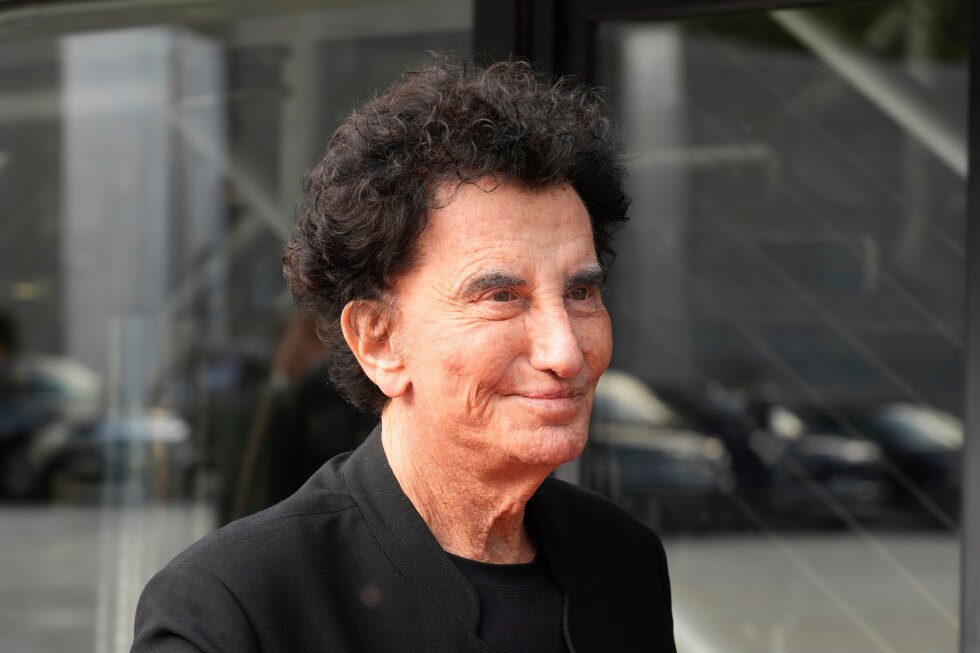
    PARIS — Jack Lang, France’s prominent former Culture Minister, has stepped down from his leadership role at the prestigious Arab World Institute following revelations of financial connections to the convicted sex offender Jeffrey Epstein. The resignation comes amid an ongoing tax fraud investigation involving Lang and his daughter, Caroline.

    The French Foreign Ministry, which oversees the cultural institution, confirmed Lang’s departure on Saturday evening. Lang was scheduled to meet with ministry officials on Sunday but preemptively submitted his resignation. The financial prosecutors’ office has initiated an investigation into alleged “aggravated tax fraud laundering” involving both Lang and his daughter.

    The scandal emerged following a Mediapart investigative report detailing financial and business relationships between the Lang family and Epstein through an offshore company based in the U.S. Virgin Islands. The connections span from 2012 to 2019, with Lang’s name appearing over 600 times in the recently released Epstein documents from the U.S. Department of Justice.

    Foreign Minister Jean-Noël Barrot has acknowledged the resignation and initiated the search for Lang’s successor. Lang, who served as Culture Minister under Socialist President François Mitterrand during the 1980s and 1990s, had led the Arab World Institute since 2013. His resignation marks the most significant French political fallout from the Epstein document release to date.

  • Nigeria’s president to make a state visit to the UK in March

    Nigeria’s president to make a state visit to the UK in March

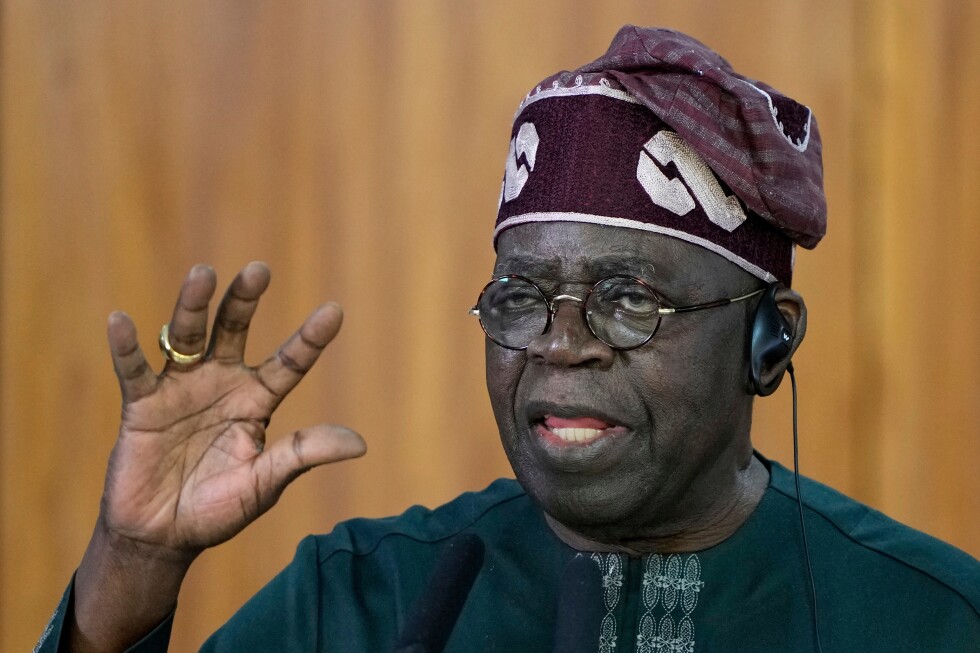
    Buckingham Palace announced on Sunday that Nigerian President Bola Tinubu will undertake an official state visit to the United Kingdom on March 18-19, 2025, marking the first such diplomatic engagement by a Nigerian head of state in nearly four decades. President Tinubu and First Lady Oluremi Tinubu will be formally hosted by King Charles III and Queen Camilla at Windsor Castle, with full itinerary details to be released subsequently.

    This visit represents a significant milestone in UK-Nigeria relations, as the last state visit by a Nigerian leader occurred in 1989. State visits typically feature ceremonial traditions including an official royal reception, carriage procession, and elaborate state banquet, symbolizing the highest level of diplomatic recognition.

    The upcoming engagement continues a longstanding relationship between the British monarchy and Nigeria, a Commonwealth member nation. King Charles has maintained consistent engagement with Nigeria, having visited four times between 1990 and 2018 during his tenure as Prince of Wales. Most recently, he received President Tinubu at Buckingham Palace in September 2024, establishing precedent for their upcoming Windsor Castle meeting.

    The visit places Nigeria among select nations honored with state visits during King Charles’s reign, following similar ceremonies for world leaders including U.S. President Donald Trump, French President Emmanuel Macron, and German President Frank-Walter Steinmeier in the past year.

  • Suspect in shooting of senior Russian general has been detained, Russia says

    Suspect in shooting of senior Russian general has been detained, Russia says

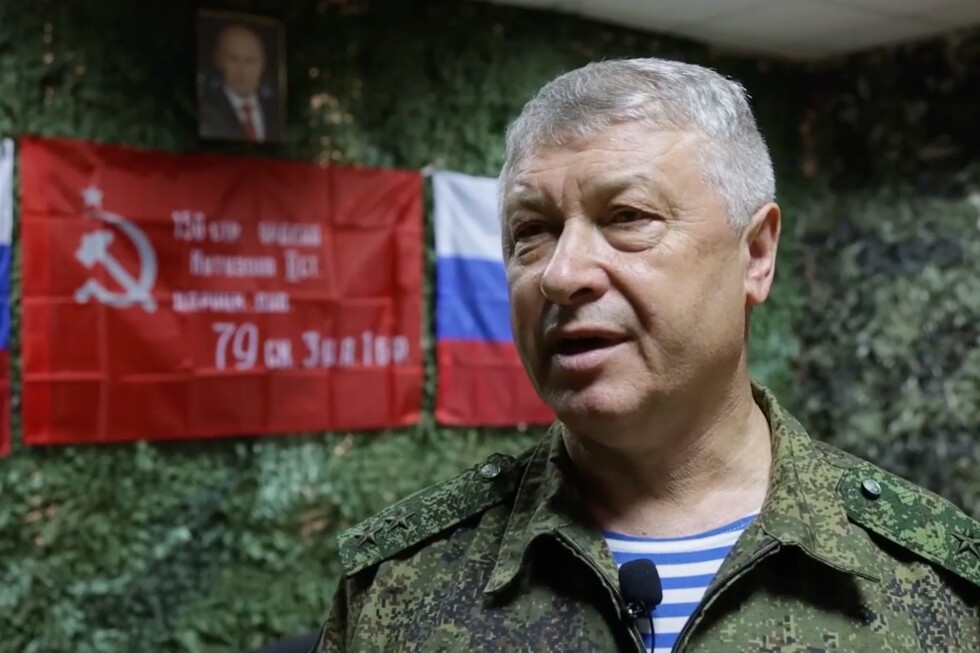
    Russian authorities have announced the detention of a suspect allegedly responsible for the shooting of Lieutenant General Vladimir Alekseyev, first deputy chief of Russia’s military intelligence agency (GRU). The Federal Security Service (FSB) identified the apprehended individual as Lyubomir Korba, a Russian citizen captured in Dubai and subsequently extradited to Moscow.

    The incident occurred Friday when an assailant shot General Alekseyev multiple times at an apartment complex in northwestern Moscow. The 64-year-old intelligence veteran, decorated as a Hero of Russia for his role in Syria operations, was hospitalized following the attack.

    FSB investigations have revealed two additional accomplices—one already detained in Moscow and another reportedly fled to Ukraine. Russian Foreign Minister Sergey Lavrov characterized the assault as a apparent ‘terrorist act’ orchestrated by Ukraine to undermine ongoing peace negotiations.

    This shooting follows a pattern of targeted attacks against Russian military leadership. Since the 2022 invasion of Ukraine, multiple high-ranking officers have been assassinated, including Lieutenant General Fanil Sarvarov (killed by car bomb in December), Lieutenant General Yaroslav Moskalik (car bomb assassination in April), and Lieutenant General Igor Kirillov (killed by explosive device in December 2024). Ukrainian intelligence has claimed responsibility for several of these operations.

    The timing is particularly significant as the attack occurred immediately following peace talks in Abu Dhabi involving Russian, Ukrainian, and U.S. negotiators. General Alekseyev’s superior, GRU chief Admiral Igor Kostyukov, led the Russian delegation in these discussions.

    Kyiv has not responded to Russia’s latest allegations regarding General Alekseyev’s shooting. President Zelenskyy previously acknowledged Ukraine’s ‘liquidation’ of top Russian military figures without specifying individual operations.

  • Italian police arrest protesters after clash in Olympic host city Milan

    Italian police arrest protesters after clash in Olympic host city Milan

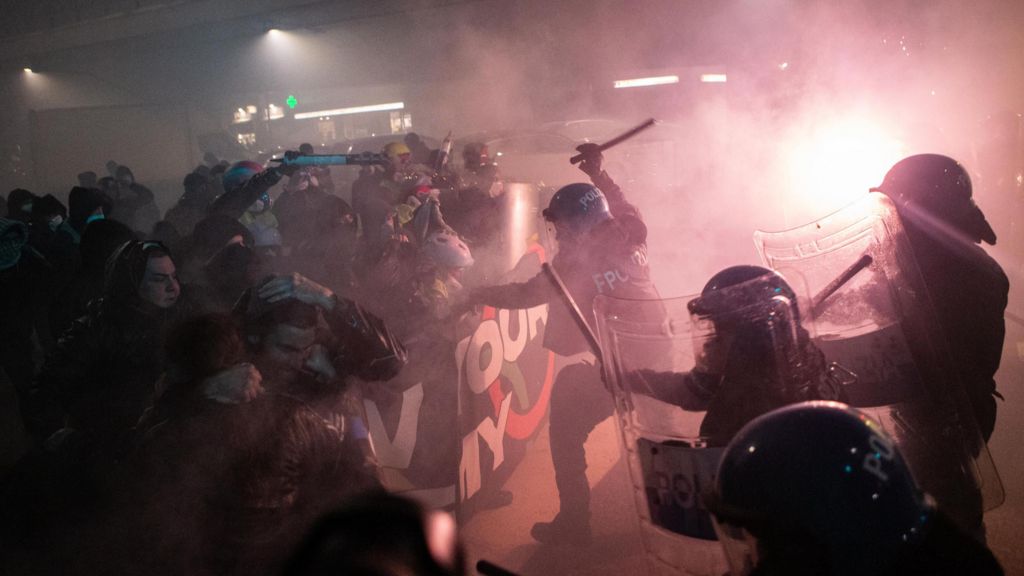
    Milan, one of the host cities for the Winter Olympic Games, witnessed violent confrontations between police and protesters on the competition’s opening day, resulting in six arrests. Thousands descended upon the northern Italian city on Saturday to demonstrate against various issues, primarily the soaring cost of living. The protest escalated as some individuals launched flares and hurled stones at law enforcement, who retaliated with water cannons.

    This unrest follows the Italian government’s swift implementation of stricter protest regulations. These measures were fast-tracked in response to a demonstration in Turin the previous weekend, which government figures indicate left over 100 police officers injured. In that incident, an officer was reportedly assaulted with a hammer—an act Prime Minister Giorgia Meloni condemned as attempted murder.

    Deputy Prime Minister Matteo Salvini denounced the Milan participants as ‘criminals,’ stating, ‘Just days after the shameful violence in Turin, more clashes, more attacks on law enforcement.’ He expressed pride in a new security package designed to enable ‘more effective interventions against thugs and criminals.’ This new legislation, enacted Thursday, permits police to detain individuals suspected of inciting unrest for up to 12 hours prior to scheduled demonstrations. While authorities hail it as necessary, critics have labeled the measure repressive.

    Simultaneously, officials are investigating acts of suspected sabotage on northern Italy’s critical railway network, which caused extensive delays. Services between Bologna and Venice were disrupted by a fire targeting rail infrastructure. Police discovered severed cables and a rudimentary explosive device near tracks. Bologna’s central station, a major national transport hub, was particularly affected. RFI, the national rail operator, confirmed services have since normalized. The Transport Ministry described these coordinated acts as ‘suspected sabotage,’ drawing parallels to vandalism encountered during the onset of the 2024 Paris Olympics.

    Despite the violence, the majority of protesters in Milan marched peacefully. Participants voiced objections to the Olympics themselves, with one protestor, Francesca Missana, telling AFP the Games were ‘no longer sustainable from an environmental or a social point of view.’ Organizer Alberto di Monte criticized the financial model, arguing that billions were spent on infrastructure like roads instead of mountain conservation, contradicting promises of a ‘sustainable and cost-neutral’ event.

    The Winter Olympics continue until February 22nd across multiple venues, including Milan, Cortina d’Ampezzo, and several Alpine resorts.

  • After Oman talks, Iran sees opening for diplomacy with US but rejects nuclear, missile curbs

    After Oman talks, Iran sees opening for diplomacy with US but rejects nuclear, missile curbs

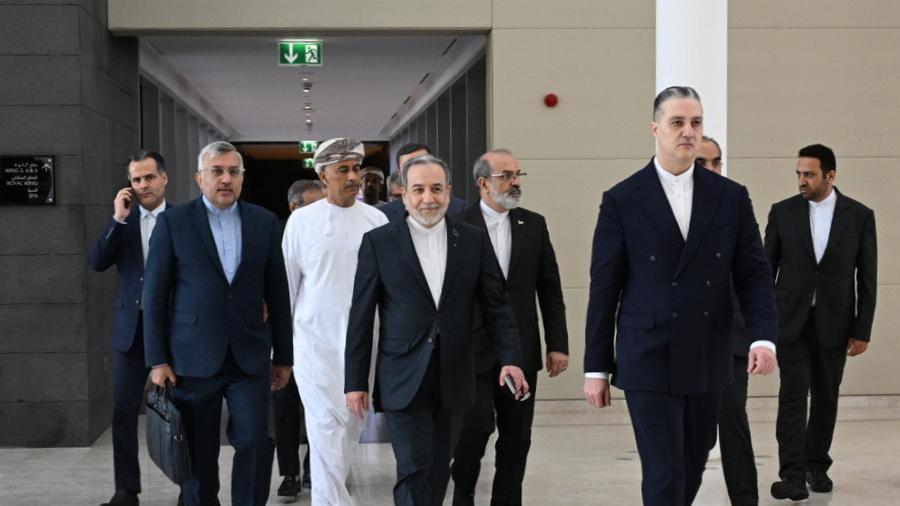
    Muscat has emerged as a critical diplomatic channel between longstanding adversaries Iran and the United States, following talks that revealed both potential openings for dialogue and significant obstacles to reconciliation. Iranian Foreign Minister Seyed Abbas Araghchi characterized the recent discussions in Oman as “a positive start” while emphasizing that rebuilding trust would require substantial time and effort.

    The negotiations, conducted through Omani mediators, nonetheless produced a notable moment of direct contact when members of both delegations briefly shook hands—a gesture Araghchi confirmed despite US reports of more extensive direct engagement. This symbolic interaction occurred between Araghchi and Steve Witkoff, President Trump’s special envoy, marking the highest-level contact between the two nations in recent years.

    However, Tehran immediately established clear red lines, declaring its nuclear enrichment program an “inalienable right” that remains non-negotiable. Araghchi explicitly rejected transferring uranium stocks abroad and dismissed US demands regarding Iran’s missile capabilities, stating defensive weapons are “never negotiable.” Instead, Iran proposed focusing on arrangements that would provide international reassurance while preserving its nuclear activities.

    Parallel to diplomatic efforts, both nations maintained military preparedness. Iran’s military chief of staff, Abdolrahim Mousavi, warned that any imposed conflict would rapidly spread throughout the Middle East, though he confirmed Iran would not initiate hostilities. Meanwhile, the US strengthened its regional military presence, creating a backdrop of heightened tension against which diplomacy unfolds.

    President Trump offered optimistic assessment from Air Force One, describing the talks as “very good” and suggesting Iran appeared eager to reach an agreement. He announced plans for subsequent meetings the following week, even as his administration signed an executive order threatening 25% tariffs on nations continuing trade with Iran.

    Regional responses reflected cautious support for the Omani mediation. Israel’s Prime Minister Benjamin Netanyahu prepared to visit Washington for consultations, maintaining that any agreement must address Iran’s missile program and support for militant groups. Saudi Arabia, Egypt, and the United Arab Emirates all welcomed the diplomatic initiative while emphasizing the need for comprehensive solutions that enhance regional security. Qatar, hosting Araghchi after the Oman talks, expressed hope for outcomes strengthening regional stability.

    The Muscat discussions represent the most significant diplomatic engagement between Washington and Tehran amid escalating tensions, with Oman continuing its traditional role as neutral mediator in Gulf conflicts.

  • Over 140m train tickets sold for Spring Festival travel rush

    Over 140m train tickets sold for Spring Festival travel rush

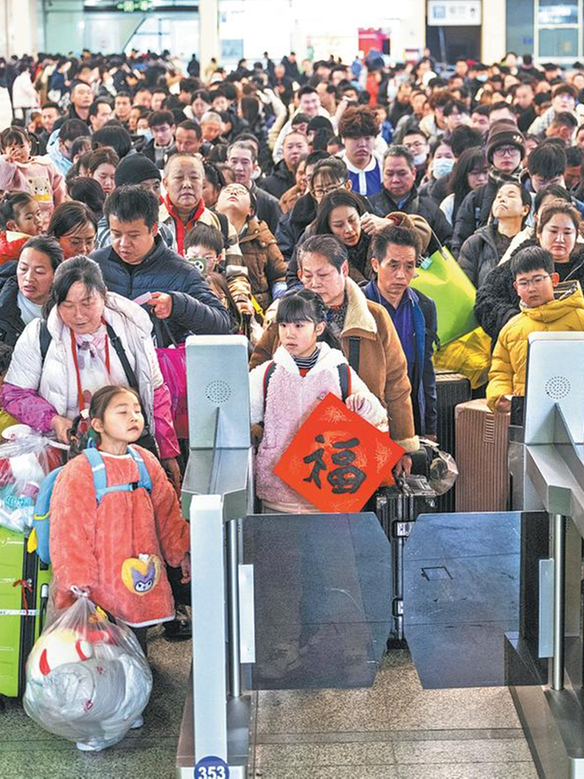
    China’s railway system is demonstrating unprecedented capacity during the annual Spring Festival travel period, with official data revealing extraordinary passenger volumes. The national 12306 ticketing platform has processed approximately 140 million train ticket sales as of Saturday morning, according to China State Railway Group Co Ltd.

    The massive migration phenomenon, known locally as ‘chunyun,’ continues to break records with the national railway network handling 12.845 million passenger journeys on Friday alone. This marks the fifth consecutive day that daily passenger trips have exceeded the 10 million threshold, highlighting the immense scale of holiday travel.

    Projections for Saturday indicate even higher numbers, with an estimated 13.8 million passenger trips anticipated nationwide. To accommodate this surge, railway authorities have deployed 1,249 additional trains strategically across the network. The comprehensive approach includes real-time monitoring of passenger flows through advanced big data analytics, allowing for dynamic adjustments to transportation capacity on high-demand routes.

    The current 40-day travel rush period is expected to witness a historic 9.5 billion inter-regional passenger trips throughout China. Railway services are projected to handle approximately 540 million of these journeys, representing a significant portion of the nation’s total holiday transportation burden. Service enhancements and capacity optimization measures have been implemented system-wide to ensure smooth and efficient travel experiences during this peak period.

  • Wild pitches lead Jalisco Charros to 1st Caribbean Series title with win over Culiacan Tomateros

    Wild pitches lead Jalisco Charros to 1st Caribbean Series title with win over Culiacan Tomateros

    In a dramatic conclusion to the Caribbean Series, Mexico’s Jalisco Charros secured their first-ever championship title with a stunning 12-11 victory over Culiacan Tomateros during Saturday’s extra innings finale in Guadalajara.

    The championship game unfolded as a remarkable tale of two halves, with the Charros establishing a commanding 9-1 lead by the fourth inning. However, the Tomateros mounted an extraordinary comeback, gradually erasing the deficit and ultimately forcing extra innings with a 10-10 tie. The seesaw battle continued as Culiacan briefly claimed an 11-10 advantage in the additional frames.

    The game’s decisive moment arrived in the bottom of the 10th inning when reliever Guadalupe Chavez, with bases loaded and two outs, delivered two wild pitches that allowed the winning run to score. This climactic ending marked a redemption story for the Charros, who had fallen short in last year’s championship final against the Dominican Republic’s Escogido Leones.

    The tournament itself carried significant geopolitical undertones, having been relocated from Venezuela to Mexico due to political instability and international tensions. Puerto Rico, the Dominican Republic, and Mexico had previously committed to bypassing the tournament if held in Venezuela amid strained relations between Venezuela and the United States. Venezuela’s subsequent withdrawal created the unusual circumstance of Mexico fielding two teams in the competition.

    This victory represents Mexico’s first Caribbean Series championship since 2016, when the Mazatlan Venados claimed the title, signaling a resurgence of Mexican baseball on the international stage.

  • Voting begins in Japan’s general election

    Voting begins in Japan’s general election

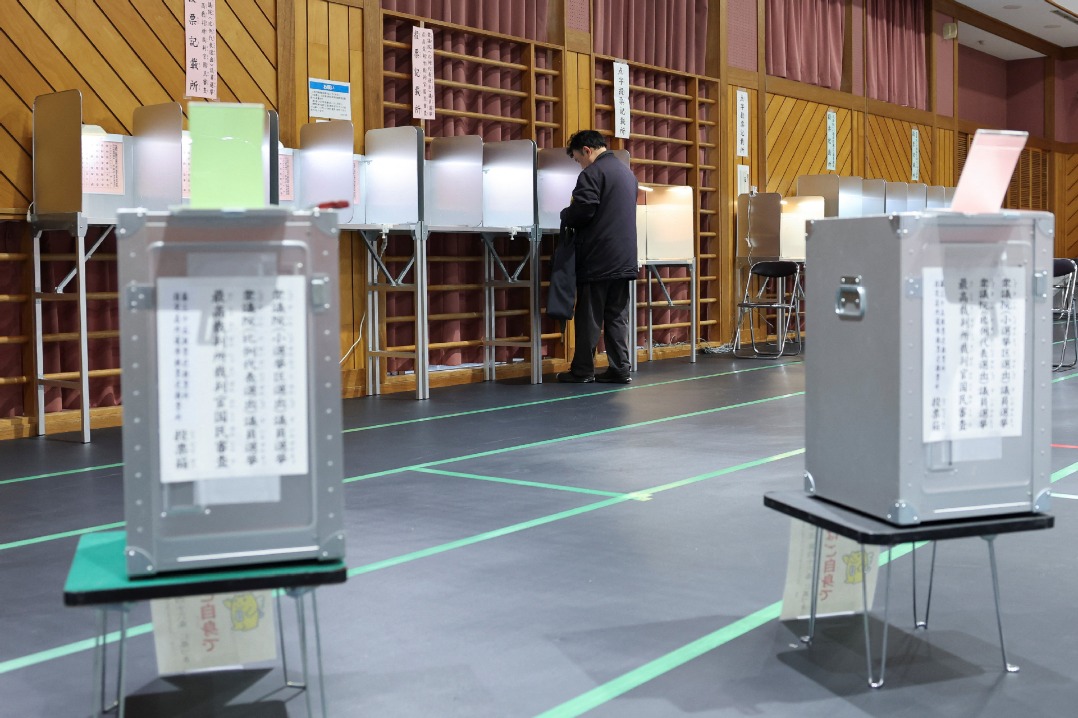
    TOKYO – Japanese voters commenced casting ballots on Sunday in a pivotal general election that will determine the political trajectory of the nation for the coming years. The electoral process, which opened nationwide this morning, features an intense competition with more than 1,200 candidates vying for all 465 seats in the House of Representatives, the dominant lower house of Japan’s parliament.

    The central question dominating this electoral contest is whether the incumbent coalition government, comprising Prime Minister Sanae Takaichi’s Liberal Democratic Party and their junior partner, the Japan Innovation Party, can maintain their legislative majority. This outcome would enable the continuation of the current administration’s policies and governance approach. Alternatively, opposition forces are positioned to potentially expand their parliamentary presence and disrupt the ruling bloc’s agenda.

    Electoral operations will continue until 8:00 PM local time, with polling stations across the archipelago remaining accessible to voters throughout the day. The ballot counting process is anticipated to extend well into the night, with preliminary results expected to emerge in the early hours of Monday.

    The electoral structure divides the 465 parliamentary seats into two distinct categories: 289 representatives will be elected through single-member district contests, while the remaining 176 seats will be allocated via proportional representation across eleven regional electoral blocs. This dual-system approach aims to balance local representation with broader proportional fairness in the composition of the legislative body.

  • Greenland crisis boosted Danish apps designed to identify and help boycott US goods

    Greenland crisis boosted Danish apps designed to identify and help boycott US goods

    COPENHAGEN, Denmark — Innovative mobile applications employing artificial intelligence to identify and boycott American products have experienced remarkable growth following recent diplomatic strains between Denmark and the United States over Greenland’s sovereignty.

    The pioneering ‘Made O’Meter’ application, developed by Copenhagen-based digital marketing specialist Ian Rosenfeldt, recorded approximately 30,000 downloads during the three-day peak of the diplomatic crisis in late January. Since its March launch, the application has surpassed 100,000 total downloads, demonstrating significant public engagement.

    Rosenfeldt, 53, conceived the application after participating in a Facebook group where Danish citizens expressed frustration about practically implementing boycott measures against American goods. ‘Consumers struggled to determine product origins through conventional barcode scanning,’ Rosenfeldt explained. ‘Without accurate origin information, making conscious purchasing decisions proved virtually impossible.’

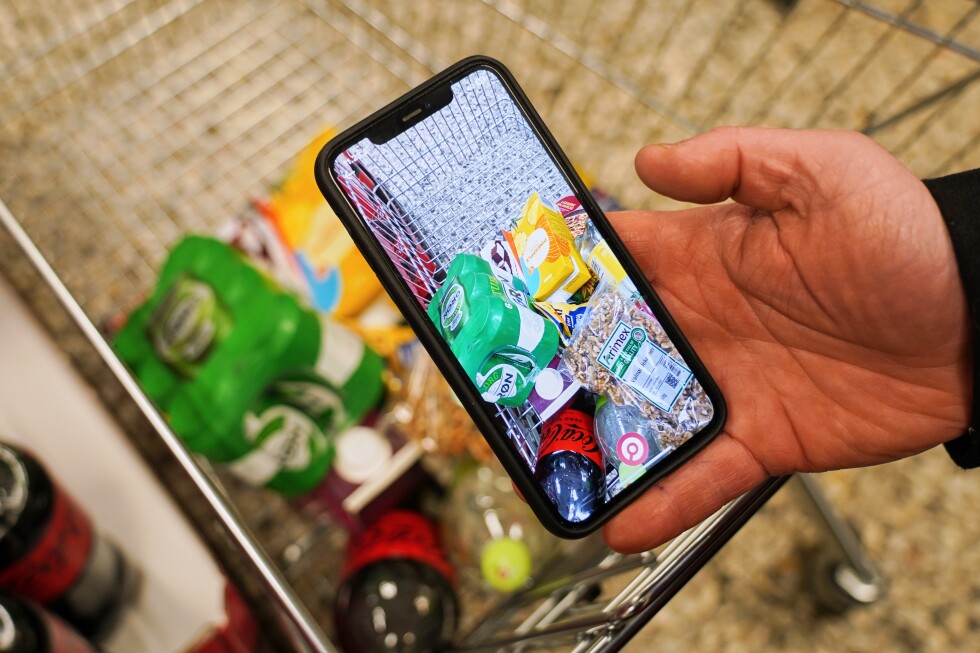
    The application’s advanced AI technology enables simultaneous analysis of multiple products, providing users with European-made alternatives while offering customization options including ‘No USA-owned brands’ and ‘Only EU-based brands.’ The developer claims the application achieves over 95% accuracy in product identification.

    During a Copenhagen supermarket demonstration, Rosenfeldt detailed the technology’s capabilities: ‘By utilizing artificial intelligence, consumers can capture product images that trigger comprehensive data analysis across multiple levels, delivering actionable information for informed decision-making.’

    Application usage peaked on January 23rd with nearly 40,000 daily product scans, dramatically exceeding the summer average of approximately 500 scans daily. While current usage has moderated to about 5,000 daily scans, the application maintains substantial usership across Denmark, Germany, Spain, Italy, and Venezuela.

    The diplomatic controversy emerged when President Trump proposed acquiring mineral-rich Greenland, a semi-autonomous Danish territory, subsequently threatening tariffs against Denmark and seven other European nations before abruptly withdrawing these threats following discussions with NATO leadership. Technical negotiations regarding Arctic security arrangements continue between the United States, Denmark, and Greenland, with all parties maintaining that sovereignty remains non-negotiable.

    A complementary application, ‘NonUSA,’ similarly surpassed 100,000 downloads by early February, with creators reporting 25,000 downloads on January 21st alone. Developer Jonas Pipper, 21, noted users reported ‘feeling empowered’ and experiencing ‘pressure relief’ through application usage.

    University of Copenhagen economics associate professor Christina Gravert provided context, noting American products constitute merely 1-3% of Danish supermarket inventory, primarily nuts, wines, and confectionery items. Gravert emphasized that meaningful impact would require addressing widespread American technology adoption, including Apple and Microsoft products that ironically facilitate the boycott applications themselves.

    Gravert’s behavioral economics analysis suggests boycott campaigns typically demonstrate limited duration, with substantive change requiring organized efforts rather than individual consumer actions. ‘Supermarket brands might reconsider product offerings if consumers demonstrate consistent preferences,’ she observed.

    Copenhagen consumers expressed mixed perspectives, with retired naval officer Morten Nielsen, 68, acknowledging symbolic participation while recognizing limited practical impact. Conversely, retiree Charlotte Fuglsang, 63, opposed the boycott movement, stating, ‘I love America and American travel—this protest approach seems inappropriate.’

    Despite acknowledged economic limitations, developers hope these technological solutions will encourage greater European production reliance and communicate consumer preferences to retail establishments.
  • Afghanistan wins toss, bats against New Zealand at T20 World Cup

    Afghanistan wins toss, bats against New Zealand at T20 World Cup

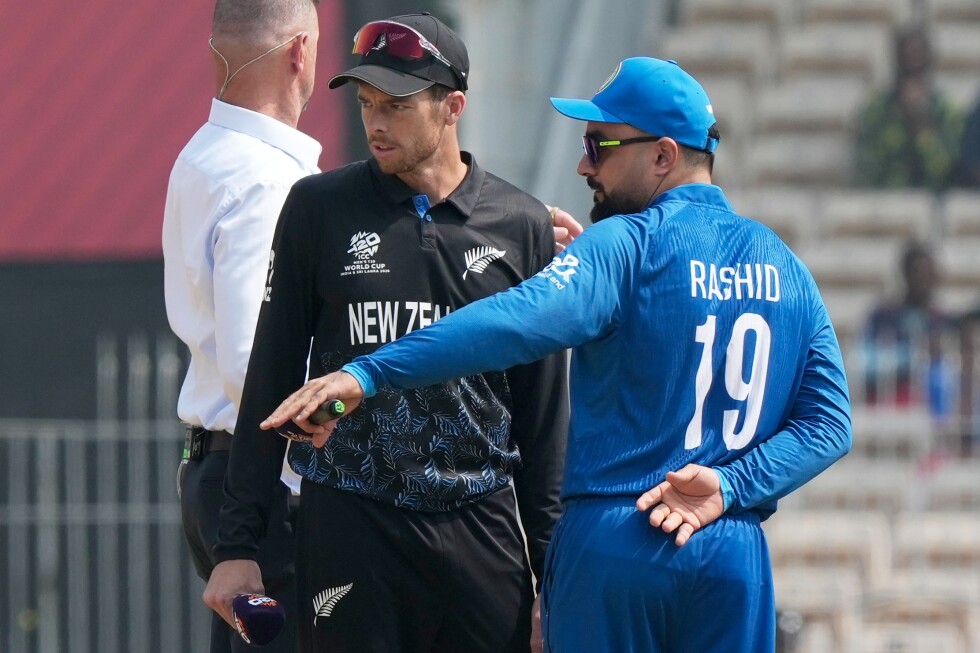
    In a highly anticipated Group D confrontation at the T20 World Cup, Afghanistan won the toss and opted to bat first against New Zealand on Sunday. This match represents the first meeting between the two squads since Afghanistan’s stunning 84-run victory over the Black Caps during the 2024 T20 World Cup in Guyana.

    Both teams find themselves in what analysts are calling the tournament’s ‘group of death,’ which includes last tournament’s finalist South Africa alongside associate nations Canada and the United Arab Emirates. Only the top two teams from this challenging group will advance to the Super 8 stage.

    New Zealand enters the competition grappling with significant challenges, having endured multiple player injuries and illnesses during their month-long preparation in India. In contrast, Afghanistan arrives at full strength, with captain Rashid Khan poised to make history—needing just four wickets to become the first bowler to reach 700 wickets in T20 matches.

    At the toss, Captain Khan expressed confidence in his team’s strategy: ‘We have a good bowling lineup and I hope it’ll help spin later on. We’ve played a lot of ICC events and it’s just about playing smart cricket and using experience.’

    New Zealand skipper Mitchell Santner countered with his own tactical approach, noting the grassy wicket conditions that might favor his three seamers—Matt Henry, Lockie Ferguson, and Jacob Duffy—during the daytime match.

    The line-ups featured Afghanistan’s Rahmanullah Gurbaz, Ibrahim Zadran, and Sediqullah Atal leading the batting order, while New Zealand countered with Finn Allen, Tim Seifert, and Rachin Ravindra. The match occurs amidst opening victories by Pakistan, India, and West Indies in the tournament co-hosted by India and Sri Lanka.