作者: admin

  • NFL team’s logo links Super Bowl fans to indigenous roots

    NFL team’s logo links Super Bowl fans to indigenous roots

    A profound cultural connection has emerged between the Seattle Seahawks NFL franchise and Indigenous communities of the Pacific Northwest, tracing back to the team’s iconic logo origins. The emblem, selected during the 1970s, has been revealed to derive directly from a ceremonial mask created by the Kwakwaka’wakw Nation of Vancouver Island.

    The discovery unfolded during the 2014 Super Bowl excitement when Seattle’s Burke Museum initiated an investigation into the logo’s heritage. Researchers identified the inspiration source as a centuries-old transformational mask carved from cedar, originally used in spiritual ceremonies before entering private collections. This mask, representing ancestral family origins, was created during a dark period when Canada’s Indian Act prohibited Indigenous cultural practices, including potlatch gatherings that served as economic and legal systems for coastal communities.

    For Wallace ‘Captain Seahawk’ Watts, a dedicated fan with Indigenous ancestry, this revelation became life-changing. “It kind of changed my whole life,” Watts stated while traveling to attend the Seahawks’ Super Bowl appearance. His journey led him to reconnect with his Kwakwaka’wakw heritage through traditional canoe journeys and cultural ceremonies, where he was formally recognized as a cultural guardian.

    The mask’s significance extends beyond symbolism. Bruce Alfred, a Kwakwaka’wakw artist involved in authenticating the artifact, notes that government and missionary efforts aimed to “annihilate and assimilate” Indigenous communities through policies now recognized as cultural genocide. Yet the Seahawks logo has sparked a cultural resurgence, with many tribal members investigating their heritage and revitalizing traditional practices.

    Unlike controversial sports imagery facing backlash for cultural appropriation, the Seahawks emblem has been widely accepted by Indigenous communities. According to Qwalsius-Shaun Peterson, a Coast Salish artist, the logo respectfully borrows from native artistry without misrepresentation. This has inspired numerous Indigenous artists to create team-inspired artwork reflecting their distinct cultural styles.

    The ongoing dialogue surrounding cultural representation continues in museum spaces, where institutions like the Burke Museum collaborate with Indigenous communities to determine appropriate display protocols for sacred objects. Meanwhile, Watts leverages his celebrity status as a superfan to support charitable causes, including mentoring incarcerated Native American youth, embodying the guardian role he discovered through this unexpected cultural connection.

  • Washington Post chief executive steps down after mass lay-offs

    Washington Post chief executive steps down after mass lay-offs

    The Washington Post has announced the immediate departure of CEO Will Lewis following a week of significant organizational turmoil that included massive layoffs affecting one-third of its workforce. Lewis, who assumed leadership in 2023, described his exit as timely after implementing what he termed ‘difficult decisions’ essential for the newspaper’s future viability.

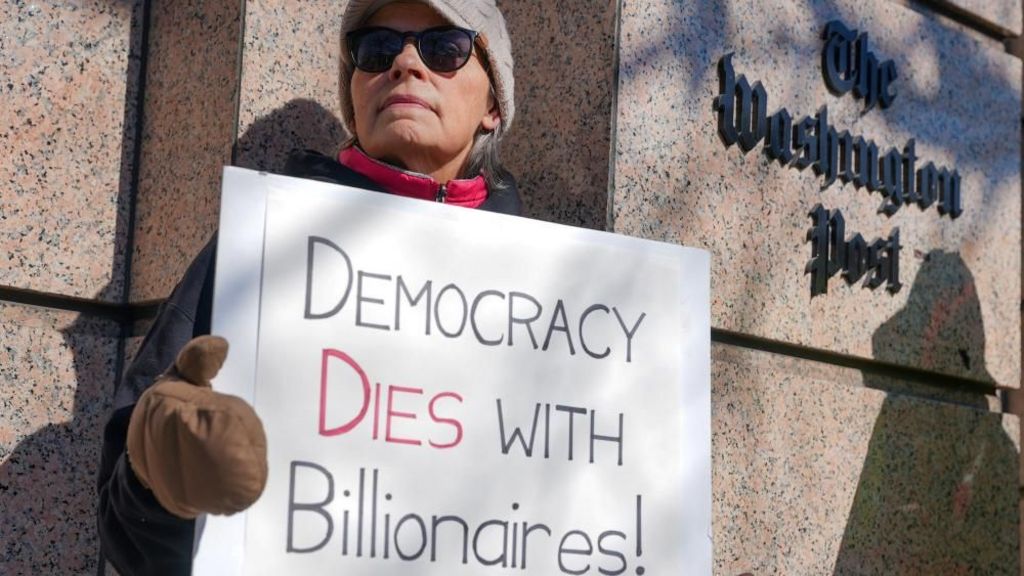
    The announcement comes just days after the prestigious publication revealed drastic cuts eliminating entire departments, including sports and international news coverage. The restructuring resulted in the dismissal of the Post’s complete Middle East bureau and its Ukraine correspondent based in Kyiv, triggering protests outside the newspaper’s Washington DC headquarters.

    Jeff D’Onofrio, who joined as chief financial officer in 2023, will assume the roles of acting publisher and CEO during this transition period. Lewis, formerly chief executive of Dow Jones and publisher of the Wall Street Journal, faced mounting criticism from both staff and subscribers during his tenure as he attempted to reverse the newspaper’s financial decline.

    The layoffs prompted strong condemnation from media professionals, including Marty Baron, the Post’s executive editor until 2021, who characterized the cuts as ‘among the darkest days in the history of one of the world’s greatest news organizations.’

    This leadership change represents the latest instability for the renowned publication, which has experienced multiple controversial decisions under the ownership of Amazon founder Jeff Bezos since his 2013 acquisition. Notably, the Post broke with decades of tradition by declining to endorse any presidential candidate in the 2024 election, a decision that resulted in the loss of tens of thousands of subscribers. Further controversy emerged when the opinion editor resigned in February 2023 after Bezos directed the commentary section to focus exclusively on ‘personal liberties and free markets,’ explicitly excluding opposing viewpoints.

  • No big names. No big budget. But Heated Rivalry is a big hit

    No big names. No big budget. But Heated Rivalry is a big hit

    In an extraordinary turn of events, former waiters Connor Storrie and Hudson Williams have become global sensations through their starring roles in ‘Heated Rivalry,’ a Canadian-produced series that has defied conventional industry expectations. The show, adapted from Rachel Reid’s explicitly queer hockey romance novels, depicts a clandestine romantic relationship between two competing ice hockey athletes.

    Produced with a modest budget of under CAD$5 million per episode, the six-episode series was filmed in Ontario within just over one month. Despite its limited resources and relatively unknown cast, the show has achieved remarkable international acclaim since its North American premiere last November. Storrie portrays Russian player Ilya Rozanov while Williams embodies Canadian athlete Shane Hollander, with both actors experiencing unprecedented career transformations that typically require years to achieve.

    ‘The production presented numerous casting challenges,’ reveals Jenny Lewis, who alongside co-casting director Sara Kay, had merely three months to identify performers meeting stringent criteria including comfort with sexual content, linguistic versatility, skating proficiency, and athletic appearance. ‘Many agents might have been deterred, but Connor and Hudson demonstrated exceptional willingness to embrace every aspect of the production,’ Kay adds.

    The series has achieved historic milestones, with its penultimate episode matching Breaking Bad’s record for the highest-rated episode on IMDB. Its cultural impact extends beyond viewership metrics—the actors have served as Olympic torchbearers, appeared on prominent late-night programs, and Storrie is scheduled to host Saturday Night Live.

    Executive producers Jacob Tierney and Brendan Brady maintained artistic integrity despite pressure to modify the show’s explicit LGBTQ+ content for financial backing. Canadian streaming service Crave, having previously collaborated with Tierney on projects like Letterkenny and Shoresy, granted creative freedom that proved instrumental in engaging the source material’s dedicated fanbase.

    Old Dominion University media studies professor Myles McNutt observes: ‘Tierney pursued an astonishingly faithful adaptation beyond expectations.’ This dedication resonated with existing fans while attracting substantial new audiences through strategic engagement initiatives that incorporated fan communities into promotional campaigns.

    The series’ international distribution expanded organically, with HBO Max acquiring rights for the United States and Australia, while Sky secured distribution for the UK and Ireland. The production’s success has generated significant ancillary benefits—Rachel Reid’s audiobook catalog experienced a 1,500% global listening increase on Spotify, and her previously published novel became a New York Times bestseller seven years after initial publication.

    Unlike conventional streaming productions featuring established stars in high-budget formats, Heated Rivalry demonstrates that compelling storytelling and authentic representation can transcend financial constraints. The production team emphasizes commitment to artistic merit over social media metrics, with Kay noting: ‘We prioritize acting excellence rather than seeking the next viral star.’

    The series has profoundly impacted all involved, including composer Peter Jones (stage name Peter Peter), whose atmospheric score has received widespread acclaim. ‘Music constitutes the emotional foundation that resonates with audiences,’ Jones remarks, acknowledging the overwhelming public response.

    With a second season confirmed following the show’s meteoric success, the production team anticipates maintaining their Canadian talent focus while preserving the creative authenticity that distinguished the inaugural season. Industry observers hope the series will continue resisting conventional streaming demands that often compromise artistic vision for broader accessibility.

  • Famous but deadly kite flying festival returns after 19-year ban

    Famous but deadly kite flying festival returns after 19-year ban

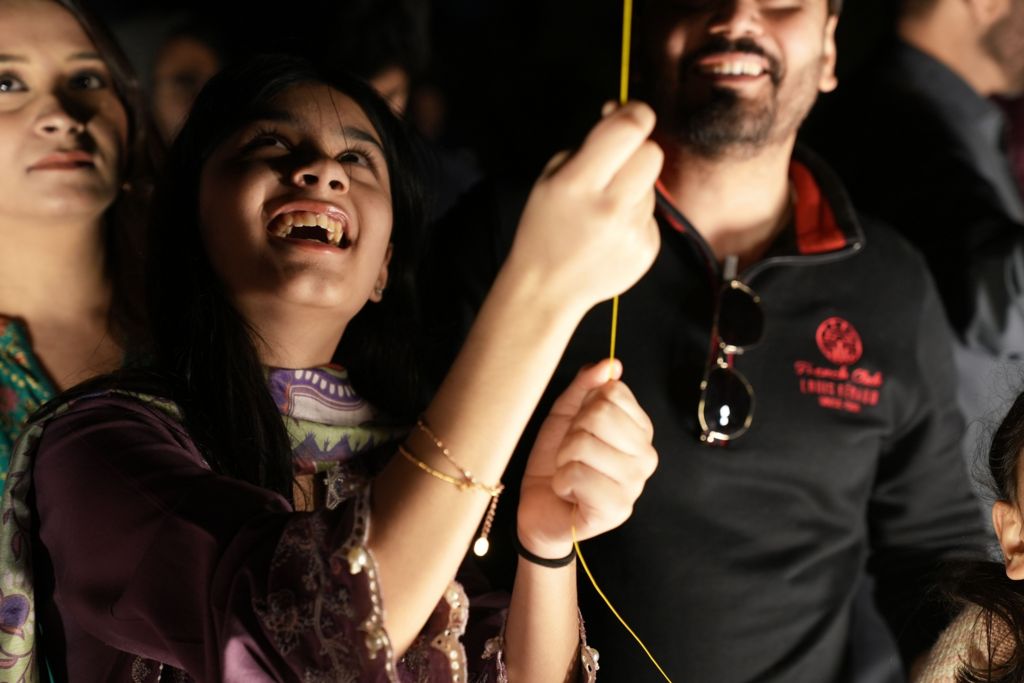
    The skies above Lahore have transformed into a vibrant tapestry of color and motion as the ancient Basant kite-flying festival returns after nearly two decades of prohibition. Across the Pakistani city’s rooftops, multigenerational gatherings celebrate the spring tradition that was banned in 2007 following safety concerns that resulted in numerous injuries and fatalities.

    The festival’s revival represents both cultural reclamation and cautious modernization. For 25-year-old tech engineer Abu Bakar Ahmad, this marks his first genuine Basant experience. ‘All our generations here are very excited,’ he explains. ‘The elders know how to fly a kite, but we Gen-Zers don’t know.’ His sentiment echoes throughout Lahore, where many younger participants are learning the art for the first time.

    Authorities have implemented comprehensive safety measures to prevent past tragedies. The festival has been limited to three days, with large kites prohibited and dangerous strings containing metal or glass coatings banned. Motorcyclists now utilize protective metal rods between handlebars, while strategic netting covers certain streets and relocated CCTV cameras monitor rooftop activities.

    Deputy Inspector General Faisal Kamran revealed extensive preparations: ‘We have seized more than 100,000 kites and 2,100 rolls of dangerous string before the festival. Our officers are monitoring through drones, physical surveillance, and repurposed surveillance systems.’

    The economic impact is already substantial. Vendor Usman reported selling over 7,000 kites within days, while advocate Yousaf Salahuddin emphasized the festival’s financial importance for local artisans, vendors, and hospitality businesses. ‘There was a lot of revenue going down to the poorest—the street vendors, old city restaurants, clothing dyers, and merchandise sellers,’ Salahuddin noted.

    For 60-year-old Miami resident Mina Sikander, the festival warranted international travel. ‘I’m very fond of this festival,’ she expressed. ‘It was worth the journey!’ Her enthusiasm reflects the deep cultural significance Basant holds for the Lahori diaspora.

    Despite the competitive aspect of kite fighting—where participants attempt to cut opponents’ strings—the prevailing atmosphere emphasizes community bonding. As 48-year-old Kanwal Amin observed, ‘It’s gathering, it’s love. Flying kites is ok, but the main thing is bonding.’

    The festival’s successful return demonstrates how cultural traditions can evolve with appropriate safety measures while maintaining their essential character and significance for community identity.

  • A singer’s tragic death highlights Nigeria’s snakebite problem

    A singer’s tragic death highlights Nigeria’s snakebite problem

    The untimely death of 26-year-old Nigerian soprano Ifunanya Nwangene has ignited national outrage and exposed critical deficiencies in the country’s emergency medical response system. The promising vocalist, who gained fame on Nigeria’s version of The Voice, succumbed to a venomous snakebite in Abuja last Saturday under circumstances that reveal systemic failures in antivenom accessibility and emergency protocols.

    Ifunanya was awakened in her ground-floor apartment in Nigeria’s capital by intense pain as a forest cobra bit her wrist. Following established first-aid procedures, she applied a tourniquet before seeking hospital care—a decision that would later become controversial. Her father, Christopher Nwangene, recounted the frantic efforts to secure treatment as his daughter visited multiple medical facilities in search of antivenom.

    The Federal Medical Centre in Jabi, where Ifunanya eventually received treatment, has disputed claims of antivenom unavailability, though family accounts describe desperate searches for the life-saving medication at local pharmacies. Medical professionals removed her tourniquet upon admission, administering intravenous fluids instead. Witnesses reported her rapid deterioration, with the young singer losing speech function and struggling to breathe despite partial treatment.

    This tragedy highlights Nigeria’s persistent struggle with snakebite emergencies, classified by the WHO as a neglected tropical disease causing approximately 30,000 annual deaths across sub-Saharan Africa. The country records about 20,000 snakebite cases yearly, with antivenom costs ranging from $33 to $58 per vial—prohibitively expensive for many Nigerians.

    The crisis extends beyond urban centers like Abuja. In rural areas where electricity instability complicates antivenom refrigeration, traditional healers often become the primary treatment option. Hafiz Aminu from Kaduna State survived a cobra bite through herbal remedies after hospitals lacked antivenom, though experts caution that traditional methods remain ineffective against highly venomous species.

    In response to the public outcry, Nigeria’s Senate has urged health authorities to ensure nationwide availability of safe, effective, and affordable antivenoms. International researchers have proposed innovative solutions, including repurposing the blood thinner heparin as a cost-effective antidote. Yet for grieving families like the Nwangenes, these developments come too late, underscoring the urgent need for both medical infrastructure improvement and compassionate emergency care.

  • Thailand votes in early election with 3 main parties vying for power

    Thailand votes in early election with 3 main parties vying for power

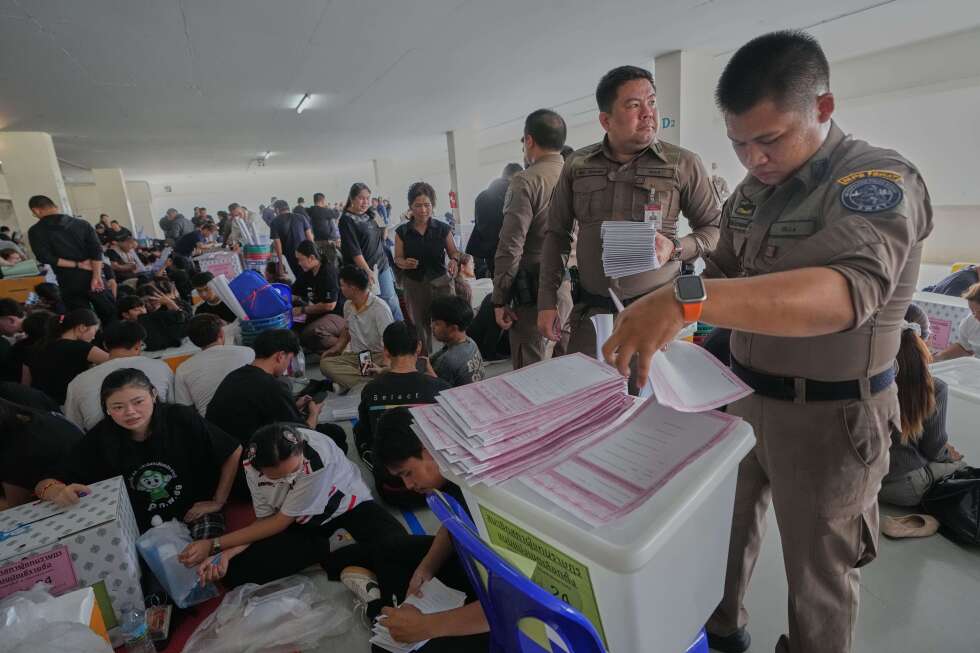
    BANGKOK — Thailand stands at a political crossroads as millions of voters participate in Sunday’s snap general election, confronting a complex electoral landscape shaped by competing ideologies and power dynamics. The electoral contest emerges as a triangular struggle between progressive reformism, establishment conservatism, and traditional patronage politics.

    The electoral battlefield presents three dominant forces with distinct visions: the reform-oriented People’s Party, the establishment-backed Bhumjaithai Party led by incumbent Prime Minister Anutin Charnvirakul, and the populist Pheu Thai Party representing the political machinery of exiled billionaire Thaksin Shinawatra. This political trifecta operates within a nation grappling with economic stagnation and rising nationalist sentiments.

    Electoral projections indicate no single party will secure an outright parliamentary majority, necessitating complex coalition negotiations. The progressive People’s Party, successor to the dissolved Move Forward Party that triumphed in the 2023 elections, faces significant governing obstacles despite potential plurality victory. Its reform agenda targeting military, police, and judicial institutions faces resistance from conservative power structures.

    Prime Minister Anutin’s Bhumjaithai Party has leveraged recent border tensions with Cambodia to bolster its national security credentials, rebranding its leadership image following earlier challenges from natural disasters and financial controversies. The party employs sophisticated grassroots mobilization techniques and traditional patronage networks, particularly in the vote-rich northeastern regions.

    Meanwhile, the Pheu Thai Party continues its political resilience campaign, utilizing populist economic policies and the enduring influence of the Shinawatra political dynasty. The party has moderated its stance to gain acceptability within Thailand’s conservative establishment, nominating Thaksin’s nephew as its premier candidate while emphasizing economic revitalization and direct cash distribution programs.

    Adding constitutional significance to the election, voters simultaneously consider a referendum authorizing parliamentary proceedings to replace the 2017 military-drafted charter. This constitutional question highlights the fundamental divide between pro-democracy advocates seeking reduced military influence and conservatives prioritizing political stability.

  • Thousands protest in Berlin in solidarity with Iranian uprisings

    Thousands protest in Berlin in solidarity with Iranian uprisings

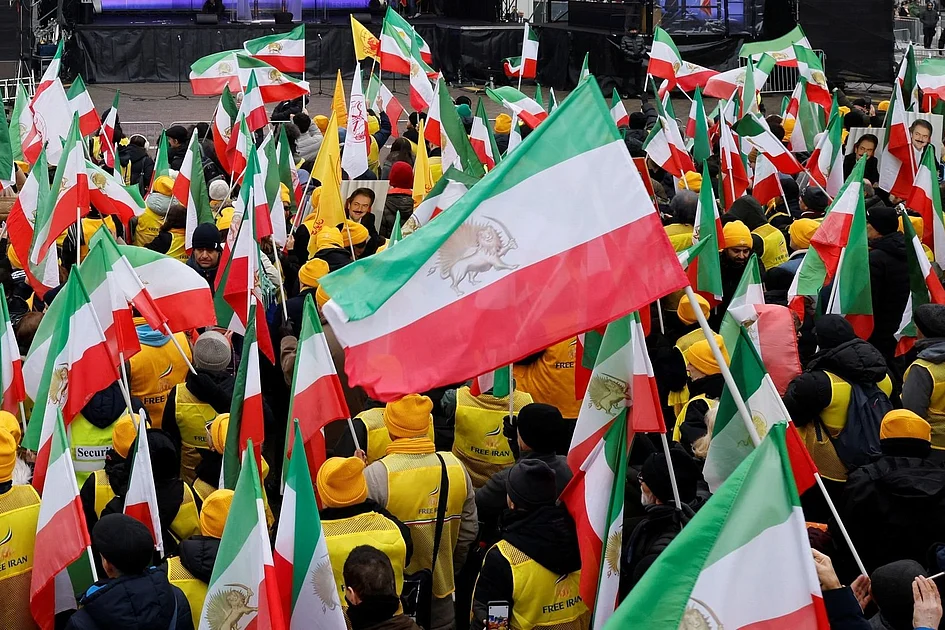
    BERLIN – Thousands of demonstrators converged upon the German capital on Saturday in a powerful display of international solidarity with ongoing anti-government protests in Iran. The gathering at Berlin’s iconic Brandenburg Gate coincided with the anniversary of Iran’s 1979 revolution, creating a symbolic counterpoint to the Islamic Republic’s official celebrations.

    Berlin police authorities confirmed approximately 8,000 participants had assembled by 1300 GMT, though organizers had anticipated up to 20,000 registered attendees. The demonstration emerged in response to Iran’s widespread civil unrest that began in December over economic grievances before evolving into political protests met with severe governmental crackdowns.

    Notable figures including former U.S. Secretary of State Mike Pompeo provided virtual addresses after weather-related flight cancellations prevented physical attendance. Event organizers reported substantial institutional backing from 344 organizations across Europe, including parliamentary groups, trade unions, and civil society organizations, alongside 312 Iranian associations operating throughout the continent.

    Maryam Rajavi, president-elect of the National Council of Resistance of Iran (NCRI), articulated the movement’s core principles during her address: ‘The message of the Iranian people and their Resistance has been and remains this: no appeasement, no war or foreign intervention, regime change and sovereignty of the republic of the people, by the people and their organised resistance.’

    The demonstration represents the latest international response to Iran’s domestic unrest, which has witnessed the most severe suppression of dissent since the 1979 revolution. European governments have previously indicated potential sanctions against Iranian officials responsible for protest suppression.

  • 3 Doors Down lead singer Brad Arnold dies at 47

    3 Doors Down lead singer Brad Arnold dies at 47

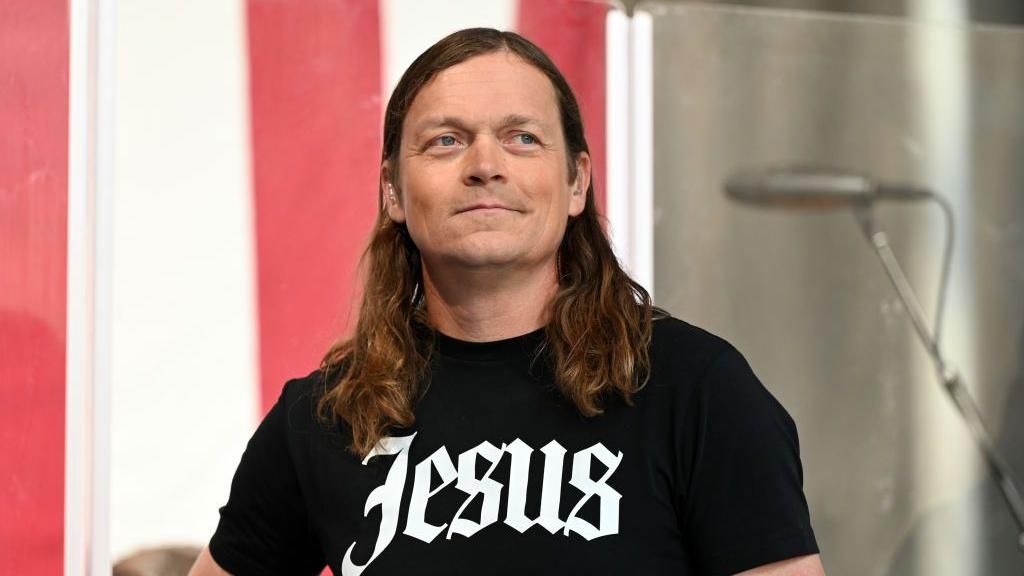
    The music world mourns the loss of Brad Arnold, iconic lead vocalist and primary songwriter of multi-platinum rock band 3 Doors Down, who passed away at age 47 following a courageous battle with cancer. The band confirmed his passing through an official statement released on social media platform X this Saturday.

    Arnold’s health journey became public knowledge in May 2025 when he revealed his diagnosis of stage 4 clear cell renal carcinoma, an aggressive form of kidney cancer that had metastasized to his lungs. Despite the grave prognosis, the musician maintained remarkable courage, stating at the time: “I have no fear, I really sincerely am not scared of it at all.” His primary disappointment centered on the necessary cancellation of the band’s upcoming tour.

    As a founding member who initially served as both vocalist and drummer, Arnold played an instrumental role in shaping the post-grunge rock landscape. The band’s statement highlighted his unique ability to “redefine mainstream rock music, blending post-grunge accessibility with emotionally direct songwriting and lyrical themes that resonated with everyday listeners.”

    His musical legacy includes crafting the band’s breakthrough hit “Kryptonite” during a math class at just 15 years old. The song became the cornerstone of their multi-platinum debut album “The Better Life,” which ranked as the 11th best-selling album in the United States upon its release.

    Beyond his musical achievements, Arnold will be remembered for his personal triumphs, including his open discussion of his battle with alcoholism and maintaining sobriety since 2016. He described his previous substance use as “a way to calm myself prior to a show or to chase loneliness” during a 2023 interview.

    The band’s career included notable performances at presidential events for both George W. Bush and Donald Trump, decisions that sometimes drew criticism but were defended as reflecting their Southern conservative roots.

    Arnold’s philanthropic efforts included co-founding the Better Life Foundation in 2004, which has provided substantial support to children in need of food, shelter, and medical assistance. He often expressed how seeing the foundation’s impact “has definitely enriched my life.”

    He is survived by his wife, Jennifer, while the music community remembers both his extraordinary talent and his personal qualities of “warmth, humility, faith, and deep love for his family and friends.”

  • Minibus crash kills 15 in northeastern Afghanistan

    Minibus crash kills 15 in northeastern Afghanistan

    A tragic minibus accident in northeastern Afghanistan resulted in 15 fatalities on Saturday, according to provincial police authorities. The vehicle veered off a damaged roadway in Badakhshan province and plummeted into a valley while en route to the regional capital Faizabad.

    Police spokesperson details indicate the victims comprised six children, five women, and four men. Three individuals initially survived the crash with serious injuries but subsequently succumbed at a medical facility, contributing to the updated death toll.

    Authorities have identified severe road deterioration as the primary cause of the catastrophe. This incident highlights the persistent transportation safety crisis in Afghanistan, where inadequate infrastructure, dangerous driving practices, and minimal regulatory enforcement regularly lead to fatal outcomes.

    The Badakhshan tragedy echoes similar recent disasters, including an August collision in Herat province that killed 78 migrants returning from Iran, and an August rollover near Kabul that claimed 25 lives due to driver negligence. These recurring incidents underscore systemic transportation safety failures that continue to plague the nation following decades of conflict.

  • King Charles to host Nigeria’s first UK state visit in 37 years

    King Charles to host Nigeria’s first UK state visit in 37 years

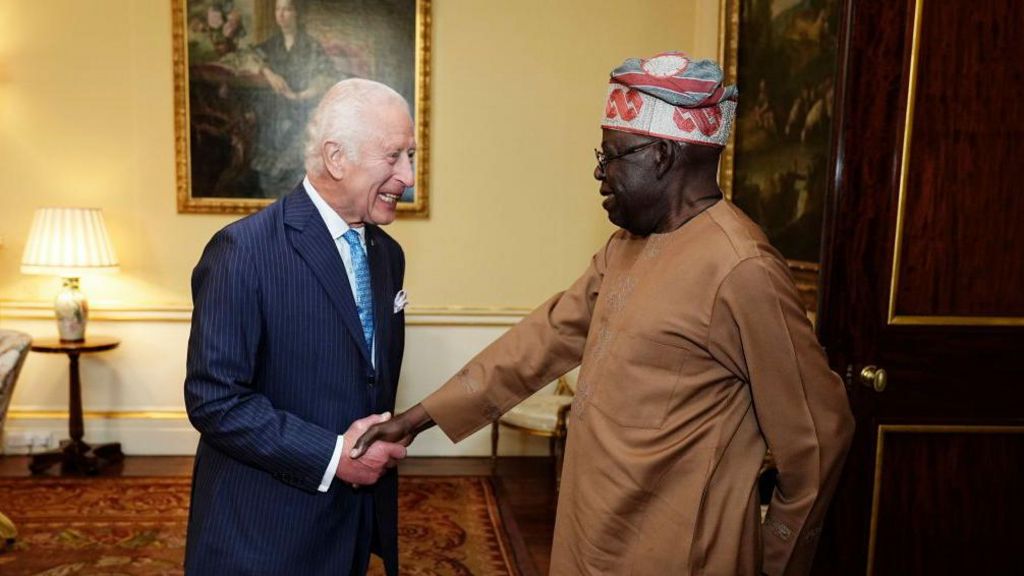
    Buckingham Palace has confirmed a landmark diplomatic event: King Charles III and Queen Camilla will welcome Nigerian President Bola Tinubu and First Lady Oluremi Tinubu for an official state visit from March 18-19, 2025. This marks Nigeria’s first state visit to the United Kingdom since 1989, ending a 37-year hiatus in top-level ceremonial diplomacy between the Commonwealth nations.

    The upcoming visit represents a significant elevation in bilateral relations, utilizing the full spectacle of royal protocol to reinforce diplomatic ties. State visits serve as instruments of soft-power diplomacy, employing ceremonial grandeur to underscore the importance of international partnerships. While President Tinubu previously met the monarch at Buckingham Palace in September 2024 and during COP28 discussions in Dubai, this occasion will feature the complete ceremonial treatment reserved for the most valued allies.

    The context for this diplomatic milestone reveals substantially strengthened economic connections. Recent government statistics indicate UK-Nigeria trade exceeded £8 billion in the year ending October 2024, positioning Nigeria among Britain’s foremost economic partners in Africa. This commercial relationship received further institutional support through a new trade and investment partnership agreement signed in 2024, designed to expand business opportunities between the nations.

    Though the precise agenda remains undisclosed, traditional state visit elements typically include carriage processions, an elaborate state banquet, and parallel political discussions between government representatives. The event continues King Charles’s active diplomatic calendar, which featured three state visits in 2025 alone—hosting leaders from France, the United States, and Germany.

    The monarch maintains particularly strong connections with Nigeria, having visited four times as Prince of Wales in 1990, 1999, 2006, and 2018. His appreciation for Nigerian culture includes publicly expressed admiration for Pidgin English and Afrobeats music. These ties were further institutionalized in 2023 when The King’s Trust International launched operations in Nigeria, initiating programs to address youth unemployment in the nation.