作者: admin

  • UAE: Modern succession planning for global families

    UAE: Modern succession planning for global families

    In an increasingly interconnected world, high-net-worth families across the GCC and beyond are confronting unprecedented complexities in succession planning. The conventional model of finalizing inheritance documents has become inadequate for modern global families whose members study abroad, hold assets across multiple jurisdictions, and operate businesses in diverse regulatory environments.

    Contemporary succession planning now demands sophisticated foresight, structured governance frameworks, and transparent multigenerational communication. The emergence of blended families, multi-branch households, and international family enterprises has made clarity in roles and decision rights increasingly critical. Without proper planning, even harmonious families risk encountering uncertainty, delays, or disputes during transitions.

    The most effective approach integrates three core elements: governance, structure, and emotional intelligence. Thoughtful family governance provides stabilizing frameworks for decision-making and information sharing, while appropriate structures like trusts and holding entities must align with actual family circumstances. Perhaps most importantly, addressing emotional dynamics—unspoken assumptions, documentation gaps, and difficult conversations—proves essential for successful transitions.

    Successful families treat succession as an ongoing strategic process rather than a one-time event. Next-generation involvement should occur gradually, allowing younger members to understand business operations, investments, and family values. This approach becomes particularly crucial when the next generation holds different cultural perspectives, risk appetites, or career aspirations.

    Ultimately, modern succession planning transcends mere wealth transfer, focusing instead on continuity of purpose and legacy. Families that begin early, communicate openly, and build adaptable frameworks will be best positioned to protect both their assets and relationships across generations.

  • Saudi Arabia adds 20 new high-speed trains to Haramain Railway

    Saudi Arabia adds 20 new high-speed trains to Haramain Railway

    In a major infrastructure enhancement, Saudi Arabia has significantly expanded its high-speed rail capabilities through a new agreement with Spanish manufacturer Talgo. The Kingdom’s Ministry of Transportation and Logistics, in collaboration with the Ministry of Finance, has commissioned 20 additional high-speed trains for the critically important Haramain Railway line.

    The contract, valued at approximately €1.3 billion ($1.54 billion), represents a substantial investment in Saudi Arabia’s transportation future. This acquisition will augment the existing fleet of 35 Talgo 350 trains that have been operational since 2018, dramatically increasing capacity along the route connecting the holy cities of Mekkah, Medinah, and the commercial hub of Jeddah.

    Each new trainset will maintain the technical specifications of the current fleet, featuring two power cars and thirteen coaches with a combined capacity of 417 passengers. The design includes dedicated spaces for catering services and passengers with reduced mobility, alongside full platform-level access for improved boarding efficiency.

    The expansion directly addresses growing passenger demand, particularly during the annual Hajj pilgrimage season when service frequency increases from over 100 daily trips to more than 140. This enhancement comes after the railway successfully transported nearly two million pilgrims during the 2025 Hajj season.

    Beyond manufacturing, the agreement extends Talgo’s maintenance responsibilities through the Saudi Spanish Train Project Company consortium. The Spanish firm will now maintain the entire 55-train fleet until at least 2033, with potential extension options through 2038. Talgo currently operates two maintenance facilities in Saudi Arabia employing over 270 personnel.

    The Haramain Railway represents one of the Middle East’s most advanced transportation projects, operating over 450 kilometers of track built to Spanish high-speed standards with maximum commercial speeds of 300 km/h and modern ERTMS Level 2 signaling systems.

  • Is Bangladesh’s youth turning against India?

    Is Bangladesh’s youth turning against India?

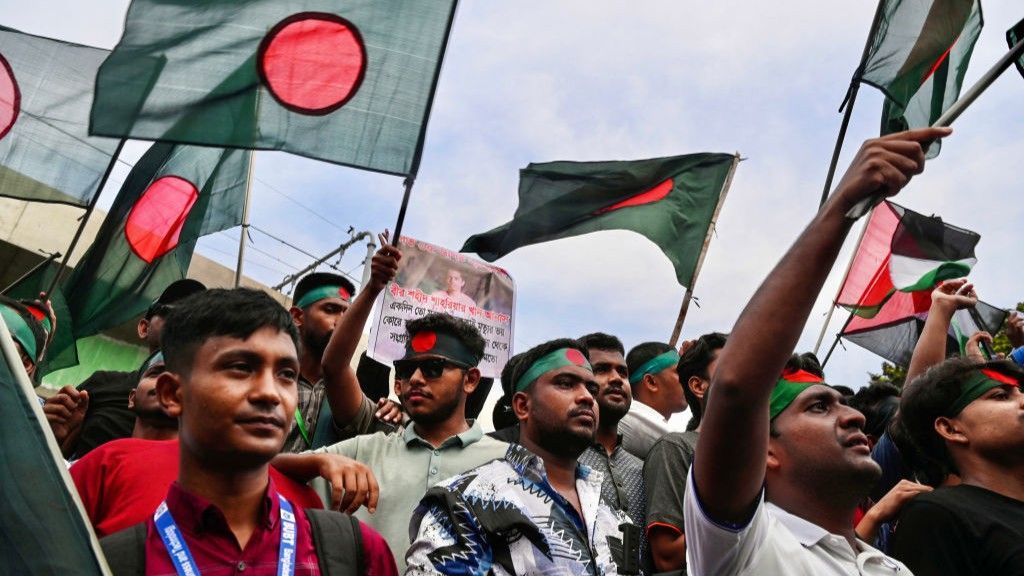
    The political landscape of Bangladesh is undergoing a profound transformation as anti-Indian sentiment reaches unprecedented levels following the ouster of former Prime Minister Sheikh Hasina. The walls of Dhaka University now bear witness to this shift, adorned with graffiti proclaiming ‘Dhaka, not Delhi’—a slogan that has even been stitched onto traditional saris, symbolizing the deep-seated resentment against perceived Indian hegemony.

    This dramatic deterioration in bilateral relations marks a stark contrast to the previously touted model of neighborhood diplomacy. The crisis stems from India’s decision to grant asylum to the deposed leader Sheikh Hasina, who fled to Delhi after her resignation amid the July 2024 uprising that claimed approximately 1,400 lives according to UN estimates. India’s refusal to extradite Hasina to face an in absentia death sentence for her government’s brutal security crackdown has become a focal point of public outrage.

    Analysts identify multiple layers to this diplomatic rupture. The younger generation, particularly students who led the pro-democracy movement, accuse India of enabling Bangladesh’s democratic erosion by consistently endorsing disputed elections in 2014, 2018, and 2024. ‘People think the destruction of democracy was supported by India,’ states Mosharraf Hossain, a 24-year-old sociology student, echoing a widespread sentiment.

    Long-standing grievances have converged into a perfect storm of anti-Indianism: border killings, water-sharing disputes, trade restrictions, and inflammatory rhetoric from Indian politicians have created a perception that India views Bangladesh as ‘a pliant backyard’ rather than a sovereign equal. The recent suspension of most visa services and cultural retaliation—including calls to boycott Indian goods and suspension of IPL broadcasts—demonstrate how political strain is spilling into economic and cultural spheres.

    Despite tactical diplomatic outreach by India, including Foreign Minister S Jaishankar’s engagement with opposition figures like BNP’s Tarique Rahman and unprecedented contacts with Islamist party Jamaat-e-Islami, these efforts have failed to arrest the relationship’s decline. Kamal Ahmed, consulting editor of The Daily Star, confirms this is ‘the lowest point of the bilateral relationship’ in decades.

    The upcoming February 12 election represents a critical juncture. With Hasina’s Awami League barred from contesting, the political landscape is realigning, though all parties recognize that resetting relations with India is unavoidable. As academic Ali Riaz notes, ‘The burden of repair lies largely with Delhi’ and requires moving beyond managing Dhaka through favored intermediaries. While geography, history, and shared cultural heritage make complete separation impossible, rebuilding trust will require India to align its policy with the aspirations of Bangladeshi citizens rather than governmental preferences.

  • Qualifier Bejlek celebrates career-first WTA Tour title at Mubadala Abu Dhabi Open

    Qualifier Bejlek celebrates career-first WTA Tour title at Mubadala Abu Dhabi Open

    The Mubadala Abu Dhabi Open culminated in a spectacular display of emerging talent and historic firsts as 20-year-old Czech qualifier Sara Bejlek captured her debut WTA Tour championship. Presented by the Abu Dhabi Sports Council, the tournament witnessed Bejlek’s remarkable ascent through the draw, culminating in a decisive 7-6, 6-1 victory over pre-match favorite Ekaterina Alexandrova in Sunday’s final.

    Competing in just her second WTA-level main draw, Bejlek demonstrated extraordinary composure against the more experienced Alexandrova, who had reached both singles and doubles finals. The young Czech’s triumph marks the first time a player from her nation has claimed the Abu Dhabi title. ‘I’m regaining my competitive form and this feels absolutely incredible,’ Bejlek stated during her post-match remarks. ‘My team maintained unwavering belief in me even before I returned to competition, and now I’ve come to share that conviction myself.’

    Alexandrova swiftly rebounded from her singles disappointment by partnering with Australia’s Maya Joint to secure the doubles crown. The pair engaged in a rain-affected thriller against Tereza Mihalikova and Olivia Nicholls, ultimately prevailing 6-3, 6-7, 10-8 after an intensely contested battle.

    The tournament simultaneously celebrated another landmark achievement as World No. 1 wheelchair tennis athlete Yui Kamiji triumphed in the inaugural Wheelchair Tennis Invitational presented by the WTA Foundation. Kamiji delivered a commanding 6-3, 6-2 performance against 20-time Grand Slam champion Jiske Griffioen before a capacity crowd on ADCB Court 1. ‘Competing here represents a tremendous opportunity,’ Kamiji commented. ‘The facilities are exceptional and this victory strengthens my determination to pursue the one major title that has eluded me – Wimbledon singles.’

    The event’s developmental pathway, Road to Mubadala Abu Dhabi Open, showcased emerging regional talent across multiple age categories. Champions included Uchechukwu (Megan) Uzokwe and Yezid Baccouche (Under-12), three-time consecutive winner Isabelle James, Marwan Safi (Under-14 boys), Saida Ismail (Under-16 girls), and Timur Gordeev who secured his third straight Under-16 boys’ trophy.

    Olympic gold medalist Monica Puig, serving as tournament presenter, praised the event’s significance: ‘As the opening competition in the Middle Eastern swing, this tournament holds special importance. Bejlek’s performance was particularly impressive – she displayed no visible nerves and executed her game plan flawlessly.’

    Tournament Director Nigel Gupta reflected on the week’s success: ‘We’ve witnessed sell-out crowds creating an electric atmosphere throughout this world-class event. Bejlek’s breakthrough victory brought particular joy, while the inaugural wheelchair exhibition demonstrated exceptional skill and competitiveness. We’re already envisioning how to elevate this tournament further in future editions.’

  • 2 arrested, special investigative team formed after ride collapses in India’s Haryana

    2 arrested, special investigative team formed after ride collapses in India’s Haryana

    A tragic structural failure at an amusement ride in India’s Haryana state has resulted in one fatality and multiple injuries, prompting immediate law enforcement response and official investigations. The incident occurred during the popular Surajkund Mela fair in Faridabad, where a joyride installation unexpectedly collapsed, creating a scene of chaos and emergency response.

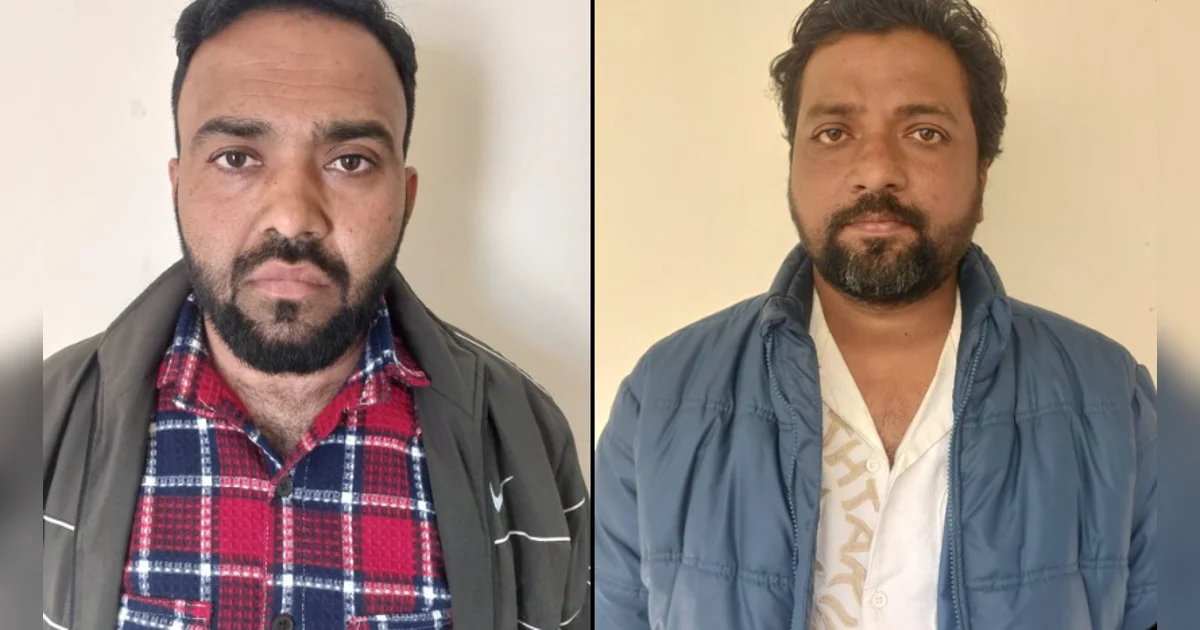
    Law enforcement authorities have taken two individuals into custody following the catastrophic event. The detained persons have been identified as Mohammed Shakir and Nitesh, both facing preliminary charges related to the incident. Faridabad Police have established a specialized investigative team headed by prominent law enforcement officials to conduct a thorough examination of the circumstances leading to the structural failure.

    The investigative unit comprises ACP Crime Varun Dahiya, the office in charge of Crime branch, alongside NIT SI Sheeshpal and SI Sanjay. This team will operate under the direct supervision of DCP Crime Mukesh Malhotra, ensuring comprehensive scrutiny of safety protocols, maintenance records, and operational procedures.

    Tragically, a Station House Officer lost his life during rescue operations. The police officer, whose identity hasn’t been fully disclosed, noticed the ride tilting abnormally and immediately moved to evacuate attendees. During his rescue efforts, the collapsing structure struck him in the facial and cranial areas, causing fatal injuries. Medical personnel declared him deceased upon arrival at the emergency medical facility.

    Thirteen additional victims sustained various injuries and were transported via emergency medical services to nearby healthcare facilities. Faridabad authorities confirm that all injured persons are currently receiving medical treatment, with some requiring extensive care.

    Haryana’s Chief Minister has publicly expressed condolences to the family of the deceased officer and has directed state authorities to ensure comprehensive medical care for all injured individuals. The state administration has pledged full support to the investigation and promised appropriate action based on the findings.

  • Five steps to get your blood pressure under control

    Five steps to get your blood pressure under control

    With nearly half of American adults affected by hypertension, medical experts are sounding the alarm about this silent health threat that significantly increases risks for heart attack, stroke, and cognitive decline. Recent research reveals a troubling trend: hypertension-related heart disease deaths are rising among adults aged 35-64, challenging previous assumptions that primarily older populations were vulnerable.

    Dr. Eduardo Sanchez, Chief Medical Officer for Prevention at the American Heart Association, emphasizes that hypertension represents the most modifiable risk factor for cardiovascular disease and stroke. “Lifestyle changes and medication can dramatically alter the trajectory for heart attack and stroke,” he notes.

    Medical professionals recommend five essential strategies for blood pressure management:

    1. Regular Monitoring: Understanding your blood pressure numbers provides critical baseline information. More than half of those with uncontrolled hypertension remain unaware of their condition. Proper measurement technique requires appropriate cuff size, seated position with feet flat, arm supported at heart level, and no conversation during measurement. Home monitoring is particularly valuable given that up to 30% of patients experience ‘white coat hypertension’ in clinical settings.

    2. Risk Assessment: Hypertension develops through complex interactions between genetic predisposition and environmental factors including smoking, excess weight, and poor sleep. Those with family history of heart attack or stroke face increased genetic risk. Age, race, and gender also influence vulnerability, with higher prevalence among Black individuals and men. Women who develop hypertension during pregnancy require special attention as they face elevated cardiovascular risks postpartum.

    3. Dietary Modification: The Dietary Approaches to Stop Hypertension (DASH) diet emerges as the most effective nutritional intervention among 22 lifestyle changes analyzed across 100+ studies. This approach emphasizes potassium-rich foods that help eliminate sodium and relax artery walls. Beyond bananas, excellent potassium sources include avocados, cantaloupe, citrus fruits, spinach, and Swiss chard. Combining DASH with sodium reduction below 2,300mg daily—primarily by avoiding restaurant meals and processed foods—produces optimal results. Alcohol reduction, ideally complete abstinence, further supports blood pressure control.

    4. Physical Activity and Stress Management: Aerobic exercise strengthens heart efficiency, ranking as the second-most effective intervention after dietary changes. Isometric resistance exercises (wall squats, planks) placed third by promoting blood vessel dilation and improved circulation. These activities simultaneously reduce stress, as do meditation, yoga, and various religious practices. Weight reduction through exercise provides additional blood pressure benefits.

    5. Medication Acceptance: When lifestyle modifications prove insufficient, medication becomes essential for achieving target levels below 130/80 mm Hg (with under 120/80 mm Hg ideal). Multiple generic options exist, including convenient single-pill combinations that address patient concerns about complex regimens. While some medications cause side effects like frequent urination or leg swelling, physicians can adjust prescriptions to minimize discomfort. Medication complements rather than replaces lifestyle changes, with Dr. Jennifer Cluett of Beth Israel Deaconess Medical Center noting that “lifestyle changes help more than just your blood pressure number.”

  • ‘Trump’s psyche’: The aide driving president’s most controversial policies

    ‘Trump’s psyche’: The aide driving president’s most controversial policies

    Stephen Miller, the controversial architect of Donald Trump’s immigration policy, finds himself at the center of a political firestorm as the administration’s hardline tactics face growing public backlash. The deputy chief of staff and homeland security adviser, once a behind-the-scenes operator, now occupies an uncomfortable position in the national spotlight following several controversial incidents.

    The escalation began when Miller aggressively defended federal immigration officers involved in the fatal shooting of Minneapolis nurse Alex Pretti, initially labeling the victim a ‘domestic terrorist’ on social media. This characterization collapsed when video evidence revealed Pretti posed no threat to officers before being pepper-sprayed and shot ten times. Miller subsequently walked back his statements, claiming the administration’s initial assessment relied on field reports from agents who ‘may not have been following’ proper protocol.

    This incident exemplifies the combative approach that has made Miller both indispensable to Trump and reviled by Democrats. His influence extends beyond immigration to shaping America’s assertive stance across the Western Hemisphere. Miller played a central role in planning military operations against Houthi rebels in Yemen and oversaw narcotics interdiction missions in the Caribbean that ultimately expanded into the operation that removed Venezuelan President Nicolás Maduro from power.

    Despite his expanding portfolio, Miller’s immigration policies have become increasingly contentious. After demanding immigration officials target 3,000 arrests daily—a dramatic increase from previous enforcement levels—the administration intensified operations in multiple cities including Washington DC, Chicago, and Minneapolis. These actions have triggered a decline in public support, with recent polls showing approval of Trump’s immigration policy at just 39%, its lowest level since he returned to office.

    Miller’s worldview combines uncompromising immigration enforcement with a vision of American power that frequently clashes with traditional diplomatic norms. His recent comments questioning Denmark’s sovereignty over Greenland and asserting that world affairs are ‘governed by strength, governed by force, governed by power’ alarmed even some Republican allies. North Carolina Senator Thom Tillis remarked that Miller should ‘get into a lane where he knows what he’s talking about or get out of this job.’

    Yet Miller’s position appears secure due to his unwavering loyalty to Trump. Having stood by the president through electoral defeat, the Capitol attack, and political exile, Miller understands Trump’s psyche like few others. As conservative strategist Bryan Lanza notes: ‘Stephen Miller is critical to Trump’s psyche. Always go strong; never back down. He can always count on Stephen to support that position on any issue.’

    With midterm elections approaching, Miller’s policies face their ultimate test at the ballot box. As Lanza observes: ‘We’ll know in November whether he’s to blame for it. The voters, at the end of the day, can be very unforgiving.’ Regardless of the outcome, Miller’s influence on American immigration policy and hemispheric relations will likely endure long after the current administration.

  • How off-the-shelf drones are changing jihadist warfare in West Africa

    How off-the-shelf drones are changing jihadist warfare in West Africa

    West Africa faces an emerging security crisis as jihadist organizations increasingly deploy armed drone technology, transforming the regional conflict landscape through aerial warfare capabilities. Monitoring group Acled documents at least 89 confirmed drone strikes since 2023, with al-Qaeda affiliate Jama’at Nusrat al-Islam wal-Muslimin (JNIM) responsible for 69 attacks across Mali and Burkina Faso, while Islamic State affiliates Islamic State West Africa Province (ISWAP) and Islamic State Sahel Province (ISSP) have conducted approximately 20 combined operations primarily in Nigeria.

    The tactical evolution represents a significant shift in militant capabilities, with groups utilizing commercially available quadcopter drones rigged with explosives for both surveillance and direct attacks. According to Acled senior Africa analyst Ladd Serwat, these inexpensive unmanned systems lower operational costs while enabling intelligence gathering with minimal risk to militants.

    A January 29th dual assault in Nigeria’s Borno state exemplifies this new threat paradigm, where ISWAP coordinated armed drones with ground fighters against a military base, resulting in nine soldier fatalities. That same day, ISSP targeted Niamey’s international airport and adjacent military installations in Niger, though conflicting reports exist regarding drone deployment in this incident.

    Security analyst Audu Bulama Bukarti notes the concerning progression: “Drones allow militants to gather intelligence with minimal risk and enable strikes on military targets that were previously harder to reach.” Despite import restrictions across the region, jihadists exploit porous borders and smuggling networks to acquire these technologies, according to Good Governance Africa researcher Malik Samuel.

    JNIM has demonstrated particularly advanced capabilities, incorporating first-person view (FPV) drones—similar to those used in Ukraine—for precision targeting. In February 2025, the group deployed FPV systems to drop improvised explosives on Burkinabe military positions in Djibo, marking a technical escalation.

    While most attacks target military and allied militia positions, civilian casualties have occurred. Acled reports JNIM has struck markets in communities perceived as government-aligned, while ISWAP’s sole documented civilian attack killed two pastoralists in northern Cameroon in June 2025.

    Experts warn that without enhanced countermeasures including jamming technology, air defense systems, and preemptive strikes against drone facilities, jihadist groups could further develop capabilities for high-impact assaults that exacerbate regional instability.

  • Private schools in Sharjah to limit study hours to 6 during Ramadan: Emarat Al Youm

    Private schools in Sharjah to limit study hours to 6 during Ramadan: Emarat Al Youm

    The Sharjah Private Education Authority (SPEA) has issued comprehensive guidelines for private educational institutions across the emirate regarding academic operations during the upcoming Ramadan period. According to reports from Emarat Al Youm, schools have been granted operational flexibility while being required to ensure that daily instructional hours do not exceed six hours throughout the holy month.

    The newly implemented framework requires educational institutions to carefully consider the varying needs across different educational stages, mandating a balanced approach that respects both academic requirements and the spiritual significance of Ramadan. Official circulars distributed to school administrations specify that scheduling must align with approved curricular frameworks and academic calendars while accommodating the unique circumstances of the holy month.

    This policy initiative aims to maintain educational continuity without compromising quality or effectiveness. The approach emphasizes equitable treatment and organizational adaptability while addressing both the academic and psychological needs of students at all educational levels. SPEA has particularly highlighted the importance of quality-of-life considerations, urging schools to account for the circumstances of students, their families, and the broader educational community.

    The authority’s guidelines reflect the humanitarian and social values characteristic of Ramadan, extending warm greetings to the educational community while reaffirming commitment to balancing academic rigor with student and family wellbeing. SPEA has expressed appreciation for the cooperation of school administrations in implementing these guidelines, which collectively contribute to creating a supportive and balanced learning environment throughout the holy month.

  • Dubai Basketball beats Real Madrid at home with decisive comeback

    Dubai Basketball beats Real Madrid at home with decisive comeback

    In a spectacular display of resilience and home-court dominance, Dubai Basketball secured a monumental 93-85 victory against European basketball giants Real Madrid at Coca-Cola Arena. The February 8, 2026 matchup witnessed an extraordinary turnaround as Dubai overcame early challenges to claim back-to-back EuroLeague triumphs within 48 hours.

    The game commenced with Real Madrid establishing early control, testing Dubai’s defensive capabilities and building a considerable lead. However, the momentum shifted dramatically in the third quarter as Dubai’s relentless defensive pressure sparked a game-changing run. The team held the Spanish powerhouse scoreless for extended periods during the final quarter, demonstrating exceptional composure under pressure.

    Dzanan Musa, Dubai’s inaugural signing for the season, delivered a standout performance against his former club, spearheading the offensive charge. He received crucial support from McKinley Wright, Filip Petrušev, and Dwayne Bacon, each contributing pivotal plays during decisive moments. New acquisition Bruno Caboclo made significant impacts on both ends of the court, while Aleksa Avramović masterfully controlled the game’s tempo throughout the comeback effort.

    Head coach Jurica Golemac emphasized the psychological significance of the victory, stating: ‘The final 15 minutes revealed our true rhythm, amplified by incredible fan support. Defeating one of EuroLeague’s elite teams in this manner demonstrates our collective character and growing confidence.’

    The victory solidifies Coca-Cola Arena’s emerging reputation as one of the league’s most challenging venues for visiting teams, with 7,000 enthusiastic fans creating an electrifying atmosphere. This milestone achievement reinforces Dubai Basketball’s playoff aspirations as the EuroLeague season enters its critical phase, generating unprecedented excitement throughout the city’s sporting community.