
In late October, the Shui ethnic communities in Rongjiang county, Guizhou province, came alive with vibrant celebrations as they observed the annual Gua Festival. This traditional event, which signifies the conclusion of the autumn harvest, saw locals adorned in colorful festive attire, creating a lively and joyous atmosphere. The festival is deeply rooted in the Shui culture and serves as a time for gratitude and communal bonding. In Yayong village, the celebrations were particularly spirited, with residents extending invitations to their Miao ethnic neighbors to partake in the festivities. The event featured traditional music played on lusheng pipes and a unique pumpkin-eating contest, adding a playful touch to the cultural proceedings. Gua Festival holds immense significance for the Shui people, as it is their largest traditional celebration. Each year, after the harvest, communities select an auspicious day to express gratitude for the season’s bounty and to offer prayers for favorable weather, good health, and prosperity in the coming year. The festival not only strengthens cultural identity but also fosters unity and harmony among diverse ethnic groups in the region.
作者: admin
-
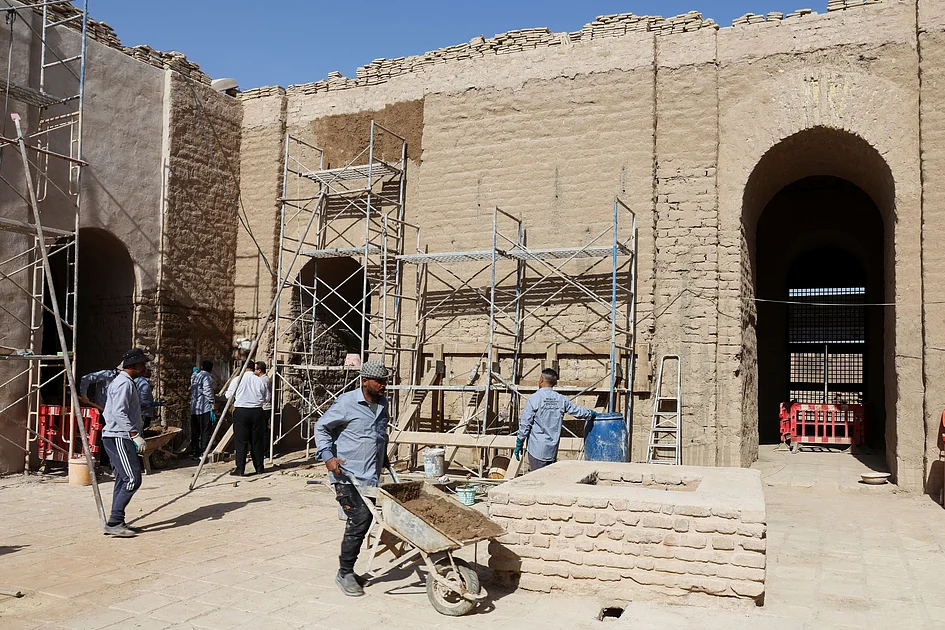
Cradle of civilisation at risk of erosion in Iraq due to climate change
Iraq, often referred to as the cradle of civilisation, is facing a dire threat to its archaeological heritage due to the escalating impacts of climate change. Rising soil salinity, exacerbated by harsh and dry weather conditions, is accelerating the deterioration of ancient sites such as Ur, the birthplace of the Biblical patriarch Abraham, and Babylon, once the magnificent capital of empires. Experts warn that these historical treasures, which have stood for thousands of years, are now at risk of disappearing. The majestic Ziggurat of Ur, a 4,000-year-old stepped pyramid temple dedicated to the moon god Nanna, is particularly vulnerable. Sand dunes and wind are eroding its northern sections, while salt deposits are eating away at the mud bricks of the Royal Cemetery of Ur, discovered in the 1920s. Nearby, the ancient city of Babylon is also in peril, with high salinity levels threatening its clay-based structures adorned with Sumerian drawings. Improper restoration practices in previous decades have made these structures more susceptible to damage. Iraq’s Ministry of Culture and Tourism has highlighted the urgent need for restoration, but a lack of funding remains a significant challenge. The country, already scarred by decades of warfare, now faces a new battle against climate change, which is altering its ecosystem and endangering its historical footprint. Without immediate intervention, these ancient cities, which offer invaluable insights into the Sumerian empire and the world’s first civilisations, may be lost forever.
-
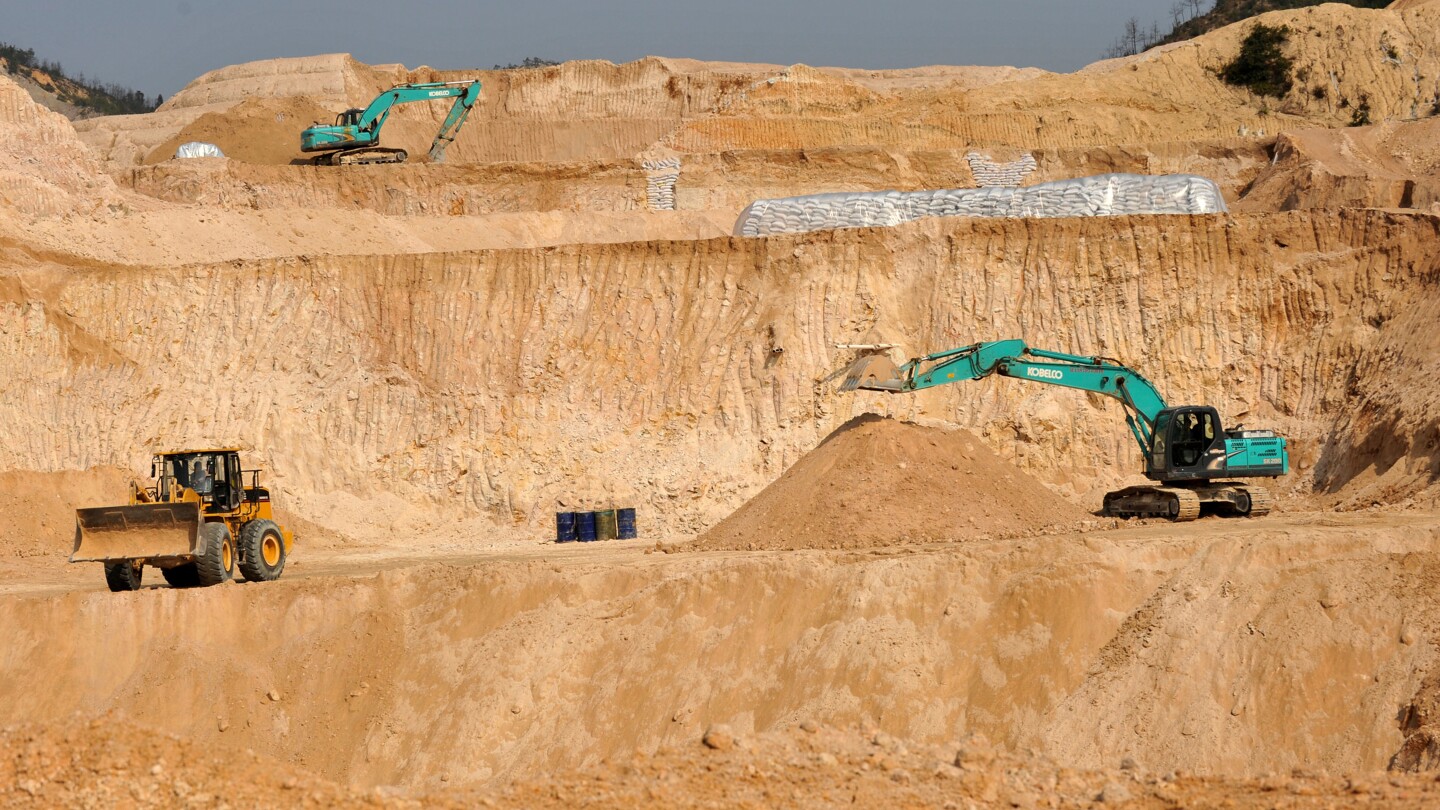
China’s rare earth export delay offers US a chance to weaken Beijing’s grip on the market
In a significant development within the ongoing U.S.-China trade negotiations, China has agreed to postpone its latest restrictions on rare earth exports for one year. This decision, part of a broader trade agreement brokered by President Donald Trump, provides the U.S. and its allies with a critical opportunity to enhance their own production and processing capabilities. However, experts caution that breaking China’s dominant position in the global rare earth market remains a formidable challenge.
-
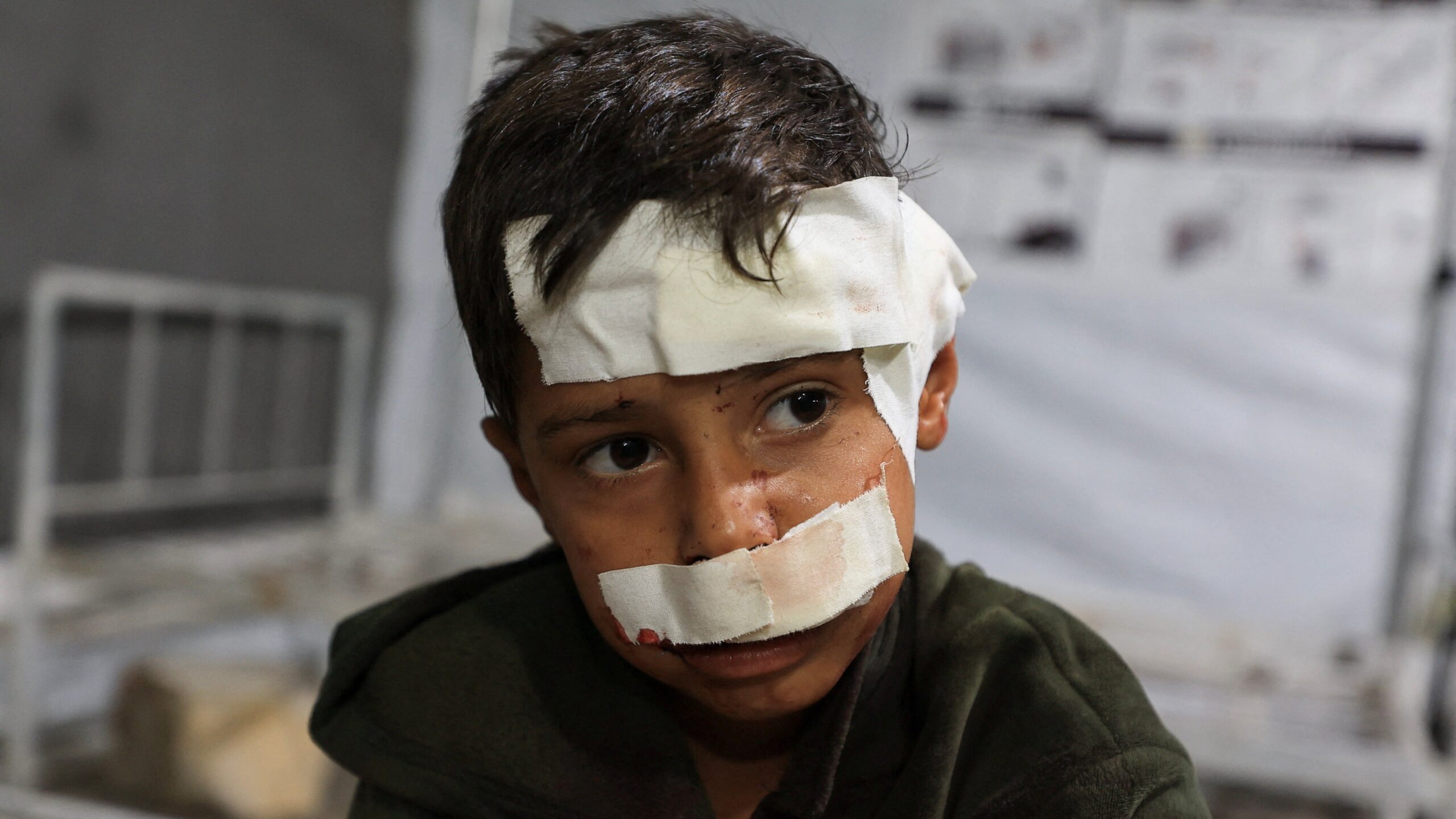
Gaza patients dying as medical supplies remain low, hospital chief warns
The ongoing conflict in Gaza has led to a catastrophic health crisis, with over 1,000 Palestinians in need of medical treatment having died since the war began, according to Dr. Mohammed Abu Salmiya, director of al-Shifa Hospital. The dire situation is exacerbated by Israel’s stringent restrictions on essential medical supplies entering the Gaza Strip, leaving the already collapsing health system in ruins. Since the ceasefire began on October 11, only 10 percent of the required medical supplies have reached the besieged enclave, leaving more than 350,000 patients with chronic conditions without access to vital medication. Hospitals are overwhelmed, receiving the bodies of patients who succumb to their illnesses daily due to the lack of medicine. ‘Without treatment, their fate is death,’ Abu Salmiya warned. Additionally, 22,000 Palestinians, including 18,000 who have completed the necessary paperwork, are unable to travel abroad for treatment due to the continued closure of crossings by Israel. Women and children are among the most vulnerable, with newborn mortality rates skyrocketing from 10 percent before the war to over 40 percent now. Pregnancy-related mortality rates have also risen drastically. The crisis worsened after Israel launched a wave of heavy air strikes across Gaza, killing 104 people, including 46 children, and wounding hundreds more. Abu Salmiya described the situation as a ‘massacre,’ with the wounded dying before their eyes due to the lack of medical attention. Mahmoud Basal, spokesperson for the Palestinian Civil Defence search-and-rescue team, highlighted the severe lack of equipment, which has drastically limited their ability to carry out rescue operations. ‘Thousands of people in Gaza have died because civil defence teams were unable to reach them immediately and efficiently to rescue them,’ he explained. Israel has yet to allow heavy equipment into Gaza for use by the civil defence, with any machinery entering the enclave being used solely to retrieve the bodies of Israeli captives killed in Gaza. Since October 7, 2023, Israeli forces have killed at least 68,643 Palestinians and wounded over 170,000, with most of those killed being civilians. Around 10,000 are missing and believed to be dead and buried under rubble.
-

Dubai’s ‘Outstanding’ schools: Here are total fees for all 23 institutions
Dubai’s educational landscape is renowned for its diversity and excellence, with the Knowledge and Human Development Authority (KHDA) playing a pivotal role in guiding parents through their school selection process. The 2023-24 KHDA report highlights 23 schools in the emirate that have achieved the prestigious ‘outstanding’ rating, alongside 48 rated as ‘very good’. These evaluations extend beyond academic performance, encompassing student wellbeing, inclusivity, and alignment with international benchmarks. External assessments in key subjects further enhance the comprehensive evaluation of each institution.
-
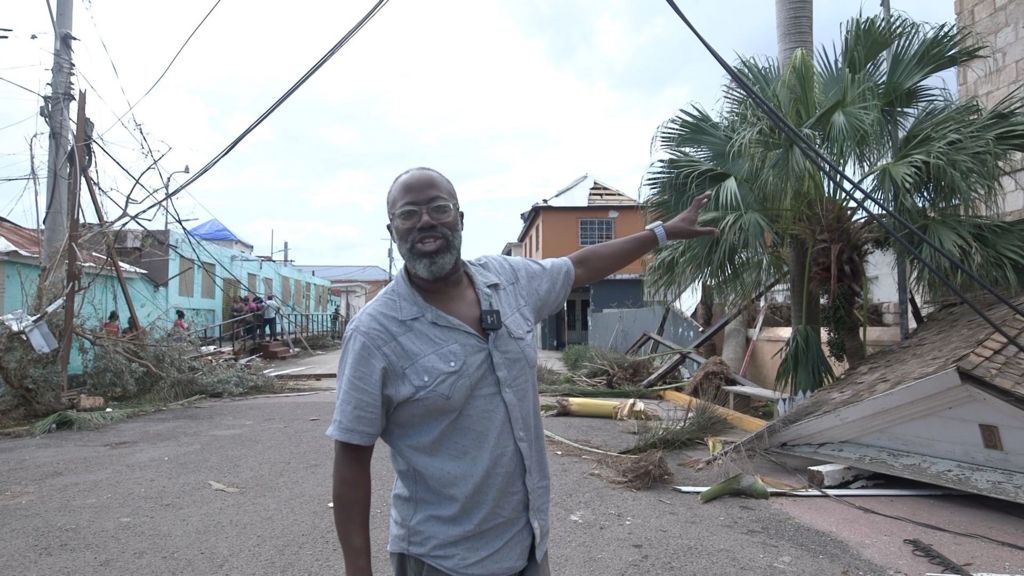
‘Everything’s gone’ – BBC finally able to access one of Jamaica’s worst-hit areas
In a recent development, the BBC has managed to enter Falmouth, one of Jamaica’s most severely impacted areas following a recent disaster. The once-thriving tourism hub now lies in ruins, with buildings, power lines, and even a historic church that was once visited by King Charles, all reduced to rubble. The scene is one of utter devastation, with locals describing the situation as ‘everything’s gone.’ Falmouth, known for its vibrant tourism industry, now faces a long and arduous road to recovery. The destruction not only affects the local economy but also poses significant challenges for the community’s morale and future prospects. Authorities are now focusing on relief efforts and rebuilding plans to restore the area to its former glory.
-
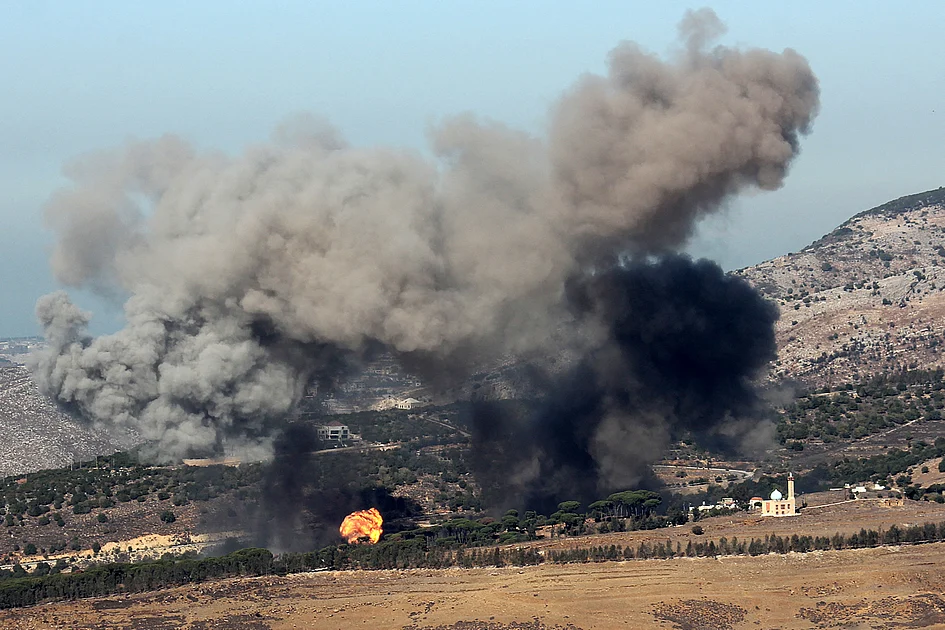
Israel carries out deadly incursion in south Lebanon
In a significant escalation of tensions, Israeli forces conducted a deadly incursion into southern Lebanon on Thursday, resulting in the killing of a municipal worker. Lebanese President Joseph Aoun swiftly responded by ordering the armed forces to confront any future Israeli incursions, emphasizing the defense of Lebanese territory and citizen safety. The Israeli military confirmed the raid, stating it targeted Hezbollah infrastructure and fired upon a ‘suspect’ deemed an immediate threat. The incident has drawn sharp condemnation from Lebanese Prime Minister Nawaf Salam, who labeled it a ‘flagrant aggression against Lebanese sovereignty.’
According to Lebanon’s National News Agency (NNA), Israeli troops stormed the Blida municipality building, where employee Ibrahim Salameh was sleeping, and fatally shot him. The health ministry confirmed his death, and an AFP journalist documented bullet holes and bloodstains at the scene. Blida’s mayor explained that Salameh was on duty, as most homes in the area were destroyed during last year’s conflict between Israel and Hezbollah.
The Israeli military defended its actions, claiming the building was used by Hezbollah for ‘terrorist activity under the guise of civilian infrastructure.’ Meanwhile, in the nearby village of Adaisseh, Israeli forces reportedly destroyed a religious ceremony hall at dawn. This raid comes despite a November 2024 ceasefire agreement, which has not halted Israel’s regular air strikes on Lebanon, often targeting Hezbollah positions.
The UN rights commission reported that Israeli forces have killed 111 civilians in Lebanon since the ceasefire. Hezbollah, weakened by the war, faces increasing pressure from the US to disarm. During a recent meeting of ceasefire monitors, US envoy Morgan Ortagus urged the Lebanese army to fully implement its plan to bring all weapons under state control by year-end. The situation remains volatile, with fears of further escalation in the region.
-
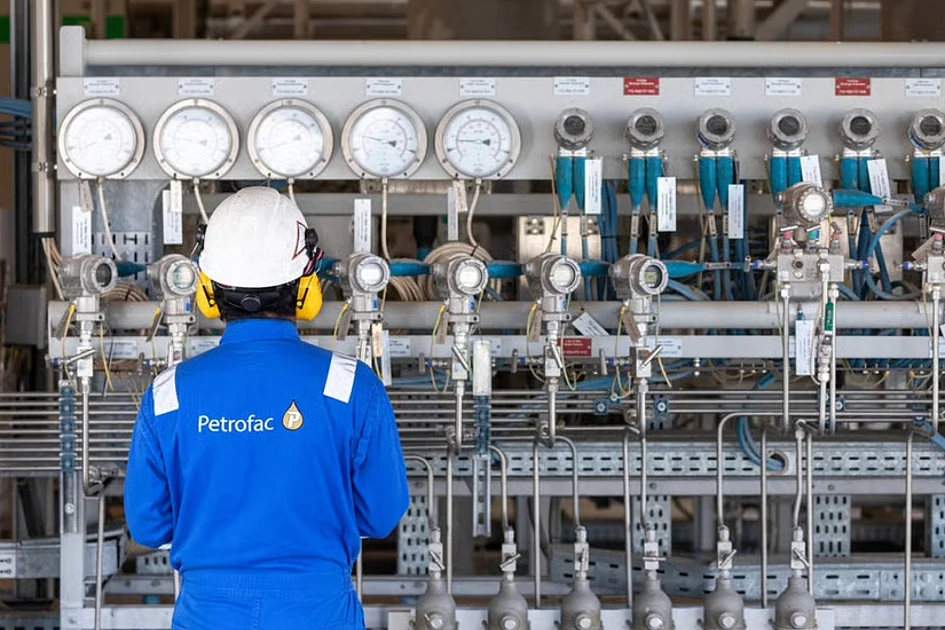
Petrofac’s downfall, shock administration send ripples across Gulf energy sector
The recent collapse of Petrofac, a once-renowned British engineering and construction giant, has sent ripples across the global energy sector, particularly in the Middle East. The company, which played a pivotal role in developing key infrastructure in the Gulf, is now under court-appointed administration following the cancellation of a €2 billion offshore wind contract in the Netherlands. This decision has left its parent company in financial turmoil, with its shares delisted from the London Stock Exchange and its future hanging in the balance.
-

Things to do in the UAE this weekend: Concerts, escapes, dining, and desert adventures
As the UAE’s favorite season returns, the weekend is brimming with exciting events and experiences across Dubai, Sharjah, and Ajman. From luxury beachside retreats and open-air dining to desert glamping and live concerts, there’s something for everyone to enjoy. Here’s a curated guide to the best activities happening this weekend. For those seeking relaxation, Ajman’s Al Zorah Beach Resort offers a Luxury Day Pass, providing access to a private beach, temperature-controlled pool, and culinary delights. Meanwhile, Lucky Fish on Palm Jumeirah invites guests to savor a refreshed Mediterranean menu in a chic, open-air setting. Adventure enthusiasts can head to Mleiha National Park for a lineup of desert experiences, including glamping, horseback riding, and stargazing. Halloween fans won’t want to miss Haunted Town Night at IMG Worlds of Adventure, featuring haunted mazes, live DJ sets, and themed bites. Music lovers can catch Bohemia’s landmark concert at Barasti Beach, while escape room enthusiasts can explore GAME OVER’s largest UAE location at Dubai Festival City Mall. For a touch of luxury, Rain Rush Dubai 2025 promises a sensory journey of art, fashion, and gourmet experiences at Dubai Creek Park. Other highlights include the Longevity Experience at Address Hotels + Resorts, a vegetarian feast at Vegetarian Room, and a night of laughter with comedian Aakash Mehta. Heinz also joins the fun with its interactive ‘ZERO Takeover’ event, celebrating the launch of Heinz Ketchup Zero. With so much to choose from, this weekend is set to be unforgettable.
-

Beijing completes over 60 Great Wall emergency reinforcement projects in five years
Over the course of the 14th Five-Year Plan period (2021-2025), Beijing has successfully completed more than 60 emergency reinforcement projects on the Great Wall, restoring over 20 kilometers of its historic structure. This significant achievement was announced by municipal authorities on Wednesday, highlighting the city’s commitment to preserving its cultural heritage. Huo Zhijing, deputy director of the publicity department of the Beijing Municipal Committee of the Communist Party of China, emphasized the integration of the Great Wall’s protection with the conservation of the Central Axis and ancient capital structures, forming a comprehensive cultural heritage conservation system. Chu Jianhao, deputy director of the Beijing Municipal Cultural Heritage Bureau, noted that Beijing has pioneered a unique approach by embedding archaeological research throughout the restoration process. This method ensures that every phase of repair is informed by detailed research, enhancing the authenticity and historical accuracy of the restoration efforts. Additionally, adjustments to protection zones and improved monitoring mechanisms have been implemented to better manage both the Great Wall and its surrounding environment. To further enhance conservation efforts, an early warning platform is being developed for Great Wall resources management and real-time surveillance. This platform will utilize advanced technologies such as drones and quadruped robots for regular inspections, significantly improving efficiency and accuracy in monitoring the condition of the Great Wall.