作者: admin

  • KPop Demon Hunters sequel ‘in process’, reveals Golden songwriter

    KPop Demon Hunters sequel ‘in process’, reveals Golden songwriter

    Award-winning composer Mark Sonnenblick, riding an extraordinary wave of professional success, has confirmed that a sequel to Netflix’s record-breaking animated film ‘KPop Demon Hunters’ is officially in development. This announcement comes during what Sonnenblick describes as a ‘whirlwind’ period, having already secured a Golden Globe and a Grammy in 2026 for co-writing the film’s breakout hit, ‘Golden,’ which has also now earned an Academy Award nomination.

    In an interview with BBC Newsbeat shortly after learning of the Oscar shortlisting, an emotional Sonnenblick reflected on the song’s unexpected journey, crediting the film’s dedicated fanbase for its monumental success. ‘This song could have disappeared. The only reason this nomination happened is fans responded and told other people to watch the film,’ he stated. ‘Golden’ has made history as the first K-Pop song to win a Grammy, cementing its place far from obscurity.

    While the sequel is confirmed to be ‘in process,’ Sonnenblick emphasized that the project is in its early stages. ‘There’s going to be a whole development process before we get deep into writing the songs. The music will follow from the story,’ he explained, noting that the continuation is contingent on the creative team, including creator Maggie Kang, agreeing it makes narrative sense.

    Simultaneously, Sonnenblick is preparing for the London debut of his new musical, ‘Midnight at the Never Get,’ set to open at the Menier Chocolate Factory in July 2026. The production, set in an illegal gay bar in 1960s New York, will feature Tony Award-winning theatre star Ben Platt in the lead role. Platt expressed immense admiration for Sonnenblick’s work, confessing he has even attempted to sing the demanding high notes of ‘Golden’ in the shower using a male-key karaoke version on YouTube. Platt praised London as an ‘exciting and safe space to create something new,’ highlighting the audience’s intelligence and respect for the craft.

  • Italy wins toss and fields in debut T20 World Cup game against Scotland

    Italy wins toss and fields in debut T20 World Cup game against Scotland

    In a landmark moment for international cricket, Italy commenced its inaugural appearance at a major International Cricket Council tournament on Monday, ending a 45-year wait since the nation’s cricket federation was established in 1980. The Italian squad won the toss against Scotland in their Twenty20 World Cup opener at Kolkata’s Eden Gardens, electing to field first in this historic match.

    The Italian team earned its place in the tournament by finishing second behind the Netherlands in the European qualifiers, becoming the 25th nation to compete in the T20 World Cup. Scotland, despite losing to Italy in the qualifiers, was later drafted into Group C as a replacement for Bangladesh after the ICC rejected the Bangladesh Cricket Board’s request to relocate its games from India to Sri Lanka due to security concerns.

    Team captain Wayne Madsen, a South African who qualified through his Italian grandmother, expressed the team’s ambition to “make a mark at this World Cup.” The Italian lineup features a distinctive international flavor with two sets of Australian brothers possessing Italian family connections: opening batters Anthony and Justin Mosca, along with Harry and Benjamin Manenti.

    Scotland entered the match seeking redemption after losing their tournament opener to West Indies on Day 1. Captain Richie Berrington welcomed the opportunity to bat first, hoping to establish a substantial total against the tournament newcomers.

    The match was part of a full day of Group C action that also featured Zimbabwe versus Oman in Colombo and 2024 runner-up South Africa facing Canada in Ahmedabad.

  • Venezuela’s opposition says party leader kidnapped hours after being freed

    Venezuela’s opposition says party leader kidnapped hours after being freed

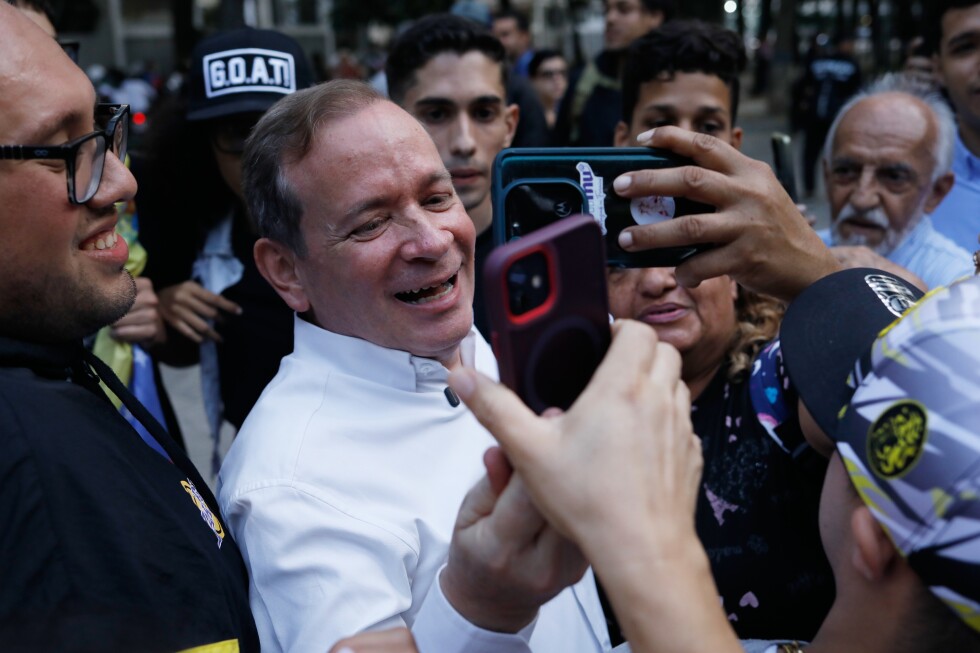
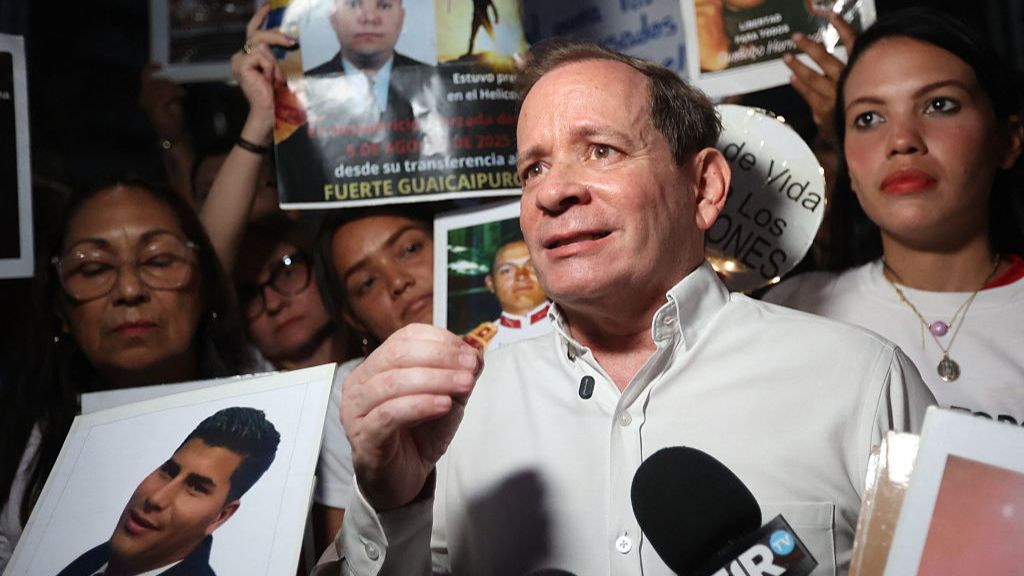
    In a concerning development for Venezuela’s political landscape, opposition figure Juan Pablo Guanipa has reportedly been forcibly taken by armed individuals mere hours after his release from an eight-month detention. The incident occurred in the Los Chorros district of Caracas, according to statements from Nobel Peace Prize laureate and opposition leader Maria Corina Machado.

    Machado detailed on social media that heavily armed men wearing civilian clothing arrived in four vehicles and violently apprehended Guanipa, who leads the center-right Justice First party. The abduction marks a dramatic reversal after Guanipa was among approximately thirty political prisoners freed on Sunday, as documented by Foro Penal, an organization supporting Venezuela’s political detainees.

    Guanipa’s political journey has been marked by ongoing tensions with the government. Elected governor of Zulia region in 2017, he was prevented from assuming office after refusing to swear allegiance to President Nicolás Maduro’s National Constituent Assembly. His legal troubles intensified when he faced accusations of terrorism and treason for disputing the 2024 election results, ultimately leading to his capture by security forces in May 2025 after a period in hiding.

    The Justice First party has unequivocally labeled the incident a kidnapping orchestrated by ‘the repressive forces of the dictatorship.’ Eyewitness accounts from those present describe weapons being aimed at the group before Guanipa was forced into a vehicle. The party has publicly held three senior government officials—Interim President Delcy Rodríguez, National Assembly Speaker Jorge Rodríguez, and Interior Minister Diosdado Cabello—directly responsible for Guanipa’s safety and wellbeing.

    This event occurs against the backdrop of continued tensions between the Venezuelan government and opposition groups, which maintain that Maduro’s administration has systematically employed arbitrary detentions to suppress dissent and silence critics. The international community faces renewed calls to intervene and demand both Guanipa’s immediate release and an end to the persecution of opposition figures in Venezuela.

  • Japanese stocks surge as Takaichi secures historic election victory

    Japanese stocks surge as Takaichi secures historic election victory

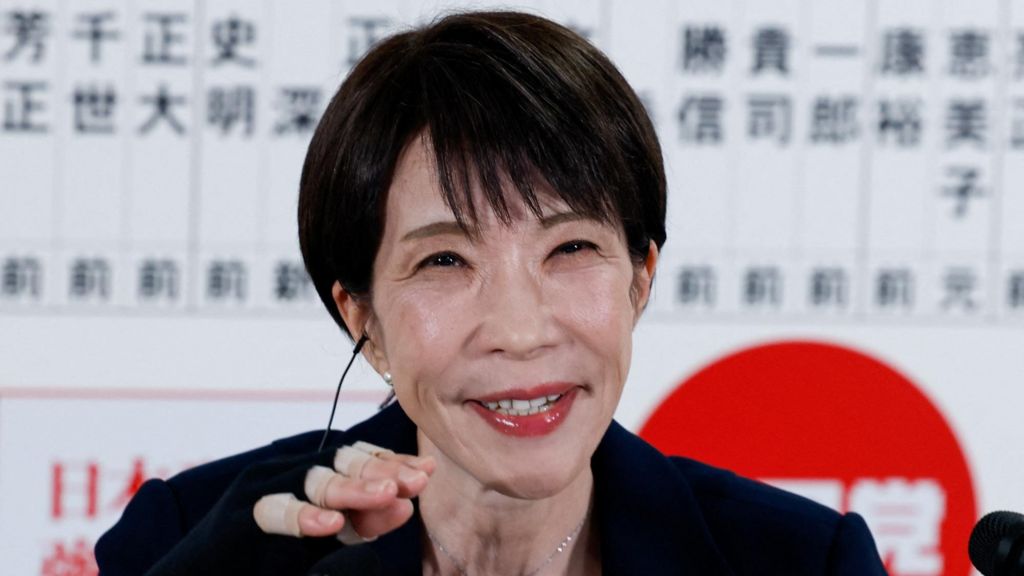
    Japanese financial markets erupted in optimism Monday morning as the Nikkei index surged beyond 5%, momentarily breaching the unprecedented 57,000-point threshold. This remarkable rally follows Prime Minister Sanae Takaichi’s Liberal Democratic Party (LDP) achieving a watershed electoral triumph that reshapes Japan’s political landscape.

    The LDP secured a commanding 316 seats in Sunday’s lower house election, marking the first time since 1947 that any single party has captured a two-thirds parliamentary majority. Combined with their coalition partner Japan Innovation Party’s 36 seats, the governing alliance now controls an overwhelming 352 seats in the 465-member chamber.

    This resounding mandate represents a calculated political gamble that has spectacularly paid off for Takaichi, who now faces the formidable challenge of revitalizing Japan’s stagnant economy while addressing mounting cost-of-living pressures. The decisive victory enables the prime minister to advance her pro-business agenda without extensive negotiations with opposition parties.

    In her post-election remarks, Takaichi committed to pursuing a ‘responsible yet aggressive’ fiscal approach while maintaining her current cabinet, formed just four months ago. Her decision to call snap elections shortly after assuming office in October has yielded stunning results, contrasting sharply with her predecessors who presided over the LDP’s loss of parliamentary majority amid corruption scandals and economic difficulties.

    Market analysts anticipate Takaichi’s policies could inject new vitality into the Japanese economy. Investment strategist Yuka Marosek noted that the election outcome, coupled with anticipated stimulus measures, tax adjustments, and deregulation initiatives, would provide ‘additional fuel for an existing bull trend.’

    The victory reflects Takaichi’s unique political appeal, having consolidated support among the LDP’s conservative base through traditional values and constitutional revision goals while simultaneously connecting with younger voters through unconventional cultural markers like her distinctive handbags and pink pens.

    International recognition came swiftly, with former US President Donald Trump congratulating Takaichi on his Truth Social platform, recalling his endorsement and characterizing the Japanese electorate’s enthusiasm as worthy of his ‘strong support.’ The prime minister is scheduled to visit Washington in March for her second meeting with Trump, building on their diplomatic rapport established during his October visit to Japan.

  • Israel’s president visits Sydney’s Bondi Beach massacre site and meets victims’ families

    Israel’s president visits Sydney’s Bondi Beach massacre site and meets victims’ families

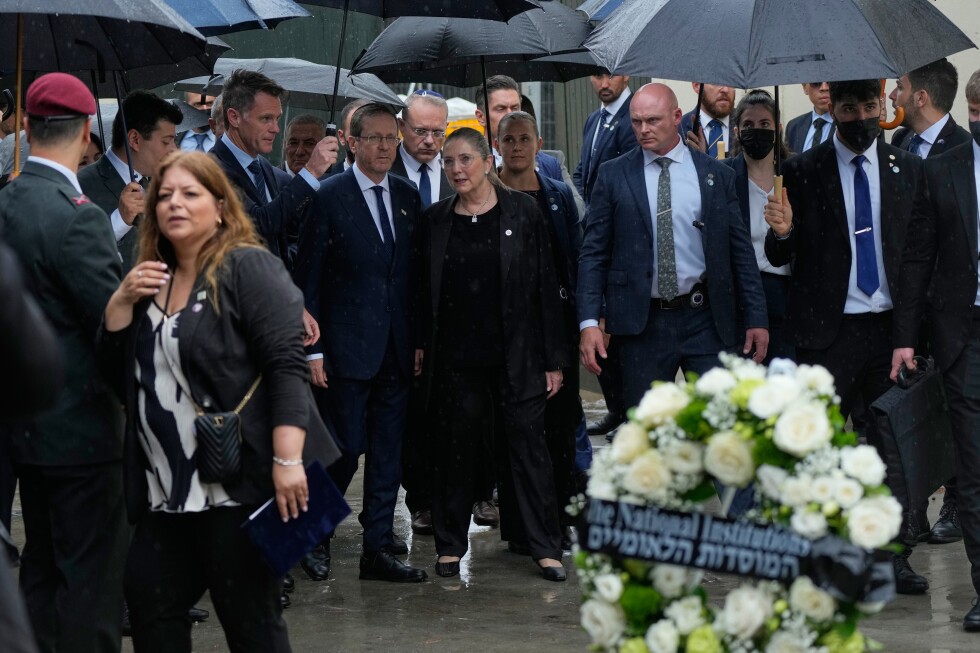
    SYDNEY, Australia — Israeli President Isaac Herzog commenced a politically charged state visit to Australia on Monday, arriving at Bondi Beach to honor victims of December’s antisemitic massacre that claimed 15 lives. The ceremonial visit, occurring amid heightened security with police snipers visible on rooftops, served both as an act of condolence and a diplomatic effort to strengthen bilateral relations.

    Herzog met privately with families of those killed in the December 14 attack at a Jewish festival, where alleged gunman Naveed Akram perpetrated Australia’s deadliest mass shooting in nearly three decades. The president laid a wreath and two stones brought from Jerusalem at Bondi Pavilion, which had spontaneously transformed into a memorial site following the tragedy.

    ‘Our heart missed a beat, like all Israelis and all Jews,’ Herzog told reporters. ‘I’m here to express solidarity, friendship, and love.’ He emphasized that the stones would remain as permanent memorials, symbolizing global unity against terrorism.

    The visit occurs against a backdrop of significant political friction. While mainstream Jewish groups welcomed Herzog, the Jewish Council of Australia published full-page advertisements in major newspapers declaring ‘Herzog does not speak for us and is NOT WELCOME HERE.’ The council’s executive officer Sarah Schwartz accused Herzog’s rhetoric of contributing to ‘illegal annexation of the West Bank’ and inciting ‘genocide against Palestinians in Gaza.’

    Tensions between the Australian and Israeli governments have been escalating since Prime Minister Anthony Albanese announced plans six months ago to recognize Palestinian statehood. Herzog’s visit—initiated by Governor-General Sam Mostyn at Albanese’s request—represents an attempt to bridge diplomatic divides while addressing shared security concerns.

    The Israeli president praised Australia’s recent legislative responses to the attack, including rushed legislation lowering thresholds for banning hate groups and establishing a royal commission to investigate antisemitism. However, Herzog acknowledged shared frustrations regarding preventive measures: ‘These frustrations were shared by many, many of us, including myself.’

    Security measures intensified throughout Sydney, with police extending protest restrictions for additional two-week periods following the terrorist designation of the Bondi attack. Demonstrators risk arrest at planned protests organized by the Palestine Action Group, which Herzog characterized as attempts to ‘undermine and delegitimize Israel’s right to exist.’

    The president’s itinerary includes visits to Melbourne and Canberra before departing Thursday, with both cities housing approximately 85% of Australia’s Jewish population.

  • Thailand’s ruling Bhumjaithai party tops election that marks a conservative comeback

    Thailand’s ruling Bhumjaithai party tops election that marks a conservative comeback

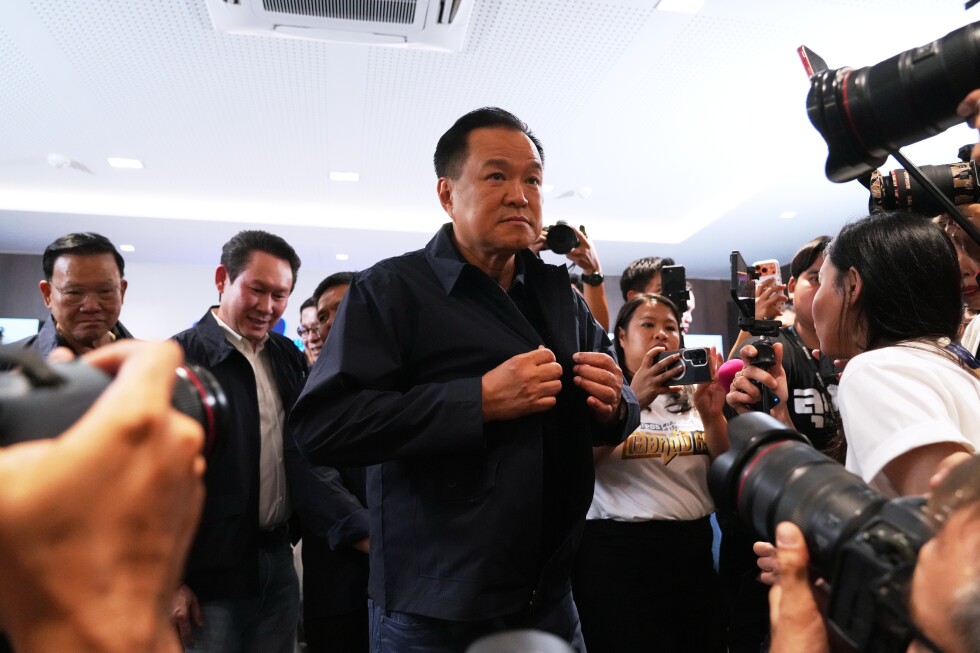
    BANGKOK — Thailand’s political landscape has shifted decisively as the conservative Bhumjaithai Party, led by Prime Minister Anutin Charnvirakul, emerged victorious in the nation’s general election. According to unofficial results from approximately 94% of polling stations reported by the state Election Commission on Monday, the party secured approximately 193 seats in the 500-member House of Representatives.

    The election, characterized by a voter turnout of approximately 65%—significantly lower than the 2023 election—unfolded against a backdrop of sluggish economic growth and rising nationalist sentiments. This outcome marks the first clear conservative victory in Thai politics in recent years.

    The House of Representatives comprises 400 directly elected constituency lawmakers and 100 additional members selected through party-list proportional representation. With Bhumjaithai falling short of the 251-seat majority required to independently elect a prime minister, the party must now seek one or two coalition partners to form a government, potentially securing Anutin’s return as premier.

    The progressive People’s Party, previously anticipated to lead the polls, captured second place with 118 seats, demonstrating strong performance in Bangkok and surrounding provinces. Notably, the party outperformed Bhumjaithai in party-list voting by approximately 3.8 million votes.

    Pheu Thai, the populist vehicle for former Prime Minister Thaksin Shinawatra’s political machine, experienced a disappointing outcome with just 74 seats. Political analysts widely expect Pheu Thai to join a Bhumjaithai-led coalition government if invited.

    Anutin’s path to victory involved strategic repositioning following initial popularity declines due to flooding incidents and financial scandals. Recent border clashes with Cambodia enabled him to reframe his leadership during crisis, emphasizing national security and economic stimulus throughout his campaign.

    Napon Jatusripitak, director of the Center for Politics and Geopolitics at Bangkok-based think tank Thailand Future, noted that beyond nationalist sentiment, Bhumjaithai successfully leveraged traditional patronage networks outside urban centers, strategically positioning itself as the natural home for well-connected local politicians.

    Additionally, Sunday’s ballot included a constitutional referendum, with approximately 60% of voters endorsing the initiation of a formal drafting process to replace Thailand’s 2017 military-drafted constitution, though numerous procedural steps remain before implementation.

  • Japanese Prime Minister Takaichi looks to translate her election gains into a new conservative shift

    Japanese Prime Minister Takaichi looks to translate her election gains into a new conservative shift

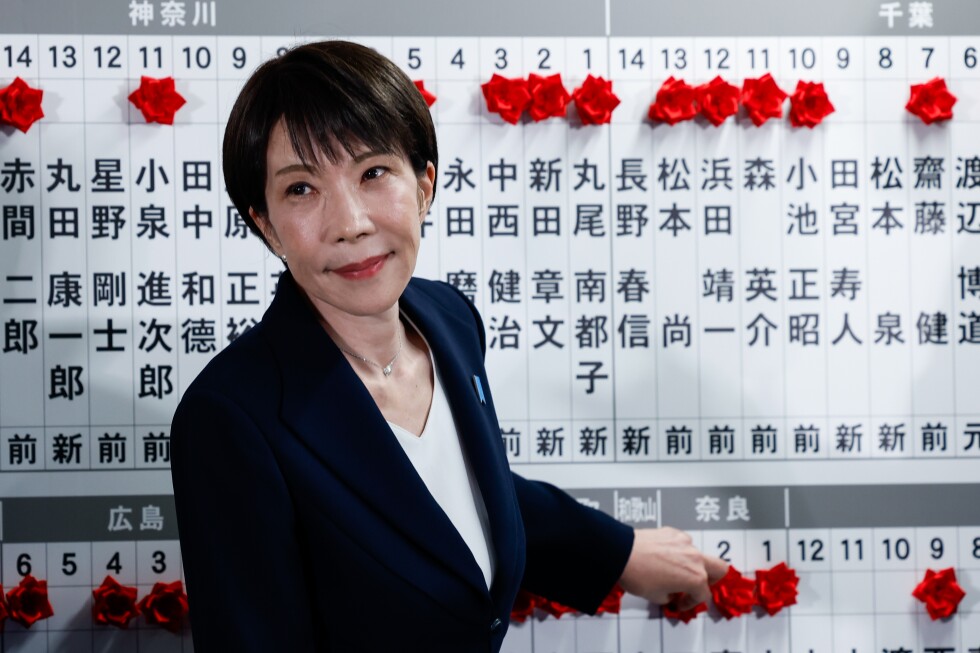
    TOKYO — Prime Minister Sanae Takaichi has emerged from Japan’s parliamentary elections with an unprecedented mandate for conservative reform, securing a historic supermajority that positions her to reshape the nation’s security, economic, and immigration policies. Her Liberal Democratic Party (LDP) captured 316 seats in the 465-member lower house—the most powerful parliamentary chamber—marking the party’s strongest performance since its founding in 1955. Combined with the 36 seats won by coalition partner Japan Innovation Party, the ruling bloc now commands 352 seats, far exceeding the two-thirds majority required to advance constitutional amendments.

    The resounding victory represents a remarkable political turnaround for Takaichi, who called the election after just three months in office to capitalize on her personal popularity amid party scandals. At LDP headquarters, a beaming Takaichi ceremoniously placed red ribbons beside winners’ names as party executives applauded—a visual testament to her successful gamble.

    This electoral triumph provides Takaichi with substantial political capital to pursue her ambitious agenda, which includes bolstering Japan’s military capabilities, revising pacifist constitutional provisions, implementing stricter immigration controls, and addressing economic challenges through what she terms ‘crisis management investment and growth.’ The victory also strengthens her hand in managing relations with China while maintaining ties with the United States, which President Donald Trump acknowledged with congratulations for her ‘landslide victory.’

    Despite concerns from analysts about prioritizing political survival over substantive policy outcomes, Takaichi now enjoys an extended governing window without another election required until 2028. Her first legislative priorities include reappointing her cabinet, passing a delayed budget bill, and securing her formal reelection as prime minister next week.

  • Venezuela’s top prosecutor orders the arrest of opposition leader’s ally, hours after his release

    Venezuela’s top prosecutor orders the arrest of opposition leader’s ally, hours after his release

    Venezuela’s political landscape witnessed dramatic developments this week as Juan Pablo Guanipa, a key ally of opposition leader María Corina Machado, was reportedly seized by armed operatives mere hours after his release from detention. The incident represents the latest escalation in the country’s ongoing political crisis.

    Attorney General Tarek William Saab’s office formally requested judicial authorities to revoke Guanipa’s precautionary measures, citing alleged violations of his release conditions. While the statement sought house arrest instead of detention, it provided no specifics regarding the purported violations during Guanipa’s brief period of freedom.

    The situation unfolded dramatically when Machado reported that Guanipa had been ‘kidnapped’ by heavily armed individuals in civilian clothing who arrived in four vehicles and violently apprehended him in a Caracas neighborhood. This account was corroborated by Guanipa’s son, Ramón, who described approximately ten unidentified assailants intercepting his father.

    Guanipa had spent over eight months in custody following his late May arrest, when Interior Minister Diosdado Cabello accused him of participating in a ‘terrorist group’ allegedly plotting to boycott legislative elections—charges his family vehemently denied as politically motivated suppression.

    His initial release came as part of a government initiative that freed several prominent opposition figures on Sunday, including attorney Perkins Rocha and organizer María Oropeza—whose 2024 arrest by military intelligence officers was livestreamed as they broke into her home. The releases followed mounting international pressure and a visit from UN Human Rights representatives.

    The acting government of Delcy Rodríguez, who assumed power after Nicolás Maduro’s extraordinary capture by US forces on January 3rd, had announced on January 8th its intention to release significant numbers of political detainees. However, the process has drawn criticism for its slow implementation despite the ruling party-controlled National Assembly debating an amnesty bill that could potentially free hundreds.

    Alfredo Romero of prisoners’ rights group Foro Penal expressed grave concern over Guanipa’s disappearance, noting the absence of clear information regarding his captors. The organization had confirmed at least 30 releases on Sunday, with freed individuals joining families in emotional reunions where chants of ‘We are not afraid!’ echoed outside detention facilities.

  • Chef tempts tastebuds with Chinese and Black fusion menu

    Chef tempts tastebuds with Chinese and Black fusion menu

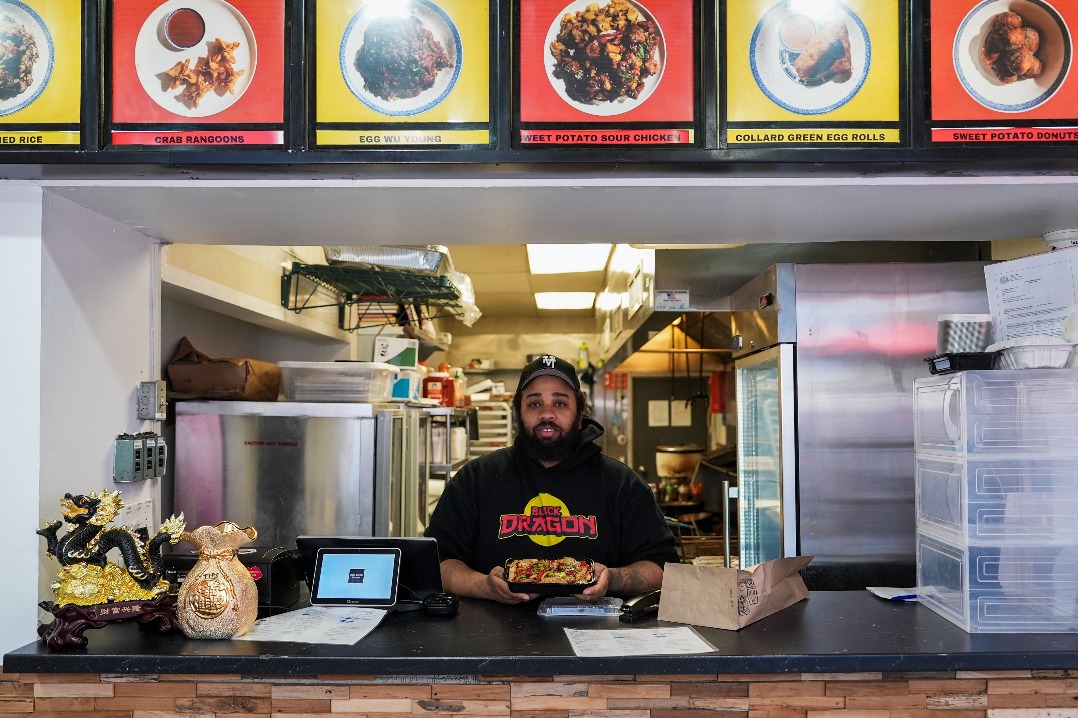
    In West Philadelphia, culinary innovator Kurt Evans has launched a groundbreaking restaurant that merges Chinese-American cuisine with Black culinary traditions. Black Dragon, which opened in 2024, occupies the space of a former Chinese takeout establishment that Evans deliberately preserved to maintain its authentic aesthetic.

    The 40-year-old chef, who grew up in the neighborhood, has developed what he terms “Black American Chinese food” – a fusion that reflects the historical connection between Chinese restaurants and Black communities. The establishment features classic Chinese takeout decor with backlit menu boards, traditional prosperity messages in Chinese characters, and the signature black dragon sculpture that gives the restaurant its name.

    Evans’ menu presents creative cross-cultural combinations: egg rolls stuffed with collard greens, Philly cheesesteak, or jerk chicken; lo mein incorporating oxtail or gumbo; alongside traditional Chinese-American staples like chicken broccoli and fried rice. The dessert menu ventures into innovative territory with peach cobbler wontons and sweet potato donuts.

    The concept stems from Evans’ personal history and observations about the historical relationship between Chinese immigrants and Black neighborhoods. He explains that discriminatory policies like the Chinese Exclusion Act of 1882 and various alien land laws historically limited where Chinese immigrants could establish businesses, often leading them to open restaurants in Black communities where rents were more affordable and exclusion less rigid.

    “Food is our common ground,” says Evans, emphasizing how culinary spaces can bring diverse communities together. This philosophy is embodied in both his menu and his hiring practices – Evans provides employment opportunities for formerly incarcerated individuals and local youth as part of his commitment to community development.

    The restaurant’s unique concept has attracted attention far beyond West Philadelphia, drawing visitors from Brooklyn, Atlanta, and other cities. Evans’ reputation reached national prominence when he catered an event for former Vice President Kamala Harris during her Philadelphia campaign stop.

    Evans is now expanding his impact through a forthcoming book that blends memoir with food writing, featuring recipes from Black Dragon alongside previously unpublished creations. The project represents the culmination of nearly nine years of development for his innovative culinary vision.

  • Somalia welcomes its first bowling alley as the middle class and diaspora returnees grow

    Somalia welcomes its first bowling alley as the middle class and diaspora returnees grow

    MOGADISHU, Somalia — The resonant crash of bowling pins now punctuates the air in Somalia’s capital, where the sounds of conflict once dominated. The Feynuus Bowling Center, the nation’s inaugural modern bowling facility, stands as a powerful emblem of Mogadishu’s gradual renaissance following 35 years of civil war and militant insurgency.

    This entertainment venue represents the tangible outcomes of enhanced security protocols against al-Shabab militants, expanded governmental authority, and increasing private investment. The cityscape has transformed dramatically: cafes now populate revitalized streets, beaches attract evening crowds, and traffic congestion—previously inconceivable—now characterizes major intersections.

    The bowling complex has become a social nexus for local residents and diaspora Somalis returning with investment capital and entrepreneurial concepts. On a typical evening, groups of young people congregate, sharing laughter and capturing moments on smartphones while music fills the space. Many visitors from abroad are experiencing Mogadishu for the first time in years, or in some cases, for the first time ever.

    Hudoon Abdi, a Somali-Canadian tourist, expressed astonishment: ‘I couldn’t believe Mogadishu has this place. I’m enjoying it. Mogadishu is actually safe.’ Her sentiments echo those of numerous returning visitors who discover a reality contrasting sharply with international perceptions.

    Despite these advancements, security remains an ongoing concern. Checkpoints, heavily fortified zones, and stringent protective measures at public venues continue to define daily life. The bowling center itself employs private security personnel, conducts bag inspections, and maintains comprehensive surveillance systems—standard precautions in the city’s public spaces.

    Urban development experts and economists interpret businesses like the bowling alley as indicators of Mogadishu’s broader rehabilitation. Ahmed Khadar Abdi Jama, an economics lecturer at the University of Somalia, notes that innovative enterprises are responding to the demands of diaspora returnees and an emerging middle class, potentially contributing to national GDP growth.

    The establishment has generated employment for approximately 40 youths, addressing Somalia’s 21.4% unemployment rate recorded by the National Bureau of Statistics. Beyond economic impact, these recreational spaces facilitate crucial psychological shifts, providing secure social environments for a generation accustomed to conflict-induced restrictions.

    As traffic flows outside and neon signs illuminate the evening, Mogadishu’s fragile yet determined transformation continues unfolding—one bowling frame at a time.