作者: admin

  • How war in Ukraine resulted in increased demand for Indian jobseekers in Russia

    How war in Ukraine resulted in increased demand for Indian jobseekers in Russia

    Russia is confronting a severe labor shortage exacerbated by its ongoing conflict in Ukraine and long-standing demographic challenges, leading to an unprecedented recruitment drive in India. Official figures reveal a staggering surge, with Indian workforce numbers in Russia skyrocketing from approximately 5,000 in 2021 to over 80,000 by 2025, and projections indicate at least 40,000 additional workers will migrate in the current year.

    Russian officials, including Boris Titov, Special Representative for Relations with International Organisations, acknowledge the critical need for foreign labor as domestic population aging intensifies workforce gaps. The war in Ukraine has further strained labor resources, creating urgent demands across multiple sectors.

    Compensation for low-skilled Indian workers ranges between $550 and $1,112 monthly, with reports from St. Petersburg indicating recent arrivals earning approximately 100,000 rubles (Dh4,750) monthly. Recruitment agencies are actively sourcing workers from India, Sri Lanka, Bangladesh, and China, with total foreign work permits reaching 240,000 in 2025.

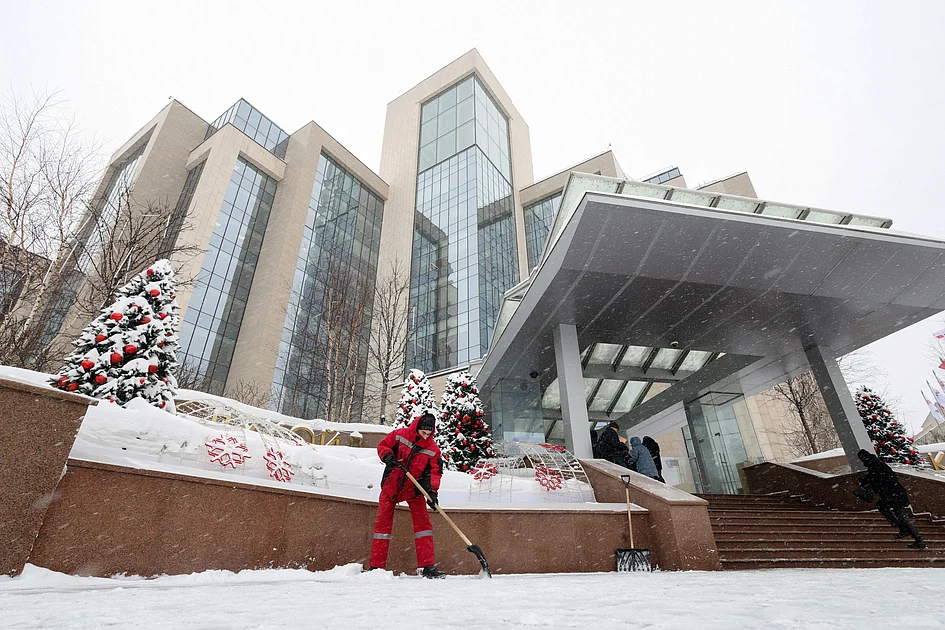
    The employment spectrum spans municipal services—including snow clearance and civic maintenance—to construction and service industries. Addressing skill requirements, initiatives like the collaboration between Moscow’s Intrud recruitment agency and the Russian Association of Welders have established specialized training centers in Chennai to ensure workforce readiness.

    Despite promising economic opportunities, significant challenges persist. Russian economists note the language barrier as a substantial obstacle, as most Indian workers lack Russian proficiency while English remains uncommon in Russia’s rural regions.

    Demographer Igor Efremov characterizes the situation as ‘not a temporary crisis but a long-term norm,’ emphasizing that Russia’s demographic decline—marked by falling birth rates over decades—requires sustained adaptation through international labor recruitment.

    This emerging migration pattern represents a significant shift in global labor dynamics, with Russia becoming an increasingly important destination for Indian workers seeking employment abroad.
  • Epstein and UAE businessman pictured with sacred Kaaba cloth on floor

    Epstein and UAE businessman pictured with sacred Kaaba cloth on floor

    Newly unsealed court documents have exposed a deeply troubling association between convicted sex offender Jeffrey Epstein and Sultan Ahmed bin Sulayem, CEO of global ports operator DP World, revealing both the inappropriate handling of a sacred Islamic artifact and their vulgar correspondence.

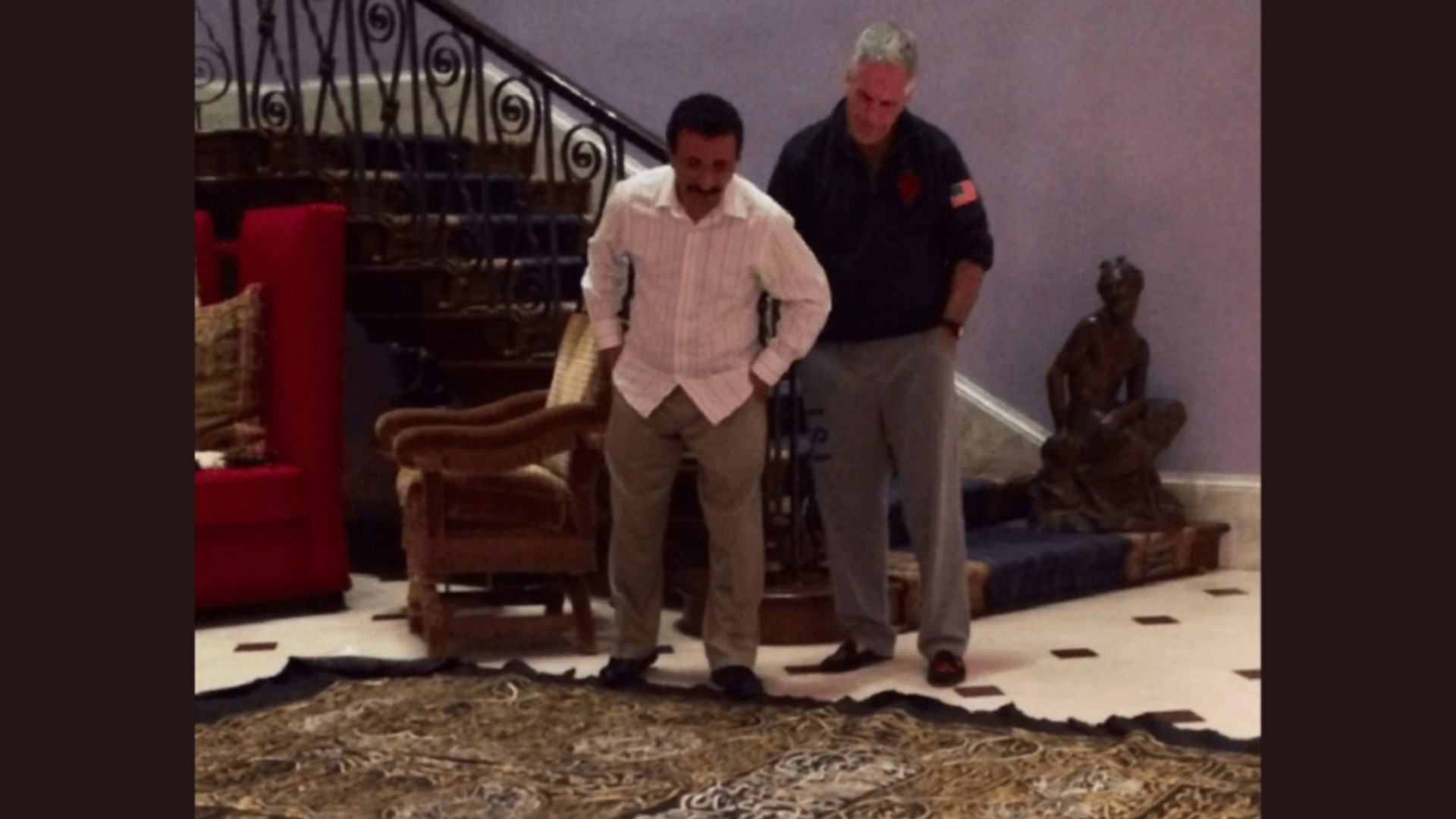
    The evidence includes a photograph depicting Epstein and the prominent Emirati businessman examining what appears to be the Kiswa—the sacred black cloth that drapes Islam’s holiest site, the Kaaba in Mecca—laid out on a floor. The image, captured in 2014, shows both men with hands in their pockets at the bottom of a staircase, looking down at the religious artifact. The accompanying email contained a lewd joke, though its connection to the image remains unclear.

    Further correspondence from 2017 reveals how Epstein acquired three pieces of the Kiswa through intermediaries, including UAE-based businesswoman Aziza al-Ahmadi. Emails detail the elaborate logistics of shipping the sacred cloth via air freight from Saudi Arabia to Epstein’s Florida residence, with careful coordination of invoices and customs arrangements.

    In one message, Ahmadi explained the profound significance of the artifact: “The black piece was touched by minimum 10 million Muslims of different denominations… They walk around the Kaaba seven rounds then every one tries as much as they can to touch it and they kept their prayers, wishes, tears and hopes on this piece.”

    The documents also expose the disturbing nature of Epstein’s relationship with bin Sulayem, which continued years after Epstein’s 2008 conviction for soliciting prostitution from a minor. Their exchanges contain degrading language about women, discussions of sexual experiences, and inappropriate jokes about religion.

    In one particularly vulgar email, bin Sulayem wrote to Epstein: “I am off to sample a fresh 100% female Russian at my yacht.” Another message complained about the appearance of women: “Big disappointment the Moldavian is not as attractive as the picture while the Ukrainian is very beautiful.” Epstein also sent the CEO links to escort services in Italy, to which bin Sulayem responded “Wow.”

    Separately, bin Sulayem made an offensive joke about Muslim worshippers being terrorists: “A friend of mine went to the mosque in saudi. He said with all these terrorists Frankly you can’t tell whether the guy standing next to you is just scratching his balls or fiddling with the detonator button!!!”

    Given the deep religious significance of the Kiswa, placing it on the floor would be considered profoundly disrespectful in Islamic tradition. The cloth is removed and replaced annually during Hajj, with pieces traditionally treated as valuable artifacts displayed in museums or gifted by the Saudi government to honored individuals and institutions.

  • UAE flights: India–UAE air corridor may leave 27% of passengers unserved by 2035, study warns

    UAE flights: India–UAE air corridor may leave 27% of passengers unserved by 2035, study warns

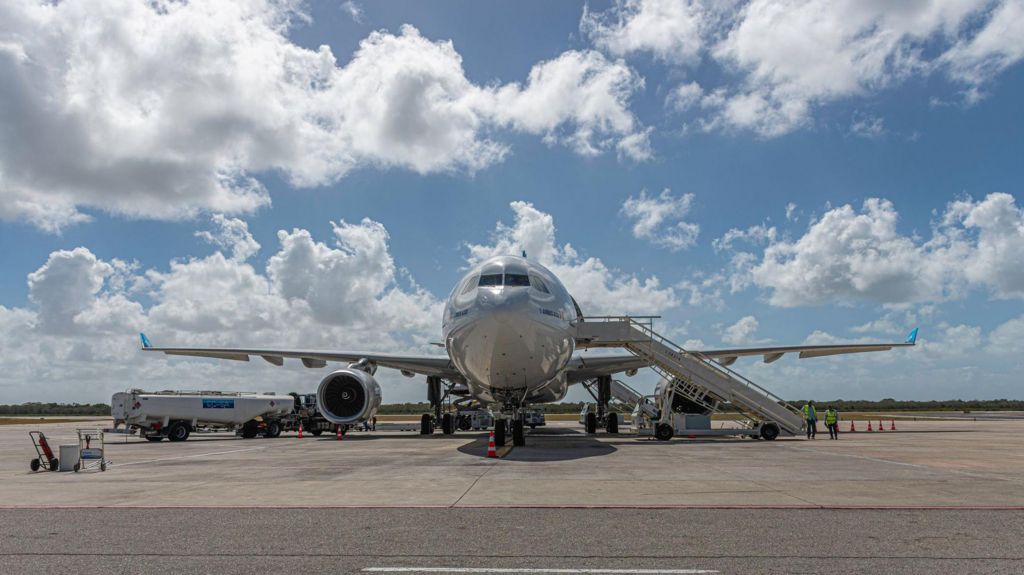
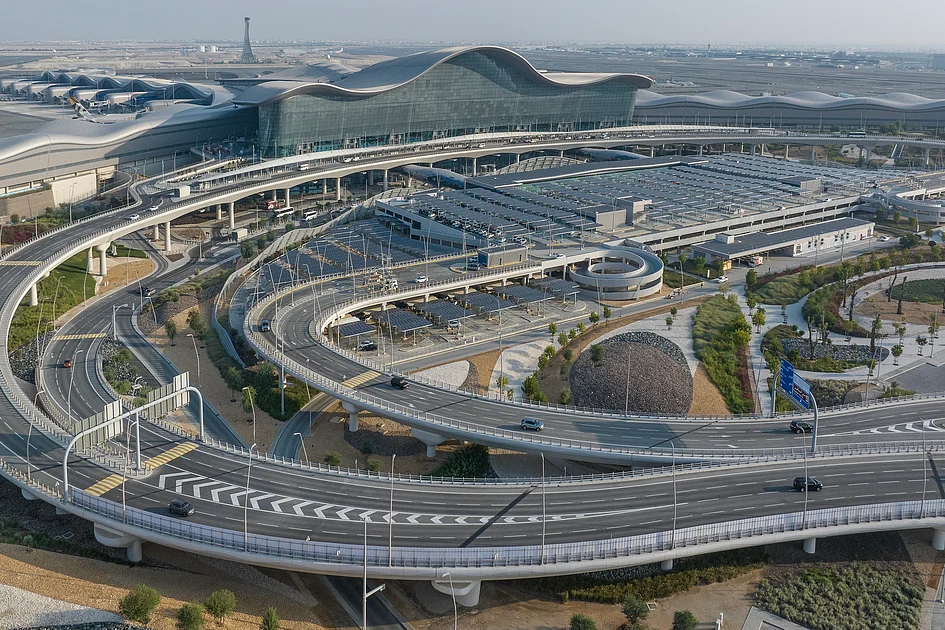
    A groundbreaking study reveals an impending aviation capacity crisis between India and the United Arab Emirates, with nearly 27% of projected passenger demand potentially going unserved by 2035 if current air-service limitations remain unchanged. Commissioned by Etihad Airways and conducted by Tourism Economics, the research indicates that one of India’s most critical international air corridors is heading toward severe supply constraints despite booming demand.

    The analysis projects annual passenger volumes along the UAE-India corridor could reach approximately 25 million by 2035. However, under existing capacity restrictions, 10.8 million passengers annually would be unable to secure seats. The cumulative unmet demand between 2026 and 2035 could reach 54.5 million passengers—equivalent to more than a quarter of total projected demand in an unconstrained scenario.

    The Abu Dhabi-India segment faces particularly acute pressure. Current Air Services Agreement (ASA) provisions cap Abu Dhabi-based carriers at 50,000 weekly seats across 11 designated Indian cities, a limit already fully utilized with load factors consistently exceeding 85% on major routes throughout the year. Without revision, this corridor alone could experience a 13.2-million-passenger shortfall over the coming decade.

    This supply-demand mismatch stems from artificial constraints rather than weak fundamentals. India’s sustained economic growth—averaging 7.3% between 2010 and 2024—has dramatically expanded the country’s traveling class, with households possessing means to fly increasing from 24% to 40% during this period. Unconstrained air travel demand to, from, and within India is projected to grow by 7.2% annually over the next decade.

    The economic implications are substantial. In 2025 alone, the UAE-India air corridor is expected to support 4 million inbound travelers, contribute $7.7 billion to GDP, sustain approximately one million jobs, and generate $1.2 billion in tax revenues. Under current limits, however, this economic footprint would grow at a modest 3% annually until 2030.

    The study identifies significant missed opportunities in India’s tier-2 cities—including Pune, Lucknow, Goa, Mangalore, and Vadodara—which remain excluded from direct Abu Dhabi connectivity due to the ASA’s narrow airport list. This forces passengers through major hubs, increasing travel time and suppressing regional tourism and business potential.

    Expanding capacity would yield substantial benefits. A 50% increase in allowed seats would boost GDP contributions at a 5.5% compound annual rate, while doubling capacity could deliver $7.2 billion in additional GDP, support 170,000 extra jobs annually, and generate nearly $1.2 billion in additional tax revenues between 2026 and 2030.

    By 2035, improved connectivity could boost India’s GDP by $9 billion, support $550 million in annual foreign-direct investment inflows, and enable $75 million in additional exports. Consumers would benefit from approximately 3% lower long-haul fares and a $91-million increase in consumer surplus for over seven million travelers.

    The report concludes with an urgent call for policy action, warning that without immediate renegotiation of the bilateral agreement, air travel between India and the UAE risks becoming increasingly constrained, leaving billions in economic potential unrealized.

  • Air Canada suspends service to Cuba following aviation fuel shortage

    Air Canada suspends service to Cuba following aviation fuel shortage

    Air Canada has abruptly suspended all flight operations to Cuba effective immediately, citing a severe aviation fuel shortage that has crippled the Caribbean nation’s airport infrastructure. The suspension, which began Monday, will affect approximately 16 weekly flights connecting Toronto and Montreal to four Cuban destinations.

    The airline confirmed it will repatriate nearly 3,000 stranded Canadian tourists through special recovery flights in the coming days. This operational pause follows an official Notice to Aviation (NOTAM) indicating that commercial aviation fuel will remain unavailable at Cuban airports from Tuesday through at least March 11th.

    This crisis stems from Cuba’s heavy reliance on Venezuelan jet fuel exports, which have been severely disrupted since mid-December when the Trump administration blocked Venezuela’s oil shipments. The fuel shortage exacerbates Cuba’s existing energy emergency, where rolling blackouts have left residents without reliable electricity for extended periods.

    The situation has intensified amid escalating geopolitical tensions. The Trump administration has recently confiscated sanctioned Venezuelan oil tankers destined for Cuba and threatened tariffs against any nation supplying oil to the island. President Trump publicly stated that Cuba ‘will be falling pretty soon’ without Venezuelan support.

    While Air Canada monitors the situation for service restoration, competing Canadian carriers WestJet and Air Transat continue operating Cuba flights. Cuban Foreign Minister Bruno Rodríguez Parrilla has denounced the US measures, asserting Cuba’s ‘absolute right to import fuel without interference from unilateral coercive measures.’

  • Chongqing, Hunan, Guizhou host cross-province Spring Festival celebration

    Chongqing, Hunan, Guizhou host cross-province Spring Festival celebration

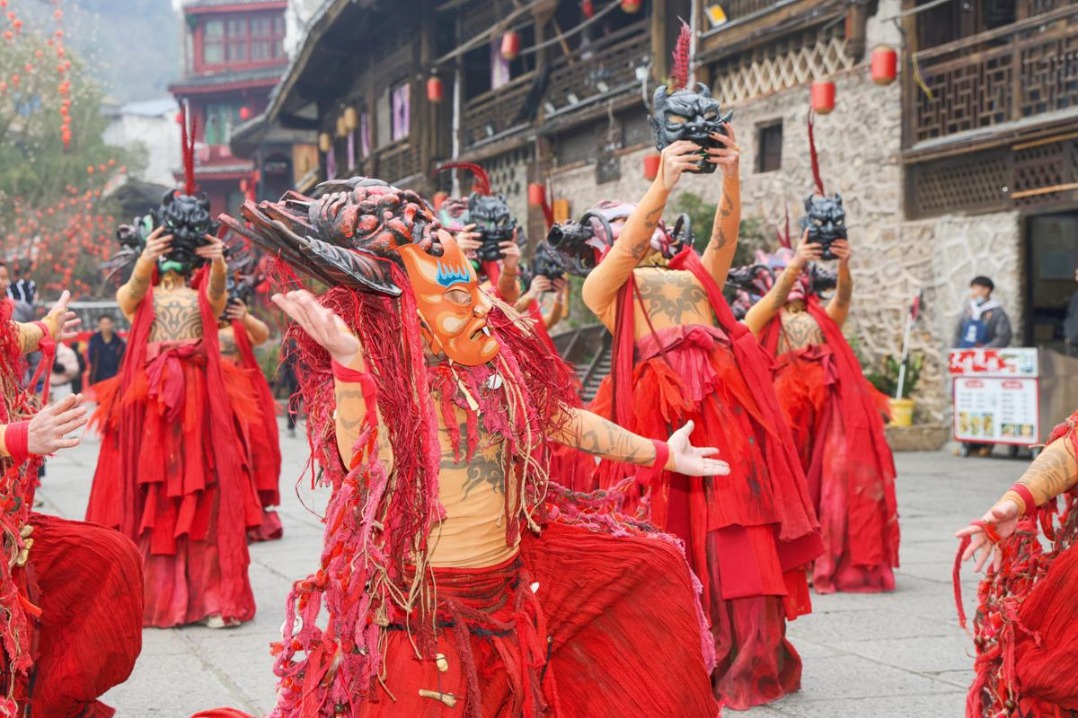
    Huayuan County in Hunan Province served as the spectacular backdrop for a five-day cross-provincial Spring Festival celebration that concluded on Sunday, brilliantly showcasing the intangible cultural heritage of Chongqing Municipality alongside Hunan and Guizhou provinces. The event transformed the region into a dynamic cultural crossroads where traditions from Southwest China converged in a vibrant display of regional diversity.

    The festivities commenced with an electrifying parade along the picturesque Qingshui River, featuring traditional lion and dragon dances that captivated attendees with their colorful performances and rhythmic energy. The cultural spectacle drew visitors from across the three regions and beyond, creating an atmosphere of shared celebration and cultural exchange.

    Central to the event was an expansive riverside festival market where master artisans demonstrated and sold exquisite handicrafts including intricate Miao embroidery, traditional batik textiles, and locally sourced herbal medicines. Interactive stalls provided visitors with unique opportunities to learn traditional techniques directly from cultural heritage inheritors, fostering hands-on engagement with centuries-old practices.

    Long Li’e, a renowned Miao embroidery artisan, highlighted the cultural significance and contemporary relevance of her craft during the celebration. ‘Miao embroidery represents not only our national intangible cultural heritage but also an essential skill that every woman in our Miao ethnic community traditionally masters,’ she explained to local media. ‘By adapting our embroidery techniques to create smaller, more accessible accessories for visitors, we’ve successfully bridged traditional artistry with modern market appeal.’

    The event demonstrated how cultural preservation efforts are evolving through innovative approaches that maintain traditional authenticity while creating sustainable economic opportunities for local communities. The successful convergence of these three regional cultures provided a powerful model for cross-provincial cultural cooperation and heritage conservation in contemporary China.

  • US reaches first Olympic curling mixed doubles final, will face Swedish siblings for gold

    US reaches first Olympic curling mixed doubles final, will face Swedish siblings for gold

    CORTINA D’AMPEZZO, Italy — In a dramatic semifinal clash at the Milan Cortina Winter Olympics, American curlers Korey Dropkin and Cory Thiesse secured both a historic medal and a championship berth with a thrilling 9-8 victory over host nation Italy on Monday.

    The emotionally charged match saw Dropkin’s exuberant celebrations contrast with Thiesse’s composed demeanor, creating a compelling dynamic that captivated spectators. Dropkin’s vocal enthusiasm echoed through the arena as he engaged with chanting American supporters, while Thiesse maintained her focused intensity throughout the critical moments.

    This victory guarantees the United States its first Olympic medal in mixed doubles curling and simultaneously eliminates Italy’s gold medal aspirations. The Italian pair of Stefania Constantini and Amos Mosaner, who had enjoyed overwhelming home crowd support throughout the competition, saw their championship hopes dashed in the narrow defeat.

    Thiesse, hailing from Duluth, Minnesota—a renowned curling hub—now becomes the first American woman to secure an Olympic medal in this discipline. The first-time Olympians shared an emotional embrace following their decisive final stone that sealed the victory.

    In Tuesday’s championship final, the American duo will face Sweden’s sibling team of Isabella and Rasmus Wrana, who delivered a stunning 9-3 upset over favored British contenders Jennifer Dodds and Bruce Mouat. The Swedish pair completed their victory in just seven ends, demonstrating exceptional precision and strategy.

    The brother-sister Swedish combination, who initially competed as childhood rivals, now stand poised to claim Olympic gold together. Meanwhile, Italy will face Great Britain in the bronze medal match preceding the championship final.

    Mixed doubles curling, featuring one male and one female athlete per team, continues to showcase unpredictable outcomes and intense competition at the Olympic level, as demonstrated by these semifinal matches.

  • Pakistan ends boycott and will face India at T20 World Cup

    Pakistan ends boycott and will face India at T20 World Cup

    In a significant diplomatic and sporting development, the Pakistani government has officially rescinded its boycott of the upcoming T20 World Cup match against its longstanding rival, India. The decision, announced via an official post on the social media platform X (formerly Twitter) on Monday, mandates the Pakistan National Cricket Team to participate in the highly anticipated fixture.

    The two cricketing powerhouses are now confirmed to face each other on February 15, 2026, in Colombo, Sri Lanka. The city is serving as a co-host for the prestigious international tournament alongside India. This reversal ends a period of uncertainty and paves the way for one of the most watched sporting events globally to proceed as originally scheduled by the International Cricket Council (ICC).

    The context of this decision is deeply rooted in the complex political and historical relations between the two neighboring nations, where cricket matches often transcend sport, carrying significant national pride and diplomatic weight. The government’s directive, which uses the formal phrasing “hereby directs,” indicates a top-down resolution to prioritize the tournament’s commitments and the spirit of international sportsmanship. This move is being closely analyzed by sports analysts and political commentators alike for its potential implications on bilateral relations.

  • Resolution expected after ICC, PCB, BCB meeting on India-Pakistan T20 World Cup match in Lahore

    Resolution expected after ICC, PCB, BCB meeting on India-Pakistan T20 World Cup match in Lahore

    A significant breakthrough appears imminent in the high-stakes cricketing standoff between India and Pakistan following crucial diplomatic negotiations in Lahore. High-ranking officials from the International Cricket Council (ICC), Pakistan Cricket Board (PCB), and Bangladesh Cricket Board (BCB) convened an emergency meeting Sunday to address Pakistan’s threatened boycott of their scheduled February 15 match against India in Colombo.

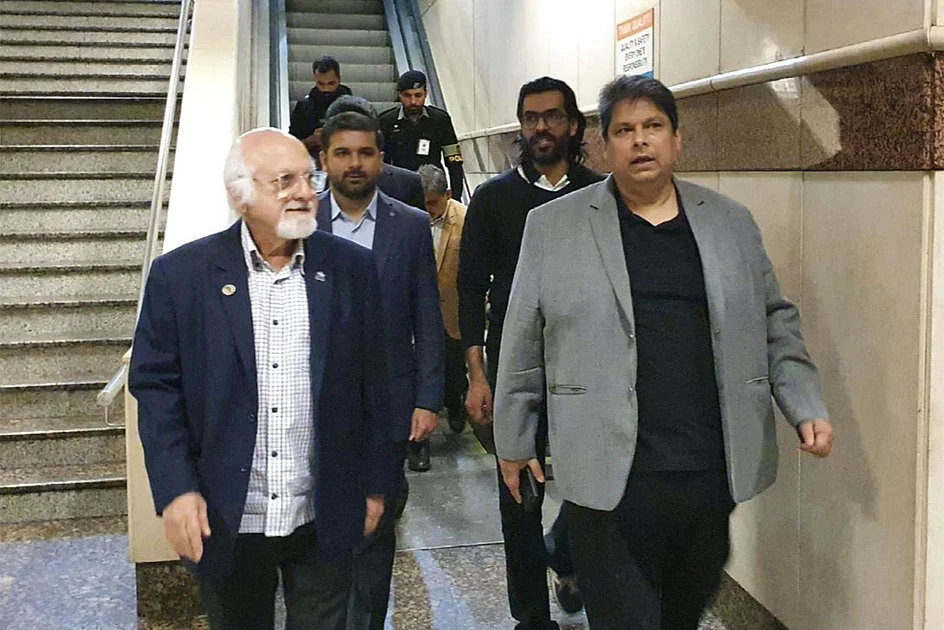
    The high-level delegation, comprising ICC Deputy Chairman Imran Khwaja, PCB Chairman Mohsin Naqvi, and BCB President Aminul Islam, engaged in extensive discussions regarding the political and sporting implications of Pakistan’s proposed withdrawal. According to multiple Pakistani media outlets, the lengthy negotiations have concluded with a positive framework for resolution established between the parties.

    Geo TV reported that the PCB will now seek final guidance from the Pakistani government before making an official announcement. The media consensus suggests the dispute will be fully resolved through mutual consultation within the next 24 hours, potentially preserving one of cricket’s most anticipated rivalries.

    The scheduled Group B encounter represents a critical fixture in the ICC Men’s T20 World Cup 2026, with both teams having qualified for the tournament’s second round. The match carries significant commercial and sporting importance for global cricket authorities, given the massive television audiences and sponsorship revenues traditionally associated with India-Pakistan encounters.

    The involvement of Bangladesh Cricket Board officials suggests regional cricket diplomacy playing a crucial role in mediating the high-tension situation. The outcome of these negotiations could set important precedents for handling political tensions within international sporting events moving forward.

  • UAE, 7 other nations condemn Israel’s ‘illegal’ settlement expansion in West Bank

    UAE, 7 other nations condemn Israel’s ‘illegal’ settlement expansion in West Bank

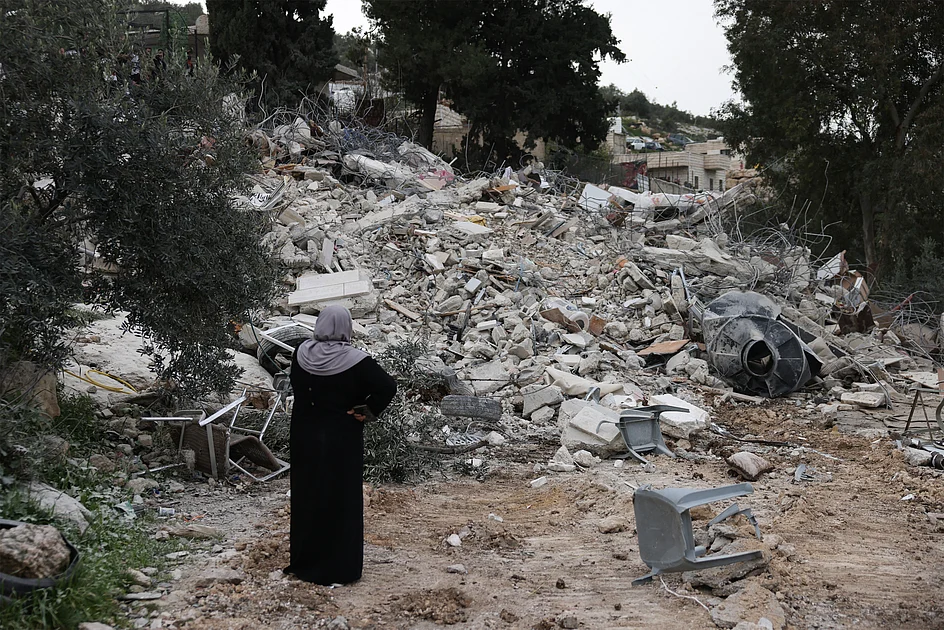
    In a significant diplomatic move, eight nations have issued a forceful condemnation of Israel’s settlement policies in the occupied West Bank. The foreign ministers of the United Arab Emirates, Jordan, Indonesia, Pakistan, Turkey, Saudi Arabia, Qatar, and Egypt released a joint statement characterizing Israel’s recent measures as unlawful attempts to impose sovereignty and accelerate the illegal annexation of Palestinian territories.

    The ministers declared that Israel possesses no legitimate sovereignty over the occupied Palestinian territory, emphasizing that these expansionist policies exacerbate regional violence and conflict. They expressed their categorical rejection of what they described as blatant violations of international law, particularly noting how these actions undermine the two-state solution framework.

    The coalition specifically referenced UN Security Council Resolution 2334, which condemns Israeli measures aimed at altering the demographic composition of Palestinian territories occupied since 1967, including East Jerusalem. Additionally, they invoked the 2024 advisory opinion of the International Court of Justice, which found Israel’s occupation and policies in Palestinian territories illegal and called for their termination.

    The ministers renewed their appeal for the international community to fulfill its legal and moral obligations by compelling Israel to halt its escalation in the West Bank. They reiterated that the realization of Palestinian self-determination and statehood, based on the two-state solution and the Arab Peace Initiative, represents the only viable path toward achieving comprehensive regional peace and stability.

  • Foreign diplomats join Chongqing’s New Year market event

    Foreign diplomats join Chongqing’s New Year market event

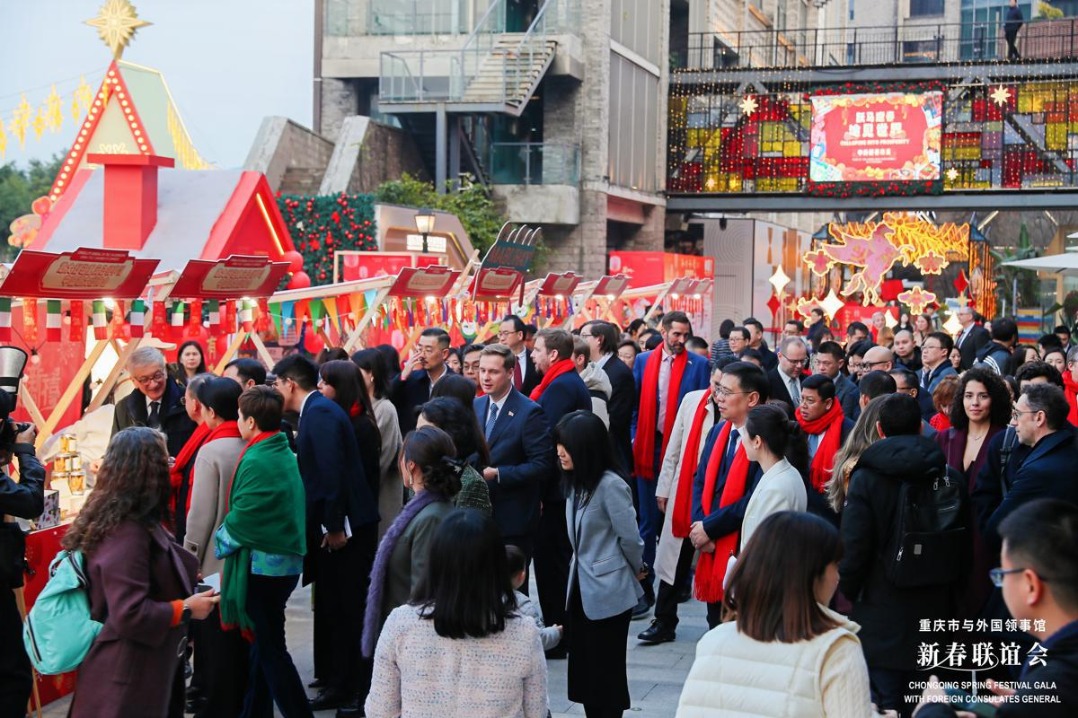
    Chongqing’s Yuzhong district became a vibrant hub of international cultural exchange during a special Spring Festival market event held over the weekend. The “Galloping into Prosperity — Year of the Horse” celebration transformed the Chongqing International Friendship City Food Street into a multicultural gathering space that attracted foreign diplomats and local residents alike.

    The carefully curated event brought together consular representatives, culinary vendors, and cultural organizations with the explicit purpose of strengthening ties between Chongqing and its global partners. Eight nations established distinctive stalls showcasing their unique national identities through food, beverages, and traditional handicrafts. Participating countries included Australia, the Philippines, Italy, Vietnam, Uruguay, Pakistan, Myanmar, and Belarus.

    Diplomatic officials from several consulates attended the festivities, engaging directly with visitors and sharing insights about their cultural traditions. Chaudhary Talha, Pakistan’s Vice-Consul General based in Chengdu, expressed particular enthusiasm about the event, noting that the experience highlighted “close unity, friendship, and historical values” between participating nations.

    The market celebration served as both a cultural showcase and diplomatic platform, creating organic opportunities for cross-cultural dialogue against the backdrop of Spring Festival preparations. By integrating international elements with traditional Chinese New Year celebrations, the event demonstrated Chongqing’s growing role as a global city committed to fostering international understanding and cooperation through cultural diplomacy.