作者: admin

  • Watch: Fans react in real-time to Lindsey Vonn’s crash

    Watch: Fans react in real-time to Lindsey Vonn’s crash

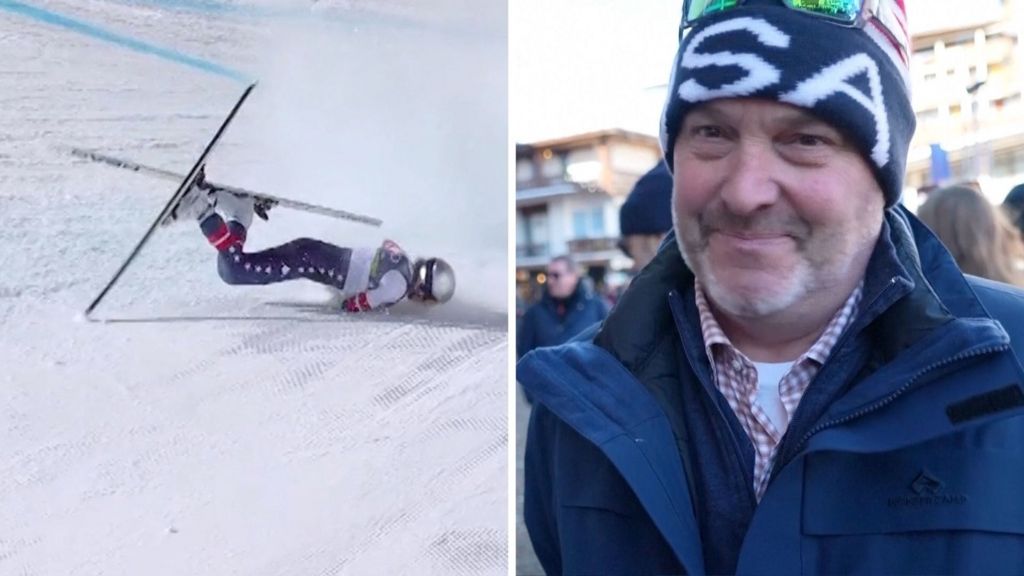
    Olympic champion Lindsey Vonn has sustained a serious fracture to her left leg following a dramatic crash during the women’s downhill competition. This devastating injury comes just over a week after the American skiing superstar ruptured her ACL in a previous accident, compounding what has become a traumatic period for the celebrated athlete.

    Spectators at the event captured visceral reactions as Vonn lost control during her high-speed descent, with gasps and concerned shouts echoing through the crowd as medical personnel rushed to her aid. The incident occurred during a critical moment in the competition, casting a somber atmosphere over the event.

    This represents the latest in a series of significant setbacks for one of alpine skiing’s most decorated competitors. Vonn, who has previously overcome multiple injuries throughout her storied career, now faces another challenging rehabilitation process. The consecutive accidents within such a short timeframe have raised questions about athlete recovery protocols and the intense physical demands of elite skiing.

    The skiing community has expressed widespread support for Vonn across social media platforms, with fellow athletes and fans sharing messages of encouragement for her recovery. Medical experts suggest the combination injuries could require extensive treatment and rehabilitation, potentially impacting her future competitive timeline.

  • Algeria accuses the UAE of interference in elections

    Algeria accuses the UAE of interference in elections

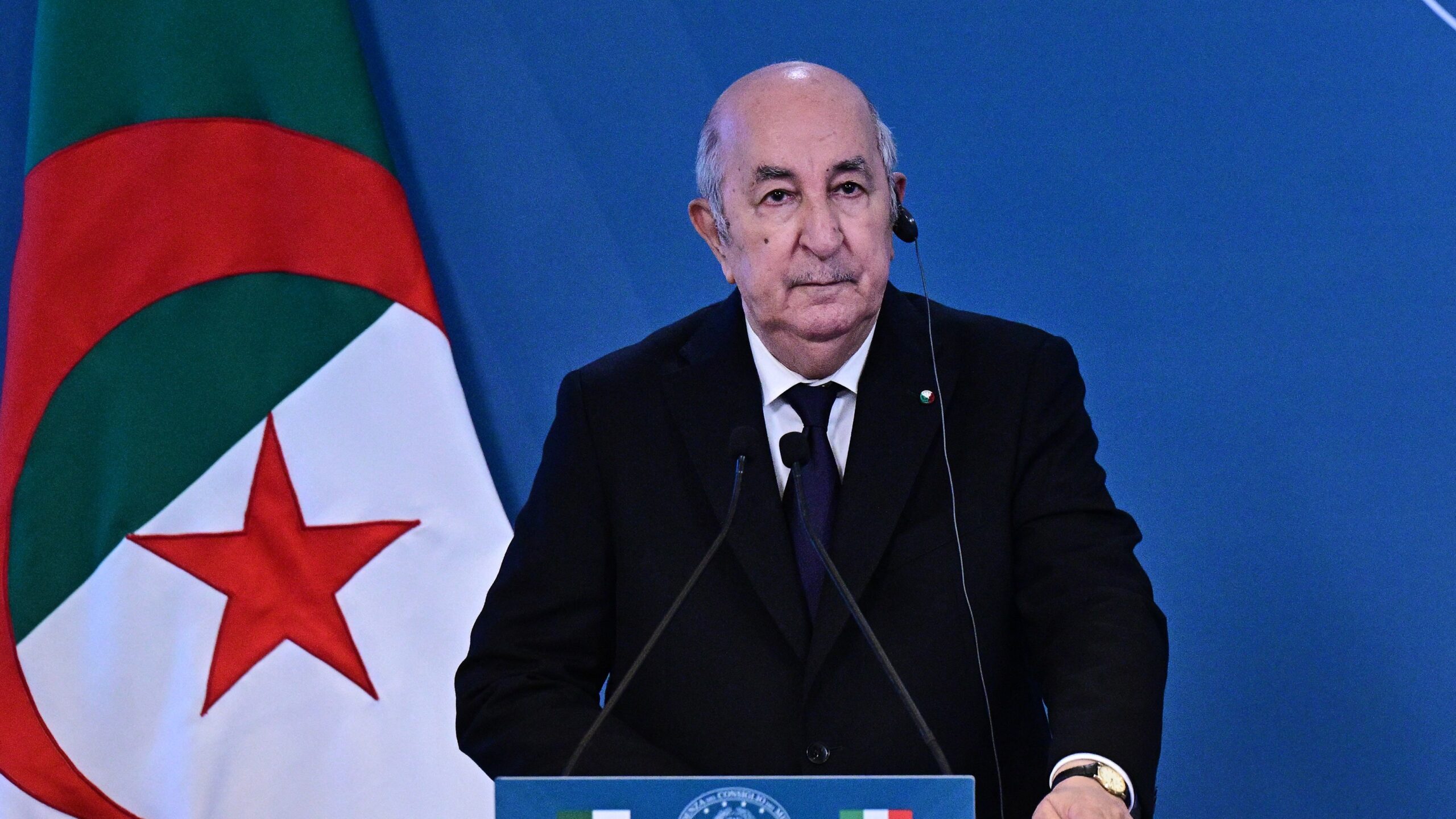
    Algerian President Abdelmadjid Tebboune has launched a scathing diplomatic offensive against the United Arab Emirates, accusing the Gulf nation of systematic interference in Algeria’s electoral processes and regional destabilization efforts. The allegations emerged during a state-media broadcast interview on Saturday where Tebboune conspicuously avoided direct naming of the UAE while clearly referencing their activities.

    The president characterized relations with most Gulf states as “more than fraternal,” specifically praising Saudi Arabia and Kuwait’s leadership. However, his tone shifted dramatically when addressing the UAE, which he dismissed as “a state, not to say a mini-state, that is just posturing.”

    This diplomatic rupture coincides with Algeria’s formal termination of the 2013 air services agreement between the nations. State media announced the cancellation without explicit justification, noting that proper procedures through diplomatic channels and ICAO notification would follow. The Emirati Civil Aviation Authority responded that flight operations remain unaffected during the mandated notice period.

    The current tensions reflect years of growing antagonism. During Algeria’s 2019 Hirak movement that ousted President Bouteflika, protesters frequently targeted the UAE as a reactionary force opposing democratic reforms. Demonstrators carried signs proclaiming “No to the UAE on the land of the martyrs,” referencing Algeria’s liberation struggle against France.

    Official Algerian circles have repeatedly accused UAE diplomats of “suspicious moves” and alleged the ambassador was “on a mission to destabilise” the country. President Tebboune further suggested the UAE threatens international arbitration over investments, to which he defiantly responded: “Let them go to arbitration.”

    Algerian media reports indicate the crisis may deepen further. Newspaper El-Khabar, known for government proximity, suggested the UAE might be supporting the Movement for the Autonomy of Kabylia (MAK)—a separatist group designated as terrorist organization by Algeria. The publication stated that “the question of whether Algeria will sever its diplomatic relations with Abu Dhabi is being raised with increasing urgency,” describing UAE actions as “hostile” and contrary to “Arab brotherhood.”

    Africa Intelligence previously reported that Algeria is systematically reducing diplomatic ties with the UAE, with President Tebboune deciding to minimize Algeria’s diplomatic representation to bare essentials. The El-Khabar report additionally indicated that the UAE ambassador has effectively become persona non grata, with Algerian entities ceasing engagement with the diplomatic mission.

  • ‘Arrest Herzog’: Protests erupt across Australia against Israeli president’s visit

    ‘Arrest Herzog’: Protests erupt across Australia against Israeli president’s visit

    Australian cities witnessed massive demonstrations on Monday as Israeli President Isaac Herzog commenced a four-day official visit, triggering nationwide protests over Israel’s military operations in Gaza. Thousands gathered in Sydney, Melbourne, and Brisbane, chanting pro-Palestinian slogans and demanding accountability for actions in the conflict.

    Herzog’s visit, intended to express solidarity with Australia’s Jewish community following December’s Bondi Beach shooting that killed 15 people, instead became a focal point for activists condemning Israel’s warfare in Gaza. Protesters carried signs reading ‘#ArrestHerzog’ and ‘#HerzogNotWelcome,’ directly challenging the Israeli leader’s presence.

    The controversy intensified as the Australian government invoked special security measures, designating the visit a ‘major event’ that granted police extraordinary powers to restrict access to areas and order people to leave. The Palestine Action Group contested these measures, arguing they were improperly used to suppress legitimate protest.

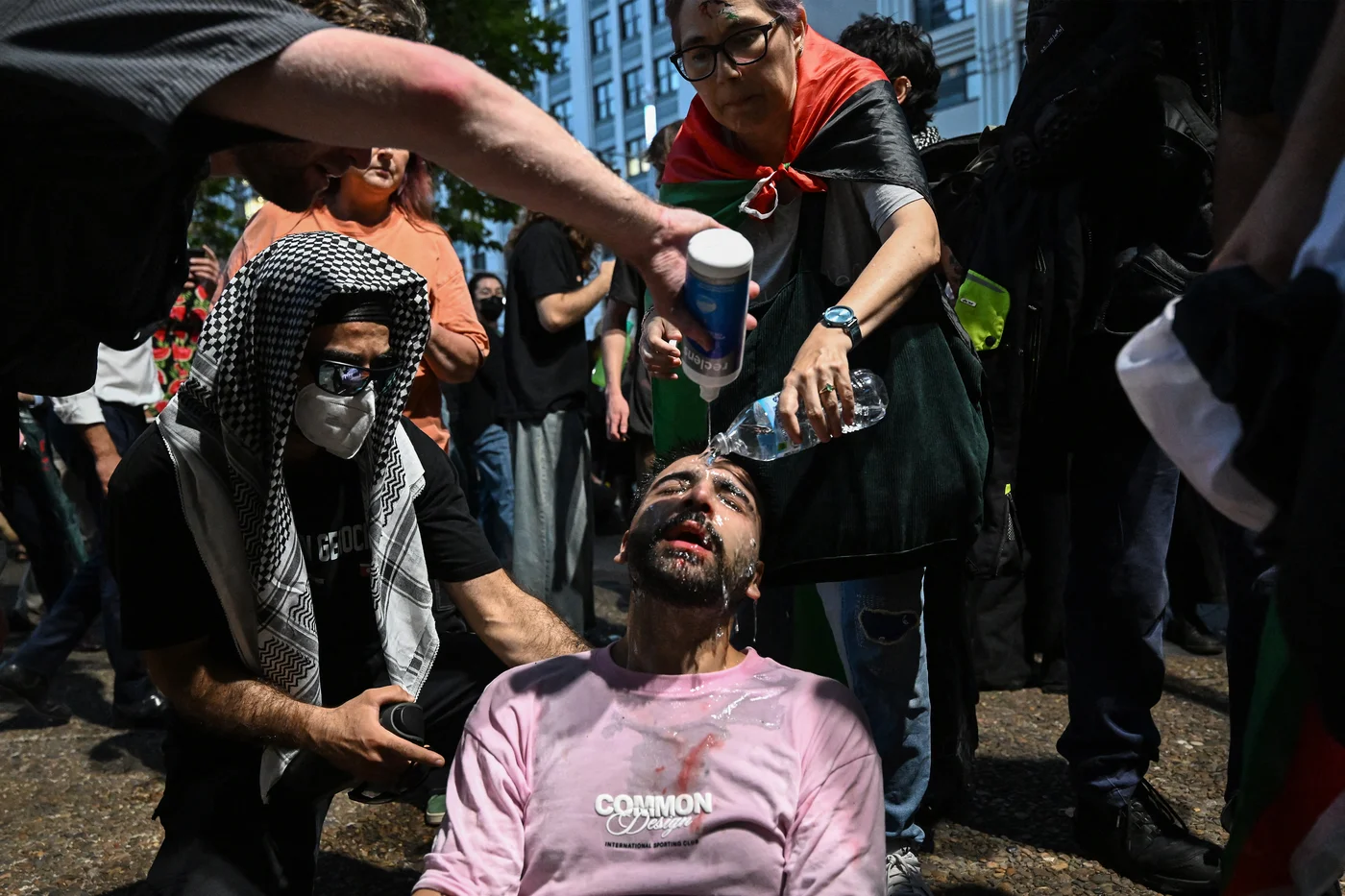
    Tensions escalated visibly in Sydney where footage circulated showing police detaining protesters and using pepper spray. Particularly controversial videos depicted officers confronting Muslim participants praying near Town Hall, drawing widespread criticism of police conduct on social media platforms.

    The Jewish Council of Australia criticized Prime Minister Anthony Albanese’s administration, accusing it of using ‘Jewish grief as a political prop’ by inviting a leader implicated in what international bodies have described as potential genocide. Amnesty International Australia echoed concerns, urging the government to honor its international legal obligations to hold perpetrators accountable.

    Herzog, who maintains that all Palestinians bear responsibility for Hamas’s October 2023 attack, faces serious international scrutiny. A United Nations commission of inquiry previously found Herzog, along with Prime Minister Benjamin Netanyahu and then-Defense Minister Yoav Gallant, ‘liable to prosecution for incitement to genocide’—a statement cited by the International Court of Justice in its assessment of Gaza conflict allegations.

  • Secretary of Iran’s top security body says to visit Oman on Feb 10

    Secretary of Iran’s top security body says to visit Oman on Feb 10

    In a significant diplomatic development, Ali Larijani, Secretary of Iran’s Supreme National Security Council, announced plans to lead a high-level delegation to Oman on February 10th. The visit comes amid ongoing mediation efforts by the Gulf sultanate between Tehran and Washington regarding nuclear negotiations.

    According to an official statement released through Larijani’s Telegram channel on Monday, the Iranian delegation will engage in comprehensive discussions with Omani senior officials covering the latest regional and international developments alongside bilateral cooperation across multiple domains. This diplomatic initiative follows the recent resumption of US-Iran dialogue in Oman last Friday—the first such engagement since the 12-day military confrontation between Iran and Israel in June last year, which saw limited participation from American forces.

    The timing of Larijani’s visit underscores Oman’s continuing role as a crucial diplomatic intermediary in one of the world’s most volatile geopolitical relationships. The Gulf state has historically facilitated backchannel communications between Tehran and Western powers, particularly regarding Iran’s nuclear program and regional security concerns.

    This diplomatic movement occurs against a backdrop of heightened regional tensions and reflects ongoing efforts to establish frameworks for de-escalation and mutual understanding. The agenda is expected to address not only bilateral cooperation but also broader security architecture in the Middle East, where both nations maintain significant strategic interests.

  • UAE leads region in industrial exports in 2025, says Sheikh Mohammed

    UAE leads region in industrial exports in 2025, says Sheikh Mohammed

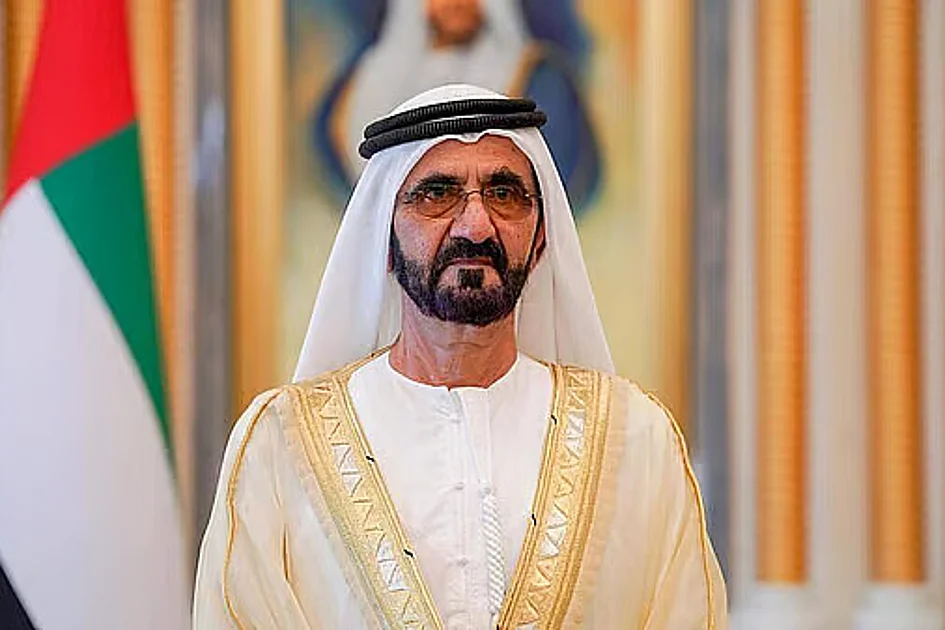
    The United Arab Emirates has achieved a landmark position as the Middle East’s foremost industrial exporter, according to official 2025 data announced by His Highness Sheikh Mohammed bin Rashid Al Maktoum, Vice President and Ruler of Dubai. The nation’s industrial sector demonstrated remarkable growth with a 25% annual increase, culminating in total exports valued at Dh262 billion.

    The export portfolio showcased significant technological advancement, with technology products constituting Dh90 billion of the total exports. Sheikh Mohammed attributed this economic milestone to the strategic alignment between government policies and private sector initiatives, emphasizing the critical role of legislative support for industrial enterprises.

    Key infrastructure developments were highlighted as fundamental to this success, particularly the nation’s exceptional digital infrastructure and robust financial ecosystem. The integrated approach has created an environment conducive to industrial expansion and international market competitiveness.

    The achievement positions the UAE prominently within global economic landscapes, demonstrating successful economic diversification beyond hydrocarbon dependencies. This export performance represents a significant step in the nation’s strategic vision for sustainable economic development and technological leadership in the region.

  • Discord to start requiring face scan or ID to access adult content

    Discord to start requiring face scan or ID to access adult content

    Discord is instituting a comprehensive global age verification system requiring facial scans or identity documentation for users seeking access to adult-oriented content. Starting in early March, the communication platform with over 200 million monthly active users will mandate these checks worldwide, expanding existing protocols currently limited to the UK and Australia.

    The verification process offers two pathways: users may submit photographic identification or complete a video selfie analyzed by artificial intelligence to estimate facial age. Discord emphasizes that biometric data from facial scans will not be retained, and uploaded identification documents will be promptly deleted following verification completion.

    This initiative establishes a ‘teen-appropriate experience’ as the platform’s default setting, fundamentally altering content visibility and communication capabilities. Verified adults will gain access to age-restricted communities and sensitive material, while unverified users will face limitations in both content visibility and direct messaging functionality.

    Savannah Badalich, Discord’s Head of Policy, stated: ‘Our safety initiatives prioritize teenage users above all. Implementing teen-by-default settings globally enhances our existing protective architecture while maintaining flexibility for verified adults.’

    The announcement follows Discord’s appearance at a contentious 2024 US Senate hearing regarding child safety measures, placing the company alongside other social media giants facing increased regulatory scrutiny. Industry analyst Drew Benvie of Battenhall noted that while the safety intention is commendable, implementation across Discord’s millions of communities presents significant operational challenges.

    Privacy advocates have expressed concerns about data security, particularly following an October incident where approximately 70,000 user identification images were potentially compromised through a third-party verification provider. The platform’s safety overhaul coincides with reports of potential public share offerings and mirrors similar protective measures adopted by Meta, TikTok, and Roblox.

  • Dubai announces phase 2 of property tokenisation project for secondary market resale

    Dubai announces phase 2 of property tokenisation project for secondary market resale

    Dubai has officially entered the next stage of its pioneering real estate tokenization initiative. The Dubai Land Department (DLD) confirmed the commencement of Phase Two, set to activate on February 20, 2026. This pivotal phase is designed to unlock the secondary market, facilitating the resale of an estimated 7.8 million digitized real estate tokens.

    The project, initially launched as a pilot program in collaboration with the Virtual Assets Regulatory Authority (VARA) and technical partners, has now matured beyond its testing grounds. The inaugural phase successfully validated the regulatory, legislative, and technical frameworks required for converting physical property title deeds into secure digital tokens.

    Phase Two will operate within a controlled pilot environment with strategic objectives: evaluating market efficiency, testing operational capabilities, enhancing transparency and governance protocols, and rigorously safeguarding investor rights to ensure absolute transaction integrity. This measured approach underscores Dubai’s commitment to de-risking technological adoption in its vital property sector.

    Early indicators from the pilot have been promising. As previously reported, investments were accessible to UAE residents starting from just AED 2,000. This low barrier to entry fueled significant initial traction, with one platform, Prypco Mint, processing deals exceeding AED 9 million within the first month alone.

    This tokenization effort is part of a broader suite of initiatives by Dubai to stimulate and democratize property ownership. It complements programs like the First-Time Home Buyer (FTHB) Programme—a multi-stakeholder collaboration between DLD, the Dubai Economic Development Corporation (DEDC), banks, and developers—which has already enabled over 2,000 residents to purchase their first homes.

    The DLD emphasized that its phased rollout strategy allows for careful assessment of practical outcomes and fosters close cooperation with other regulatory bodies. Ongoing work with VARA and technical partners continues to focus on developing robust standards for the project’s future expansion, cementing Dubai’s position as a global leader in tokenized real-world asset investment.

  • Beyond the commute: How ‘Metro Diaries’ maps the soul of the UAE migrant experience

    Beyond the commute: How ‘Metro Diaries’ maps the soul of the UAE migrant experience

    In Dubai’s ever-evolving urban landscape, the metro system serves as both transportation artery and cultural metaphor for the city’s migrant communities. The performing arts collective +63Kolektib, comprised primarily of Filipino artists, has transformed this daily commute into a powerful theatrical experience titled ‘Metro Diaries,’ set to premiere in Dubai this February.

    The production originated from extensive research and personal documentation, with approximately 90% of its dialogue drawn directly from performers’ journals and real-life observations. Cultural producer Jomel Duran Reyes describes the metro as ‘a liminal representation of the struggles and victories that have led us to where we are now’ – a symbolic journey mirroring the migrant experience of arrival, adaptation, and aspiration.

    Beyond its artistic merit, the performance challenges conventional narratives about migrant workers in the UAE. It specifically addresses the psychological toll of maintaining the ‘resilient migrant’ facade while grappling with work pressures, family expectations abroad, and cultural displacement. Malavika Suresh, a spoken-word artist and researcher involved in the production, notes the universal relatability of these stories across different nationalities.

    The production’s staging incorporates physical movement that communicates narrative even without dialogue, creating a visceral connection with audiences. Previous performances have elicited emotional responses from viewers who recognized their own experiences reflected on stage.

    Scheduled for February 14th and 15th at SIMA Performing Arts in Alserkal Avenue, Metro Diaries aims to foster greater compassion and understanding among Dubai’s diverse residents, encouraging viewers to see fellow commuters not as anonymous workers but as individuals on complex personal journeys.

  • Bangladesh poll rivals rally on final day of campaign

    Bangladesh poll rivals rally on final day of campaign

    With Bangladesh’s parliamentary elections scheduled for February 12, the nation’s political landscape has reached a fever pitch as rival parties concluded their final day of campaigning on Monday. The electoral contest marks a historic turning point for the South Asian nation, occurring just eighteen months after the mass uprising of August 2024 that ended Sheikh Hasina’s 15-year autocratic rule.

    Tens of thousands of enthusiastic supporters flooded the streets of Dhaka throughout the campaign period, waving party flags and chanting revolutionary slogans that echoed the sentiments of the 2024 pro-democracy movement. The electoral competition has centered around competing interpretations of the uprising’s legacy and divergent visions for the future of this nation of 170 million people.

    The Bangladesh Nationalist Party (BNP), led by Tarique Rahman who returned from 17 years of exile in December, has emerged as a frontrunner in the parliamentary race. The 60-year-old leader, widely known as Tarique Zia, assumed control of the party following the December passing of his mother, former Prime Minister Khaleda Zia. At a Sunday rally in Dhaka’s Mirpur neighborhood, Rahman urged supporters to back local BNP candidate Shafiqul Islam Milton, promising representation that would genuinely serve constituents’ interests.

    Meanwhile, Jamaat-e-Islami chief Shafiqur Rahman addressed packed crowds in the Dhaka-11 constituency, a significant flashpoint during the 2024 uprising. Leading a coalition of Islamist parties under the symbol of weighing scales, Rahman accused the former ruling party of systematic repression while warning that new forms of abuse had emerged following its ouster. “A section of the oppressed turned into oppressors just a day after August 5,” he asserted, alleging widespread extortion and corruption by returning political figures.

    Jamaat-e-Islami, ideologically aligned with the Muslim Brotherhood, has formed an alliance with the National Citizen Party (NCP) founded by student leaders who spearheaded the 2024 uprising. NCP leader Nahid Islam accused major political parties of covertly sharing what he described as “businesses of extortion and crime” for decades.

    The electoral atmosphere has been charged with revolutionary fervor, with supporters repeatedly chanting “Long live the revolution!” and engaging in call-and-response cries of “Slavery or freedom?” answered by thunderous shouts of “Freedom, freedom!”

    Voters expressed diverse motivations for their electoral choices. Mohammed Harun, 65, revealed he hadn’t voted in 17 years but would support the Jamaat-led alliance hoping for a “just, corruption and violence-free country.” First-time voter Abdullah-al-Rahat, a 21-year-old Dhaka University student who participated in the 2024 uprising, expressed preference for a unity government should no party secure a majority.

    The Awami League, former Prime Minister Sheikh Hasina’s party, has been banned from participating in the elections by the interim government—a move criticized by various human rights organizations. Hasina, now 78, was sentenced to death in absentia last November for crimes against humanity related to her government’s deadly crackdown on protesters during her final bid to maintain power. She remains in hiding in India.

    The election represents not merely a political transition but a profound test of Bangladesh’s democratic institutions and its ability to channel revolutionary energy into sustainable governance structures.

  • Indian priest arrested for cultivating marijuana worth Rs7 million within temple

    Indian priest arrested for cultivating marijuana worth Rs7 million within temple

    In a startling breach of religious sanctity, authorities in India’s Telangana state have uncovered a sophisticated marijuana cultivation operation operating within a temple’s sacred grounds. Avuti Nagaiah, a 48-year-old priest serving at Panchagam village temple, has been taken into custody following a coordinated raid by local police and excise officials.

    The investigation revealed that Nagaiah had transformed the temple garden into an elaborate camouflage for illicit activities. Among legitimate marigold plants—chosen specifically for their visual and olfactory similarity to cannabis—the priest cultivated nearly 700 marijuana plants with an estimated street value of Rs7 million (approximately Dh285,000).

    The discovery has sent shockwaves through the local community, with villagers expressing profound dismay at the exploitation of their place of worship. Law enforcement officials are now conducting an expanded investigation to identify potential accomplices and determine the distribution network that supported this operation.

    This incident coincides with heightened drug enforcement activities across Telangana, where police recently apprehended three additional suspects and confiscated over 16 kilograms of cannabis in operations throughout Hyderabad, the state capital. The case highlights growing concerns about innovative drug cultivation methods being employed in unexpected locations across India.