作者: admin

  • Investigation uncovers mismanagement of donated artifacts

    Investigation uncovers mismanagement of donated artifacts

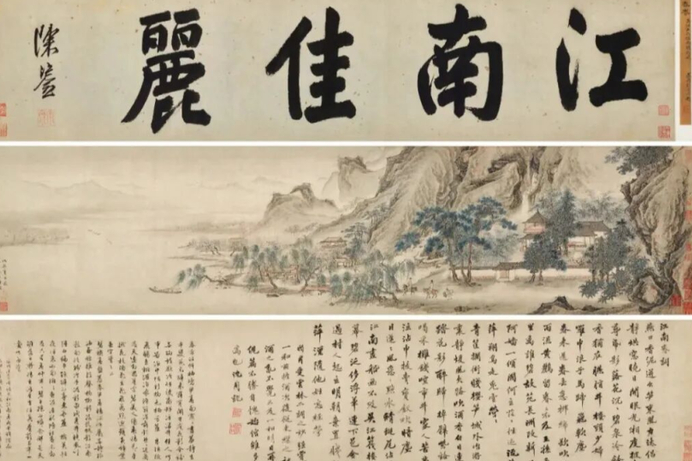
    A comprehensive investigation into the Nanjing Museum has uncovered profound institutional failures in the management of donated cultural artifacts, resulting in disciplinary actions against 24 individuals and criminal referrals for suspected illegal activities. The probe, jointly conducted by the Jiangsu Provincial Party Committee and People’s Government under the guidance of the National Cultural Heritage Administration, followed the shocking appearance of a donated Ming Dynasty painting at a Beijing auction with an estimated value of $12.5 million.

    The investigation was triggered in 2025 when ‘Jiangnan Spring,’ a priceless artwork donated by renowned collector Pang Zenghe (1864-1949), surfaced at auction. This incident prompted widespread concern about museum artifact security and prompted an exhaustive examination spanning 12 provinces and municipalities. Investigators conducted over 1,100 interviews, reviewed 65,000 documents, collected 1,500 pieces of evidence, and compared 30,255 calligraphy and painting artifacts.

    Findings revealed that multiple institutions—including the original Jiangsu Provincial Department of Culture, Nanjing Museum, and Jiangsu Provincial Cultural Relics Store—systematically violated cultural relics management regulations. The investigation identified illegal approvals for artifact transfers and unauthorized sales that caused severe social repercussions.

    Former executive vice-president Xu Huping emerged as a central figure in the scandal, having bypassed mandatory appraisal and review procedures to authorize the illegal transfer and sale of artifacts. Despite explicit prohibitions from national authorities, Xu, who simultaneously served as legal representative and manager of the cultural relics store, approved these transactions. His tenure was characterized by significant management deficiencies including asset accounting discrepancies, inappropriate role consolidation, and critical oversight failures.

    The probe also implicated Zhang, an employee from the museum’s cultural and creative department, who exploited her state asset management position for personal gain through illegal artifact trading. Supervisory bodies including the Jiangsu Provincial Department of Culture and Tourism and Jiangsu Provincial Cultural Heritage Bureau were found negligent in overseeing subordinate units.

    Nanjing Museum has issued a formal apology acknowledging systemic management failures and damage to institutional credibility. The museum committed to enhancing internal controls, increasing transparency, and ensuring proper handling of donated cultural relics. Three of the five missing paintings have been recovered and returned to the museum’s collection following legal consultations, while efforts continue to locate the remaining artwork.

    The case highlights critical vulnerabilities in China’s cultural heritage protection systems and underscores the need for strengthened oversight mechanisms to prevent similar incidents involving priceless historical artifacts.


  • Trump’s world order hangs over Europe on eve of key defence conference

    Trump’s world order hangs over Europe on eve of key defence conference

    The Munich Security Conference convenes this week under the shadow of profound transatlantic tensions that have escalated dramatically since Vice President JD Vance’s explosive address at last year’s gathering. His condemnation of European migration and free speech policies, coupled with assertions that Europe’s greatest threats emanate from within, left attendees visibly stunned and signaled a fundamental shift in U.S. foreign policy approach.

    The subsequent year has witnessed the Trump administration systematically overturn long-standing international norms through punitive tariffs against allies and adversaries alike, an audacious military incursion into Venezuela, and conspicuously imbalanced peace efforts in Ukraine that disproportionately favor Moscow. Most remarkably, the administration has floated the concept of Canada becoming the “51st state”—rhetoric that would have been unthinkable in previous administrations.

    Central to the current crisis has been the Greenland territorial dispute, wherein President Trump repeatedly expressed his “need to own” the autonomous Danish territory, initially refusing to rule out military action. This stance prompted Denmark’s Prime Minister to declare that such hostile acquisition would effectively terminate the NATO alliance that has underpinned European security for 77 years.

    While the immediate Greenland crisis has subsided, it exposes the fragile state of transatlantic relations. The recently published U.S. National Security Strategy explicitly calls for Europe to “stand on its own feet” regarding defense matters, formalizing the administration’s resistance to continuing America’s decades-long subsidization of European security.

    Sir Alex Younger, former head of Britain’s MI6, acknowledges the permanent transformation of the alliance while asserting its continued functionality: “We still benefit enormously from our security and military and intelligence relationship with America.” He concurs with the administration’s position that Europe must assume greater defense responsibility, noting the demographic imbalance that sees “a continent of 500 million [Europe] asking a continent of 300 million [U.S.] to deal with a continent of 140 million [Russia].”

    Beyond defense spending disagreements—where numerous NATO members, including Spain, fail to meet the minimum 2% GDP commitment—significant rifts have emerged regarding trade, migration, and fundamental democratic principles. European leaders remain alarmed by Trump’s relationship with Vladimir Putin and his tendency to blame Ukraine for its own invasion.

    Research director Tobias Bunde identifies a definitive break with post-WW2 strategy, noting the administration’s rejection of three foundational pillars: multilateral institutions, economic integration, and the strategic value of democracy and human rights. The Center for Strategic and International Studies describes the National Security Strategy as “a real, painful, shocking wake-up call for Europe” that reveals “cavernous divergence” between European self-perception and Trump’s vision for the continent.

    The conference occurs as Russia’s full-scale invasion of Ukraine approaches its fifth year, raising the paramount question: Does NATO’s Article 5 collective defense guarantee remain credible? The “Narva Test”—hypothetical Russian aggression against the majority Russian-speaking Estonian border town—now represents the ultimate measure of alliance integrity. Similar concerns apply to the Suwałki Gap and even Norway’s Svalbard archipelago, where Russia maintains a settlement.

    With President Trump’s demonstrated territorial ambitions toward NATO ally Denmark’s Greenland, no certainty exists regarding U.S. response to Russian aggression against NATO members. This uncertainty creates potentially dangerous miscalculation risks during active European warfare. This week’s conference may provide clarity regarding the alliance’s future trajectory, though the answers may prove uncomfortable for European participants.

  • UAE property playbook: How to turn homes into profits

    UAE property playbook: How to turn homes into profits

    The United Arab Emirates’ real estate sector has undergone a significant transformation, evolving from mere lifestyle acquisition to a sophisticated wealth creation mechanism for both residents and international investors. This shift reflects the market’s maturation into a globally competitive investment destination characterized by transparent regulation, tax advantages, and robust demographic expansion.

    Successful property investment in the UAE demands disciplined financial planning anchored in comprehensive ownership cost analysis. Beyond the purchase price, astute investors must account for registration fees, brokerage commissions, mortgage processing charges, ongoing service fees, maintenance expenditures, insurance premiums, and interior fit-out costs. Financial pre-approval provides crucial leverage parameters and accelerates transaction timelines, offering competitive advantage in a market where sellers prioritize certainty.

    Location selection remains the fundamental value determinant. Industry experts emphasize that properties integrated with business districts, transportation networks, and social infrastructure consistently demonstrate superior occupancy rates and exit demand. Forward-looking investors monitor infrastructure development pipelines—including metro extensions and highway upgrades—which frequently reposition neighborhood valuations long before project completion.

    Execution excellence matches strategic selection in importance. Licensed professional brokers provide essential services including inventory filtering, document verification, and negotiation within regulatory frameworks. Prepared investors assemble necessary documentation—passports, visas, and proof of funds—in advance to prevent transaction delays. During property evaluations, comparative analysis of unit layouts, natural illumination, parking availability, and building management standards proves critical.

    The transactional process follows standardized protocols: price agreement precedes a detailed Memorandum of Understanding outlining terms and deposit requirements. Conveyancing professionals ensure title verification, escrow compliance, and transfer readiness. Final settlement occurs at authorized trustee offices where ownership registration and key transfer are simultaneously completed.

    Market veterans emphasize that thorough preparation significantly reduces transactional friction, particularly crucial in supply-constrained market segments. First-time investors should look beyond promotional materials to examine title clarity, developer track records, realistic possession timelines, and secondary market depth.

    While market fundamentals remain strong, investors must acknowledge inherent risks including cyclical price compression, off-plan delivery uncertainties, and the impact of service charges on net yields. Risk mitigation strategies include conservative leverage ratios, realistic rental assumptions, and independent property inspections.

    Long-term performance correlates directly with asset quality. Properties featuring efficient layouts, superior ventilation, ample storage, and well-curated amenities demonstrate enhanced tenant retention and resale liquidity. Comprehensive financial modeling should incorporate hidden costs, while snagging reports—even for new units—help identify defects before warranty expiration.

    The regulatory environment has substantially improved through enhanced escrow accountability, broker licensing requirements, and transaction transparency initiatives. Digital land registries and streamlined transfer systems further reduce information asymmetry and improve market liquidity.

    This institutional-quality infrastructure enables quicker deal execution and clearer exit pathways, positioning the UAE property market as a mature asset class rather than speculative frontier. Successful investors combine conservative budgeting, meticulous location research, professional partnerships, and cash flow analysis to transform residential properties into resilient income-generating assets with scalable portfolio potential.

  • Israel’s new West Bank measures ‘accelerate annexation and end Oslo Accords’

    Israel’s new West Bank measures ‘accelerate annexation and end Oslo Accords’

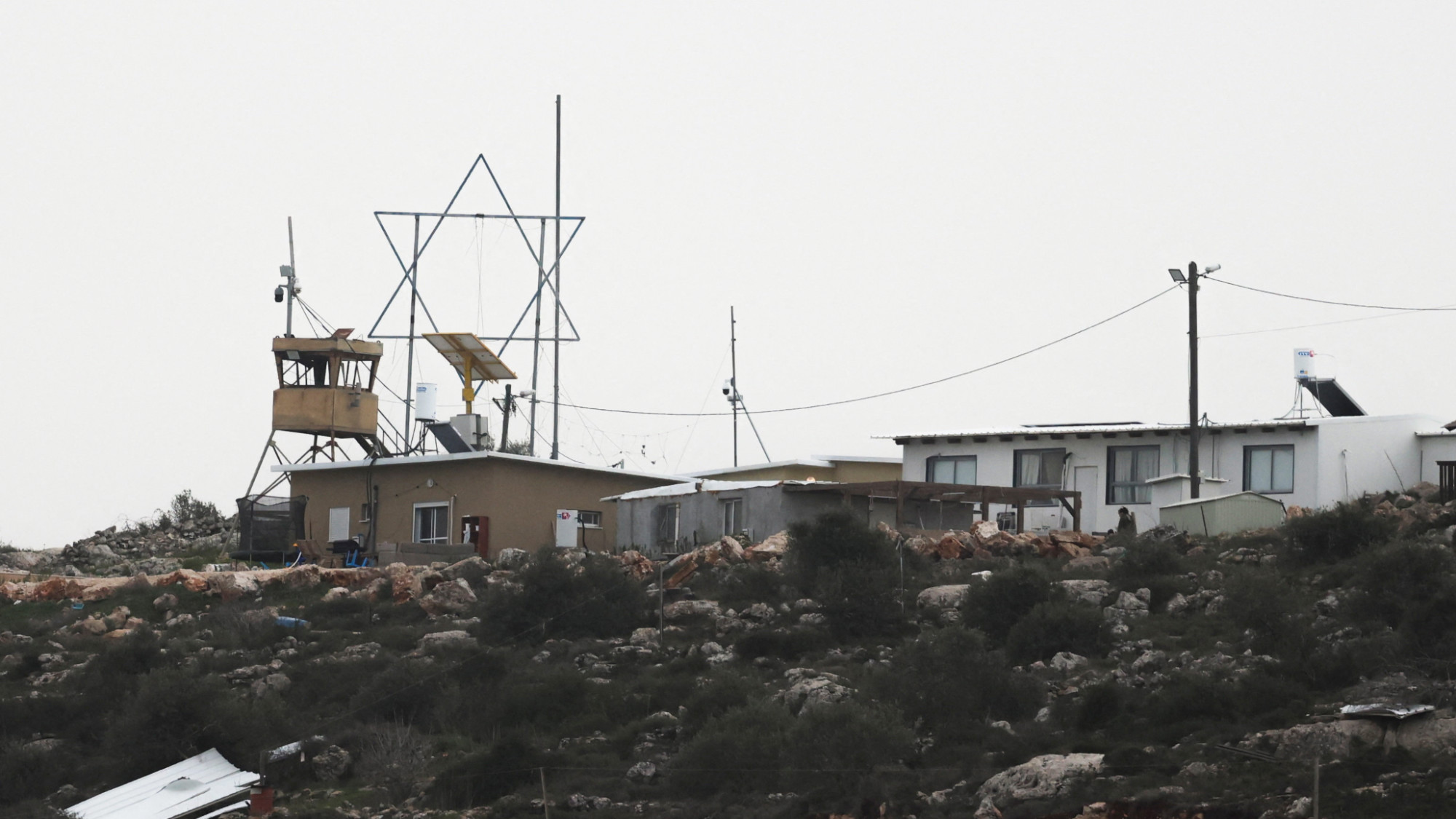
    Israel has implemented sweeping administrative changes in the occupied West Bank that analysts describe as effectively cementing de facto annexation of Palestinian territories. The newly announced measures fundamentally alter the governance structure established by the Oslo Accords, expanding Israeli civil authority into areas previously under Palestinian jurisdiction and facilitating accelerated settlement expansion.

    The policy overhaul, announced on Sunday, represents a significant escalation in Israel’s West Bank strategy. It expands direct Israeli civil control into Areas A and B—regions containing all major Palestinian population centers that were officially administered by the Palestinian Authority under the 1993 Oslo agreements. The changes also remove legal barriers preventing Jewish Israelis from privately owning land in the West Bank, potentially accelerating settlement growth through eased sales regulations and increased transparency in land registration records.

    Jamal Juma, coordinator of the Stop the Wall campaign, characterized the decision as “among the most direct and dangerous steps taken against Palestinians,” noting that it effectively signals the end of the Oslo framework and strips the Palestinian Authority of its remaining powers. Under the new arrangements, the PA is reduced to little more than a security agent for Israel, with building licensing and construction authority in Hebron transferred from Palestinian to Israeli military control.

    The measures have drawn condemnation from the Palestinian Authority and nearly all Palestinian factions, who denounce them as illegal steps aimed at deepening annexation. Eight Muslim-majority nations—including Egypt, Jordan, Qatar, Saudi Arabia, Turkey, and the UAE—have jointly denounced the changes as attempts to impose “unlawful Israeli sovereignty” in the West Bank.

    Meanwhile, Israeli ministers and settler groups have welcomed the changes. Far-right Minister Bezalel Smotrich, who oversees civilian affairs in the West Bank, vowed to “continue to kill the idea of a Palestinian state,” while the pro-settler organization Regavim described the measures as marking “a clear break from the Oslo framework.”

    The policy shift occurs alongside unprecedented settlement expansion, with nearly 47,390 housing units advanced, approved, or tendered in 2025 alone—the highest level since UN tracking began in 2017. This settlement growth is supported by extensive infrastructure development connecting settlements directly to Israel proper, alongside what UN officials describe as “relentless” displacement of Palestinian communities.

    Analysts note that the changes specifically target Hebron, home to approximately 200,000 Palestinians and 700 Israeli settlers, transferring municipal powers from the PA to Israeli authorities and placing planning around the Ibrahimi Mosque under Israeli control. Researchers warn that these measures prioritize Israeli settlers over Palestinians and could soon be extended to other Palestinian cities, representing an accelerated campaign targeting the entire Palestinian presence in the West Bank.

  • UAE industrial exports reach Dh262 billion in 2025

    UAE industrial exports reach Dh262 billion in 2025

    The United Arab Emirates has achieved a landmark accomplishment in industrial exports, reaching an unprecedented Dh262 billion in 2025. This represents a remarkable 25 percent year-on-year growth and demonstrates a doubling of export value since the establishment of the Ministry of Industry and Advanced Technology in 2020.

    A particularly significant aspect of this achievement is the performance of medium- and high-technology industries, which generated Dh92 billion in exports. This figure not only represents a substantial 42 percent annual growth but has already surpassed the Dh90 billion target originally set for 2031—six years ahead of schedule. This accelerated performance underscores the nation’s rapid transition toward advanced manufacturing technologies and increased value addition within national industries.

    Under the guidance of the Ministry of Industry and Advanced Technology, the UAE has systematically developed progressive industrial policies and modernized regulatory frameworks. These strategic initiatives have strengthened international partner confidence while reinforcing the country’s position as both a regional and global hub for advanced industries. The comprehensive approach has enhanced local production capabilities, supported resilient supply chains, and boosted the international competitiveness of Emirati products.

    Dr. Sultan Ahmed Al Jaber, Minister of Industry and Advanced Technology, emphasized that this progress reflects the Ministry’s dedicated implementation of leadership directives focused on supporting industrial sector growth and competitiveness. “Since our establishment in 2020, we have achieved 100 percent growth in industrial exports,” Al Jaber stated. “Through the National Strategy for Industry and Advanced Technology and the ‘Make it in the Emirates’ initiative, we are transforming industrial trade growth into sustainable value for the national economy.”

    The Ministry’s integrated initiatives, particularly the ‘Make it in the Emirates’ program, have driven the localization of strategic and vital industries in alignment with national priorities. This approach has stimulated high-quality industrial investment while enhancing national manufacturing capabilities and supporting economic security objectives.

    Complementing these efforts, the National In-Country Value (ICV) Programme has successfully redirected spending toward the local economy, strengthened national content in supply chains, and empowered industrial and service companies across the UAE. These coordinated strategies have significantly increased the industrial sector’s contribution to GDP while reinforcing the competitive standing of the national economy on the global stage.

  • Colombian prosecutors plan to press charges against national oil company president

    Colombian prosecutors plan to press charges against national oil company president

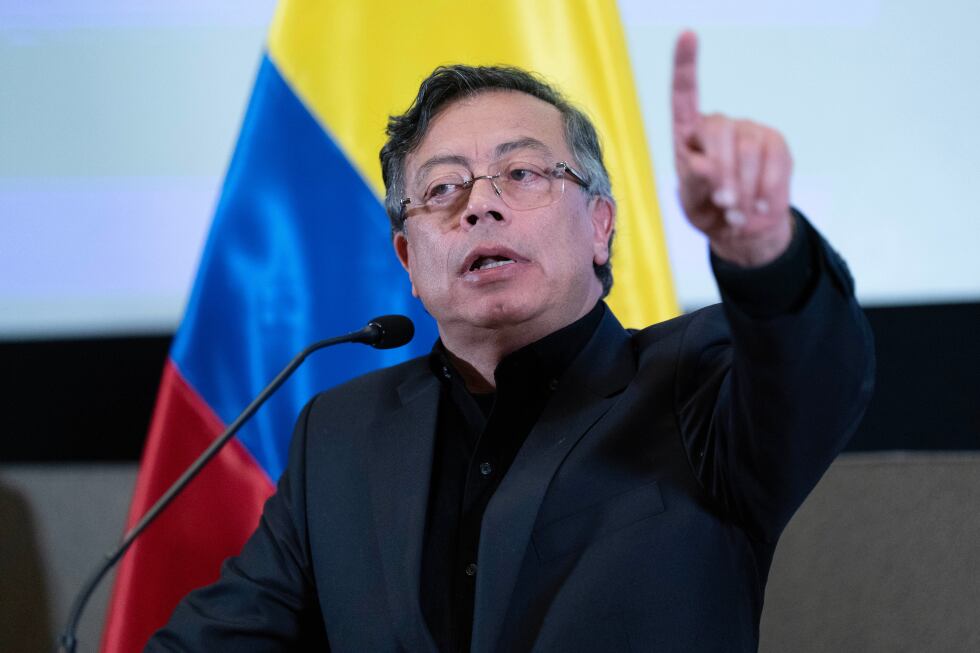
    Colombia’s Attorney General’s Office announced Monday it will pursue corruption charges against Ricardo Roa, president of state-owned oil giant Ecopetrol, alleging misconduct during his tenure as financial manager for President Gustavo Petro’s 2022 presidential campaign.

    Prosecutors assert they possess substantial evidence demonstrating Roa facilitated illegal campaign financing practices, including exceeding statutory spending limits. The charges extend beyond campaign finance violations to include influence peddling related to Roa’s current position at Ecopetrol.

    According to investigative findings, Roa allegedly directed lucrative Ecopetrol contracts to a company whose owner provided him with a luxury Bogota apartment at significantly below market value. The oil executive has vehemently denied all allegations, maintaining his innocence regarding both the campaign finance accusations and contract steering claims.

    The case emerges against a backdrop of ongoing electoral scrutiny. Last November, Colombia’s National Electoral Council imposed financial penalties on Roa and two other campaign administrators for purported campaign finance violations, including accepting funds from illicit sources.

    The investigation has drawn in multiple figures close to the president. Notably, Nicolas Petro, the president’s son currently under investigation for money laundering, previously testified that drug trafficking proceeds were funneled into his father’s campaign. Additionally, a government contractor with paramilitary connections allegedly made substantial donations to the campaign.

    President Petro has characterized the allegations as politically motivated attempts to destabilize his administration. The developments unfold as Colombia prepares for congressional and presidential elections, with Petro advocating for electoral support for candidates backing his constitutional reform agenda and economic policies.

  • Thailand election: The result the polls never saw coming

    Thailand election: The result the polls never saw coming

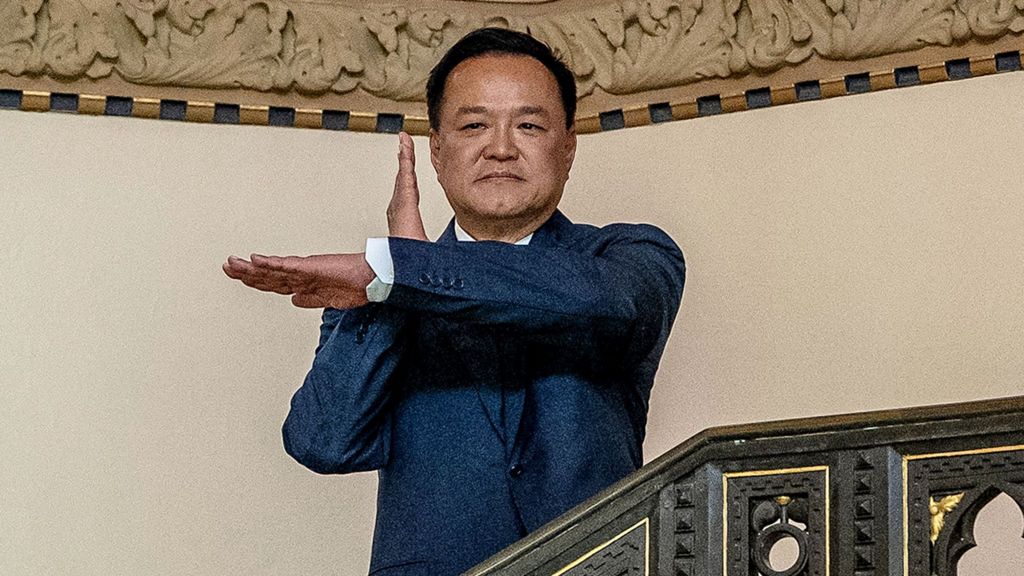
    In a dramatic reversal of pre-election forecasts, Thailand’s conservative Bhumjaithai party has emerged victorious from the February parliamentary elections, defying widespread expectations of a progressive triumph. Prime Minister Anutin Charnvirakul’s political machine secured an estimated 190 seats, positioning itself to form the next government through coalition building.

    The outcome represents a significant setback for the youthful People’s Party, which had been projected by most opinion polls to dominate the election with over 200 seats. Instead, the reformist movement witnessed a substantial decline from its predecessor Move Forward’s 2023 performance, when it captured 151 parliamentary seats.

    Several structural factors contributed to this political upset. Thailand’s mixed electoral system, allocating 80% of seats through local constituency contests rather than national party lists, disadvantaged the urban-based progressive movement. Bhumjaithai’s well-established rural networks and mastery of local power-brokering proved decisive in securing constituency victories despite receiving nearly four million fewer party-list votes than the People’s Party.

    Prime Minister Anutin successfully consolidated conservative support through his strident nationalism regarding border conflicts with Cambodia, unwavering military support, and staunch loyalty to King Vajiralongkorn. Simultaneously, the reformists faced diminished momentum without the defining anti-establishment issue that propelled their 2023 campaign, having been forced to abandon their controversial proposal to amend the lese majeste law.

    The dramatic decline of Pheu Thai, once Thailand’s dominant political machine, further shifted the landscape. The party associated with former Prime Minister Thaksin Shinawatra saw its support halved after years of political turmoil, with its northern strongholds shifting toward conservative alternatives.

    Structural impediments continued to hamper progressive forces, with many leaders facing political bans and dissolution threats. Voter turnout dropped significantly to 65%, suggesting disillusionment among previous reformist supporters. Meanwhile, Prime Minister Anutin appears positioned to potentially complete a full four-year term—a rare achievement in Thailand’s turbulent political history.

  • Japan urged to adhere to a peaceful path

    Japan urged to adhere to a peaceful path

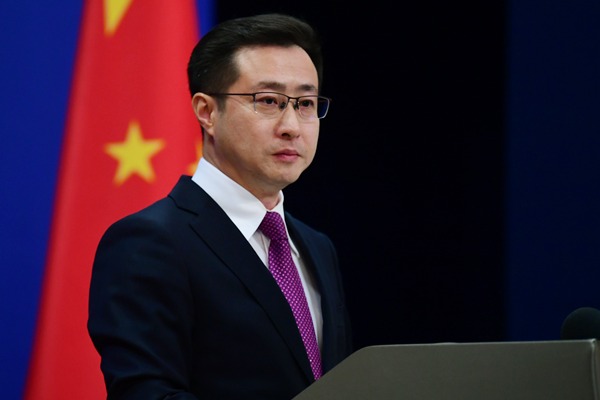
    Following a decisive electoral victory by Japan’s ruling coalition, China has issued a formal appeal for Tokyo to adhere to its historical commitment to peaceful development. Foreign Ministry spokesman Lin Jian articulated these concerns during a Monday press briefing, emphasizing the critical importance of the four foundational political documents that underpin Sino-Japanese relations.

    The Liberal Democratic Party and its coalition partner secured a supermajority of 352 seats in Sunday’s snap parliamentary election, granting them the legislative power to potentially initiate constitutional amendments. This outcome has triggered international apprehension regarding Japan’s political trajectory, with experts warning of accelerated rightward movement in security policy.

    Professor Hiroshi Shiratori of Hosei University indicated that this electoral mandate could facilitate significant security reforms, including potential revisions to Japan’s pacifist constitution. Particular attention focuses on Article 9, which renounces war and prohibits maintaining offensive military capabilities, alongside the Three Non-Nuclear Principles that have guided Japan’s defense policy for decades.

    Chinese analysts express concern that Prime Minister Sanae Takaichi’s administration may pursue substantial military expansion, including revised security documentation, relaxed arms export restrictions, and enhanced defense capabilities. Such moves would represent a dramatic departure from Japan’s post-war pacifist orientation.

    The Chinese Foreign Ministry emphasized that while Japan’s electoral process constitutes an internal matter, its outcomes warrant serious international consideration. Spokesman Lin cautioned that any reckless actions by far-right elements would encounter both domestic resistance and strong international response.

    Economic implications also loom large, as heightened bilateral tensions could adversely affect trade relations, potentially undermining Japan’s manufacturing sector and broader economic growth while impeding regional cooperation mechanisms.

  • UAE’s “Year of the Family”: Mapping legacy through control, clarity, continuity and tax optimisation

    UAE’s “Year of the Family”: Mapping legacy through control, clarity, continuity and tax optimisation

    The United Arab Emirates’ designation of 2026 as the ‘Year of the Family’ represents far more than symbolic recognition—it marks a critical inflection point for affluent families navigating an increasingly complex global regulatory landscape. As transnational families with substantial assets confront mounting challenges including global tax coordination, cross-border regulatory scrutiny, and succession risks, the Emirates emerges as a jurisdiction offering not just tax efficiency but regulatory predictability and structural coherence.

    The paradigm has fundamentally shifted from purely tax-driven planning to comprehensive governance optimization. Globally mobile families now prioritize regulatory stability, jurisdictional alignment, and defensible structures over mere tax rate arbitrage. The central concerns have evolved to encompass control preservation, decision-making clarity, and structural resilience across generations and jurisdictions.

    Progressive families are implementing three transformative approaches: First, they’re restructuring ownership around documented control mechanisms rather than convenience, establishing clear frameworks through foundations, holding companies, and family charters. Second, tax strategy has transitioned from isolated compliance to integrated governance, with family councils systematically addressing taxing rights, substance requirements, and global minimum tax implications. Third, families now actively stress-test structures against life contingencies—incapacity, relocation, divorce, and multi-jurisdictional death—treating them as governance necessities rather than cultural taboos.

    The UAE’s value proposition for 2026 lies in its capacity to facilitate this evolution from fragmented asset holding to institutional family governance. In an era of automatic information exchange and intergovernmental cooperation, the premium has shifted from clever structuring to defensible alignment between legal frameworks, family reality, and regulatory expectations across all relevant jurisdictions.

    For families considering consolidation in the Emirates, the ultimate test becomes whether current arrangements will withstand regulatory scrutiny, generational transition, and geographic dispersion when grandchildren eventually inherit stewardship responsibilities. The Year of the Family thus serves as a catalyst for transforming loose collections of entities and assumptions into coherent, future-proofed family institutions capable of enduring both internal dynamics and external examination.

  • Israeli attacks on Lebanon kill four, including security officer and child

    Israeli attacks on Lebanon kill four, including security officer and child

    A series of Israeli military operations in southern Lebanon on Monday resulted in four fatalities, including a Lebanese security officer and his three-year-old child, marking a significant escalation in cross-border tensions. The incidents occurred despite a ceasefire agreement established in November 2024 intended to halt prolonged hostilities with Hezbollah.

    The Israeli Defense Forces confirmed conducting a targeted strike in the village of Yanuh, alleging it neutralized Ahmad Ali Salameh, whom they identified as Hezbollah’s head of artillery responsible for rebuilding the group’s military capabilities. However, the operation also claimed the lives of two unintended casualties: a member of Lebanon’s security forces and his young child who were reportedly passing through the area at the time of impact.

    In a separate incident near the border village of Aita al-Shaab, Israeli gunfire killed another individual identified by Israel as a Hezbollah operative engaged in intelligence gathering and infrastructure rehabilitation activities. The Israeli military acknowledged civilian casualty reports from the Yanuh strike were ‘under review’ while defending the targeted nature of their operations.

    These developments coincided with the alleged apprehension of Atwi Atwi, a Jamaa Islamiya official, by Israeli forces from his residence in Hasbaya district. The Islamist group, an ally of Palestinian Hamas, condemned what they termed an ‘infiltration by Israeli occupation forces,’ while Israel confirmed detaining ‘a senior terrorist’ for interrogation.

    Lebanese Prime Minister Nawaf Salam, who had just concluded a two-day visit to the conflict-ravaged south, denounced Atwi’s capture as ‘a blatant attack on Lebanese sovereignty’ and violation of both the ceasefire agreement and international law. Hezbollah lawmakers echoed these sentiments, demanding immediate governmental action at political, diplomatic, and legal levels to protect citizens.

    The escalating situation highlights ongoing friction points including Israel’s maintained troop presence in five strategic border positions within Lebanese territory and unresolved disputes regarding Lebanese detainees. Hezbollah legislator Hussein al-Haj Hassan previously alleged Israel holds approximately 20 Lebanese prisoners, with half reportedly abducted post-ceasefire.

    Lebanon’s government maintains that sustainable de-escalation requires Israel’s complete withdrawal from occupied border positions, cessation of aerial strikes, and release of all Lebanese detainees.