作者: admin

  • In their words: Bangladeshis talk about the election that could redefine the nation’s future

    In their words: Bangladeshis talk about the election that could redefine the nation’s future

    Bangladesh stands at a critical democratic crossroads as the nation prepares for its most consequential election on Thursday, marking the culmination of an 18-month transitional period. This electoral process follows the youth-led uprising that toppled former Prime Minister Sheikh Hasina’s 15-year administration, subsequently establishing an interim government headed by Nobel laureate Muhammad Yunus.

    The voting coincides with a constitutional referendum addressing comprehensive political reforms, collectively representing a fundamental examination of democratic resilience in this South Asian nation. While many citizens anticipate that restored elections will reestablish legal order, safeguard civil liberties, and institute accountable governance, significant apprehensions persist regarding potential political instability, religious minority marginalization, and the escalating influence of Islamist factions within historically secular Bangladesh.

    Central to voter demands remains the insistence on impartial elections and robust legal frameworks. Yunus’s commitment to conducting equitable voting procedures addresses widespread skepticism toward previous electoral processes under Hasina’s regime, which many perceived as systematically manipulated. These grievances, compounded by severe suppression of opposition voices, ultimately catalyzed the student-led revolution that forced Hasina into Indian exile.

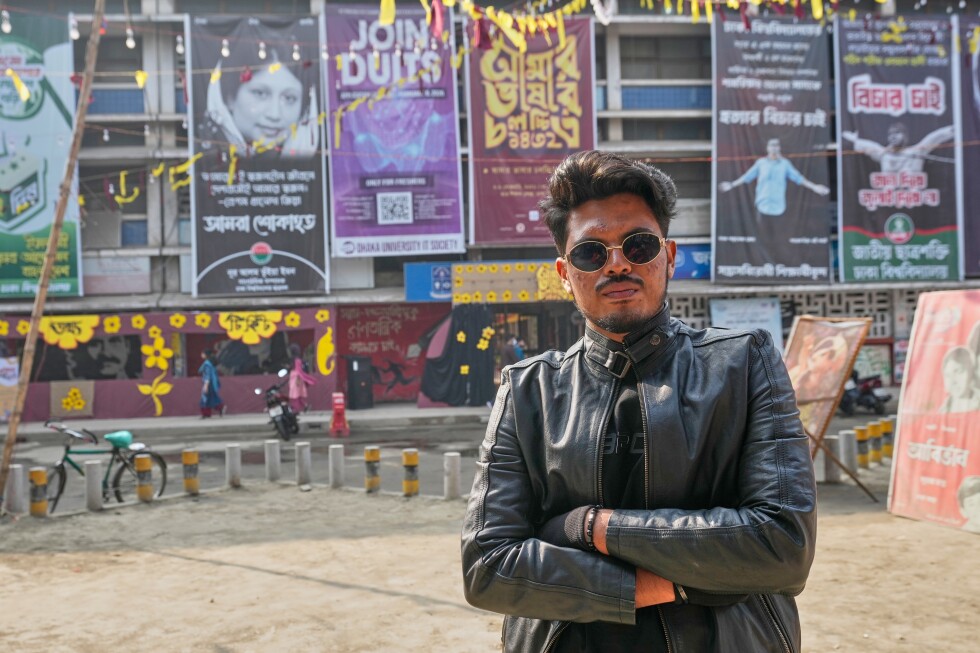
    Arefin Labib, referencing the 2024 uprising that witnessed lethal security force crackdowns resulting in hundreds casualties, articulated a widespread sentiment: “I don’t want any more bad incidents in Bangladesh.” Like numerous compatriots, Labib envisions that democratically elected leadership could stabilize the nation and steer it toward prosperity.

    This aspiration resonates particularly amid deteriorating conditions following Hasina’s ouster, characterized by escalating political violence, targeted attacks against Hindu minorities, and pervasive breakdowns in public order. Sixty-two-year-old street vendor Zainul Abedeen echoed concerns shared across socioeconomic strata: “I want the government to prevent riots, killings, and any other trouble.”

    Although acknowledging the interim government’s success in stabilizing Bangladesh’s free-falling economy, critics highlight its failure to ensure security, protect human rights, and safeguard religious minorities. Dhaka resident Rajit Hasan observed that despite genuine efforts, the profoundly fragmented political landscape prevented meaningful reform implementation.

    Hasan emphasized the necessity for strengthened judicial accessibility, authentic civil liberty protections, religious freedom, and accountable leadership embedded within independent institutions. “We want democracy. We want our rights. We want the rule of law,” he asserted, capturing the collective yearning for political cultures that respect rather than suppress dissent.

    Simultaneously, women express deepening concerns regarding political representation. Despite Bangladesh’s distinguished history of female leadership under Khaleda Zia and Sheikh Hasina, current electoral dynamics threaten this legacy. With Hasina’s party disqualified from participation and reduced female candidacy despite women’s instrumental role in the revolution, gender inclusivity appears increasingly compromised.

    Economics student Wasima Binte Hussain, who participated in the uprising, expressed disappointment that anticipated opportunities for female leadership and gender-focused policymaking failed to materialize during the transition. Her experience reflects broader frustrations regarding the persistent scarcity of women in decision-making roles.

    Compounding these anxieties, the resurgence of Jamaat-e-Islami—an Islamist group banned under Hasina but regaining influence since her departure—has intensified fears among women and religious minorities. The party’s advocacy for restricting women’s activities based on traditional gender roles has alarmed many, despite its assurances of moderate governance if elected.

    For 22-year-old Sayma Nowshin Suha, the prospect of Islamist ascendancy represents profound trepidation. “In Bangladesh, conservatism is the scariest thing,” she confessed, envisioning a nation where citizens may pursue self-determined lives without fear or constraint.
  • From concrete walls to open skies: Meet Chile’s first rugby team created inside a prison

    From concrete walls to open skies: Meet Chile’s first rugby team created inside a prison

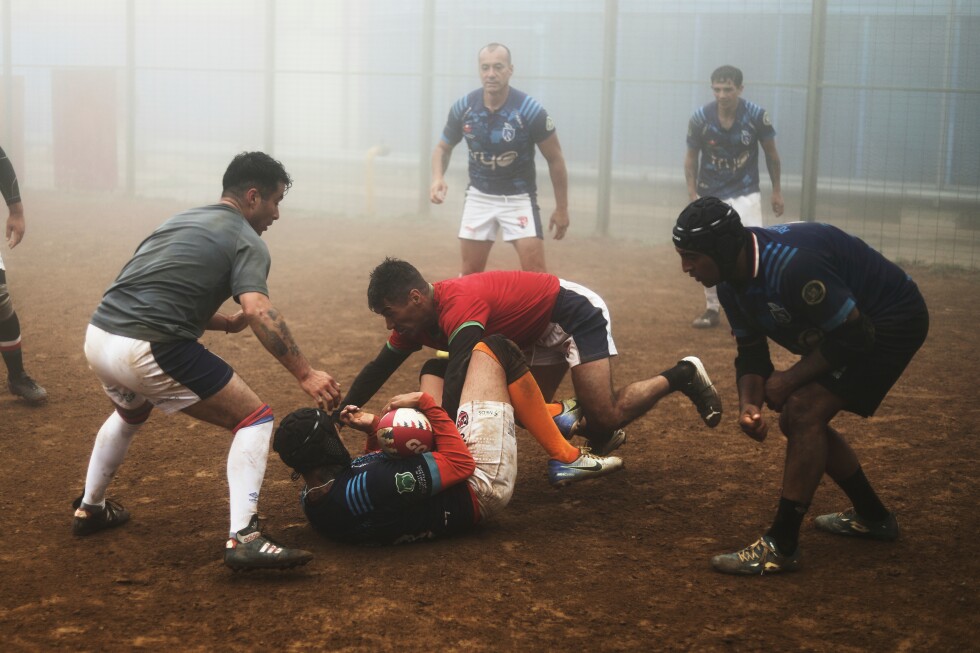
    VALPARAISO, Chile — What began as a survival mechanism within the brutal environment of incarceration has evolved into Chile’s pioneering prison rugby program, now officially recognized as Rugby Unión Libertad. Established within the Valparaíso Penitentiary Complex, this groundbreaking initiative has transcended its origins to become an officially registered sports club dedicated to inmate rehabilitation.

    The team maintains a rigorous training regimen comparable to professional leagues: three days of field practice, two days of gym conditioning, and weekly matches. However, the program’s objectives extend far beyond athletic achievement, focusing primarily on preparing participants for successful societal reintegration post-incarceration.

    Alex Javier Silva, 48, incarcerated since 1999, expressed the transformative impact: “Rugby freed me; it healed my soul. Here you have no heart, no mind—you’re not at peace with anything. You’re like an animal.”

    The program originated in 2016 as a therapeutic workshop through the Addiction Treatment Center, initially attracting approximately 50 inmates who used the sport’s distinctive oval ball to alleviate the psychological burdens of imprisonment.

    Coach Leopoldo Cerda, a teacher and volunteer who has guided the project since inception, emphasized the extraordinary commitment required: “People sleep poorly, eat poorly, and yet they have the physical and mental strength to overcome many obstacles that this sport presents.”

    The program demands exceptional discipline, particularly in anger management given rugby’s intense physical contact. Participants must maintain good behavioral records and demonstrate teamwork capabilities. Jorge Henríquez, 42, explained the psychological benefits: “Violence is rampant here. There’s a lot of rage; sometimes you explode for no reason, and so with rugby you regulate that.”

    The team’s remarkable journey reached its pinnacle in 2024 when they faced Los Cóndores, Chile’s national rugby team scheduled to compete in the 2027 Rugby World Cup. Silva described the historic match as “an epic battle” that provided unprecedented visibility to their rehabilitation efforts.

    Beyond the prison walls, the initiative has spawned the Freedom Foundation (Fundación Libertad), established in November by former inmates, educators, psychologists, and coaches. This nonprofit organization provides comprehensive support including therapy, vocational training, and employment partnerships for released prisoners.

    Psychologist Cynthia Canales, foundation president and former national rugby player, noted: “They want to change. We also want to show that there is a lack of opportunities, that we have to address the stigma.”

    The program confronts Chile’s severe prison overcrowding crisis—the Valparaíso facility operates at nearly double its capacity with 3,351 inmates crammed into space designed for 1,919—which exacerbates hygiene issues and internal violence.

    Guillermo Velásquez, 42, an original workshop participant who returned to prison in 2019, credited rugby with saving his life: “If the Libertad team hadn’t existed inside the prison, society would have had one more criminal.”

    Now training on Valparaíso’s open fields rather than confined prison grounds, released participants continue their athletic development through “All Free”—the post-incarceration branch of Unión Libertad—demonstrating that rehabilitation through sport offers tangible hope for transformation.

  • Oil exports have been a cash cow for Russia. But revenues are dwindling, thanks to sanctions

    Oil exports have been a cash cow for Russia. But revenues are dwindling, thanks to sanctions

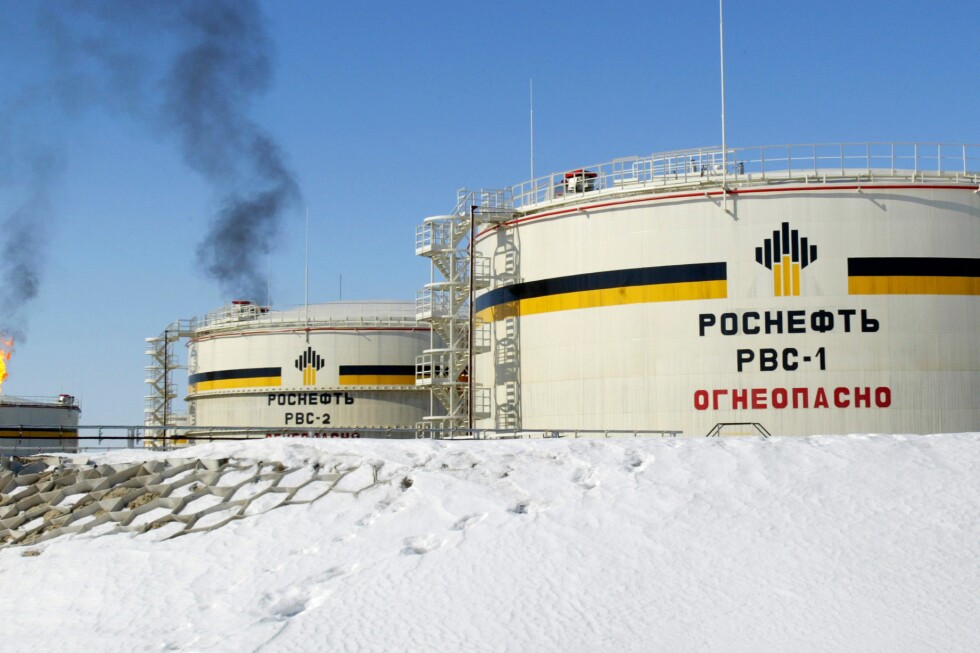
    As the fourth anniversary of Russia’s full-scale invasion of Ukraine approaches, Western sanctions have successfully constricted the nation’s vital energy revenue streams to their lowest levels in years. January witnessed a dramatic plunge in Russian oil and gas tax revenues to 393 billion rubles ($5.1 billion), a stark decline from 587 billion rubles in December and the lowest figure recorded since the COVID-19 pandemic, according to Janis Kluge of the German Institute for International and Security Affairs.

    This financial pressure stems from a coordinated multi-front offensive by Western powers. The Trump administration implemented stringent sanctions against Russian energy giants Rosneft and Lukoil in November, threatening to cut off any entity conducting business with them from the U.S. banking system. Concurrently, the European Union enacted a comprehensive ban on refined Russian petroleum products effective January 21, preventing third-party processing and export to European markets. EU Commission President Ursula von der Leyen has further proposed a complete prohibition on shipping services for Russian oil, emphasizing that economic pressure remains essential to compel Moscow toward genuine peace negotiations.

    The effectiveness of these measures extends beyond direct sanctions. The Trump administration’s tariff negotiations with India have yielded commitments to reduce Russian crude imports, resulting in a significant drop from 2 million barrels per day in October to 1.3 million by December. Meanwhile, international efforts have targeted Russia’s ‘shadow fleet’ of sanction-evading tankers, with approximately 640 vessels now facing sanctions across the U.S., U.K., and EU.

    These actions have created a cascading economic impact: Russian Urals crude now trades at a substantial discount of approximately $25 per barrel compared to international benchmarks, reducing tax revenues directly tied to oil prices. The resulting financial shortfall has forced the Kremlin to implement austerity measures including increased value-added taxes, higher levies on imported goods, and substantial borrowing from domestic banks. While these measures maintain short-term budget stability, they exacerbate existing economic challenges including slowing growth (projected at 0.6-0.9% for 2025), persistent inflation at 5.6%, and severe labor shortages.

    Analysts suggest that while these economic pressures are unlikely to force immediate peace negotiations, they may influence Russia’s military strategy. As S&P Global Energy analyst Mark Esposito notes, the sanctions package creates a ‘domino effect’ that impacts both crude flows and refined products. Economic experts predict that sustained financial strain could lead Russia to reduce military operational intensity and focus on specific frontlines within the next six to twelve months.

  • In China, consumerism trumps nationalism despite tensions with the U.S. and Japan

    In China, consumerism trumps nationalism despite tensions with the U.S. and Japan

    In a significant shift from previous decades, Chinese consumer behavior increasingly demonstrates that personal preference and product quality now outweigh nationalist considerations in purchasing decisions. Despite periodic diplomatic tensions with nations like Japan and the United States, urban Chinese consumers—particularly younger, middle-class demographics—are making consumption choices based on value and lifestyle alignment rather than geopolitical loyalties.

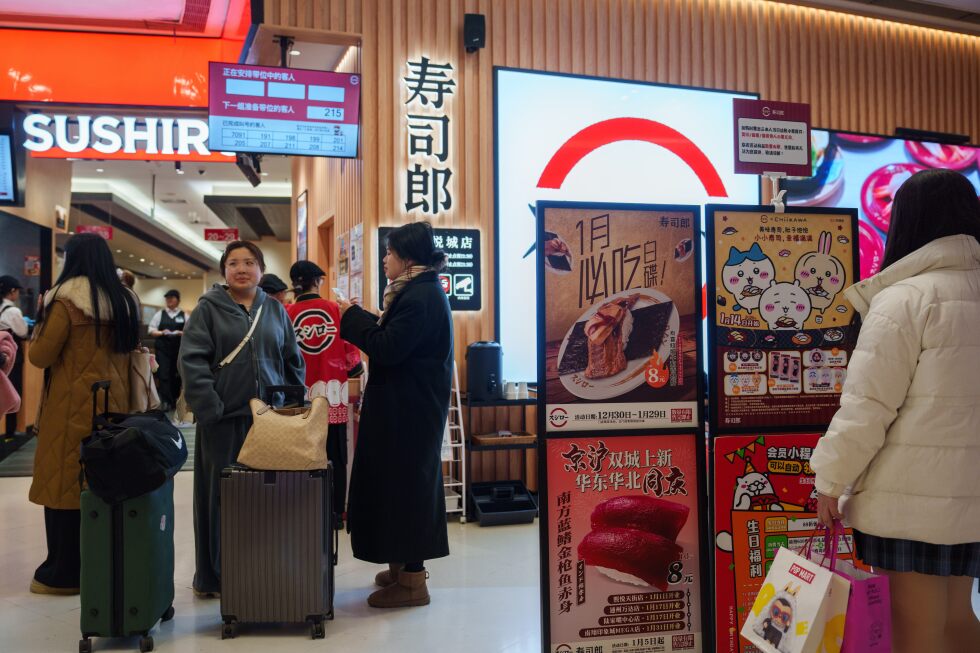
    This evolution marks a departure from historical patterns where diplomatic friction frequently triggered organized boycotts, public protests, and even vandalism against foreign brands. Recent examples illustrate this transformation: Japanese conveyor-belt sushi chain Sushiro attracted massive crowds at its Shanghai debut in December, while American cultural exports like Disney’s Zootopia 2 achieved record-breaking box office success with 4.4 billion yuan ($634 million) in revenue.

    Consumer analysts attribute this change to multiple factors. Post-COVID economic anxieties have created demand for stress-relieving entertainment options, while increased brand sophistication has made consumers more selective. “Chinese consumers, especially urban middle-class and younger demographics, are not making everyday purchasing decisions based on nationalism,” confirmed Jacob Cooke, CEO of Beijing-based consultancy WPIC Marketing + Technologies.

    The previously influential ‘guochao’ (national trend) movement has matured, with consumers now comfortably blending domestic and foreign brands according to personal value calculations. While government directives still impact institutional behavior—such as reduced group travel to Japan—individual consumers continue patronizing foreign brands that meet their quality expectations and aesthetic preferences.

    This isn’t to suggest complete immunity to geopolitical factors. Strong Chinese brands in sectors like electric vehicles, smartphones, and athletic wear are gaining market share through improved quality and value. However, the prevailing trend indicates that sustainable commercial success in China depends more on genuine consumer value proposition than national origin alone.

  • ‘Magic Man’ Moreira casts his spell as Japan claims $1m Abu Dhabi Gold Cup

    ‘Magic Man’ Moreira casts his spell as Japan claims $1m Abu Dhabi Gold Cup

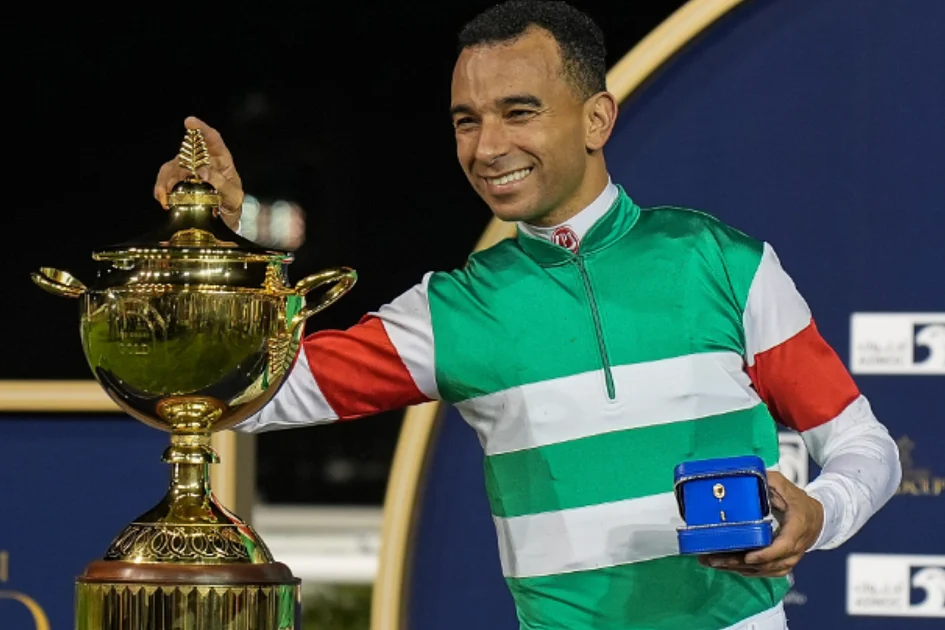
    In a landmark display of international racing prowess, Japanese-bred thoroughbred Strauss delivered a commanding victory in the inaugural $1 million Abu Dhabi Gold Cup, marking Japan’s first-ever competitive appearance and triumph in the Emirate. The five-year-old bay, expertly piloted by Brazilian jockey Joel ‘Magic Man’ Moreira in his Abu Dhabi debut, demonstrated exceptional timing and acceleration to secure the prestigious title.

    Trained by Ryo Takei, representing Japan’s new generation of internationally-focused trainers, Strauss executed a perfectly timed run to defeat a field of elite competitors. The victory becomes particularly significant as it precedes the arrival of Japan’s formidable racing contingent, led by Saudi Cup and Breeders’ Cup Classic champion Forever Young, for the upcoming 30th Dubai World Cup meeting in six weeks.

    Wathnan Racing’s Dark Trooper mounted a strong challenge to finish second, while Comanche Brave secured third position under Irish trainer Donnacha O’Brien. The pre-race favorite Quddwah could only manage fourth place for the Simon & Ed Crisford stable.

    Moreira, celebrated for his exceptional race-riding abilities, praised both the horse’s quality and the training preparation that brought Strauss to peak condition. ‘Once I angled him into daylight, he went whoosh,’ the jockey remarked, emphasizing the horse’s explosive acceleration. Trainer Takei highlighted the strategic importance of securing Moreira’s services, noting his unique ability to elevate performance on racing’s grandest stages.

    Beyond the immediate triumph, Strauss’s victory carries substantial implications, automatically qualifying the horse for the Grade 1 Turf Classic Stakes at Churchill Downs. This achievement further solidifies Japan’s growing reputation as a global racing superpower capable of delivering winning performances on international soil.

  • Asian benchmarks mostly rise, led by a post-election rally in Japan

    Asian benchmarks mostly rise, led by a post-election rally in Japan

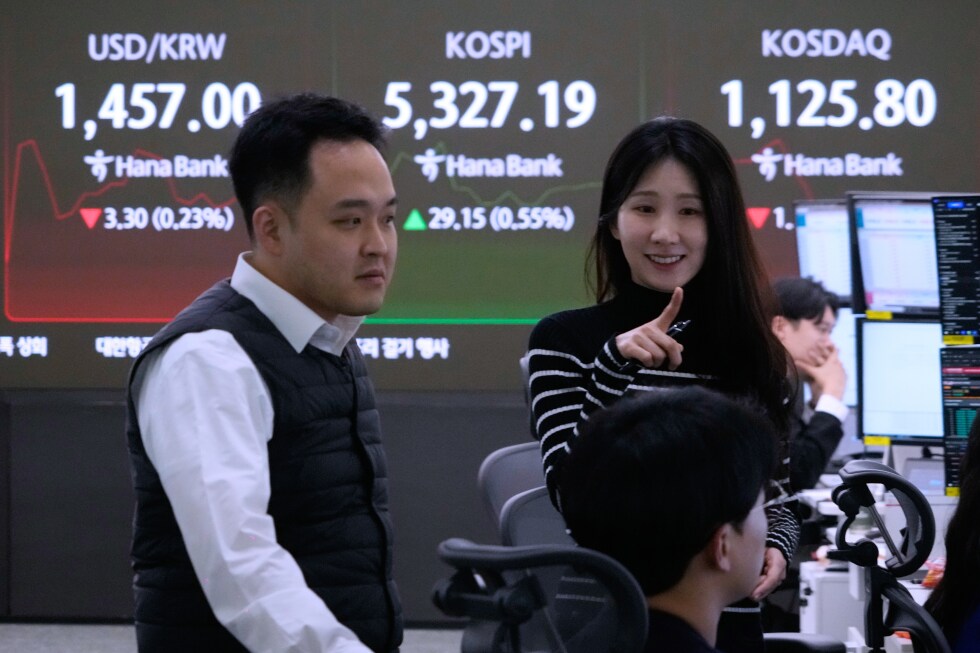
    Asian financial markets exhibited predominantly positive momentum on Tuesday, with Japan’s Nikkei 225 index achieving unprecedented heights following a watershed political development. The benchmark surged 2.3% to 57,650.54 during afternoon trading sessions, building upon Monday’s remarkable 3.9% ascent to record levels.

    This bullish sentiment emerged in direct response to Sanae Takaichi’s landslide parliamentary election victory, which established Japan’s first female prime minister alongside her party’s supermajority achievement. Market analysts anticipate substantial economic reforms under Takaichi’s leadership, potentially catalyzing sustained growth across Japanese financial markets.

    Regional performance displayed varied trajectories: Australia’s S&P/ASX 200 experienced marginal decline below 0.1% to 8,867.40, while South Korea’s Kospi gained modestly to 5,301.69. Chinese markets demonstrated strength with Hong Kong’s Hang Seng climbing 0.5% to 27,163.37 and Shanghai Composite advancing 0.2% to 4,130.00.

    The positive Asian session followed Wall Street’s strongest performance since May, though concerns regarding equity valuations persist. The S&P 500 progressed 0.5% to 6,964.82, approaching its recent peak, while the Dow Jones Industrial Average and Nasdaq composite recorded incremental gains.

    Market attention remains divided between political developments and technological investments, particularly regarding artificial intelligence profitability. Chip manufacturers Nvidia and Broadcom advanced 2.4% and 3.3% respectively, reflecting continued confidence in AI infrastructure.

    Treasury yields maintained stability at 4.20% ahead of critical economic indicators, including Wednesday’s employment report and Friday’s consumer inflation data. These releases will significantly influence Federal Reserve interest rate decisions, with current monetary policy remaining in cautious equilibrium.

    Commodity markets witnessed substantial volatility with gold surging 2% to $5,079.40 per ounce following a 12-month doubling trend, while silver skyrocketed 6.9%. Bitcoin stabilized near $71,000 after recent fluctuations, and oil markets showed minimal movement with Brent crude at $69.05 per barrel.

    Currency markets reflected moderate adjustments as the U.S. dollar declined slightly against the yen to 155.34, while the euro dipped to $1.1902 against the greenback.

  • Dubai tourism hits record 19.59m visitors in 2025, marking third year of growth

    Dubai tourism hits record 19.59m visitors in 2025, marking third year of growth

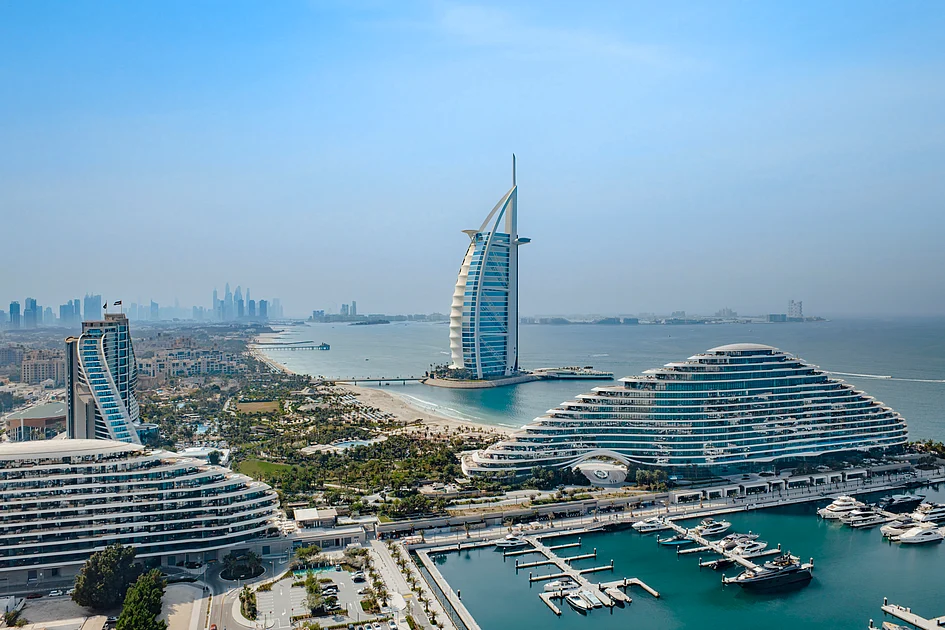
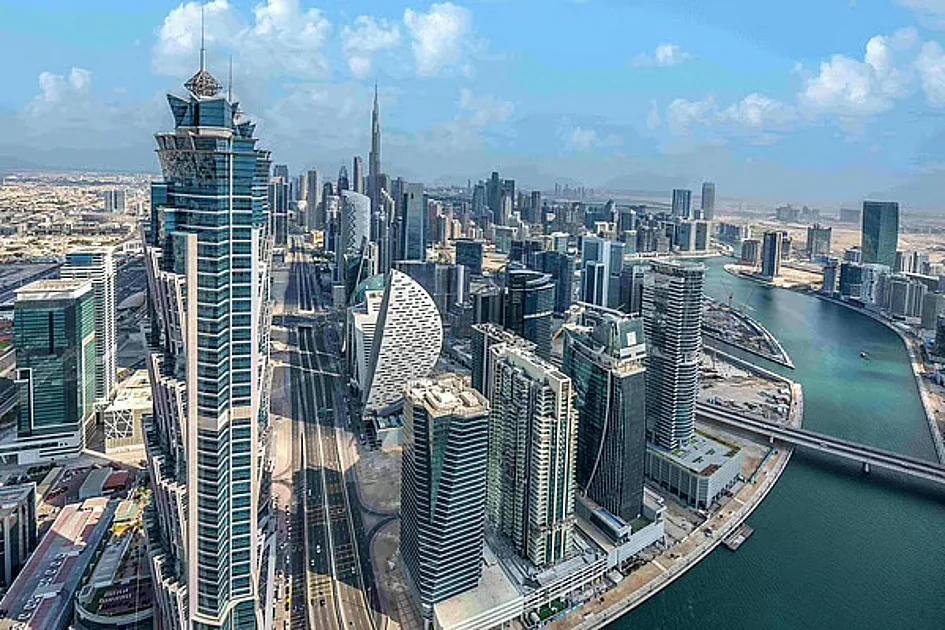
    Dubai has achieved an unprecedented milestone in its tourism sector, welcoming 19.59 million international visitors throughout 2025 according to official data released by the Dubai Department of Economy and Tourism (DET). This represents a 5% increase over 2024 figures and marks the emirate’s third consecutive record-breaking year for tourism arrivals.

    The city’s tourism momentum reached new heights in December 2025 when Dubai surpassed 2 million visitors in a single month for the first time in its history, signaling robust growth trajectory continuing into 2026.

    His Highness Sheikh Hamdan bin Mohammed bin Rashid Al Maktoum, Crown Prince of Dubai and Chairman of The Executive Council, attributed this remarkable performance to Dubai’s strategic leadership vision and the implementation of the Dubai Economic Agenda D33. He emphasized that the emirate’s success stems from its global connectivity, substantial infrastructure investments, and diverse, high-quality tourism offerings.

    Market analysis reveals Western Europe maintained its position as Dubai’s primary source market, contributing 4.1 million visitors. The GCC and MENA regions collectively accounted for 26% of total arrivals, while CIS/Eastern Europe and South Asia each represented 15% of the visitor demographic.

    Helal Saeed Almarri, Director General of DET, highlighted tourism’s critical role in economic diversification, noting that hospitality and tourism ranked among the top sectors for foreign direct investment during the first half of 2025.

    Dubai’s hotel industry demonstrated exceptional performance with inventory expanding to over 154,000 rooms across 827 establishments by December 2025. The sector achieved an average occupancy rate of 80.7%, increasing from 78.2% the previous year, while average daily rates rose 8% to AED 579. Notable 2025 openings included the world’s tallest hotel, Ciel Dubai Marina, and premium properties by Jumeirah, Mandarin Oriental, and IHG.

    Issam Kazim, CEO of Dubai Corporation for Tourism and Commerce Marketing, credited Dubai’s digital innovation, progressive visa policies, and public-private collaborations for sustaining growth momentum. Strategic partnerships with global brands including Marriott, Visa, and Hyatt enhanced international market reach throughout the year.

    Dubai’s tourism excellence received global recognition through multiple accolades: certification as the first Autism Destination in the Eastern Hemisphere, ranking among the world’s safest cities, and featuring prominently on the World’s 50 Best Hotels and Restaurants lists. Dubai International Airport maintained its status as the world’s busiest international airport for the eleventh consecutive year.

    Major events including Dubai Shopping Festival, Dubai Summer Surprises, and the record-breaking Dubai Fitness Challenge (attracting 3 million participants) significantly contributed to visitor numbers. DET also expanded tourism training programs, sustainability initiatives, and gastronomy offerings as part of the D33 strategy.

    Looking toward 2026, Dubai plans substantial infrastructure developments including expansion of Al Maktoum International Airport and the Dubai Metro Blue Line, complemented by cultural programming aligned with the UAE’s Year of the Family initiatives.

  • Dubai property brokers rake in Dh13.73 billion in 2025

    Dubai property brokers rake in Dh13.73 billion in 2025

    Dubai’s property market has delivered unprecedented financial rewards for its brokerage sector, with official records revealing that licensed real estate brokers collectively earned Dh13.736 billion in commissions during 2025. According to data from the Dubai Land Department, this substantial income resulted from facilitating 215,741 property transactions with a combined value exceeding Dh686.8 billion.

    The market distribution showed 149,290 transactions occurred in primary property sales totaling Dh448.1 billion, while the secondary market contributed 66,451 resale transactions worth Dh238.8 billion. Commission structures typically range from 2% to 5% per transaction, varying based on developer agreements and market conditions.

    This financial boom has attracted significant professional interest, with registered broker numbers swelling to 39,776 by January 2026—a remarkable increase driven by Dubai’s expanding property sector. The growth is further evidenced by the proliferation of brokerage agencies, which jumped from 1,200 in mid-2025 to over 7,900 by year’s end.

    The industry is experiencing a strategic evolution where new graduates enter the field while established brokers develop sophisticated value-added services. Leading firms like One Broker Group have pioneered turnkey project solutions, undertaking complete sales underwriting for developers. The company currently manages an impressive Dh29 billion portfolio across 16 projects, including 12 real estate and 4 hospitality developments.

    Umar bin Farooq, Founder and CEO of One Broker Group, explained their comprehensive approach: ‘We become the developer’s exclusive market partner, handling everything from product positioning to payment schemes. This allows developers to concentrate solely on construction while we ensure sales targets are met.’

    The sector operates under strict oversight from Dubai Land Department and its regulatory arm, RERA, which mandate professional training and licensing for all practitioners. Omar Bu Shehab, Director-General of the Dubai Land Department, emphasized that ‘true investment begins with people,’ noting that Dubai’s real estate transactions surpassed Dh917 billion in 2025, reflecting the market’s robust health and alignment with the Dubai Real Estate Sector Strategy 2033.

    The first half of 2025 alone saw brokers generate Dh3.23 billion in commissions—nearly double the same period in 2024—demonstrating the accelerating momentum of Dubai’s property market and its increasingly professional brokerage ecosystem.

  • Pakistan agrees to play India match on Feb 15 in ICC T20 World Cup

    Pakistan agrees to play India match on Feb 15 in ICC T20 World Cup

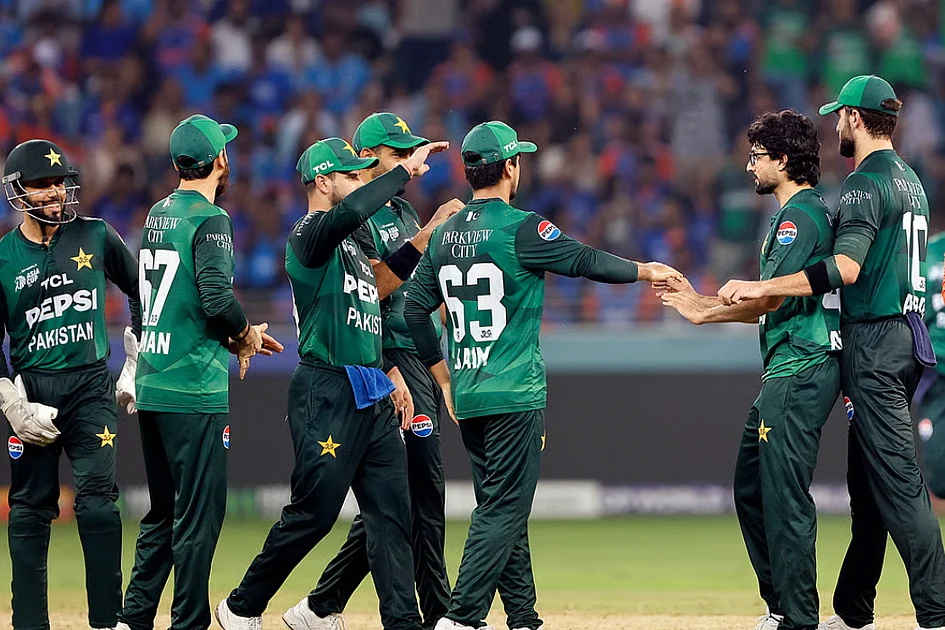
    In a significant diplomatic reversal, Pakistan’s government announced on Monday its decision to participate in the highly anticipated Twenty20 cricket World Cup match against India scheduled for February 15 in Sri Lanka. This resolution follows extensive multilateral consultations involving cricket governing bodies and regional nations.

    The Pakistani government issued an official statement explaining that the Pakistan Cricket Board (PCB) thoroughly evaluated formal requests from the Bangladesh Cricket Board (BCB), accompanied by supportive communications from the United Arab Emirates, Sri Lanka, and other cricket-playing nations. The statement emphasized that the decision was made “with the aim of protecting the spirit of cricket, and to support the continuity of this global sport in all participating nations.”

    The diplomatic breakthrough culminated after a high-stakes meeting between the International Cricket Council (ICC), PCB, and BCB officials. Pakistan explicitly acknowledged standing “shoulder to shoulder with Bangladesh” and recognized the gratitude expressed by BCB President Amin Ul Islam. The resolution gained further momentum through direct diplomatic engagement, with Sri Lankan President Anura Kumara Dissanayake personally urging Pakistani Prime Minister Shehbaz Sharif to find an amicable solution to the impasse.

    The government statement concluded with confident expectations for the national team: “We remain confident that the ‘Men in Green’ will carry the spirit of sportsmanship and national pride onto the field as they compete for global glory.”

    The timeline leading to this reversal began on February 1 when Pakistan initially announced its boycott citing geopolitical tensions, prompting the ICC to express concern that selective participation “undermines the spirit and sanctity of the competitions.” Subsequent days saw intensive negotiations, including a crucial February 8 meeting in Lahore addressing matters concerning both Pakistan and Bangladesh. The final resolution coincided with the ICC’s announcement that Bangladesh would host an ICC event before 2031 without facing sanctions for its absence from the current T20 World Cup.

  • Wes Streeting privately said Israel committing war crimes, backed sanctions on ‘rogue state’

    Wes Streeting privately said Israel committing war crimes, backed sanctions on ‘rogue state’

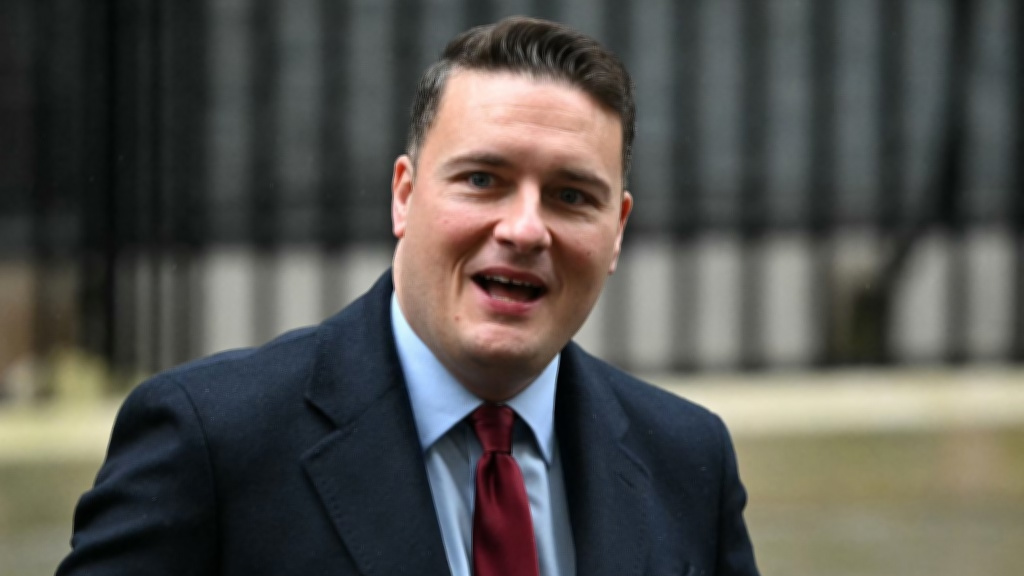
    Private text messages from UK Health Secretary Wes Streeting, disclosed in July 2025, reveal a significant divergence from the official government stance on Israel. In correspondence with former British ambassador to the US Peter Mandelson, Streeting asserted that Israel was “committing war crimes before our eyes” and advocated for comprehensive sanctions against the state.

    The messages, made public on Monday, were initially released by Streeting to counter speculation regarding his association with Mandelson, who recently resigned from the Labour Party following revelations about his connections to convicted sex offender Jeffrey Epstein.

    These private communications present considerable embarrassment for Prime Minister Keir Starmer’s administration, which has consistently declined to formally accuse Israel of war crimes. Streeting, widely regarded as a potential successor to Starmer, sought Mandelson’s perspective on British recognition of Palestinian statehood—a policy eventually implemented in September 2025.

    Streeting justified his position as “morally and politically right,” citing meetings with medical personnel who described “chilling and distressing scenes of calculated brutality against women and children.” He characterized Israeli government rhetoric as promoting “ethnic cleansing” and endorsed treating Israel as a “rogue state” that should face sanctions as “pariahs.”

    Despite these private assertions, the Labour government has maintained military collaboration with Israel throughout the Gaza conflict, implementing only limited measures including a partial arms embargo and sanctions against far-right ministers Itamar Ben Gvir and Bezalel Smotrich in June 2025.

    The disclosure also reveals Streeting’s political concerns about his electoral vulnerability in Ilford North, where he narrowly defeated British Palestinian candidate Leanne Mohammed in 2024. Analysts interpret the message release as both a strategic move to bolster Streeting’s leadership credentials and increase pressure on Starmer, who faces internal party criticism over his appointment of Mandelson as ambassador.