作者: admin

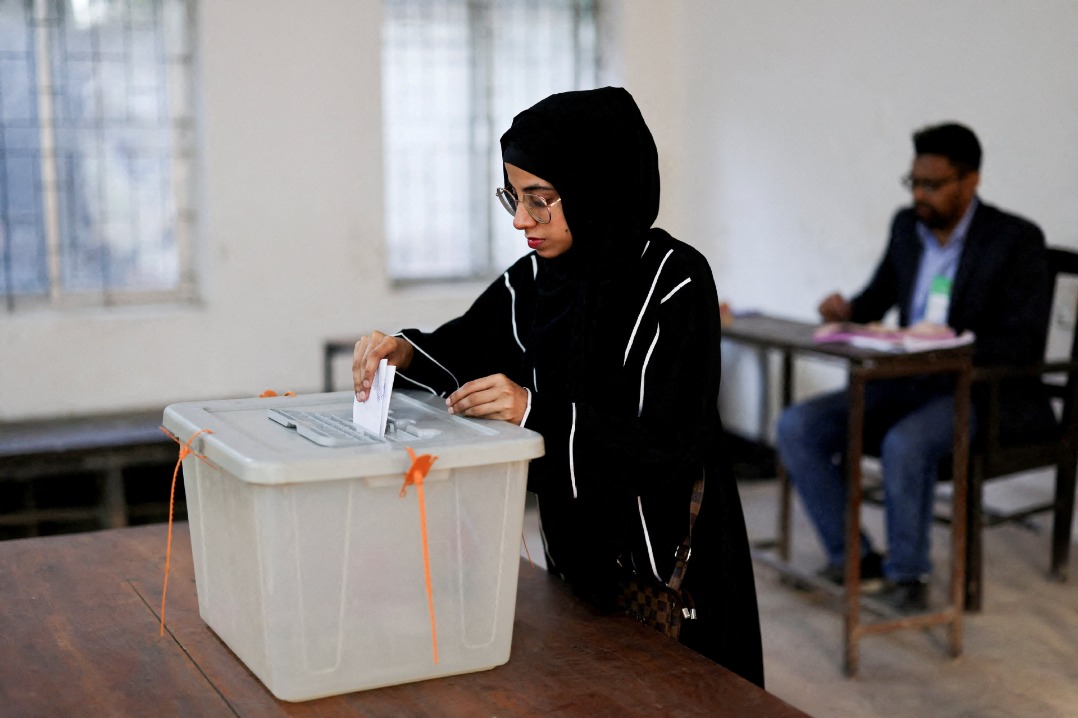
  • Voting begins in Bangladesh’s national parliament election

    Voting begins in Bangladesh’s national parliament election

    Bangladesh embarked on a significant democratic exercise as polling stations nationwide opened Thursday morning for the country’s parliamentary elections. The electoral process commenced precisely at 7:30 AM local time across more than 42,000 designated voting centers, marking a pivotal moment in the nation’s political landscape.

    An impressive electorate of over 127 million registered voters is anticipated to participate in determining the composition of the next parliament. The voting period will conclude at 4:30 PM local time, after which immediate vote counting procedures will commence at respective polling locations.

    Pre-election enthusiasm was evident throughout the capital city of Dhaka, where substantial queues formed outside polling stations as early as Wednesday evening. First-time voter Miraz Ahmed expressed his anticipation, stating: ‘This represents my inaugural voting experience, and I’m genuinely excited. I’m obtaining my voter identification from this assistance desk to ensure direct access to the polling station tomorrow morning without delays.’

    The electoral competition features 2,028 candidates vying for representation across 299 of the 300 directly-elected parliamentary constituencies. The remaining constituency’s election has been postponed due to the unfortunate demise of a candidate, with rescheduled voting to occur at a later date.

    This electoral event marks Bangladesh’s first general election since the resignation of Prime Minister Sheikh Hasina in August 2024, which occurred during widespread political turbulence. According to constitutional provisions, any political party must secure at least 151 parliamentary seats to establish a governing majority.

  • WhatsApp says Russia has tried to fully block the messaging app

    WhatsApp says Russia has tried to fully block the messaging app

    Russia has initiated a comprehensive blockade against WhatsApp, marking the most recent escalation in the Kremlin’s systematic campaign to dominate the nation’s digital landscape. The messaging platform confirmed the government’s action on Wednesday, characterizing it as a deliberate strategy to coerce citizens into adopting state-controlled alternatives.

    A spokesperson for WhatsApp condemned the move, stating, ‘This attempt to isolate over 100 million Russians from secure, private communication represents a regressive policy that ultimately compromises public safety. We remain committed to maintaining reliable connections for our users.’ The company explicitly linked the ban to government efforts to promote MAX, a state-supported messaging application that privacy advocates have labeled a surveillance tool.

    This development continues Russia’s pattern of internet restrictions that intensified following the 2022 invasion of Ukraine. Previous casualties include major social platforms like Facebook, Twitter, and Instagram. Kremlin spokesman Dmitry Peskov defended the action through state media, insisting that Meta Platforms must comply with Russian regulations to restore service.

    The digital crackdown now appears to be expanding to other platforms. Russian communications regulator Roskomnadzor recently announced impending restrictions on Telegram, accusing it of non-compliance with local laws. This announcement provoked unexpected criticism from pro-military bloggers who highlighted Telegram’s crucial role in battlefield communications for Russian forces in Ukraine.

    Despite these announcements, Telegram continues functioning normally, with experts noting its technical architecture presents greater challenges for complete blocking than WhatsApp. Some analysts suggest that eliminating WhatsApp might allow authorities to concentrate technological resources on ultimately restricting Telegram.

    President Vladimir Putin’s administration has methodically constructed what critics describe as a digital iron curtain through multifaceted measures including restrictive legislation, website bans, and advanced traffic monitoring systems. The government has previously throttled YouTube, blocked Signal and Viber, and prohibited online calling features on various platforms including WhatsApp and Telegram. In December, restrictions were extended to Apple’s FaceTime service.

    While virtual private networks (VPNs) offer partial circumvention of these restrictions, Russian authorities have concurrently targeted and blocked numerous VPN services. Simultaneously, the government aggressively promotes its domestic MAX platform, which openly acknowledges its practice of sharing user data with authorities upon request and lacks end-to-end encryption according to security experts.

  • China seen as reliable global partner amid uncertainties

    China seen as reliable global partner amid uncertainties

    Amidst a backdrop of persistent global uncertainties, China is increasingly being perceived as a reliable international partner capable of delivering concrete benefits and fostering stability. This shift in perception is substantiated by a series of influential international surveys and expert analyses conducted throughout early 2026.

    The European Council on Foreign Relations’ January global opinion poll revealed growing anticipation for China’s expanding global influence over the coming decade, with many respondents now classifying Beijing as either an ‘ally’ or necessary partner. This sentiment finds reinforcement across multiple reputable institutions including Pew Research Center, Gallup, and Singapore’s ISEAS-Yusof Ishak Institute, all documenting a consistent upward trajectory in trust toward China in recent years.

    Brand Finance’s Global Soft Power Index 2026 positioned China as the sole nation within the top ten to enhance its soft power rating this year. The report emphasized China’s combination of domestic advancement with structured global engagement, resulting in perceptions of predictability, reliability, and tangible benefit delivery.

    Experts contend that China’s credibility surge stems not from temporary geopolitical fluctuations but from sustained capacity building. Key factors include enhanced manufacturing capabilities, provision of international public goods through initiatives like the Belt and Road, and steadfast support for multilateralism and the UN-centered international framework.

    The technological dimension emerges as particularly significant. Within the EU, most citizens anticipate China leading electric vehicle production within the next decade—a belief that has strengthened over the past two years. Brand Finance’s complementary Global 500 2026 report noted Chinese brands achieving unprecedented total value, representing 15.1% of the ranking’s overall worth, securing China’s position as second globally in brand representation.

    Asian analysts highlight specific success stories. Christine Susanna Tjhin of Indonesia’s Gentala Institute pointed to brands like BYD, Huawei, and Xiaomi, alongside green technology advancements in solar panels and wind farms, as embodiments of China’s industrial prowess penetrating global consciousness.

    The Belt and Road Initiative receives particular attention as a cornerstone of China’s soft power expansion. The China Belt and Road Initiative Investment Report 2025, co-published by Chinese and Australian institutes, documented 2025 as a record year for BRI engagement. Professor Christoph Nedopil Wang noted developing nations demonstrate growing trust in Chinese companies to execute large-scale projects, citing increased corporate size and execution capability.

    Infrastructure projects like the Jakarta-Bandung High-Speed Railway—the first complete overseas transfer of China’s HSR system encompassing technology, standards, construction, and operations—exemplify China’s capacity to deliver complex mega-infrastructure while generating employment, technology transfer, and human development through extensive training.

    Jasna Plevnik, President of the Geoeconomic Forum Croatia, emphasized the BRI’s attractiveness lies in its constant modernization and friendship-oriented approach, functioning as a mechanism for fostering balanced economic globalization through infrastructural connectivity.

    Critical to this trust-building is China’s contrasting approach to international relations. As noted by experts, Global South nations have developed confidence through interactions with a country that imposes neither economic pressure nor geopolitical sanctions, instead delivering economic and infrastructural growth.

    China’s commitment to existing global governance structures—including support for the United Nations, engagement with the WTO, contributions to peacekeeping operations, and strengthening regional frameworks—further amplifies this reliability perception. The China-ASEAN relationship exemplifies how participation in regional mechanisms elevates mutual trust and stability.

    In conclusion, as articulated by Einar Tangen of the Centre for International Governance Innovation, China’s philosophy frames international cooperation around solving collective practical challenges. In a polarized global landscape, this consistent focus on development, institutional cooperation, and tangible outcomes forges a deep foundation of trust, making China’s role as a necessary partner an increasingly logical conclusion for nations worldwide.

  • Pentagon ready to deploy 2nd aircraft carrier to Middle East: report

    Pentagon ready to deploy 2nd aircraft carrier to Middle East: report

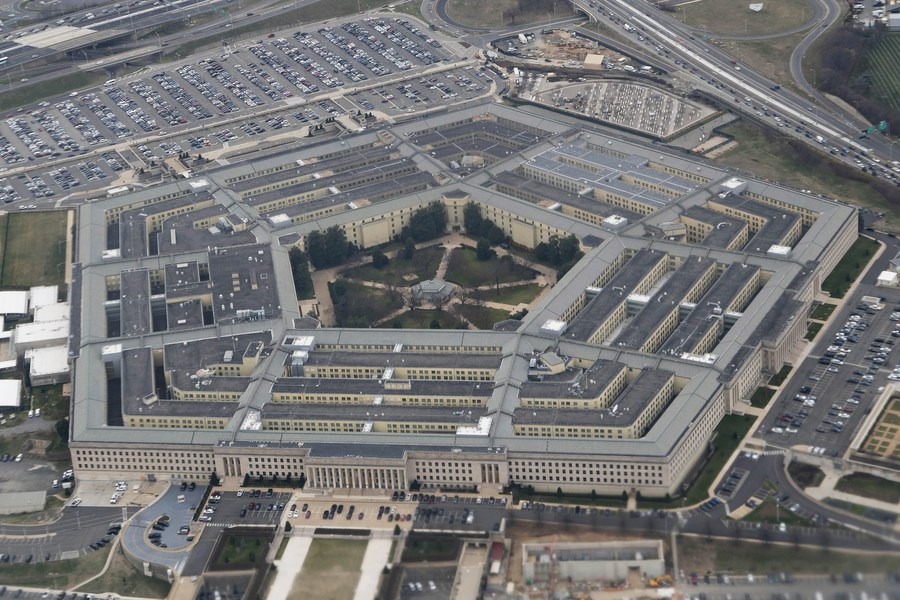
    The United States Department of Defense is positioned to dispatch a second aircraft carrier to the Middle Eastern theater within a fortnight, according to a Wall Street Journal report published Wednesday. This strategic mobilization occurs against a backdrop of intensifying diplomatic friction between Washington and Tehran.

    The prospective deployment would involve the USS George H.W. Bush, currently conducting training operations off the Virginia coast. Military officials indicated these exercises could be accelerated to facilitate quicker deployment, though final authorization from President Donald Trump remains pending. The carrier would originate from the U.S. East Coast contingent.

    Should the deployment proceed, the USS George H.W. Bush would join the USS Abraham Lincoln already stationed in the region. This would mark the first dual-carrier presence since March 2025, when the Truman and Vinson strike groups coordinated operations against Houthi forces in Yemen.

    The military preparations coincide with delicate diplomatic engagements. Both nations recently conducted indirect negotiations in Muscat, Oman—their first dialogue since U.S. airstrikes targeted Iranian nuclear facilities in June 2025. President Trump acknowledged the carrier deployment consideration, framing it as contingency planning should diplomatic efforts falter.

  • Around 90% of Dubai traffic caused by work, business travel, expert says

    Around 90% of Dubai traffic caused by work, business travel, expert says

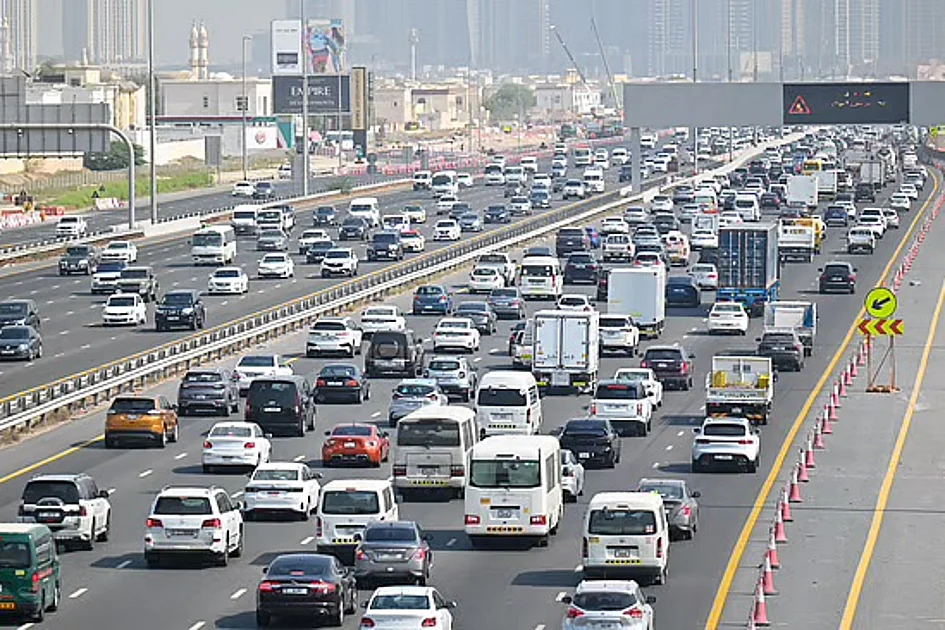
    Dubai’s notorious traffic congestion is overwhelmingly fueled by economic activity rather than leisure travel, according to a comprehensive analysis by UAE traffic expert Dr. Mustafa Aldah. The specialist reveals that approximately 90% of vehicular movement stems directly from workplace commutes, commercial operations, and educational transportation needs.

    The urban planning phenomenon demonstrates how Dubai’s evolution into multiple population centers has created significant distance between residential areas and employment hubs. With most companies not providing onsite accommodation, thousands of residents undertake lengthy daily journeys across the metropolis.

    Dr. Aldah presented a compelling case study highlighting how transportation choices dramatically impact road capacity. A school with 1,000 students requires approximately 20 buses if using organized transport, but generates 1,000 individual vehicles when parents provide transportation – creating a 50-fold increase in road space consumption.

    Infrastructure limitations compound the problem, with roads designed for specific hourly vehicle capacities. Once these thresholds are exceeded, traffic flow deteriorates rapidly. The expert also identified discrepancies between projected traffic impact studies for new developments and actual congestion levels post-completion.

    As Dubai continues its expansion, understanding these core congestion drivers becomes crucial for developing effective transportation strategies. The findings suggest that solutions must address fundamental patterns of work-related mobility rather than peripheral leisure travel to achieve meaningful traffic reduction.

  • Ramadan with no price hikes: UAE retailers offer up to 70% discounts

    Ramadan with no price hikes: UAE retailers offer up to 70% discounts

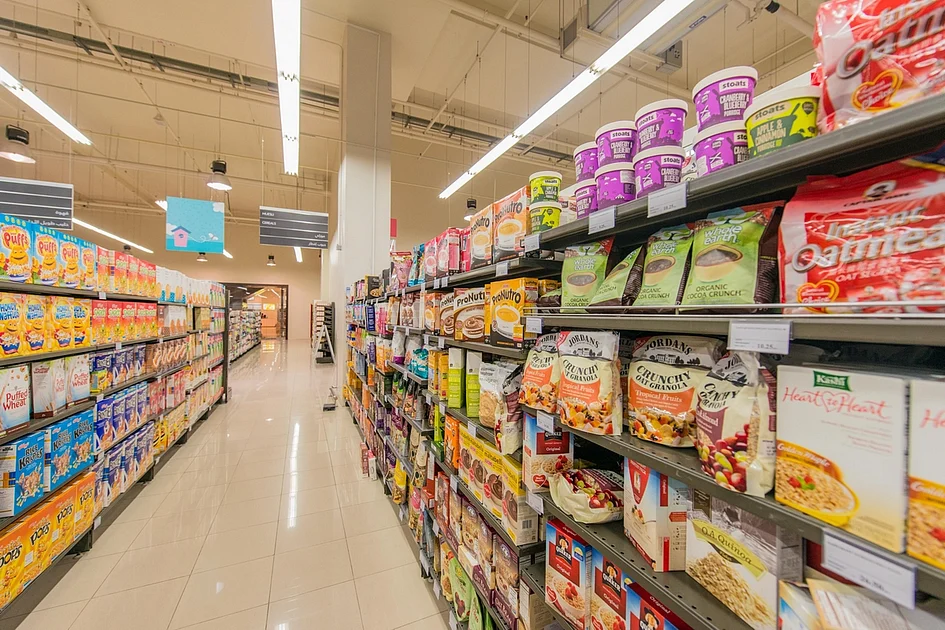
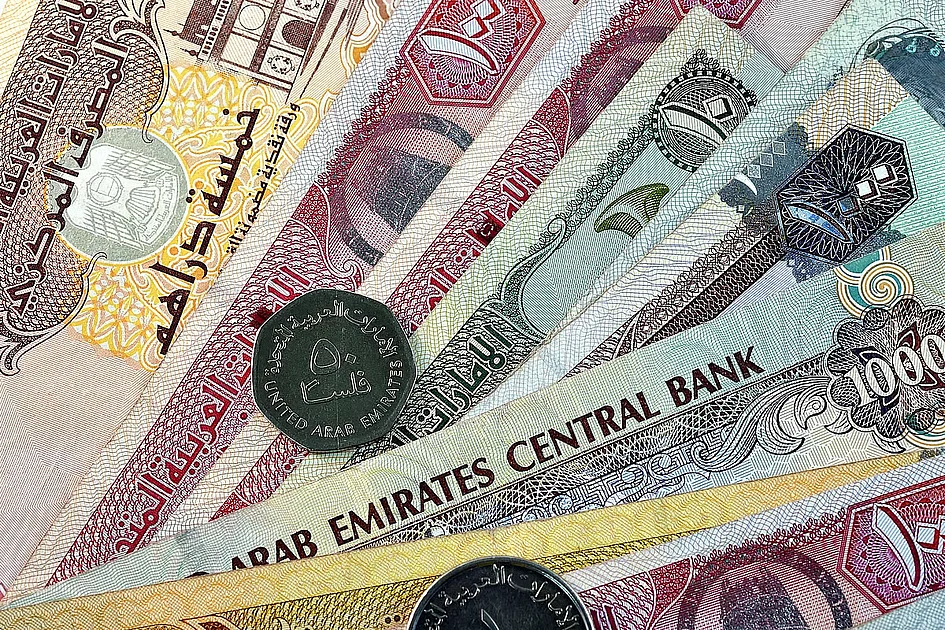
    In an unprecedented move to support household budgets during the holy month, UAE retailers have launched extensive discount campaigns reaching up to 70% on essential goods while freezing prices on hundreds of basic items throughout Ramadan 2026.

    The comprehensive strategy, developed through meticulous advance planning spanning up to five months, represents a coordinated effort between major retail chains and government initiatives. Union Coop has unveiled a groundbreaking campaign featuring discounts of up to 60% across more than 3,000 food and non-food products, while simultaneously freezing prices on over 160 essential items throughout the holy month.

    This retail preparation aligns with the UAE Ministry of Economy’s assurance that prices of nine fundamental food commodities would remain stable during Ramadan, creating a protective economic environment for consumers. The initiative forms part of the broader ‘Year of the Family’ national campaign, explicitly designed to alleviate living costs during this spiritually significant period.

    Retail executives emphasize that early strategic planning enables them to secure favorable supplier contracts, lock in wholesale prices, and prevent the seasonal price fluctuations that typically characterize peak demand periods. Carlos Fatas Bermudez, General Manager of Alaswaq Alwatania, stated: ‘We prepare Ramadan five months in advance. We want to avoid price increases that can happen during certain periods. We don’t increase any price during Ramadan.’

    Consumer behavior analysis reveals distinct purchasing patterns in the lead-up to Ramadan. Shoppers typically stockpile long-shelf-life products such as rice, sugar, and canned goods approximately three months before the holy month. However, in the final 72 hours before fasting commences, demand dramatically shifts toward fresh produce, dairy, and bakery items.

    Bulk purchasing has emerged as a defining characteristic of Ramadan shopping, with families strategically acquiring larger quantities to maximize savings through bundled promotions. Retailers have responded by preparing enhanced quantities with significantly higher discounts compared to regular purchasing options.

    Supply chain diversification has become a critical component of Ramadan preparedness. Retailers are actively expanding their supplier networks to avoid potential disruptions. ‘You cannot rely on only one origin or one supplier. We need to diversify,’ Bermudez emphasized, highlighting how early agreements help stabilize pricing and ensure consistent availability.

    Inventory management has been intensified, with retailers maintaining additional buffer stock for fast-moving Ramadan essentials to prevent shortages. Jithin Janardhanan, department head at Al Hoot hypermarket, explained: ‘We increase quantities, especially for key items, based on previous sales histories and the data we have.’

    The products experiencing highest demand include traditional Ramadan staples such as dates, vermicelli, custard powder, frozen samosas, and spring rolls, alongside laban, yogurt drinks, and traditional Ramadan juices. Beyond food items, household goods also experience increased turnover, while clothing sales typically surge closer to Eid celebrations.

    This sophisticated retail approach, combining data analytics, diversified supply chains, and early negotiations, ensures both price stability and product availability throughout Ramadan. Meanwhile, consumers are increasingly blending traditional generosity with strategic financial planning, making the holy month a period characterized by both spiritual reflection and economic mindfulness.

  • Demand for home loans in UAE grows as more residents shift to buying: RAKBank CEO

    Demand for home loans in UAE grows as more residents shift to buying: RAKBank CEO

    In a landmark initiative for the United Arab Emirates’ healthcare sector, Mediclinic City Hospital has inaugurated the nation’s first ‘Tree of Life’ monument. This permanent artistic installation serves as a solemn tribute to individuals who have made the profound decision to become organ donors, whether posthumously or through living donation.

    The unveiling ceremony represents a significant advancement in the UAE’s ongoing efforts to promote public awareness about the critical importance of organ donation. The Tree of Life stands not merely as a symbolic gesture but as a powerful, visual narrative designed to inspire community dialogue and encourage more citizens and residents to consider this life-saving act of generosity.

    Healthcare professionals and patient advocacy groups have welcomed the initiative, highlighting its potential to address the persistent gap between the supply of and demand for transplantable organs. By creating a physical space for reflection and honor, the hospital aims to destigmatize organ donation discussions and foster a culture of giving within the region’s diverse population.

    This project aligns with broader national health strategies that seek to enhance transplant services and improve critical care outcomes. The Tree of Life initiative underscores Mediclinic’s commitment to corporate social responsibility in healthcare, potentially setting a precedent for other medical institutions across the Gulf Cooperation Council region to develop similar programs celebrating medical altruism.

  • Immigration officials grilled at House hearing

    Immigration officials grilled at House hearing

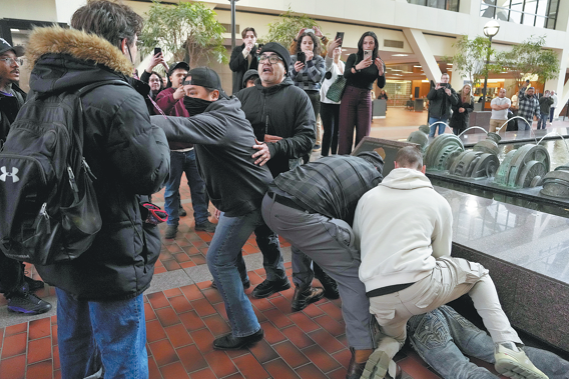
    Top US immigration officials underwent rigorous questioning before the House Homeland Security Committee on Tuesday, defending aggressive enforcement operations that have sparked intense political division. The hearing featured testimony from Todd Lyons (Acting Head of ICE), Rodney Scott (Commissioner of Customs and Border Protection), and Joseph Edlow (Director of Citizenship and Immigration Services) – all operating under the Department of Homeland Security.

    The three-hour session revealed stark partisan divides, with Republican lawmakers largely praising the administration’s mass deportation agenda while Democrats expressed grave concerns about civil liberties and operational transparency. Democratic representatives particularly challenged officials on due process violations, poorly-regulated practices, and two fatal shootings of US citizens by federal agents.

    The controversy extended to Homeland Security Secretary Kristi Noem, who faces mounting pressure following her characterization of shooting victims as having committed “an act of domestic terrorism.” New York Democratic Representative Timothy Kennedy condemned ICE agents for wearing masks during raids, stating, “In America, we shouldn’t have secret police. We shouldn’t have masked government agents executing citizens in the streets.”

    Amid the tension, ICE leadership expressed openness to body camera implementation. When questioned about releasing footage from Minnesota operations, Acting ICE Director Lyons stated he “fully welcomes body cameras.” Meanwhile, Minnesota Governor Tim Walz indicated that federal immigration crackdowns in his state might conclude within “days, not weeks and months” based on his discussions with White House officials.

    The hearing underscored the deep political polarization surrounding immigration enforcement while highlighting ongoing operational controversies that continue to draw national scrutiny.

  • Hong Kong sectors voice strong support for Jimmy Lai’s sentence

    Hong Kong sectors voice strong support for Jimmy Lai’s sentence

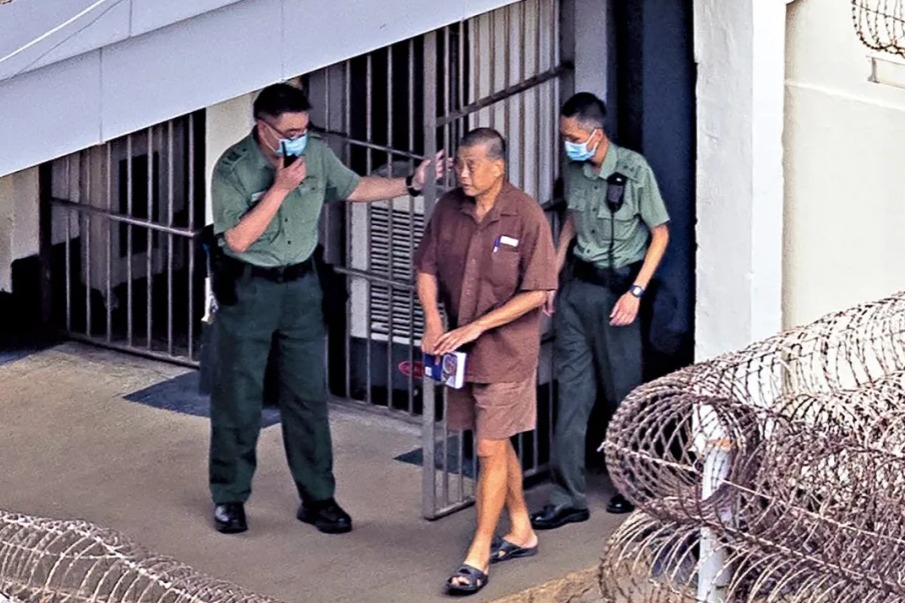
    Hong Kong’s political, legal, and business communities have overwhelmingly endorsed the 20-year prison sentence handed to media tycoon Jimmy Lai, characterizing the verdict as a decisive moment for judicial integrity and national security protection. The High Court of the Hong Kong Special Administrative Region delivered the landmark ruling on Monday, concluding one of the most significant national security cases since the territory’s handover.

    Lai, a prominent activist and founder of the now-defunct Apple Daily newspaper, was convicted in December 2025 on two counts of conspiring with external forces and one count of publishing seditious materials. The court found that his actions during the 2019 anti-government protests constituted serious threats to national security.

    The judicial process spanned 156 days of public hearings, during which prosecutors presented extensive evidence including 2,220 exhibits and over 80,000 pages of documentation. Fourteen witnesses testified, establishing what the court determined was irrefutable proof of Lai’s coordination with foreign entities to undermine China’s sovereignty over Hong Kong.

    Legislative Council member Nick Chan Hiu-fung, representing the legal sector, emphasized the procedural rigor of the trial, noting that “proceedings were conducted openly, fairly, and strictly in accordance with established legal parameters.” Three presiding judges oversaw the case, demonstrating the maturity of Hong Kong’s judicial institutions in handling complex national security matters.

    Evidence presented during the marathon trial revealed that Lai had systematically solicited international intervention, funded organizations engaged in lobbying foreign governments, and actively campaigned for sanctions against Chinese and Hong Kong officials. His media empire was shown to have deliberately incited social discord and encouraged violent resistance against authorities.

    Sze Ching-lau, chairman of the Hong Kong Federation of Fujian Associations, described the sentence as “a victory for justice, the rule of law and public sentiment” that reinforces the seriousness of Hong Kong’s legal system. The Hong Kong Federation of Trade Unions echoed this sentiment, stating the punishment appropriately addressed acts of national division and external collusion.

    The case represents the first application of Hong Kong’s national security law regarding collusion with external forces. The Hong Kong Coalition emphasized that “security is the prerequisite for development,” noting that protecting national security is every resident’s obligation. The Business and Professionals Alliance for Hong Kong added that maintaining national security is fundamental to preserving the territory’s investment environment and economic prosperity.

    Ordinary citizens also expressed support, with one resident noting the sentence was “truly gratifying” and that justice had been served. Across sectors, leaders agreed the ruling not only addressed individual criminal conduct but also strengthened the legal foundations supporting Hong Kong’s stability under the ‘one country, two systems’ framework.

  • Indian unions and farmers stage a nationwide strike over interim trade deal with US

    Indian unions and farmers stage a nationwide strike over interim trade deal with US

    NEW DELHI — India witnessed significant nationwide disruptions on Thursday as a coalition of trade unions and agricultural organizations launched coordinated strikes protesting the country’s interim trade framework with the United States. The widespread demonstrations highlighted growing resistance to market-oriented reforms championed by Prime Minister Narendra Modi’s administration.

    Protesters asserted that the bilateral agreement would enable the influx of subsidized American agricultural products into Indian markets, potentially devastating local farmers and small enterprises. The strike action partially paralyzed public services and manufacturing operations across multiple states, revealing substantial opposition to the government’s economic policies.

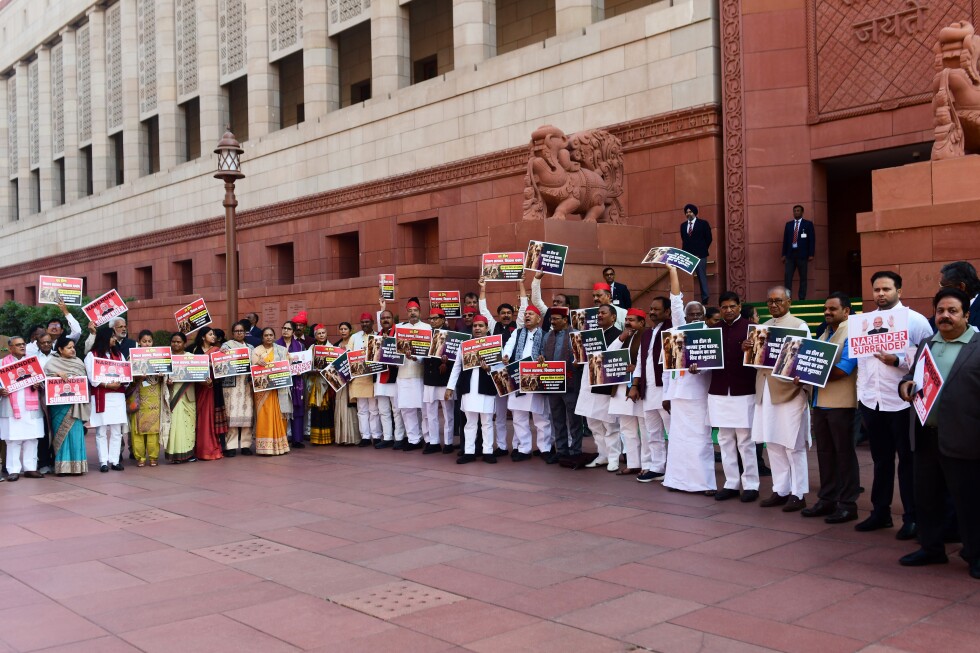
    In parliamentary proceedings, opposition lawmakers intensified their criticism, demanding immediate cancellation of the trade pact and chanting derogatory slogans targeting Prime Minister Modi. The political confrontation occurs amid preparations for crucial state elections scheduled later this year.

    Amarjeet Kaur, General Secretary of the All India Trade Union Congress, articulated the protesters’ concerns: ‘The agreement facilitates the dumping of cheap American farm produce in India, creating impossible competition conditions for our agricultural sector and small businesses.’

    Government officials defended the interim arrangement as a strategic move to enhance export capabilities, attract foreign investment, and strengthen diplomatic relations with the United States. Trade Minister Piyush Goyal recently emphasized that protections remain in place for agriculture and dairy sector stakeholders.

    The proposed trade framework, announced earlier this month, envisions reciprocal tariff reductions on Indian goods from 25% to 18%, alongside the elimination of penalty tariffs related to India’s previous purchases of Russian oil. In exchange, India committed to ceasing Russian oil imports and purchasing $500 billion worth of American goods, including energy products, while reducing various trade barriers.

    Beyond the trade agreement, protesters also expressed opposition to the government’s privatization initiatives for state-owned enterprises and recently implemented labor codes, characterizing these measures as ‘deceptive fraud’ against workers. Government representatives maintain that these reforms will ultimately enhance economic efficiency and generate employment opportunities.