作者: admin

  • Search called off after Indonesia landfill collapse kills seven

    Search called off after Indonesia landfill collapse kills seven

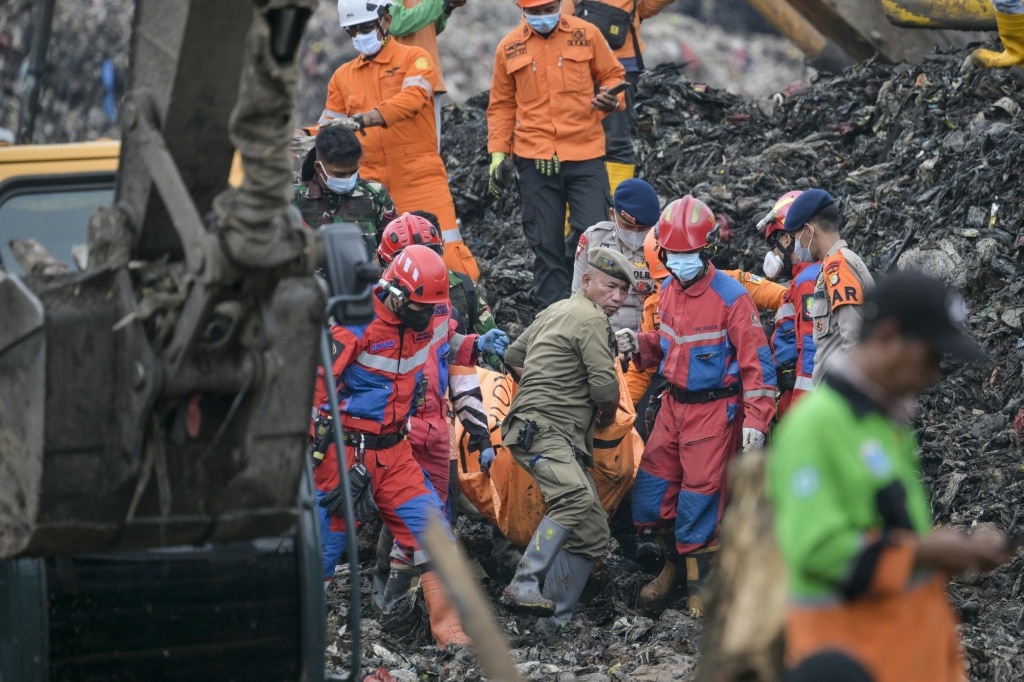
    Indonesian search and rescue teams have terminated operations following a catastrophic landslide at the nation’s largest open-air landfill, which resulted in seven fatalities. The incident occurred Sunday afternoon at the Bantargebang waste site, located merely 25 kilometers from Jakarta, after prolonged heavy rainfall triggered the collapse that buried multiple trucks and food stalls beneath tons of debris.

    Desiana Kartika Bahari, head of Jakarta’s search and rescue agency, confirmed the recovery of three bodies on Sunday and four additional victims on Monday. Six individuals were successfully rescued alive during the intensive operation that employed backhoes, canine units, and thermal drone technology to locate casualties. Authorities have verified that all missing persons have been accounted for.

    The National Disaster Mitigation Agency (BNPB) has initiated weather modification procedures to mitigate further rainfall intensity. This sophisticated technique involves dispersing sodium chloride particles via helicopter to induce premature precipitation over ocean areas rather than populated regions.

    The Bantargebang facility, spanning over 110 hectares and containing approximately 55 million tonnes of waste, represents one of the planet’s largest open landfills. The Jakarta metropolitan area and its satellite cities (collectively known as Jabodetabek), housing about 42 million residents, generate an estimated 14,000 tonnes of daily waste.

    President Prabowo Subianto recently warned that most Indonesian landfills would exceed capacity by 2028 as the nation phases out such facilities. The government has committed $3.5 billion to develop 34 waste-to-energy plants within two years, converting garbage into electricity through incineration processes.

    This tragedy echoes a 2005 landfill disaster in West Java that claimed 143 lives when methane gas explosions combined with heavy rains caused catastrophic collapse.

  • Many US soldiers oppose war on Iran, conscientious objector group says

    Many US soldiers oppose war on Iran, conscientious objector group says

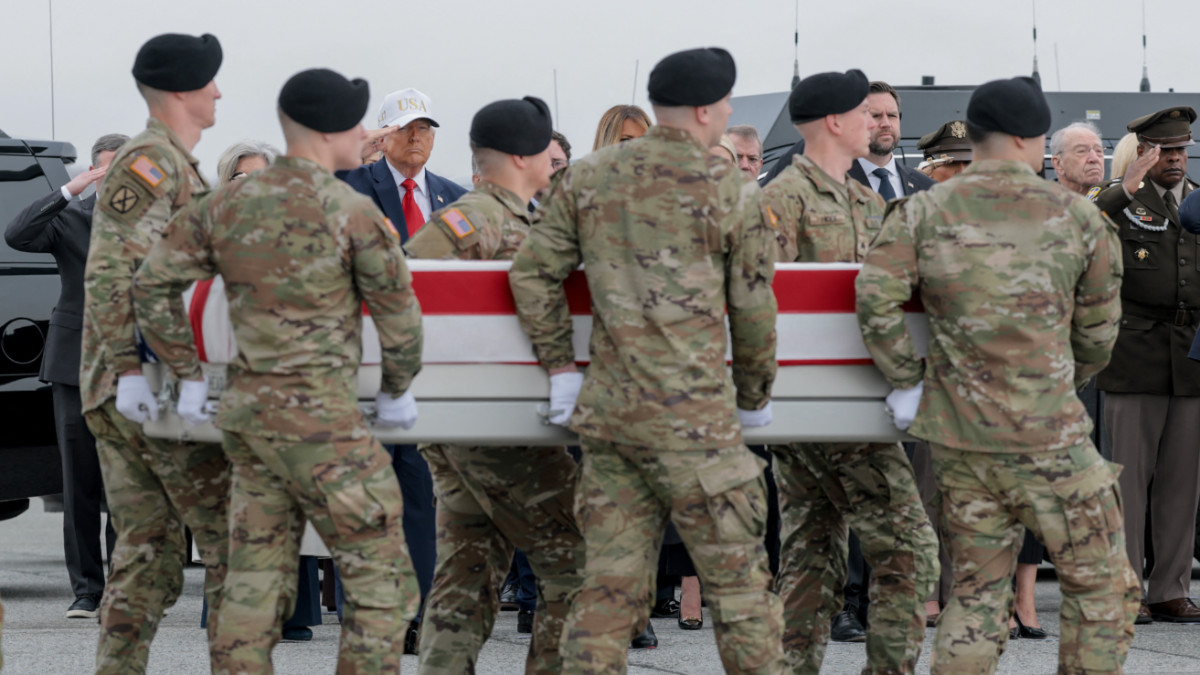
    A prominent non-profit organization supporting military conscientious objectors reports unprecedented call volumes from US service members expressing moral opposition to potential operations against Iran. The Center on Conscience & War announced its phones have been ‘ringing off the hook’ with personnel objecting to deployment in what many perceive as an emerging US-Israel military campaign.

    Executive Director Mike Prysner stated on social media platform X that mobilization levels exceed public awareness, noting ‘A LOT more units have just been activated for deployment than the public knows about.’ The organization draws parallels between current resistance and historical opposition to the 2003 Iraq invasion.

    This development coincides with reports from Middle East Eye regarding potential US special forces operations in Iran and the cancellation of training exercises for the 82nd Airborne Division, a specialized ground combat unit. Further fueling concerns, White House press secretary Karoline Leavitt declined to rule out reinstating the military draft during a Fox News interview, a measure not implemented since the Vietnam War era.

    The Center on Conscience & War, which supports those opposing military service on moral or religious grounds, indicates opposition extends beyond individual objections. Service members report widespread dissent within units, particularly referencing two controversial incidents: the bombing of a girls’ school in Minab that killed 165 predominantly young victims, and an attack on an Iranian frigate in international waters.

    Evidence continues mounting regarding US involvement in the school bombing, with The New York Times and video evidence from Mehr News Agency suggesting Tomahawk cruise missile deployment. The Trump administration has evaded direct accountability, instead attributing the tragedy to Iranian ‘inaccurate munitions’ without providing substantiating evidence.

    Meanwhile, Iran has demonstrated precision strike capabilities against US assets, targeting advanced radar stations, military bases, embassy sections, and critical energy infrastructure across the Gulf region.

  • ‘Blip on the radar’: Eels not panicking after horror loss to the Storm as the blue and golds officially move on from Zac Lomax saga

    ‘Blip on the radar’: Eels not panicking after horror loss to the Storm as the blue and golds officially move on from Zac Lomax saga

    The Parramatta Eels, widely tipped as premiership contenders following an impressive pre-season, have encountered a harsh reality check after suffering a humiliating 52-4 defeat against the Melbourne Storm in their NRL season opener. The lopsided loss has abruptly halted the burgeoning hype surrounding the team.

    Captain Mitchell Moses characterized the performance as a potential ‘blip on the radar,’ while candidly admitting that several players may have become overconfident following their dominant preparatory phase. The match statistics painted a grim picture for Parramatta, who committed 14 handling errors and missed a staggering 44 tackles against a clinical Storm outfit.

    This disappointing start mirrors their 2025 campaign under rookie coach Jason Ryles, where a poor beginning ultimately transformed into a strong finish that saw them win four of their final five matches and claim the pre-season trophy. Moses emphasized that the team failed to meet the high standards they established during the pre-season, particularly noting their inability to execute their preferred style of football for more than brief periods during the match.

    The Eels face another formidable challenge with an upcoming clash against the defending premier Brisbane Broncos at Suncorp Stadium. The Broncos themselves are under scrutiny after being held scoreless by Penrith in their opening match. Parramatta will undertake this difficult assignment without winger Zac Lomax, who has departed the NRL entirely after securing a release from his contract. Lomax’s exit followed a complex legal situation involving a blocked move to the Storm and his subsequent signing with Super Rugby’s Western Force.

    Coach Ryles expressed relief that the Lomax situation has reached a resolution, stating, ‘The best thing is that there’s been an outcome and he gets to play footy again. On behalf of the club, we wish him all the best. He’s a good person and we only want to see what’s best for him. We can all move on now.’

    The Eels now confront the dual challenge of addressing their on-field deficiencies while adapting to their revised roster as they seek to validate their pre-season promise throughout the remainder of the competition.

  • What we know about alleged strike on Iran school

    What we know about alleged strike on Iran school

    A comprehensive New York Times investigation has brought new evidence to light regarding the contested events surrounding a reported military strike on a structure adjacent to an elementary school in Minab, Iran, during the early stages of the Middle East conflict. The incident has sparked a complex web of accusations and denials among involved nations.

    Iranian authorities have attributed the attack to a joint U.S.-Israeli operation, claiming the strike resulted in over 150 casualties, including numerous schoolchildren. State media broadcast emotional funeral scenes showing mourners grieving over white-shrouded bodies and flag-draped coffins, some containing photographs of children.

    The New York Times analysis, incorporating authenticated video evidence, satellite imagery, and social media verification, indicates a precision strike damaged the Shajarah Tayyebeh elementary school building simultaneously with attacks on a nearby Revolutionary Guards naval base. The newspaper authenticated footage from Iran’s Mehr News Agency showing a U.S. Tomahawk cruise missile striking a clinic within the Guards’ base complex located adjacent to the educational facility.

    U.S. Central Command released footage dated February 28—coinciding with the Minab incident—showing Tomahawk launches, with senior officers confirming early salvoes included Navy Tomahawks targeting Iran’s southern flank near the strategic Strait of Hormuz.

    President Donald Trump asserted Iranian responsibility, suggesting Iran might have conducted the strike itself using inaccurate munitions, despite Iran not possessing Tomahawk missile capability. Secretary of State Marco Rubio stated the U.S. would not deliberately target educational institutions, emphasizing military objectives focused exclusively on missile capabilities.

    Israeli military representatives denied awareness of any strike operation in the area, while Norwegian rights group Hengaw reported approximately 170 students were present during the school’s morning session when the alleged attack occurred.

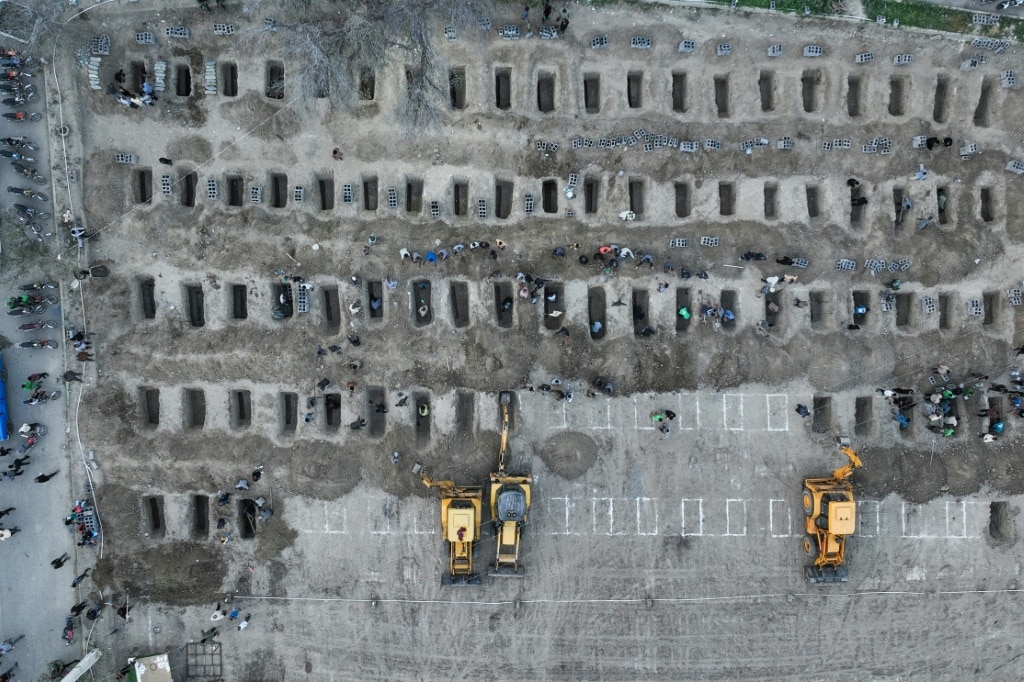
    Independent verification remains challenging as Iranian authorities restrict foreign media access outside Tehran, and AFP could not independently confirm casualty figures or verify the timing of circulated footage showing excavation equipment preparing mass graves.

  • 15 years after Fukushima meltdown, an innkeeper makes radiation surveys to revitalize her hometown

    15 years after Fukushima meltdown, an innkeeper makes radiation surveys to revitalize her hometown

    Fifteen years after the catastrophic Fukushima nuclear disaster, a dedicated network of citizen scientists continues to monitor radiation levels in the affected regions, challenging official narratives of complete safety. Tomoko Kobayashi, who operates the family-run Futabaya Ryokan inn in the nearly deserted town of Odaka, has transformed her personal tragedy into a lifelong mission of radiation documentation and education.

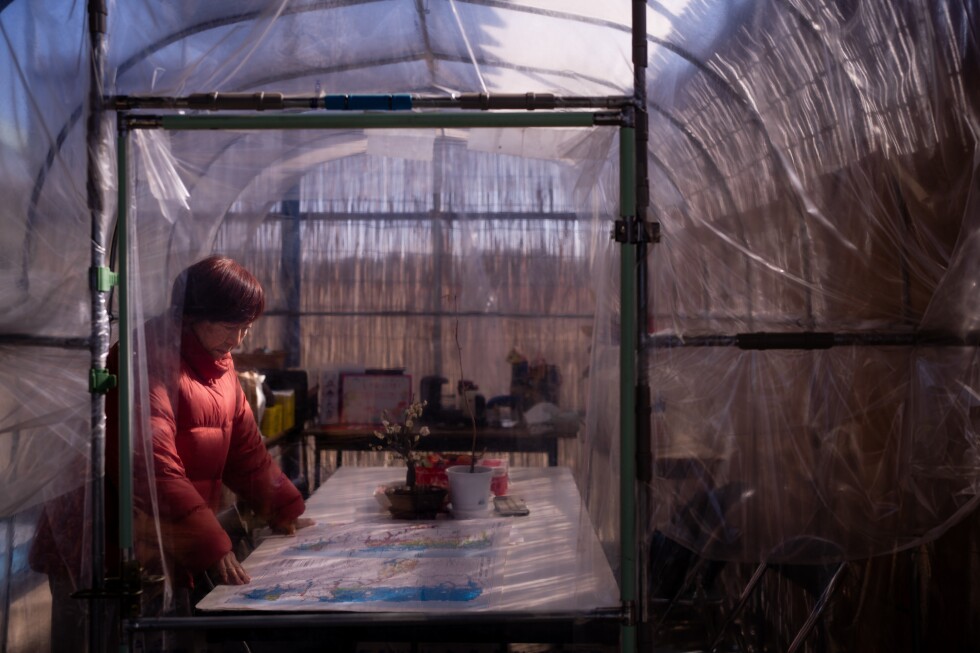
    Kobayashi’s journey began when she returned to her hometown in 2012, conducting independent radiation surveys before reopening her inn in 2016. She now collaborates with fellow monitors who gather twice annually for intensive two-week measurement campaigns across hundreds of locations. Their color-coded radiation maps adorn the walls of her establishment, serving as both scientific record and memorial to the pre-disaster community that once thrived in this northeastern Fukushima region.

    The March 11, 2011 disaster unfolded when a magnitude 9.0 earthquake triggered a tsunami that overwhelmed the Fukushima Daiichi nuclear plant’s cooling systems, causing three reactor meltdowns. The subsequent hydrogen explosions released radioactive particles that forced hundreds of thousands to evacuate, with some areas remaining uninhabitable to this day.

    Despite government assurances of safety, Kobayashi’s team maintains a testing laboratory where they examine local produce and environmental samples. Their work reveals ongoing contamination challenges, with recent tests showing wild boar meat measuring 100 times above safety limits. Yukio Shirahige, a 76-year-old former plant worker who now assists the monitoring project, acknowledges that while radiation levels have significantly decreased, he remains cautious about declaring the area completely safe.

    Meanwhile, at the Fukushima Daiichi facility itself, decommissioning efforts continue using advanced robotics and remote-controlled technology. Plant officials have successfully collected minute melted fuel samples and deployed micro-drones to examine reactor interiors—technologies unimaginable at the time of the disaster. However, the process remains extraordinarily complex, with at least 880 tons of highly radioactive fuel debris still requiring removal, a task experts believe may take decades.

    As Japan reverses its nuclear phase-out policy in favor of reactor restarts, these citizen scientists face increasing pressure to silence their findings. Yet they persist in their mission, documenting radiation levels, testing local products, and maintaining a folk museum that preserves the disaster’s memory through art and photography—ensuring that both the physical and cultural aftermath of Fukushima’s nuclear crisis remains visible to future generations.

  • China’s exports surge in Jan-Feb despite waning trade with the US

    China’s exports surge in Jan-Feb despite waning trade with the US

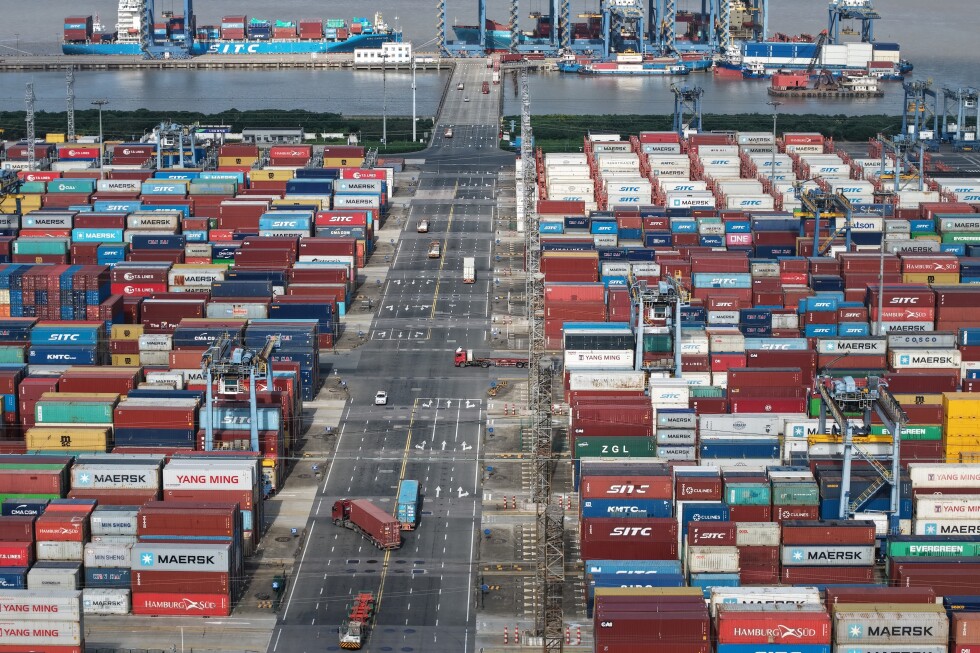
    HONG KONG (AP) — China’s export sector demonstrated remarkable resilience in the opening months of the year, posting a substantial 22% year-on-year increase for the January-February period according to customs data released Tuesday. This performance significantly surpassed economist expectations and December’s 6.6% growth rate, indicating a stronger-than-anticipated trade momentum.

    The import sector similarly showed vigor with a 20% expansion during the same period, up from December’s 5.7% increase. However, this overall growth masks a notable 27% decline in imports from the United States, reflecting ongoing trade tensions between the world’s two largest economies.

    China’s export strategy has successfully diversified beyond American markets, with increased shipments to Europe and Latin America helping offset a 20% reduction in exports to the U.S. This geographical redistribution occurred amid former President Donald Trump’s imposition of widespread tariffs on global imports. The country’s trade surplus reached $213.6 billion for the two-month period, continuing a pattern of robust external trade performance.

    The data compilation for January-February follows standard methodology to account for Lunar New Year holiday distortions. Despite domestic economic challenges including a prolonged property sector downturn that prompted Beijing to set a conservative 4.5-5% growth target for 2026, the export sector remains a bright spot.

    Geopolitical factors including Middle East conflicts and potential disruptions to key shipping routes like the Strait of Hormuz present ongoing concerns for China’s energy security and trade stability. However, a recent U.S. Supreme Court ruling against Trump-era tariffs may provide modest support for Chinese exports, according to Bank of America economists.

    Market observers are closely monitoring former President Trump’s anticipated Beijing visit in late March for potential developments regarding the October trade truce between the two nations.

  • Iran war fuel crisis forces Pakistan to close schools, take austerity measures

    Iran war fuel crisis forces Pakistan to close schools, take austerity measures

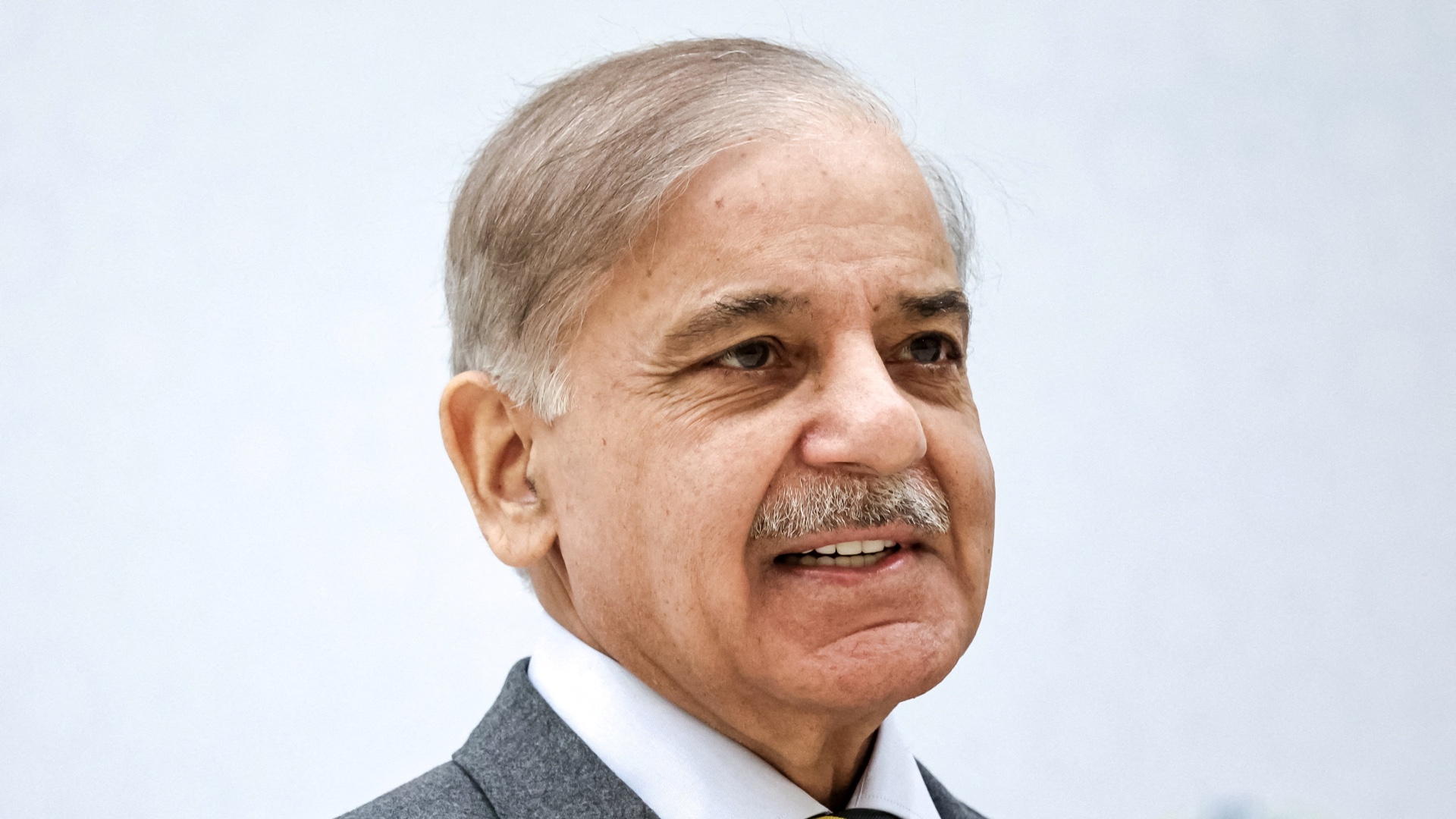
    Pakistan has initiated severe austerity measures in response to the escalating conflict between the US-Israel alliance and Iran, which has severely disrupted global energy markets and threatened the nation’s economic stability. Prime Minister Shehbaz Sharif announced the closure of all schools until month-end and mandated remote work for university students and half of the national workforce, excluding essential services.

    The government’s comprehensive austerity package includes a 20% reduction in official expenditures, prohibition of major purchases, and significant cuts to official vehicle usage and fuel allowances. High-earning government officials face two-month salary deductions, while federal cabinet members will forfeit their salaries entirely during this period. Parliament members will see a 25% reduction in wages, and all foreign travel for lawmakers has been prohibited. The measures extend to social events, with official Ramadan iftars and government parties banned indefinitely.

    These drastic steps come as the US-Israel military campaign against Iran enters its second week, with Iran retaliating by targeting Gulf energy infrastructure and effectively blocking the Strait of Hormuz—a critical passage for 20% of global petroleum shipments. Pakistan relies overwhelmingly on Gulf energy imports, with Qatar and the UAE supplying 99% of its liquefied natural gas needs.

    The conflict has driven oil prices to their highest levels since Russia’s invasion of Ukraine, with Brent crude reaching $119 per barrel. Pakistan’s economy, already struggling with high inflation, substantial debt, and dwindling foreign exchange reserves, faces additional pressure from regional security challenges, including border tensions with Afghanistan and historical conflicts with India.

    Prime Minister Sharif has condemned both the attacks on Iran and Tehran’s retaliatory measures while offering Pakistan’s services as a mediator to de-escalate the rapidly worsening conflict.

  • ‘Not making rational decisions’: Diabetic Driver William Swale breaks silence on horror Royal Daylesford hotel crash

    ‘Not making rational decisions’: Diabetic Driver William Swale breaks silence on horror Royal Daylesford hotel crash

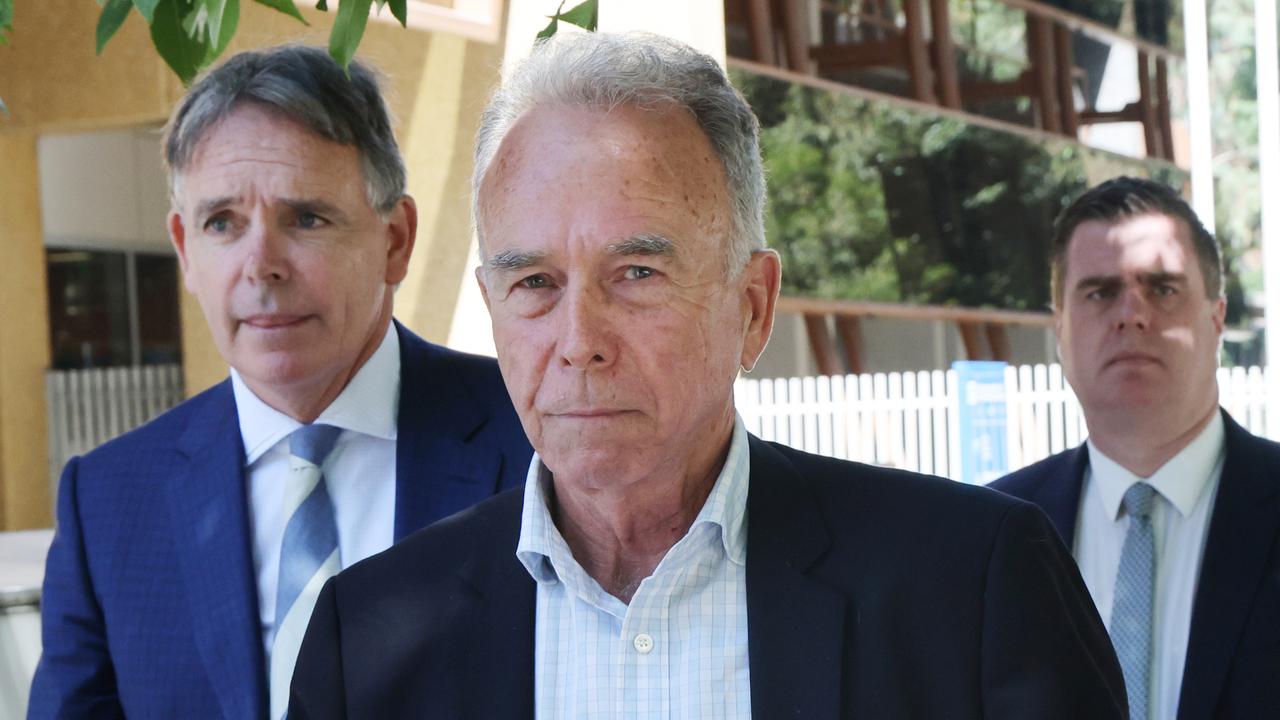
    A Melbourne coronial inquest has opened into the devastating Daylesford beer garden crash that claimed five lives in November 2023, with the driver providing his first public testimony about the tragedy. William Herbert Swale, 69, appeared before the Coroners Court of Victoria describing a complete memory blackout surrounding the incident that killed two families.

    The court heard how Swale’s BMW X5 plowed into outdoor seating at the Royal Daylesford Hotel at approximately 6:00 PM on November 5, resulting in the deaths of Pratibha Sharma, 44, her nine-year-old daughter Anvi, her husband Jatin Kumar, 30, along with family friends Vivek Bhatia, 38, and his eleven-year-old son Vihann. Multiple other patrons sustained injuries in the horrific collision.

    Medical evidence presented to the inquest revealed Swale was experiencing a severe hypoglycemic episode with blood sugar levels recorded at dangerously low 2.9mmol/L shortly before the crash. Swale testified that his last conscious memory was entering the Winespeake deli seeking food to address his condition, after which he recalls nothing until waking in an ambulance.

    The diabetic driver described feeling “dark,” “hazy,” and “vague” prior to the incident, acknowledging he was not making rational decisions due to his medical state. Court documents indicated his continuous glucose monitor had triggered ten separate alarms on his phone that evening, though Swale claimed he never heard them, suggesting his car’s Bluetooth connection may have muted the alerts.

    Significant questions emerged during testimony regarding Swale’s medical management and driving certification. The 69-year-old revealed he had only learned of mandatory diabetes reporting requirements for Victorian drivers in 2019, and described a concerning gap in communication between his general practitioner and endocrinologist regarding his fitness to drive. Despite having been certified by endocrinologist Dr. Matthew Cohen just months before the tragedy, Swale admitted to not recalling educational materials about diabetes management and safe driving practices that had been provided to him.

    Coroner Dimitra Dubrow opened proceedings by acknowledging the profound grief and lasting trauma experienced by the victims’ families and survivors. The two-week inquest will continue examining the circumstances surrounding the tragedy, including medical oversight protocols and safety measures for diabetic drivers.

  • AI-enhanced images of real events distort view of Mideast war

    AI-enhanced images of real events distort view of Mideast war

    The ongoing Middle East conflict has become a testing ground for sophisticated AI-driven disinformation techniques that are fundamentally altering how warfare is perceived. Beyond completely fabricated content, a new category of manipulated imagery is emerging: authentic photographs that have been artificially enhanced to distort reality while maintaining a veneer of credibility.

    A compelling case involves a widely circulated photograph depicting a kneeling US pilot confronted by a Kuwaiti local after parachuting from his aircraft. While the incident itself was verified through satellite imagery and video evidence, AI detection tools revealed the presence of Google’s SynthID watermark, indicating artificial enhancement. The most telling detail? The pilot appears with only four fingers on each hand—a common AI generation artifact.

    According to Professor Evangelos Kanoulas, an AI expert at the University of Amsterdam, these enhancements subtly manipulate textures, facial expressions, lighting conditions, and background details. “This can strengthen a particular narrative about an event—for example, making a protest appear more violent, making a crowd appear larger, or making facial expressions more intense,” he explained.

    Another verified example shows dramatic imagery from Erbil International Airport in Iraq following Iranian strikes on March 1. While the original photograph captured a genuine event, the AI-enhanced version exaggerated the scale of the fire and smoke while intensifying colors to create a more dramatic effect.

    The boundary between enhancement and outright fabrication is becoming increasingly blurred. Professor James O’Brien of UC Berkeley’s Computer Science Department warned that “even little changes can end up telling a very different story and could change the perception of events.”

    This phenomenon manifested disturbingly following the shooting of Alex Pretti in Minneapolis, where an AI-enhanced image based on genuine footage incorrectly transformed a phone in the victim’s hand into what appeared to be a weapon—fundamentally altering the narrative of the event.

    As the Middle East conflict continues, experts express grave concerns about the erosion of public trust. Without proper labeling standards, AI-enhanced imagery not only spreads misinformation but also creates widespread skepticism toward authentic documentation. This dual effect—amplifying false narratives while undermining genuine evidence—represents a fundamental challenge to truth verification in modern conflict reporting.

  • Regional petrol stations ration fuel as panic buying drains diesel supplies

    Regional petrol stations ration fuel as panic buying drains diesel supplies

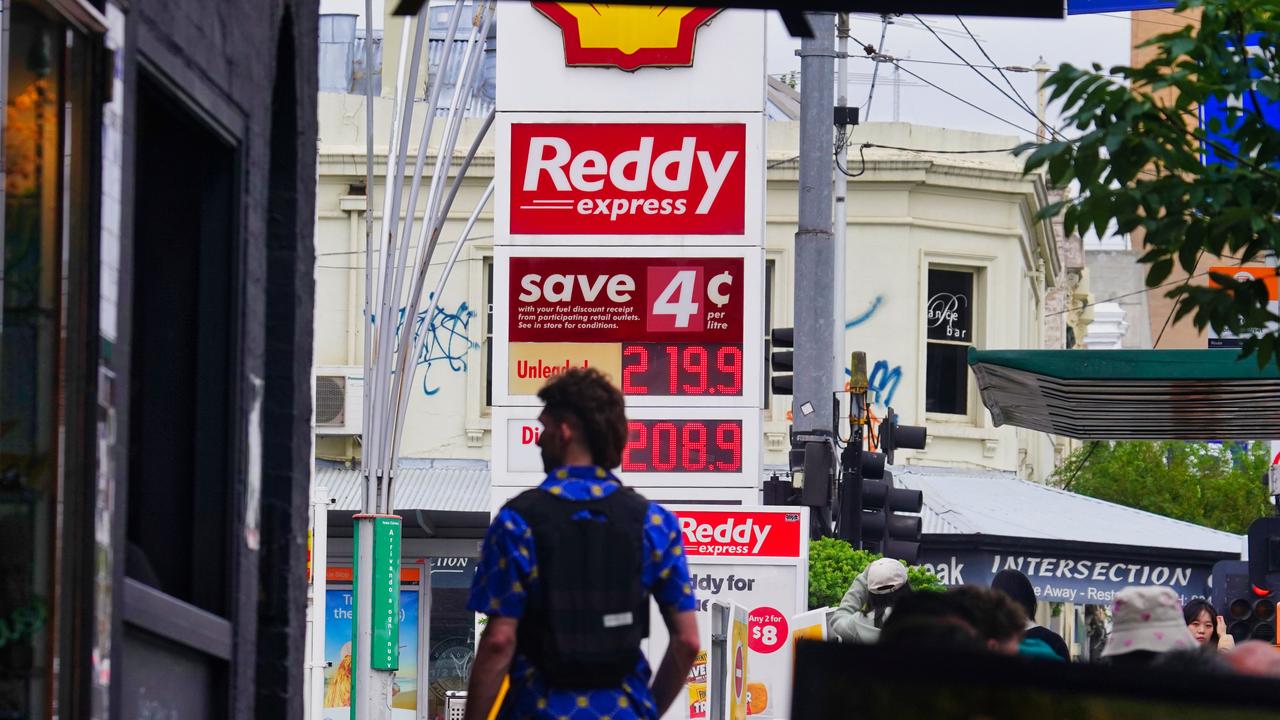
    A severe fuel supply crisis is gripping regional Australia as service stations implement drastic rationing measures, with some limiting purchases to just $20 per customer. The situation has emerged as a direct consequence of panic buying in metropolitan areas, creating critical shortages that now threaten rural communities.

    Service station owner Andrew Brown from New England region described implementing extreme measures to preserve dwindling supplies. “We could have lifted our prices and been out of fuel in five days but instead we are trying to ration it for up to 15 days,” Brown explained to NewsWire. His station now enforces a strict $20 limit per customer – barely sufficient to reach the nearest major town 60 kilometers away in Tamworth.

    The crisis has particularly impacted diesel supplies, with numerous country towns reporting complete stockouts. Brown revealed his usual weekly fuel deliveries have been suspended, forcing him to reserve approximately 1,500 liters for emergency services including State Emergency Services and local fire brigades.

    International market dynamics have exacerbated the situation. Global oil prices surged to $120 per barrel, approaching levels not seen since the initial stages of the Ukraine conflict, though prices subsequently retreated following optimistic statements from U.S. officials regarding potential Middle East conflict resolution.

    Energy Minister Chris Bowen addressed the crisis, emphasizing that Australia’s fuel supply remains technically secure. “I can say that our diesel and petrol supplies remain at this point secure,” Bowen stated at Parliament House. “We have as much diesel in Australia today as we had before this crisis began.”

    The minister acknowledged particular concerns for agricultural workers, stating he had “great deal of concern and empathy for farmers in particular” while characterizing the situation as “a huge spike in demand, not an impact on supply at this point.” Australia’s reliance on foreign refineries in Singapore, South Korea, and Japan makes the nation vulnerable to global supply chain disruptions despite maintaining mandatory 32-day fuel reserves.