
作者: admin

  • Reactions to the banning of Vladyslav Heraskevych from the Olympics

    Reactions to the banning of Vladyslav Heraskevych from the Olympics

    The International Olympic Committee has ignited international controversy by excluding Ukrainian skeleton athlete Vladyslav Heraskevych from the Milan Cortina Games for wearing a helmet honoring athletes and coaches killed in Russia’s war against Ukraine.

    IOC President Kirsty Coventry, a former Olympic swimmer, acknowledged the power of Heraskevych’s message while defending the decision. “No one—especially me—is disagreeing with the messaging. The challenge we are facing is that we wanted to ask or come up with a solution for just the field of play,” stated Coventry.

    Ukrainian President Volodymyr Zelenskyy offered unequivocal support for the athlete, declaring: “I thank our athlete for his clear stance. His helmet, bearing the portraits of fallen Ukrainian athletes, is about honor and remembrance. It is a reminder to the whole world of what Russian aggression is and the cost of fighting for independence.”

    The banned athlete expressed cautious optimism about his meeting with Coventry, noting: “I want to believe that the reason is that she really felt sorry as an athlete, as a former athlete, and that she really wants me to compete.”

    Prominent voices across the sports and diplomatic world condemned the IOC’s decision. British skeleton Olympic champion Lizzy Yarnold conveyed her “real sense of sadness and real surprise” regarding the exclusion.

    European Union Ambassador to Ukraine Katarina Mathernova highlighted the stark contrast in the Committee’s approach, stating on Instagram: “He was excluded by the same Olympic Committee that allowed 20 Russian and Belarusian athletes to compete under a neutral flag.”

    Ukrainian Foreign Minister Andrii Sybiha delivered one of the strongest condemnations, asserting: “The IOC has banned not the Ukrainian athlete, but its own reputation. Future generations will recall this as a moment of shame.”

    The athlete’s father and coach, Mykhailo Heraskevych, expressed the personal devastation caused by the decision: “The International Olympic Committee destroyed our dreams. It’s not fair.”
  • China’s Tianguan satellite likely captures black hole devouring white dwarf: study

    China’s Tianguan satellite likely captures black hole devouring white dwarf: study

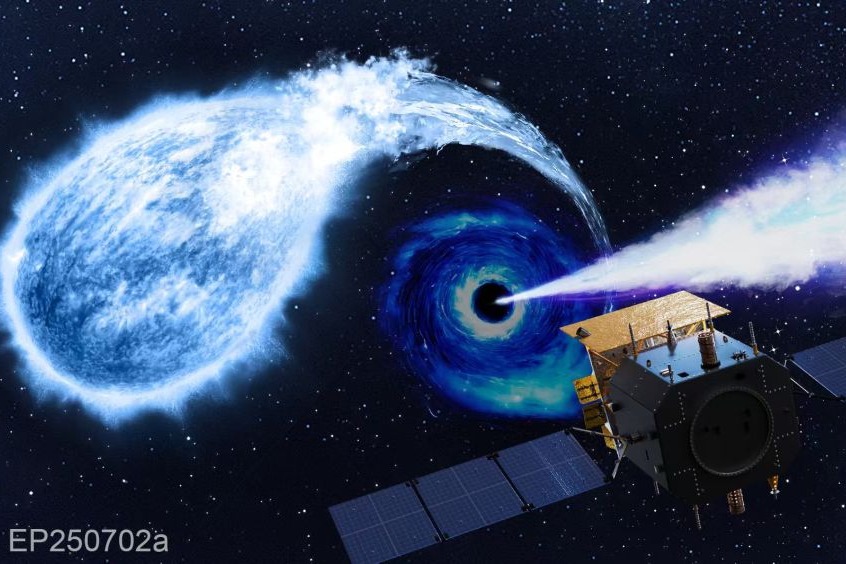
    China’s astronomical research has achieved a groundbreaking milestone with the Tianguan satellite, internationally known as the Einstein Probe, potentially recording the first-ever observation of an intermediate-mass black hole violently consuming a white dwarf star. The National Astronomical Observatories of the Chinese Academy of Sciences (NAOC) announced this extraordinary discovery, marking a significant advancement in cosmic phenomenon documentation.

    The pivotal detection occurred on July 2, 2025, when the satellite’s Wide-field X-ray Telescope (WXT) identified an exceptionally luminous and rapidly evolving X-ray source during standard sky surveillance. Designated EP250702a, this event prompted immediate international collaboration among astronomers worldwide, triggering multi-wavelength observations across the global scientific community.

    Research published in Science Bulletin’s cover article presents compelling evidence that the observed phenomenon represents a tidal disruption event of unprecedented nature. The scientific team notes that the burst’s distinctive characteristics—including its brightness evolution, radiation pattern, and spectral features—differ markedly from any previously documented cosmic explosion.

    Associate Researcher Zhang Wenda of NAOC explained that the event closely resembles theoretical predictions of jetted tidal disruption occurrences, where celestial bodies are torn apart by immense gravitational forces. White dwarfs, the ultra-dense remnants of deceased stars, possess densities approximately one million times greater than our Sun. Theoretical models indicate that only intermediate-mass black holes—ranging from hundreds to hundreds of thousands of solar masses—generate sufficient tidal forces to dismantle such compact objects rather than consuming them intact.

    Researcher Jin Chichuan emphasized that the observed ultra-short timescale, extreme peak luminosity, and subsequent emergence of a soft X-ray ‘afterglow’ provide strong evidence supporting the white dwarf disruption scenario. This process theoretically produces brief, intense energy bursts typically accompanied by luminous, high-velocity jets consistent with EP250702a’s observed properties.

    Principal Investigator Yuan Weimin highlighted that this discovery demonstrates Tianguan satellite’s unique capability to capture unpredictable transient cosmic events. The mission’s sophisticated monitoring technology has not only enabled the first documentation of this extreme astrophysical phenomenon but also signifies China’s substantial contribution to international astronomical exploration and understanding of the universe’s most violent processes.

  • India moves a step closer to buying Rafale fighter jets and maritime patrol aircraft

    India moves a step closer to buying Rafale fighter jets and maritime patrol aircraft

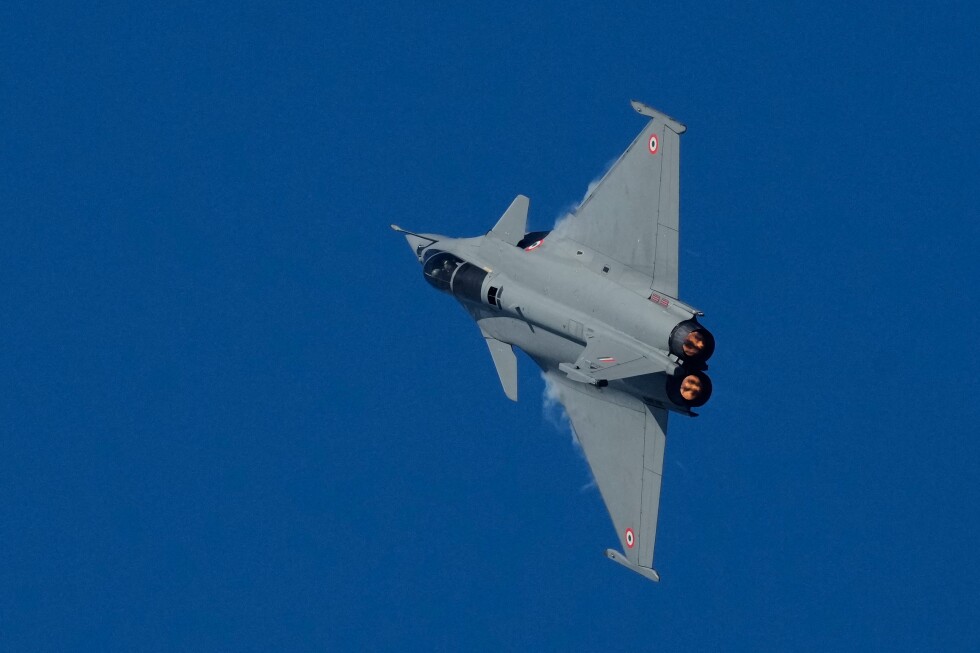
    NEW DELHI — In a significant move to bolster its national security infrastructure, India’s Defence Acquisition Council granted preliminary authorization on Thursday for substantial defense procurements totaling approximately $39.74 billion. The comprehensive package includes additional Rafale multi-role fighter jets from France and P-8I maritime patrol aircraft from the United States.

    Defense Ministry officials confirmed the approval without disclosing specific quantities or financial details. However, sources familiar with the deliberations revealed the council, chaired by Defense Minister Rajnath Singh, endorsed acquisition plans for 114 Rafale fighters and six Boeing P-8I surveillance platforms.

    This strategic enhancement addresses India’s pressing security requirements along its contentious borders with nuclear-capable neighbors China and Pakistan. The Indian Air Force currently maintains 29 fighter squadrons—substantially below the government’s recommended strength of 42 squadrons, each comprising 16-18 aircraft.

    The preliminary clearance represents the initial phase in India’s defense procurement process, with final approval required from the Cabinet Committee on Security headed by Prime Minister Narendra Modi. Timing suggests the Rafale agreement may be formally announced during French President Emmanuel Macron’s upcoming visit for an international artificial intelligence summit.

    Defense analysts note the Rafale acquisition will substantially strengthen India’s aerial deterrence capabilities, with most aircraft scheduled for domestic manufacturing. Concurrently, the P-8I aircraft will enhance maritime surveillance operations in the Indian Ocean region, where Chinese naval presence has been increasingly observed.

    India already operates two Rafale squadrons and recently procured 26 marine variants for naval operations. The nation also maintains an existing fleet of P-8I aircraft conducting reconnaissance missions across critical Indian Ocean waterways.

  • ‘Dawson’s Creek’ star James Van Der Beek dies at 48

    ‘Dawson’s Creek’ star James Van Der Beek dies at 48

    The entertainment industry is grieving the loss of James Van Der Beek, the celebrated actor who rose to fame as the protagonist in the iconic 1990s television series ‘Dawson’s Creek,’ who passed away Wednesday at age 48 following a courageous battle with colorectal cancer. His wife, Kimberly Van Der Beek, confirmed the tragic news through an emotional Instagram post, describing how her husband faced his final days with remarkable courage, faith, and grace.

    Van Der Beek’s career spanned over six decades with appearances in more than 60 film and television productions, though he remained most recognized for his breakthrough role as Dawson Leery—the earnest, film-obsessed teenager navigating the complexities of adolescence in the seminal WB network drama. The series, which ran from 1998 to 2003, catapulted Van Der Beek into international stardom and established him as a definitive teen heartthrob of his generation.

    Beyond his iconic television role, Van Der Beek delivered memorable performances in films including ‘Varsity Blues’ (1999) as quarterback Jonathan ‘Mox’ Moxon and ‘The Rules of Attraction’ (2002) as the morally ambiguous Sean Bateman. His professional versatility allowed him to transition between genres and mediums throughout his career.

    The actor had been privately battling colorectal cancer since his diagnosis in 2024, which was discovered during a routine colonoscopy the previous year. He chose to document his health journey publicly through social media, sharing updates with fans and raising awareness about cancer prevention and early detection.

    In response to his passing, an outpouring of tributes flooded social media platforms from colleagues, admirers, and co-stars. Sarah Michelle Gellar notably expressed that while ‘James’ legacy will always live on, this is a huge loss to not just your family but the world.’ A GoFundMe campaign was rapidly established to support Van Der Beek’s widow and their six children, surpassing $200,000 within its first hour and demonstrating the profound impact he had on his community.

  • Ramadan 2026: Turning Iftar leftovers into Suhoor as kids reduce food waste

    Ramadan 2026: Turning Iftar leftovers into Suhoor as kids reduce food waste

    A groundbreaking initiative is reshaping Ramadan traditions across the United Arab Emirates as families leverage the holy month’s communal spirit to instill sustainable food practices in younger generations. This movement addresses the longstanding pattern of excessive food preparation during Iftar that frequently results in substantial waste.

    Parenting expert Ola Bishara, an ICF-certified coach and mother of four, emphasizes that Ramadan presents a unique educational opportunity. “The convergence of family gatherings during Iftar and Suhoor creates natural teaching moments about gratitude, resource management, and compassionate sharing,” Bishara explained.

    In a strategic partnership with food delivery giant Deliveroo, Bishara has launched an innovative awareness campaign distributing 5,000 educational flyers to households across key Dubai communities including HOP Downtown, HOP JLT, HOP Motor City, and Editions locations in Hessa and Mirdif. These materials accompany grocery deliveries, strategically reaching families during their food preparation activities.

    The comprehensive guide features 26 practical recommendations organized under six thematic pillars: understanding food origins, collaborative meal planning, appropriate portioning, proper storage techniques, creative leftover utilization, and charitable giving. The initiative aims to transform typical dining scenarios into meaningful learning experiences that extend beyond Ramadan.

    Taghrid Oraibi, Deliveroo Middle East’s Head of Communications, characterized the program as “accessible and family-focused,” designed to convert everyday meals into impactful educational opportunities while fostering environmental consciousness.

    This grassroots movement aligns with broader national sustainability efforts. Ne’ma, the National Food Loss and Waste Initiative, recently served as Food Waste Reduction Partner for Taste of Dubai 2026 (February 6-8), implementing their Zero Food Waste Events framework. Since 2024, collaborative efforts across Taste festivals have successfully diverted over 1,820 kilograms of food waste from landfills through awareness campaigns and creative repurposing strategies.

    The coordinated approach between household education and large-scale event management supports the UAE’s comprehensive strategy to minimize food waste and embed responsible consumption into daily life, demonstrating how cultural traditions can evolve to address contemporary environmental challenges.

  • Hong Kong’s new year fairs bloom with festive spirit

    Hong Kong’s new year fairs bloom with festive spirit

    Hong Kong’s vibrant Lunar New Year flower markets have officially opened across the city, with Victoria Park hosting the largest celebration as residents and visitors alike embrace traditional festivities. The annual markets, featuring approximately 400 stalls divided into wet goods (fresh flowers and plants) and dry goods (festive decorations), have transformed the urban landscape into a colorful tapestry of cultural traditions and commercial activity.

    Local residents like Mrs. Lau, in her sixties, emphasize that Hong Kong’s New Year atmosphere truly begins with the first peach blossom arrangement and pot of kumquat placed at home entrances. These floral elements carry deep symbolic meaning within Chinese culture—kumquats heavy with fruit signify prosperity and good fortune, while peach blossoms represent ambitious goals and harmonious relationships.

    The markets attract diverse participants, from multigenerational families maintaining annual traditions to educational groups using the experience for practical learning. Kindergarten vice-principal Ms. Chan explained how students were given HK$30 budgets to practice independence and financial management through real-world purchasing decisions.

    With the approaching Year of the Horse, equestrian-themed products emerged as particularly popular items, drawing significant interest from mainland Chinese tourists. Visitor Mr. Zhao from Shanghai expressed admiration for the authentic preservation of traditions, noting the markets maintained both liveliness and genuine warmth.

    First-time stall owner Mr. Ko reflected the optimistic business sentiment, reporting improving annual revenues and anticipating a successful season. The markets serve not only as cultural celebrations but also as important economic opportunities for local entrepreneurs and regional vendors like Ms. Fan from Guangzhou, who specializes in prosperity-signifying floral arrangements.

    The convergence of tradition, commerce, and community engagement at these fourteen distributed markets demonstrates Hong Kong’s enduring cultural vitality and the continuing significance of Lunar New Year celebrations in contemporary urban life.

  • Hear James Van Der Beek talk about end of Dawson’s Creek in 2003

    Hear James Van Der Beek talk about end of Dawson’s Creek in 2003

    In a poignant archival interview from 2003, actor James Van Der Beek offered candid insights into concluding his signature role on the popular television drama ‘Dawson’s Creek’. The conversation, conducted with the BBC, captured a pivotal moment in the performer’s career as he contemplated transitioning beyond the character that had defined his public identity for six seasons. Van Der Beek articulated the complex emotional landscape of departing from a globally recognized role, balancing gratitude for the opportunity with the professional imperative to evolve beyond his adolescent character. The interview revealed the psychological weight of franchise television roles and the challenges actors face when separating from culturally iconic characters. His commentary provided valuable perspective on the entertainment industry’s practice of typecasting and the personal journey required to establish a diverse artistic portfolio after early superstardom.

  • Ramadan 2026: How to pay Zakat in UAE as national platform launched

    Ramadan 2026: How to pay Zakat in UAE as national platform launched

    The United Arab Emirates has inaugurated a groundbreaking National Zakat Platform, establishing a unified digital system that transforms how Muslims fulfill their religious obligation of zakat during Ramadan 2026 and beyond. This comprehensive initiative serves as an official national gateway, electronically connecting donors with verified beneficiaries while ensuring full compliance with Islamic Shariah principles and legal requirements.

    The platform standardizes the entire zakat process—from calculation and collection to distribution—bringing unprecedented transparency and efficiency to charitable giving. Donors can now contribute through multiple payment options including credit cards, bank transfers, Apple Pay, and Google Pay, making the process accessible and convenient for all residents.

    Zakat, a fundamental pillar of Islam, requires Muslims to donate 2.5% of their qualifying wealth and savings held for a full lunar year. The platform simplifies this calculation by accounting for various assets including cash balances, gold, silver, investment income, and business assets, while appropriately deducting liabilities and necessary expenses.

    The innovative system channels contributions toward critical social programs including healthcare projects, chronic disease treatment, educational support, and debt relief for struggling individuals. Donors can support specific campaigns targeting school students, people of determination, orphans, widows, and low-income families through either single donations or collective payments for multiple causes.

    Rather than replacing existing charitable organizations, the platform coordinates their efforts under a unified framework that prevents duplication, enhances accountability, and maximizes social impact. The system utilizes official databases and advanced verification mechanisms to confirm beneficiary eligibility, track fund distribution, monitor expenditure, and measure outcomes.

    Future developments will incorporate artificial intelligence and other emerging technologies to further streamline zakat calculation processes and improve targeting of beneficiaries, representing a significant advancement in digital philanthropy within the Islamic world.

  • Watches: MB&F reinvents the chronograph with the LM Sequential Flyback EVO

    Watches: MB&F reinvents the chronograph with the LM Sequential Flyback EVO

    In a bold departure from traditional watchmaking conventions, MB&F has unveiled the LM Sequential Flyback EVO, representing a fundamental reengineering of chronograph technology. Rather than iterating on existing designs, Maximilian Büsser’s horological concept laboratory has completely rethought the chronograph from first principles, creating what may be the most significant advancement in timing complications in recent history.

    The LM Sequential Flyback EVO builds upon the groundbreaking foundation established by its 2022 predecessor, which earned the prestigious GPHG Aiguille d’Or award for its innovative approach. This latest evolution introduces the flyback function to the EVO family for the first time, crafted in grade 5 titanium with a striking aquamarine dial plate.

    At the heart of this technological marvel is Stephen McDonnell’s mechanical genius, previously demonstrated in the LM Perpetual. The timepiece features two fully independent chronographs, each with dedicated seconds and minutes displays and separate pushers. The revolutionary Twinverter mechanism at the nine o’clock position operates as a binary switch that can simultaneously control both chronographs—starting, stopping, or alternating between them with a single press.

    This architecture enables unprecedented timing capabilities, from split-second comparisons to cumulative tracking across multiple simultaneous events. The integrated flyback function allows for instantaneous resetting and restarting of running chronographs, significantly enhancing practical usability.

    The mechanical sophistication required to make this complex system reliable is extraordinary. McDonnell’s solution incorporates internally jewelled vertical clutches combined with specially developed jewelled rollers within the flyback system, minimizing friction and energy loss despite two chronographs sharing the same movement.

    Visually, the timepiece maintains the distinctive EVO aesthetic with its bezel-free design that opens the dial beneath the domed sapphire crystal. The inclined time display at six o’clock improves legibility while creating a more intimate connection between the watch and wearer.

    Priced at CHF 168,000, the LM Sequential Flyback EVO represents not just technical achievement but a philosophical statement about the future of high-complication watchmaking—demonstrating that true innovation lies not in adding complexity but in making complexity feel intuitive and human-centered.

  • Driver killed and motorway collapses as storms hit France, Portugal and Spain

    Driver killed and motorway collapses as storms hit France, Portugal and Spain

    Western Europe is grappling with severe consequences following the onslaught of Storm Nils, which has unleashed a trail of destruction across France, Portugal, and Spain. The extreme weather event has resulted in fatalities, critical infrastructure damage, and massive disruptions to daily life.

    In a tragic incident in western France, a lorry driver lost his life after a tree, felled by ferocious winds, crashed through his vehicle’s windscreen. The storm’s fury left approximately 900,000 households without power. Southern regions of France were placed on red alert as wind gusts reached a devastating 162 km/h (100 mph) near the south-west coast. The threat extended to the Alps, where several ski resorts, including La Plagne, preemptively closed due to an extreme risk of avalanches.

    Portugal faced a catastrophic infrastructure failure when a segment of its vital A1 motorway, a key artery connecting Lisbon and Porto, collapsed. The breach occurred near Coimbra after the Mondego River overflowed its banks, overwhelming the Casais do Campo dyke and washing away a 10-meter section of the road. Although the stretch was closed prior to the collapse, Infrastructure Minister Miguel Pinto Luz, who visited the site, projected repairs would take several weeks. This event is part of a broader pattern of destructive weather; the government reported that the country received 20% of its average annual rainfall in just one week, following weeks of similar conditions that have severely battered national infrastructure.

    The political fallout from the prolonged crisis has already begun, with Interior Minister Maria Lucia Amaral resigning amid criticism of her handling of the situation. The storms have caused billions of euros in damage and several fatalities. Scientists are drawing a direct line to climate change, noting that the increasing frequency and intensity of such extreme weather events on the Iberian Peninsula are linked to rising greenhouse gas emissions.

    Neighboring Spain experienced significant transport chaos. Schools were suspended in Catalonia, the Basque country was on red alert for 10-meter waves, and winds of 148 km/h were recorded in Alicante. Accidents related to the storm injured multiple people, including four workers clearing fallen trees in Barcelona and a pedestrian hit by a collapsing wall. Dozens of flights were canceled at Barcelona’s El Prat airport. In a separate incident near Cáceres, a woman required rescue after her car fell into a sudden sinkhole.

    French Transport Minister Philippe Tabarot paid tribute to the deceased driver and issued a stark public appeal, urging citizens to ‘exercise utmost caution when travelling and check with their transport operator before any journey.’