作者: admin

  • Battle Beats | When duty calls

    Battle Beats | When duty calls

    As millions of Chinese citizens journey home for the Spring Festival reunion, an army of essential workers remains steadfast at their posts, ensuring the nation’s celebrations proceed seamlessly. The annual migration, known as chunyun, sees over 2.05 million daily cross-border trips during the holiday period, creating unprecedented demands on transportation and public services.

    Across various sectors, dedicated professionals including transportation staff, healthcare workers, and emergency personnel have voluntarily postponed their own family reunions to maintain critical infrastructure. At airports, enhanced services have been implemented to accommodate the massive passenger flow, while railway and highway networks operate at maximum capacity under careful supervision.

    The phenomenon represents both a logistical achievement and a testament to collective responsibility. These frontline workers, often described as ‘guardians of the holiday,’ demonstrate extraordinary commitment to public service during China’s most important traditional festival. Their sacrifice enables the safe travel and peaceful celebrations for countless families nationwide.

    Simultaneously, technological advancements support these efforts, with improved scheduling systems and real-time monitoring helping to manage the enormous passenger volume. The coordination between various government agencies and transportation providers represents one of the world’s largest annual migration management operations.
  • EU legal adviser says billions in funding for Hungary were wrongly released

    EU legal adviser says billions in funding for Hungary were wrongly released

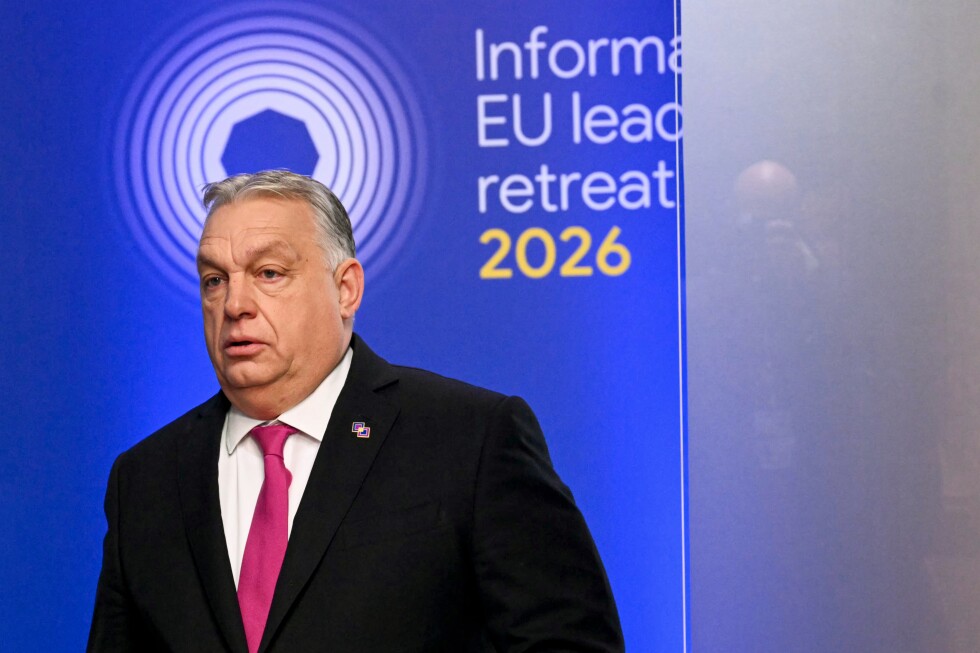
    In a significant development within the European Union’s legal framework, the Advocate General for the EU’s highest court has recommended overturning the European Commission’s controversial 2023 decision to release billions in suspended funds to Hungary. Tamara Ćapeta, representing the European Court of Justice, presented a non-binding opinion on Thursday arguing that the Commission prematurely disbursed approximately €10.2 billion ($12.1 billion) despite Hungary’s failure to implement required judicial reforms addressing rule-of-law deficiencies and corruption concerns.

    The funds had been initially suspended in 2022 following extensive concerns about democratic backsliding under Prime Minister Viktor Orbán’s right-wing populist government. The Commission had identified systemic issues including inadequate corruption prevention measures, compromised judicial independence, and problematic public procurement processes that potentially allowed EU funds to be channeled to politically connected businesses.

    While Advocate General opinions are not legally binding, they typically influence the court’s final rulings. The case was brought forward by the European Parliament in 2024, challenging the Commission’s assessment that Hungary had implemented sufficient reforms to justify fund release.

    The ongoing dispute occurs against the backdrop of Hungary’s significant reliance on EU funds as a major net recipient, with additional billions remaining frozen amid continued concerns about democratic standards. Orbán, who has governed since 2010, consistently rejects criticisms as foreign interference in national sovereignty, while his government faces mounting domestic political challenges from center-right opposition leader Péter Magyar, who promises democratic restoration and improved EU relations.

  • China expects over 2.05 million daily cross-border trips during Spring Festival holiday

    China expects over 2.05 million daily cross-border trips during Spring Festival holiday

    China’s National Immigration Administration (NIA) projects unprecedented cross-border mobility during the upcoming Spring Festival holiday, with daily inbound and outbound traveler numbers expected to exceed 2.05 million. This represents a substantial 14.1 percent increase compared to the same period last year, signaling a robust recovery in international travel.

    The nine-day holiday period, commencing Sunday, is poised to witness significant growth in both inbound and outbound tourism. This surge is largely attributed to China’s recent implementation of visa-free facilitation policies and consumption-stimulus measures that have made international travel more accessible and appealing to both domestic and foreign tourists.

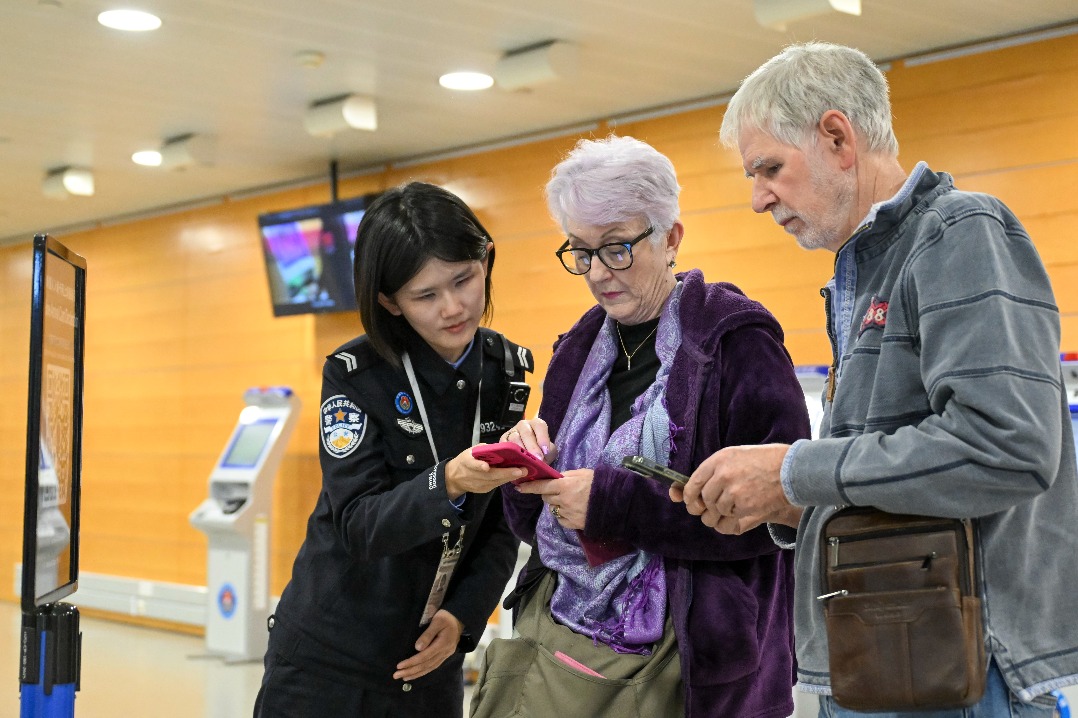
    In response to the anticipated travel peak, the NIA has announced comprehensive measures to ensure smooth border operations. The administration will enhance on-site guidance services and deploy additional police personnel at key checkpoints nationwide. These preparations aim to guarantee safe, efficient, and orderly border clearance procedures throughout the holiday season, minimizing wait times and maintaining security standards.

    The projected travel figures reflect China’s increasingly open international stance and the growing enthusiasm for cross-border exchanges during traditional festival periods. This travel boom also demonstrates the effectiveness of policy measures designed to stimulate tourism and cultural exchange, contributing to economic vitality during one of China’s most important cultural celebrations.

  • Xinjiang through my eyes: Maierdan’s cafe of memory

    Xinjiang through my eyes: Maierdan’s cafe of memory

    In the heart of Kashgar’s Ancient City, a unique establishment stands as a living archive of cultural heritage. Maierdan, the visionary proprietor of a distinctive cafe, has dedicated himself to preserving the intangible spirit of this historic Xinjiang region through physical artifacts and atmospheric storytelling.

    His establishment represents more than mere commerce—it serves as a curated repository of collective memory. Through carefully preserved chimney carvings, antique windows, and weathered tableware, Maierdan has woven fragments of Kashgar’s past into an immersive experience where visitors can connect with the town’s enduring soul.

    “While Urumqi’s modernity might be immediately apparent,” Maierdan reflects, “the true essence of Kashgar reveals itself gradually through its mysterious eyes—the layers of history, craftsmanship, and human stories that define this place.”

    With patient dedication and profound commitment to cultural preservation, the cafe owner believes in the resilient charm of Kashgar’s heritage. His project demonstrates how individual initiative can contribute to safeguarding regional identity in an era of rapid modernization. The cafe has become a quiet hub where traditional aesthetics meet contemporary appreciation, creating a space for both local residents and visitors to engage with Xinjiang’s rich cultural tapestry.

    This endeavor highlights the growing movement of cultural entrepreneurship across China’s western regions, where traditional preservation methods are being complemented by innovative approaches to maintaining regional identities.

  • Chinese researchers build quantum key distribution chip network covering 3,700 km

    Chinese researchers build quantum key distribution chip network covering 3,700 km

    Chinese scientists have achieved a quantum communication breakthrough by establishing the world’s largest quantum key distribution (QKD) network spanning 3,700 kilometers. The research team, led by Professor Wang Jianwei from Peking University’s School of Physics and Academician Gong Qihuang of the Chinese Academy of Sciences, has successfully deployed this advanced network utilizing fully integrated photonic quantum chips.

    This pioneering infrastructure supports simultaneous secure communication for 20 users, representing a significant advancement in both network scale and geographical coverage. The system employs twin-field QKD technology, which utilizes quantum states to generate encryption keys, ensuring theoretically unbreakable communication security. This approach is particularly suited for long-distance quantum communication while enabling resource sharing at the detector level.

    The research, published in the prestigious journal Nature on February 11, 2026, addresses one of the most challenging aspects of quantum technology implementation: the miniaturization and integration of complex hardware. Previous QKD systems faced limitations due to the extremely high performance requirements for light sources and modulation devices, making chip integration exceptionally difficult.

    Professor Wang emphasized that this demonstration represents the first successful implementation of a photonic quantum chip-based QKD network in over two decades of research. The chips exhibit remarkable uniformity during wafer-level fabrication, enabling cost-effective mass production capabilities. This technological advancement provides a viable pathway toward constructing even more extensive quantum communication networks with greater user capacity.

    Nature’s peer reviewers recognized the work as a substantial contribution to quantum technology, noting the network’s exceptional scalability and describing the research as ‘undoubtedly of high impact for the quantum communication community.’ Academician Gong highlighted that this achievement will accelerate the miniaturization, practical application, and large-scale deployment of quantum communication systems worldwide.

  • U.S. allies at NATO focus on Europe as the Trump administration steps back

    U.S. allies at NATO focus on Europe as the Trump administration steps back

    BRUSSELS — NATO’s European members demonstrated a unified front on Thursday, downplaying concerns about waning U.S. engagement after American Defense Secretary Pete Hegseth skipped the alliance’s defense ministerial meeting. This marked the second consecutive high-level absence following Secretary of State Marco Rubio’s December no-show at foreign ministers’ talks.

    The pattern of substituted representation—with Under Secretary of Defense Elbridge Colby attending in Hegseth’s place—has raised questions about Washington’s commitment to the transatlantic alliance. Yet European officials maintained diplomatic composure. Icelandic Foreign Minister Þorgerður Katrín Gunnarsdóttir remarked, ‘Sadly for him, he is missing a good party,’ while German Defense Minister Boris Pistorius noted, ‘Each of us has a full agenda… it’s his decision and his duties he has to fulfill.’

    This recalibration of responsibilities reflects a fundamental shift in NATO’s dynamics. Where the alliance once sought to ‘keep the Americans in, the Russians out and the Germans down,’ according to its first secretary-general, today’s reality shows Germany emerging as a major defense contributor. Following Russia’s invasion of Ukraine four years ago, Berlin committed €100 billion to military modernization.

    NATO Secretary-General Mark Rutte acknowledged the changing landscape: ‘They have to take care of the whole world. This is the United States. They have always consistently pleaded for Europe doing more, Canada doing more.’ This transition sees European nations increasing conventional defense spending while the U.S. maintains nuclear deterrence guarantees.

    The meeting produced concrete initiatives, including the launch of ‘Arctic Sentry’—a collective response to U.S. security concerns in the High North and a diplomatic effort to deter former President Trump’s ambitions regarding Greenland. The program will coordinate existing national exercises under NATO oversight, with participation from Denmark, France, Germany, and likely Finland and Sweden.

    Meanwhile, European allies are filling gaps in Ukrainian support as U.S. military aid diminishes. The UK announced an additional £500 million in air defense packages, while Sweden pledged funds for American weapons purchases and the Netherlands committed flight simulators for F-16 training. The Ukraine Defense Contact Group, once led by the Pentagon, is now chaired by the UK and Germany.

    Dutch Defense Minister Ruben Brekelmans emphasized the importance of ‘the no-surprise policy’ between NATO and the U.S., reflecting lingering concerns about unpredictable American actions. The Greenland annexation threat particularly rattled allies, with Belgian Defense Minister Theo Francken calling it ‘a crisis that was not needed’ and hoping the new Arctic security arrangement would prevent future ‘food fights over the Atlantic.’

  • UAE weather: Red, yellow alerts issued for fog as visibility decreases

    UAE weather: Red, yellow alerts issued for fog as visibility decreases

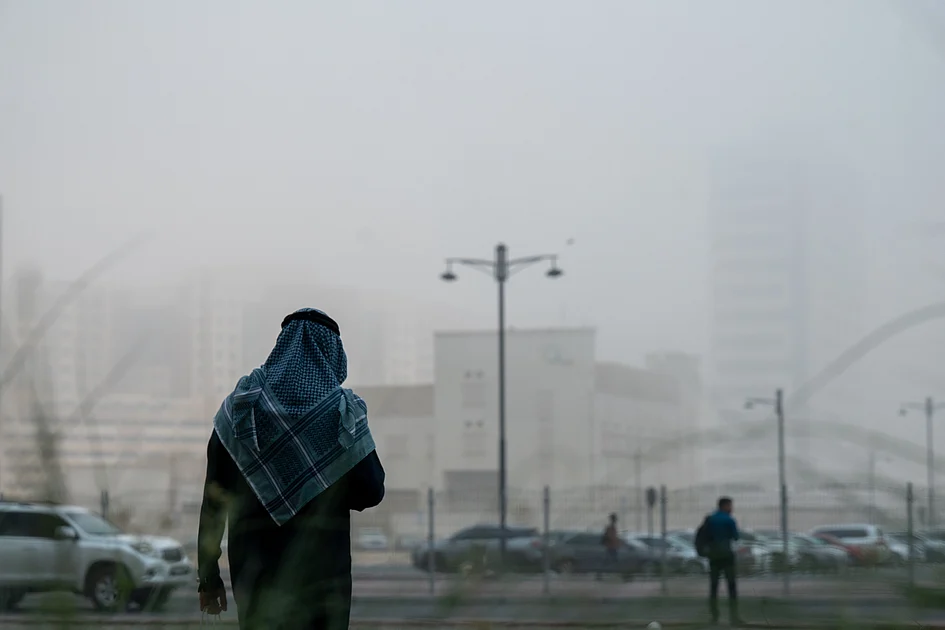
    The United Arab Emirates experienced significant fog conditions for the third consecutive day on Thursday, February 12, 2026, prompting meteorological authorities to issue safety alerts. The National Centre of Meteorology (NCM) implemented both red and yellow fog alerts effective until 10:00 AM as visibility dramatically decreased across the nation.

    According to the NCM’s forecast, UAE skies remained generally fair to partly cloudy throughout Thursday, with mist formation anticipated over certain coastal regions. Temperature readings varied between 15°C and 33°C, with Dubai reaching a high of 32°C while Abu Dhabi recorded 31°C.

    Meteorological conditions included the appearance of low clouds eastward on Thursday morning, with forecasts indicating increasing humidity levels overnight and into Friday morning. Winds remained light to moderate, blowing from southeasterly to northeasterly directions at speeds of 10-20 km/h, occasionally reaching 30 km/h. Maritime conditions remained calm with slight seas reported in both the Arabian Gulf and Oman Sea.

    Abu Dhabi Police issued warnings to motorists, emphasizing the importance of adhering to reduced speed limits displayed on electronic road signboards. The advisory specifically highlighted the need for heightened attention during low-visibility conditions caused by the dense fog.

    The persistent fog conditions represent a recurring weather pattern during this period, requiring continued public awareness and precautionary measures for transportation safety.

  • Who were the victims of the shootings in Tumbler Ridge, Canada?

    Who were the victims of the shootings in Tumbler Ridge, Canada?

    The remote community of Tumbler Ridge, British Columbia, with a population of merely 3,000 residents, is reeling from a devastating dual shooting incident that occurred on Tuesday. The tragedy unfolded at two separate locations—a local residence and Tumbler Ridge Secondary School—resulting in eight fatalities and 27 individuals sustaining injuries.

    Among the deceased is 39-year-old Jennifer Strang, mother of the 18-year-old suspect, Jesse van Rootselaar. According to CBC News reports, Strang was discovered deceased at a residential property alongside another family member. Court documents from 2015 reveal that Strang and her children had previously led what was described by a judge as ‘an almost nomadic life,’ traveling extensively across Canada before being legally restricted from leaving British Columbia.

    The school shooting claimed the lives of four students and one educator. Victims include 12-year-old Kylie Smith, remembered by her family as a vibrant soul passionate about art and anime. ‘She was the light of her family,’ her loved ones expressed to CTV News. Her father, Lance Young, emotionally added, ‘She was just a beautiful soul. We just loved her so much.’

    Additional victims at the educational facility included two 12-year-old girls, two boys aged 12 and 13, and a 39-year-old female teacher. At the residential crime scene, police confirmed the death of van Rootselaar’s 11-year-old step-brother alongside Strang.

    The consecutive violent episodes have created profound shockwaves through the tightly-knit community, where nearly every resident is expected to personally know affected individuals given the scale of casualties relative to the town’s small population.

  • Ramadan 2026: Experience Mughlai-inspired community Iftar in Old Delhi

    Ramadan 2026: Experience Mughlai-inspired community Iftar in Old Delhi

    In the historic lanes of Old Delhi, a unique cultural initiative is transforming Ramadan traditions beyond conventional culinary tourism. Since 2017, cultural curator Abu Sufiyan Khan has orchestrated Dastarkhwan-e-Jahaanuma—an intimate community iftar experience that emphasizes authentic home-style cooking over commercial food offerings.

    Through his platform Tales of City, Khan collaborates with local bawarchis (cooks) and families to present dishes actually prepared in Muslim households during Ramadan, complete with their cultural and emotional significance. “While most visitors explore crowded markets and restaurant-style Mughlai offerings,” Khan explains, “our focus remains on the food traditions of homes and their deeper meaning during the fasting month.”

    The initiative represents a deliberate shift from monument-based tourism to immersive cultural engagement. Tales of City specializes in creating participatory experiences where attendees interact directly with historians, artists, home cooks, and community knowledge keepers. The platform’s vision centers on making cultural heritage accessible, relevant, and rooted in lived experience.

    Dastarkhwan-e-Jahaanuma—meaning “a shared table that offers a view of the world”—has evolved into a community platform for dialogue and shared understanding. Unlike typical food festivals, it functions as a cultural space where guests experience Ramadan through food, prayer, hospitality, and togetherness. The format emphasizes story exchange, memory sharing, and tradition preservation alongside the culinary experience.

    This year’s edition highlights Mughlai and Purani Dilli food traditions, particularly dishes associated with fasting. The event has attracted diverse participants, including Arab visitors and NRIs from Gulf countries seeking cultural reconnection. For many, the experience becomes emotional—a return to community roots rather than mere dining.

    Regarding expansion, Khan maintains that current efforts focus on strengthening the Delhi edition, though future collaborations in Lucknow, Mumbai, Agra, and Jaipur are under consideration. The organizer stresses the importance of keeping the initiative community-rooted rather than commercially replicated, preserving its authenticity as a space where food, conversation, and culture converge naturally.

  • Polls close in first election since Gen Z protests ousted Bangladesh leader

    Polls close in first election since Gen Z protests ousted Bangladesh leader

    Bangladesh has entered a pivotal moment in its democratic history as ballot counting commences following a landmark general election. This electoral process marks the nation’s first since the 2024 student-led revolution that unseated long-serving Prime Minister Sheikh Hasina.

    The political landscape has undergone a dramatic transformation, with over 2,000 candidates competing for parliamentary seats. Notably absent is Hasina’s Awami League party, which has been banned from participation. The election features a contest between the center-right Bangladesh Nationalist Party (BNP) and a coalition alliance led by the Islamist Jamaat-e-Islami party, which has joined forces with a new political entity emerging from the student protest movement.

    The 2024 uprising, which according to UN estimates resulted in approximately 1,400 protester fatalities, created the conditions for this political reset. The interim government, which assumed power following Hasina’s ouster, has framed this election as part of a broader constitutional reform effort to address what it describes as a fundamentally flawed political system.

    Security measures reached unprecedented levels with nearly one million police and military personnel deployed nationwide to ensure orderly voting procedures. Interim leader Muhammad Yunus, after casting his ballot in the capital Dhaka, characterized the election as the country’s transition from ‘ended the nightmare’ to ‘begun a new dream.’

    The two principal candidates, Tarique Rahman representing the BNP and Jamaat’s leader Shafiqur Rahman, both participated in the voting process in Dhaka. Election results are anticipated to be announced on Friday, potentially reshaping Bangladesh’s political trajectory for generations to come.