作者: admin

  • Emaar posts strongest-ever results as revenues climb 44%

    Emaar posts strongest-ever results as revenues climb 44%

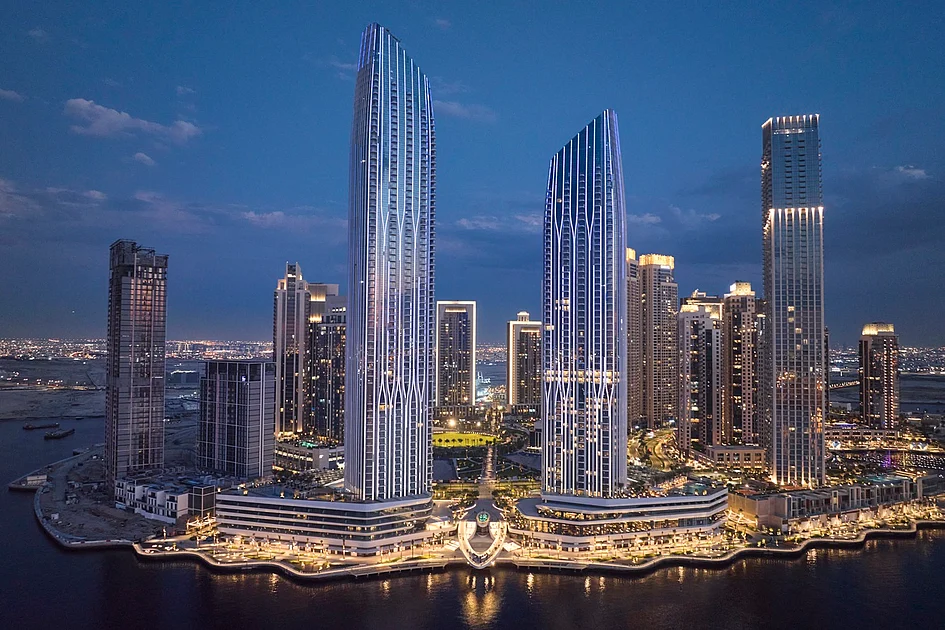
    Dubai’s premier real estate developer Emaar Development has announced unprecedented financial achievements for the fiscal year 2025, marking its most successful performance since inception. The property giant, operating as a majority-controlled subsidiary of Emaar Properties, demonstrated remarkable growth across all key metrics amid soaring demand for residential properties throughout Dubai.

    The company’s annual property sales reached an extraordinary Dh71.1 billion, representing a 9% increase from the previous year and establishing a new benchmark in the company’s history. This exceptional performance has been attributed to strategic project expansions and sustained market confidence in Dubai’s real estate landscape, driven by demographic expansion, increased international investment, and supportive regulatory frameworks.

    Financial indicators revealed spectacular progress with revenues skyrocketing 44% to Dh27.5 billion, while pre-tax net profit experienced a substantial 52% leap to Dh15.5 billion. These figures reflect enhanced operational efficiency and favorable market conditions. The revenue backlog—representing future earnings from sold but undelivered properties—expanded significantly to Dh125.2 billion, ensuring strong financial visibility for forthcoming years.

    In a move rewarding investor confidence, the board has proposed a record dividend distribution of Dh4 billion, a 47% increase from the previous year, subject to shareholder ratification.

    Strategic expansion efforts in 2025 included the acquisition of 36 million square feet of land with an estimated development value of Dh120 billion. The company launched over 48 residential developments within its master-planned communities, featuring new phases in The Valley, Bristol at Emaar Beachfront, and the Grand Polo Club and Resort.

    A landmark announcement included Emaar Hills, an ambitious new district featuring Dubai Mansions—ultra-luxury residences targeting high-net-worth international buyers, signaling the company’s intensified focus on the premium property segment.

    Founder Mohamed Alabbar emphasized that these achievements demonstrate the robustness of Dubai’s development ecosystem and the UAE government’s forward-looking policies. “The stable regulatory environment, strategic long-term planning, and openness to global investment enable developers like Emaar to execute large-scale projects with confidence,” Alabbar stated, noting the company’s continued commitment to creating communities that elevate living standards.

    Since 2002, Emaar Development has delivered more than 80,500 residential units and currently maintains approximately 51,000 units under development across Dubai’s most prestigious communities, including Dubai Hills Estate, Arabian Ranches, Downtown Dubai, Dubai Marina, and Emaar Beachfront.

  • Presight reports sharp rise in revenue and continued international expansion

    Presight reports sharp rise in revenue and continued international expansion

    Abu Dhabi-based artificial intelligence firm Presight has demonstrated exceptional financial performance throughout 2025, reporting substantial revenue growth and significant international market penetration. The company’s latest financial disclosures reveal a remarkable 36.9% year-over-year revenue increase, reaching Dh3.03 billion, surpassing analyst projections and establishing new benchmarks in the AI solutions sector.

    The fourth quarter of 2025 emerged as Presight’s strongest final-quarter performance to date, generating Dh1.29 billion in revenue—a 23.6% increase compared to the same period in 2024. EBITDA showed robust growth at 23.5%, totaling Dh785 million annually, while net profit reached Dh665.5 million despite the full implementation of the UAE’s revised corporate tax structure. Without the tax impact, profit growth would have reached 16.7% rather than the reported 8.6%.

    International expansion has become a cornerstone of Presight’s growth strategy, with non-UAE revenue more than doubling to Dh1.17 billion—accounting for nearly 39% of total annual revenue compared to just 23% in 2024. The fourth quarter saw international markets contribute almost half of total revenue, demonstrating rapidly accelerating global demand for sovereign AI solutions. Major multi-year deployments are currently advancing in Jordan, Kazakhstan, and Albania, reflecting the company’s strategic focus on emerging markets.

    His Excellency Dr. Sultan Al Jaber, Presight’s Chairman, emphasized that the company’s performance reflects the UAE’s commitment to establishing intelligence as critical national infrastructure. CEO Thomas Pramotedham highlighted twelve consecutive quarters of growth since the company’s 2023 initial public offering, underscoring Presight’s capacity to deliver intelligence-led infrastructure at scale while maintaining responsible global expansion.

    The company’s order intake remained strong throughout 2025, with Dh3.4 billion in new contracts signed and an equivalent amount recorded as year-end backlog—representing a 13% annual increase and an 85% growth over three years. Presight concluded the year with no debt, strengthening its position to invest in innovation, talent development, and strategic expansion initiatives. Subsidiary AIQ contributed significantly to this success, particularly within the energy sector.

    Based on this performance, Presight has elevated its medium-term guidance through 2029, projecting revenue compound annual growth of 20-25%, EBITDA growth of 23-28%, and profit after tax growth of 21-26%. These targets are supported by the company’s expanding contract backlog, diversified global presence, and robust innovation pipeline.

  • Adnoc Drilling net profit tops $1.45b as it sets sights on regional expansion

    Adnoc Drilling net profit tops $1.45b as it sets sights on regional expansion

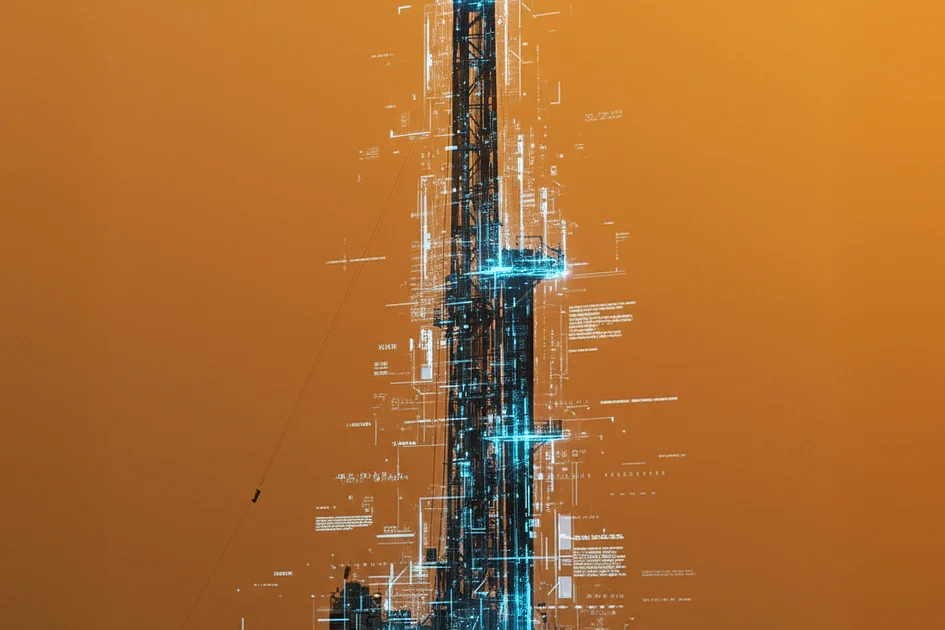
    Abu Dhabi National Oil Company’s drilling subsidiary has announced unprecedented financial performance for the 2025 fiscal year, achieving a landmark net profit of $1.45 billion. The exceptional results stem from strategic regional expansion, technology-driven operational enhancements, and consistently high fleet utilization rates across all operational segments.

    The company demonstrated remarkable revenue growth, climbing 22% annually to reach $4.9 billion. This financial upswing was propelled by substantial increases in both onshore and offshore drilling activities, complemented by a significant surge in oilfield services operations. The integration of artificial intelligence systems, predictive maintenance protocols, and automated workflows contributed substantially to cost reduction, safety improvements, and enhanced drilling efficiency.

    Chief Executive Officer Abdulla Ateya Al Messabi characterized 2025 as a transformative period marked by operational discipline and technological innovation. Under his leadership, the organization is rapidly evolving into the Gulf region’s premier energy services provider through expanded GCC operations, AI-powered operational enhancements, and new sustainability benchmarks.

    Segment analysis reveals diversified growth patterns: the onshore division generated $2.04 billion in revenue (8% increase), the offshore segment reached $1.40 billion through capacity enhancements, while oilfield services experienced an extraordinary 80% revenue surge to $1.46 billion due to expanded integrated drilling services and unconventional operations.

    The company achieved several industry milestones, including drilling the world’s longest well at 55,000 feet using advanced digital systems from offshore artificial islands. Additionally, regional performance records were shattered with over 5,300 feet drilled within a 24-hour period.

    Shareholders will benefit from the robust financial position through a $250 million fourth-quarter dividend recommendation, bringing total 2025 distributions to $1 billion. For 2026, the board has established a higher minimum annual dividend of $1.05 billion, supported by substantial free cash flow generation of $1.47 billion.

    Future projections indicate sustained momentum through 2026, with expectations of stable revenue growth, maintained high utilization rates, and continued operational efficiencies through digital transformation. The company plans to scale integrated drilling services to approximately 70 rigs by year-end 2026, reinforcing its critical role in supporting the UAE’s long-term energy expansion strategies.

  • Panvel’s Aerotropolis moment: Why NRIs are tracking Mumbai’s next airport‑led growth hub

    Panvel’s Aerotropolis moment: Why NRIs are tracking Mumbai’s next airport‑led growth hub

    The emergence of Navi Mumbai International Airport (NMIA) has catalyzed a profound transformation in the regional real estate landscape, with Non-Resident Indians establishing themselves as the primary drivers of this infrastructure-led investment boom. Industry analysts confirm that speculative interest has evolved into conviction-based acquisitions as the airport transitions from conceptual planning to operational reality.

    Market data reveals extraordinary appreciation patterns in the Panvel region, with residential apartment prices escalating by 74% between fiscal years 2021 and 2025, currently commanding rates between ₹10,000–12,000 per square foot. Concurrently, plotted land valuations have experienced a dramatic 93% surge, substantially outperforming other Navi Mumbai submarkets.

    Bhavesh Shah, Joint Managing Director at Today Group, observes: “We’re witnessing consistently strengthening engagement from the NRI community, particularly from the Middle East, Southeast Asia, and United Kingdom. This interest has matured from preliminary inquiries to decisive, early-phase capital commitments.”

    The development community emphasizes the region’s transition from theoretical potential to tangible performance. Samyag M. Shah, Director of Marathon Nextgen Realty, notes: “Panvel has definitively arrived as a investment destination. The operationalization of NMIA combined with transformative connectivity infrastructure like Atal Setu—which reduces South Mumbai travel duration to approximately 40 minutes—has fundamentally altered investment psychology.”

    Global parallels demonstrate that airport-anchored urban centers—from Amsterdam’s Schiphol to Paris’s Charles de Gaulle—historically exhibit patterns of sustained appreciation and resilient rental demand. Panvel now demonstrates analogous early indicators, with rental demand materializing ahead of projections.

    Marathon Nexzone’s operational data indicates approximately 45% of residential units currently maintain rental occupancy, primarily housing aviation specialists, logistics professionals, and corporate employees from neighboring business parks. This rental absorption is anticipated to intensify as NMIA expands its route network and complementary infrastructure projects advance.

    The valuation proposition presents particular appeal for international investors. Panvel offers substantially larger, contemporary residential configurations (3-4 bedroom units) at price points comparable to compact apartments in established Mumbai suburbs. This value differential, combined with early-entry positioning in an emerging aerotropolis, creates compelling long-term appreciation potential.

    Industry projections indicate the forthcoming decade will establish Panvel as a self-sustaining urban ecosystem. The convergence of NMIA’s global connectivity, proposed Metro Line 8, logistics hubs, and the envisioned BKC 2.0 at Kharghar positions the region as Mumbai’s next multidimensional growth engine, transitioning from peripheral suburb to strategic global gateway.

  • T20 World Cup video with Indian vendor reselling ‘unused’ drinks goes viral; authority clarifies

    T20 World Cup video with Indian vendor reselling ‘unused’ drinks goes viral; authority clarifies

    A controversial video from Delhi’s Arun Jaitley Stadium has ignited widespread concern among cricket fans and social media users regarding food safety protocols during the ongoing T20 World Cup. The footage, captured by an attendee during a match, depicts a concession stand worker meticulously pouring contents from multiple paper cups back into a large soft drink bottle.

    The visual initially prompted alarm across digital platforms, with numerous unverified assertions suggesting the vendor was potentially recycling unconsumed beverages for resale. This interpretation rapidly gained traction, raising serious questions about hygiene standards at one of India’s premier sporting venues during a major international tournament.

    However, the Delhi and District Cricket Association (DDCA) swiftly issued an official clarification addressing the viral phenomenon. According to their statement, the activity shown represents an authorized waste management procedure rather than any violation of food safety protocols.

    “We maintain rigorous hygiene standards throughout our facility,” the association emphasized. “The vendor demonstrated in the footage was engaged in appropriate waste segregation by transferring unused liquid into bottles before disposal. This practice aligns with our environmental policy for efficient waste processing and recycling.”

    The explanation arrived shortly before the commencement of India’s sold-out match against Namibia, assuring spectators that established health protocols remained uncompromised. The stadium continues to host additional tournament matches, including three fixtures involving the UAE team, with authorities reaffirming their commitment to both spectator safety and sustainable venue operations.

  • Analysis: Trump takes victory lap after biggest climate rollback yet

    Analysis: Trump takes victory lap after biggest climate rollback yet

    In a landmark environmental policy reversal, the Trump administration has formally rescinded the 2009 “endangerment finding” that served as the legal foundation for federal climate regulations. The announcement, made at the White House on Thursday, represents one of the most significant environmental policy shifts of Trump’s second term.

    President Trump framed the decision as a political victory over what he termed the Democratic Party’s “radical environmental agenda,” characterizing the move as liberation from bureaucratic overreach. The original 2009 finding, established during the Obama administration, provided scientific justification for regulating greenhouse gas emissions under the Clean Air Act, enabling policies targeting emissions from vehicles, power plants, and industrial sources.

    EPA Administrator Lee Zeldin, appearing alongside the president, described the endangerment finding as the “holy grail of climate change religion” and hailed its revocation as “the single largest act of deregulation in the history of the United States.” Both officials emphasized economic benefits, arguing that eliminating these regulations would reduce energy costs for consumers and remove burdens on the automotive and fossil fuel industries.

    The policy reversal sparked immediate condemnation from environmental groups and Democratic leaders. Former President Barack Obama declared on social media that the decision would leave Americans “less safe, less healthy and less able to fight climate change” while benefiting fossil fuel interests. The move continues Trump’s pattern of climate policy reversals, having previously withdrawn the U.S. from the Paris Climate Accord during his first term and again reversing Biden’s reinstatement at the start of his second term.

    The political implications of this decision remain uncertain as the November midterm elections approach. While Trump and Republicans have positioned climate deregulation as economically beneficial, polling indicates growing public concern about climate change, with a 2024 Yale study showing 63% of Americans worried about global warming and a 2025 Gallup poll finding a record 48% believing it will pose a serious threat in their lifetime.

  • US House, again defiant, votes to end Trump tariffs on Canada

    US House, again defiant, votes to end Trump tariffs on Canada

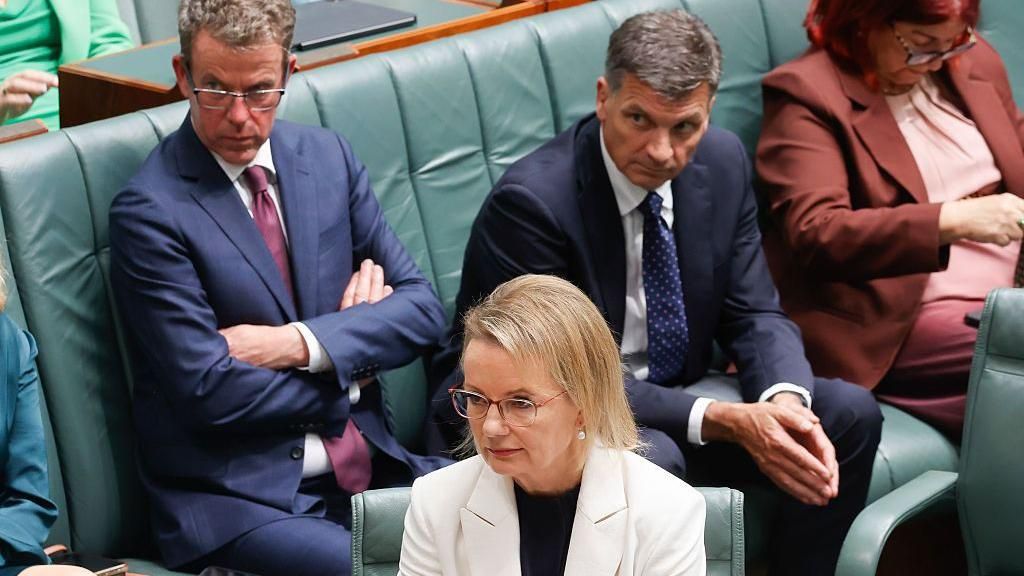
    In a significant bipartisan rebuke of former President Donald Trump’s trade policies, the House of Representatives voted 219-211 to terminate the national emergency declaration at the northern border that had authorized tariffs on Canadian goods. The resolution revokes Trump’s February 1, 2025 executive order that imposed these tariffs under an unprecedented application of the International Emergency Economic Powers Act (IEEPA).

    Six Republican representatives—Don Bacon (Nebraska), Brian Fitzpatrick (Pennsylvania), Jeff Hurd (Colorado), Kevin Kiley (California), Thomas Massie (Kentucky), and Dan Newhouse (Washington)—crossed party lines to support the Democratic-led measure. Only one Democrat, Jared Golden of Maine, voted against the resolution, while two Republicans abstained from voting.

    The vote occurred amid ongoing legal scrutiny at the Supreme Court regarding whether presidents possess the authority to impose tariffs under the 1970s-era emergency powers law. The Court heard arguments in November but has yet to issue a ruling.

    The debate revealed sharp divisions over the justification for the tariffs. Representative Gregory Meeks (D-NY), the resolution’s lead sponsor, criticized what he called a “manufactured emergency,” emphasizing that “Canada isn’t a threat. Canada is our friend. Canada is our ally.” Meeks cited analyses indicating tariffs cost American households between $1,300 and $1,750 annually.

    Counterarguments focused on fentanyl trafficking, with Representative Brian Mast (R-FL) asserting that the emergency declaration addressed the opioid crisis. However, Customs and Border Protection data shows fentanyl seizures at the northern border remain substantially lower than those at the southwest border.

    This congressional action follows previous bipartisan efforts to check Trump’s tariff authority, including a Senate vote in October that overturned tariffs on Brazilian goods. The development signals growing legislative resistance to executive trade actions that critics argue overstep presidential authority and harm American consumers.

  • Ramadan moon sighting 2026: Will the UAE break with Saudi Arabia on start of holy month?

    Ramadan moon sighting 2026: Will the UAE break with Saudi Arabia on start of holy month?

    A significant astronomical disagreement is poised to create unprecedented division among Gulf nations regarding the commencement of Ramadan in 2026. Scientific authorities in the United Arab Emirates have declared the crescent moon will be scientifically impossible to observe on Tuesday, February 17th—the day Saudi Arabia’s moon-sighting committee is expected to make its traditional announcement.

    The Sharjah Academy for Astronomy, Space Sciences and Technology (SAASST) has determined through advanced calculations that the first day of Ramadan will instead fall on Thursday, February 19th. This assessment is supported by Mohammad Odeh, director of the International Astronomical Centre in Abu Dhabi, who confirmed the moon’s invisibility across both the UAE and Saudi Arabia on the anticipated sighting date.

    This scientific consensus contradicts Saudi Arabia’s Umm al-Qura calendar, which precalculates religious dates years in advance and indicates Wednesday, February 18th as Ramadan’s beginning. Historically, Saudi Arabia has reported crescent sightings on dates astronomers deemed impossible, without ever addressing these scientific criticisms.

    The timing of this astronomical dispute coincides with deteriorating diplomatic relations between the UAE and Saudi Arabia, prompting speculation that Emirati authorities might break tradition and declare a different Ramadan start date. However, experts including Imad Ahmed of the New Crescent Society note that the UAE has never previously diverged from Saudi Arabia’s religious calendar determinations.

    Other nations including Oman have already announced the moon’s impossibility of sighting on February 17th, with Jordan and Oman having previously rejected Saudi sightings in 2024. The controversy highlights growing tensions between traditional religious practices and astronomical science, with potential implications for Muslim communities worldwide that typically follow Saudi Arabia’s declarations.

  • Connected‑care technologies gain momentum as hospitals seek integrated safety and monitoring systems

    Connected‑care technologies gain momentum as hospitals seek integrated safety and monitoring systems

    Healthcare institutions throughout the region are accelerating their adoption of interconnected care technologies in pursuit of enhanced medication management and patient monitoring solutions. This strategic shift represents a broader industry transition toward unified platforms that seamlessly integrate medical devices, data analytics, and automated processes—effectively reducing clinical workloads while simultaneously improving precision and visibility across patient care pathways.

    Three transformative trends are currently reshaping the healthcare technology landscape. Pharmacy automation has emerged as a cornerstone of operational efficiency, with advanced systems revolutionizing pill packaging, single-dose preparation, and robotic storage optimization across diverse pharmacy settings. According to Bilal Muhsin, Executive Vice President and President of the Connected Care Segment at BD, these technologies have transitioned from optional enhancements to essential infrastructure components.

    Medication management is evolving through intelligent, connected infusion technologies exemplified by platforms like BD’s Alaris system. These sophisticated solutions integrate directly with hospital data streams, enabling unprecedented precision in medication delivery oversight. Muhsin emphasizes BD’s leadership position in this rapidly expanding global market segment, highlighting the healthcare industry’s swift migration toward predictive, interoperable systems.

    Patient monitoring technologies are achieving new levels of sophistication through minimally invasive approaches. The proliferation of hemodynamic and cardiac-insight technologies capable of capturing real-time physiological data addresses the growing demand for earlier detection of clinical deterioration. These advanced tools constitute vital elements within connected-care ecosystems, facilitating the industry-wide transition toward continuous, data-informed clinical decision-making.

    This technological evolution is simultaneously influencing corporate structures within the med-tech sector. BD’s recent spin-off of its Biosciences and Diagnostics divisions represents what Muhsin characterizes as strategic realignment, enabling the company to concentrate exclusively on medical technology innovation. Connected Care now stands positioned as a primary driver of long-term organizational value.

    As connectivity expands, regulatory compliance and data sovereignty requirements have grown increasingly complex. BD’s infrastructure architecture deliberately separates patient identity information from clinical data to maintain privacy protections while still enabling valuable clinical insights through advanced analytics.

    In the UAE market, BD is pursuing growth through long-term strategic partnerships rather than transactional supply arrangements. These collaborations typically span five to fifteen years and involve close cooperation with hospital partners to align on shared clinical and operational objectives.

    The company’s innovation pipeline continues to deliver cutting-edge solutions, including the recently launched BD Pyxis Pro dispensing cabinet. This advanced system incorporates guided medication retrieval, specialized cold-storage capabilities, and AI-powered analytics that allow clinicians to investigate trends using natural language queries.

    According to Muhsin, BD’s competitive advantage stems from its unique dual-capability approach: combining industry-leading clinical devices with integrated data intelligence—a model that increasingly defines the future of connected healthcare throughout the region.

  • Meydan provides its own excitement as Carnival heats up on eve of $20m Saudi Cup

    Meydan provides its own excitement as Carnival heats up on eve of $20m Saudi Cup

    In a landmark initiative to celebrate the profound act of organ donation, Mediclinic City Hospital in Dubai has inaugurated the United Arab Emirates’ first-ever ‘Tree of Life’ sculpture. This permanent artistic installation serves as a solemn tribute to both organ donors and their families, recognizing their invaluable contributions to saving and transforming lives.

    The unveiling ceremony was a significant event within the UAE’s healthcare community, highlighting the critical importance of raising public awareness about organ donation. The ‘Tree of Life’ is designed not merely as a memorial but as a powerful symbol of hope, renewal, and the continuous cycle of giving. Its branches represent the far-reaching and life-sustaining impact that a single donor can have on multiple recipients.

    Hospital officials emphasized that the primary objective of this initiative is to foster a stronger culture of organ donation across the nation. By providing a physical space for reflection and honor, Mediclinic aims to inspire more individuals to register as donors, thereby addressing the ongoing need for organs and combating the waiting lists that many patients face. This project aligns with broader national health strategies and the UAE’s commitment to advancing its medical sector and ethical healthcare practices.

    The installation is expected to become a focal point for annual remembrance events and educational campaigns, further embedding the conversation around organ donation into the fabric of the community. It stands as a testament to the hospital’s dedication to not only clinical excellence but also to the compassionate and humanitarian aspects of medicine.