作者: admin

  • Arsenal seek fun factor as Frank searches for home comforts

    Arsenal seek fun factor as Frank searches for home comforts

    The English Premier League enters a pivotal weekend with mounting pressure at both ends of the table, presenting critical tests for several clubs grappling with form and consistency.

    League leaders Arsenal face a challenging away fixture against Leeds United following an unexpected stumble in their title campaign. Despite maintaining a four-point advantage, Mikel Arteta’s squad has secured merely two points from their last three outings, including their inaugural home defeat against Manchester United. The Spanish manager has emphasized the necessity for his team to rediscover their joy and courage on the pitch while addressing their overreliance on set-piece goals. Statistical analysts Opta still project an 81% probability of Arsenal securing their first league title since 2004, though their standing could narrow to a solitary point should results favor pursuing teams this weekend.

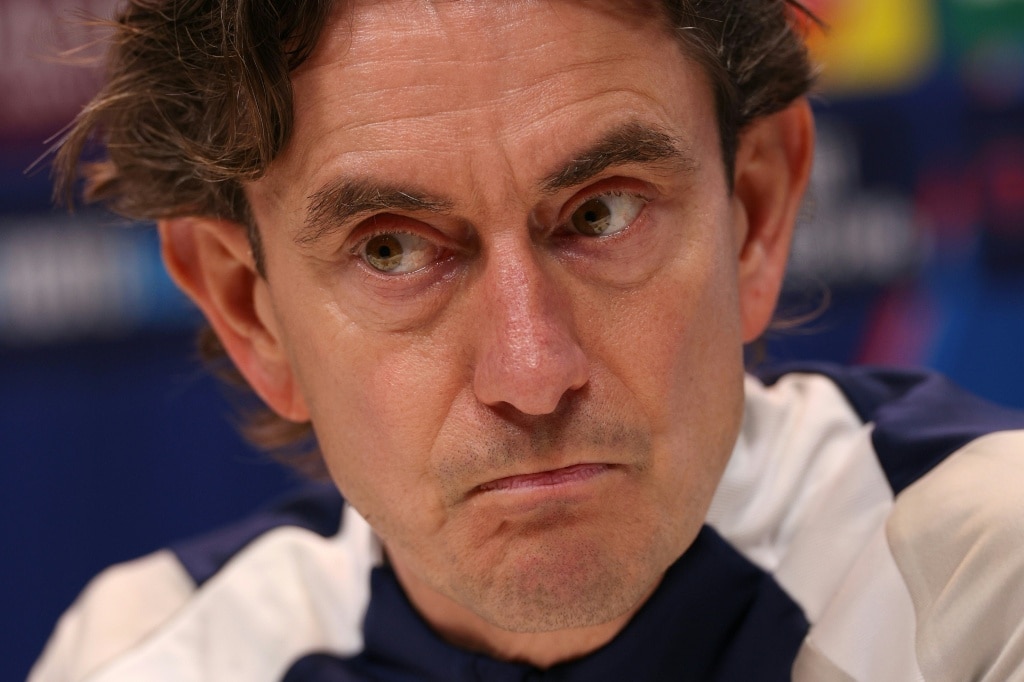
    Meanwhile, Tottenham Hotspur manifests perplexing inconsistency as they prepare to host Manchester City. Their domestic performance contrasts starkly with European success, having qualified for the Champions League knockout stages while languishing in 14th Premier League position with only two victories in fourteen matches. Manager Thomas Frank confronts growing discontent from supporters despite continental achievements, with the team’s home form ranking among the league’s weakest.

    Crystal Palace’s situation grows increasingly precarious as they approach their encounter with Nottingham Forest. The South London club has failed to secure victory in eleven consecutive matches across all competitions amidst managerial uncertainty and significant player departures. Manager Oliver Glasner’s announced departure and public frustrations with club leadership have compounded on-field struggles, though recent discussions with chairman Steve Parish have reaffirmed his commitment through season’s end.

    This weekend’s fixtures include numerous compelling matchups: Brighton host Everton, Chelsea face West Ham, and Liverpool meet Newcastle in Saturday’s standout evening fixture. Sunday features Manchester United against Fulham before the spotlight falls on Tottenham’s confrontation with Manchester City, while Monday’s concluding match sees Sunderland versus Burnley.
  • Appleby sets the standard as history and class collide at Dubai Racing Carnival

    Appleby sets the standard as history and class collide at Dubai Racing Carnival

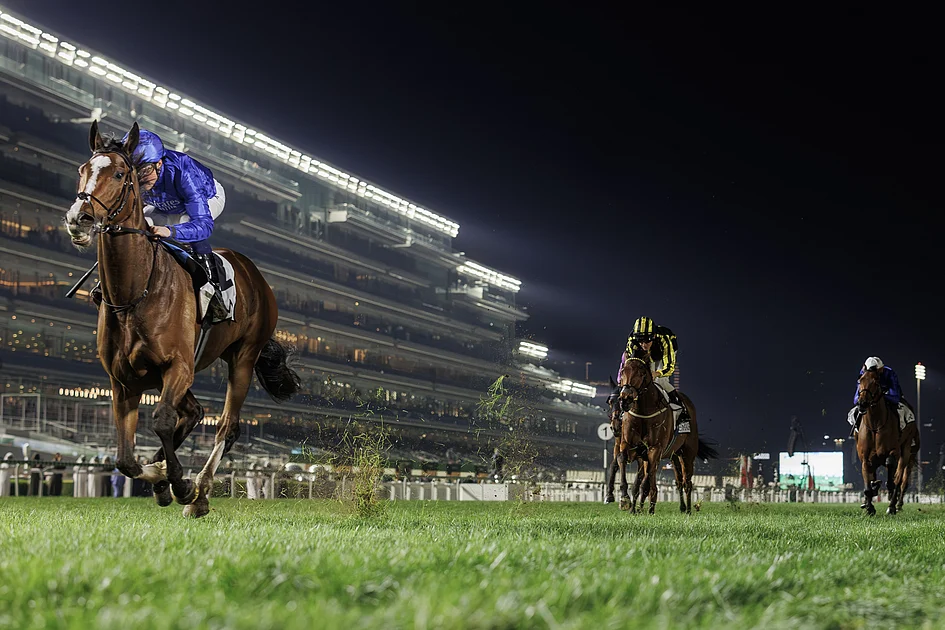
    The Dubai Racing Carnival at Meydan Racecourse prepares for an electrifying eight-race program this Friday, with Godolphin trainer Charlie Appleby emerging as the dominant force. Appleby’s stable demonstrates exceptional form heading into the event, saddling the favorite in six of the eight contests while boasting a remarkable 25% strike rate this season with nine victories from 36 runners.

    The evening’s centerpiece, the Group 3 Dubai Millennium Stakes sponsored by DP World, carries profound historical significance as it honors Godolphin’s legendary 2000 Dubai World Cup champion. Appleby has astonishingly captured this prestigious event nine times, including the last seven consecutive renewals. This year, he fields a powerful duo featuring By The Book, recent winner of the Dubai Racing Club Classic, and Arabian Light, fresh from victory in the Zabeel Turf.

    International challengers seek to disrupt Appleby’s dominance, with Irish trainer Gerard Keane presenting Crystal Black for his UAE debut and British handler David Simcock testing new acquisition Chibitty. The competitive Listed Dubai Sprint showcases Dark Saffron’s return to turf following disappointing dirt performances, while Appleby’s Symbol Of Honour makes his seasonal debut in what trainers describe as a preparatory event.

    The Mawj Stakes embodies the Carnival’s international spirit with participants from Spain, Sweden, Denmark, Czechia, France and the UK competing alongside local contenders. Appleby’s Dance To The Music drops in class after Group 1 competition in Britain, emerging as the clear favorite among the fillies’ contest.

    The program commences with the Jumeirah Guineas Trial, where emerging three-year-olds including Simon and Ed Crisford’s Title Role test their Classic potential. The evening promises a compelling blend of established champions and rising talent across multiple racing disciplines.

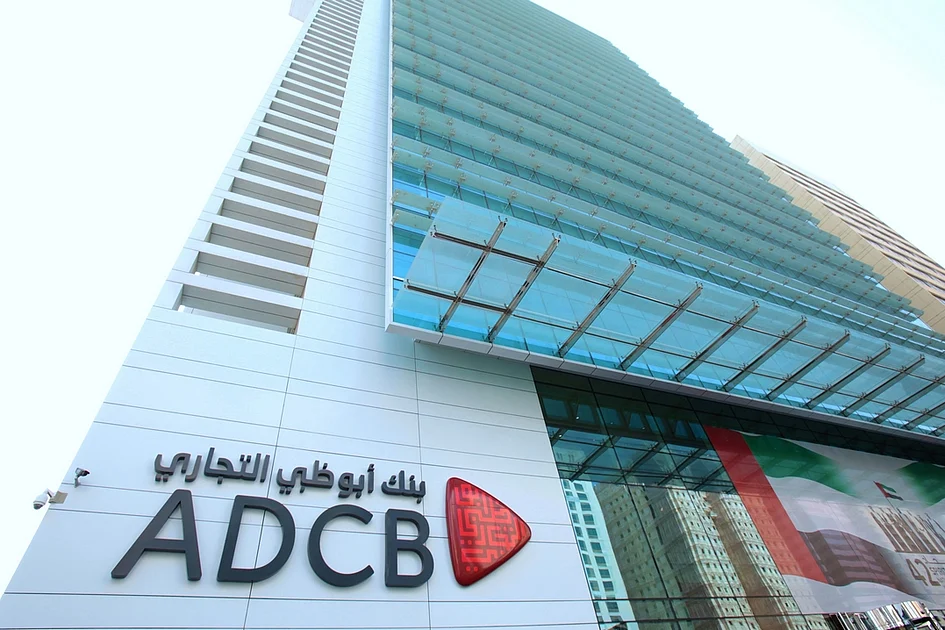
  • ADCB posts record profit as growth accelerates across lending, deposits and digital transformation

    ADCB posts record profit as growth accelerates across lending, deposits and digital transformation

    Abu Dhabi Commercial Bank (ADCB) has concluded its 40th anniversary year with an unprecedented financial triumph, posting record-breaking profits fueled by expansive growth across its core banking operations and a successful digital transformation initiative. The UAE’s third-largest financial institution reported a 22% annual surge in net profit after tax, reaching Dh11.445 billion for fiscal year 2025, while pre-tax profits climbed 21% to Dh12.843 billion.

    The bank’s exceptional performance was anchored by substantial balance sheet expansion, with total assets growing 19% to Dh774 billion. This growth was propelled by robust double-digit increases in both lending and deposit portfolios. Net loans advanced 16% to Dh406 billion, reflecting sustained credit demand across retail and corporate segments, while customer deposits swelled 19% to Dh500 billion.

    Chairman Khaldoon Khalifa Al Mubarak emphasized the institution’s alignment with national economic objectives, stating: ‘ADCB’s 2025 results underscore the Bank’s pivotal role in supporting the UAE’s economic growth and reflect our continued commitment to disciplined, sustainable expansion.’

    Operational efficiency reached new heights as the bank achieved a record-low cost-to-income ratio of 28.2%, down from 31% in 2024. This improvement was largely attributed to technology-driven optimization and artificial intelligence implementation. Total operating income rose 14% to Dh22.183 billion, featuring an 11% increase in net interest income and a 20% surge in non-interest income.

    Asset quality demonstrated remarkable improvement, with non-performing loans declining to 1.83% from 3.04% the previous year. Provision coverage strengthened significantly to 146.4%, indicating conservative risk management practices. The bank further bolstered its capital position through a Dh6.1 billion rights issue—the largest ever on the Abu Dhabi Securities Exchange—elevating its common equity tier 1 ratio to 13.79%.

    Group Chief Executive Ala’a Eraiqat credited the bank’s strategic execution: ‘With a technology-driven model and a clear five-year roadmap, the Bank is well positioned to sustain strong performance and create long-term value for our shareholders, customers and communities.’ The board has recommended a cash dividend of Dh0.63 per share, representing a total payout of Dh4.985 billion.

  • How US sanctions and external threats destroyed Iran’s economy

    How US sanctions and external threats destroyed Iran’s economy

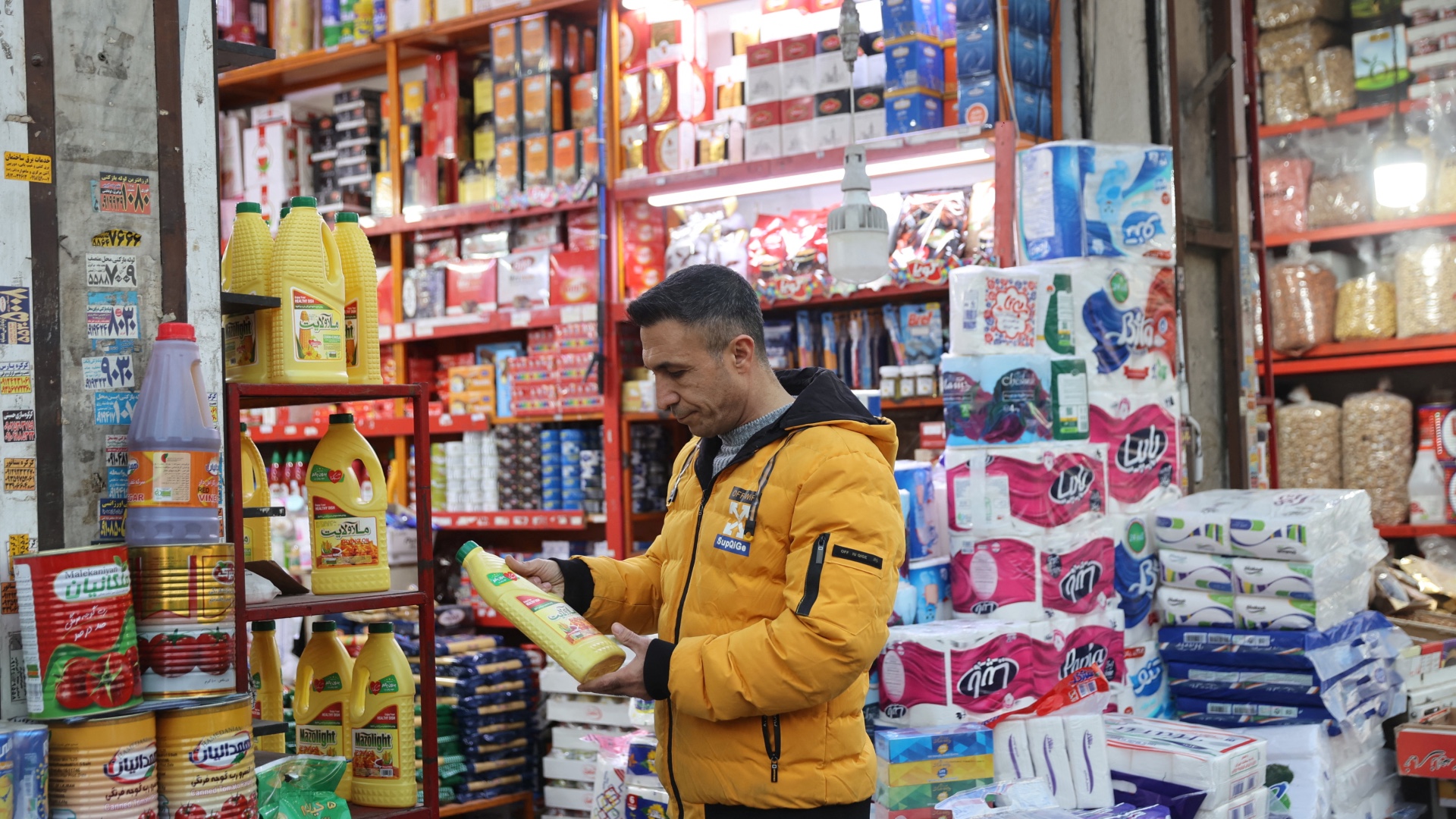
    In a stark declaration of foreign policy, US Treasury Secretary Scott Bessent outlined the Trump administration’s uncompromising stance towards Iran in a March 2025 address to the New York Economic Club. The stated objective, encapsulated in the phrase ‘Making Iran Broke Again,’ represents a significant escalation beyond the strategies of both previous and successive administrations, including Democrat Joe Biden’s.

    This aggressive sanctions regime, described by former US State Department sanctions official Richard Nephew as a tool to extract ‘nuclear concessions, regional proxy concessions, and missile concessions,’ has fundamentally reshaped Iran’s economic landscape. Data reveals a devastating impact: Iran’s GDP per capita plummeted from $8,000 to $5,000 between 2012 and 2024, with the economy contracting by approximately 6-7% annually following the 2018 reimposition of sanctions after the US withdrawal from the JCPOA nuclear deal.

    The human cost is profound. Sina Azodi, an assistant professor at George Washington University, detailed the consequences: ‘Unemployment has gone up. Inflation has gone up. The price of medical treatment, especially for cancer, has gone up.’ The recent collapse of a local bank and the Iranian rial hitting a historic low of 1.5 million to the US dollar have further fueled mass protests and economic instability.

    Despite this economic devastation, analysts question the efficacy of sanctions in achieving geopolitical objectives. Experts point out that Iran’s nuclear program, which officials claim is for civilian purposes but is also framed as a deterrent against Israeli attacks, has continued to advance. The policy has instead strengthened the regime’s ‘resistance economy’—a model of socialist-style basic needs provision, import substitution, and barter trade with allied nations.

    Critically, analysts argue that sanctions have had the opposite of their intended effect. Azodi states, ‘Economic sanctions make authoritarian regimes more authoritarian,’ explaining that regimes under pressure allocate more resources to security forces, viewing citizens as threats rather than assets. Furthermore, with the 2025 designation list targeting sanctions evasion networks surpassing all previous years, the cycle of economic isolation deepens. The Central Bank prints money to finance a budget crippled by a more than 60% drop in oil exports, leading to hyperinflation and a vicious cycle of currency devaluation.

    The long-term outcome remains uncertain. While the Trump administration’s goal is to force behavioral change, the decades-long application of sanctions has failed to alter Iran’s nuclear policy, regional activities, or human rights record. Instead, it has inflicted immense hardship on the Iranian populace, with experts like Nephew acknowledging that sanctions are fundamentally ‘a question of applying pain,’ though their ultimate success in achieving strategic goals is far from guaranteed.

  • South East Queensland construction firm Open Projects Group collapses into liquidation

    South East Queensland construction firm Open Projects Group collapses into liquidation

    In a dramatic turn of events, Open Projects Group (OPG), Southeast Queensland’s premier shop-fitting and construction specialist, has been abruptly forced into liquidation this week. The collapse leaves approximately 75 employees facing immediate job loss and financial uncertainty despite the company’s prestigious industry standing and extensive project portfolio.

    The Ashmore-based firm, recognized for its award-winning apprenticeship programs and comprehensive commercial fit-out services, ceased operations following creditor-appointed liquidation proceedings. Robson Cotter Insolvency Group has assumed control of the business closure process and will manage outstanding employee entitlements.

    Managing Director Kane McCarthy conveyed the devastating news to staff via email, expressing profound regret over the company’s demise. ‘I’m deeply sorry that this is how things have ended,’ McCarthy stated. ‘This outcome is not a reflection of your work or commitment, and I regret the impact this situation has had on you and your families.’

    Established in 2008, OPG evolved from a local startup into a major regional contractor, handling prestigious projects including Dreamworld’s Jane’s Rivertown Restaurant, La Luna Beach Club at Main Beach, Gold Coast Turf Club redevelopment, and numerous high-profile hospitality venues across Queensland and northern New South Wales.

    The company distinguished itself through vertically integrated operations, maintaining in-house capabilities for joinery, stainless steel fabrication, and furniture production within its purpose-built factory. McCarthy confirmed that all employee wages had been settled through Wednesday’s payroll processing, though outstanding entitlements remain subject to liquidation proceedings.

    Employees have been advised they may access the government’s Fair Entitlements Guarantee scheme for unrecovered payments. The liquidation marks a significant blow to Queensland’s construction sector, particularly affecting specialized commercial fit-out expertise in the region.

  • England look to fine tune for T20 World Cup with Sri Lanka series

    England look to fine tune for T20 World Cup with Sri Lanka series

    As the T20 World Cup approaches, England’s cricket team enters its final preparatory phase with a three-match series against Sri Lanka at Pallekele Stadium. The reigning number three ranked T20I team has demonstrated remarkable consistency since their disappointing semifinal elimination in the previous Caribbean World Cup, achieving four series victories, two draws, and only one loss in the shortest format.

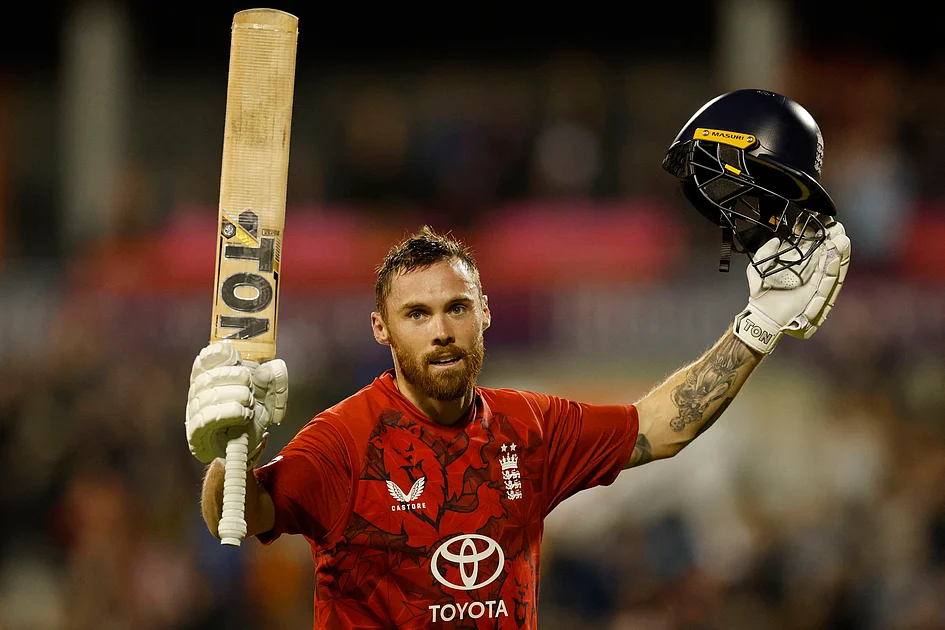
    The series represents England’s last opportunity for strategic refinement before the global tournament co-hosted by Sri Lanka and India. According to opening batsman Phil Salt, ranked second globally in T20 rankings, maintaining momentum remains crucial. “We have a strong record over recent years and must carry that energy into the World Cup,” Salt emphasized. “Securing a series victory abroad always carries significant value.”

    Salt’s explosive batting performance—maintaining a 168 strike rate with four centuries and seven half-centuries—exemplifies England’s offensive power. However, the team’s depth represents their greatest advantage. “Our middle order features versatile, high-strike-rate players capable of dramatically shifting games,” Salt noted, specifically referencing Harry Brook’s recent unbeaten 136 in the Colombo ODI.

    England has simultaneously strengthened their spin bowling arsenal, utilizing six different spin options during the ODI series where spin accounted for 40 of 50 overs. This strategic diversity proves particularly valuable given the World Cup’s Mumbai and Kolkata venues, where pitch conditions traditionally favor spin bowling.

    Sri Lanka counters with strategic recalls of opener Kusal Perera—previously excluded from World Cup plans—and fast bowler Dushmantha Chameera. Captain Dasun Shanaka confirmed Perera’s flexibility in the top batting order and wicketkeeping coverage, while addressing concerns about leg-spinner Wanindu Hasaranga’s hamstring issue as “mere cramps.” Shanaka emphasized Chameera’s pace and precision as disruptive factors against England’s powerful batting lineup.

  • Sheikh Mohamed, Putin review UAE-Russia ties, discuss key economic agreements in Moscow

    Sheikh Mohamed, Putin review UAE-Russia ties, discuss key economic agreements in Moscow

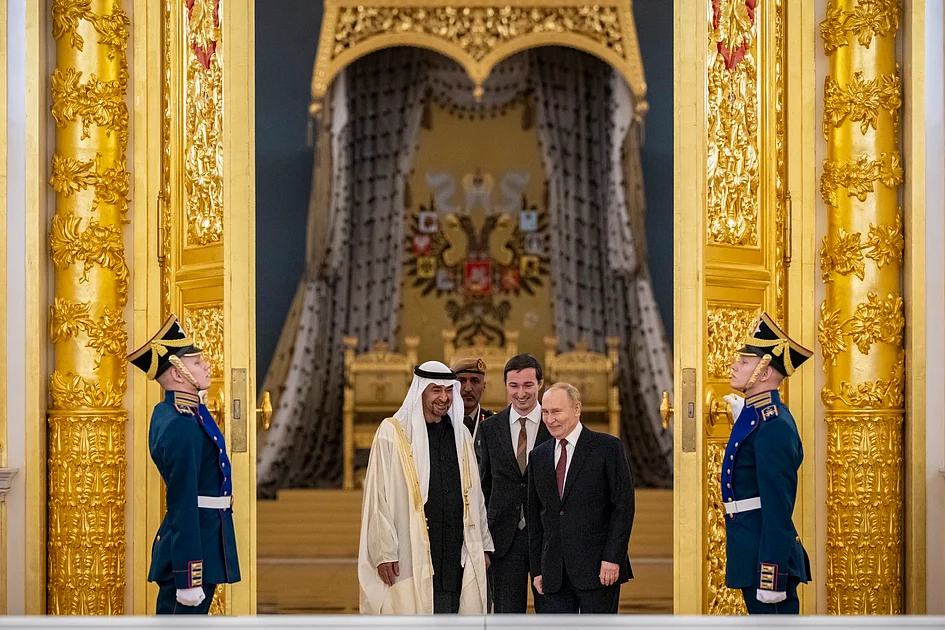
    In a significant diplomatic engagement at the Kremlin on January 29, 2026, UAE President Sheikh Mohamed bin Zayed Al Nahyan and Russian President Vladimir Putin convened to strengthen bilateral relations and explore new cooperative frontiers. The high-level discussions centered on enhancing the strategic partnership between the two nations across multiple sectors including trade, investment, technology, space exploration, and energy security.

    The meeting, marked by formal ceremonies including an honor guard reception and military jet escort departure, underscored the importance both nations place on their relationship. President Sheikh Mohamed expressed optimism that 2026 would mark a year of substantial progress for Russia and continued advancement in UAE-Russia relations, noting the foundation of trust built over five decades of cooperation.

    A key outcome of the summit was the highlighting of two major economic agreements: the UAE-Russia Trade in Services and Investment Agreement (August 2025) and the UAE-Eurasian Economic Union Economic Partnership Agreement (June 2025). These frameworks are expected to significantly boost bilateral trade flows and investment opportunities while supporting sustainable development goals.

    The leaders also addressed critical regional and international issues, particularly emphasizing the urgent need for peace in the Middle East through a two-state solution. President Sheikh Mohamed reaffirmed the UAE’s commitment to global peace and stability through dialogue and diplomatic solutions.

    Notably, President Putin expressed appreciation for the UAE’s mediation efforts in the Russia-Ukraine conflict, specifically acknowledging successful prisoner exchanges facilitated by Emirati diplomacy. The Russian leader thanked the UAE for hosting trilateral talks involving Russia, Ukraine, and the United States, highlighting the Emirates’ growing role as an international peace broker.

    The delegation included senior UAE officials including Sheikh Hamed bin Zayed Al Nahyan, Managing Director of the Abu Dhabi Investment Authority, and Sheikh Hamdan bin Mohamed bin Zayed Al Nahyan, Deputy Chairman of the Presidential Court for Special Affairs, signaling the comprehensive nature of the bilateral engagement.

  • UN criticizes Haiti for lack of progress on a political transition

    UN criticizes Haiti for lack of progress on a political transition

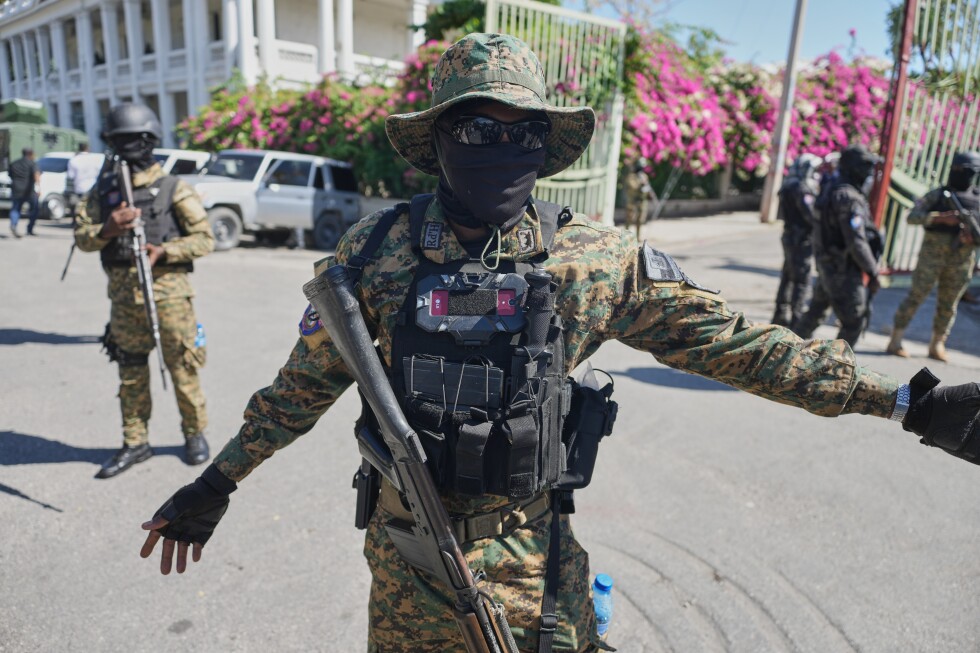
    The United Nations Security Council has unanimously approved a resolution extending its political mission in Haiti through January 2027 while issuing strong criticism of the country’s leadership for failing to advance political transition processes. The council’s decision comes as Haiti experiences unprecedented levels of gang violence that now dominates 90% of the capital city Port-au-Prince and continues spreading into rural areas.

    In the strongly-worded resolution co-sponsored by the United States and Panama, Security Council members condemned in the strongest terms the dramatic surge in criminal activities, citing extensive human rights violations including systematic sexual violence against all demographics, human trafficking, migrant smuggling, child abductions, and targeted killings by armed groups. The violence has escalated significantly since the 2021 assassination of President Jovenel Moïse, which created a power vacuum that criminal organizations have exploited.

    The extended UN mission, known as BINUH, will now refocus its mandate toward facilitating national dialogue and supporting electoral processes for municipal, parliamentary, and presidential elections. Additionally, the mission will collaborate with the newly authorized international security force to develop comprehensive programs for disarming and reintegrating former gang members, with particular attention to children recruited by armed groups.

    Haiti’s current transitional governance structure, established in April 2024 with Caribbean leadership support after gangs forced closure of the main international airport and critical infrastructure, has struggled to maintain stability. The council has overseen three different prime ministers despite its original mandate to dissolve by February 2025. Recent warnings from the United States against governmental changes highlight international concerns about the unelected body’s ability to transition toward democratic elections for the first time in ten years.

    The resolution emphasizes urgent security sector reform requirements and calls for enhanced coordination between the political mission and the planned 5,500-member international security force authorized in September, which remains without a definitive deployment timeline despite being hailed as offering ‘hope’ for the crisis-stricken nation.

  • No white flag from Djokovic against Sinner as Alcaraz faces Zverev threat

    No white flag from Djokovic against Sinner as Alcaraz faces Zverev threat

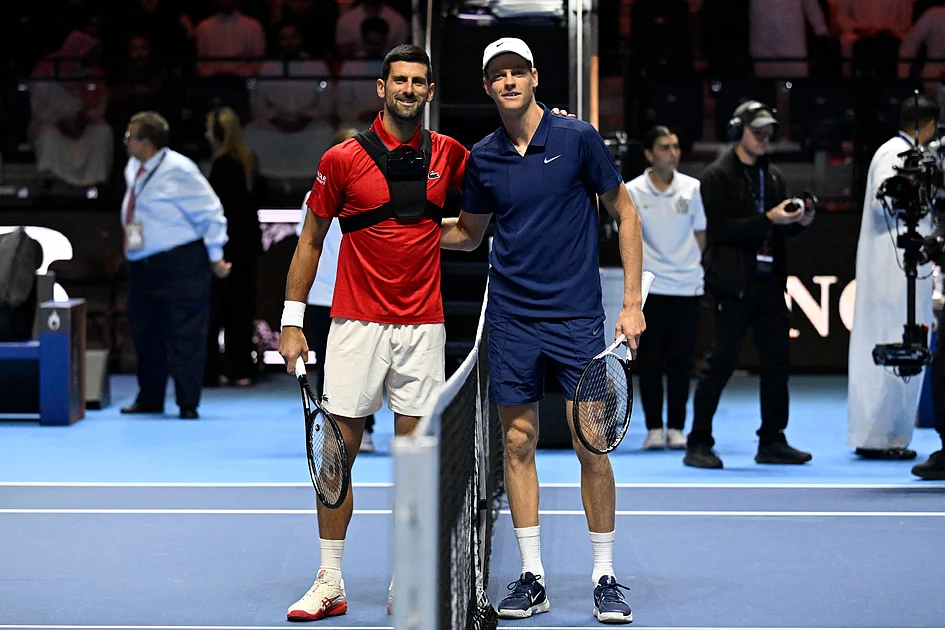
    Novak Djokovic approaches his Australian Open semifinal confrontation with Jannik Sinner carrying the psychological burden of five consecutive defeats to the Italian phenom. The 38-year-old Serbian legend, pursuing an unprecedented 25th Grand Slam title, acknowledges Sinner’s current dominance but remains defiantly opposed to surrender.

    Djokovic’s path to this critical juncture has been unusually facilitated by opponent withdrawals. Lorenzo Musetti retired during their quarterfinal clash while leading, following Jakub Mensik’s pre-match withdrawal in the fourth round. This fortuitous progression sets the stage for Friday’s blockbuster confrontation on Rod Laver Arena, where Djokovic must overcome his recent struggles against the double defending champion.

    The winner will advance to face either Spanish top seed Carlos Alcaraz or German third seed Alexander Zverev in the championship match. Djokovic, competing in his record-extending 55th Grand Slam semifinal, recognizes the superior form of his younger rivals but maintains his competitive fire. “Are they better right now than me and all the other guys? Yes, they are,” Djokovic conceded. “But does that mean that I walk out with a white flag? No.”

    Meanwhile, the second semifinal presents equally compelling narratives. Alcaraz seeks to become the youngest man to complete a career Grand Slam at just 22 years old, while Zverev continues his pursuit of an elusive first major title. The German arrives pain-free after injury-plagued seasons and has developed a more aggressive playing style. Alcaraz, acknowledging Zverev’s elevated form observed during pre-tournament practice sessions, anticipates a physically demanding contest, warning his opponent would need to “sweat a lot” for victory.

    Sinner, despite his favored status, expressed profound respect for Djokovic’s professionalism and legacy. The 24-year-old Italian described the Serbian as an inspirational figure from whom younger players continuously learn, particularly regarding court management and experience utilization.

  • Svitolina keeps sadness at bay after Sabalenka semifinal defeat

    Svitolina keeps sadness at bay after Sabalenka semifinal defeat

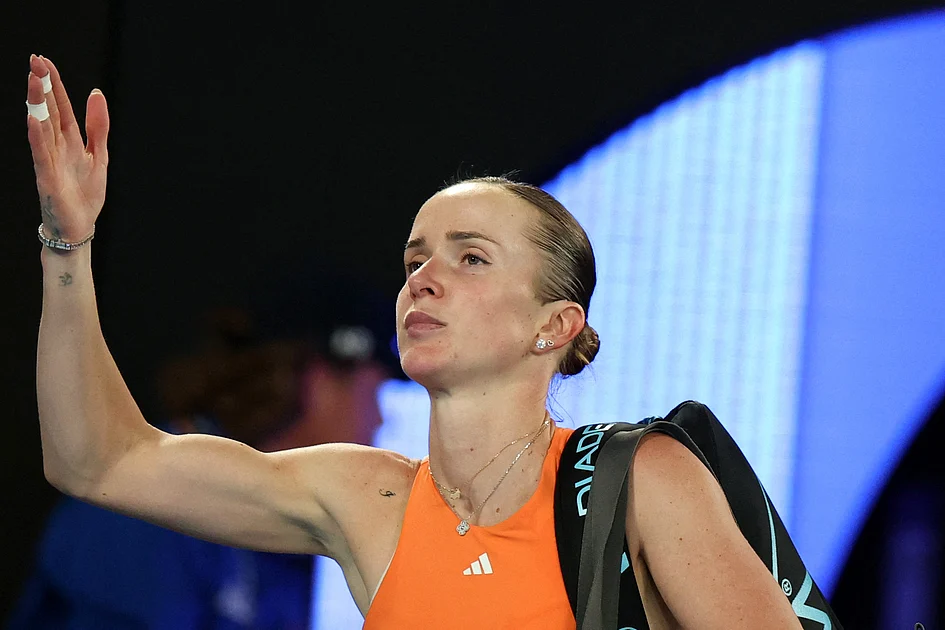
    In a poignant display of perspective and resilience, Ukrainian tennis star Elina Svitolina processed her Australian Open semifinal defeat to Aryna Sabalenka with thoughts firmly fixed on her war-torn homeland. The match, which concluded 6-2, 6-3 in favor of the top-seeded Belarusian, marked Svitolina’s first semifinal appearance at Melbourne Park, yet her post-match reflections transcended the court’s boundaries.

    The geopolitical context loomed large over the contest, occurring against the backdrop of ongoing conflict in Ukraine. Since Russia’s 2022 invasion, which utilized Belarusian territory as a staging ground, players from both nations have been prohibited from representing their countries at Grand Slam events and tour competitions.

    Addressing media without directly referencing her opponent, the 31-year-old Svitolina expressed profound disappointment at missing her opportunity to reach a maiden Grand Slam final. However, she immediately contextualized her athletic setback within broader human suffering. ‘I feel like I should not be allowed to really be sad. I have a great position,’ Svitolina told reporters, emphasizing her privilege to compete on center court while representing Ukraine with dignity.

    Svitolina described the emotional exchange with Ukrainian supporters as ‘a big exchange of positive emotions,’ noting how her matches provide temporary respite for citizens enduring ‘horrible and terrifying’ circumstances. She consciously rejected self-pity, stating, ‘I cannot complain… people are really living a horrible and terrifying life in Ukraine, so I should not be allowed to really be sad because I’m a very, very lucky person.’

    Technically, Svitolina acknowledged Sabalenka’s superior power that resulted in four service breaks against her, while she managed just one break point conversion from four opportunities. Despite the straight-sets defeat, the Ukrainian believed she demonstrated competitive quality against the world’s top-ranked player throughout the tournament.

    Svitolina emphasized sport’s unifying role in national morale, describing how athletic achievements cut through the ‘dark days, grey days with so much negativity’ that characterize daily life in Ukraine. She expressed pride in providing moments of joy and unity for her compatriots, recognizing sports’ capacity to generate ‘great emotions’ during times of profound adversity.