作者: admin

  • UAE’s du to invest in Singapore-India-Gulf subsea cable system for high data connectivity

    UAE’s du to invest in Singapore-India-Gulf subsea cable system for high data connectivity

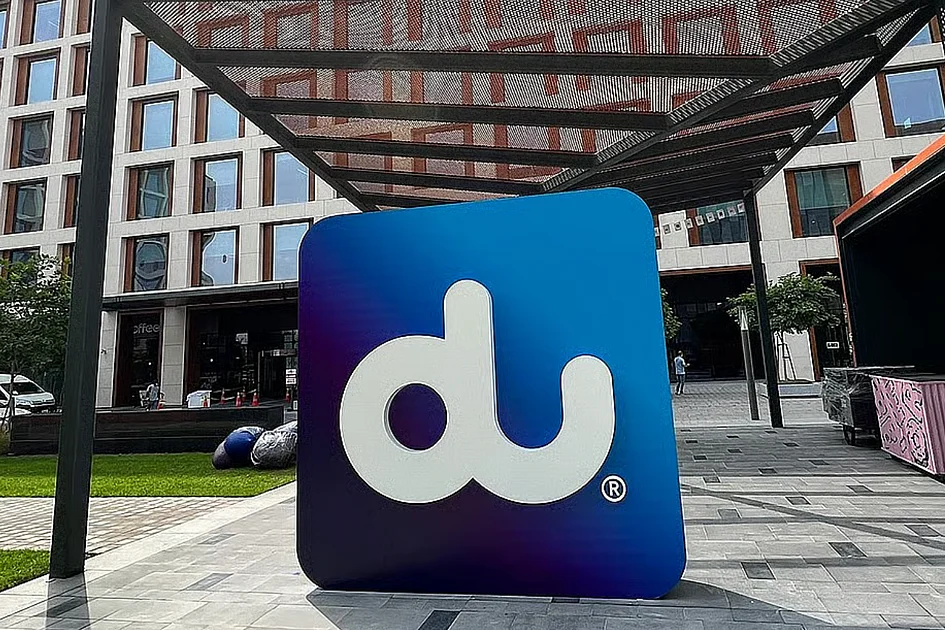
    In a significant move to bolster digital infrastructure, UAE telecommunications provider du has entered a strategic partnership with Cyprus-based subsea infrastructure specialist Datawave Networks Limited. The collaboration centers on investment in and the landing of the Singapore-India-Gulf (SING) submarine cable system within the UAE.

    The next-generation SING cable is a major fiber optic network designed to interconnect six pivotal locations across the region: Kalba, UAE; Muscat, Oman; Mumbai, India; Chennai, India; Kedah, Malaysia; and Singapore. This infrastructure is engineered to provide ultra-high-capacity and exceptionally low-latency connectivity, creating a robust digital bridge linking the Middle East, South Asia, and Southeast Asia.

    A primary strategic objective of this project is to diversify international data pathways. By establishing a UAE landing point, the initiative will markedly reduce reliance on traditional and potentially vulnerable routes, such as those transiting the Red Sea corridor. This enhancement in route diversity is critical for strengthening global network resilience and ensuring uninterrupted data flow.

    The investment is a direct response to the UAE’s rapid emergence as a global hub for artificial intelligence (AI) innovation, advanced computing, and cloud expansion. This growth has triggered an exponential surge in demand for international bandwidth and premium low-latency connectivity. The SING cable’s flexible architecture is specifically tailored to allow hyperscalers, cloud providers, and major enterprises to scale their capacity efficiently, thereby supporting the accelerating adoption of AI and digital technologies across the UAE, the broader Gulf region, India, and Southeast Asia.

  • Ireland grinds out a shaky Six Nations win over Italy in second half fightback

    Ireland grinds out a shaky Six Nations win over Italy in second half fightback

    Dublin witnessed a tense Six Nations encounter on Saturday as Ireland narrowly overcame a determined Italian side 20-13 in a match that revealed significant concerns for the home team’s championship aspirations. Despite entering the game under pressure following their record 36-14 defeat to France—their worst Six Nations loss in 16 years—Andy Farrell’s squad delivered another underwhelming performance that failed to silence mounting doubts about their form.

    The match unfolded as a tale of two contrasting halves, with Italy making history by securing their first-ever halftime lead in Dublin. The visitors demonstrated remarkable progress from their traditional tournament underdog status, building on their opening victory against Scotland with courageous, inventive rugby that frequently exposed Irish vulnerabilities.

    Italy’s performance deserved greater reward, with two potential tries denied—one through a forward pass ruling and another lost to an unfortunate bounce. Their scrum dominance proved particularly alarming for Ireland, with prop Simone Ferrari consistently overpowering opposite number Jeremy Loughman and even managing to lift British and Irish Lions star Tadhg Furlong off his feet.

    Ireland’s response came through replacement playmakers Jamison Gibson-Park and Jack Crowley, whose second-half introduction provided crucial impetus. Winger Robert Baloucoune marked his first test appearance in over three years with a decisive try, while Crowley contributed vital points through conversions and penalties.

    The dramatic conclusion saw Ireland’s James Lowe intercepting Italy’s final attack beyond the 80-minute mark, yet instead of securing an easy penalty to deny Italy a losing bonus point, Ireland controversially pursued a fourth try only to kick the ball dead and end the match.

    The result sets up concerning prospects for Ireland’s upcoming clash against England at Twickenham, while Italy travels to face tournament favorites France with reinforced credibility and confidence.

  • Planned US-funded baby vaccine trial in Guinea-Bissau blasted by WHO

    Planned US-funded baby vaccine trial in Guinea-Bissau blasted by WHO

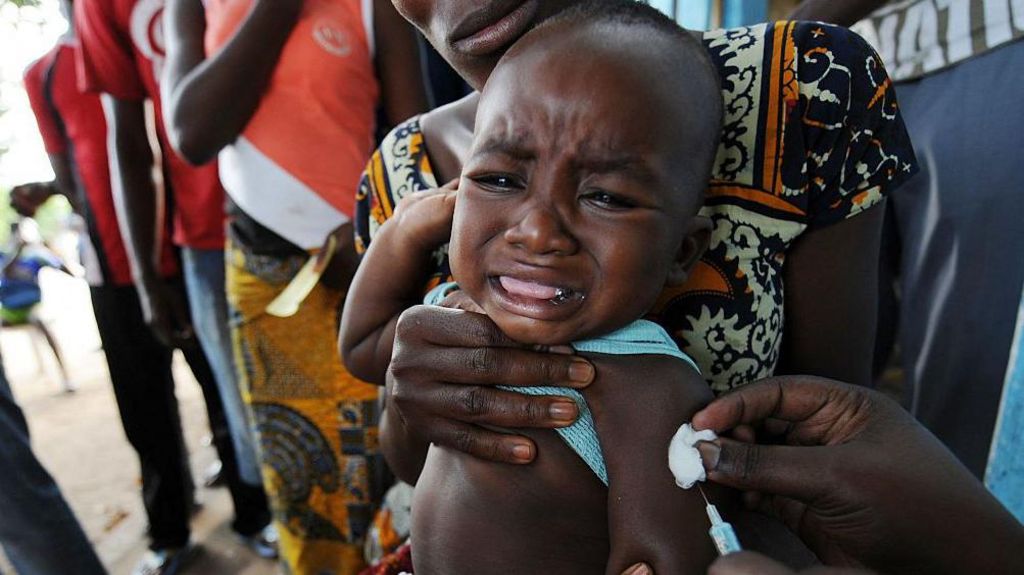
    The World Health Organization has issued a strong condemnation of a controversial hepatitis B vaccine study in Guinea-Bissau that was abruptly halted following public outcry. The $1.6 million trial, funded by the US Centers for Disease Control and Prevention and led by Danish researchers, proposed to delay vaccination for approximately 14,000 newborns until six weeks of age rather than administering the standard birth-dose vaccine.

    WHO officials expressed ‘significant concerns’ regarding the study’s scientific justification and ethical safeguards, describing the proposed methodology as fundamentally unethical. The organization emphasized that the hepatitis B vaccine has demonstrated effectiveness over three decades of use across 115 countries, with birth-dose administration preventing mother-to-child transmission in 70-95% of cases.

    The controversial study gained particular attention due to its connection with US Health Secretary Robert F. Kennedy Jr., who has repeatedly questioned vaccine efficacy despite claiming personal vaccination adherence. Kennedy had previously replaced all members of the Advisory Committee on Immunization Practices with vaccine-critical appointees, who subsequently voted to stop recommending universal hepatitis B vaccination for American newborns.

    Guinean authorities suspended the trial following substantial domestic opposition, including from former health minister Magda Robalo who declared ‘Guinea-Bissauans are not guinea pigs.’ The West African nation suffers from exceptionally high hepatitis B prevalence, with WHO estimates indicating over 12% of adults carry chronic infection and some studies suggesting rates as high as 20%.

    The WHO maintains that birth-dose vaccination represents an essential public health intervention that prevents potentially irreversible harm. The organization argues that placebo-controlled trials are only ethically acceptable when no proven treatment exists, which is not the case for hepatitis B prevention. Guinea-Bissau currently administers the vaccine at six weeks but plans nationwide birth-dose implementation by 2028, a transition the WHO has pledged to accelerate.

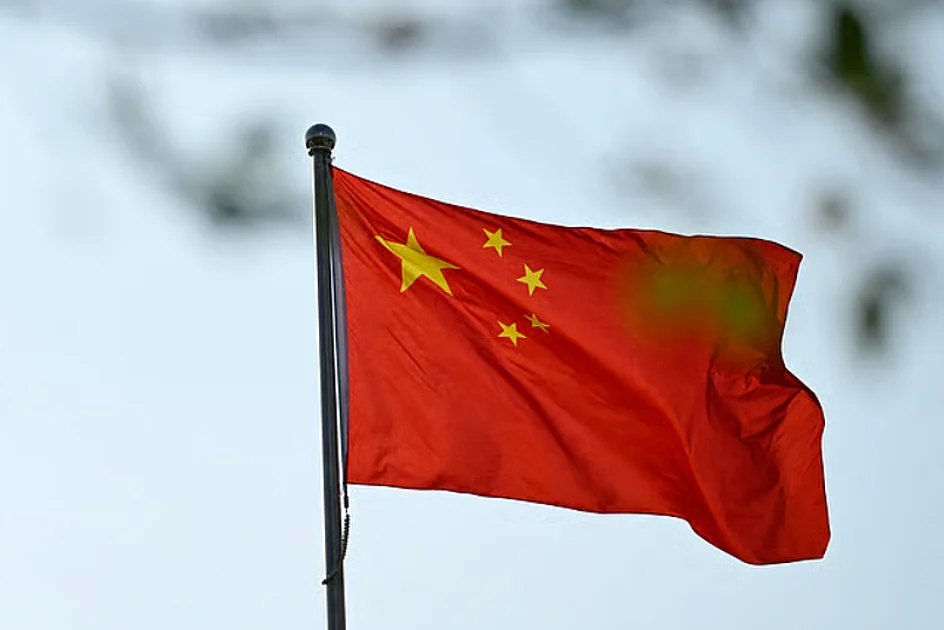
  • China to implement zero tariffs on imports from 53 African countries

    China to implement zero tariffs on imports from 53 African countries

    In a significant move to strengthen economic ties with Africa, China will eliminate import tariffs for all 53 African nations with which it maintains diplomatic relations, effective May 1, 2026. The announcement, reported by state media on Saturday, represents one of the most comprehensive trade liberalization initiatives between China and the African continent.

    The tariff elimination initiative will be complemented by enhanced market access mechanisms designed to facilitate African exports to Chinese markets. Among these measures is an upgraded ‘green channel’ system that will streamline customs procedures and reduce administrative barriers for African goods entering China.

    Additionally, Chinese authorities revealed plans to accelerate negotiations for bilateral economic partnership agreements with African trading partners. This dual approach of tariff removal and institutional facilitation signals China’s commitment to rebalancing trade relations with Africa while promoting South-South cooperation at an unprecedented scale.

    The policy announcement comes as China continues to expand its economic engagement with African nations through various channels including infrastructure development, investment programs, and technological cooperation. This latest initiative aligns with broader efforts to strengthen the Forum on China-Africa Cooperation (FOCAC) framework established over two decades ago.

    Market analysts suggest the zero-tariff policy could significantly boost African exports of agricultural products, minerals, and manufactured goods to the world’s second-largest economy, potentially reshaping trade dynamics between China and the African continent.

  • Spring Festival joy takes over Hainan

    Spring Festival joy takes over Hainan

    Hainan Province has transformed into a spectacular showcase of cultural jubilation as Spring Festival celebrations engulf the tropical island in a wave of traditional merriment. The Chinese New Year period has ignited an atmosphere of collective excitement across Hainan, with every region demonstrating unique festive expressions that highlight both ancient customs and contemporary celebrations.

    The island’s public spaces and communities have become living canvases of cultural display, where residents and visitors alike immerse themselves in the rich tapestry of Lunar New Year traditions. From vibrant street decorations to community gatherings, Hainan radiates with the distinctive energy that characterizes China’s most significant annual festival.

    This year’s celebrations carry particular significance as they represent the first major festive period following recent tourism infrastructure developments across the province. The festivities not only honor traditional Chinese cultural heritage but also demonstrate Hainan’s growing prominence as a premier destination for experiencing authentic Chinese celebrations amidst its tropical landscape.

    The provincial government has coordinated numerous public events and cultural exhibitions that showcase the diversity of Spring Festival traditions while incorporating Hainan’s distinctive local characteristics. These celebrations have fostered a strong sense of community optimism and shared hope for prosperity in the coming lunar year, reflecting the universal themes of renewal and family unity that define the Spring Festival experience across China.

  • Pakistan’s imprisoned ex-PM Khan to get medical treatment after reported partial vision loss

    Pakistan’s imprisoned ex-PM Khan to get medical treatment after reported partial vision loss

    Pakistan’s incarcerated former Prime Minister Imran Khan is scheduled to undergo specialized medical treatment for a deteriorating eye condition, according to an announcement by Information Minister Attaullah Tarar on Saturday. The development follows a Supreme Court directive mandating comprehensive medical evaluation amid mounting concerns about the political leader’s vision impairment.

    Medical authorities will conduct thorough examinations utilizing leading ophthalmology specialists, continuing treatment protocols initiated in late January when Khan first reported significant vision loss. While the specific medical facility and treatment timeline remain undisclosed, Tarar emphasized that a detailed report would be submitted to the Supreme Court and cautioned against politicizing the health matter.

    The situation gained judicial attention earlier this week when Khan’s legal representative, Salman Safdar, informed the court that the former premier had lost approximately 85% vision in his right eye. The court subsequently ordered authorities to arrange professional medical assessment by a physician panel and facilitate telephone communication between Khan and his sons before February 16.

    Khan’s Pakistan Tehreek-e-Insaf (PTI) party supporters have organized demonstrations across Islamabad and other urban centers, demanding his transfer from prison to a specialized hospital facility. Party legislators and allied representatives have concurrently initiated a parliamentary sit-in protest.

    The Khan family has expressed strong objections to the government’s handling of the medical arrangements, noting they were not consulted prior to treatment decisions. They have formally requested the presence of family members and Khan’s personal physicians during any medical procedures. Khan’s sister, Aleema Khan, confirmed the successful telephone conversation between Khan and his sons, describing the 20-minute exchange as emotionally significant after prolonged separation.

    The 73-year-old former cricket icon turned political leader has been imprisoned since 2023 following corruption convictions. His removal from office via parliamentary no-confidence vote in April 2022 precipitated ongoing political tensions, with Khan alleging his ouster resulted from a US-backed conspiracy involving political rivals and former military leadership—claims consistently denied by Washington and Pakistani authorities.

    Despite legal challenges, Khan maintains substantial political influence and popular support. His PTI party demonstrated strong electoral performance in the February 2024 parliamentary elections, though failing to secure majority control, while alleging widespread voting irregularities disputed by the current administration.

  • UAE residents turn living rooms into mini stadiums for India-Pakistan match on Feb 15

    UAE residents turn living rooms into mini stadiums for India-Pakistan match on Feb 15

    Across the United Arab Emirates, residents are converting their homes into vibrant cricket viewing venues ahead of Sunday’s highly anticipated T20 World Cup clash between arch-rivals India and Pakistan in Colombo. While some dedicated fans have traveled to Sri Lanka for the live event, countless others are preparing their living spaces for communal screenings that capture the electric atmosphere of stadium viewing.

    In Dubai and Sharjah particularly, households are undergoing elaborate transformations with large-screen installations, decorative arrangements, and culinary preparations. The event has transcended ordinary cricket viewing, evolving into a significant social occasion that brings together diverse communities. Invitations have circulated days in advance, grocery lists have been meticulously planned, and technical equipment is being rigorously tested to ensure flawless viewing experiences.

    Anis Sajan, founder of Mr Cricket UAE, has established a tradition of hosting these screenings during major tournaments. “Cricket remains a gentleman’s game that builds bridges rather than walls,” Sajan remarked. “The India-Pakistan encounter represents more than mere competition—it embodies deep emotion. We’re recreating the stadium experience with DJ entertainment, traditional dhol drummers, and spirited fan engagement.”

    The gatherings feature potluck-style dinners where participants contribute national dishes ranging from biryanis and kebabs to various snacks and desserts. Nadeem Ahmed, a Pakistani expatriate in Arabian Ranches, described his preparations: “We’ve converted our lawn into a mini-stadium with large screens and arranged seating tables. A barbecue station will operate throughout the evening, and we’ve created separate areas for children to enjoy themselves while learning about cricket’s cultural significance.”

    Parents emphasize the educational value for children growing up in the UAE’s multicultural environment. Youngsters witness both the competitive rivalry on screen and the respectful camaraderie among adults from both nations. Despite the geographical distance from Colombo, the excitement within UAE homes promises to match stadium intensity, with enthusiastic cheers for wickets and good-natured banter following boundary shots.

    For the UAE’s diverse population, this cricketing event symbolizes how athletic competition can foster cross-cultural friendship and mutual respect, reflecting the tolerance that defines Emirati society.

  • Pakistan captain Agha says it is up to India to decide whether to shake hands before World Cup clash

    Pakistan captain Agha says it is up to India to decide whether to shake hands before World Cup clash

    COLOMBO, Sri Lanka — As cricket rivals India and Pakistan prepare for their highly anticipated T20 World Cup encounter on Sunday, the pre-match focus has shifted from sporting prowess to diplomatic tensions and symbolic gestures. Pakistan captain Salman Ali Agha has placed the decision about pre-match handshakes squarely with the Indian team, highlighting the strained relations that have transformed this cricketing rivalry into a geopolitical spectacle.

    The upcoming match marks the first meeting between the teams since last year’s contentious Asia Cup tournament in the United Arab Emirates, where on-field animosities reached boiling point. The tournament witnessed Indian captain Suryakumar Yadav refusing handshakes with Pakistani players, followed by multiple disciplinary actions against players from both sides for breaching the International Cricket Council’s code of conduct.

    This encounter nearly didn’t materialize after Pakistan’s government threatened a boycott following the ICC’s exclusion of Bangladesh from the World Cup over security concerns regarding matches in India. Only through intensive negotiations with cricket’s governing body was the fixture preserved—a crucial revenue generator for international cricket.

    The historical context adds layers to the confrontation: India hasn’t toured Pakistan since 2008, while Pakistan’s last visit to India was for the 2023 ODI World Cup. All recent encounters have occurred at neutral venues under ICC tournaments, with India dominating the head-to-head record with 12 victories in 16 T20 matches and a commanding 6-1 record in T20 World Cup meetings.

    Both captains attempted to deflect attention from past controversies during pre-match press conferences. Agha emphasized learning from history rather than being bound by it, while Yadav dismissed questions about handshake protocols, stating his team’s focus remains solely on cricket performance.

    Additional subplots include scrutiny over Pakistani spinner Usman Tariq’s bowling action and concerns about Indian opener Abhishek Sharma’s recovery from a stomach infection that caused him to miss the Namibia match.

    Despite the political undertones, both teams recognize the match represents an opportunity to create new narratives beyond diplomatic tensions and historical records in what remains cricket’s most politically charged rivalry.

  • Investarise Global hosts high-profile Business & Investment Summit at Taj Exotica, Palm Jumeirah

    Investarise Global hosts high-profile Business & Investment Summit at Taj Exotica, Palm Jumeirah

    Dubai’s Taj Exotica Resort & Spa on Palm Jumeirah served as the prestigious backdrop for Investarise Global’s landmark Business & Investment Summit on February 14, 2026. The high-level gathering brought together an influential assembly of international investors, pioneering entrepreneurs, government policymakers, and established business leaders to advance critical discussions on global capital deployment and innovative cross-border partnerships.

    The event gained significant stature with the presence of Shaikha Moaza Obaid Suhail Al Maktoum as guest of honor, highlighting the crucial role of public-private cooperation in driving regional economic advancement. The summit also welcomed Sultan Ali Rasheed Lootah, a prominent UAE business figure renowned for his substantial contributions to enterprise development and economic diversification.

    Under the strategic direction of Investarise Global’s leadership team—including Founder and CEO Kishan Kumar Verma, Global Strategy Lead Sanjay Bhambri, Intergovernmental Relations Co-Founder Farid Ahmed, and Event Director Habib Ahmed—the summit successfully created a dynamic platform for meaningful dialogue and connection.

    Key participants included Jeet Wagh, Sandesh Sharda, Mudit Kumar, and Ashwin Kumar representing Ideabaaz, alongside Saeed Hamad Al Hamli of NQUBATOR. The diverse attendance spanned global investors, startup founders, and senior executives from the UAE, India, and international markets, creating a truly global networking environment.

    The summit benefited from extensive cross-sector support with strategic partnerships from Ideabaaz, ARBA, NoWorryTrip, Extrovert Events, Lootah Group, Nuqoosh, Realm Investment, VMC, Sicurezza, Artha, NQUBATOR, GMA, Infispark, and Marwari Catalyst.

    Central to the discussions were strategies for enhancing the global startup and SME ecosystem through improved investment accessibility, strategic alliance formation, and effective international market entry approaches. Industry leaders exchanged practical insights on innovation acceleration, capital flow optimization, and developing resilient international business relationships.

    This successful convening represents a significant achievement in Investarise Global’s mission to bridge entrepreneurial communities with global opportunities while positioning the UAE as a strategic hub for sustainable international business growth and innovation-driven economic development.

  • Late goal in a loss to Sweden may get Slovakia into the quarterfinals at the Olympics

    Late goal in a loss to Sweden may get Slovakia into the quarterfinals at the Olympics

    In a stunning turn of events at the Milan Winter Olympics, Slovakia secured advancement to the quarterfinals in men’s hockey despite suffering a 5-3 defeat against Sweden in Saturday’s preliminary round finale. The crucial moment came when Dalibor Dvorsky of the St. Louis Blues scored with just 39 seconds remaining, creating a tiebreaker scenario that ultimately favored Slovakia.

    The complex advancement mathematics hinged on Slovakia’s superior goal differential among three tied teams in Group B, contingent upon Finland’s expected victory over host Italy later that day. This unusual circumstance prompted Slovakia’s Juraj Slafkovsky, the reigning Olympic MVP who shares the tournament scoring lead with Canada’s Connor McDavid at six points each, to describe the outcome as “probably the best loss I ever had.”

    Dvorsky, who netted the critical power-play goal following a penalty against Sweden’s Lucas Raymond, echoed this sentiment, calling it “the best loss of my life.” The forward revealed their late-game strategy was straightforward: “We all know what we need to do on the ice. There was not too much tactics, right? At this point of the game, just try to get pucks to the net.”

    Meanwhile, Sweden faced disappointment despite their on-ice victory, having performed significantly better than in their previous 4-1 loss to archrival Finland. Coach Sam Hallam’s decision to pull goaltender Jacob Markstrom while leading by two goals in the final seconds—aiming for additional tiebreaker advantages—backfired as Sweden failed to score again. Alternate captain Victor Hedman called the outcome a “tough pill to swallow” but vowed the team would “regroup and be ready for our next challenge.”

    In other Olympic hockey action, Latvia delivered an upset victory over Germany with a 4-3 win, thanks to goals from Eduards Tralmaks and Renars Krastenbergs just over three minutes apart. Zemgus Girgensons of the Buffalo Sabres, one of ten NHL players on Latvia’s roster, expressed confidence in his team’s capabilities: “We’re a good team. We believed it. We came in today thinking we’re going to win.” Germany now faces a critical match against the United States on Sunday night.