作者: admin

  • Dowman makes history as Arsenal strike late, Chelsea beaten

    Dowman makes history as Arsenal strike late, Chelsea beaten

    In a dramatic Premier League showdown on Saturday, Arsenal secured a crucial 2-0 victory over Everton, significantly bolstering their championship campaign. The match, held at Emirates Stadium, witnessed 16-year-old Max Dowman etch his name into football history by becoming the youngest goalscorer the league has ever seen.

    The encounter remained intensely competitive until the final moments, with Everton’s defense proving remarkably resilient against Arsenal’s offensive strategies. The deadlock was ultimately broken in the 89th minute through a fortunate sequence. Swedish striker Viktor Gyokeres capitalized on a critical error by Everton goalkeeper Jordan Pickford, who misjudged Dowman’s cross, allowing Gyokeres to tap the ball into an undefended net.

    The climax arrived during stoppage time when Dowman executed a spectacular full-pitch sprint following an Everton corner that resulted in a rapid counter-attack. With composure belying his age, the teenager navigated into the box and delivered a precise finish, securing both his historic personal achievement and three vital points for his team.

    This triumph propels Arsenal to a formidable 10-point advantage over second-place Manchester City, who were scheduled for a later fixture against West Ham. The Gunners, pursuing their first domestic title in over two decades, now enter a pivotal period featuring a Champions League decider against Bayer Leverkusen and a League Cup final clash with Manchester City.

    Meanwhile, Chelsea’s aspirations for a top-four finish suffered a significant setback with a 1-0 home defeat to Newcastle. Anthony Gordon’s first-half strike proved decisive, compounding a disappointing week for Liam Rosenior’s squad following their heavy European loss to Paris Saint-Germain. The result leaves Chelsea three points adrift of Champions League qualification rivals while having played additional matches.

    In other league action, Brighton secured a narrow 1-0 victory over Sunderland to break into the top half of the table, while Burnley’s relegation concerns deepened after a goalless draw with Bournemouth did little to improve their precarious standing.
  • Trump says other countries ‘must take care’ of Hormuz

    Trump says other countries ‘must take care’ of Hormuz

    President Donald Trump has issued a call for nations dependent on oil shipments through the Strait of Hormuz to assume primary responsibility for securing the critical maritime passage, while offering substantial U.S. military support. The declaration comes amid escalating tensions that have driven global oil prices up by 40% following Iranian attacks on Gulf energy infrastructure and shipping channels.

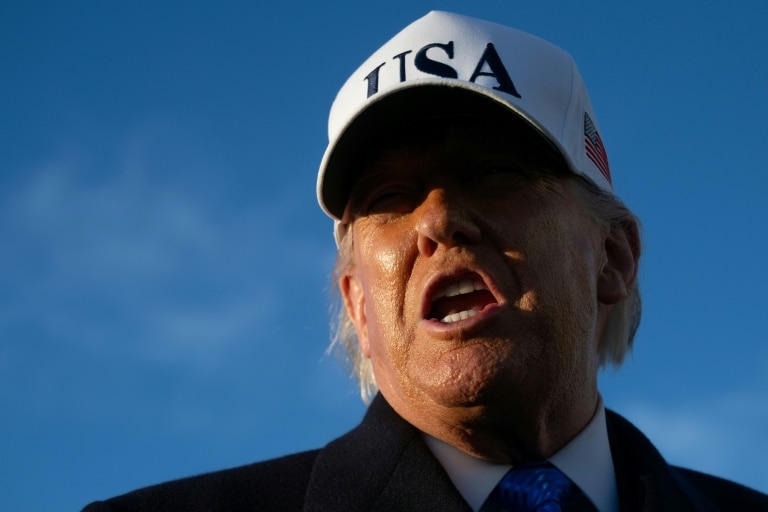
    Speaking through social media on Saturday, Trump stated that while the United States had ‘completely decimated Iran’ both militarily and economically, the task of safeguarding the strategic waterway should become an international endeavor. ‘The Countries of the World that receive Oil through the Hormuz Strait must take care of that passage, and we will help — A LOT!’ the President announced, adding that Washington would coordinate multinational efforts to ensure operational efficiency.

    Trump specifically named China, France, Japan, South Korea, and Britain as nations he expects to contribute naval assets to secure the strait, through which approximately 20% of global crude oil and liquefied natural gas normally transits. Iranian drone strikes and mining operations have effectively paralyzed maritime traffic through the narrow 54-kilometer channel.

    The President outlined a dual strategy combining international naval presence with aggressive U.S. military action, vowing to ‘bomb the hell out of the shoreline’ and continuously engage Iranian vessels attempting to disrupt shipping. This follows Friday’s extensive U.S. bombing campaign against military targets on Iran’s Kharg Island, which handles nearly all of the country’s crude exports.

    Despite Trump’s assertions of Iran’s military defeat, he acknowledged Tehran’s continued capacity for asymmetric warfare in the region. ‘It’s easy for them to send a drone or two, drop a mine, or deliver a close range missile somewhere along this Waterway, no matter how badly defeated they are,’ he noted.

    European allies have begun mobilizing naval assets, though they emphasize defensive postures. French President Emmanuel Macron visited an aircraft carrier dispatched to the Mediterranean, characterizing the mission as defensive, while a British warship departed for the eastern Mediterranean following a drone attack on the UK’s Akrotiri base in Cyprus.

  • War in the Middle East: latest developments

    War in the Middle East: latest developments

    The Middle East conflict has entered a dangerous new phase with multiple fronts of escalation, according to latest developments verified by international agencies. Regional tensions have intensified following a series of drone and missile attacks targeting critical infrastructure across several nations.

    In a significant maritime security development, former US President Donald Trump has called upon multiple nations including China, France, Japan, South Korea, and Britain to deploy naval assets to secure the Strait of Hormuz, a vital global oil transit corridor. This request comes amid heightened threats to energy infrastructure throughout the region.

    Airport and military facilities have become prime targets in the escalating conflict. Kuwait’s international airport sustained drone strikes that damaged its radar systems, while a separate attack on a Kuwaiti airbase housing US military personnel resulted in injuries to Kuwaiti staff and significant property damage. Simultaneously, the United Arab Emirates reported attacks on its energy installations in Fujairah and its consulate in Iraqi Kurdistan, marking the second assault on the diplomatic compound within a week.

    The missile warfare between Iran and Israel has reached unprecedented levels. Iranian state television confirmed new missile launches toward Israel, while Jordan’s military reported intercepting 79 out of 85 projectiles targeting its territory. Explosions were heard over Jerusalem as Israel’s defense systems activated against incoming threats.

    Casualty figures continue to mount with Lebanon’s health ministry reporting 826 fatalities, including 106 children and 65 women, with an additional 2,009 wounded in ongoing hostilities with Hezbollah. An alleged US-Israeli strike on Isfahan’s industrial sector reportedly killed 15 people, though independent verification remains pending.

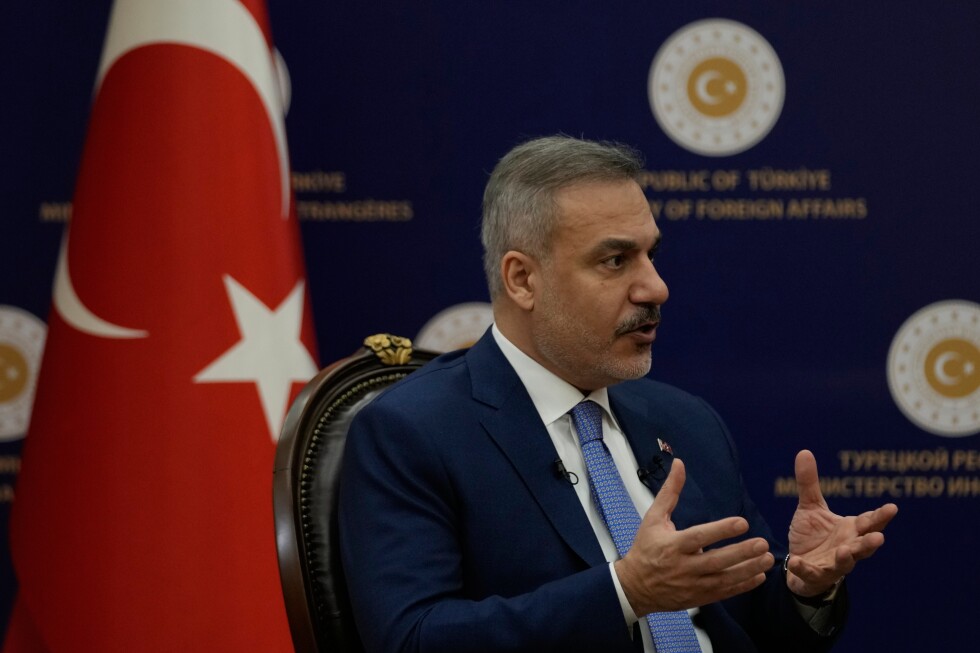
    Diplomatic channels show increasing strain as Turkey’s Foreign Minister Hakan Fidan accused Iran of denying responsibility for ballistic missile launches toward Turkish territory despite technical evidence. Meanwhile, Iran’s envoy to Ukraine dismissed Kyiv’s support for US and Gulf allies in countering drones as ‘a joke’ in comments to AFP.

    UN Secretary-General Antonio Guterres, during his Beirut visit, emphasized that diplomatic options remain available to resolve the Israel-Hezbollah conflict while urging international support for Lebanon. In a notable development, Hamas publicly appealed to Iran to refrain from targeting neighboring countries while acknowledging Tehran’s right to self-defense against Israel and the United States.

    Oil operations from Iran’s Kharg Island continue normally despite recent attacks on the export hub, according to regional officials. The situation remains fluid with the US embassy in Baghdad also reporting a drone strike, as confirmed by Iraqi security sources and witnessed by AFP journalists.

  • AP Exclusive: Turkey’s Foreign Minister Hakan Fidan talks diplomacy efforts as regional war rages

    AP Exclusive: Turkey’s Foreign Minister Hakan Fidan talks diplomacy efforts as regional war rages

    In an exclusive interview with The Associated Press, Turkish Foreign Minister Hakan Fidan disclosed that while no formal initiative exists to restart U.S.-Iran negotiations, Tehran appears receptive to back-channel diplomacy. The remarks come as Turkey intensifies efforts to maintain neutrality in the escalating Middle East conflict.

    Fidan, a former intelligence chief who now serves as one of President Recep Tayyip Erdogan’s most trusted advisors, acknowledged that current conditions remain unfavorable for conventional diplomacy. He revealed Iranian officials feel “betrayed” after being attacked during active nuclear negotiations with the United States for the second time. Despite this, Fidan stated, “I think they are open to any sensible back-channel diplomacy.”

    Turkey’s delicate balancing act faces continued challenges, including the interception of three Iranian-origin missiles by NATO defenses over Turkish territory. While Iranian officials denied targeting Turkey, Fidan confirmed available evidence indicates the missiles originated from Iran. Nevertheless, he ruled out military retaliation, emphasizing that NATO’s defensive systems proved effective and Ankara’s “primary objective” remains avoiding direct involvement in the conflict.

    Regarding Iran’s leadership situation, Fidan provided insights into the power transition following the death of Ayatollah Ali Khamenei. While unable to confirm the severity of wounds sustained by new Supreme Leader Ayatollah Mojtaba Khamenei, Fidan confirmed he remains “alive and functioning.” The foreign minister suggested a temporary power vacuum had been filled by the Revolutionary Guards’ high command.

    Fidan also addressed Turkey’s strained relations with Israel, dismissing speculation that Turkey could become Israel’s next target. He criticized Israeli Prime Minister Netanyahu’s government for consistently identifying regional enemies to advance its political agenda. The minister further accused Israel of territorial ambitions in Syria rather than genuine security concerns, predicting continued Middle East instability until this approach changes.

    Despite these tensions, Turkey continues pursuing an active role in postwar Gaza arrangements. Fidan confirmed Turkey’s participation in the U.S.-backed Board of Peace and expressed willingness to contribute troops to an international stabilization force, though acknowledging Israeli opposition currently prevents this involvement. He emphasized the urgency of establishing an administration committee comprising independent Palestinian administrators to begin governance work in Gaza.

  • Wales end three-year Six Nations drought by blowing away Italy in Cardiff

    Wales end three-year Six Nations drought by blowing away Italy in Cardiff

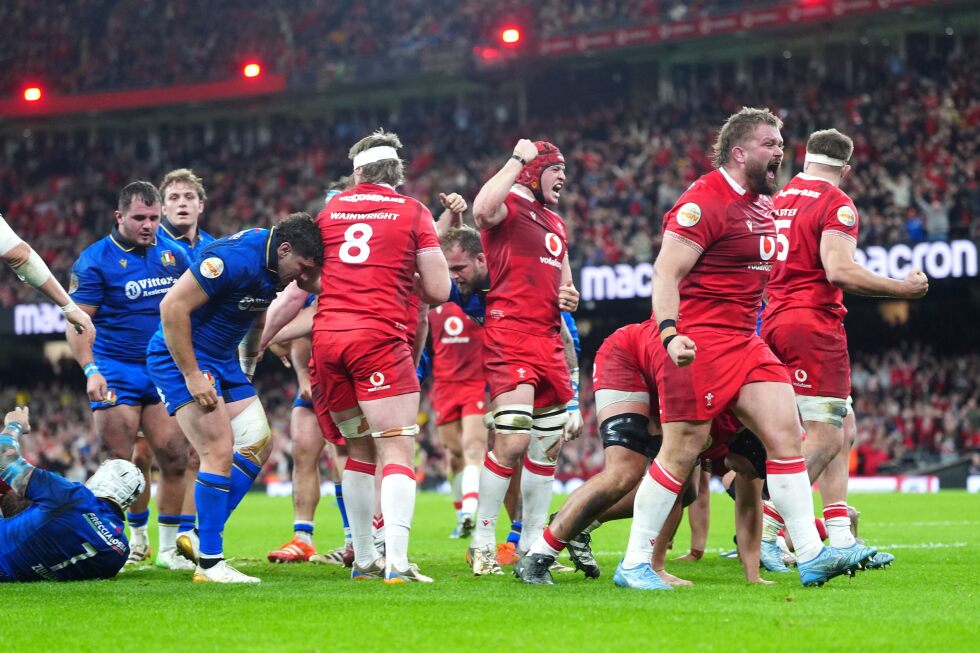
    CARDIFF, Wales — In a stunning reversal of fortune, Wales emphatically broke their 1,099-day Six Nations drought with a commanding 31-17 triumph over Italy at Principality Stadium on Saturday. The victory marked their first championship win since March 2023 and shattered a national record 15-match losing streak in the tournament.

    The Welsh squad transformed recent narrow defeats against Scotland and Ireland into an unexpectedly dominant bonus-point performance. Displaying physical intensity and ruthless efficiency, Wales established an overwhelming 21-0 halftime advantage that expanded to 31-0 before Italy managed to register points on the scoreboard.

    Wales’ defensive organization proved particularly impressive, with the scramble defense denying multiple Italian scoring opportunities. Italy had two potential tries disallowed, one held up over the line, and another prevented by a crucial ankle-tap tackle.

    Despite lineout challenges, Wales effectively capitalized on penalty opportunities. Workhorse winger Ellis Mee earned a critical kick-chase penalty that positioned No. 8 Aaron Wainwright for the opening score. Utilizing the set-piece platform effectively, Wales subsequently drove Wainwright across for his second try.

    Captain Dewi Lake completed another lineout drive to touch down, while fly-half Dan Edwards maintained perfect kicking form, converting all four attempts and maintaining a tournament record of nine successful kicks from nine attempts.

    The second half began with continued Welsh dominance as Edwards sliced through fatigued Italian defense to score, convert his own try, and add a drop goal for a remarkable 31-0 lead.

    Italy dominated the final thirty minutes with replacement players Tommaso Di Bartolomeo and Tommaso Allan crossing for consolation scores, but Wales’ defensive resilience continued to shine through critical interventions from multiple players.

    The outcome potentially saves Wales from finishing with the tournament’s wooden spoon, depending on England’s result against France in the concluding match.

  • Miss Jasmine on the Pleatau

    Miss Jasmine on the Pleatau

    In the high-altitude classrooms of Lhasa, a transformative educational initiative is taking root through the dedication of 20 volunteer teachers from Jiangsu province. Among them, Xu Xiaoqin has earned the affectionate nickname ‘Miss Jasmine’ from her students at Lhasa-Jiangsu Experimental School, symbolizing the fragrant impact of cross-regional educational cooperation.

    This teaching corps represents a significant interprovincial support program designed to bridge educational disparities between China’s developed coastal regions and plateau areas. The Jiangsu educators bring innovative teaching methodologies, advanced curricular resources, and fresh pedagogical perspectives to Tibetan classrooms, creating an enriching learning environment that combines eastern educational expertise with local cultural context.

    The program extends beyond conventional knowledge transfer, focusing on sustainable educational development through teacher training programs, digital learning resources, and shared educational infrastructure. These efforts aim to create lasting educational improvements rather than temporary interventions, with teachers spending extended periods embedded within the local educational ecosystem.

    Students at the experimental school have demonstrated remarkable engagement with the new teaching approaches, showing particular enthusiasm for interactive learning methods and multimedia educational tools introduced by the Jiangsu team. The initiative has also fostered cultural exchange, with teachers incorporating elements of Tibetan culture into their lesson plans while sharing perspectives from Jiangsu’s advanced educational system.

    This educational assistance program forms part of broader regional development strategies that emphasize knowledge transfer and capacity building as key components of regional development. The ‘Miss Jasmine’ phenomenon illustrates how personalized connections between educators and students can become powerful symbols of interregional cooperation and educational innovation.

  • German philosopher and social critic Jürgen Habermas dies at 96

    German philosopher and social critic Jürgen Habermas dies at 96

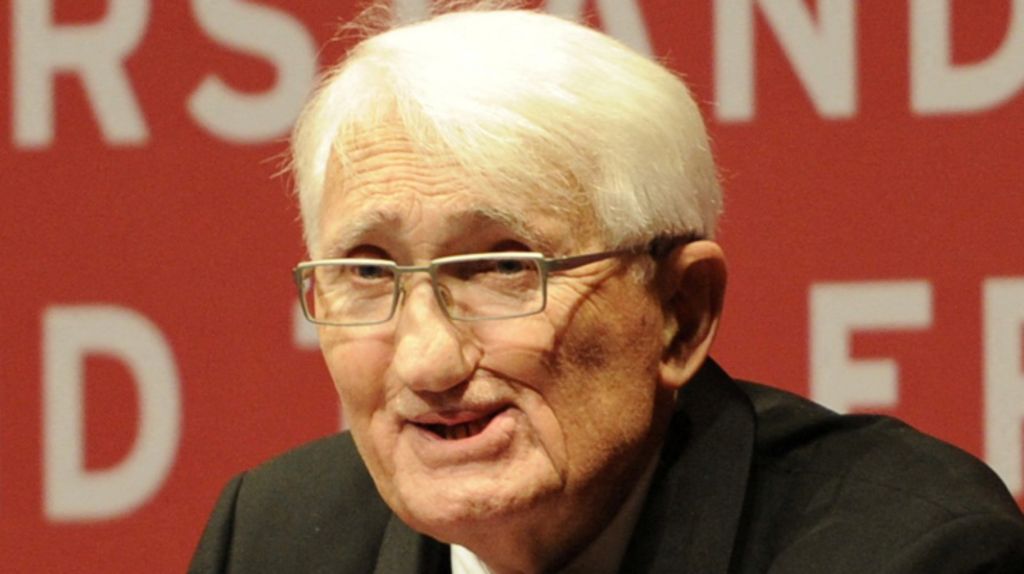
    Jürgen Habermas, the preeminent German philosopher and towering intellectual figure whose critical theories shaped post-war European thought, has died at age 96. His publisher Suhrkamp announced his passing on Saturday, marking the end of an era for contemporary philosophy and social criticism.

    Born in Düsseldorf in June 1929, Habermas’s early life unfolded under the shadow of Nazi Germany. His father, a local chamber of commerce leader, joined the Nazi Party in 1933, and the young Habermas was enrolled in the Hitler Youth organization, though he remained too young for combat deployment during World War II.

    After the war, Habermas embarked on an academic journey that would establish him as a leading voice of the Frankfurt School. He earned his doctorate from Marburg University before joining the University of Frankfurt’s Institute of Social Research, where he worked alongside Max Horkheimer and Theodor Adorno in developing critical theory—a framework challenging capitalist society’s transformation of active citizens into passive consumers.

    Throughout the 1960s, Habermas supported student movements at West German universities while developing his distinctive critique of mass media commodification. He argued that industrialized culture systematically undermined meaningful public discourse, a concern that informed his seminal 1981 work, The Theory of Communicative Action, which proposed that human societies are sustained through rational dialogue rather than political or economic power.

    Habermas’s intellectual courage extended to historical controversies. During the 1980s Historians’ Debate, he confronted conservative scholars who questioned the Holocaust’s uniqueness as a German phenomenon. Later, during German reunification, he criticized the rapid absorption of East Germany, warning against nationalist resurgence and advocating for European unity as a safeguard against historical rivalries.

    His personal experience with a cleft palate, requiring multiple childhood operations, profoundly influenced his theories about language and communication. This physical challenge informed his understanding of dialogic rationality and the fundamental human capacity for communicative action that defined his philosophical legacy.

  • Cuban protesters ransack Communist office as energy crisis deepens

    Cuban protesters ransack Communist office as energy crisis deepens

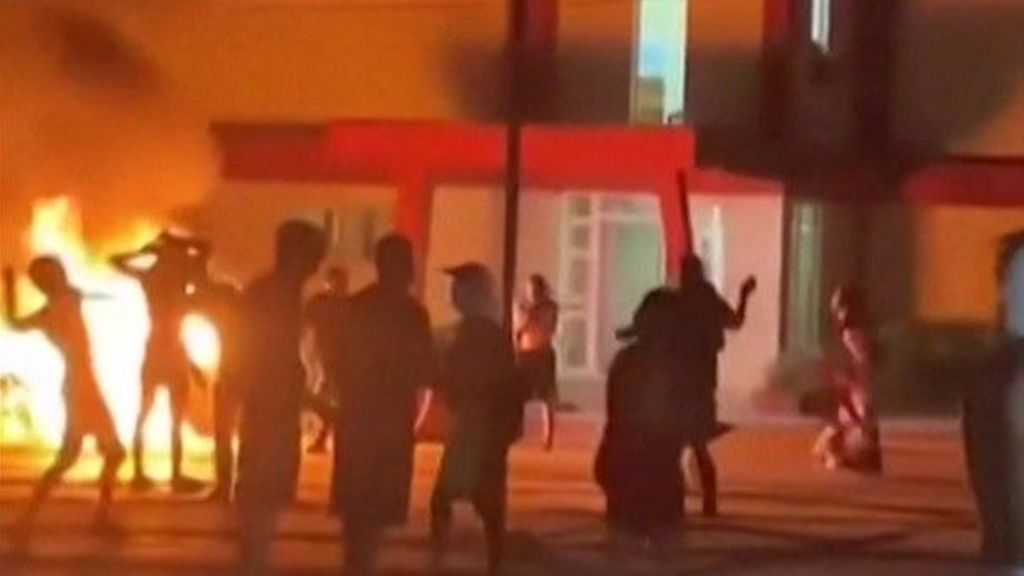
    In a rare display of public dissent, protesters in the central Cuban city of Moron ransacked a Communist Party office following rallies against severe food shortages and persistent power outages. The Cuban Interior Ministry (Minint) confirmed five arrests after a small group vandalized the building overnight into Saturday, starting fires with furniture from the reception area.

    The demonstrations occur amid mounting economic pressures exacerbated by a prolonged US oil blockade. President Miguel Díaz-Canel revealed in a national broadcast that no fuel has entered the country for three months due to these sanctions. The energy crisis has crippled essential services including hospital operations, public transportation, and education systems.

    While initial reports from state-run newspaper Invasor indicated the protest began peacefully, it escalated into acts of vandalism targeting multiple government facilities. Social media footage circulated showing protesters hurling rocks through windows while shouting “liberty” as fires burned in the streets.

    The unrest coincides with confirmed diplomatic talks between Havana and Washington to address longstanding differences. However, the situation remains tense as the Trump administration continues its pressure campaign, having previously threatened a “friendly takeover” and blocked Venezuelan oil shipments that once supplied half of Cuba’s energy needs.

    Cuban authorities have deployed specialized forces to investigate what they term “acts of vandalism,” highlighting the unusual nature of such public dissent in a country where protest rights, while constitutionally granted since 2019, remain undefined in practice.

  • Treasure hunter freed from jail after refusing to turn over shipwreck gold

    Treasure hunter freed from jail after refusing to turn over shipwreck gold

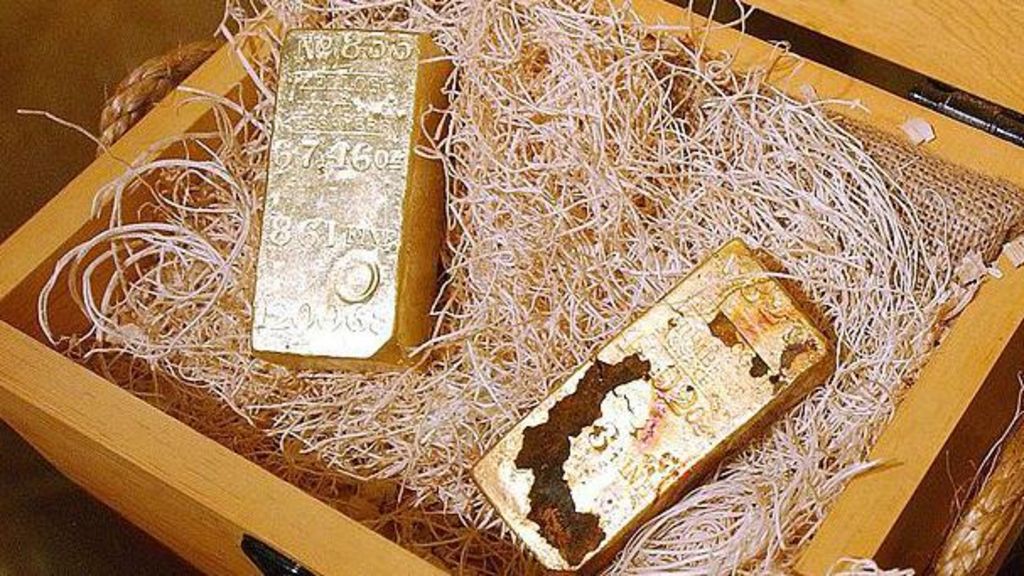
    After a decade behind bars, deep-sea treasure hunter Tommy Thompson has been released from prison, leaving the whereabouts of 500 missing gold coins from a historic shipwreck shrouded in mystery. The 73-year-old explorer, who located the legendary SS Central America wreck in 1988, spent years as a fugitive before his eventual capture and imprisonment.

    The SS Central America, famously known as the ‘Ship of Gold,’ met its tragic fate in 1857 during a hurricane off the coast of South Carolina. The vessel was transporting approximately 30,000 pounds of freshly minted San Francisco gold intended to establish banking reserves on the East Coast. The catastrophic sinking at a depth of 7,000 feet claimed 425 lives and significantly contributed to the financial panic of 1857.

    Thompson’s remarkable discovery of the wreckage yielded thousands of gold bars and coins, with subsequent sales generating approximately $50 million in 2000. However, 161 investors who had contributed $12.7 million to fund the recovery operation filed lawsuits in 2005, alleging they had been defrauded of their promised returns. Later estimates suggested the recovered treasure might have been worth up to $400 million.

    The treasure hunter’s legal troubles escalated when he vanished in 2012 to avoid court appearances. After three years as a fugitive, living under assumed names in Florida hotels while using cash payments and public transportation to evade detection, Thompson was finally apprehended in 2015.

    His imprisonment stemmed from criminal contempt charges for refusing to disclose the location of the missing coins. While civil contempt sentences typically continue indefinitely until compliance with court orders, the presiding judge recently determined that Thompson would never reveal the coins’ whereabouts, leading to his release and concluding one of the most extraordinary treasure hunting sagas in American history.

  • Fear grips Iranians as missiles fall and loyalist forces roam the streets

    Fear grips Iranians as missiles fall and loyalist forces roam the streets

    Beneath the ongoing aerial conflict between the US-Israeli alliance and Iran, a profound internal crisis is unfolding within Iranian urban centers. In the fortnight since the demise of Supreme Leader Ali Khamenei, a palpable climate of apprehension has taken root among civilians, who now find themselves caught between external military threats and an increasingly aggressive domestic security apparatus.

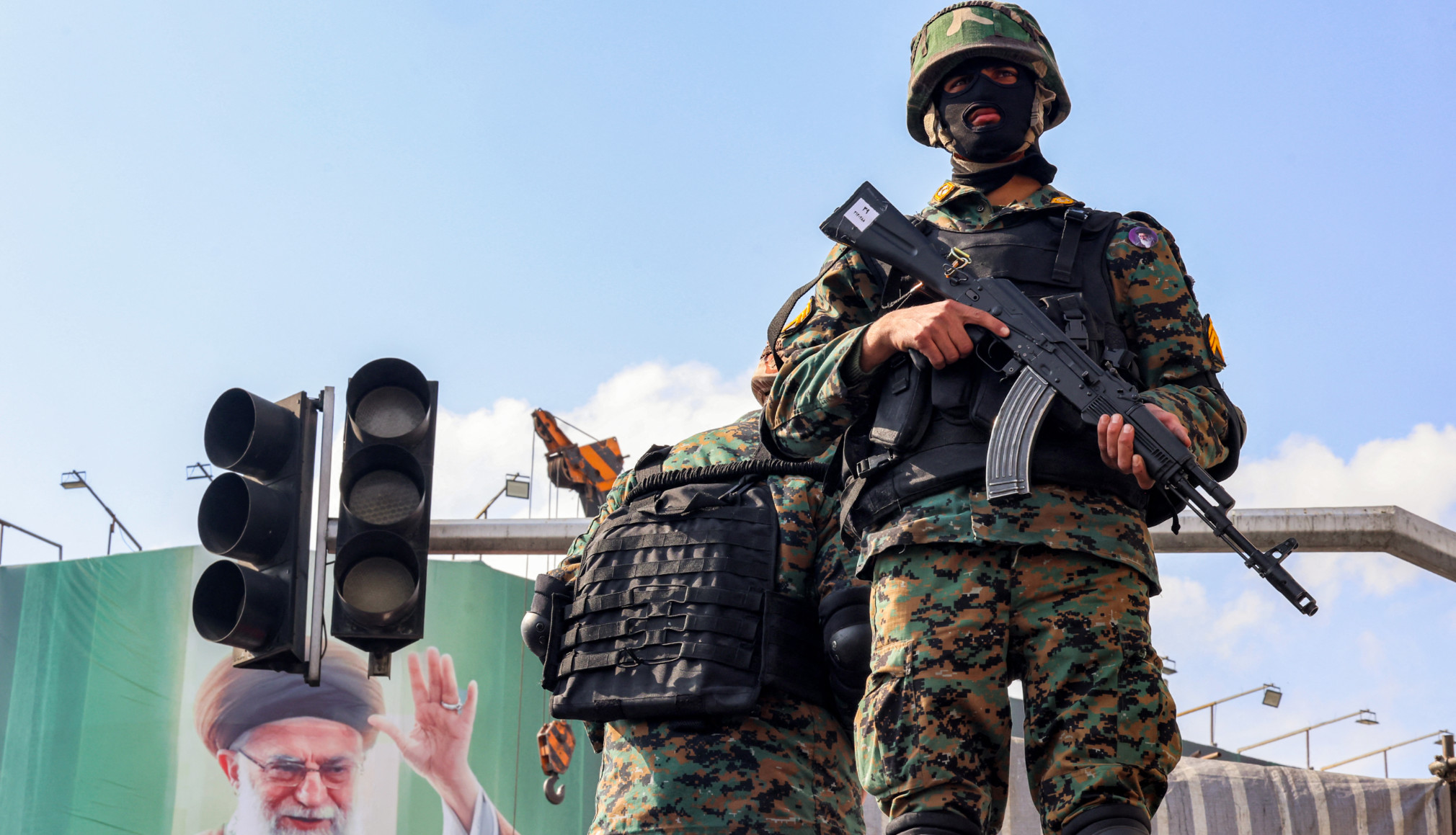
    Pro-government paramilitary units and security forces have established a pervasive presence nationwide. These elements, including the Basij volunteer militia, now routinely stage orchestrated rallies, erect countless checkpoints, and directly confront citizens on public streets. This strategic mobilization has been openly encouraged by Iranian officials; Parliament Speaker Mohammad Bagher Ghalibaf publicly urged loyalists to demonstrate their ‘presence in the streets’ via social media, a directive analysts interpret as an effort to project unwavering control after a significant leadership vacuum.

    The human impact of this strategy is severe and widespread. Personal accounts gathered from multiple cities describe a terrifying reality. Seema, a 42-year-old mother from Yazd, recounted being trapped in her car with her young son by motorcyclists chanting pro-regime slogans, who proceeded to violently assault her vehicle. In Tehran, residents like Ali describe an ‘oppressive’ and ‘toxic’ atmosphere, where young, armed volunteers man checkpoints to interrogate citizens with ‘pointless questions.’ The recent Quds Day rallies, an annual pro-Palestine event, were further stage-managed, with participants reportedly bused in to create an illusion of massive popular support for television broadcasts.

    Simultaneously, Iranian security officials have issued stark warnings against any form of dissent. National Police Chief Ahmad Reza Radan explicitly threatened to treat anyone protesting at the ‘enemy’s request’ as an enemy combatant. This has effectively ceded control of public spaces to regime loyalists, leaving ordinary Iranians feeling silenced and endangered. The situation is compounded by the fact that these very checkpoints and security installations have become secondary targets in the international conflict, with Israeli strikes hitting such positions in Tehran, raising the grim specter of civilian casualties.

    This convergence of external war and internal crackdown has generated complex and conflicting emotions among the populace. While many express deep-seated anger towards the regime’s repressive tactics, there is also growing disillusionment with foreign military action, which is seen as indifferent to civilian lives. As one Tehran resident, Ghazaleh, starkly summarized, citizens feel ‘trapped between two groups of criminals,’ where neither the Islamic Republic nor its international adversaries prioritize the welfare of the Iranian people. The prevailing fear is that the nation may endure the devastation of war only to emerge with an even more brutal and entrenched government.