作者: admin

  • France wins back-to-back Six Nations titles after beating England 48-46 on last-second penalty

    France wins back-to-back Six Nations titles after beating England 48-46 on last-second penalty

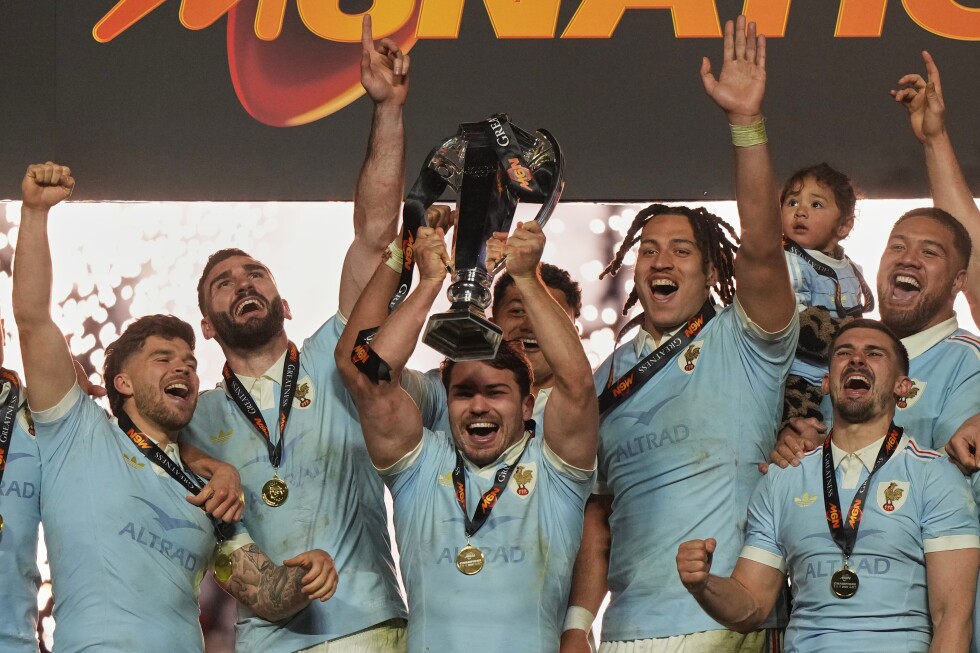
    In an extraordinary climax that will be remembered as one of rugby’s most dramatic finishes, France secured back-to-back Six Nations championships with a breathtaking 48-46 victory over England at Stade de France on Saturday. The championship-deciding match reached its pinnacle when fullback Thomas Ramos executed a flawless penalty kick from over 40 meters in the 83rd minute, sending the French squad into rapturous celebration.

    The match represented a statistical anomaly with 13 total tries and six lead changes throughout the intense contest. England had seemingly snatched victory in the 77th minute when they converted their seventh try to establish a 46-45 advantage. Had England maintained this narrow lead, Ireland would have claimed the championship based on tournament standings.

    France’s triumph was particularly impressive considering they finished the match with only 14 players after prop Demba Bamba received a sin-bin penalty. The victory marks France’s first consecutive Six Nations title in nearly two decades, breaking a 19-year drought for back-to-back championships.

    Winger Louis Bielle-Biarrey emerged as an offensive powerhouse for France, scoring four of the team’s six tries and extending his championship record scoring streak to 10 consecutive matches. His performance broke his own previous tournament record of eight tries established last year.

    Despite the heartbreaking loss, England established several notable achievements, including their highest-ever score against France on French soil. The match coincided with the 120th anniversary of the historic ‘Le Crunch’ rivalry between the two nations. England captain Maro Itoje acknowledged the disappointment while emphasizing the team’s progressive development, stating, ‘We showed the spirit of this team. I truly believe we are going places and will be better for this experience.’

    The championship outcome remained uncertain until the final moments due to Ireland’s commanding 43-21 victory over Scotland earlier in the day, which temporarily placed them atop the tournament standings before France’s last-second triumph.

  • AWE 2026: A glance at tech for the future

    AWE 2026: A glance at tech for the future

    Shanghai is currently hosting the prestigious Appliance & Electronics World Expo (AWE) 2026, establishing itself as the definitive global platform for technological innovation. This premier event serves as both a showcase for international tech giants and a visionary preview of future smart living solutions.

    In a special feature, China Daily’s ‘Science Matters’ program provides an exclusive tour of the exhibition, highlighting groundbreaking AI-driven products that are redefining consumer technology. The expo demonstrates significant advancements in artificial intelligence integration across home appliances, personal electronics, and interconnected living systems.

    The timing of AWE 2026 positions it as a critical mid-decade indicator of technological trajectory, offering insights into how artificial intelligence will continue transforming everyday experiences. Exhibitors are presenting sophisticated solutions that blend machine learning, intuitive interfaces, and predictive analytics to create more responsive and adaptive environments.

    Beyond consumer applications, the expo reveals how AI technology is evolving to address broader societal needs including sustainability, accessibility, and energy efficiency. The innovations on display represent collaborative efforts between research institutions, technology corporations, and design experts working toward creating more intelligent and seamless living ecosystems.

  • China has broken disability-poverty link, Rome seminar hears

    China has broken disability-poverty link, Rome seminar hears

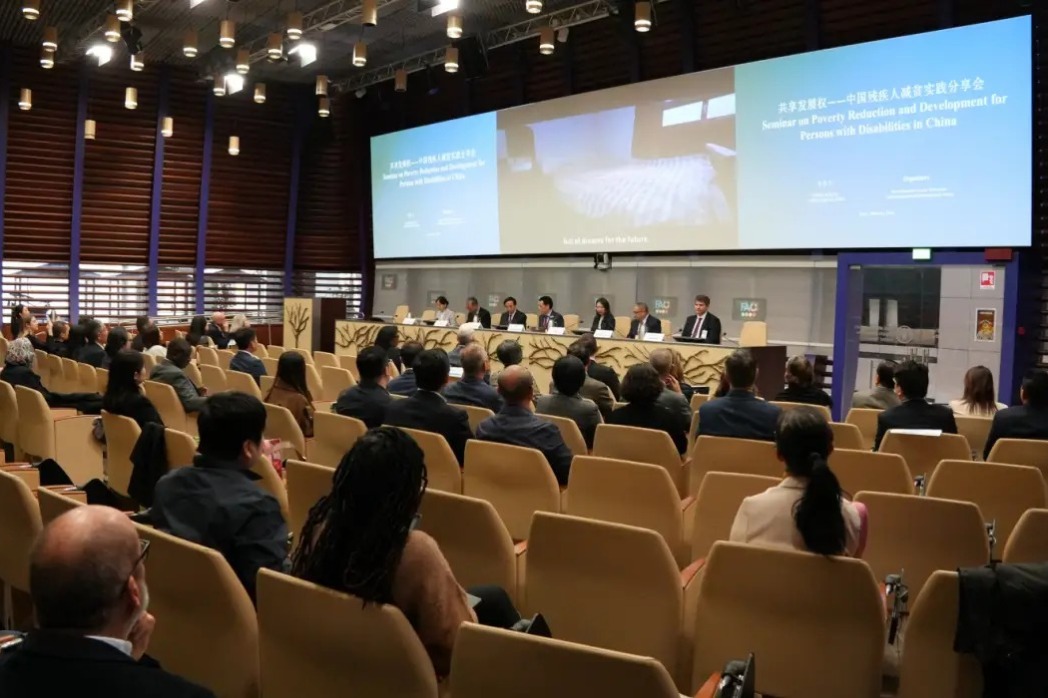
    ROME – In a landmark address at an international seminar in Rome, China has unveiled its transformative success in eradicating poverty among disabled populations, marking a historic decoupling of disability from economic hardship. Cheng Kai, Chairman of the China Disabled Persons’ Federation, detailed the nation’s achievement in lifting 7.1 million rural residents with disabilities out of poverty during the event titled ‘Sharing Development Rights: China’s Practices in Poverty Reduction for Disabled Persons’.

    The seminar, co-hosted by the China Disabled Persons’ Federation, the China International Communications Group, and China’s Permanent Mission to the UN Food and Agriculture Organization (FAO), showcased China’s innovative integration of disability inclusion into its national development framework. Cheng emphasized that addressing disability poverty has been central to China’s broader anti-poverty campaign and ongoing consolidation efforts.

    ‘By achieving this milestone, China has fundamentally disrupted the persistent correlation between disability and poverty through context-specific approaches tailored to our national circumstances,’ Cheng stated. The comprehensive strategy combines targeted poverty alleviation measures with preventive mechanisms against disability-induced economic hardship.

    Notably, China’s model aligns with the FAO’s principle of ‘leaving no one behind,’ offering valuable insights for global poverty reduction efforts, particularly in developing nations. Cheng expressed China’s commitment to enhancing multilateral cooperation through deepened dialogue with FAO member states across various sectors.

    FAO Director-General Qu Dongyu acknowledged the global significance of China’s accomplishment, noting that approximately 15% of the world’s population lives with disabilities who frequently face barriers to resources, services, and employment, especially in rural areas. ‘China’s practices and achievements provide not only a crucial reference for international agencies and developing countries but also substantially strengthen global confidence in pursuing inclusive development and disability poverty reduction,’ Qu affirmed.

    The seminar represents a significant moment in global social development discourse, demonstrating how national strategies can effectively address complex socioeconomic challenges while contributing to international knowledge sharing and cooperative development initiatives.

  • Russia exploiting Iran war, Zelensky says after fresh bombardment

    Russia exploiting Iran war, Zelensky says after fresh bombardment

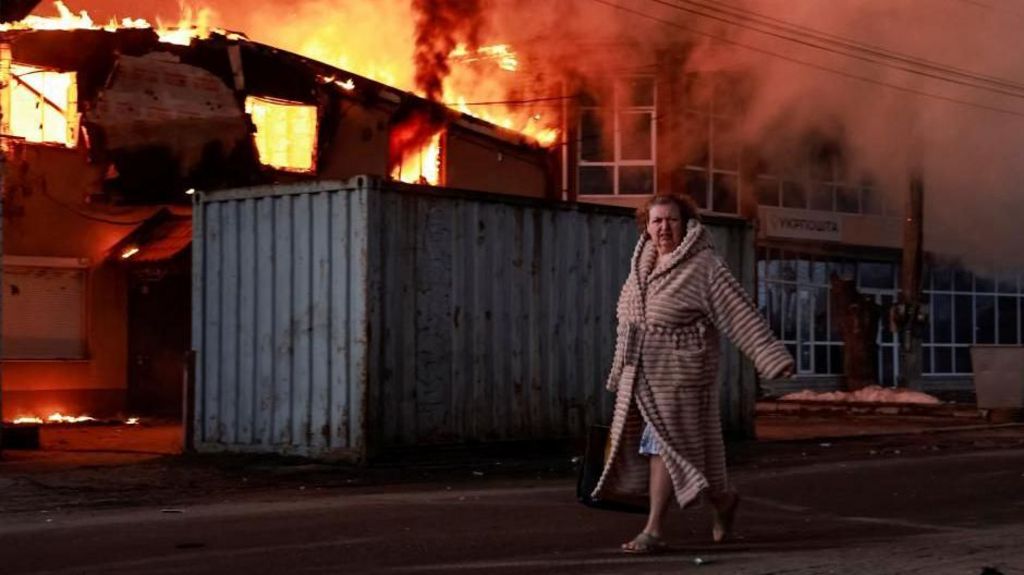
    Ukrainian President Volodymyr Zelensky has issued a stark warning that Russia is capitalizing on the ongoing Middle East conflict to escalate its assault on Ukraine, creating what he described as an opportunity for “even greater destruction” in Europe. This statement followed Russia’s latest large-scale aerial offensive overnight into Saturday, which resulted in significant casualties and infrastructure damage across multiple regions.

    The coordinated assault involved approximately 500 drones and missiles targeting Ukrainian territory, with interception systems successfully neutralizing most projectiles. Despite these defensive efforts, the attacks claimed at least five lives and left numerous civilians injured. The Kyiv region suffered particularly severe impacts, with energy infrastructure serving as the primary target alongside civilian structures including residential buildings, educational facilities, and businesses.

    President Zelensky emphasized the critical need for enhanced air-defense capabilities, characterizing them as a “daily necessity” for Ukraine’s survival. His urgent appeal for accelerated weapons deliveries comes amid concerns that missile depletion in the Middle East—where U.S.-aligned Gulf states are countering Iranian attacks—could severely impact Ukraine’s defensive capabilities.

    The geopolitical ramifications extend beyond immediate security concerns. Iran’s effective blockade of the Strait of Hormuz has triggered global oil supply disruptions, driving prices to approximately $100 per barrel. In response, the Trump administration temporarily suspended sanctions on Russian oil already loaded onto vessels, a move that has drawn criticism from Zelensky and European leaders while receiving Moscow’s endorsement.

    Furthermore, U.S.-led peace initiatives aimed at resolving the four-year conflict in Ukraine have been effectively derailed by the expanding Middle East hostilities, creating additional diplomatic complications for all involved parties.

  • Another 3 members of Iran’s women’s soccer team decide against staying in Australia as refugees

    Another 3 members of Iran’s women’s soccer team decide against staying in Australia as refugees

    MELBOURNE, Australia — In a significant reversal, three additional members of Iran’s national women’s soccer team have opted to return to their homeland after initially accepting refugee status in Australia, according to an official government announcement on Sunday.

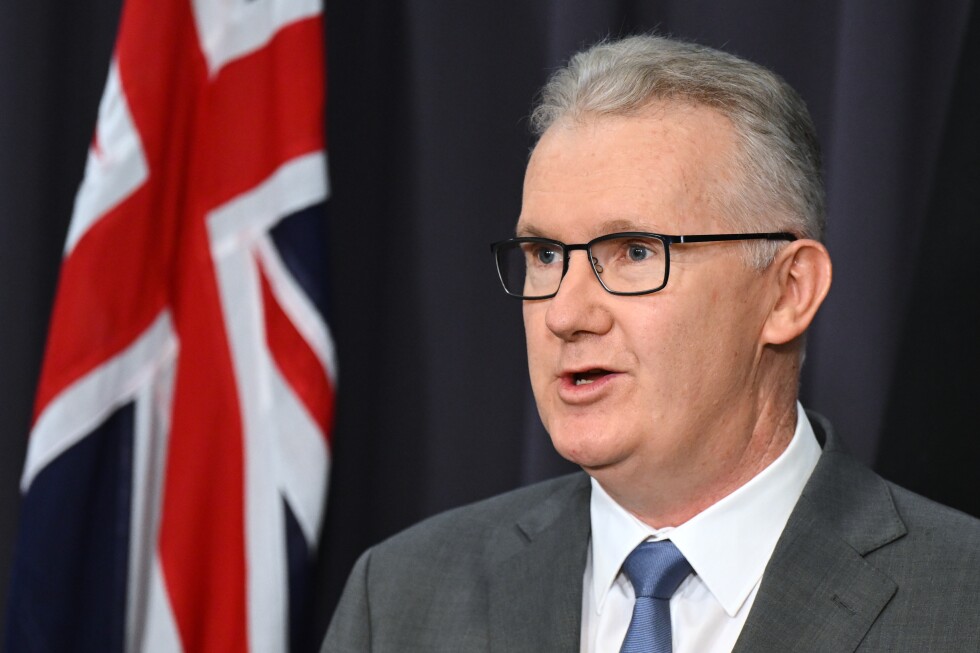
    Australian Home Affairs Minister Tony Burke confirmed the development, stating that the athletes made the conscious decision to rejoin their teammates for the journey back to Iran. “After informing Australian officials of their choice, the players were provided multiple opportunities to discuss alternative options,” Minister Burke emphasized in his formal statement.

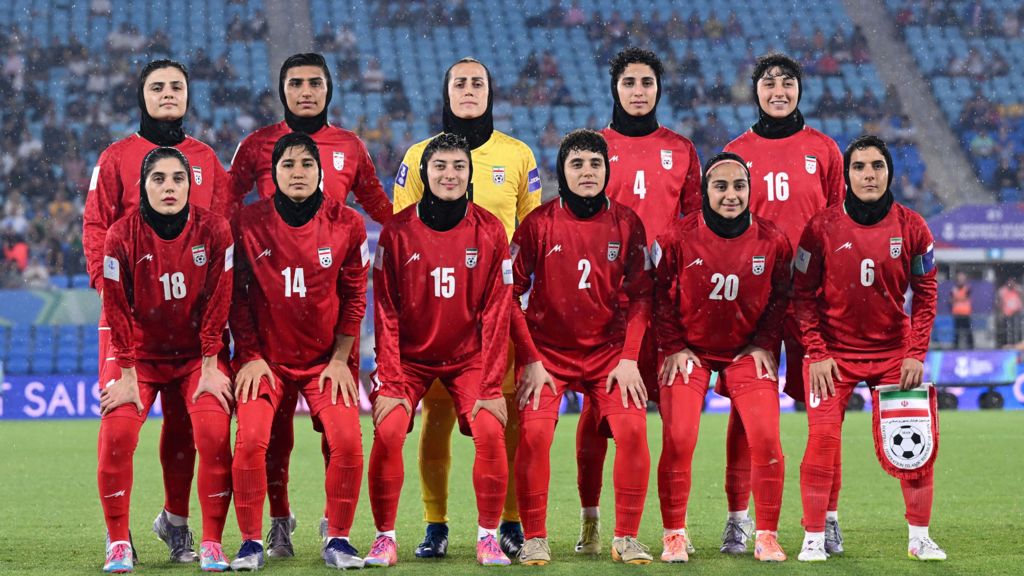
    The team originally arrived in Australia to compete in the Women’s Asian Cup tournament last month, prior to the escalation of Middle East conflicts that began on February 28. Of the 26-member delegation, seven individuals—including six players and one support staff member—initially sought humanitarian protection visas following the competition.

    The recent departures mean only three of the original seven asylum seekers remain in Australia. One additional member had previously reversed her decision and left the country earlier. The remaining Iranian contingent had already departed from Sydney to Malaysia on March 9, leaving behind those who initially pursued refugee status.

  • Anti-war protests in Italy and Spain as high-stakes referendum on Italian judges looms

    Anti-war protests in Italy and Spain as high-stakes referendum on Italian judges looms

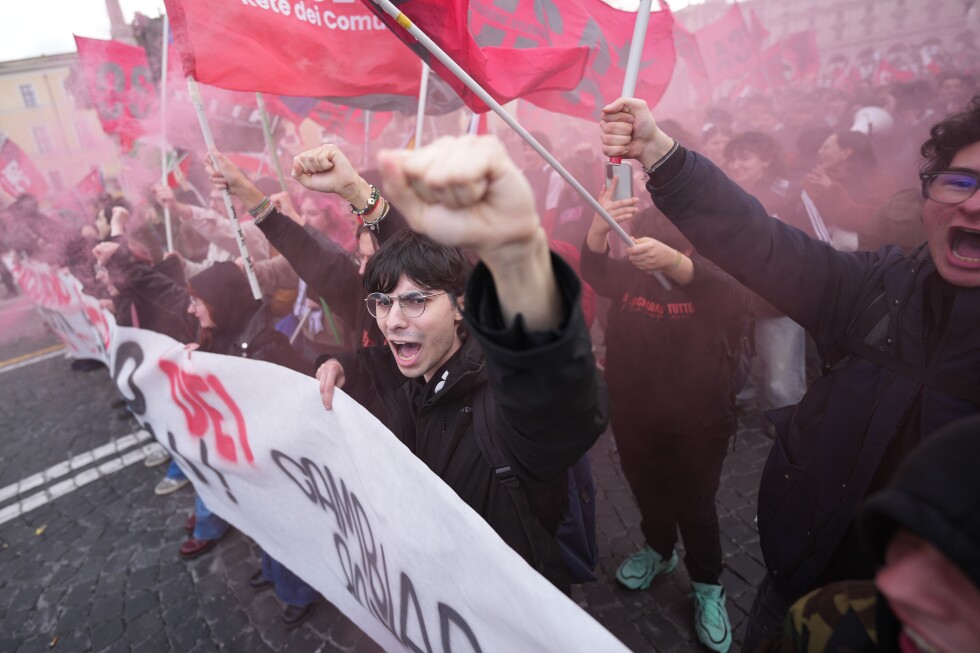
    ROME — Tens of thousands of demonstrators flooded Rome’s city center on Saturday, staging a dual protest against Italy’s proposed judicial reforms and escalating military conflicts in the Middle East. The massive gathering represented a convergence of domestic political tensions and international concerns that have placed Prime Minister Giorgia Meloni’s government under intensified scrutiny.

    The protests occurred against the backdrop of an upcoming national referendum scheduled for March 22-23, which will determine the fate of controversial judicial system reforms. This referendum has evolved into a critical political battleground for Meloni’s conservative administration, occurring just months before national elections.

    Protesters waving trade union banners alongside Palestinian and Cuban flags filled the streets, chanting demands for the government’s resignation. Sandra Paganini, one participant at the rally, expressed widespread concerns: “The United States and Israel are systematically dismantling international law principles. Their actions are dragging us toward global conflict while targeting innocent populations and sovereign nations.”

    Meloni has vigorously defended the judicial reforms, arguing they are essential to address chronic delays within Italy’s court system and restore public trust in legal institutions. During a campaign speech in Milan last Thursday, she emphasized: “When justice becomes inefficient, slow, or unfair, the entire societal machinery falters, and every citizen bears the consequences.”

    Opponents counter that these changes could dangerously undermine judicial independence and subject the judiciary to political influence. The demonstration remained peaceful throughout, reflecting organized dissent rather than civil unrest.

    The protests also connected to broader international concerns, particularly following large-scale U.S. and Israeli airstrikes against Iranian targets that began February 28. These military actions have triggered retaliatory measures that continue to destabilize global markets and international relations.

    Similar anti-war demonstrations occurred simultaneously across Spain, with coordinated rallies in dozens of cities organized by civic coalitions demanding an end to Middle Eastern conflicts. Earlier protests also took place in Athens and various Greek cities, indicating a pattern of European public dissent against current foreign policies.

    The convergence of domestic judicial reforms and international military actions has created a complex political challenge for Meloni’s government, which now faces simultaneous pressure on both domestic and international fronts as it approaches crucial electoral tests.

  • Three more Iran football team members change minds over asylum

    Three more Iran football team members change minds over asylum

    In a significant reversal, three additional members of Iran’s women’s football delegation have withdrawn their applications for humanitarian protection in Australia and will return to Iran. The individuals have been identified by diaspora human rights activists as players Mona Hamoudi and Zahra Sarbali, along with technical staff member Zahra Soltan Meshkehkar.

    The initial asylum bids followed a politically charged incident during the Asian Cup tournament, where the team’s silent protest during Iran’s national anthem before their March 2nd match against South Korea drew severe criticism back home. Iranian state media labeled them “war traitors,” raising international concerns about potential repercussions.

    Australian Home Affairs Minister Tony Burke confirmed the developments, stating his government had “done everything it could to ensure the women were given the chance to have a safe future in the country.” He emphasized that while Australia provided genuine choices and supportive authorities, the players were making decisions within a difficult context beyond Australia’s control.

    Iran’s Sports Ministry celebrated the returns as a victory, claiming in an official statement that “the national spirit and patriotism of the Iranian women’s national football team defeated the enemy’s plans.” The ministry additionally accused Australia’s government of “playing in Trump’s field,” suggesting geopolitical motivations behind the asylum offers.

    The IRGC-linked Tasnim News Agency, which first broke the story, reported the three women were en route to Kuala Lumpur to rejoin their squad after “resisting psychological warfare, extensive propaganda and seductive offers.” Their departure reduces the number of remaining defectors from the original seven to just three, following another player’s decision to return on Wednesday.

    The situation developed after five team members initially refused to return following Iran’s elimination from the tournament, slipping away from minders at their Gold Coast hotel and being secured by Australian Federal Police. The remaining Iranian players departed Australia on Tuesday night, concluding a tournament that became unexpectedly politicized.

  • Trump urges UK and other nations to send warships to Strait of Hormuz

    Trump urges UK and other nations to send warships to Strait of Hormuz

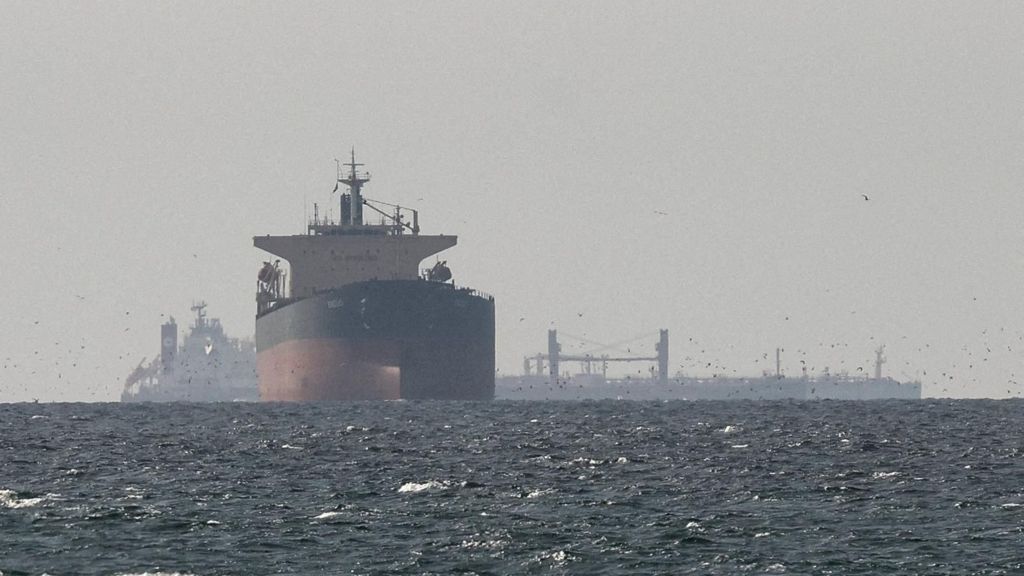
    Former US President Donald Trump has issued a forceful appeal for a multinational naval coalition to secure the strategic Strait of Hormuz, following a series of attacks on commercial shipping that have disrupted global oil supplies. In posts on his Truth Social platform, Trump specifically called upon the United Kingdom, China, France, Japan, and South Korea to deploy warships to safeguard this critical maritime corridor.

    The urgency of Trump’s request stems from escalating hostilities between the US-Israel alliance and Iran, which have transformed the world’s busiest oil shipping channel into a conflict zone. Since the war began on February 28th, UK Maritime Trade Operations has documented at least 16 attacks on vessels in and around the strait, through which approximately 20% of global oil shipments typically pass.

    Tehran has explicitly stated its intention to maintain a blockade of the waterway as part of its military strategy. Iranian officials have warned that any tanker bound for the US, Israel, or their partners constitutes a legitimate target. This declaration came alongside intensified attacks on energy infrastructure throughout the Gulf region.

    Trump’s rhetoric remained characteristically combative, asserting that while “100% of Iran’s military capability” had been destroyed, the nation still posed a threat through potential drone attacks, mine deployments, or close-range missile strikes. He promised continued US military action, including bombing Iranian shoreline positions and engaging Iranian vessels, while offering “a lot” of support to nations participating in the proposed coalition.

    The UK Ministry of Defence responded cautiously, indicating they were discussing “a range of options to ensure the security of shipping in the region” with allied nations. This diplomatic language contrasted sharply with Trump’s previous comments, in which he stated he “couldn’t care less” whether allies contributed more to the war effort and accused UK Prime Minister Keir Starmer of seeking to “join wars after we’ve already won.”

    International reactions revealed further complexities. French President Emmanuel Macron previously expressed willingness to deploy warships for escort missions, but only after the most “intense phase of the conflict” had concluded. Meanwhile, Liberal Democrat leader Ed Davey urged Prime Minister Starmer to resist pressure from Trump, emphasizing that deployment decisions should be based solely on UK national interests and subject to parliamentary approval.

    The strategic implications are substantial. Currently, not even the US Navy is escorting tankers through the narrow shipping lane, reflecting the dangerous operational environment. The effective closure of the strait and attacks on energy infrastructure have already triggered significant increases in global oil prices, demonstrating the economic vulnerability created by the regional conflict.

  • One-party Vietnam holds parliamentary election

    One-party Vietnam holds parliamentary election

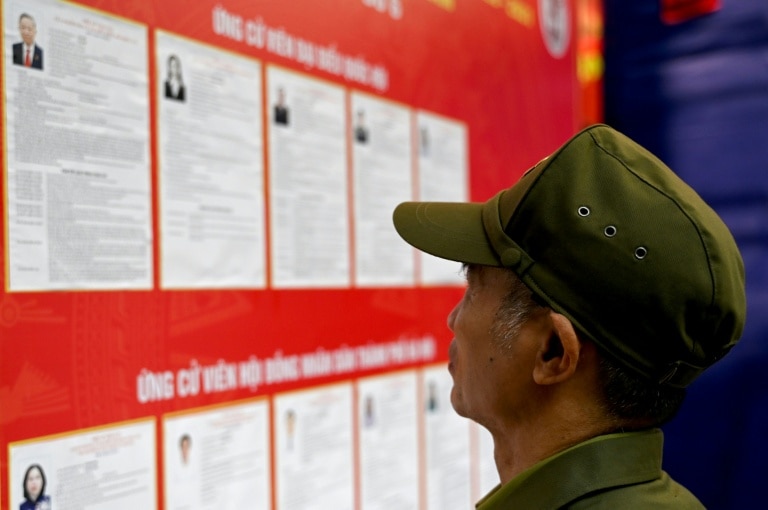
    Vietnam conducted its parliamentary elections on Sunday to select members of the National Assembly, the country’s highest legislative body that primarily functions to endorse decisions made by the ruling Communist Party. The Southeast Asian nation of 100 million people presents a paradox: it boasts impressive economic achievements with eight percent growth last year while maintaining a repressive one-party system that frequently imprisons dissenting voices.

    Out of 864 candidates competing for 500 parliamentary seats, merely 65 are not affiliated with the Communist Party—a decrease from 74 non-party candidates in the previous election five years ago. The capital city of Hanoi displayed patriotic red-and-yellow banners celebrating what authorities term the “national festival” where citizens “eagerly cast ballots.”

    However, in a political landscape where major policies and projects are predetermined by senior party cadres, many Vietnamese citizens exhibit considerable ambivalence toward the electoral process. Phuong Anh, a 25-year-old administrative worker from Da Nang, expressed a common sentiment: “I don’t vote because I think my vote doesn’t matter.” She added that many people in her social circle share this perspective, feeling compelled to accept whoever assumes power due to the system’s inherent structure.

    Quynh Anh, a 24-year-old office worker in Ho Chi Minh City, represented a different viewpoint, stating she might participate this year “because I have never done it before.” While not particularly enthusiastic, she described the election as “a new experience that I haven’t had, so I’m curious to try it and see what it’s like.”

    Political analysts note that the new parliament’s initial responsibilities when it convenes next month will include confirming top leaders previously selected during the party’s twice-a-decade congress in January. Top leader To Lam was reaffirmed as general secretary and is widely anticipated to assume the presidency as well—a position requiring formal approval by lawmakers.

    Nguyen Khac Giang of the ISEAS–Yusof Ishak Institute in Singapore characterized the National Assembly as “more or less a window-dressing institution” where no significant surprises are expected. However, he noted that “top personnel selections—particularly the prime minister and the president—will carry significant implications for the ongoing reform process.”

    Lam has implemented substantial changes during his nearly two-year leadership, reducing bureaucratic red tape and advancing major infrastructure investments to stimulate economic growth. The party consolidated behind his ambitious vision at the January congress, electing several of Lam’s allies to its highest decision-making body. Notably, the party did not publicly announce the other main “pillars” of Vietnam’s collective leadership structure beyond Lam’s reappointment as general secretary. The president, prime minister, and head of the national assembly will all require confirmation through lawmakers’ votes, with Lam potentially becoming the first individual to secure the top two positions directly through a party congress rather than through succession following a predecessor’s death.

  • Ukrainian athletes talk about ‘unpleasant’ Paralympics after return of Russian flag at Milan Cortina

    Ukrainian athletes talk about ‘unpleasant’ Paralympics after return of Russian flag at Milan Cortina

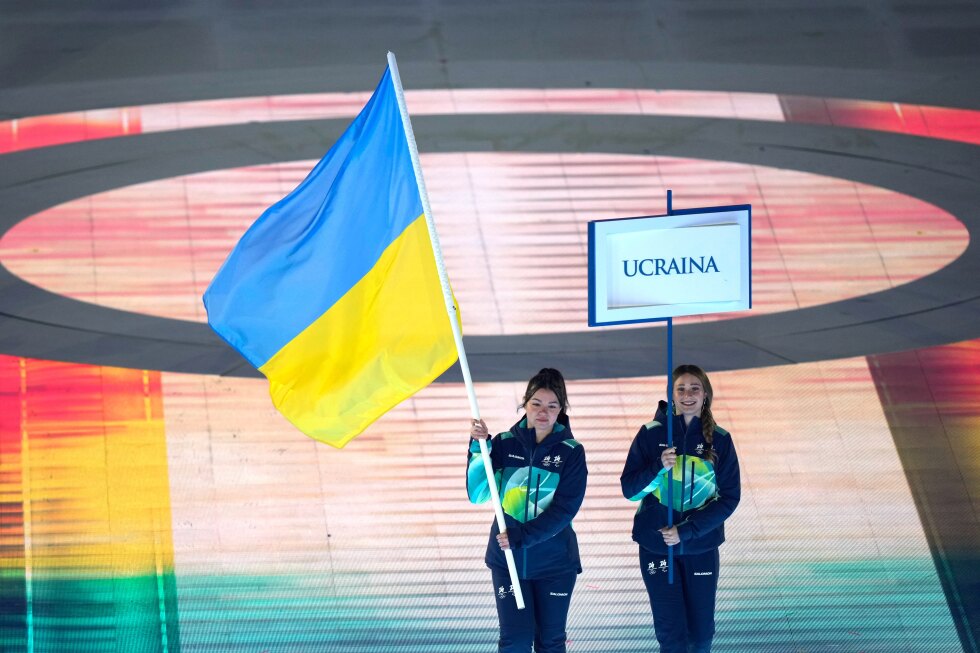
    CORTINA D’AMPEZZO, Italy — The 2024 Milan Cortina Winter Paralympics have become a stage for geopolitical tensions as Ukrainian athletes express profound discomfort with the reinstatement of Russian national symbols at the games. This marks the first appearance of the Russian flag and anthem at a major international sporting event since the nation’s 2022 invasion of Ukraine.

    The symbolic return occurred despite Ukraine’s boycott of both opening and closing ceremonies. The situation reached a poignant moment during Saturday’s Para cross-country mixed relay, where Ukrainian and Russian teams competed simultaneously. Ukraine secured silver while Russia finished sixth.

    Ukrainian skier Iryna Bui, speaking through a translator, described the experience as “painful and unpleasant” given the ongoing conflict between their nations. Bui, who won silver in women’s Para biathlon sprint pursuit standing, expressed shock at seeing “this flag that is soaked in blood of Ukrainians” displayed at an international competition.

    The International Paralympic Committee granted wildcard entries to Russian athletes, ending their neutral status period resulting from previous doping violations and military conflicts. This decision has signaled Russia’s potential full return to Olympic circles ahead of the 2028 Summer Games in Los Angeles.

    Ukrainian team captain Hryhorii Vovchynskii, who is married to Bui, questioned the ethics of allowing a nation actively at war with Ukraine to participate. He reported that Ukrainian athletes have attempted to mentally block the Russian presence, with some support from athletes of other nations.

    Meanwhile, Russian athletes expressed national pride in their reinstatement. Para alpine skier Varvara Voronchikhina described seeing the Russian flag as “really special,” while snowboarder Filipp Shebbo called it “perfect” for Russian athletes who had “been waiting for this for a long time.”

    The games unfolded against the backdrop of Europe’s largest conflict since World War II, now entering its fifth year with millions estimated casualties. Ukrainian athletes described competing under constant stress while maintaining communication with families in war-torn Ukraine, seeing their athletic achievements as a way to bring positive moments to their compatriots.