作者: admin

  • Cannabis smoke fills the air as Nepal marks Shivaratri festival

    Cannabis smoke fills the air as Nepal marks Shivaratri festival

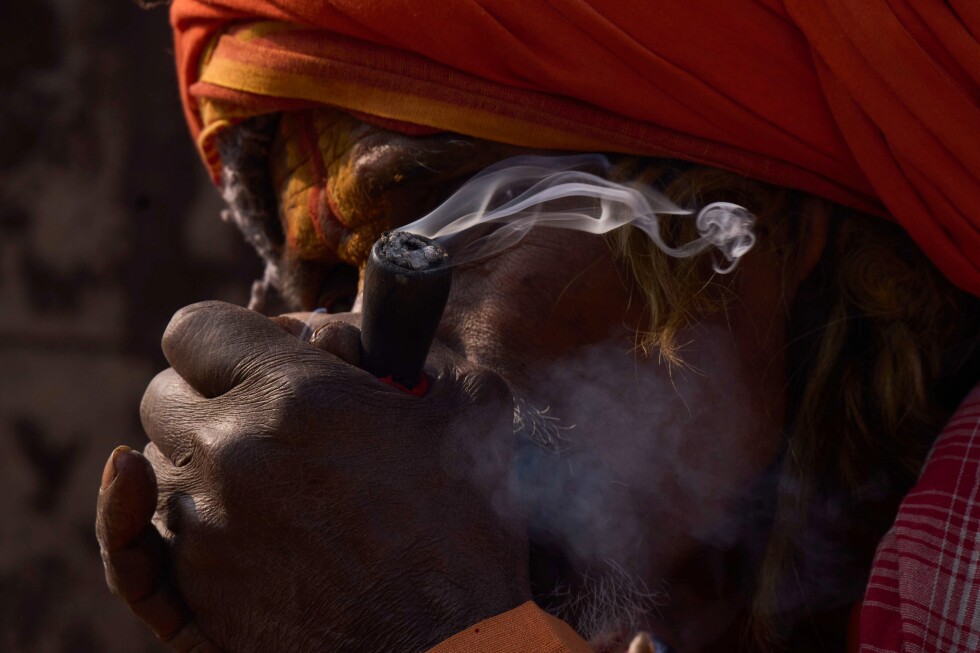
    KATHMANDU, Nepal — In a remarkable annual display of religious exception, tens of thousands of Hindu devotees participated in traditional cannabis consumption during the Shivaratri festival at Kathmandu’s sacred Pashupatinath Temple on Sunday. The event represents one of Nepal’s most significant religious gatherings, drawing both local worshippers and pilgrims from neighboring India.

    Against the backdrop of normally strict anti-drug laws, participants openly engaged in cannabis smoking as part of their devotional practices honoring Lord Shiva, the Hindu deity strongly associated with the plant’s ritual use. Holy men adorned with sacred ashes joined predominantly young devotees along the forested Bankali hills overlooking the Bagmati River, creating a vivid scene of religious celebration that contrasts sharply with Nepal’s typical drug enforcement policies.

    This ceremonial exception occurs despite Nepal’s general prohibition on marijuana, which carries penalties of up to one month imprisonment for personal use and decade-long sentences for trafficking offenses. The country’s relationship with cannabis has evolved significantly since the 1960s, when Nepal gained international recognition as a destination for psychoactive substances during the hippie movement era. Legal sales ended abruptly with the 1976 nationwide ban.

    Contemporary efforts to decriminalize marijuana have emerged from both activist campaigns and parliamentary initiatives seeking to legalize cultivation and consumption. However, these legislative movements have encountered substantial political obstacles, leaving the Shivaratri festival as one of the few legally sanctioned contexts for cannabis use in the predominantly Hindu nation, where approximately 81% of the population practices Hinduism.

  • Russian ‘pick-up artist’ accused of secretly filming women in Ghana

    Russian ‘pick-up artist’ accused of secretly filming women in Ghana

    Ghanaian authorities have formally requested Russia’s cooperation in extraditing a Russian national accused of secretly recording intimate encounters with multiple women and distributing the footage online without their consent. The case has triggered significant legal and diplomatic actions between the two nations.

    Technology Minister Sam George confirmed he has summoned the Russian ambassador in Accra to discuss the alleged cybercrimes committed by the individual, identified in media reports as a self-proclaimed ‘pick-up artist’ and online blogger in his thirties. According to African and Russian media outlets, the suspect utilized camera-equipped sunglasses to clandestinely film his interactions with women during his stay in Ghana before circulating the videos on social media platforms.

    Although preliminary investigations suggest the accused has already departed Ghana, officials emphasize this does not diminish the severity of the alleged offenses. Minister George stated, ‘The actions of this Russian citizen blatantly violate our cybersecurity legislation. We intend to pursue every available resource, including collaboration with Interpol, to ensure accountability.’

    Ghana faces jurisdictional challenges as Russia maintains a policy against extraditing its citizens except under extraordinary circumstances. Despite this, Ghanaian authorities have vowed to try the suspect in absentia if he refuses to return voluntarily.

    This incident reflects broader patterns, with local media reporting similar alleged activities by the same individual in Kenya. Ghana’s Cybersecurity Act 2020 imposes severe penalties for non-consensual sharing of intimate imagery, including sentences of up to 25 years imprisonment.

    The case occurs amid increased governmental focus on combating online sexual exploitation, including revenge pornography and romance scams. In 2022, Ghana’s judiciary demonstrated its commitment to these issues by sentencing a 22-year-old phone repairer to 14 years imprisonment for sexually extorting and sharing private images of a Lebanese woman without consent.

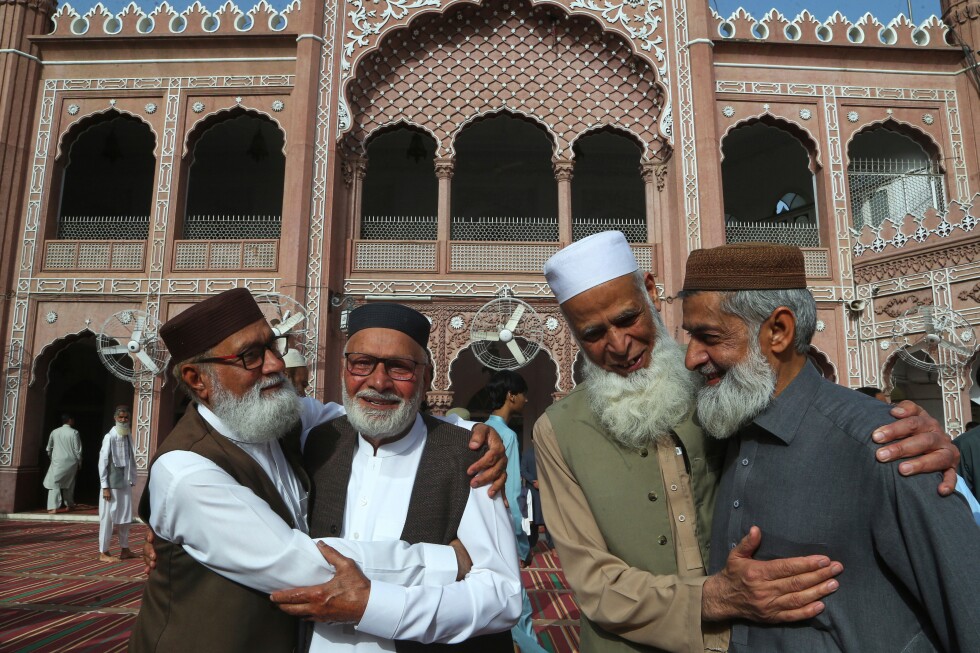
  • A look at Ramadan and how Muslims observe the holy month

    A look at Ramadan and how Muslims observe the holy month

    The Islamic holy month of Ramadan approaches, bringing with it a worldwide period of spiritual devotion and cultural celebration for observant Muslims. This sacred time, expected to commence around February 18-19, represents one of the Five Pillars of Islam and entails daily fasting from dawn to sunset as an act of religious submission and self-discipline.

    Ramadan’s commencement traditionally depends on lunar sightings, with variations in start dates occurring across different countries and Muslim communities due to differing methodologies employed by Islamic authorities. This year, Ramadan coincides approximately with Ash Wednesday, marking a significant period of reflection for both Muslims and Christians simultaneously.

    The fasting ritual requires complete abstinence from all food and drink, including water, during daylight hours. Muslims break their fast each evening with iftar meals, while consuming pre-dawn sustenance called suhoor to prepare for the daily fast. Beyond physical abstinence, Ramadan emphasizes increased worship, Quranic reading, charitable acts, and heightened spiritual contemplation.

    Charity represents a fundamental aspect of the month, with many Muslims providing iftar meals for those in need through various initiatives including food distributions and communal dining. Exemptions from fasting apply to those experiencing illness or travel, with requirements to make up missed days later.

    The cultural dimensions of Ramadan reveal the remarkable diversity within global Muslim communities. While religious observances remain consistent, social traditions vary significantly across regions. In Egypt, colorful lanterns and traditional Ramadan songs create a festive atmosphere, while in Indonesia, rituals range from Meugang slaughtering ceremonies in Aceh to symbolic river cleansing rituals in Tangerang.

    In the United States, Muslim communities utilize mosque gatherings and interfaith iftar meals to foster communal bonds within their diverse demographic. Some concerns have emerged regarding the potential commercialization of Ramadan in certain regions, where elaborate decorations, television programming, and lavish banquets might overshadow the month’s spiritual essence. Nevertheless, many believers maintain that cultural traditions and religious devotion can harmoniously coexist during this sacred period.

  • Pakistan wins toss and fields in marquee game against India at T20 World Cup. No handshakes again

    Pakistan wins toss and fields in marquee game against India at T20 World Cup. No handshakes again

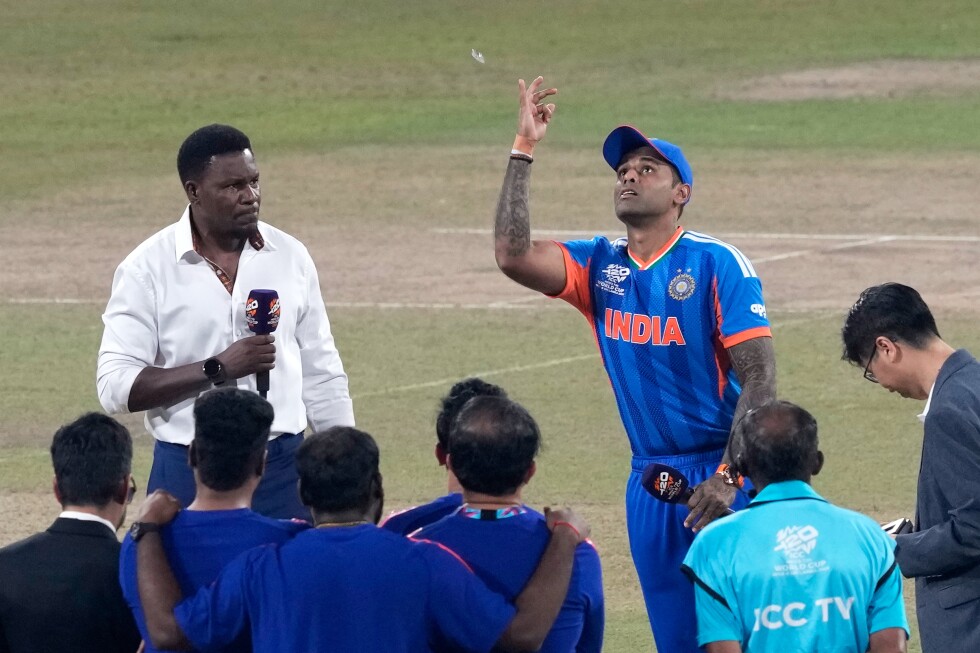
    COLOMBO, Sri Lanka — The highly anticipated Twenty20 World Cup match between arch-rivals India and Pakistan commenced under a cloud of diplomatic strain, as team captains abstained from the traditional pre-match handshake ceremony on Sunday. Pakistan’s captain Salman Ali Agha won the toss and elected to field first in what marks the first encounter between these cricketing nations since last year’s contentious Asia Cup tournament in the United Arab Emirates.

    The absence of ceremonial handshakes has become an unsettling pattern since Indian batsman Suryakumar Yadav initially refused the gesture during the Asia Cup, a practice subsequently mirrored in women’s and Under-19 world cup matches. This development occurs against a backdrop of speculation that the International Cricket Council (ICC) had mediated the conflict after Pakistan threatened to boycott the tournament earlier this month.

    India fielded a full-strength lineup with the return of explosive opener Abhishek Sharma, who missed the previous match against Namibia due to stomach illness. The team strategy included deploying three specialist spin bowlers—including Kuldeep Yadav, who replaced seam bowler Arshdeep Singh—to adapt to the pitch conditions at R. Premadasa Stadium. Pakistan maintained an unchanged roster from their victory against the United States.

    Meanwhile, tournament developments saw West Indies secure their third consecutive Group C victory with a dominant nine-wicket win over Nepal, qualifying for the Super 8 stage. Fast bowler Jason Holder claimed 4-27 to restrict Nepal to 133-8 before captain Shai Hope’s unbeaten 61 guided the Caribbean team to victory in 15.2 overs.

    The United States kept their slim qualification hopes alive with a 31-run victory against Namibia in Chennai. Sanjay Krishnamurthi’s maiden T20 half-century (68 not out off 33 balls) and captain Monank Patel’s 52 powered the Americans to their tournament-high score of 199-4. Medium-pacer Shadley Van Schalkwyk took 2-30 to maintain his position as the tournament’s leading wicket-taker with 13 scalps.

    Despite these developments, all eyes remained fixed on Colombo where the marquee match began at 7 p.m. local time. Pakistan’s captain Agha stated beforehand that the decision to shake hands rested with the Indian players, while Indian skipper Suryakumar Yadav remained non-committal when questioned by reporters.

    The match almost didn’t occur after Pakistan’s government considered withdrawing following the ICC’s expulsion of Bangladesh from the World Cup for refusing to play in India due to security concerns. Pakistan ultimately agreed to participate after intensive negotiations with the ICC, preserving what represents a major revenue generator for the international cricket body.

    These tensions reflect deeper geopolitical conflicts that have prevented bilateral series between the nations for years. India hasn’t traveled to Pakistan since 2008, while Pakistan’s last visit to India was for the 2023 ODI World Cup. India maintains a dominant record against Pakistan in T20 matches, having won 12 of their 16 encounters and boasting a 6-1 record in T20 World Cup matches since the inaugural tournament in 2007.

  • Muchova beats Mboko in Qatar Open final to end six-year title drought

    Muchova beats Mboko in Qatar Open final to end six-year title drought

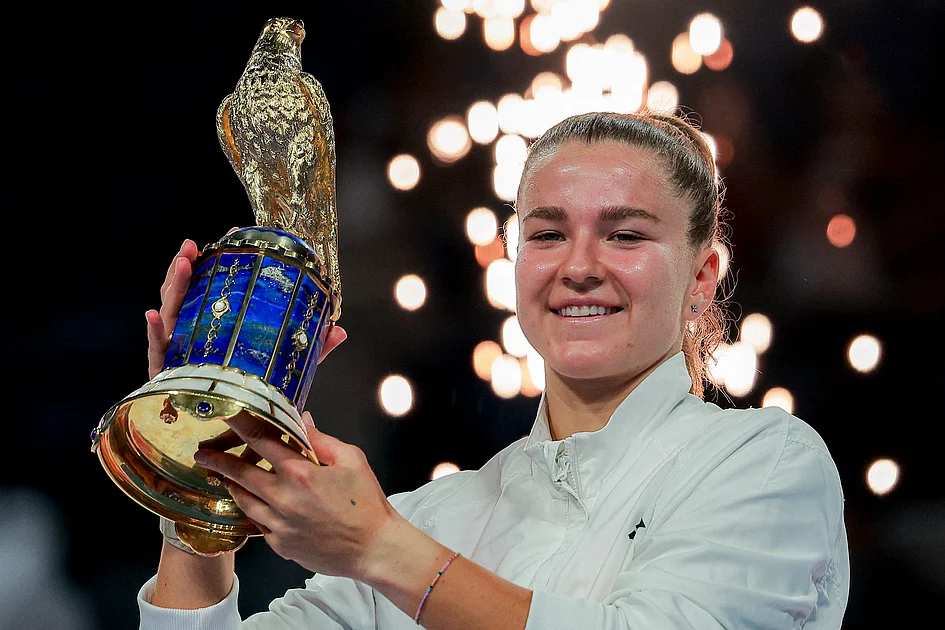
    In a remarkable comeback story, Czech tennis star Karolina Muchova captured the Qatar Open championship on Saturday, defeating Canadian rising star Victoria Mboko 6-4, 7-5 in the final. The victory marks Muchova’s first WTA 1000 title and ends a prolonged six-year period without a tournament win on the professional circuit.

    The 29-year-old Muchova, who reached the French Open final in 2023, has faced significant challenges with multiple injuries throughout her career. Most notably, she was sidelined for ten months following a wrist injury in 2023 that threatened to derail her career entirely. Her previous title came at the Korea Open in September 2019, making this victory particularly meaningful after years of rehabilitation and determination.

    Throughout the match lasting one hour and thirty-four minutes, Muchova demonstrated strategic mastery by varying her rhythm and minimizing unforced errors against her younger opponent. The emotional significance of the moment was not lost on the champion, who expressed relief and joy at rediscovering the winning feeling after such an extended absence from the winner’s circle.

    Despite the loss, 19-year-old Mboko delivered an impressive performance throughout the tournament, defeating fifth seed Mirra Andreeva and second seed Elena Rybakina en route to the final. Her performance is expected to propel her into the world’s top-10 rankings for the first time, signaling the arrival of a new force in women’s tennis.

  • ‘First feline’ Larry marks 15 years as Britain’s political top cat

    ‘First feline’ Larry marks 15 years as Britain’s political top cat

    LONDON — Amid Britain’s turbulent political landscape, an unconventional figure has emerged as the nation’s most enduring symbol of stability: Larry the Cat, who celebrates his 15th anniversary this Sunday as the official resident of 10 Downing Street.

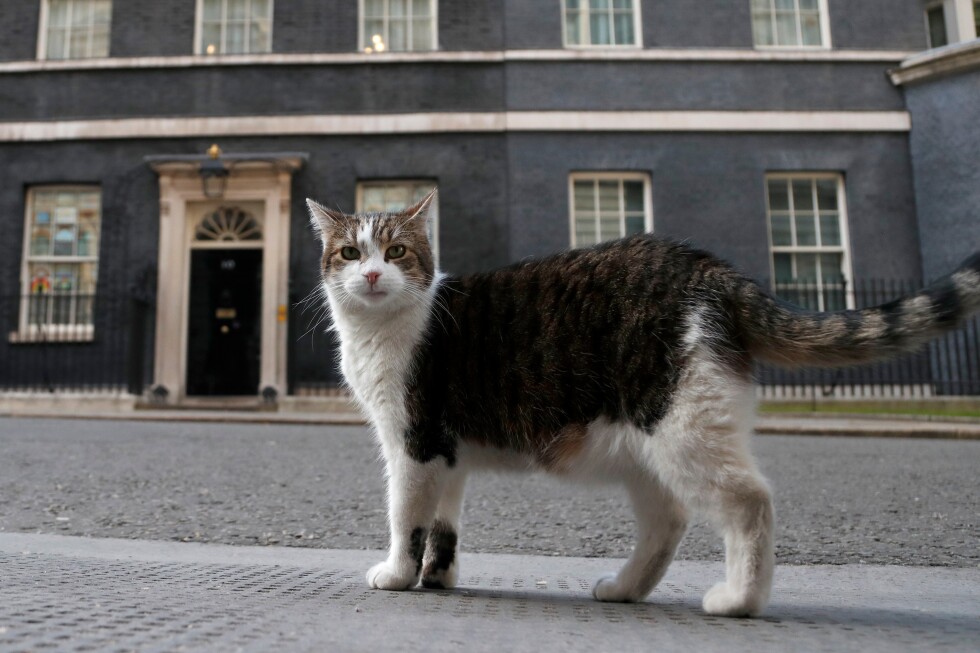
    The gray-and-white tabby, who bears the formal title ‘Chief Mouser to the Cabinet Office,’ has outlasted six prime ministers since his appointment in February 2011. Originally rescued from London’s Battersea Dogs and Cats Home by former Prime Minister David Cameron, Larry has transformed from street stray to political institution.

    According to his official government profile, Larry’s duties extend beyond rodent control to include ‘greeting guests, inspecting security defenses, and testing antique furniture for napping quality.’ Yet his influence transcends these formal responsibilities. The feline regularly upstages world leaders during official visits, demonstrating a particular talent for strategic photo-bombing that delights press photographers.

    ‘He represents stability in a political environment where that’s at a premium,’ observed Cambridge University professor Philip Howell, an expert in human-animal relations. ‘Larry’s approval ratings consistently outperform those of the politicians he serves.’

    The cat’s diplomatic career has included encounters with numerous world leaders. He demonstrated particular affinity for former U.S. President Barack Obama and elicited smiles from Ukrainian President Volodymyr Zelenskyy. During Donald Trump’s 2019 visit, Larry famously interrupted the official doorstep photographs before retreating for a nap beneath the presidential armored vehicle.

    While his rodent-catching capabilities remain subject to debate—with documented captures including occasional mice and one escaped pigeon—Larry excels in his unofficial role as Britain’s furry diplomat. ‘He’s more of a lover than a fighter,’ noted freelance photographer Justin Ng. ‘His true expertise lies in lounging and projecting an air of nonchalant authority.’

    The feline statesman has navigated cohabitation challenges with various prime ministerial pets, maintaining territorial sovereignty over Downing Street’s working areas while avoiding current Prime Minister Keir Starmer’s private cats. His most notable rivalry was with Palmerston, the Foreign Office’s diplomatic cat, with whom he had several public altercations before Palmerston’s retirement and recent passing.

    Now estimated to be 18 or 19 years old, Larry continues his patrols from preferred napping spots, particularly a radiator-warmed window ledge near the famous black door. Experts suggest his enduring appeal lies in his nonpartisan authenticity and characteristically feline independence.

    ‘Cats are less tractable than dogs, and that’s part of Larry’s charm,’ Professor Howell explained. ‘His whimsical nonpartisanship and refusal to perform on command embody a certain unruliness that resonates deeply with the British public.’

    As Britain’s longest-serving political resident, Larry has become an institution that no prime minister would dare disrupt—a living symbol of continuity in a world of political transience.

  • Guehi scores as Man City beat Salford in FA Cup, Burnley upset by Mansfield

    Guehi scores as Man City beat Salford in FA Cup, Burnley upset by Mansfield

    The FA Cup fourth round delivered its trademark blend of predictable dominance and stunning underdog triumphs on Saturday. Manchester City secured expected progression against League Two’s Salford City with a 2-0 victory, while Premier League strugglers Burnley suffered a spectacular 2-1 defeat against third-tier Mansfield Town.

    At the Etihad Stadium, Pep Guardiola’s rotated squad established control early when Salford defender Alfie Dorrington inadvertently turned Rayan Ait-Nouri’s sixth-minute cross into his own net. The hosts faced a momentary scare when Omar Marmoush’s disallowed goal—incorrectly ruled offside due to the absence of VAR technology in early FA Cup rounds—prompted visible frustration from Guardiola toward match officials.

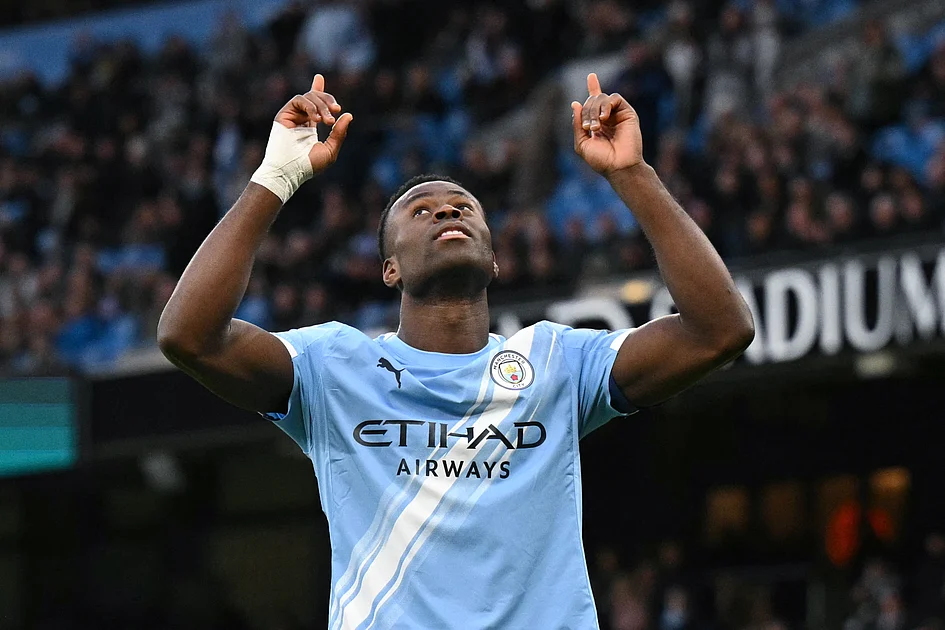
    Despite Salford’s persistent attacking efforts thwarted by goalkeeper James Trafford’s exceptional saves, City sealed victory through January acquisition Marc Guehi. The former Crystal Palace defender capitalized on a spilled save in the 81st minute, scoring his debut goal for the club under revised eligibility rules that permitted his participation despite previous cup appearances.

    Meanwhile, at Turf Moor, League One’s Mansfield Town engineered one of the competition’s most memorable upsets. After Josh Laurent’s first-half opener for Burnley, the visitors responded through Rhys Oates’ equalizer before captain Louis Reed delivered a spectacular 69th-minute free kick that secured their first victory against top-flight opposition in 55 years.

    In simultaneous action, West Ham United required extra time to overcome League One’s Burton Albion 1-0 through Crysencio Summerville’s sixth goal in seven games. The Hammers endured additional tension after Freddie Potts’ dismissal, while Norwich City comfortably defeated West Bromwich Albion 3-1 in all-Championship contention.

  • Markram powers South Africa to seven-wicket win over New Zealand

    Markram powers South Africa to seven-wicket win over New Zealand

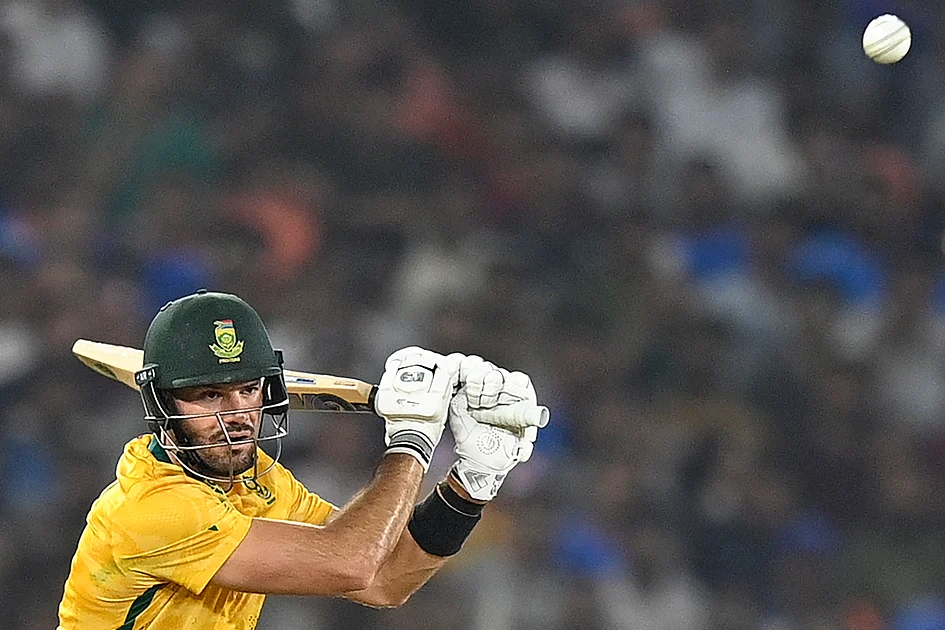
    In a spectacular display of cricketing prowess, South Africa secured a decisive seven-wicket triumph against New Zealand in the T20 World Cup Group D encounter on Saturday. The victory, masterminded by captain Aiden Markram’s explosive batting performance, positions South Africa favorably for advancement to the Super 8 stage with their third consecutive tournament win.

    The match commenced with New Zealand winning the toss and opting to bat first at Ahmedabad’s iconic stadium. South Africa’s bowling attack, spearheaded by Marco Jansen’s exceptional four-wicket haul (4-40), immediately applied pressure on the Kiwi lineup. Jansen’s devastating spell dismantled New Zealand’s top order within the first seven overs, leaving them reeling at 58-3 despite Finn Allen’s brief counterattack of 31 runs from 17 deliveries.

    A middle-order resurgence appeared imminent when Mark Chapman (48) and Daryl Mitchell (32) constructed a stabilizing 74-run partnership for the fifth wicket. However, Jansen’s return to the attack broke the threatening stand, with Chapman caught brilliantly by Ryan Rickelton at backward point. Despite James Neesham’s late flourish of 23 not out from 15 balls, New Zealand could only manage a competitive yet underwhelming total of 175-7 from their allotted 20 overs.

    South Africa’s response transformed into a batting masterclass as Markram unleashed a devastating assault on New Zealand’s bowling attack. The Proteas captain rewrote the tournament record books by registering the highest individual score by a South African skipper in T20 World Cup history, hammering an unbeaten 86 from just 44 deliveries. His innings featured eight boundaries and four massive sixes, including a remarkable nineteen-ball half-century.

    The chase commenced explosively with South Africa reaching 62-0 within the powerplay, the highest powerplay score of the tournament thus far. Even the dismissals of opening partner Quinton de Kock (20) and Rickelton (21) failed to disrupt Markram’s rhythm. With the required run rate plummeting below six, the captain demonstrated tactical maturity by shifting to strike rotation before David Miller’s unbeaten 24 concluded the match with 17 balls remaining.

    Post-match, Markram emphasized the strategic approach: ‘It’s about managing the game through the right phases. Teams are aggressively targeting the powerplay, and we’d be remiss not to employ that strategy. While it doesn’t always succeed, when executed properly, it positions us advantageously early in the contest.’

    South Africa will complete their group stage campaign against the UAE on Wednesday, while New Zealand faces Canada the previous day, with both matches carrying significant implications for Super 8 qualification.

  • Iran’s foreign minister calls Munich Security Conference a ‘circus’ amid nuclear tensions

    Iran’s foreign minister calls Munich Security Conference a ‘circus’ amid nuclear tensions

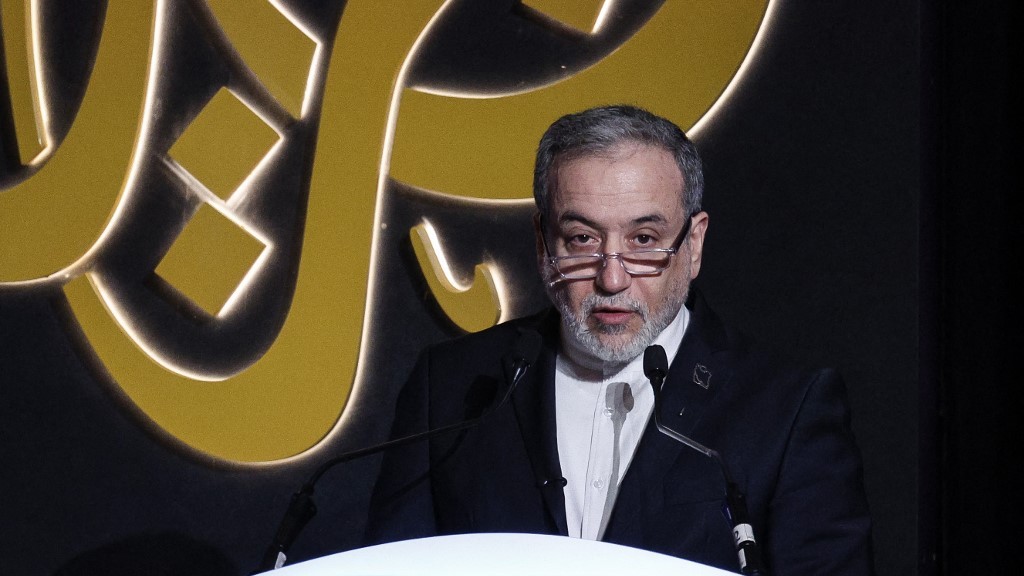
    Iran’s Foreign Minister Abbas Araghchi has launched a scathing critique against European powers participating in the Munich Security Conference, characterizing the prestigious gathering as having degenerated into the “Munich Circus” regarding Iranian affairs. Through his official social media channel on platform X, the diplomat articulated profound dissatisfaction with what he termed as Europe’s ineffective regional strategies and diminishing clout in critical negotiations concerning Tehran’s nuclear program.

    Araghchi emphasized the conspicuous absence of European influence, noting that the European Union and the E3 coalition (France, Germany, and the UK) now demonstrate evident “paralysis and loss of influence” in ongoing diplomatic talks. He contrasted this perceived European inadequacy by praising regional allies as “far more effective and useful than the European troika, which stands on the sidelines.” The minister specifically singled out Germany, accusing Berlin of having “fully handed over its regional policies to Israel.”

    The timing of these remarks coincided with the commencement of the 62nd Munich Security Conference, a high-profile event attracting over 60 heads of state and government alongside approximately 100 foreign and defense ministers. Notably absent from the conference were Iranian officials, who face exclusion from participation.

    Simultaneously, Reza Pahlavi, son of Iran’s former monarch residing in the United States since the 1979 revolution, utilized the conference sidelines to advocate for U.S. military intervention to accelerate political transformation within Iran. Pahlavi cautioned Washington against protracted nuclear negotiations with Tehran, asserting that external pressure could catalyze public demonstrations leading to the regime’s ultimate downfall.

    These developments underscore the profound schism between Iran’s current leadership and exiled opposition factions regarding the nation’s future trajectory. The opposition remains fragmented among competing ideological groups, including monarchists aligned with Pahlavi, maintaining limited organized presence within the Islamic Republic despite their aspirations for regime change.

  • US military preparing for potentially weeks-long Iran operations

    US military preparing for potentially weeks-long Iran operations

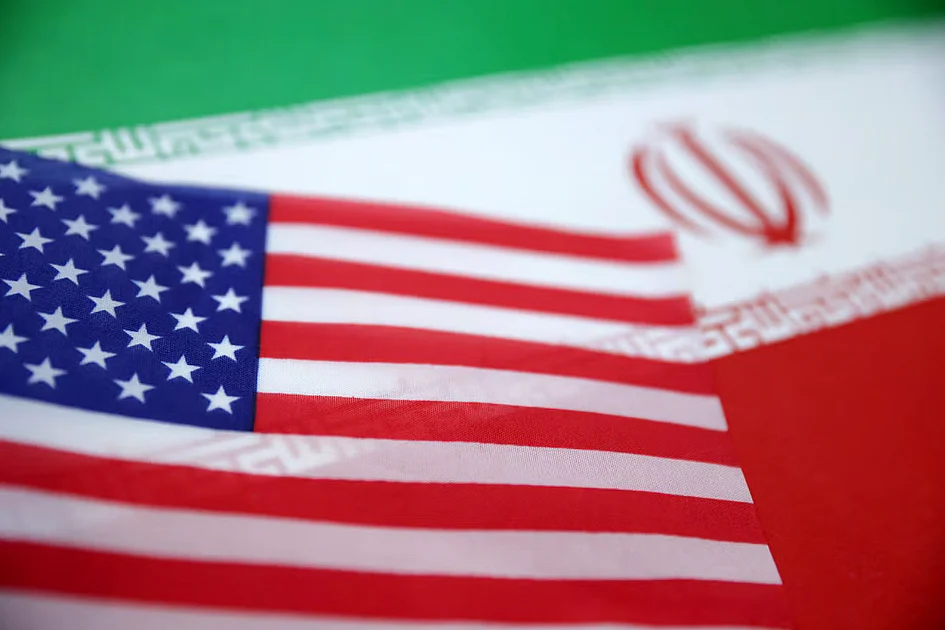
    The United States military is actively preparing for potentially prolonged military operations against Iran that could span several weeks, should President Donald Trump authorize such action. According to two anonymous officials familiar with the sensitive planning, this preparation signals a potential escalation beyond previous confrontations between the two nations.

    The Pentagon has significantly bolstered its military presence in the Middle East, deploying an additional aircraft carrier alongside thousands of troops, fighter aircraft, and guided-missile destroyers. This substantial force accumulation represents both offensive strike capabilities and defensive measures against potential retaliation.

    While diplomatic channels remain active with US envoys Steve Witkoff and Jared Kushner scheduled to negotiate with Iranian representatives in Geneva on Tuesday—with Omani mediators facilitating discussions—Secretary of State Marco Rubio acknowledged the challenges in reaching a diplomatic resolution. “Trump’s preference is to reach a deal with Tehran, but that’s very hard to do,” Rubio stated on Saturday.

    President Trump has openly contemplated regime change in Iran, commenting after a military event at Fort Bragg that replacing the Iranian government “seems like that would be the best thing that could happen.” When pressed about potential successors, Trump cryptically noted “there are people” without providing specifics.

    The current military planning differs significantly from last year’s “Midnight Hammer” operation, which involved a single strike on Iranian nuclear facilities using stealth bombers. Officials indicate that any sustained campaign would likely target a broader range of Iranian state and security infrastructure beyond nuclear sites.

    Military experts warn that operations against Iran carry substantially higher risks due to the country’s formidable missile arsenal and capacity for retaliation. Such actions could potentially trigger a broader regional conflict, with Iranian Revolutionary Guard forces already warning they would target US military bases in response to any strikes on Iranian territory.

    The complex situation is further complicated by regional dynamics, including Israeli Prime Minister Benjamin Netanyahu’s recent meeting with Trump, where he emphasized that any agreement with Iran “must include the elements that are vital to Israel.”

    Meanwhile, exiled Iranian opposition figure Reza Pahlavi has advocated for US military intervention, suggesting it could accelerate the collapse of Tehran’s government. “We are hoping that this attack will expedite the process and the people can be finally back in the streets and take it all the way to the ultimate regime’s downfall,” said the son of Iran’s deposed shah.