作者: admin

  • Guehi scores as Man City beat Salford in FA Cup, Burnley upset by Mansfield

    Guehi scores as Man City beat Salford in FA Cup, Burnley upset by Mansfield

    The FA Cup fourth round delivered its trademark blend of predictable dominance and stunning underdog triumphs on Saturday. Manchester City secured expected progression against League Two’s Salford City with a 2-0 victory, while Premier League strugglers Burnley suffered a spectacular 2-1 defeat against third-tier Mansfield Town.

    At the Etihad Stadium, Pep Guardiola’s rotated squad established control early when Salford defender Alfie Dorrington inadvertently turned Rayan Ait-Nouri’s sixth-minute cross into his own net. The hosts faced a momentary scare when Omar Marmoush’s disallowed goal—incorrectly ruled offside due to the absence of VAR technology in early FA Cup rounds—prompted visible frustration from Guardiola toward match officials.

    Despite Salford’s persistent attacking efforts thwarted by goalkeeper James Trafford’s exceptional saves, City sealed victory through January acquisition Marc Guehi. The former Crystal Palace defender capitalized on a spilled save in the 81st minute, scoring his debut goal for the club under revised eligibility rules that permitted his participation despite previous cup appearances.

    Meanwhile, at Turf Moor, League One’s Mansfield Town engineered one of the competition’s most memorable upsets. After Josh Laurent’s first-half opener for Burnley, the visitors responded through Rhys Oates’ equalizer before captain Louis Reed delivered a spectacular 69th-minute free kick that secured their first victory against top-flight opposition in 55 years.

    In simultaneous action, West Ham United required extra time to overcome League One’s Burton Albion 1-0 through Crysencio Summerville’s sixth goal in seven games. The Hammers endured additional tension after Freddie Potts’ dismissal, while Norwich City comfortably defeated West Bromwich Albion 3-1 in all-Championship contention.
  • Markram powers South Africa to seven-wicket win over New Zealand

    Markram powers South Africa to seven-wicket win over New Zealand

    In a spectacular display of cricketing prowess, South Africa secured a decisive seven-wicket triumph against New Zealand in the T20 World Cup Group D encounter on Saturday. The victory, masterminded by captain Aiden Markram’s explosive batting performance, positions South Africa favorably for advancement to the Super 8 stage with their third consecutive tournament win.

    The match commenced with New Zealand winning the toss and opting to bat first at Ahmedabad’s iconic stadium. South Africa’s bowling attack, spearheaded by Marco Jansen’s exceptional four-wicket haul (4-40), immediately applied pressure on the Kiwi lineup. Jansen’s devastating spell dismantled New Zealand’s top order within the first seven overs, leaving them reeling at 58-3 despite Finn Allen’s brief counterattack of 31 runs from 17 deliveries.

    A middle-order resurgence appeared imminent when Mark Chapman (48) and Daryl Mitchell (32) constructed a stabilizing 74-run partnership for the fifth wicket. However, Jansen’s return to the attack broke the threatening stand, with Chapman caught brilliantly by Ryan Rickelton at backward point. Despite James Neesham’s late flourish of 23 not out from 15 balls, New Zealand could only manage a competitive yet underwhelming total of 175-7 from their allotted 20 overs.

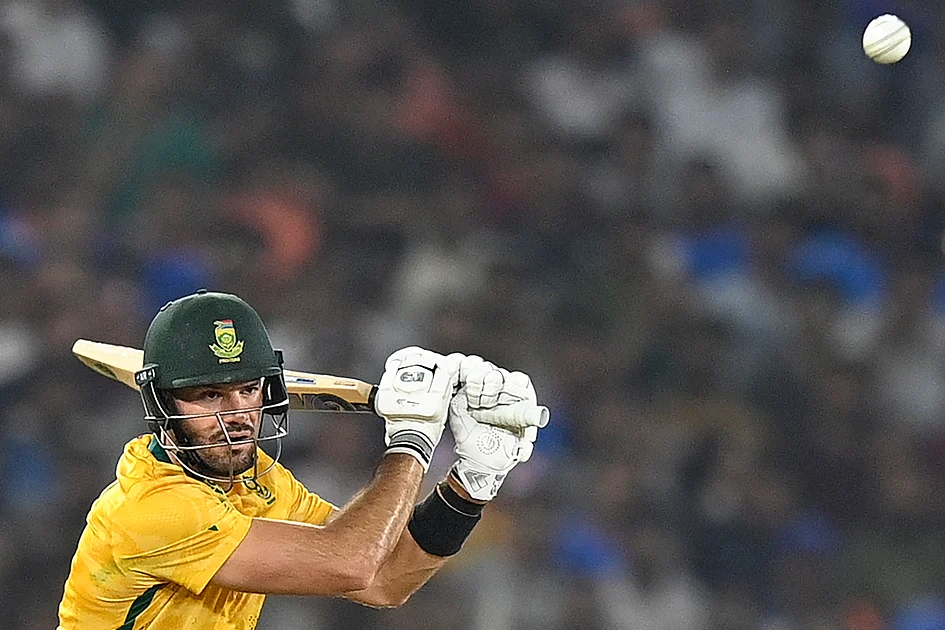
    South Africa’s response transformed into a batting masterclass as Markram unleashed a devastating assault on New Zealand’s bowling attack. The Proteas captain rewrote the tournament record books by registering the highest individual score by a South African skipper in T20 World Cup history, hammering an unbeaten 86 from just 44 deliveries. His innings featured eight boundaries and four massive sixes, including a remarkable nineteen-ball half-century.

    The chase commenced explosively with South Africa reaching 62-0 within the powerplay, the highest powerplay score of the tournament thus far. Even the dismissals of opening partner Quinton de Kock (20) and Rickelton (21) failed to disrupt Markram’s rhythm. With the required run rate plummeting below six, the captain demonstrated tactical maturity by shifting to strike rotation before David Miller’s unbeaten 24 concluded the match with 17 balls remaining.

    Post-match, Markram emphasized the strategic approach: ‘It’s about managing the game through the right phases. Teams are aggressively targeting the powerplay, and we’d be remiss not to employ that strategy. While it doesn’t always succeed, when executed properly, it positions us advantageously early in the contest.’

    South Africa will complete their group stage campaign against the UAE on Wednesday, while New Zealand faces Canada the previous day, with both matches carrying significant implications for Super 8 qualification.

  • Iran’s foreign minister calls Munich Security Conference a ‘circus’ amid nuclear tensions

    Iran’s foreign minister calls Munich Security Conference a ‘circus’ amid nuclear tensions

    Iran’s Foreign Minister Abbas Araghchi has launched a scathing critique against European powers participating in the Munich Security Conference, characterizing the prestigious gathering as having degenerated into the “Munich Circus” regarding Iranian affairs. Through his official social media channel on platform X, the diplomat articulated profound dissatisfaction with what he termed as Europe’s ineffective regional strategies and diminishing clout in critical negotiations concerning Tehran’s nuclear program.

    Araghchi emphasized the conspicuous absence of European influence, noting that the European Union and the E3 coalition (France, Germany, and the UK) now demonstrate evident “paralysis and loss of influence” in ongoing diplomatic talks. He contrasted this perceived European inadequacy by praising regional allies as “far more effective and useful than the European troika, which stands on the sidelines.” The minister specifically singled out Germany, accusing Berlin of having “fully handed over its regional policies to Israel.”

    The timing of these remarks coincided with the commencement of the 62nd Munich Security Conference, a high-profile event attracting over 60 heads of state and government alongside approximately 100 foreign and defense ministers. Notably absent from the conference were Iranian officials, who face exclusion from participation.

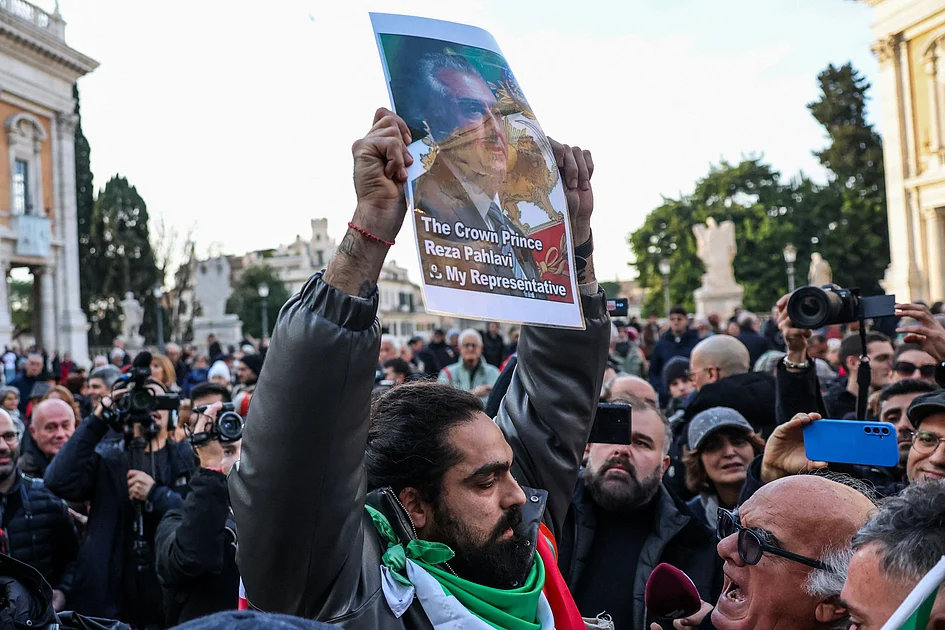
    Simultaneously, Reza Pahlavi, son of Iran’s former monarch residing in the United States since the 1979 revolution, utilized the conference sidelines to advocate for U.S. military intervention to accelerate political transformation within Iran. Pahlavi cautioned Washington against protracted nuclear negotiations with Tehran, asserting that external pressure could catalyze public demonstrations leading to the regime’s ultimate downfall.

    These developments underscore the profound schism between Iran’s current leadership and exiled opposition factions regarding the nation’s future trajectory. The opposition remains fragmented among competing ideological groups, including monarchists aligned with Pahlavi, maintaining limited organized presence within the Islamic Republic despite their aspirations for regime change.

  • US military preparing for potentially weeks-long Iran operations

    US military preparing for potentially weeks-long Iran operations

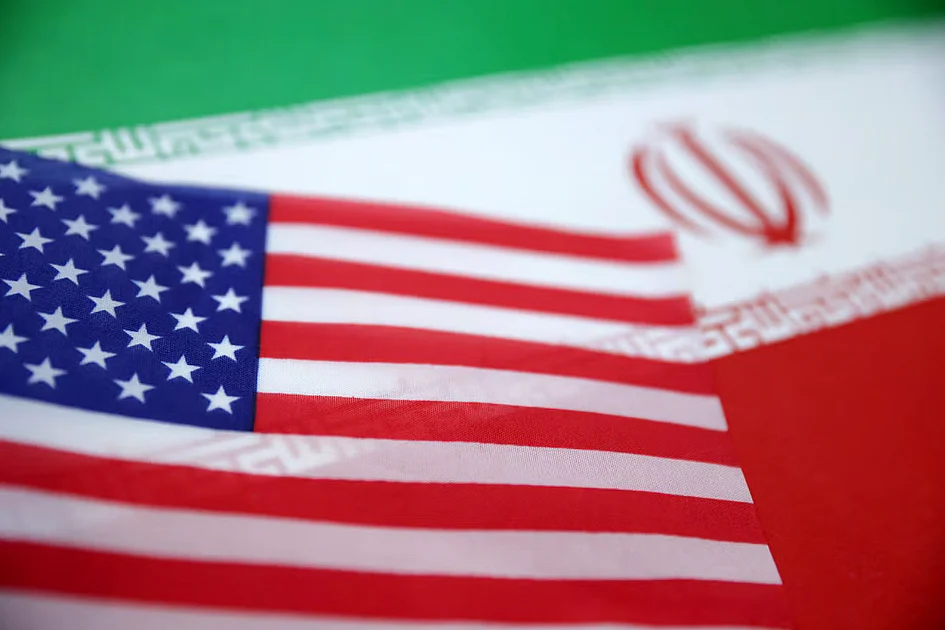
    The United States military is actively preparing for potentially prolonged military operations against Iran that could span several weeks, should President Donald Trump authorize such action. According to two anonymous officials familiar with the sensitive planning, this preparation signals a potential escalation beyond previous confrontations between the two nations.

    The Pentagon has significantly bolstered its military presence in the Middle East, deploying an additional aircraft carrier alongside thousands of troops, fighter aircraft, and guided-missile destroyers. This substantial force accumulation represents both offensive strike capabilities and defensive measures against potential retaliation.

    While diplomatic channels remain active with US envoys Steve Witkoff and Jared Kushner scheduled to negotiate with Iranian representatives in Geneva on Tuesday—with Omani mediators facilitating discussions—Secretary of State Marco Rubio acknowledged the challenges in reaching a diplomatic resolution. “Trump’s preference is to reach a deal with Tehran, but that’s very hard to do,” Rubio stated on Saturday.

    President Trump has openly contemplated regime change in Iran, commenting after a military event at Fort Bragg that replacing the Iranian government “seems like that would be the best thing that could happen.” When pressed about potential successors, Trump cryptically noted “there are people” without providing specifics.

    The current military planning differs significantly from last year’s “Midnight Hammer” operation, which involved a single strike on Iranian nuclear facilities using stealth bombers. Officials indicate that any sustained campaign would likely target a broader range of Iranian state and security infrastructure beyond nuclear sites.

    Military experts warn that operations against Iran carry substantially higher risks due to the country’s formidable missile arsenal and capacity for retaliation. Such actions could potentially trigger a broader regional conflict, with Iranian Revolutionary Guard forces already warning they would target US military bases in response to any strikes on Iranian territory.

    The complex situation is further complicated by regional dynamics, including Israeli Prime Minister Benjamin Netanyahu’s recent meeting with Trump, where he emphasized that any agreement with Iran “must include the elements that are vital to Israel.”

    Meanwhile, exiled Iranian opposition figure Reza Pahlavi has advocated for US military intervention, suggesting it could accelerate the collapse of Tehran’s government. “We are hoping that this attack will expedite the process and the people can be finally back in the streets and take it all the way to the ultimate regime’s downfall,” said the son of Iran’s deposed shah.

  • Thousands of western nationals serve in Israel’s army amid Gaza genocide: Report

    Thousands of western nationals serve in Israel’s army amid Gaza genocide: Report

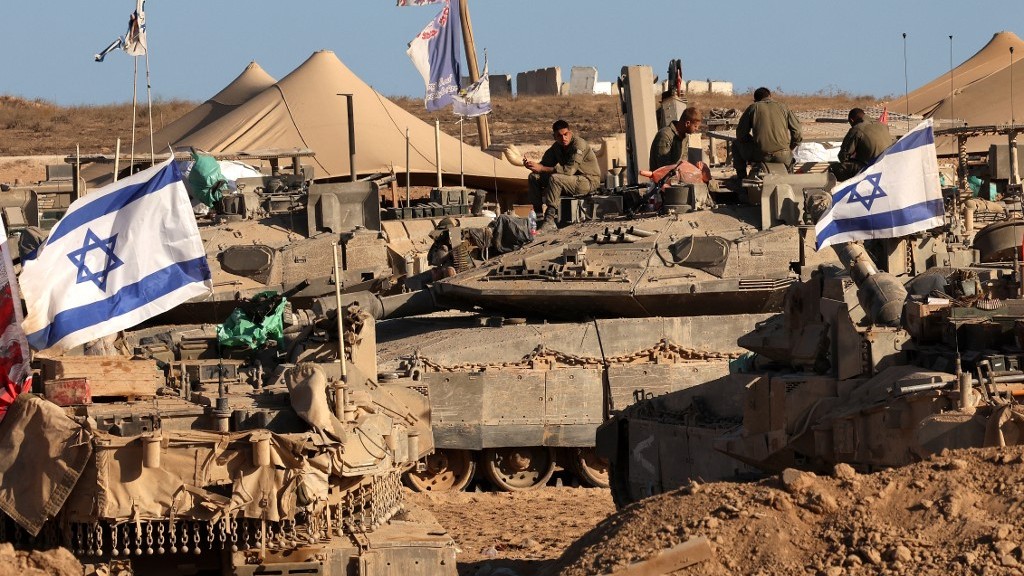
    For the first time, the Israeli military has officially disclosed comprehensive data revealing the significant presence of dual-nationality personnel within its ranks. According to information obtained through a Freedom of Information request by NGO Hatzlacha, a total of 50,632 active soldiers hold citizenship in at least one additional country alongside their Israeli nationality.

    The breakdown shows soldiers from Western nations constitute the majority of foreign passport holders. United States citizens form the largest contingent with 12,135 soldiers, followed by France (over 6,100) and Russia (approximately 5,000). The United Kingdom contributes 2,069 soldiers, a figure that substantially revises previous estimates that focused only on approximately 54 ‘lone soldiers’ without Israeli citizenship.

    Additional significant representation comes from Germany, Ukraine, Romania, Poland, Canada and several Latin American countries. The data also identifies a smaller number of personnel holding citizenship from Arab states including Yemen, Tunisia, Lebanon, Syria and Algeria.

    Notably, the documentation reveals 4,440 soldiers maintain two foreign citizenships in addition to Israeli nationality, while 162 personnel possess three or more foreign passports.

    This disclosure comes amid increasing international legal scrutiny as these dual-national soldiers have participated in military operations in Gaza since October 2023. The scale of foreign participation has triggered examinations under universal jurisdiction principles, which enable national courts to prosecute individuals for alleged war crimes regardless of where violations occurred.

    Major human rights organizations including Human Rights Watch and Amnesty International have called for independent investigations and urged governments to examine the conduct of their nationals serving in the Israeli military. Legal initiatives have already commenced in several countries, with Canadian authorities opening probes into suspected war crimes potentially involving dual-national reservists. Rights groups in Belgium and the United Kingdom have similarly filed complaints targeting hundreds of individuals holding European citizenship.

    Legal experts note that some foreign nationals, including Britons, could face exposure under domestic legislation that restricts participation in foreign military forces under certain circumstances. The International Court of Justice’s January 2024 warning of a plausible risk of genocide in Gaza has intensified calls for states to investigate whether their citizens participated in violations of international law.

    The conflict, which has resulted in over 72,000 Palestinian fatalities and 171,000 injuries according to the report, has destroyed approximately 90% of civilian infrastructure across Gaza.

  • Indigo gets second bomb scare in a day, finds threat written in lipstick

    Indigo gets second bomb scare in a day, finds threat written in lipstick

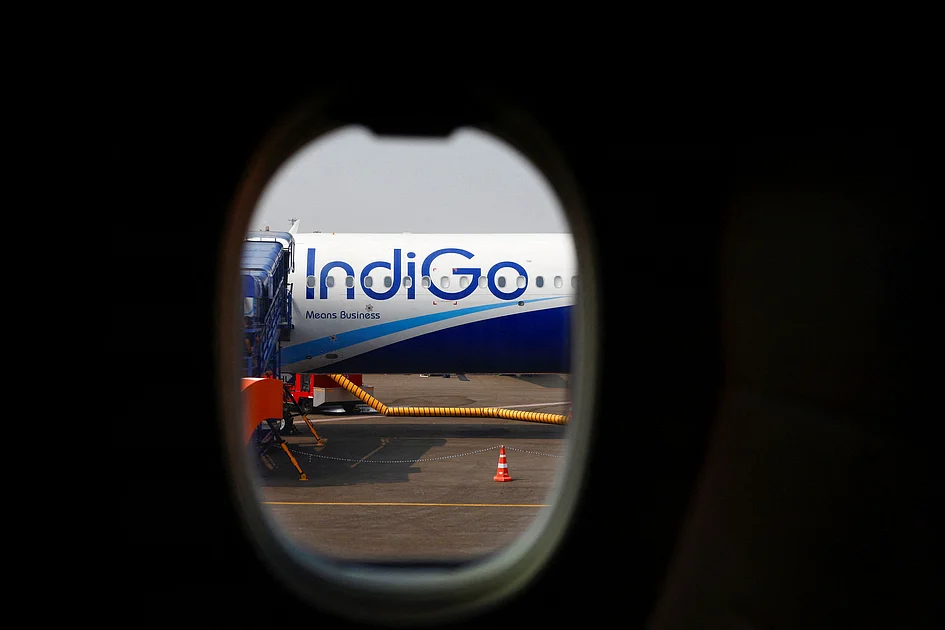
    Kolkata’s Netaji Subhas Chandra Bose International Airport became the center of security operations on Saturday as IndiGo Airlines confronted two separate bomb threats targeting its aircraft within a single day. The most recent incident involved flight 6E6894, an A-320 aircraft traveling from Dibrugarh Airport in Assam to Kolkata, which executed an emergency landing protocol after crew members discovered a threatening message inscribed in lipstick inside one of the aircraft’s lavatories.

    According to official statements, the aircraft touched down safely at 7:37 PM local time and was immediately redirected to an isolated security bay following established safety protocols. All passengers were evacuated from the aircraft without incident as security teams commenced comprehensive sweeps of the cabin and cargo areas.

    This event marked the second security scare for the airline within hours. Earlier that morning, another IndiGo flight (6E3074) scheduled to depart for Shillong at 9:15 AM was similarly diverted to isolation after ground staff discovered a handwritten bomb threat note within the aircraft’s toilet compartment. That incident also resulted in the complete evacuation of passengers and thorough security inspections.

    Airport authorities have launched investigations into both occurrences, examining security footage and passenger manifests to identify potential perpetrators. Aviation security experts note that such hoaxes, while ultimately false, trigger massive operational disruptions and incur significant financial losses for airlines. The repeated targeting of a single carrier within hours has raised questions about potential coordinated efforts to undermine aviation security.

    IndiGo officials have reiterated their commitment to passenger safety while acknowledging the disruptive impact of such security threats on flight operations. The airline is cooperating fully with investigative agencies to determine the origin of both threats.

  • After the landslide: Can India reset ties with a BNP-led Bangladesh?

    After the landslide: Can India reset ties with a BNP-led Bangladesh?

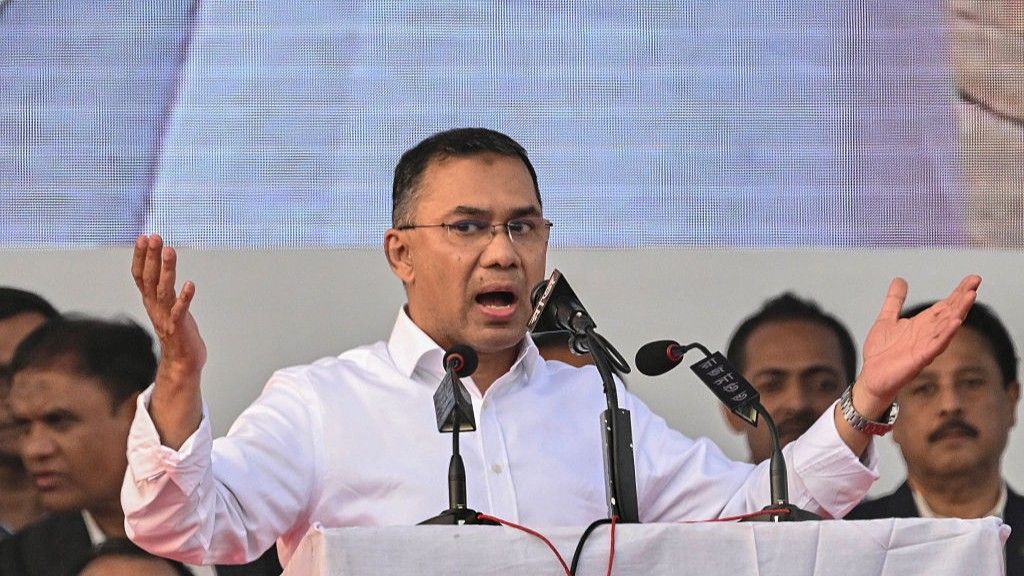
    Bangladesh’s political landscape has undergone a seismic shift with the Bangladesh Nationalist Party’s (BNP) decisive electoral victory, prompting a complex recalibration of regional alliances. Prime Minister Narendra Modi’s carefully worded congratulatory message to BNP leader Tarique Rahman underscores India’s cautious approach toward a party historically viewed with suspicion in New Delhi.

    The bilateral relationship faces multiple pressure points following the exile of former Prime Minister Sheikh Hasina to India after the 2024 uprising. With visa services suspended, cross-border transportation halted, and flights drastically reduced, the neighbors must navigate accumulated grievances including border killings, water disputes, and trade restrictions.

    Historical baggage complicates the reset. During previous BNP administrations (2001-2006), relations deteriorated significantly over concerns about support for northeastern insurgents and protection of Hindu minorities. The 2004 Chittagong arms haul—reportedly destined for Indian rebel groups—represented a particular low point in bilateral trust.

    Meanwhile, Bangladesh’s renewed engagement with Pakistan adds another layer of complexity. Recent developments include resumed direct flights after a 14-year hiatus, high-level diplomatic exchanges, and a 27% increase in trade—signaling a notable thaw in previously frozen relations.

    Analysts suggest that while security cooperation likely remains stable due to existing defense agreements and coordinated patrols, the relationship’s future hinges on several critical factors: India’s handling of Hasina’s exile, the BNP’s ability to manage anti-India sentiment, and Delhi’s willingness to temper inflammatory rhetoric that has damaged its standing in Bangladeshi public opinion.

    The path forward requires delicate balancing. As Professor Avinash Paliwal of SOAS University notes, Rahman has demonstrated political maturity by not letting past mistrust dictate future engagement. However, success will depend on whether India, as the larger neighbor, can prioritize confidence-building measures over cautious hesitation in this new geopolitical reality.

  • Motorbike raids on villages kill at least 30 in Nigeria

    Motorbike raids on villages kill at least 30 in Nigeria

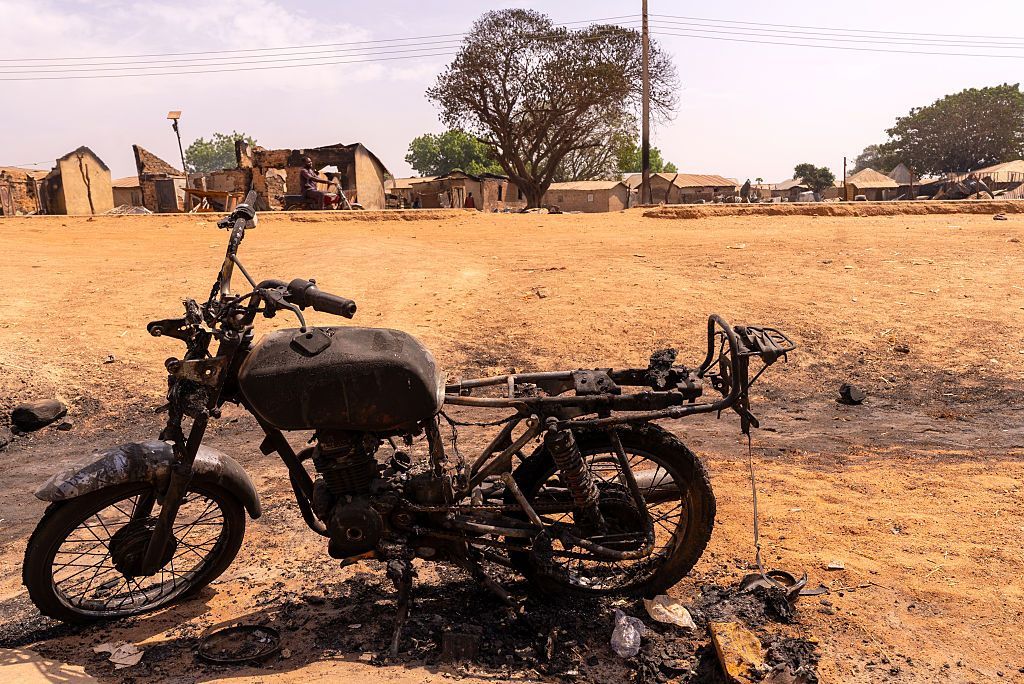
    Northwestern Nigeria has been plunged into a fresh wave of terror following a series of brutal, coordinated dawn assaults on three rural villages in Niger State. According to verified local reports disseminated by AFP, scores of armed assailants on motorcycles descended upon the communities of Tunga-Makeri, Konkoso, and Pissa, executing civilians through gunfire and throat-slitting before systematically setting homes ablaze and seizing an unspecified number of captives.

    The scale of the violence is staggering yet familiar. Initial casualty figures conflict, with Reuters reporting approximately 32 fatalities and AFP citing at least 46 deaths—a toll expected to rise as assessments continue. A security briefing reviewed by AFP detailed a formidable invading force of “41 motorcycles, each carrying two or three men,” indicating a highly organized operation. In Konkoso, the devastation was near-total, with witnesses confirming the burning of almost all dwellings and the abduction of four women.

    This atrocity occurs mere weeks after a suspected jihadist massacre in the same region claimed over 100 lives, employing a nearly identical modus operandi. While these predatory armed factions, locally termed ‘bandits,’ have plagued Nigeria for years through kidnappings and assaults, their operational tempo in western and central territories has intensified dramatically.

    The Nigerian government faces mounting internal and international pressure to quell the escalating insecurity. Compounding the crisis, the nation grapples with a multifront conflict: jihadist insurgencies entrenching in the northwest, alongside separatist movements mobilizing in the southeast. The complexity of the threat was further highlighted by recent U.S. military strikes in northern Sokoto state targeting Islamist militants, accompanied by warnings from former President Trump, illustrating the international dimensions of Nigeria’s security quagmire.

  • Australia wins the SailGP New Zealand event, overshadowed by a crash which injured 2 sailors

    Australia wins the SailGP New Zealand event, overshadowed by a crash which injured 2 sailors

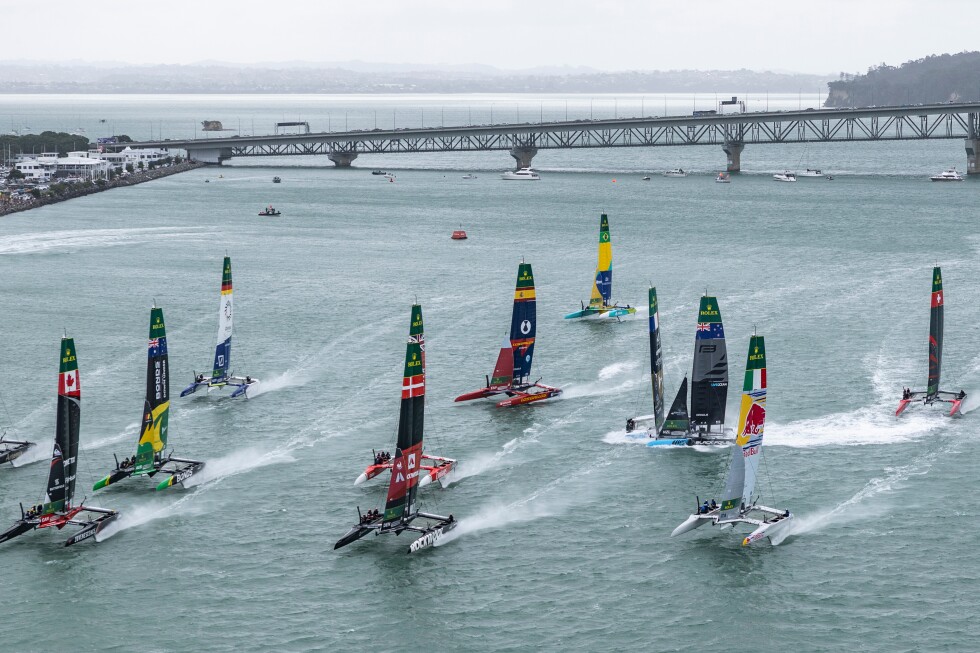
    AUCKLAND, New Zealand — The Australian SailGP team emerged victorious in the New Zealand leg of the international sailing championship, but the triumph was tempered by a severe collision between New Zealand and French vessels that left two competitors with serious injuries during Saturday’s races.

    Helmsman Tom Slingsby piloted the Australian Flying Roos to first place in Sunday’s three-boat finale, securing the win against Spain and Britain. This outcome creates a tied overall series leadership between Australia and Britain, who had previously taken the opening event in Perth.

    Race organizers implemented unprecedented safety measures for Sunday’s competition, dividing the fleet into two separate groups due to forecasted strong winds. This decision followed Saturday’s historic 13-boat participation—the largest field in SailGP history—where congested course conditions potentially contributed to the high-speed impact between national teams.

    The collision occurred at approximately 90 km/h (56 mph), resulting in significant damage to both vessels. New Zealand crew member Louis Sinclair, responsible for operating the winches as a grinder, sustained compound fractures to both lower limbs. Meanwhile, French strategist Manon Audinet suffered abdominal trauma after being propelled forward with such force that she shattered the steering mechanism of the French craft.

    Medical teams reported successful surgical intervention on Sinclair’s right leg, expressing optimism regarding his recovery trajectory. Both teams have released statements emphasizing their full support for the injured athletes during their rehabilitation processes.

    SailGP authorities have committed to conducting a comprehensive investigation into the incident in collaboration with Team New Zealand. The organization faces additional challenges as both damaged teams race against time to repair their vessels before the next championship round in Sydney, scheduled within the forthcoming fortnight.

    Sunday’s races proceeded under challenging meteorological conditions, with gusty winds preceding an approaching thunderstorm. Competitors recorded peak velocities nearing 102 km/h (63 mph) in the matching 50-foot catamarans throughout the final day of competition.

  • Son of last Shah tells giant rally he is ready to lead Iran ‘transition’

    Son of last Shah tells giant rally he is ready to lead Iran ‘transition’

    In a historic demonstration of dissent, Reza Pahlavi, son of Iran’s deposed Shah, addressed an estimated 200,000 supporters at a Munich rally on Saturday, February 14, 2026, declaring his readiness to spearhead Iran’s transition to secular democracy. The massive gathering, one of the largest organized by the Iranian diaspora, served as a powerful show of opposition to Tehran’s current Islamic regime.

    Pahlavi’s address outlined a clear vision for political transformation, emphasizing his commitment to facilitating a democratic process rather than imposing leadership. “I am here to guarantee a transition to a secular democratic future,” he proclaimed to the enthusiastic crowd. “I am committed to being the leader of transition for you so we can one day have the final opportunity to decide the fate of our country through a democratic, transparent process at the ballot box.”

    The event coincided with the Munich Security Conference, where Pahlavi separately appealed to U.S. President Donald Trump for support. In his press conference remarks, the exiled prince directly referenced Trump’s previous statements, saying: “To President Trump… The Iranian people heard you say help is on the way, and they have faith in you. Help them.” He further emphasized that it was “time to end the Islamic republic,” signaling a coordinated effort between the opposition movement and potential international allies.

    The demonstration represents a significant mobilization of Iran’s diaspora community and reflects growing organized resistance against Tehran’s government. Police estimates of attendance numbers indicate the substantial scale of support for regime change initiatives among exiled Iranians and their supporters.