作者: admin

  • The UAE to help develop Dholera region in India’s Gujarat

    The UAE to help develop Dholera region in India’s Gujarat

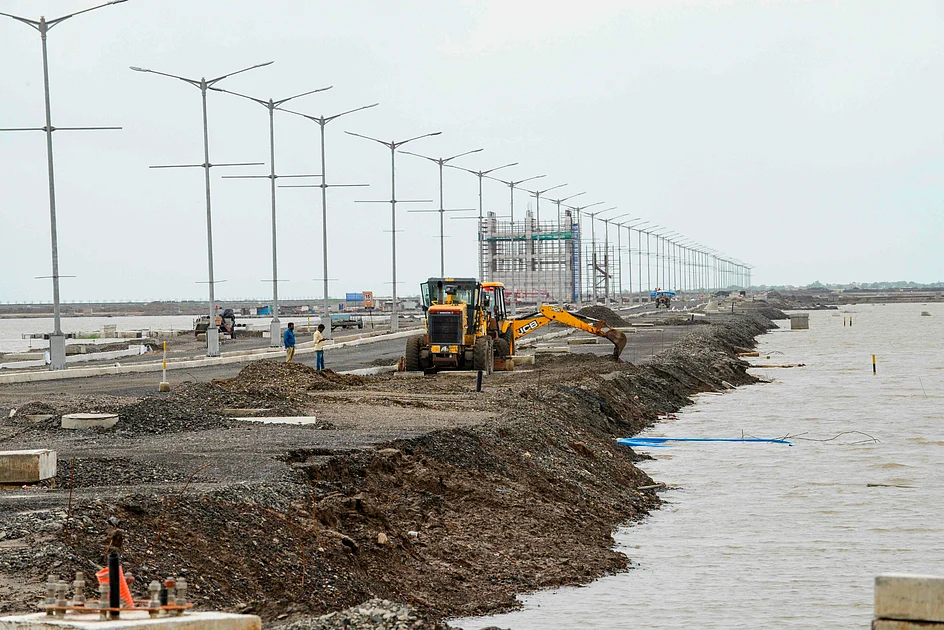
    In a significant move to strengthen economic ties, the United Arab Emirates has entered into a strategic partnership with India to develop the Dholera special investment region in Gujarat. This collaboration, formalized through a letter of intent between the UAE Ministry of Investment and the Gujarat Government, represents one of the most substantial foreign investments in India’s infrastructure landscape.

    The ambitious Dholera development project will encompass the establishment of an international airport complemented by pilot training facilities and maintenance, repair, and overhaul (MRO) operations. The blueprint further includes creating a smart urban township, enhancing railway connectivity, developing energy infrastructure, and eventually constructing a Greenfield seaport to maximize the region’s logistical advantages.

    Concurrently, both nations have committed to an ambitious target of doubling bilateral trade to $200 billion by 2032. This economic expansion will be supported by a newly concluded food security agreement and enhanced MSME connectivity through initiatives including Bharat Mart, the Virtual Trade Corridor, and Bharat-Africa Setu platforms. These mechanisms are designed to extend market access across West Asia, Africa, and Eurasia.

    The partnership extends into advanced technological domains with agreements to collaborate on nuclear energy development, including large reactors and Small Modular Reactors (SMRs), alongside cooperation in nuclear power plant operations and safety protocols. Both countries have also pledged to strengthen joint efforts in artificial intelligence and other emerging technologies.

    Separately, India’s export momentum is receiving substantial boosts through reduced US tariffs and strategic government interventions. The recently launched Market Access Support scheme, with an allocation of Rs. 45.3 billion, aims to alleviate trade finance constraints, expand global market reach, and support micro, small, and medium enterprises. This initiative provides financial assistance for international fair participation and partially reimburses compliance costs such as testing and certification.

    With a total budgetary outlay of approximately Rs. 140 billion for export promotion, India anticipates reaching $950 billion in exports by 2026-27, driven by forthcoming free trade agreements with the UK and European Union that are expected to significantly boost textiles, apparel, electronics, and automobile sectors.

    Complementing these developments, Maharashtra State has secured several mega-deals at the recent World Economic Forum in Davos, including commitments for foreign direct investment in artificial intelligence, data centers, quantum processing, renewable energy, and digital infrastructure. Notably, the state will host the world’s first AI Global Capability Centre Hub in Mumbai’s Bandra-Kurla Complex and pioneer commercial small modular reactors for electricity generation, with the Tata Group committing $11 billion to develop the necessary ecosystem. These initiatives collectively promise to generate approximately 3 million technology sector jobs.

  • Takeover bid for Unikai fails after weak shareholder response

    Takeover bid for Unikai fails after weak shareholder response

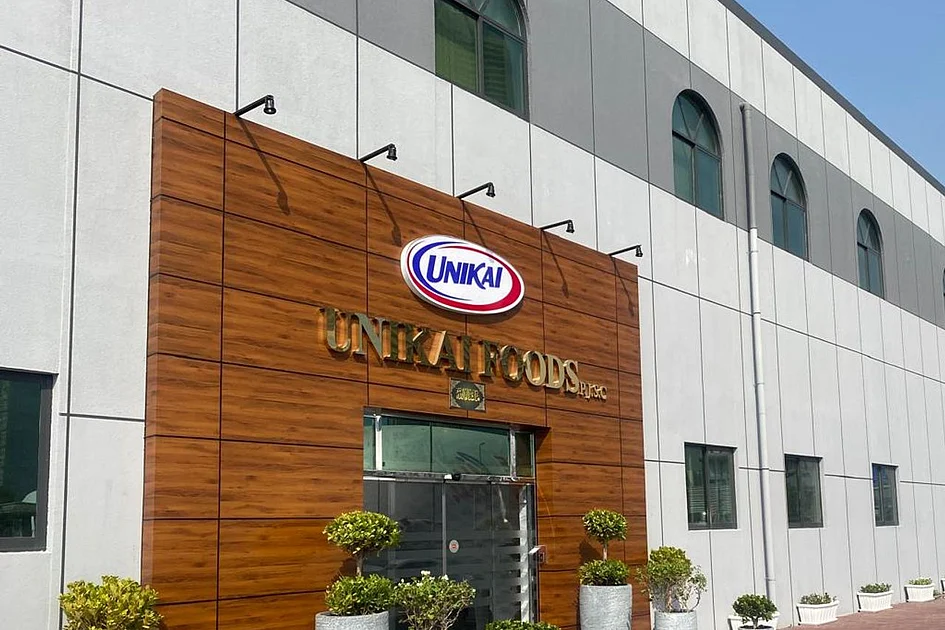
    A significant corporate acquisition attempt in the Gulf food sector has concluded unsuccessfully as Kuwait’s Al Wafir for Marketing Services failed to secure adequate shareholder approval for its proposed takeover of Dubai-listed Unikai Foods PJSC. The voluntary conditional cash offer, which sought to obtain controlling interest in the prominent dairy and food producer, officially lapsed after falling substantially short of mandatory acceptance thresholds established under UAE securities regulations.

    Initiated in January 2026, Al Wafir’s acquisition strategy targeted between 50% plus one share and 51% of Unikai’s outstanding ordinary shares at an offering price of AED 6.60 per share. This ambitious move would have positioned the Kuwait-based marketing firm as the majority stakeholder in the established UAE food manufacturer. However, by the February 16th closing deadline, the bid had garnered acceptances representing merely 24.22% of Unikai’s total issued share capital—significantly below the minimum 50% plus one share requirement mandated for transaction completion.

    Notably, Al Wafir maintained no pre-existing equity position in Unikai and acquired no additional shares outside the formal offer mechanism during the specified period. Consequently, the total shares tendered remained unchanged at the closure of the offering window.

    According to regulations enforced by the UAE Securities and Commodities Authority, conditional offers automatically become void when minimum acceptance conditions remain unfulfilled. Unikai Foods confirmed the formal cancellation of the proposed acquisition, clarifying that no share transfers would occur and participating shareholders would not receive the proposed cash consideration.

    The unsuccessful takeover bid ensures Unikai’s continued operation as an independent publicly-traded entity with its current ownership structure intact. Industry analysts interpret this development as indicative of either shareholder dissatisfaction with the valuation offered or substantial confidence in Unikai’s autonomous growth trajectory within the competitive regional food market.

    Market observers note this outcome underscores the considerable challenges regional acquirers face when attempting to secure controlling positions in publicly-listed corporations without robust shareholder consensus. The failure simultaneously signals Unikai investors’ apparent preference for maintaining control amid current valuations or their anticipation of enhanced future performance.

    While terminating this specific acquisition attempt, financial experts suggest the outcome doesn’t preclude future strategic interest in Unikai, particularly given the expanding UAE food processing sector and increasing regional demand for branded consumer staples that continue to make established food producers attractive investment targets.

  • Dubailand Residence Complex emerges as Dubai’s fastest‑rising mid‑market magnet

    Dubailand Residence Complex emerges as Dubai’s fastest‑rising mid‑market magnet

    Dubailand Residence Complex (DLRC) has rapidly ascended as Dubai’s most dynamic mid-market real estate destination, demonstrating remarkable growth through surging transaction volumes and competitively priced offerings. Recent data from the Dubai Land Department reveals 50 daily sales transactions within the community, accompanied by consistent absorption of newly launched off-plan developments.

    The complex’s success stems from three fundamental pillars: affordability, expanding infrastructure, and strategic geographical positioning. Situated at the intersection of Dubai-Al Ain Road (E66) and Emirates Road (E611), DLRC provides direct connectivity to Academic City, Dubai Outlet Mall, Global Village, and the broader Dubailand district. Property Finder’s comprehensive analysis identifies DLRC as a 14-million-square-foot mixed-use development featuring mid-rise residential towers, retail corridors, and hospitality establishments—a combination that continues to attract both first-time homeowners and yield-seeking investors.

    Market confidence reached new heights following a specialized DLRC-focused event organized by Prowin Properties, which generated Dh50 million in bookings within 48 hours. The event attracted over 250 buyers and investors, demonstrating how targeted, hyper-local marketing initiatives can dramatically accelerate transaction velocity. Participating developers hailed it as “one of the most effectively organized and productive micro-market events we’ve ever experienced.” CEO Praveen Aradhya encapsulated the market sentiment with his observation: “Dubai doesn’t face an oversupply issue—it faces a shortage of appropriately positioned inventory that meets buyer expectations.”

    Underlying these developments, DLRC’s market performance shows impressive appreciation trends. A comprehensive six-month market analysis recorded 3,721 transactions between April and October 2025, with average property values increasing by 8.9% to Dh871,085. The price per square foot surged 11.9% to Dh1,332, positioning DLRC among Dubai’s top emerging districts for long-term capital growth. This appreciation is fueled by ongoing project handovers, expanding retail and recreational infrastructure, and increasing owner-occupier migration.

    DLRC’s expansion mirrors broader market patterns across Dubai, where the first half of 2025 witnessed 125,538 property transactions totaling Dh431 billion—representing a 25% year-on-year increase. This sustained growth reinforces Dubai’s status as one of the world’s most liquid real estate markets. With developers introducing new mid-market inventory and implementing significant road and lifestyle enhancements throughout the Dubailand corridor, DLRC is positioned to remain a dominant value proposition for investors seeking both rental yields and capital appreciation through 2026 and beyond.

  • Mideast accelerates shift toward production‑grade AI as demand for sovereign, scalable systems rises

    Mideast accelerates shift toward production‑grade AI as demand for sovereign, scalable systems rises

    The Middle East is undergoing a significant transformation in artificial intelligence implementation, transitioning from experimental pilots to production-grade AI systems designed as core national infrastructure. This strategic shift emphasizes secure, sovereign AI environments capable of continuous operation across government ministries and major organizations.

    According to Dr. Moataz Bin Ali, CEO of Magna AI, regional governments—particularly Saudi Arabia—are now treating AI as critical national infrastructure requiring stringent standards for security, resilience, and auditability. This represents a fundamental evolution from fragmented AI experiments toward integrated AI infrastructure capable of supporting multi-use operations and decision-critical workloads.

    A central component of this transformation involves the development of sovereign-ready AI environments, including national AI factories, sector-scale digital twins, and agent-driven enterprise platforms. These systems demand unified architectures where data, models, computing resources, and operations function cohesively rather than as isolated deployments requiring repeated reconstruction.

    Magna AI’s recent collaboration with NVIDIA through the global NVIDIA Inception Program exemplifies this industrial-grade AI approach. The partnership enhances Magna AI’s capacity to design and operate large-scale platforms by providing access to NVIDIA’s engineering resources, developer tools, and preferred pricing for advanced hardware and software. This integration enables more cost-efficient AI environments with predictable performance—essential factors for enterprises seeking reliable return on investment and long-term operational stability.

    Dr. Bin Ali emphasizes that AI becomes financially unsustainable when systems are over-provisioned, poorly optimized, or repeatedly rebuilt. Effective ROI depends on how well platforms are utilized, optimized, and operated, making foundational integration with technology partners crucial for efficient workload design and predictable scaling.

    From a national perspective, this collaboration supports Saudi Arabia’s ambition to build sovereign AI stacks that comply with rigorous security and resilience standards while aligning with global best practices. The expanded access to NVIDIA’s accelerated computing ecosystem facilitates the development of AI factories, digital twins, and agentic systems that meet both local regulatory requirements and international operational benchmarks.

    Regional momentum is driving demand for unified operating standards, shared performance metrics, and engineering architectures specifically tailored to Middle Eastern sovereign needs. AI factories and hyperscale clusters are emerging as the backbone of national digital ecosystems, supporting applications ranging from smart-city operations to next-generation enterprise automation.

    Across the region, organizations are moving beyond isolated pilots toward AI systems engineered for continuity, governance, and scale. With regulatory frameworks maturing and investments in advanced computing accelerating, the Middle East is positioning itself as one of the world’s most ambitious testing grounds for sovereign AI infrastructure—a development poised to redefine how intelligent systems are constructed, deployed, and governed in the coming decade.

  • From automated farm tractors to exam paper grading, AI boosts efficiency for some in India

    From automated farm tractors to exam paper grading, AI boosts efficiency for some in India

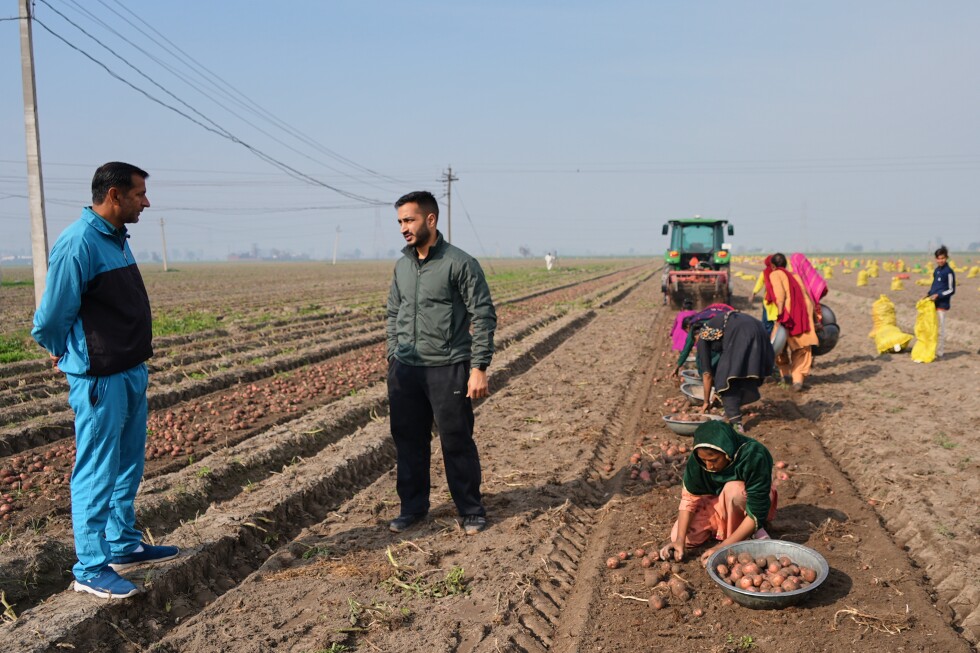
    Across India’s diverse economic landscape, artificial intelligence is rapidly transforming traditional sectors through innovative applications that enhance productivity and operational efficiency. In the agricultural heartlands of Karnal, northern India, progressive farmer Bir Virk demonstrates this technological shift by operating his tractor in fully autonomous mode using an iPad-controlled AI system that harvests potatoes with millimeter precision.

    Simultaneously, in New Delhi’s competitive education sector, educator Swetank Pandey leverages algorithmic intelligence to automate the evaluation of handwritten civil service examination papers. This dual demonstration across fundamentally different industries illustrates AI’s expanding footprint throughout the Indian economy.

    The Indian government is actively supporting this technological transformation through substantial national initiatives, including research funding and workforce training programs. This commitment was prominently displayed during New Delhi’s recent five-day AI summit, which attracted global heads of state and leading technology executives.

    India’s massive digital ecosystem, comprising nearly one billion internet users, has positioned the country as a critical growth market for international tech corporations. Microsoft has committed $17.5 billion over four years to expand cloud and AI infrastructure, while Google plans a $15 billion investment that includes establishing its first AI hub within the country.

    Despite this rapid adoption, India faces significant challenges in AI development, particularly in creating large-scale indigenous AI models comparable to U.S.-based OpenAI or China’s DeepSeek. Constraints include limited access to advanced semiconductor chips, inadequate data center infrastructure, and the complexity of accommodating hundreds of local languages.

    The workforce transformation presents both opportunities and challenges. While technology companies increase spending on AI training and reskilling programs, Tata Consultancy Services—India’s largest private employer—eliminated over 12,000 positions last year due to AI-driven operational shifts.

    In agriculture, Virk’s AI-enabled tractor system, imported from Sweden at approximately $3,864, represents a technological leap forward. The system combines satellite guidance, AI-driven software conversion, and cloud-based error logging that enables continuous improvement through machine learning. Virk reports his automated equipment has reduced farming time by 50% while maintaining exceptional accuracy.

    In education, Pandey’s coaching academy utilizes large language models including ChatGPT, Gemini, and Claude to process tens of thousands of answer sheets within minutes. The hybrid model combines AI evaluation with teacher review, resulting in both accelerated processing and improved educational quality. Surprisingly, students often find AI-generated study materials more relatable than those created exclusively by human instructors.

    This technological integration across sectors demonstrates how AI is becoming an invisible yet indispensable partner in India’s economic development, creating new paradigms of efficiency while preserving traditional occupations through technological enhancement.

  • Personal branding emerges as a strategic priority for leaders in a trust‑driven global economy

    Personal branding emerges as a strategic priority for leaders in a trust‑driven global economy

    In an era defined by digital transparency and heightened global competition, personal branding has evolved from a peripheral consideration to a fundamental leadership competency. Across rapidly developing economies including the UAE and Saudi Arabia, executives are recognizing that their individual reputation, visibility, and authenticity now directly influence commercial outcomes alongside corporate strategy.

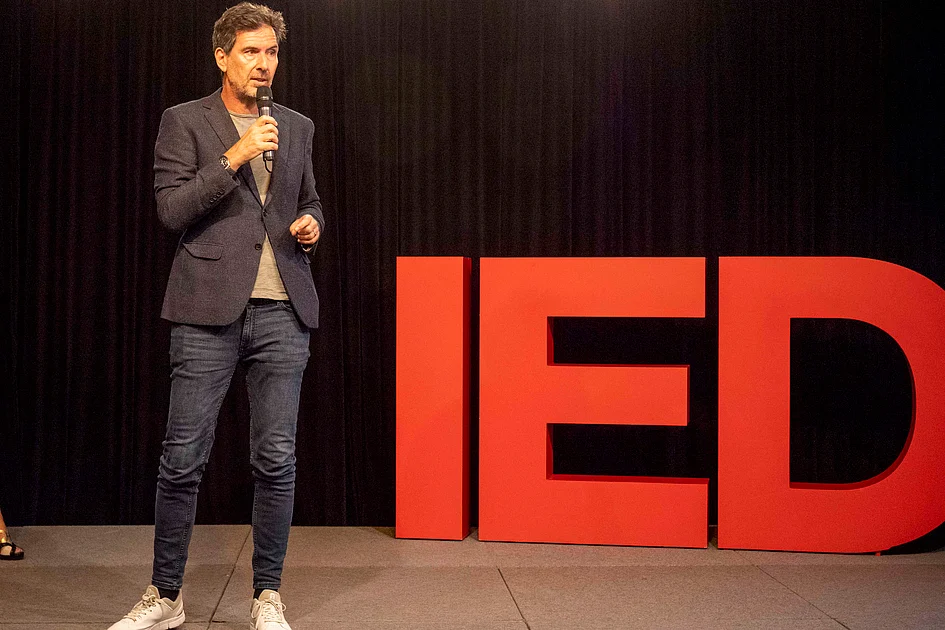
    According to Jürgen Salenbacher, personal branding strategist and founder of CPB LAB in Barcelona, “Trust has become the new currency of leadership.” This shift reflects broader market transformations where accelerated decision-making, globalized operations, and diverse stakeholder ecosystems demand greater transparency about who drives organizations, not just what they do.

    The strategic importance of executive visibility manifests in concrete business interactions. Investment discussions, partnership formations, and talent acquisition increasingly center on the public profile of founders and CEOs. This trend proves particularly significant in Middle Eastern markets where long-term relationships form the foundation of commercial culture. Leaders with well-developed personal brands experience accelerated access, enhanced credibility, and greater strategic influence.

    Contrary to superficial self-promotion, effective personal branding represents strategic clarity. Salenbacher emphasizes that “Leadership visibility is no longer optional. It is strategic infrastructure.” As organizations navigate transformations driven by artificial intelligence, generational succession, and regional expansion, consistent leadership communication reduces uncertainty for teams, markets, and stakeholders.

    This evolution demands a new approach to sustainability—not environmental, but reputational. “A sustainable personal brand is built on coherence, clarity and long-term consistency,” Salenbacher notes. “It is not about being loud. It is about being aligned.” In high-growth economies, executives must demonstrate alignment between their stated values and decisions, between their communication style and character, and between their ambitions and tangible contributions.

    The personal branding movement parallels broader shifts in global brand strategy. Just as successful corporations have transitioned from rigid messaging to ecosystem thinking, leaders must move beyond traditional corporate communications. Salenbacher describes this new reality: “Strategy is no longer projection. It is presence… It is dialogue… It is cultural intelligence.” In multicultural hubs like Dubai, where diverse markets intersect, executives must communicate across contexts while maintaining distinctive identity.

    Personal branding also integrates directly with business networking, which remains particularly crucial in Gulf economies where relationships operate as functional currency. Robust professional networks “reduce friction, accelerate opportunity and amplify credibility,” according to Salenbacher, who emphasizes that genuine influence stems from contribution rather than extraction. While difficult to quantify precisely, the impact is systemic: “A strong personal brand does not just increase visibility. It increases leverage. And leverage drives growth.”

    As the Middle East positions itself as a global laboratory for next-generation leadership, personal branding emerges as an essential component of business competitiveness—built not on superficial image, but on authentic identity, earned trust, and sustained credibility.

  • Peru’s president impeached four months into term

    Peru’s president impeached four months into term

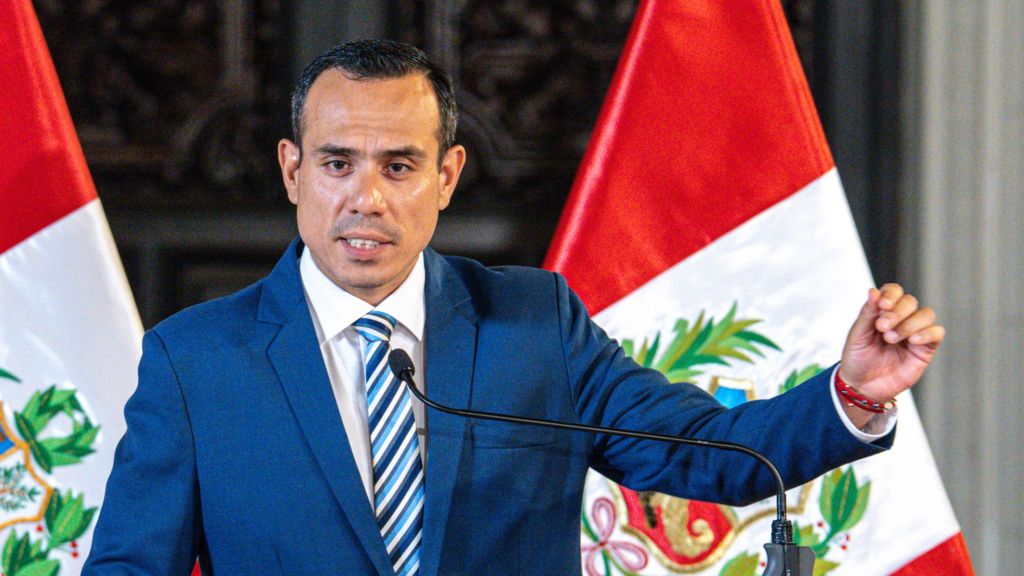
    Peru’s political crisis has escalated dramatically as Congress voted to remove interim President José Jerí from office merely four months into his tenure. The impeachment stems from his failure to disclose multiple unofficial meetings with Chinese businessman Zhihua Yang, who was under government investigation at the time of their encounters.

    The controversy, dubbed ‘Chifa-gate’ by local media after Peruvian-Chinese restaurants, erupted when security footage revealed Jerí conducting off-the-record meetings with Yang—a business magnate with state energy concessions. One particularly damaging video showed the president wearing a hooded top during a late-night visit to one of Yang’s establishments. Compounding the scandal, another attendee at these meetings was a Chinese national under house arrest for alleged connections to illegal timber operations.

    Peruvian law mandates thorough documentation of all presidential activities, yet Jerí maintained no records of these controversial encounters. Despite offering a public apology for the meetings, the former leader vehemently denied any wrongdoing and characterized the impeachment as a politically motivated smear campaign by rivals.

    The congressional vote concluded decisively with 75 lawmakers supporting impeachment against 24 opponents. Ruth Luque, one of the supporting legislators, emphasized the need for leadership prioritizing public interest, stating: ‘We ask to end this agony so we can truly create the transition citizens are hoping for—not a transition with hidden interests, influence-peddling, secret meetings and hooded figures.’

    Jerí’s removal continues Peru’s alarming pattern of political instability, making him the third consecutive president to be ousted and the seventh since 2016. His predecessor, Dina Boluarte, was impeached last October following a tumultuous tenure marked by widespread protests, corruption scandals, and escalating gang violence.

    The interim administration faced immediate challenges upon taking power, with youth-led demonstrations against political corruption and crime turning violent within days of Jerí’s appointment, resulting in one fatality and over 100 injuries.

    With the attorney general having launched a corruption investigation and presidential approval ratings plummeting, pressure for Jerí’s resignation had been mounting steadily. Congress is scheduled to vote on Wednesday for a new interim leader while the nation prepares for general elections in April, hoping to establish stable governance after years of political chaos.

  • US civil rights leader Jesse Jackson dies at 84, family says

    US civil rights leader Jesse Jackson dies at 84, family says

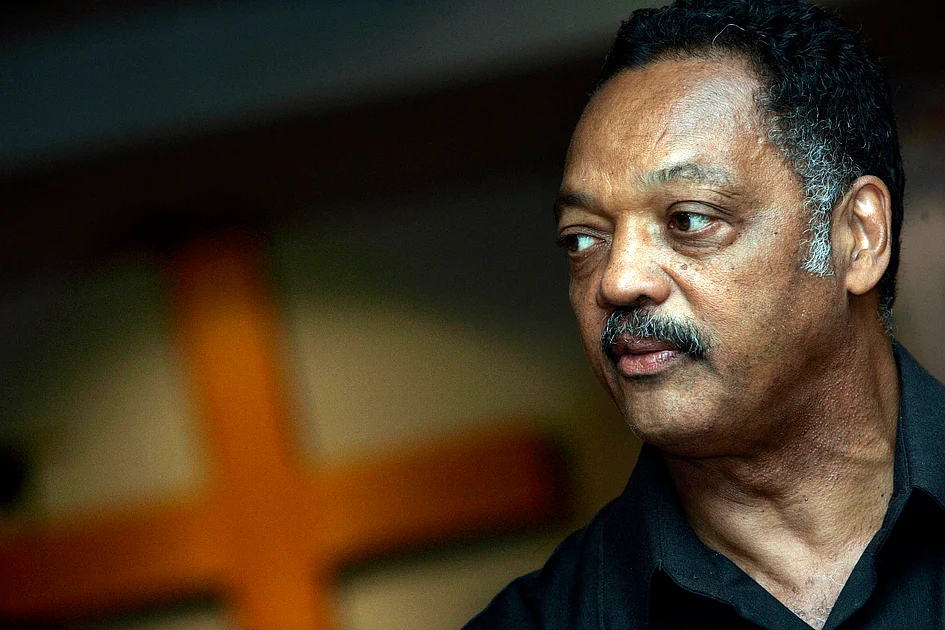
    Reverend Jesse Jackson, the towering figure of America’s civil rights movement and one of the nation’s most influential African American voices, passed away peacefully on Tuesday at age 84, according to a family announcement. The Baptist minister’s six-decade career spanned from marching alongside Martin Luther King Jr. to pioneering presidential politics that paved the way for the nation’s first Black president.

    The Jackson family confirmed his passing without disclosing the specific cause, though the reverend had publicly disclosed his Parkinson’s disease diagnosis in 2017. Recent months had seen hospitalizations related to additional neurodegenerative conditions.

    In an emotional statement, Jackson’s family memorialized him as “a servant leader — not only to our family, but to the oppressed, the voiceless, and the overlooked around the world.” They urged supporters to “honor his memory by continuing the fight for the values he lived by” — justice, equality, and unconditional love.

    Jackson’s remarkable journey began in segregated Greenville, South Carolina, where he was born Jesse Louis Burns to a teenage mother in 1941. His self-described background — “I was not born with a silver spoon in my mouth. I had a shovel programmed for my hands” — fueled his determination to overcome racial barriers through education and activism.

    His civil rights career ignited in 1965 during the Selma-to-Montgomery marches, where he captured Dr. King’s attention. Jackson would later stand beside King during the tragic Memphis assassination in 1968. His activism evolved into political history-making when he became the most prominent Black presidential candidate until Barack Obama’s election, running twice for the Democratic nomination in the 1980s.

    President Obama acknowledged this legacy on social media: “We stood on his shoulders,” recognizing Jackson’s foundational role in making his own historic presidency possible.

    Beyond domestic activism, Jackson emerged as an international mediator, negotiating prisoner releases in Syria, Iraq, and Serbia while advocating against South African apartheid. He founded the Chicago-based Rainbow PUSH Coalition in 1996, continuing his social justice work through political activism and organizational leadership.

    Political figures across the spectrum offered tributes, from President Donald Trump’s description of Jackson as “a force of nature” to Vice President Kamala Harris’s characterization of him as “one of America’s greatest patriots.” Former President Joe Biden remembered Jackson’s “determined and tenacious” spirit in the ongoing fight to “redeem the soul of our Nation.”

    Jackson’s presence marked pivotal moments in racial justice history — from weeping at Obama’s 2008 victory to standing with George Floyd’s family during the 2021 trial. He is survived by his wife and six children, leaving a legacy that forever altered America’s political and social landscape.

  • Looking for unique things to do in Abu Dhabi? Try breakfast with sea lions

    Looking for unique things to do in Abu Dhabi? Try breakfast with sea lions

    In a country renowned for extraordinary experiences, Emirates Park Zoo & Resort has elevated the concept of unique dining with its groundbreaking breakfast encounter featuring sea lions. This viral attraction offers visitors the rare opportunity to dine alongside four charismatic South African sea lions while enjoying a Mediterranean-inspired meal in a shallow pool setting.

    The experience begins with guests checking in and changing into swimwear before being seated at tables partially submerged in water. While multiple breakfast options are available—including Arabic mezze, Full English, and Hawaiian fruit platters—the Greek selection has proven particularly noteworthy. The Strapatsada (fried eggs with Greek olive oil and feta cheese) and Tiropita (flaky phyllo with white sauce and feta) have received unexpected praise for their authentic flavors.

    The true highlight, however, involves interacting with the zoo’s four sea lion personalities: Arcto, Bia, Claudio, and Victoria. Under careful supervision by trained professionals, guests participate in feeding sessions and observe impressive aquatic demonstrations. The experience emphasizes animal welfare standards with clear boundaries—no direct contact is permitted, and human food remains separate from the sea lions’ feeding routines.

    Priced at AED 2,205 for groups of up to four people, the package includes full-day access to the entire zoo facility. For those seeking extended immersion, the adjacent resort offers rooms overlooking free-roaming giraffes and gazelles, alongside other animal-themed dining experiences including breakfast with giraffes and Ramadan iftar events featuring big cats and elephants.

    This innovative attraction represents the latest evolution in the UAE’s competitive experience economy, offering something genuinely distinctive even within a market saturated with extraordinary offerings.

  • Youth Spring Festival gala brings cultural dialogue to New Jersey

    Youth Spring Festival gala brings cultural dialogue to New Jersey

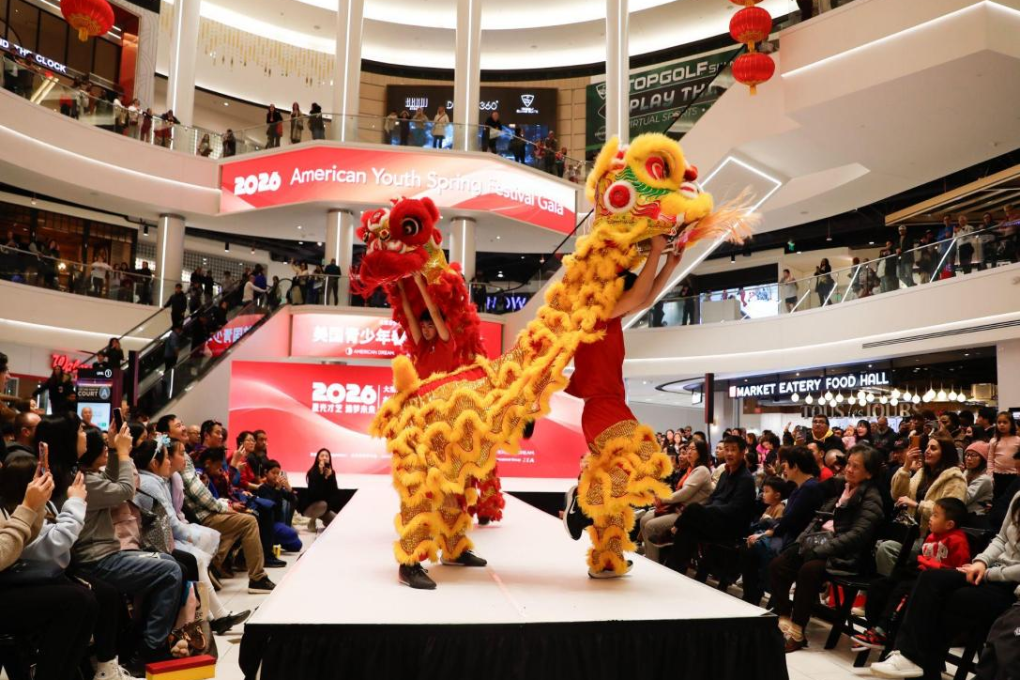
    The American Dream entertainment complex in New Jersey transformed into a vibrant stage for cultural exchange on February 14, 2026, as nearly 300 young performers from diverse East Coast backgrounds gathered for the American Youth Spring Festival Gala. The event marked a significant reinterpretation of the Spring Festival tradition following its recent UNESCO Intangible Cultural Heritage designation, showcasing how ancient customs evolve through new generational perspectives.

    Co-hosted by J.I.A. International Group Inc. and American Dancer Association Inc., the gala featured a spectacular fusion of Eastern and Western performance arts. Traditional lion dances shared the stage with contemporary acts, while bilingual hosting bridged linguistic divides. For many non-Chinese participants, the event provided their first immersive experience with Spring Festival traditions as living artistic practice rather than abstract cultural concept.

    A highlight included a screening of China Media Group’s Spring Festival Gala promotional segment, which introduced American audiences to the philosophical concepts of ‘harmony’ and ‘reunion’ central to the celebration. Chief planner David Cui described the event as dual-purpose: ‘The Spring Festival is not only the most representative traditional festival of the Chinese nation, but also the most important spiritual bond for Chinese communities overseas.’

    Executive director Chen Wang co-hosted with three multicultural youth presenters, demonstrating remarkable poise and linguistic fluency throughout the bilingual production. The choice of venue at the American Dream complex symbolized the event’s core mission: creating platforms where Chinese-American youth and their multicultural peers could showcase talents while fostering deeper cross-cultural understanding through shared artistic experience.