作者: admin

  • Japan’s exports surge 17% in January, on strong shipments to China and other Asian markets

    Japan’s exports surge 17% in January, on strong shipments to China and other Asian markets

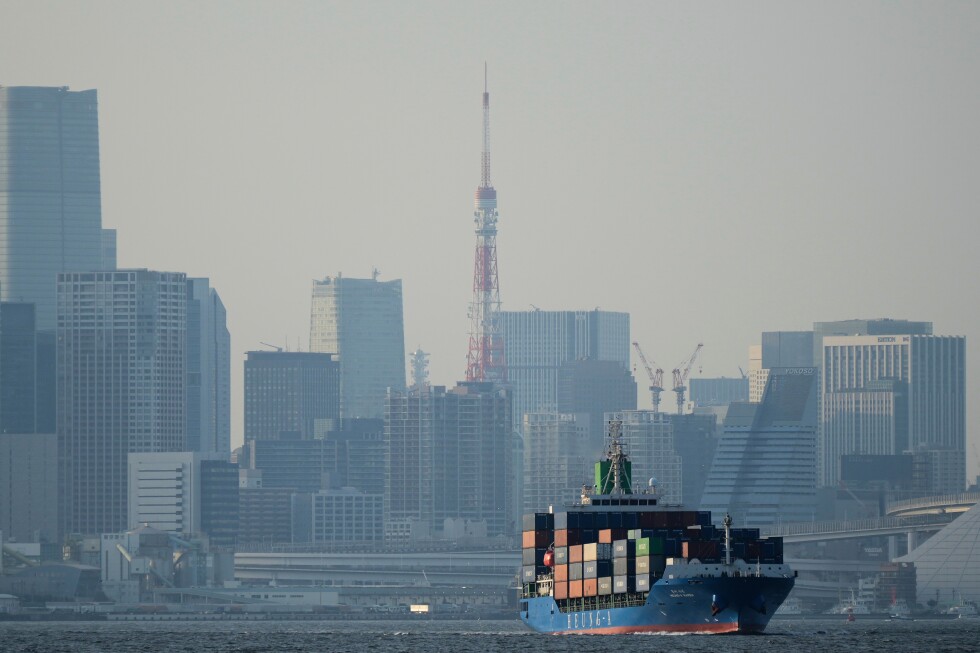
    Japan witnessed a remarkable 16.8% surge in exports this January compared to the same period last year, according to the latest data released by the Finance Ministry. The export value reached 9.19 trillion yen ($59.8 billion), while imports experienced a slight decline of 2.5% to 10.3 trillion yen ($67 billion). This resulted in a significantly reduced trade deficit of 1.15 trillion yen ($7.5 billion), representing less than half of the deficit recorded a year earlier.

    Economic analysts attribute this substantial export growth primarily to the timing of the Lunar New Year, which occurred later than usual on February 17, creating extended manufacturing and shipping periods. The data reveals particularly strong performance in Asian markets, with exports to China jumping 32% year-on-year despite ongoing political tensions regarding Taiwan. Overall exports to Asia surged by an impressive 26%.

    The technology sector demonstrated particularly robust performance, with imports of semiconductors and computer components showing the fastest growth. This trend appears closely linked to the artificial intelligence boom, which has generated unprecedented demand for data center equipment and advanced computer chips.

    However, the trade relationship with the United States presented a contrasting picture. Exports to the U.S. declined by 0.5%, while imports from America increased by 3%. Notably, vehicle exports to the U.S.—which typically account for approximately one-third of total exports to the country—fell by nearly 10%.

    Economic experts caution that this export surge may be temporary. Norihiro Yamaguchi of Oxford Economics noted that ‘the currently strong tailwind from the US AI boom is unlikely to last,’ predicting that ‘gains in exports to Asia excluding China will moderate’ and that exports were ‘highly likely to moderate next month.’

    This trade data emerges against the backdrop of Japan’s fragile economic recovery, with the economy expanding at a mere 0.2% annual pace in the last quarter and projected growth for 2025 standing at just 1.1%, as weaker exports have offset modest increases in private consumption.
  • Business executives and politicians exposed in Abu Dhabi data leak: Report

    Business executives and politicians exposed in Abu Dhabi data leak: Report

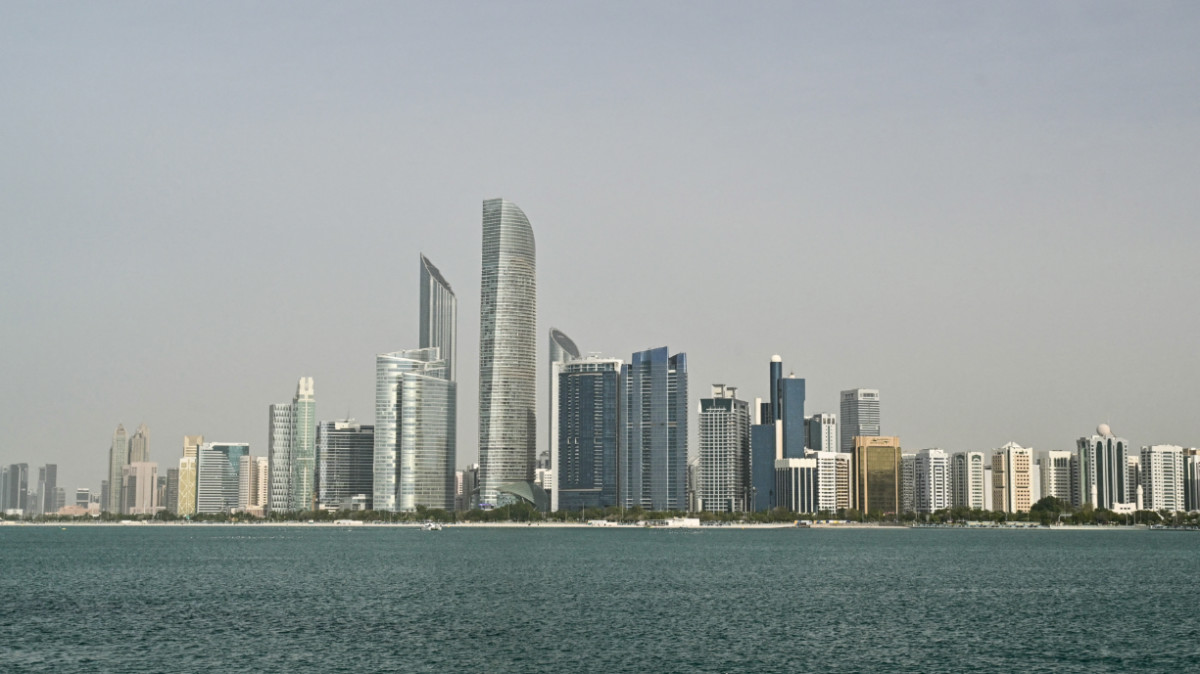
    A significant data security breach has exposed confidential identification documents of numerous high-profile international figures through an unprotected server linked to Abu Dhabi Finance Week (ADFW). According to Financial Times reporting, the compromised data included scanned copies of over 700 passports and state identity cards belonging to prominent individuals such as former UK Prime Minister David Cameron and Anthony Scaramucci, former White House communications director and prominent podcaster.

    The sensitive information remained publicly accessible through standard web browsers until Monday, when ADFW officials secured the vulnerability after being contacted by Financial Times journalists. Event organizers attributed the security lapse to “a vulnerability in a third-party vendor-managed storage environment,” claiming immediate remediation and preliminary assessment suggesting limited access to the researcher who identified the issue.

    This security incident emerges during a period of heightened regional tensions between the United Arab Emirates and neighboring Saudi Arabia. The two Gulf nations, traditionally allies, have experienced growing diplomatic strains regarding conflicts in Sudan and Yemen, as well as differing approaches to relations with Israel. Middle East Eye reports indicate the UAE has actively encouraged pro-Israel lobbying groups to criticize Saudi positions.

    The timing proves particularly sensitive given both nations’ ongoing efforts to position themselves as premier destinations for international business and foreign investment. The UAE, particularly through Dubai and Abu Dhabi’s economic diversification initiatives, has historically maintained advantages in attracting global corporations and expatriate professionals. The ADFW event itself featured prominent attendees including Abu Dhabi’s crown prince and senior executives from major financial institutions including UBS, Blackstone, Barclays, and Morgan Stanley, alongside cryptocurrency representatives.

    The data exposure raises serious questions about cybersecurity protocols at high-level international financial gatherings and potentially impacts the UAE’s carefully cultivated reputation as a secure business hub amidst increasing regional competition.

  • Fallout from Epstein and Mandelson puts Britain’s House of Lords under scrutiny

    Fallout from Epstein and Mandelson puts Britain’s House of Lords under scrutiny

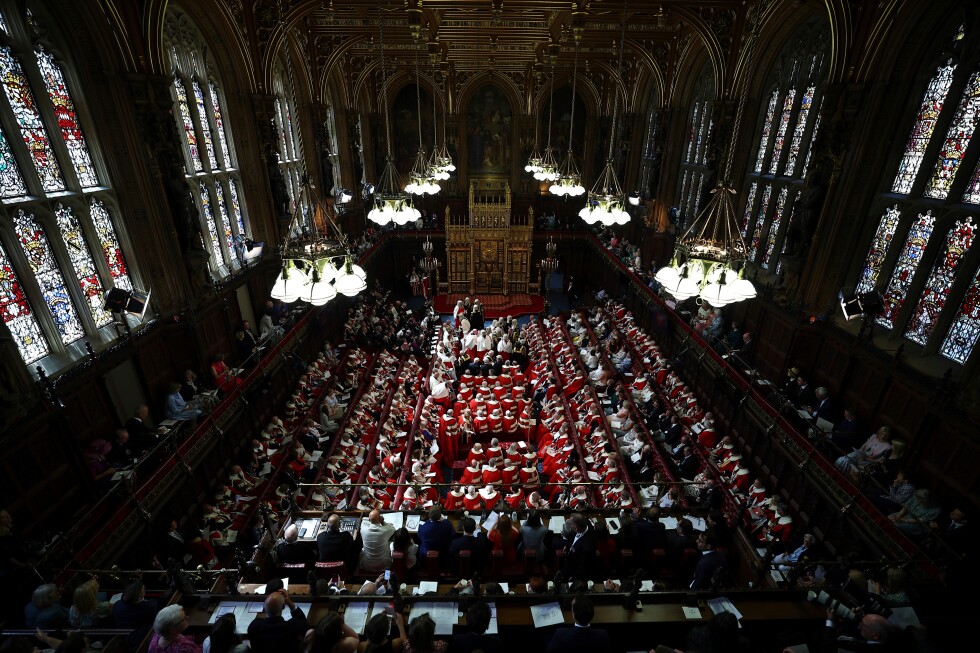
    LONDON — Britain’s centuries-old House of Lords confronts mounting pressure for structural reform as scandals and antiquated traditions expose fundamental flaws in the parliamentary institution. The recent resignation of former UK ambassador Peter Mandelson, compelled by his association with convicted sex offender Jeffrey Epstein, has intensified scrutiny of the upper chamber’s accountability mechanisms and membership standards.

    The 700-year-old institution, comprising over 850 unelected lifetime members bearing aristocratic titles, faces criticism from across the political spectrum for its semi-feudal structure. While supporters maintain the Lords serve a vital democratic function in reviewing legislation, even proponents acknowledge the necessity for modernization in what Green Party member Jenny Jones characterizes as “a mess” of historical anachronisms.

    Historical transformation of the chamber began with the introduction of government-appointed “life peers” in the 1950s, expanding to include female members. The Blair administration’s 1999 reforms removed most hereditary peers, though 92 retained positions temporarily. Prime Minister Keir Starmer’s current Labour government has initiated legislation to eliminate remaining hereditary positions, denounced as “indefensible relics” of Britain’s aristocratic past.

    The chamber’s disciplinary capabilities remain historically constrained despite modifications allowing expulsion for code of conduct violations, imprisonment, or non-attendance. Notable cases include thriller-writer Jeffrey Archer’s 2001 perjury conviction and media magnate Conrad Black’s 2007 fraud sentence, neither of whom faced expulsion under previous regulations. While several members have resigned preemptively over misconduct allegations, no peer has been formally expelled for behavioral transgressions.

    Controversy extends to appointment processes, with most life peerages distributed directly by the prime minister to political allies, aides, and donors without independent quality assessment. Crossbench members undergo selection through an independent committee, creating inconsistent standards across the chamber.

    Constitutional experts describe reform progress as “glacial,” with discussions spanning decades before implementation. Recent proposals include introducing an 80-year retirement age and strengthening participation requirements, while more radical suggestions advocate replacing the Lords with an elected senate-style body.

    The Epstein-related scandals have amplified existing concerns about membership quality and selection criteria, creating political complications for Prime Minister Starmer’s administration. As Britain grapples with modernizing its parliamentary democracy, the House of Lords stands at a crossroads between centuries of tradition and contemporary democratic expectations.

  • Third Briton dies in French Alps avalanches in one week

    Third Briton dies in French Alps avalanches in one week

    A series of devastating avalanches in the French Alps on Tuesday resulted in multiple fatalities, including a British national, marking a continued pattern of winter tragedies in the region. The incidents occurred in two separate locations under elevated avalanche risk conditions.

    In the first tragedy near the resort town of La Grave, a British man in his 30s and a Polish citizen were killed while skiing off-piste with a group of five individuals. The avalanche struck without warning, burying the victims under heavy snow. Two other members of the group—a German and an Australian skier—miraculously escaped uninjured.

    Simultaneously, a second avalanche occurred in the neighboring Valloire area, claiming one life and leaving two hikers in critical condition. French authorities have launched comprehensive investigations into both incidents to determine the exact circumstances surrounding the deaths.

    The French weather service had issued elevated avalanche warnings for both regions, rating the risk at level four (high) on a five-point scale for La Grave due to recent snowfall and strong winds, while Valloire faced the maximum level five risk designation.

    These latest fatalities bring the winter season’s death toll to 28 in the French Alps, following another tragic incident just days earlier that claimed the lives of two British nationals and a French citizen. The UK Foreign Office confirmed it is providing consular assistance to affected families and remains in contact with local authorities.

    The Alpine region has experienced numerous fatal avalanches since the beginning of the year, including a particularly deadly weekend in January that resulted in six fatalities, highlighting the persistent dangers of mountain activities during winter conditions.

  • Nvidia leads the US stock market near its all-time high

    Nvidia leads the US stock market near its all-time high

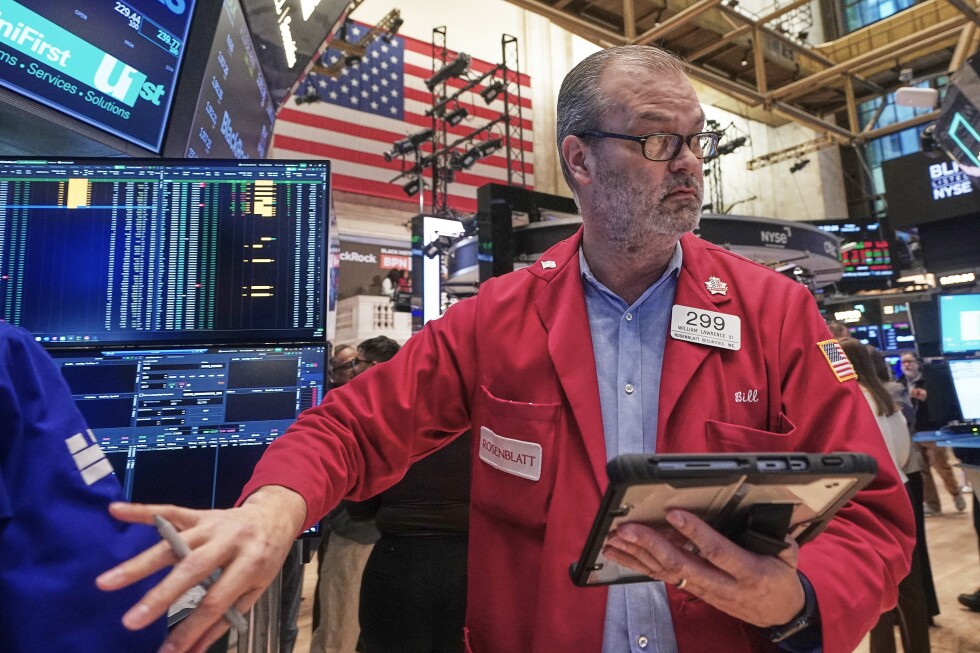
    Wall Street witnessed a significant rally on Wednesday, propelled predominantly by a landmark artificial intelligence partnership between two tech behemoths. The S&P 500 advanced 0.9%, nearing its recent all-time high, while the Dow Jones Industrial Average climbed 308 points (0.6%) and the Nasdaq composite surged 1.3%.

    The catalyst for this upward momentum was a major announcement from Meta Platforms, which unveiled a long-term strategic collaboration to integrate millions of Nvidia’s advanced chips and hardware into its AI data center infrastructure. This development sent Nvidia’s stock soaring 2.3%, cementing its position as the most influential single stock driving market performance. Nvidia CEO Jensen Huang emphasized the unprecedented scale of Meta’s AI deployment capabilities.

    While this partnership underscored the immense market optimism surrounding AI’s transformative potential, it also highlighted growing investor apprehensions. Meta’s shares experienced initial volatility, dipping 1.7% before recovering to a modest 0.3% gain, reflecting concerns over the massive capital expenditures required for AI development and uncertainty about future profitability.

    Beyond the AI sector, several companies reported strong quarterly results that contributed to the market’s positive performance. Cadence Design Systems jumped 9.1% after exceeding both profit and revenue expectations, with CEO Anirudh Devgan highlighting the resilience of their engineering software. Analog Devices gained 2.7% following better-than-anticipated earnings, citing record orders in its data center division. Moderna rose 5.5% after the FDA agreed to review its flu vaccine candidate, reversing a previous decision.

    However, not all news was positive. Palo Alto Networks dropped 5.5% despite strong quarterly results, as its future profit forecasts fell short of analyst projections.

    In the bond market, Treasury yields edged higher ahead of the Federal Reserve’s meeting minutes release, with the 10-year yield rising to 4.07%. Strong economic data, including improved industrial production and durable goods orders, suggested the economy remains robust, potentially influencing the Fed’s timeline for interest rate adjustments. The widespread expectation on Wall Street is for rate cuts to resume later this year, possibly during the summer following anticipated leadership changes at the central bank.

    Internationally, London’s FTSE 100 climbed 1.3% on encouraging inflation data, while Japan’s Nikkei 225 rose 1% following Prime Minister Sanae Takaichi’s reappointment after her party’s electoral victory.

  • Surprise shark caught on camera for first time in Antarctica’s near-freezing deep

    Surprise shark caught on camera for first time in Antarctica’s near-freezing deep

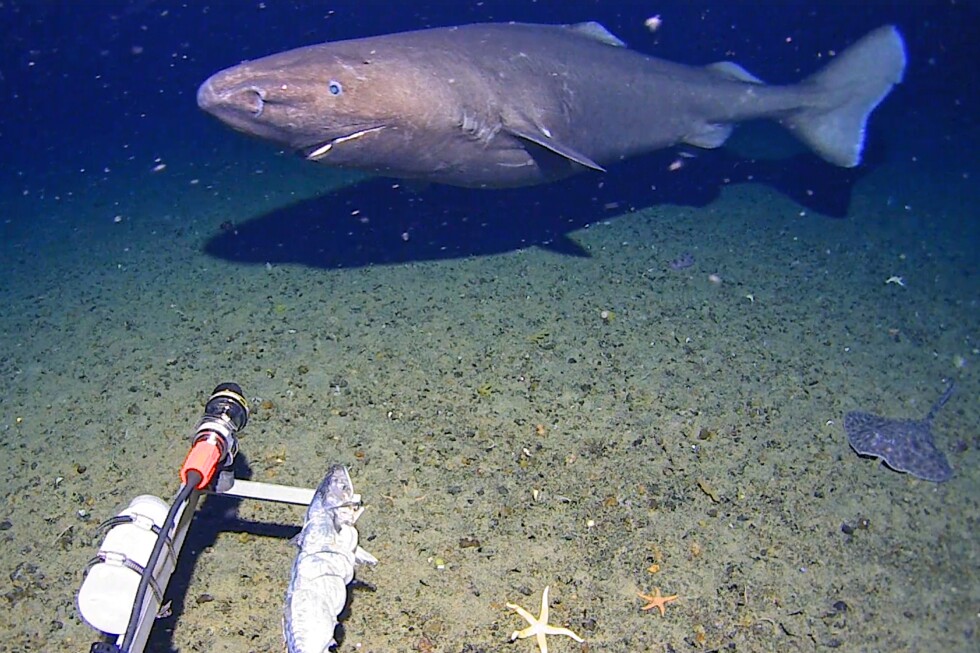
    In an unprecedented marine discovery that challenges established scientific understanding, researchers have documented the first confirmed sighting of a shark within Antarctica’s icy waters. The remarkable encounter occurred in January 2025 when a deep-sea camera operated by the Minderoo-UWA Deep-Sea Research Centre captured footage of a substantial sleeper shark approximately 490 meters deep near the South Shetland Islands.

    Dr. Alan Jamieson, founding director of the research center, expressed profound surprise at the discovery, noting that conventional scientific wisdom held that sharks could not survive in Antarctica’s extreme conditions. The observed specimen measured between 3-4 meters (10-13 feet) in length and was navigating waters with temperatures nearing freezing at 1.27°C (34.29°F).

    The recording shows the massive shark moving deliberately across a barren seabed environment, passing a seemingly undisturbed skate (a shark relative resembling a stingray) without apparent interaction. The camera was positioned well within the Antarctic Ocean boundaries, defined as below the 60-degree south latitude line.

    Independent conservation biologist Dr. Peter Kyne from Charles Darwin University confirmed this represents the first documented evidence of sharks inhabiting these southern extremes. Researchers speculate that climate change and warming oceans might be driving marine species toward colder polar regions, though they acknowledge the possibility that sleeper sharks have existed undetected in these remote waters for extended periods.

    The Antarctic Ocean’s unique stratification creates distinct water layers with varying properties, and the shark was observed maintaining a depth of approximately 500 meters where water conditions were most favorable. Scientists believe these deep-water sharks likely feed on whale carcasses, giant squids, and other marine organisms that sink to the ocean floor.

    This discovery highlights significant gaps in our understanding of polar marine ecosystems, particularly given that research equipment can only operate during the Southern Hemisphere’s summer months from December to February, leaving three-quarters of the year completely unobserved.

  • Suspect in Rhode Island ice hockey shooting killed ex-wife and son

    Suspect in Rhode Island ice hockey shooting killed ex-wife and son

    A targeted shooting at a Rhode Island ice hockey arena has culminated in a devastating family tragedy, with authorities confirming the victims as the suspect’s ex-wife and adult son. The incident occurred Monday at Dennis M Lynch Arena in Pawtucket during a high school hockey match, sending players and spectators into panic as gunfire erupted.

    Police identified the deceased shooter as Robert Dorgan (also known as Roberta Esposito and Roberta Dorgan), who apparently died from a self-inflicted gunshot wound following the attack. The victims were confirmed as Rhonda Dorgan, the shooter’s ex-wife, and their son Aidan Dorgan. Three additional family members—Rhonda’s parents and a family friend—sustained critical injuries and remain hospitalized.

    Pawtucket Police Chief Tina Goncalves stated that two legally owned firearms were recovered from the scene: a Glock 10mm pistol and a SIG Sauer P226. Chief Goncalves credited a bystander’s intervention with helping to swiftly conclude the tragic event, though no confrontation preceded the shooting according to investigators.

    Court documents reveal Rhonda Dorgan had filed for divorce in February 2020, initially citing “gender reassignment surgery, narcissistic + personality disorder traits” as grounds before changing to “irreconcilable differences.” That same month, the shooter had filed a police report alleging threats from his father-in-law, who used derogatory language toward transgender people. Though criminal charges were initially filed, they were subsequently dismissed.

    Police are examining thousands of the suspect’s social media posts but emphasize that gender identity remains “irrelevant to the investigation at this point.” The shooter was reportedly wearing female clothing during the incident.

    A family statement posted for an online fundraiser expressed how the family has been “forever changed by the tragic events” and noted the grandparents’ critical condition. General Dynamics Bath Iron Works, the suspect’s employer, extended sympathies to all affected by the tragedy.

    Eyewitness accounts describe the chaos that unfolded as families scrambled to safety. Melissa Dunn, whose son participated in the game, recounted hearing loud noises initially mistaken for routine arena sounds before realizing the danger. She described returning to the arena to find paramedics performing CPR in the stands—an image she characterized as “really disturbing.”

  • Indonesia tightens control on nickel as the US and China scramble for critical minerals

    Indonesia tightens control on nickel as the US and China scramble for critical minerals

    Indonesia is intensifying state control over global nickel supplies, implementing sweeping nationalization measures that could significantly impact electric vehicle supply chains worldwide. This strategic move comes as the nation grapples with evolving battery technologies and increasing geopolitical tensions between the United States and China.

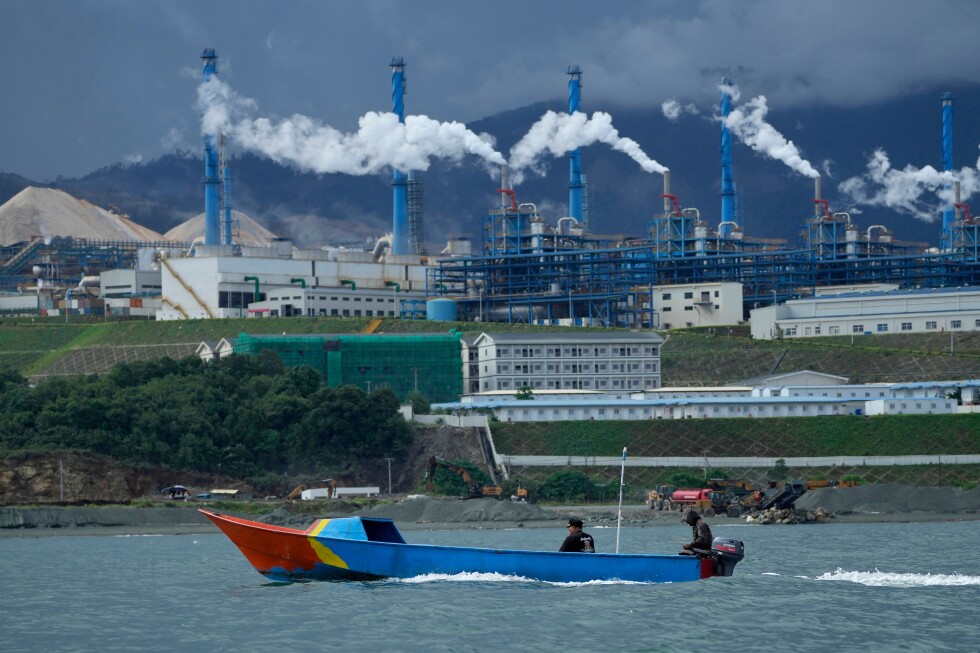
    The Southeast Asian nation has dramatically expanded its dominance in nickel production, now controlling approximately 60% of global supply according to S&P Global Market Intelligence data. This remarkable growth from 31.5% in 2020 follows former President Joko Widodo’s export ban on raw ore, which triggered massive Chinese-backed investment in refining infrastructure.

    In 2025, Indonesian authorities launched an extensive crackdown on what they identified as illegal natural resource exploitation, seizing over 4 million hectares of mining and plantation operations while imposing $1.7 billion in fines. Government officials cited widespread corruption in licensing procedures as justification for these aggressive measures.

    Environmental analysts reveal the substantial ecological cost of Indonesia’s nickel expansion. Between 2001 and 2020, mining activities drove the loss of approximately 370,000 hectares of forests—more than any other country—with over one-third comprising ancient rainforests crucial for carbon sequestration. The coal-dependent nickel smelting industry further exacerbated environmental concerns, emitting an estimated 15 million metric tons of greenhouse gases in 2023 according to IEEFA analysis.

    The nationalization initiative coincides with a pivotal market shift as electric vehicle manufacturers increasingly adopt lithium iron phosphate (LFP) batteries, significantly reducing nickel dependency. This technological transition undermines Indonesia’s ambitious plan to establish a comprehensive domestic EV industry from mining to manufacturing.

    Geopolitical experts note Indonesia’s delicate positioning between superpower rivals. The country faces complex negotiations with the Trump administration regarding critical minerals trade, potentially including concessions on raw nickel exports to the United States. This situation places Indonesia in a challenging diplomatic position as it attempts to balance relationships with both Washington and Beijing while maximizing leverage over its natural resources.

    Investment uncertainty grows as foreign companies monitor the nationalization campaign. Recent developments include LG Energy Solution’s withdrawal from an $8.4 billion battery investment, though Chinese firms BYD and CATL continue developing manufacturing facilities. Indonesia’s domestic EV market remains nascent, with 43,000 vehicles sold in 2024 representing just 5% of total automobile sales.

  • Philippine VP Sara Duterte announces presidential run in 2028

    Philippine VP Sara Duterte announces presidential run in 2028

    In a seismic shift within Philippine politics, Vice President Sara Duterte has formally declared her intention to seek the presidency in the 2028 national elections. The 47-year-old politician’s announcement unfolds against the backdrop of an increasingly acrimonious power struggle with incumbent President Ferdinand “Bongbong” Marcos Jr., her former running mate.

    Despite the electoral contest remaining two years distant, the Philippine political landscape—characterized by personality-driven campaigns—typically witnesses early positioning by potential contenders. President Marcos faces constitutional term limits preventing re-election, while his political faction has yet to produce a challenger to counter Duterte’s bid. The vice president, daughter of former President Rodrigo Duterte, articulated her commitment through a solemn declaration: “I offer my life, my strength, and my future in the service of our nation.”

    The Marcos-Duterte alliance, which secured a landslide victory in the 2022 elections, deteriorated dramatically following Marcos’ controversial decision in March 2025 to permit International Criminal Court jurisdiction over her father. The elder Duterte remains detained in The Hague, facing charges of crimes against humanity related to his administration’s violent anti-drug campaign.

    Political tensions intensified when Duterte-aligned candidates outperformed Marcos-backed contenders during mid-term legislative elections, widely interpreted as a public referendum on the current administration. Most recently, opposition-aligned Catholic clergy filed impeachment proceedings against Vice President Duterte alleging corruption—charges she vehemently denies.

    As Rodrigo Duterte’s political heir apparent, Sara Duterte cultivated her reputation through hands-on governance in Davao City, initially serving as vice-mayor to her father before assuming the mayoralty. The Duterte family established their political brand through uncompromising law-and-order policies, arguing that stringent crime prevention measures were essential for public safety and economic development.

    Her national profile surged dramatically when footage captured her physically confronting a court sheriff during a dispute over informal settlements, an incident that cemented her tough-on-crime image. Beyond politics, Duterte maintains a distinctive public persona through motorcycle enthusiasm, unconventional children’s nicknames (Sharky, Stonefish, Stingray), and matching tattoos with her brothers.

  • Epstein briefed on ‘covert’ plan to deploy Pakistani special forces to Saudi-Yemen border

    Epstein briefed on ‘covert’ plan to deploy Pakistani special forces to Saudi-Yemen border

    A recently declassified email from April 2015, released by the US Justice Department, has exposed convicted sex offender Jeffrey Epstein’s indirect access to highly sensitive diplomatic communications regarding covert military negotiations between Pakistan and Saudi Arabia. The correspondence, authored by former UN official Nasra Hassan, detailed a proposed clandestine agreement for Pakistan to deploy elite Special Service Group commandos—known as the ‘Black Storks’—to Saudi Arabia’s border with Yemen in support of the kingdom’s military campaign against Houthi rebels.

    The email, originally sent to Norwegian diplomat Terje Rod-Larsen (architect of the Oslo Peace Accords) and subsequently forwarded to Epstein, contained operational specifics not available in contemporary public reporting. Hassan revealed that Saudi King Salman had personally requested Pakistani ground troops to secure strategic territory along the Yemeni border, while also seeking deployment of Pakistan’s Chinese-equipped JF-17 fighter jets.

    This disclosure emerges against the backdrop of the devastating Yemen conflict, wherein a Saudi-led coalition conducted thousands of airstrikes that failed to dislodge Houthi forces but precipitated humanitarian catastrophe with hundreds of thousands of civilian casualties. The email suggests Pakistan’s civilian government, despite public parliamentary rejection of direct military intervention in April 2015, engaged in covert discussions to provide Saudi Arabia with military support in exchange for crucial economic assistance.

    Epstein’s involvement highlights his extensive connections to intelligence networks and arms dealers dating to the 1980s. The financier, who died in custody in 2019, had previously attempted to mediate regional disputes among Gulf states. The email’s transmission through Larsen—whose family connections to Epstein included beneficiaries in his will—underscores the intertwined relationships between diplomacy, intelligence, and illicit networks.

    The revelation raises profound questions about backchannel diplomacy and the flow of confidential information to private individuals with criminal backgrounds, while also illuminating the complex geopolitical maneuvering that characterized the Yemen conflict.