作者: admin

  • Ukrainian and Russian envoys hold a second day of US-brokered talks in Geneva

    Ukrainian and Russian envoys hold a second day of US-brokered talks in Geneva

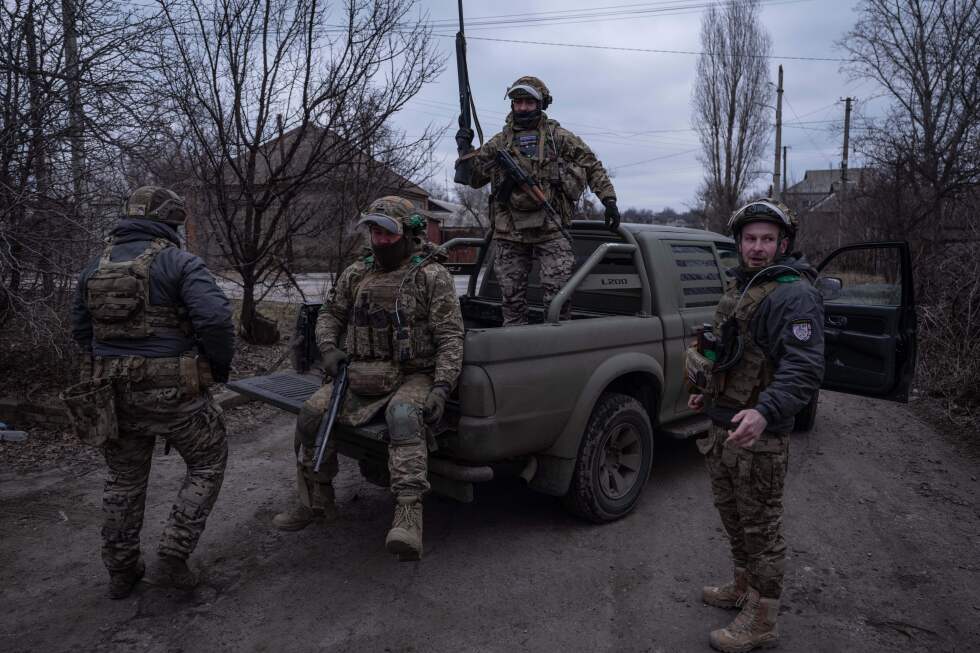
    Diplomatic envoys from Russia and Ukraine convened for a second day of U.S.-mediated negotiations in Geneva on Wednesday, attempting to reconcile profound political and military divisions stemming from Moscow’s full-scale invasion nearly four years ago.

    The discussions, organized into specialized working groups, focused on clarifying procedural mechanisms for potential agreements. Ukrainian delegation head Rustem Umerov stated via social media that teams were “working on clarifying the parameters and mechanisms of the decisions discussed yesterday.”

    These Geneva meetings represent the third round of direct talks facilitated by Washington following earlier sessions in Abu Dhabi that officials characterized as constructive yet ultimately inconclusive. U.S. President Donald Trump’s special envoy Steve Witkoff claimed the administration’s peace initiative had achieved “meaningful progress” over the past year, though he provided no specific details.

    The diplomatic efforts unfold against a backdrop of continued violence along the 1,250-kilometer frontline. Overnight, Russian forces launched one ballistic missile and 126 long-range drones targeting Ukrainian territory, according to air force officials. A separate drone strike in Zaporizhzhia killed one woman and wounded seven civilians, including two young children.

    Substantial disagreements persist between the warring nations regarding potential settlement terms. Ukrainian President Volodymyr Zelenskyy has proposed an immediate ceasefire followed by direct negotiations with Russian leader Vladimir Putin. Conversely, Moscow insists on establishing a comprehensive agreement prior to implementing any truce.

    Russia’s core demands remain consistent with its initial invasion objectives: Ukrainian renunciation of NATO membership, significant military reduction, and enhanced protections for Russian language and culture. Additionally, Putin requires Kyiv’s withdrawal from the four partially occupied eastern regions that Russia claims to have annexed.

    President Zelenskyy maintains Ukraine will not surrender sovereign territory to Russia, establishing a fundamental impediment to diplomatic resolution.


  • Social media suspended in Gabon ‘until further notice’

    Social media suspended in Gabon ‘until further notice’

    Gabon’s media regulatory body has enacted an indefinite suspension of all social media platforms, citing concerns over national stability and institutional security. The High Authority for Communication (HAC) announced the drastic measure through a nationally televised address on Tuesday evening, pointing to the proliferation of false information, cyberbullying incidents, and unauthorized personal data disclosures as primary justifications.

    Jean-Claude Mendome, spokesperson for the communications authority, declined to identify specific platforms targeted by the ban, though WhatsApp, Facebook and TikTok maintain substantial user bases throughout the central African nation. The suspension comes during a delicate transitional period following General Brice Oligui Nguema’s military coup in 2023 and subsequent presidential election victory last year.

    The decision has generated significant concern among Gabon’s approximately 2.5 million citizens, particularly affecting younger demographics and business communities that rely heavily on digital platforms. A Libreville restaurant owner, speaking anonymously, revealed that nearly 40% of his clientele originates from social media promotions, expressing grave concerns about the economic impact.

    Contrasting perspectives emerged among citizens, with some expressing understanding of the government’s position. A local taxi driver remarked that ‘there’s no smoke without fire,’ suggesting authorities must have compelling reasons for implementing such restrictive measures.

    This development occurs against a backdrop of escalating social unrest, with teachers and civil servants maintaining strike actions since December over compensation and working conditions. The Nguema administration, which secured power with over 90% of the electoral vote after ending the Bongo family’s fifty-year reign, had previously committed to governmental reforms and increased transparency.

    Notably, the current administration permitted international and independent media to document ballot counting during recent elections—a departure from previous regimes that employed digital blackouts as information control mechanisms. Mendome emphasized that freedom of expression remains ‘a fundamental right enshrined in Gabon,’ despite the sweeping social media restrictions.

    The media regulator specifically referenced ‘inappropriate, defamatory, hateful, and insulting content’ on digital platforms as undermining human dignity, social cohesion, and national security. Such content, authorities contend, risks generating social conflict and jeopardizing national unity alongside democratic progress.

  • Peru’s Congress approves motions to impeach President Jose Jeri

    Peru’s Congress approves motions to impeach President Jose Jeri

    In a decisive political maneuver, Peru’s legislative body has overwhelmingly voted to remove Interim President Jose Jeri from power. The congressional session held on Tuesday, February 17, 2026, resulted in the approval of seven censure motions against the embattled leader, triggering an immediate presidential vacancy.

    The impeachment proceedings concluded with 75 legislators supporting the motion, while 24 voted against and three abstained. The outcome demonstrates significant political opposition to Jeri’s administration, which began on October 10, 2025, following the congressional removal of former President Dina Boluarte.

    Fernando Rospigliosi, acting President of the Congress, presided over the extraordinary session and formally declared the presidency vacant after announcing the voting results. The legislative body has scheduled a plenary session for Wednesday at 6 p.m. local time to elect a new congressional leader, who will subsequently assume the nation’s presidency according to constitutional protocols.

    Peru’s constitutional succession plan dictates specific procedures for presidential transitions. When a president becomes temporarily or permanently unable to govern, power first transfers to the vice president. If both vice presidential positions are vacant, authority passes to the congressional president, who must immediately call for new elections in cases of permanent presidential incapacity.

    This political development represents the latest chapter in Peru’s ongoing governance challenges, marking another significant leadership transition in the country’s turbulent political landscape.

  • Japanese PM Takaichi’s cabinet resigns

    Japanese PM Takaichi’s cabinet resigns

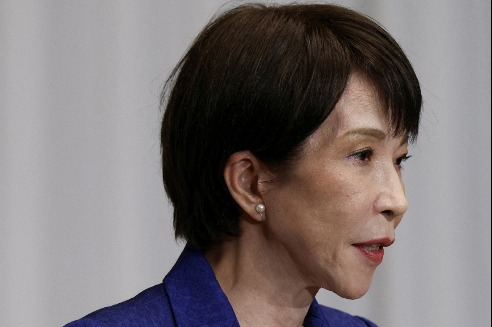
    TOKYO – In a scheduled governmental transition, Japanese Prime Minister Sanae Takaichi and her entire cabinet formally submitted their resignations during a Wednesday morning session. The collective resignation occurred during a cabinet meeting commencing at 9:00 AM local time, strategically timed before the parliamentary convocation for a new session later that afternoon.

    The constitutional procedure paves the way for the Diet to designate a new prime minister. Following the legislative vote, the newly appointed premier is anticipated to finalize ministerial appointments, with the chief cabinet secretary officially unveiling the governmental lineup.

    Political analysts project that Prime Minister Takaichi, who leads the dominant Liberal Democratic Party (LDP), will likely be reappointed to her position. This expectation stems from her party’s commanding majority, which controls over two-thirds of the seats in the influential lower house of parliament.

    Domestic media outlets indicate that the cabinet composition will probably remain largely unchanged, given the administration’s recent formation in October and the ruling coalition’s decisive victory in the February 8 general election. This political stability suggests continuity in Japan’s governance approach during Takaichi’s anticipated continued leadership.

  • Somalia renews its US-backed fight against al-Shabab militant group. Here is why it matters

    Somalia renews its US-backed fight against al-Shabab militant group. Here is why it matters

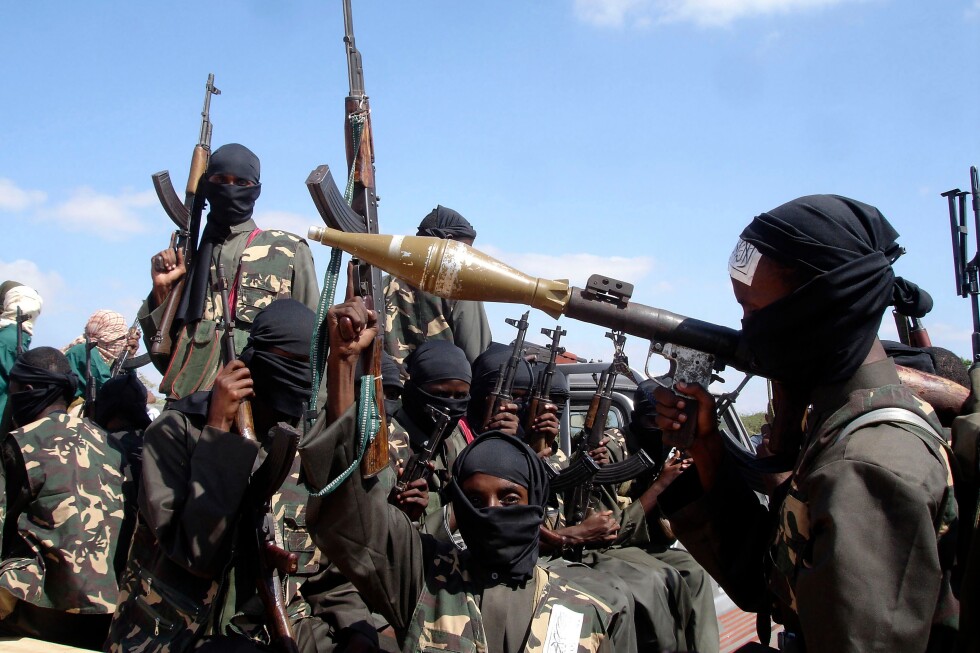
    Somalia’s military campaign against the al-Qaida-affiliated al-Shabab militant group has gained significant momentum through a combination of U.S.-backed airstrikes and expanded ground operations, according to government officials. The offensive comes at a critical juncture as African Union peacekeeping forces gradually withdraw, transferring security responsibility to Somali national forces after nearly two decades of insurgency.

    The conflict’s trajectory has shifted notably through strategic operations targeting al-Shabab’s leadership hierarchy, bomb-making infrastructure, and territorial strongholds. Somali defense officials report successful reclaiming of territories in multiple regions including Lower Shabelle, Hiiraan, Middle Shabelle, and parts of Jubbaland that had remained under militant control for years. Key locations such as Jilib Marka, Gendershe, and Dhanaane—previously considered al-Shabab strongholds—have reportedly been secured by government forces.

    The United States has played a crucial role in this tactical turnaround through AFRICOM’s precision airstrikes targeting training facilities, weapons depots, and senior leadership figures. Recent air operations have specifically focused on destroying improvised explosive device manufacturing sites and neutralizing vehicle-borne explosives before deployment. Somali intelligence services provide verified targeting information to minimize civilian casualties, though past strikes have drawn criticism from human rights organizations.

    Security analysts note that expanded aerial surveillance and strike capabilities have fundamentally altered the battlefield dynamics. Drone coverage has enabled identification of previously inaccessible underground hideouts and supply routes, allowing government troops to advance into areas that were once al-Shabab sanctuaries. The technology also provides early warnings of militant movements near the capital Mogadishu, where security remains tight despite continued bombing attempts.

    The timing of this offensive coincides with the African Union Transition Mission in Somalia gradually reducing its footprint, making international intelligence coordination and air support increasingly critical. However, Somalia faces overlapping challenges including climate-induced drought, political tensions between federal and regional authorities, and funding shortages affecting both security and humanitarian operations.

    Experts caution that military gains must be consolidated through effective governance and service delivery to prevent al-Shabab from reestablishing control in vacated territories. The government has announced plans to rebuild homes and deliver aid in newly captured areas, recognizing that lasting stability depends on Somalia’s ability to secure and govern territory independently as international support scales back.

  • Iran not to abandon peaceful nuclear technology, says president

    Iran not to abandon peaceful nuclear technology, says president

    Iranian President Masoud Pezeshkian has emphatically declared that Iran will not relinquish its peaceful nuclear technology, reinforcing the nation’s stance during a meeting with civil activists on Tuesday. The statement, reported by Iran’s semi-official Tasnim news agency, comes amid escalating regional tensions and a substantial US military buildup in West Asia.

    President Pezeshkian articulated Iran’s willingness to demonstrate the exclusively peaceful nature of its nuclear program while firmly rejecting any limitations on nuclear applications for medical treatment, industrial development, and agricultural advancement. He referenced Supreme Leader Ali Khamenei’s religious decree and established policies as the foundation for Iran’s continued rejection of nuclear weapons development.

    The presidential remarks coincided with the conclusion of the second round of indirect nuclear negotiations between Iran and the United States in Geneva. These delicate diplomatic exchanges, mediated by Omani Foreign Minister Sayyid Badr bin Hamad bin Hamood Albusaidi at Oman’s embassy in Switzerland, followed initial talks held in Muscat on February 6. The negotiations represent ongoing efforts to address international concerns about Iran’s nuclear activities while acknowledging the nation’s rights to nuclear technology under international agreements.

    The timing of President Pezeshkian’s declaration highlights the complex diplomatic landscape, where Iran seeks to balance technological sovereignty with international cooperation demands. His address to civil activists signals both domestic reassurance and international positioning regarding Iran’s nuclear ambitions amidst heightened geopolitical tensions.

  • Cross-Strait bonds shine in Spring Festival fireworks show

    Cross-Strait bonds shine in Spring Festival fireworks show

    A spectacular pyrotechnic spectacle illuminated the night sky on Tuesday as the coastal city of Xiamen in Fujian province and neighboring Kinmen island jointly hosted their annual Spring Festival fireworks display. The 30-minute exhibition, synchronized across both locations separated by less than two kilometers at their closest point, marked the commencement of the Year of the Horse with brilliant bursts of color reflected on the waters between them.

    This cross-Strait tradition, established in 1987, has evolved into a powerful symbol of cultural connectivity between mainland China and Taiwan. Waterfront areas on both sides attracted substantial crowds who gathered to witness the dazzling show accompanied by festive musical arrangements. Kinmen residents further enriched the celebrations with traditional lion dances, believed to usher in prosperity and good fortune for the lunar new year.

    The event held profound significance for attendees from both communities. Chang Yang-yang, a Kinmen native attending for the third time, emphasized the familial symbolism: “When both sides set off fireworks together, it shows we are one family.” This sentiment was echoed by Han Ying-huan, a Taiwanese entrepreneur based in Xiamen, who noted the shared aspirations for cross-Strait integration and national rejuvenation.

    Parallel celebrations occurred between Fuzhou, Fujian’s capital, and Matsu island, where communities exhibited lanterns demonstrating common folk traditions for the 24th consecutive year. These cultural exchanges coincide with revitalized cross-Strait tourism, with 2025 recording over 5 million mutual visits—a six-year peak. Fujian resumed group tours to Kinmen and Matsu in 2024, with Shanghai recently announcing similar initiatives.

    The event aligns with Beijing’s commitment to enhancing cross-Strait travel facilitation and promoting grassroots cultural exchanges. Peng O-ya, a Taipei native residing in Xiamen for three decades, shared the experience with Taiwanese relatives via video call, expressing hope for continued collaboration: “I hope that compatriots across the Strait can work hand in hand, strive together in this promising era, and jointly fulfill their beautiful aspirations.”

  • Australia bans citizen trying to return from IS camp in Syria

    Australia bans citizen trying to return from IS camp in Syria

    In a decisive national security move, Australian authorities have imposed a two-year entry ban on a citizen allegedly associated with the Islamic State (IS) militant group. This individual was among 34 Australian women and children attempting to return home after their release from a Syrian detention camp earlier this week, only to be denied passage by Syrian officials citing unspecified technical complications.

    Home Affairs Minister Tony Burke confirmed the exclusion order on Wednesday, stating it was enacted based on security agency recommendations. He clarified that the remaining 33 individuals in the group—comprising 23 children and their guardians, believed to be wives and widows of IS combatants—did not meet the legal thresholds for similar bans.

    The Australian government maintains its firm stance against facilitating the repatriation of these citizens. Prime Minister Anthony Albanese emphasized this position during a press conference, asserting that those who voluntarily aligned themselves with a brutal ideology seeking to destroy Australia’s way of life must accept the consequences of their choices. “You make your bed, you lie in it,” he stated unequivocally.

    This stance has sparked legal concerns, with experts warning that Australia may be violating international obligations regarding citizens’ right to return. When questioned about reports that group members hold valid Australian passports, Albanese committed to not breaching domestic law but provided no further clarity on repatriation plans.

    The detainees from al-Roj camp in northern Syria represent part of a larger contingent of Australians held in Syrian detention facilities since IS’s territorial defeat in 2019. Opposition politicians have amplified security concerns, with Liberal Party Senator Jonno Duniam questioning the apparent inconsistency in risk assessment and offering legislative support to expand exclusion powers.

    Al-Roj camp, housing over 2,000 detainees from 40 nations including controversial figure Shamima Begum (whose British citizenship was revoked in 2019), continues to draw international attention. Camp director Hakmiyeh Ibrahim appealed via ABC to all nations with citizens in limbo, warning that children are being exposed to dangerous ideologies amid deteriorating conditions characterized by malnutrition and resource deprivation.

    Australia’s position aligns with several Western nations including France, the Netherlands, and the UK, which have similarly resisted large-scale repatriation of citizens from Syrian camps.

  • Is VAR any better in the rest of Europe’s top leagues?

    Is VAR any better in the rest of Europe’s top leagues?

    A continent-wide crisis is unfolding across European football as Video Assistant Referee (VAR) technology faces unprecedented criticism from fans, clubs, and officials alike. UEFA’s referees’ chief Roberto Rosetti has issued a stark warning against the trend of “microscopic” interventions that has fundamentally altered the game’s emotional landscape.

    Germany’s Bundesliga showcases the most visible fan resistance, where stadiums regularly display banners demanding “Videobeweis abschaffen” (Eliminate VAR). Augsburg supporters recently created a sea of protest messages, with one banner declaring “Football with VAR is like horse racing with donkeys.” Official data reveals Germany experiences more frequent VAR interventions than England, with error rates nearly identical—one mistake every 15.66 games compared to England’s 16.

    In Spain, structural changes including a dedicated team of 15 VAR specialists have failed to prevent controversy. Real Madrid’s television channel produces weekly referee criticism videos, while Barcelona recently issued formal complaints about “repeated damaging refereeing decisions.” The semi-automated offside technology has repeatedly malfunctioned, including one incident where it failed to identify an offside position, leading to the entire VAR team being temporarily stood down.

    Italy presents a unique case where stakeholders want more VAR intervention rather than less. Serie A advocates for expanding VAR’s scope to include corner reviews and second yellow cards. However, frustration grows as fans demand clearer guidelines and transparency, with Lazio supporters protesting what they call “audio justifications without logic or sense.”

    France’s Ligue 1 demonstrates the most frequent VAR involvement with interventions occurring in nearly every other match. The financial burden has become a significant concern, with the system costing €25 million per season amid collapsing TV rights deals. Club presidents have become the most vocal critics, with Lille’s Olivier Letang describing a “breakdown of trust” with officials.

    The common thread across all leagues is the fundamental question identified by UEFA’s Rosetti: football has forgotten why VAR was originally introduced. The technology designed to eliminate clear errors has instead created a culture of microscopic analysis, bureaucratic delays, and widespread confusion that distances supporters from the emotional core of the sport.

  • Trump appointee bans US states from regulating prediction markets

    Trump appointee bans US states from regulating prediction markets

    In a significant escalation of federal regulatory authority, the U.S. Commodity Futures Trading Commission (CFTC) has announced it will actively challenge state-level attempts to regulate prediction markets. Chairman Mike Selig, in a Wall Street Journal op-ed published Tuesday, declared his agency possesses exclusive jurisdiction over these markets and will support Crypto.com’s legal appeal against state regulations.

    Appointed by former President Donald Trump, Selig argued that prediction markets face ‘an onslaught of state-driven litigation’ with numerous states classifying them as gambling operations subject to local restrictions. ‘The CFTC will no longer sit idly by while overzealous state governments undermine the agency’s exclusive jurisdiction,’ Selig stated, characterizing prediction markets as ‘exciting products’ rather than gambling ventures.

    The commissioner grounded his position in the 1936 Commodity Exchange Act, asserting prediction markets constitute derivative instruments falling squarely within federal purview. Selig emphasized these platforms operate as ‘self-regulatory organizations examined and supervised by experienced CFTC staff,’ contrasting with critics who describe them as unregulated ‘Wild West’ operations.

    The announcement triggered immediate backlash from consumer protection advocates and state officials. Emily Peterson-Cassin of the Demand Progress Education Fund warned the move echoes regulatory failures preceding the 2008 financial crisis: ‘The CFTC is trying to let gamblers gamble on every aspect of life.’ Utah Governor Spencer Cox, a Republican, vowed to deploy ‘every resource’ to challenge the federal position, asserting prediction markets ‘are gambling – pure and simple’ that destroy lives.

    Critics highlighted potential conflicts of interest, noting Donald Trump Jr.’s advisory roles with major prediction market platforms Polymarket and Kalshi. The controversy sets the stage for a legal battle pitting federal regulatory authority against states’ traditional control over gambling regulation.