作者: admin

  • Iranians dance through tears as they mourn slain protesters

    Iranians dance through tears as they mourn slain protesters

    Across Iran on Tuesday, traditional memorial ceremonies for victims of the state’s violent crackdown on anti-government protests evolved into powerful displays of civil disobedience, blending grief with unprecedented acts of defiance.

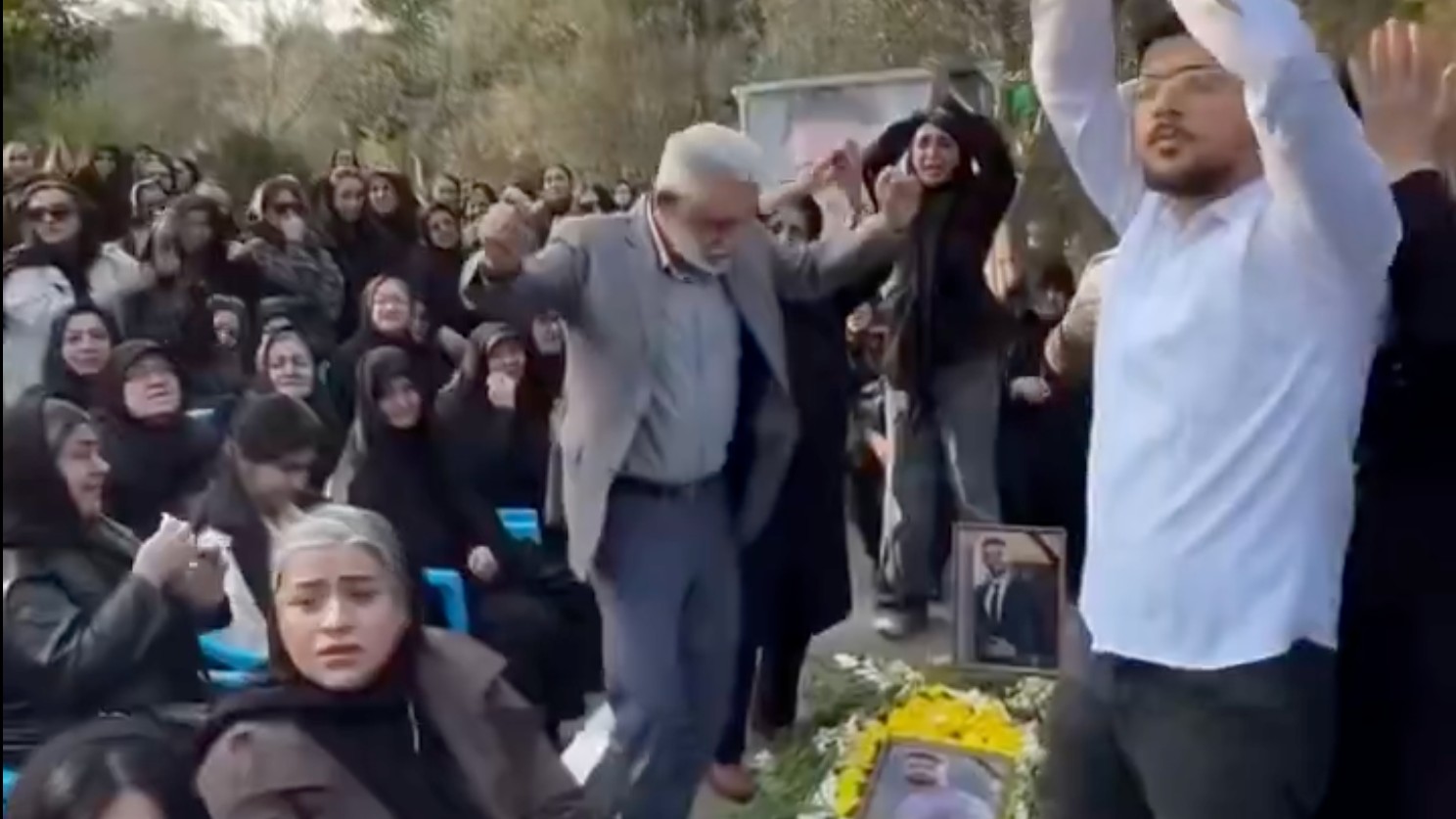
    The Chehellom ceremonies, marking forty days since death in accordance with Iranian tradition, became platforms for confrontation as mourners clashed with riot police and Islamic Revolutionary Guard Corps forces in multiple cities. In a striking departure from conventional mourning practices, families and supporters of the deceased engaged in dancing, clapping, and playing music beside fresh graves—actions that directly challenge the establishment’s prescribed forms of religious observance.

    This transformation of ritual carries profound historical resonance. During the 1979 Islamic Revolution, similar commemorations for those killed by the Shah’s forces helped galvanize opposition. Now, four decades later, the tradition has been repurposed as a strategic protest mechanism against current rulers.

    The scale of loss remains contested. While official figures acknowledge 3,117 deaths, the US-based Hrana news agency reported Monday that 6,508 protesters had been killed during weeks of demonstrations. Despite state attempts to co-opt the narrative by announcing official commemorations, security forces maintained overwhelming presence at cemeteries, establishing widespread checkpoints and engaging in clashes with mourners in Abdanan and Mashhad.

    At Tehran’s Behesht-e Zahra cemetery, witnesses described crowded scenes where sections 322 and 323 were packed with both grieving families and supporters wearing black. The atmosphere shifted between conventional mourning and radical expression: young people played celebratory music from phones while dancing beside graves, wedding cars decorated with black ribbons processed slowly through burial grounds, and mourners chanted revolutionary verses.

    This practice of dancing at graves, while rooted in old tribal customs for those who died before marriage, has gained new symbolic meaning. Viral videos from recent weeks show grieving families transforming funerals into acts of resistance. One father, mourning his son Reza Asadi, stood by the grave and declared to the crowd: ‘People! This is my Reza for the homeland!’ before performing traditional dance steps.

    As these unofficial mourning practices continue, human rights organizations report escalating executions across Iranian prisons. At least nine individuals were executed on Tuesday in multiple cities, with authorities attributing the deaths to drug crimes and murder. However, lawyers maintain that defendants were systematically denied legal representation and forced to confess under torture.

    Additional concerns focus on the detention and killing of children during protests, with the Iranian Teachers’ Union reporting at least 200 minors killed. While officials claim all detained schoolchildren have been released, independent verification remains impossible.

    Amid collective grief, attention has partially shifted to renewed nuclear negotiations between Tehran and Washington, which Iran’s foreign minister has characterized as ‘constructive’—creating a complex backdrop of domestic repression and diplomatic engagement.
  • Winter festival in Toronto blends Chinese tradition with technology

    Winter festival in Toronto blends Chinese tradition with technology

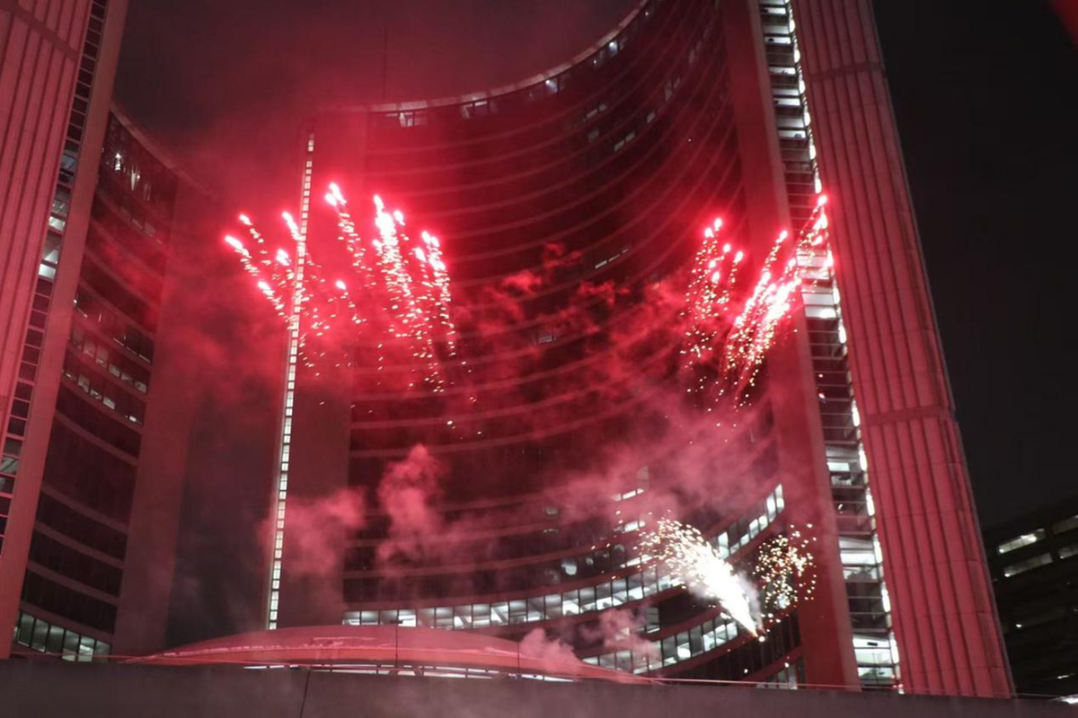
    Toronto’s Nathan Phillips Square transformed into a vibrant crossroads of cultural fusion during the second annual Toronto Spring Festival Fireworks Celebration, held February 14-15. Despite frigid winter temperatures, the expanded two-day event attracted approximately 50,000 attendees, with peak attendance reaching 33,000 spectators simultaneously—figures confirmed through AI-assisted aerial analysis.

    Event founder Blur Wu described this year’s celebration as a ‘large-scale upgrade’ with essentially doubled programming compared to the inaugural event. The festival introduced innovative heated infrastructure including two massive centrally-heated tents, significantly enhancing visitor comfort during the winter festivities.

    The celebration showcased an unprecedented integration of traditional Chinese New Year elements with technological innovation. Beyond the spectacular fireworks display that illuminated the sky above Toronto City Hall, attendees experienced robotic dance performances and immersive augmented reality experiences showcasing China’s cultural heritage sites—marking the first appearance of such technological displays at a Canadian festival of this nature.

    ‘While the Spring Festival is traditionally rooted, technology has become an integral component of contemporary Chinese culture,’ Wu explained. ‘This synthesis of ancient tradition and modern innovation represents the evolving image of China today.’

    The timing of the festival proved strategically significant, following Canadian Prime Minister Mark Carney’s recent diplomatic visit to China and the subsequent warming of bilateral relations. Wu emphasized the importance of grassroots cultural initiatives in strengthening people-to-people ties between the nations, noting that cultural exchanges create accessible pathways for mutual understanding.

    Organizers faced substantial logistical challenges, including significant snow removal efforts, but leveraged the winter timing to their advantage. ‘During summer, twenty festivals compete for attention weekly,’ Wu noted. ‘In winter, we proudly stand as the largest outdoor festival, providing exceptional visibility for promoting Chinese culture.’

    The organizing committee maintains a non-profit orientation, prioritizing long-term cultural impact over financial gain. Their vision positions the festival as an emerging winter cultural landmark for Toronto—an iconic annual event that bridges civilizations while showcasing China’s technological advancement and cultural creativity alongside its ancient traditions.

  • Sheikh Mohammed pardons 1,856 inmates from Dubai facilities for Ramadan

    Sheikh Mohammed pardons 1,856 inmates from Dubai facilities for Ramadan

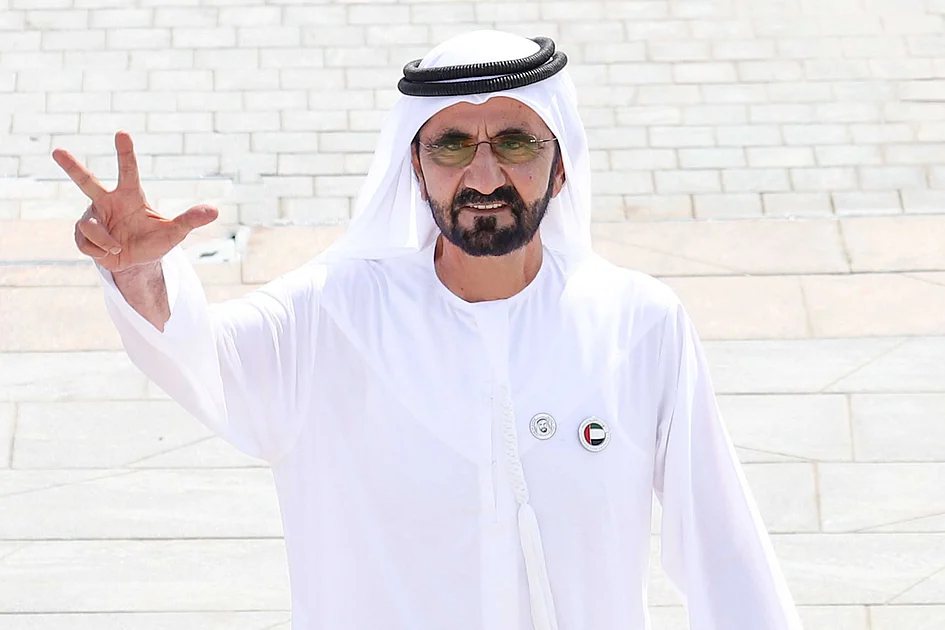
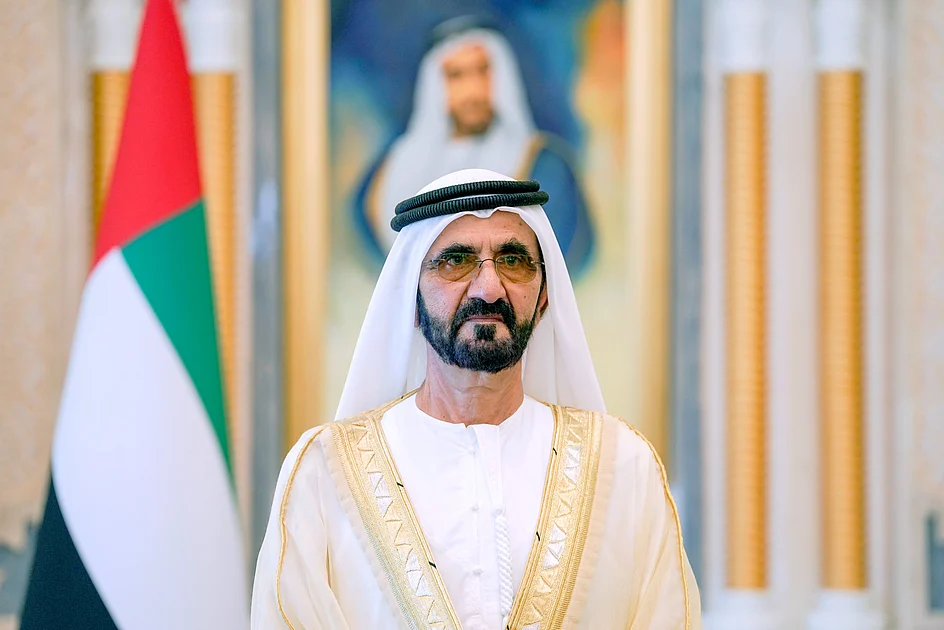
    In a significant humanitarian gesture marking the commencement of Ramadan 2026, His Highness Sheikh Mohammed bin Rashid Al Maktoum, Vice-President and Prime Minister of the UAE and Ruler of Dubai, has authorized the release of 1,856 inmates from correctional facilities across the emirate. The pardon, announced on the first day of the holy month, encompasses individuals of diverse nationalities currently detained in various Dubai punitive establishments.

    This compassionate act aligns with longstanding UAE traditions where national leaders extend clemency during religious observances and special occasions. The initiative demonstrates Sheikh Mohammed’s commitment to restorative justice principles and providing opportunities for societal reintegration.

    Dubai’s Attorney General, Counselor Essam Issa Al Humaidan, emphasized the rehabilitative purpose behind the release, stating it offers beneficiaries a meaningful chance to contemplate past transgressions and embrace positive behavioral transformation. The pardon aims to facilitate their return as law-abiding, productive community members while bringing familial reconciliation during this spiritually significant period.

    Immediate implementation procedures were initiated by Dubai Public Prosecution following the royal decree. Authorities are expediting administrative processes to ensure prompt reunification of eligible individuals with their families, thereby spreading Ramadan’s spirit of compassion and forgiveness throughout the community.

    The extensive release follows similar Ramadan-focused clemency initiatives across other emirates, including Sharjah’s pardon of 738 inmates and the UAE President’s authorization releasing 1,440 prisoners, collectively reflecting the nation’s commitment to mercy and social harmony during sacred occasions.

  • Chinese astronauts rejoice over space tomato harvest for Spring Festival

    Chinese astronauts rejoice over space tomato harvest for Spring Festival

    In a landmark achievement for space agriculture, Chinese astronauts aboard the Tiangong space station have successfully harvested fresh tomatoes during their Spring Festival celebrations, marking a significant advancement in bioregenerative life support systems. The Shenzhou XXI mission crew, led by astronauts Zhang Hongzhang, Wu Fei, and Zhang Lu, celebrated the orbital harvest using an innovative aeroponic cultivation system developed by the China Astronaut Research and Training Center.

    The cutting-edge system, delivered to the station by the Tianzhou-9 cargo spacecraft in July 2025, utilizes vaporized water mist and specialized LED lighting to optimize plant growth in microgravity conditions. Astronaut Zhang Hongzhang described the thriving tomato plants as a ‘healing corner’ within the space station, noting that the sight and scent of ripening tomatoes provide psychological benefits during long-duration missions.

    ‘These tomatoes are incredibly enticing with their fresh scent,’ remarked astronaut Wu Fei. ‘Every time I pass by this area, I want to take a deep breath and enjoy the fragrance.’ The crew meticulously tends to the plants daily, collecting valuable growth data that will inform future space crop cultivation protocols.

    The research extends beyond mere horticultural observation, with scientists systematically investigating multiple aspects of space agriculture including atmospheric regeneration capabilities, fruit productivity, and optimized crew maintenance procedures. Future experiments planned for the Tiangong ‘space garden’ include aeroponic trials with wheat, carrots, and medicinal plant species, progressively expanding the diversity of sustainable orbital crops.

    According to the China Manned Space Agency, the Shenzhou XXI mission has now exceeded 100 days in orbit since its October 2025 launch, with all scientific experiments, equipment maintenance, and health management tasks progressing smoothly. The successful tomato harvest represents a crucial step toward developing self-sustaining life support systems for future deep space exploration and long-duration missions beyond Earth’s orbit.

  • Eight skiers found dead after California avalanche

    Eight skiers found dead after California avalanche

    Rescue operations in California’s treacherous Lake Tahoe backcountry have concluded with a devastating outcome, as authorities confirmed the recovery of eight deceased skiers caught in a massive avalanche. The catastrophic event occurred Tuesday in the Castle Peak area, where a football-field-sized snow slide buried multiple members of a guided skiing expedition.

    Nevada County Sheriff Shannan Moon delivered the somber update Wednesday, indicating the final missing skier remains unlocated but is presumed deceased. The tragedy struck during the group’s return from a three-day backcountry excursion, with the avalanche measuring D2.5 on the destructive potential scale—indicating a slide exceeding half-mile length with approximately 6.5-foot snow deposition.

    Among the heartbreaking revelations: one victim was the spouse of a search-and-rescue team member, creating emotionally challenging conditions for responders. Placer County Sheriff Wayne Woo extended official condolences to affected families while acknowledging the extraordinary efforts of approximately 50 personnel from multiple agencies battling extreme weather conditions.

    The rescue operation faced monumental challenges as teams navigated through additional three feet of snowfall that accumulated post-avalanche. Specialized equipment was required to reach survivors sheltering in makeshift tents approximately two miles from accessible terrain. Six individuals were successfully extracted, including one guide and five clients of Blackbird Mountain guided tours. Two required medical evacuation for non-life-threatening injuries.

    Current conditions remain dangerously unstable, with Tahoe National Forest supervisor Chris Feutrier emphasizing continued high avalanche hazards. Recovery efforts for the remaining victims are temporarily suspended due to hazardous conditions, with officials urging public avoidance of backcountry areas to concentrate resources on recovery operations.

    The broader region continues experiencing severe winter weather, with Boreal Mountain Ski Resort reporting over 30 inches of accumulation and multiple highway closures including Interstate 80 and Highway 50. California Governor Gavin Newsom’s office confirmed state coordination with local emergency teams throughout the crisis response.

  • Alcoa pays Australian feds $36 million for ‘unlawful’ forest clearing

    Alcoa pays Australian feds $36 million for ‘unlawful’ forest clearing

    Metal manufacturing giant Alcoa has agreed to pay the Australian government a settlement of $36 million (A$55 million) for unlawfully clearing sections of endangered Northern Jarrah Forest without proper approvals between 2019 and 2025. The Pittsburgh-based company, valued at $16 billion, has operated bauxite mines in the environmentally sensitive region since the 1960s, but its expanded operations in recent years have drawn increased regulatory and public scrutiny.

    Australia’s Environment and Water Minister Senator Murray Watt characterized the payment as the largest ever enforced under national environmental laws, resolving longstanding questions about Alcoa’s exemption from federal environmental assessment processes. While maintaining that it complied with federal regulations, Alcoa agreed to the settlement to “acknowledge historical clearing” according to company statements.

    The agreement includes an 18-month operational exemption allowing Alcoa to continue mining while seeking contemporary regulatory approvals. President and CEO William F. Oplinger stated the company “welcomes this important step in transitioning our approvals to a contemporary assessment process” that provides increased certainty for future operations.

    Environmental concerns surrounding Alcoa’s activities extend beyond the unauthorized clearing. The Northern Jarrah Forest represents a recognized biodiversity hotspot hosting threatened species including black cockatoos and various marsupials. While Alcoa operates a rehabilitation program for mined areas, a prominent botanist and growing scientific community have questioned its effectiveness. Last summer, advertising standards authorities ruled that company promotions about their rehabilitation efforts were “inaccurate and likely to mislead or deceive target consumers.”

    The settlement comes as Alcoa faces additional regulatory challenges in Western Australia, where a proposal to significantly expand operations generated approximately 60,000 public comments and criticism from local governments and First Nations representatives. A decision on the expansion remains pending, with Alcoa indicating commitment to working toward resolution by late 2026.

  • Trump adviser calls for Fed economists to be ‘disciplined’

    Trump adviser calls for Fed economists to be ‘disciplined’

    In a remarkable escalation of tensions between the White House and the Federal Reserve, National Economic Council Director Kevin Hassett has called for disciplinary action against economists responsible for a New York Federal Reserve study on tariff impacts. The research concluded that American corporations and consumers absorbed approximately 90% of the costs from increased tariffs implemented in 2025.

    Hassett, serving as one of President Trump’s principal economic advisers, denounced the report as ‘an embarrassment’ and ‘the worst paper I’ve ever seen in the history of the Federal Reserve system’ during a CNBC interview. He contended that the analysis wouldn’t meet academic standards for introductory economics coursework and accused the researchers of producing ‘highly partisan’ conclusions that generated misleading news coverage.

    The controversial comments emerge as the Supreme Court prepares to rule on legal challenges to President Trump’s expansive global tariff strategy, possibly as early as this Friday. Various small businesses and multiple U.S. states have initiated these challenges, arguing that the administration exceeded its constitutional authority in implementing the tariffs.

    Contrary to the Fed’s findings, Hassett asserted that the tariff policy has yielded positive economic outcomes, including reduced prices, lower inflation, and an average $1,400 increase in real wages last year. ‘Consumers were made better off by the tariffs,’ he maintained.

    The New York Fed’s research aligns with independent analyses from prominent economic institutions. Germany’s Kiel Institute for the World Economy reported ‘near-complete pass-through of tariffs to US import prices,’ while the National Bureau of Economic Research found the pass-through rate approached ‘almost 100%,’ confirming that American entities primarily bear the financial burden.

    This confrontation represents a new front in the administration’s ongoing criticism of the Federal Reserve, which has previously centered on interest rate policies. President Trump has repeatedly pressured the central bank to implement more aggressive rate reductions and has recently targeted specific officials, including Fed Governor Lisa Cook, whom he seeks to remove from her position.

    The Fed continues to monitor tariff effects on inflation amidst mixed economic signals. While January meeting minutes revealed internal divisions regarding future rate decisions, recent Labor Department data showed cooling inflation driven by declining energy and used car prices. This moderation has bolstered arguments from Trump and allies that the Fed possesses flexibility to reduce rates without triggering renewed price increases, though some analysts warn that fuller cost pass-through to consumers could stall progress toward the Fed’s 2% inflation target.

  • SMS, click, or call: 7 ways to donate to Sheikh Mohammed’s Ramadan campaign

    SMS, click, or call: 7 ways to donate to Sheikh Mohammed’s Ramadan campaign

    Dubai has unveiled an ambitious humanitarian campaign targeting global childhood malnutrition through seven accessible donation channels during the holy month of Ramadan. Spearheaded by Sheikh Mohammed bin Rashid Al Maktoum, Vice-President and Prime Minister of the UAE and Ruler of Dubai, the ‘Edge of Life’ initiative aims to raise substantial funds to rescue five million children under age five from acute hunger.

    The campaign addresses a critical global emergency where statistics reveal five children under five succumb to malnutrition every minute worldwide. Particularly focused on vulnerable communities in conflict zones and disaster-affected regions, the program seeks to implement sustainable solutions through partnerships with major international organizations including UNICEF, Save the Children, and Action Against Hunger.

    Donation mechanisms have been strategically diversified to maximize public participation:

    • Website Portal: Official platform (www.edgeoflife.ae) accepts contributions from individuals and organizations globally
    • Telephone Hotline: Dedicated call center (8004999) operates daily from 10am to 5pm
    • Banking Channels: Direct transfers enabled through Emirates Islamic Bank (IBAN: AE940340003708472909222)
    • SMS Donations: Text-based contributions via designated codes (1034-1038) with options ranging from Dh10 to Dh500
    • Digital Government Platform: DubaiNow app features dedicated donation section
    • Online Philanthropic Portal: YallaGive.com facilitates electronic contributions
    • Community Engagement Platform: Jood.ae enables creation of personalized fundraising campaigns

    The technological integration reflects Dubai’s commitment to leveraging digital infrastructure for humanitarian purposes, while maintaining traditional donation avenues to ensure inclusive participation across all demographic segments.

  • Billionaire Lex Wexner tells US lawmakers he was ‘naive’ and ‘conned’ by Epstein

    Billionaire Lex Wexner tells US lawmakers he was ‘naive’ and ‘conned’ by Epstein

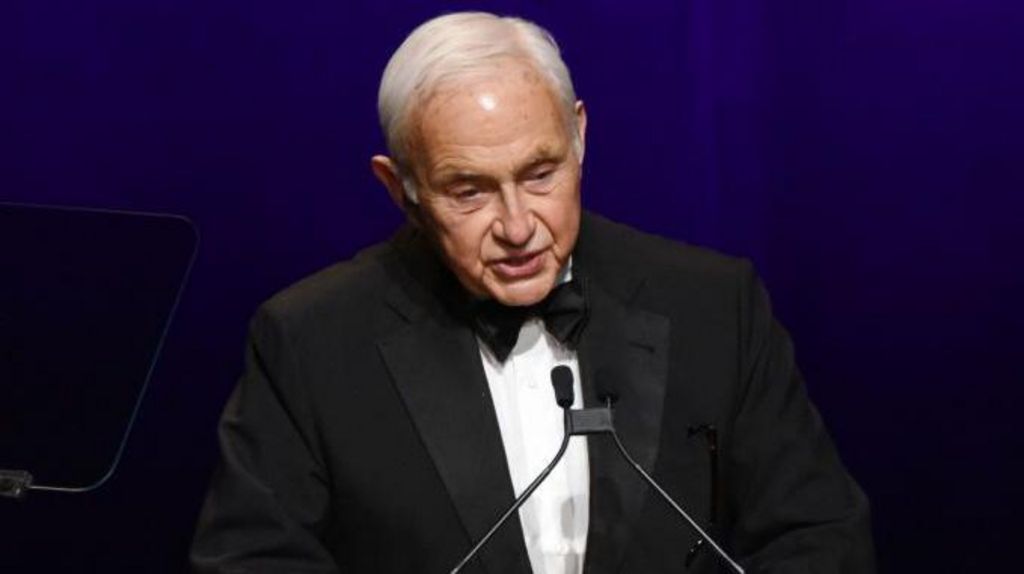
    In a dramatic congressional testimony, American retail billionaire Lex Wexner portrayed himself as a deceived victim rather than a collaborator of convicted sex offender Jeffrey Epstein. The former Victoria’s Secret CEO appeared before the House Oversight Committee’s investigation into the Epstein network, delivering a carefully crafted narrative of financial betrayal and personal naivete.

    Wexner’s testimony revealed startling financial allegations, accusing Epstein of embezzling “vast sums” from his family’s wealth during their professional association. The billionaire described his relationship with Epstein as fundamentally deceptive, characterizing the financier as a “con man” who exploited his trust. This financial dimension adds a new layer to the established narrative of Epstein’s crimes.

    The political context of the hearing drew attention as only Democratic lawmakers attended the Ohio deposition, though Republican staff members observed proceedings. Congressman Robert Garcia (D-California) delivered the most direct accusation, stating Epstein’s entire operation—including his private island and aircraft—depended on Wexner’s financial support.

    Wexner acknowledged visiting Epstein’s notorious private island for “a few hours” with his family but maintained complete ignorance of the sexual abuse occurring there. He emphasized cutting ties with Epstein immediately after the 2006 Florida abuse allegations surfaced, attempting to distance himself from the subsequent criminal pattern.

    Despite being identified in FBI documents as a potential “co-conspirator” and appearing “thousands of times” in case files according to Deputy US Attorney General Todd Blanche, Wexner’s legal team maintains he was never treated as a investigation target. His attorneys recently disclosed that federal prosecutors in 2019 explicitly categorized Wexner as an information source rather than a subject of investigation.

    The testimony represents the most comprehensive public accounting Wexner has provided regarding his controversial association with Epstein, spanning from the 1980s until their 2006 separation. While lawmakers pressed questions about his potential knowledge of Epstein’s activities, Wexner consistently maintained his innocence and ignorance throughout the proceedings.

  • Ruler of Sharjah orders release of 738 inmates for Ramadan 2026

    Ruler of Sharjah orders release of 738 inmates for Ramadan 2026

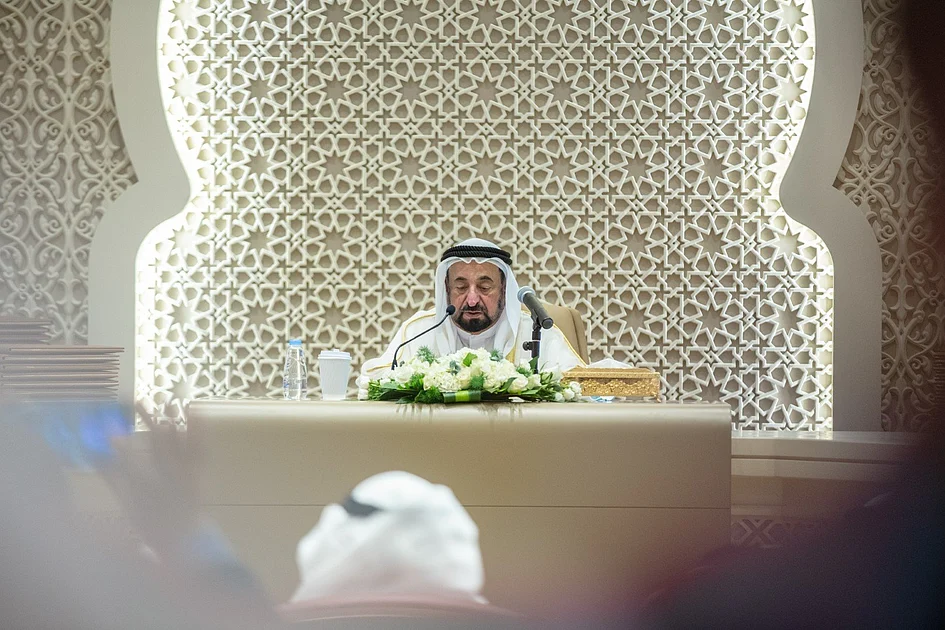
    In a significant humanitarian gesture marking the holy month of Ramadan, UAE rulers have authorized the release of hundreds of prisoners across multiple emirates. Sheikh Dr. Sultan bin Muhammad Al Qasimi, Supreme Council Member and Ruler of Sharjah, has ordered the liberation of 738 inmates from the Sharjah Correctional and Rehabilitation Institution who demonstrated exemplary conduct and met specific pardon criteria.

    This compassionate decision follows similar initiatives by other UAE leaders. President Sheikh Mohamed bin Zayed Al Nahyan previously ordered the release of 1,440 inmates from correctional facilities nationwide, personally undertaking to settle their financial obligations. Simultaneously, Sheikh Humaid bin Rashid Al Nuaimi, Supreme Council Member and Ruler of Ajman, authorized the pardon of 134 prisoners within his emirate’s penal system.

    The coordinated prisoner releases represent a traditional Ramadan practice across the UAE, reflecting Islamic principles of mercy, forgiveness, and rehabilitation. The initiative specifically targets non-violent offenders who have exhibited positive behavioral transformation during their incarceration.

    Correctional authorities have implemented rigorous evaluation processes to identify qualifying inmates based on rehabilitation progress, good conduct, and the nature of their offenses. This annual tradition underscores the UAE’s commitment to restorative justice and social reintegration, allowing pardoned individuals to reunite with families during the spiritually significant month of Ramadan.