作者: admin

  • Canada’s Conservative leader talks tariffs and martial arts with Joe Rogan

    Canada’s Conservative leader talks tariffs and martial arts with Joe Rogan

    In a strategic move to amplify his international presence, Canadian Conservative Opposition Leader Pierre Poilievre engaged in a wide-ranging dialogue on ‘The Joe Rogan Experience,’ one of the world’s most influential podcasts. The conversation served as a cornerstone of Poilievre’s inaugural official tour across the United States, aimed at bolstering his profile amidst domestic polling that places him behind incumbent Prime Minister Mark Carney.

    The interview transcended typical political discourse, beginning with Poilievre presenting Rogan with a Canadian-made kettlebell embossed with a maple leaf—a nod to their mutual interest in fitness and martial arts. However, the dialogue swiftly pivoted to substantive policy matters. Poilievre’s central mission was to advocate for the removal of trade tariffs imposed on Canada during the previous Trump administration. He articulated a vision of reinvigorated bilateral cooperation, stating, ‘We need to harness the goodwill of the American people… and what better place to do it than on the biggest podcast in the world.’

    He presented a pragmatic economic argument, contending that eliminating tariffs on Canadian lumber and aluminum would directly contribute to lowering housing and vehicle costs for American consumers. Furthermore, he positioned Canada as a solution to rising U.S. energy prices, proposing an increase in Canadian oil exports by approximately two million barrels annually.

    When probed on whether he had directly engaged President Trump on these issues, Poilievre demurred, upholding the principle of ‘one prime minister at a time’ and affirming that formal negotiations remain Carney’s prerogative, while his role was to offer supportive advocacy.

    The podcast also ventured into contentious domestic Canadian policy, specifically the nation’s medically assisted dying laws. While affirming a general belief in individual choice, Poilievre expressed his party’s significant reservations about the planned expansion of the legislation to include individuals whose sole condition is a mental illness—a implementation already delayed until 2027.

    Poilievre’s U.S. itinerary included high-level engagements in Detroit with automotive executives and in Texas, where he toured oil processing facilities and found a receptive audience in Governor Greg Abbott for increased Canadian exports. The tour culminates in New York City with an address to the Foreign Policy Institute. This outreach mirrors recent diplomatic efforts by Poilievre in the UK and Germany, where he promoted a new framework for enhanced cooperation between Canada, the UK, Australia, and New Zealand. These international forays occur against a backdrop of Carney’s own aggressive global travel schedule, focused on attracting foreign investment and diversifying Canada’s trade partnerships beyond the United States.


  • Norway crown princess to address Epstein links as son’s rape trial closes

    Norway crown princess to address Epstein links as son’s rape trial closes

    Norway’s Crown Princess Mette-Marit has broken her silence regarding her controversial connections with convicted sex offender Jeffrey Epstein in a highly anticipated interview scheduled for broadcast on NRK TV this Friday. The recorded session took place alongside Crown Prince Haakon at their Skaugum residence, coinciding with the final stages of her son Marius Borg Høiby’s seven-week rape trial at Oslo District Court.

    The interview emerges amidst mounting pressure on the royal family, stemming from two simultaneous scandals that have captivated Norwegian society. Høiby, the 29-year-old son from the crown princess’s previous relationship, faces 40 criminal charges including four counts of rape, serious assault, drug violations, and traffic offenses. Despite not being a formal member of the royal family, Høiby has grown up in the public eye since his mother married Crown Prince Haakon in 2001.

    The trial represents Norway’s most significant court spectacle in recent years, with defense lawyers Ellen Holager Andenæs and Petar Sekulic arguing for their client’s acquittal on rape charges while acknowledging lesser offenses. Prosecutors have requested a severe sentence of seven years and seven months, with a verdict expected in June.

    Compounding the royal family’s challenges, hundreds of emails between Crown Princess Mette-Marit and Epstein dating from 2011-2014 recently surfaced, revealing her four-day stay at his Palm Beach residence despite awareness of his criminal background. In one particularly damning 2011 message, she acknowledged: ‘Googled u after last email. Agree didn’t look too good.’

    The crown princess has issued multiple apologies, describing her actions as demonstrating ‘poor judgement’ and expressing that some communications ‘do not represent the person I want to be.’ Prime Minister Jonas Gahr Støre has notably joined the criticism, marking rare public disapproval of a royal figure.

    Adding to the complexity, the crown princess battles deteriorating health due to pulmonary fibrosis, which has prevented her from participating in upcoming state visits. Her condition reportedly influenced the timing of her public response, with Crown Prince Haakon previously stating she ‘would like to speak, but right now she can’t.’

    The scandals have prompted tangible consequences, with two organizations severing ties with the crown princess as patron. Meanwhile, Norway’s parliament has established an independent commission to investigate connections between the foreign ministry and Epstein, underscoring the affair’s broader political implications beyond the royal household.

  • US considers lifting sanctions on some Iranian oil

    US considers lifting sanctions on some Iranian oil

    In a dramatic policy shift, the United States is evaluating the temporary suspension of sanctions on certain Iranian oil exports as it confronts escalating energy market turmoil stemming from the ongoing conflict in Iran. Treasury Secretary Scott Bessent unveiled this unconventional approach during a Thursday appearance on Fox Business’s ‘Mornings with Maria,’ positing that it could liberate additional crude supplies for international purchasers.

    The initiative, if implemented, would constitute a remarkable departure from decades of American foreign policy toward Iran. Secretary Bessent specified that the administration is contemplating authorizing the sale of approximately 140 million barrels of Iranian oil already positioned aboard tankers at sea. He projected this could transiently reduce global oil prices for a period of 10 to 14 days. A core element of the proposal involves diverting shipments away from China—which has been the primary beneficiary of heavily discounted Iranian crude—toward allied nations like India, Japan, and Malaysia, thereby forcing Beijing to pay prevailing market rates.

    However, the strategy has ignited intense skepticism and criticism from sanctions experts and policymakers. David Tannenbaum of Blackstone Compliance Services lambasted the concept as ‘bananas,’ warning that it risks funneling substantial revenue to the very Iranian regime the U.S. is militarily engaged against. The practical challenges of preventing funds from reaching Tehran’s coffers remain a significant, unresolved hurdle.

    This deliberation occurs against a backdrop of severe market disruption. The war has effectively halted shipping through the critical Strait of Hormuz, a chokepoint for roughly 20% of daily global oil transit. Experts estimate the conflict has already removed approximately 10% of the world’s oil supply from the market. Compounding these worries, recent attacks on a major Iran-Qatar gas field have raised fears of long-term damage to fossil fuel infrastructure, threatening capacity constraints for years to come.

    The Biden administration’s exploration of this tool underscores a palpable desperation to mitigate an historic energy shock, following other recent moves like tapping strategic petroleum reserves and suspending some Russian oil sanctions. Yet, the potential Iranian waiver faces substantial political headwinds; the House of Representatives just passed a bill designed to strengthen, not relax, sanctions on Iran’s energy sector. The Treasury Department has declined to elaborate on the mechanics of the proposal, and President Trump offered only an ambiguous non-answer when questioned on the matter, stating the administration will ‘do whatever is necessary’ to control prices.

  • International students learn martial arts at Ningxia university

    International students learn martial arts at Ningxia university

    Yinchuan University of Energy in Ningxia Hui Autonomous Region has inaugurated an innovative martial arts curriculum specifically designed for its international student cohort this March. The program represents a significant initiative in cross-cultural education, blending physical training with cultural immersion.

    Under the direct instruction of University President Gu Chaozhong, the course combines theoretical foundations with practical demonstrations of essential martial arts techniques. President Gu personally demonstrates fundamental stances and movements, emphasizing both the combat effectiveness and aesthetic grace inherent in Chinese martial traditions.

    The current enrollment comprises 27 international scholars representing 12 nations including Russia, Turkmenistan, Nigeria, and Mongolia. Training modules focus on foundational skills such as maintaining horse stance posture and executing basic broadsword techniques, with participants meticulously replicating each movement under expert supervision.

    Student feedback highlights the program’s engaging and immersive nature, noting dual benefits of physical conditioning and cultural exposure. Many participants report gaining deeper appreciation for Chinese cultural heritage through kinetic experience rather than passive observation.

    University officials indicate the program serves dual purposes: enriching campus diversity initiatives and fostering international understanding through cultural exchange. Martial arts function as both physical discipline and cultural conduit, allowing international students to connect with Chinese traditions while sharing their perspectives within an academic community.

  • FBI opens investigation into counterterror chief who resigned over Iran war

    FBI opens investigation into counterterror chief who resigned over Iran war

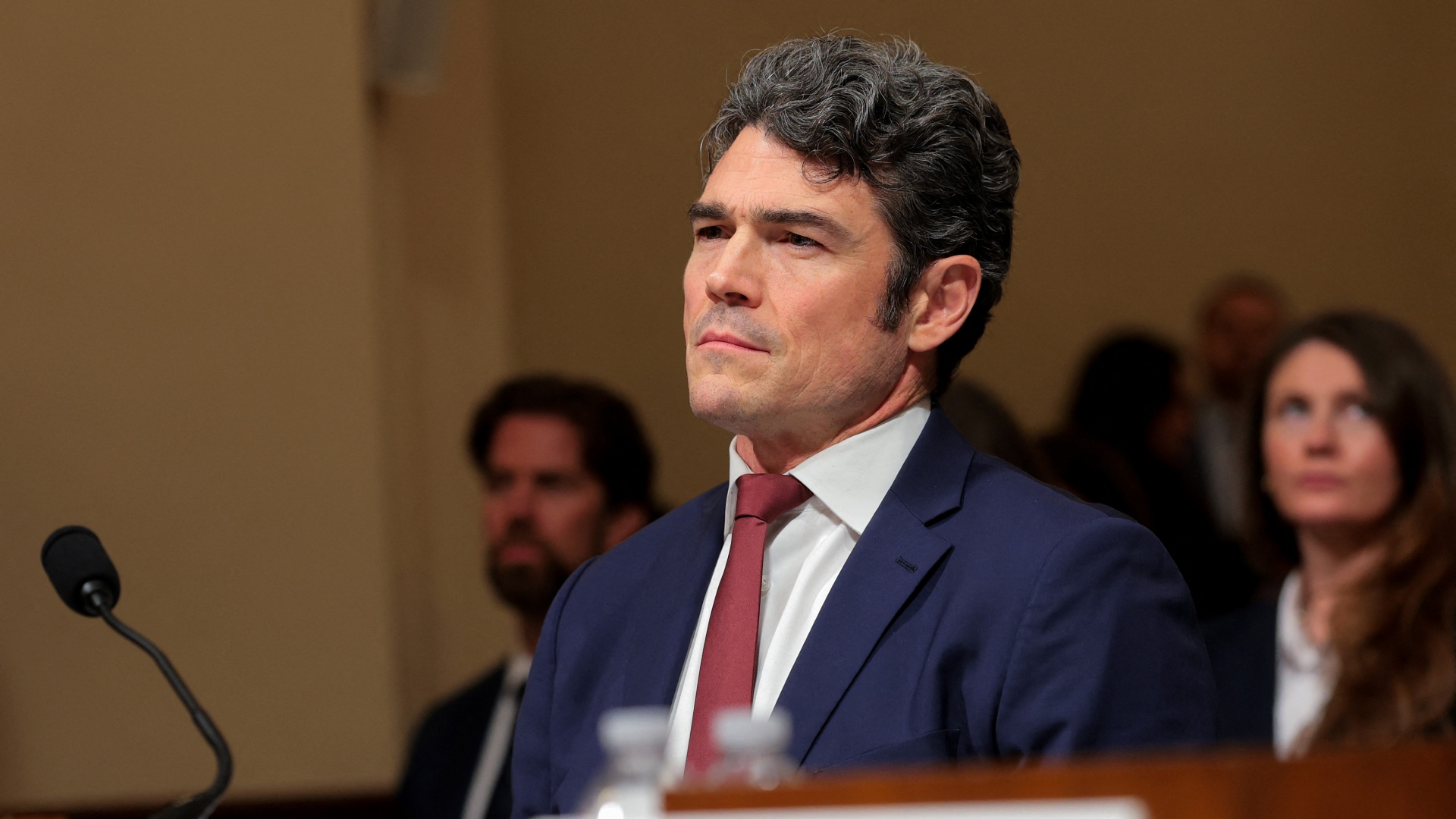
    A significant political and security controversy has erupted in Washington following the resignation of Joseph Kent, the former Director of the National Counterterrorism Center (NCTC). The FBI has initiated an investigation into Kent for allegedly disclosing classified information, a probe that reportedly began prior to his very public departure.

  • Madagascar’s president orders lie detector tests for candidates applying to be government ministers

    Madagascar’s president orders lie detector tests for candidates applying to be government ministers

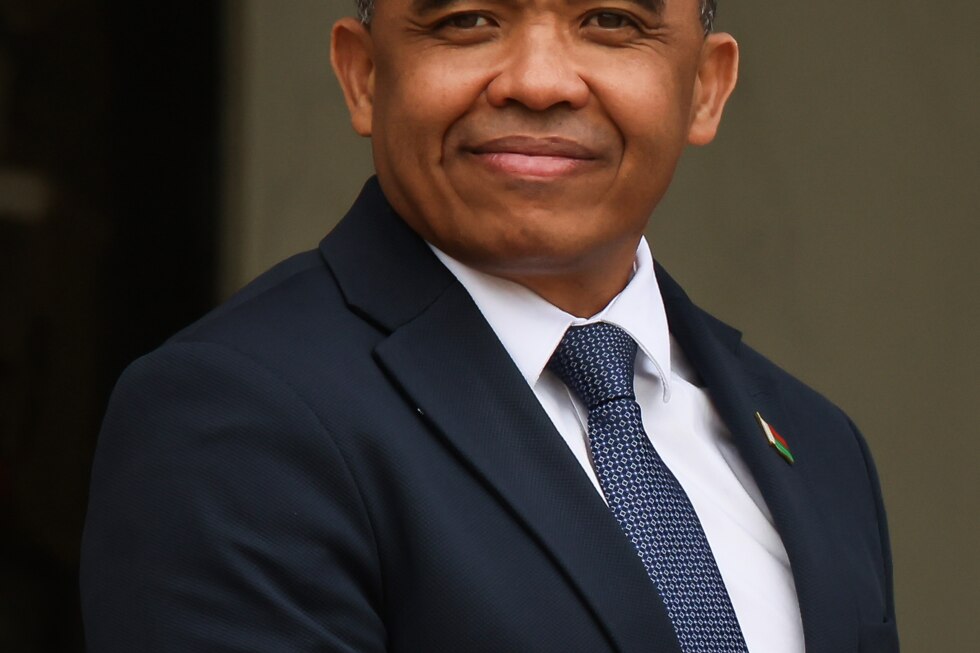
    ANTANANARIVO, Madagascar — In an unprecedented move to combat governmental corruption, Madagascar’s current military leadership has announced that all prospective cabinet ministers must undergo mandatory polygraph examinations. President Michael Randrianirina, who assumed power following last October’s coup, revealed on Thursday that the nation has procured specialized lie detection equipment and trained personnel to administer these tests.

    Randrianirina, formerly a colonel in an elite army unit, articulated that the screening process aims to identify individuals with minimal corruption tendencies rather than demanding absolute purity. “Our objective is to discern between corrupt elements and those capable of genuine assistance,” he stated. “We are not seeking candidates who are completely untainted, but rather those demonstrating at least 60% integrity.”

    The political transition occurred after extended civil unrest primarily driven by young citizens frustrated with inadequate public services and limited opportunities in the poverty-afflicted nation of approximately 32 million people. Randrianirina deposed former President Andry Rajoelina amid these widespread demonstrations.

    In a significant governmental overhaul last week, the military leader dismissed the entire cabinet and dissolved the existing administration. This was followed by Sunday’s appointment of a new prime minister. The revised selection protocol mandates that polygraph results will determine advancement to subsequent interview stages with both the president and prime minister.

    Randrianirina has concurrently committed to reestablishing democratic processes, pledging to conduct fresh elections within a two-year timeframe from his assumption of power.

  • Nigel Farage says Sadiq Khan attempted ‘dominance’ over ‘our culture’ by praying in public

    Nigel Farage says Sadiq Khan attempted ‘dominance’ over ‘our culture’ by praying in public

    A significant interfaith gathering in London’s Trafalgar Square has ignited a heated political controversy, pitting Reform Party leader Nigel Farage against London Mayor Sadiq Khan. The event, organized by the Ramadan Tent Project and billed as “the biggest iftar in the western world,” brought together diverse religious communities including Christians, Jews, Hindus, Sikhs, and atheists for communal prayers and breaking of the Ramadan fast.

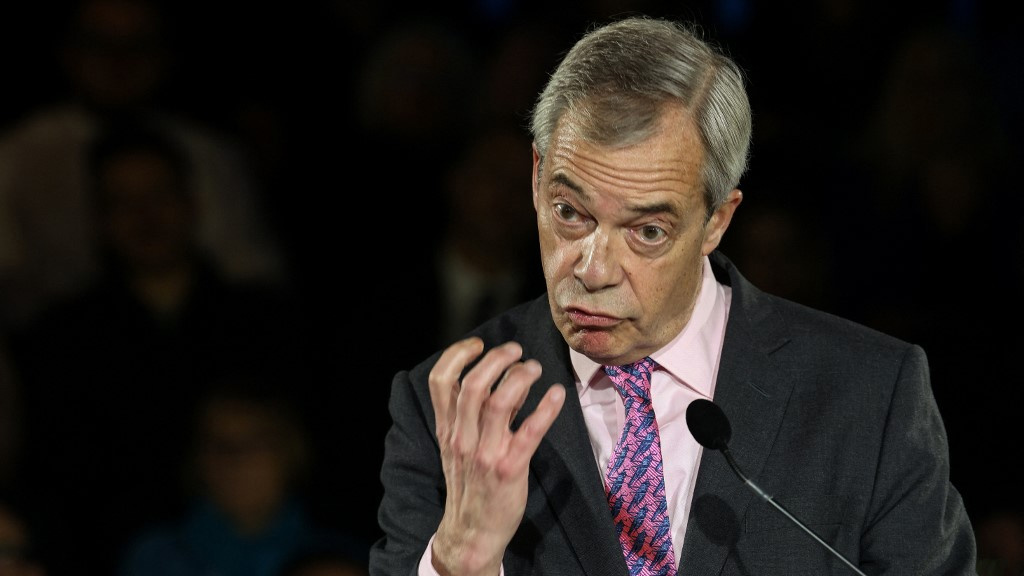
    During a Reform rally in Essex, Farage displayed footage of Muslim congregational prayers at the event, drawing audible boos from supporters. The Reform leader characterized the gathering as “a group of people headed up by the ghastly Sadiq Khan attempting dominance over our capital city and over our culture.” Farage framed the event as a challenge to Britain’s Judeo-Christian foundations, vowing “we will not put up with this anymore” to enthusiastic applause.

    The controversy escalated when Conservative shadow justice secretary Nick Timothy previously described mass ritual prayer in public places as “an act of domination” and “straight from the Islamist playbook”—comments that prompted Prime Minister Keir Starmer to declare such rhetoric “utterly appalling” and indicative of Conservative “problems with Muslims.”

    Mayor Khan responded with emotional intensity, expressing being “heartbroken, sad, and angry” while questioning “who will it be tomorrow? Jewish people? Hindu people?” He emphasized Britain’s Christian tradition of loving thy neighbor and highlighted the historical precedent of numerous religious celebrations in Trafalgar Square, including Diwali, Hanukkah, and Passion of Christ performances.

    Reform Party deputies reinforced Farage’s position, with Richard Tice questioning the event’s “gender inclusivity” despite photographic evidence showing mixed gender participation and the common practice of separate prayer areas in various religious traditions. Party member Sarah Pochin visited the square to film condemnation of what she termed a “domineering show of religious authority.”

    The Ramadan Tent Project clarified their mission to “bring communities together and spread the spirit of Ramadan,” offering events open to “the vulnerable, homeless, those in need of community, and anyone wishing to share food and faith.”

  • Guizhou cherry blossoms draw increasing numbers of international visitors

    Guizhou cherry blossoms draw increasing numbers of international visitors

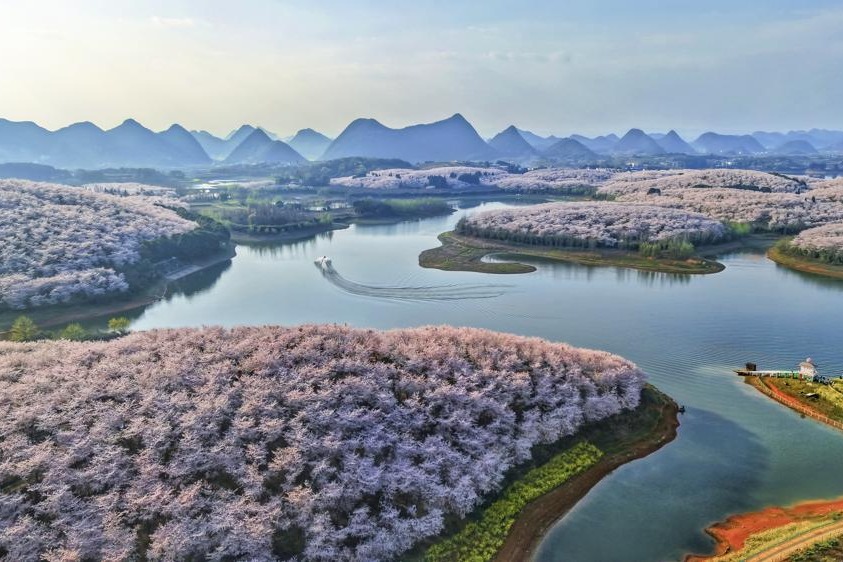
    The cherry blossom orchards of Gui’an New Area in Guizhou province have transformed into an international tourism phenomenon, with the current seasonal bloom attracting unprecedented numbers of international visitors. Spanning approximately 1,600 hectares, the breathtaking landscape of pink-and-white blossoms now blankets hillsides and lakeshores, creating a visual spectacle that social media users have compared to “video game graphics” for its surreal beauty.

    According to Rong Xiaoxiao, chairman of a local travel agency, the first international flower-viewing tour groups arrived in late February, marking the beginning of what has become a remarkable tourism surge. His company projects hosting more than 50 foreign tour groups comprising over 1,200 international visitors throughout March, with cherry blossom viewing appearing in 83% of all travel itineraries.

    The visitor demographics demonstrate significant diversification beyond traditional Asian markets. While maintaining strong numbers from Singapore and Malaysia, Guizhou’s cherry blossoms are now drawing substantial interest from European nations including the United Kingdom and Germany, alongside growing Southeast Asian representation from Thailand. Most notably, the destination has witnessed a sharp increase in long-haul travelers from North America and other European countries, indicating its rising status on the global tourism map.

    This ecological attraction represents a successful case study in nature-based tourism development, showcasing how regional natural assets can drive international visitor engagement while promoting sustainable tourism practices. The phenomenon underscores China’s growing appeal as a diverse tourism destination beyond its urban centers, with seasonal natural events gaining recognition alongside cultural and historical attractions.

  • Top scientist urges global collaboration on brain-computer interface development

    Top scientist urges global collaboration on brain-computer interface development

    In a significant prelude to the upcoming Zhongguancun Forum, Dr. Luo Minmin, a prominent figure in neuroscience and Director of the Chinese Institute for Brain Research, has issued a compelling appeal for international cooperation in brain-computer interface (BCI) technology development. The forum will serve as the platform for unveiling China’s latest neural research achievement—the Beinao-2 model.

    During an exclusive interview, Dr. Luo provided a comprehensive overview of the global BCI landscape, noting distinct regional specializations. “The United States possesses considerable historical depth in this domain, while European researchers are achieving remarkable breakthroughs,” he observed. “China’s research ecosystem demonstrates particular strength in advancing invasive BCI methodologies.”

    The renowned scientist emphasized the transformative potential of BCI systems in restoring functionality to individuals affected by paralysis and stroke victims, characterizing the need for breakthrough solutions as both urgent and morally imperative.

    Representing a public research institution, Dr. Luo articulated a vision that transcends commercial competition. He framed BCI development as a shared scientific challenge requiring collective intelligence. “Rather than engaging in proprietary competition, research communities across Europe, the United States, and China should combine expertise to create superior solutions that benefit humanity universally,” he asserted. Dr. Luo concluded with a powerful call to action, urging the global brain science community to consolidate efforts in delivering revolutionary treatments to patients worldwide.

  • New study challenges a site that’s key to how humans got to the Americas

    New study challenges a site that’s key to how humans got to the Americas

    A groundbreaking archaeological study has ignited intense scholarly debate by challenging the established timeline of human settlement in the Americas. For over four decades, Chile’s Monte Verde site has stood as the most significant evidence of early human presence in the Western Hemisphere, with previous research dating artifacts and footprints to approximately 14,500 years ago.

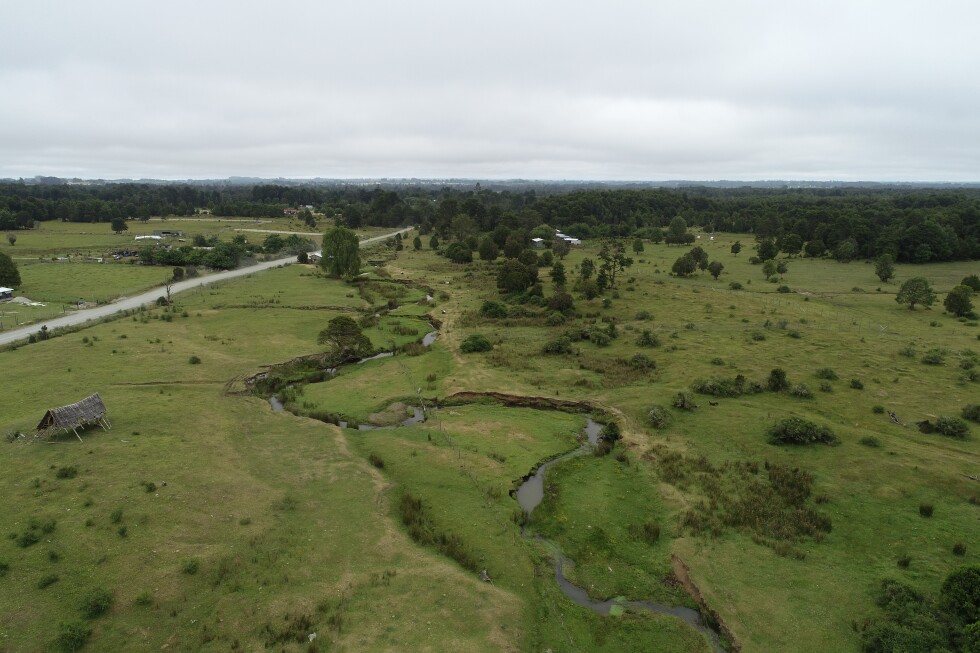
    Published in the prestigious journal Science, the controversial new research presents a radically different interpretation of the site’s geology. Through extensive sediment sampling and analysis along the Chinchihuapi Creek adjacent to Monte Verde, researchers identified a volcanic ash layer dating back approximately 11,000 years. This geological marker suggests that any materials found above this stratum—including the famous wooden tools and structural remains—must be younger than previously believed.

    Lead researcher Claudio Latorre of Chile’s Pontifical Catholic University stated, ‘Our comprehensive reinterpretation of the site’s geology concludes that Monte Verde cannot be older than 8,200 years.’ The research team proposes that landscape transformations, including stream erosion that mixed geological layers, may have caused earlier dating inaccuracies.

    The scientific community has responded with significant skepticism. Several prominent archaeologists, including those involved in the original excavations, have raised substantial objections to the methodology and conclusions. Michael Waters of Texas A&M University commented that the study ‘provides, at best, a working hypothesis not supported by the presented data.’

    Critics highlight that the new analysis examined areas surrounding rather than directly within the protected archaeological site, where geology may differ substantially. They further note the absence of evidence that the volcanic ash layer uniformly covered the entire landscape. Most importantly, opponents question how the study accounts for directly dated artifacts from the site—including a crafted mastodon tusk tool and fire-hardened digging implements—that consistently yield dates around 14,500 years old.

    Tom Dillehay of Vanderbilt University, who led the initial Monte Verde excavations, emphasized that the new interpretation ‘disregards a vast body of well-dated cultural evidence.’

    The dating of Monte Verde carries profound implications for understanding human migration patterns. The site’s original dating helped overturn the long-standing ‘Clovis first’ theory of human arrival in the Americas. A revised timeline could reopen fundamental questions about migration routes—whether early humans traveled through ice-free corridors, along coastal waterways, or via combined land-and-sea routes.

    As the scientific debate continues, researchers acknowledge that further independent analyses of early settlement sites will be essential for resolving these fundamental questions about human history in the Americas.