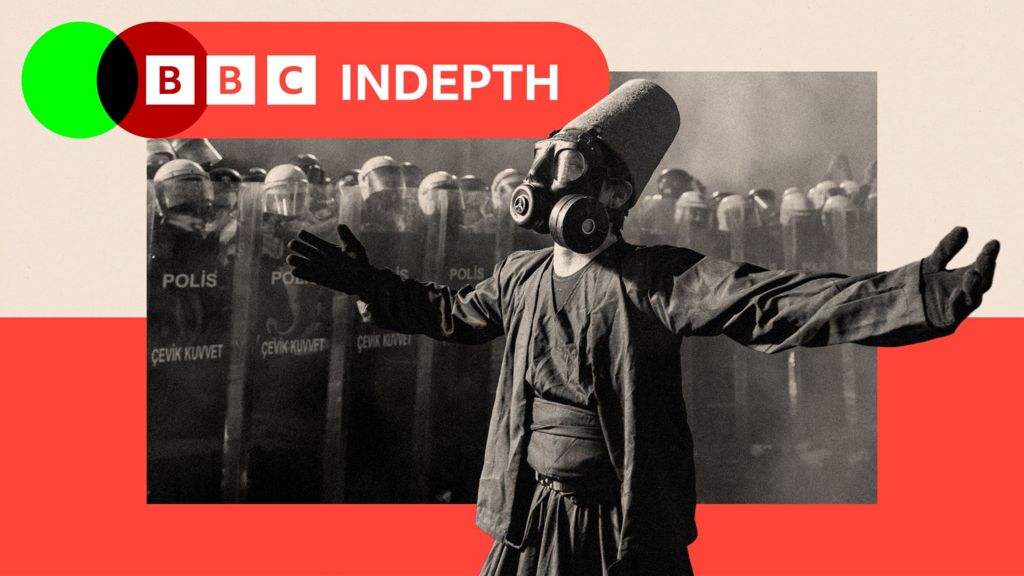
On April 23, 2025, Istanbul was struck by a 6.2 magnitude earthquake, causing panic and injuries but no fatalities. Amid the chaos, Mayor Ekrem Imamoglu, a prominent opposition figure, was unable to assist his city. Instead, he was incarcerated in Silivri Prison, accused of corruption charges he vehemently denies. His supporters argue that his imprisonment is politically motivated, aimed at neutralizing his potential challenge to President Recep Tayyip Erdogan in the 2028 elections. Imamoglu’s arrest has sparked widespread protests, particularly among the youth, who view it as an assault on democracy. Erdogan’s government has responded with a heavy-handed crackdown, detaining over 2,000 protesters and journalists. Critics accuse Erdogan of transforming Turkey into an autocracy, leveraging his geopolitical influence to avoid international scrutiny. Despite the turmoil, Erdogan remains a dominant figure, with a loyal base that credits him for economic development and the promotion of Islam in a secular republic. However, the erosion of democratic principles under his leadership has raised concerns about the future of Turkish democracy.
作者: admin
-
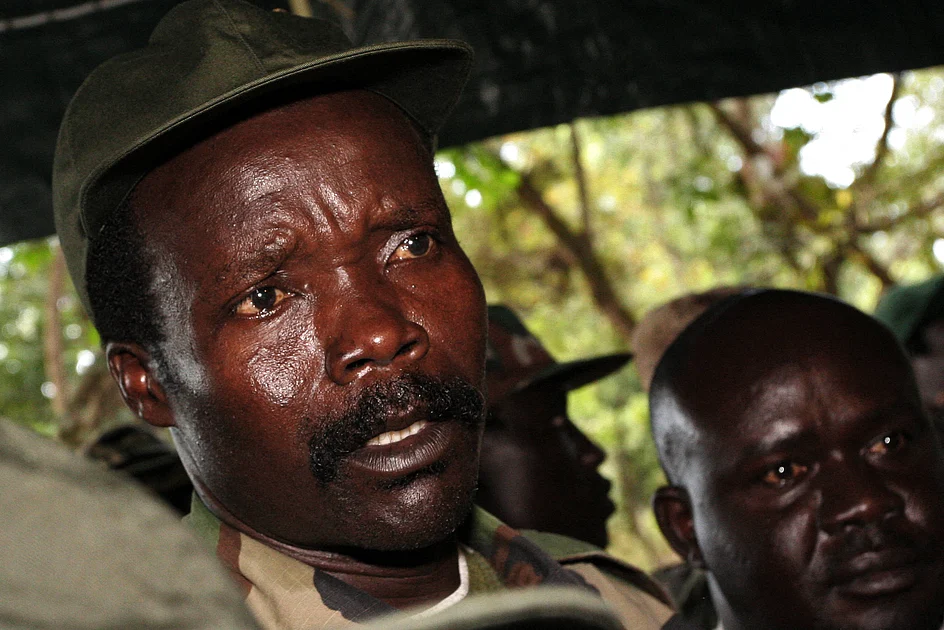
Kony crimes still felt in Uganda, 20 years on, ICC hears
The enduring scars of Joseph Kony’s alleged atrocities in Uganda were brought to the forefront during a landmark hearing at the International Criminal Court (ICC) on Tuesday. Kony, the elusive leader of the Lord’s Resistance Army (LRA), faces 39 charges of war crimes and crimes against humanity, including murder, rape, torture, and enslavement, reportedly committed between 2002 and 2005 in northern Uganda. Despite the passage of two decades, the repercussions of these brutal acts remain deeply felt, with survivors still grappling with physical and psychological trauma. Prosecutor Mame Mandiaye Niang emphasized the lasting devastation, stating, ‘The social and cultural fabric of Uganda has been torn apart, and they are struggling to recover.’ The LRA’s insurgency, which targeted the Ugandan government, resulted in over 100,000 deaths and the abduction of 60,000 children, according to UN estimates. The group’s notoriety for extreme violence, including forced cannibalism and drinking of blood, has left indelible marks on survivors like Everlyn Ayo, who recounted the horrors of her childhood. Now 39, Ayo plans to follow the proceedings from Gulu, far from the ICC courtroom in The Hague. The hearing, the first of its kind to be held in absentia, aims to confirm charges against Kony, who has been on the run since 2006. While a trial cannot proceed without his presence, prosecutors hope the process will expedite justice if he is ever apprehended. Stella Angel Lanam, a former child soldier and now a counselor for victims, expressed a shared sentiment: ‘Even though we have passed through a lot, we cannot lose hope. At least I will get justice.’
-
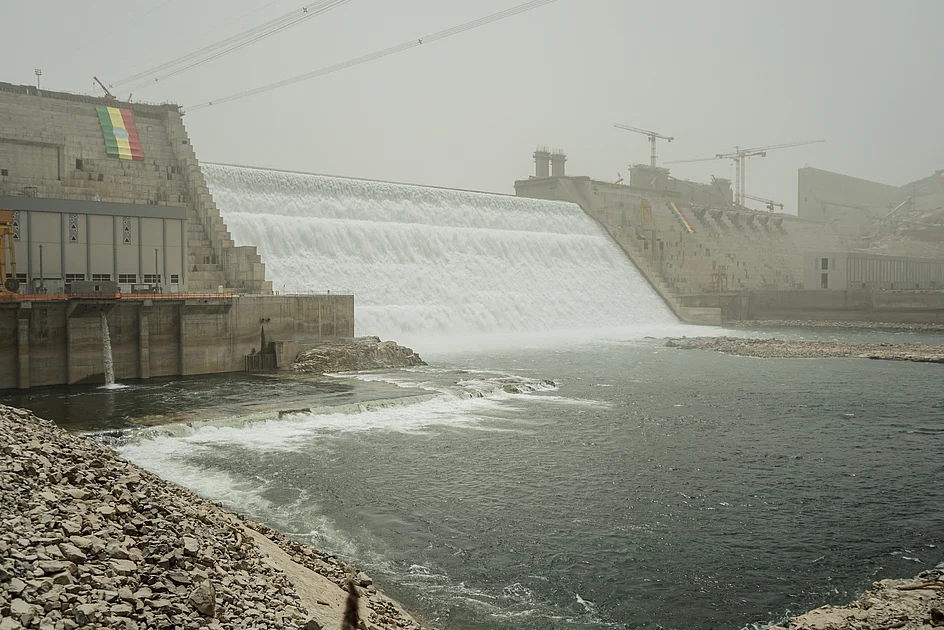
Ethiopia launches Africa’s largest hydroelectric dam amid deep rift with Egypt
Ethiopia has officially launched the Grand Ethiopian Renaissance Dam (GERD), Africa’s largest hydroelectric project, marking a significant milestone in the nation’s development ambitions. The $5 billion dam, situated on a tributary of the River Nile, is expected to generate up to 5,150 MW of electricity, providing power to millions of Ethiopians and enabling energy exports to neighboring countries. However, the project has exacerbated long-standing tensions with downstream Egypt, which relies on the Nile for 90% of its freshwater supply. Egypt fears the dam could disrupt its water access during droughts and has vehemently opposed the project, citing violations of colonial-era water treaties. Sudan, another downstream nation, has joined Egypt in calling for legally binding agreements on the dam’s operation but could benefit from improved flood management and affordable energy. The GERD has become a symbol of national unity in Ethiopia, which funded the project domestically without foreign assistance. Despite the geopolitical rift, Ethiopian Prime Minister Abiy Ahmed has emphasized the dam’s potential as a ‘shared opportunity’ for regional development. Independent studies indicate no significant disruptions to downstream water flow so far, attributed to cautious reservoir filling during wet seasons. However, rural Ethiopians may face delays in accessing the dam’s benefits, as only half of the population is connected to the national grid. The dam’s reservoir has flooded an area larger than Greater London, promising steady water supply for hydropower and irrigation while mitigating floods and droughts. Meanwhile, Ethiopia’s strategic plans to gain access to the Red Sea via Eritrea or Somalia have further strained relations with Egypt, which has backed Ethiopia’s regional adversaries. Analysts warn that tensions over the dam could escalate, potentially destabilizing the region.
-
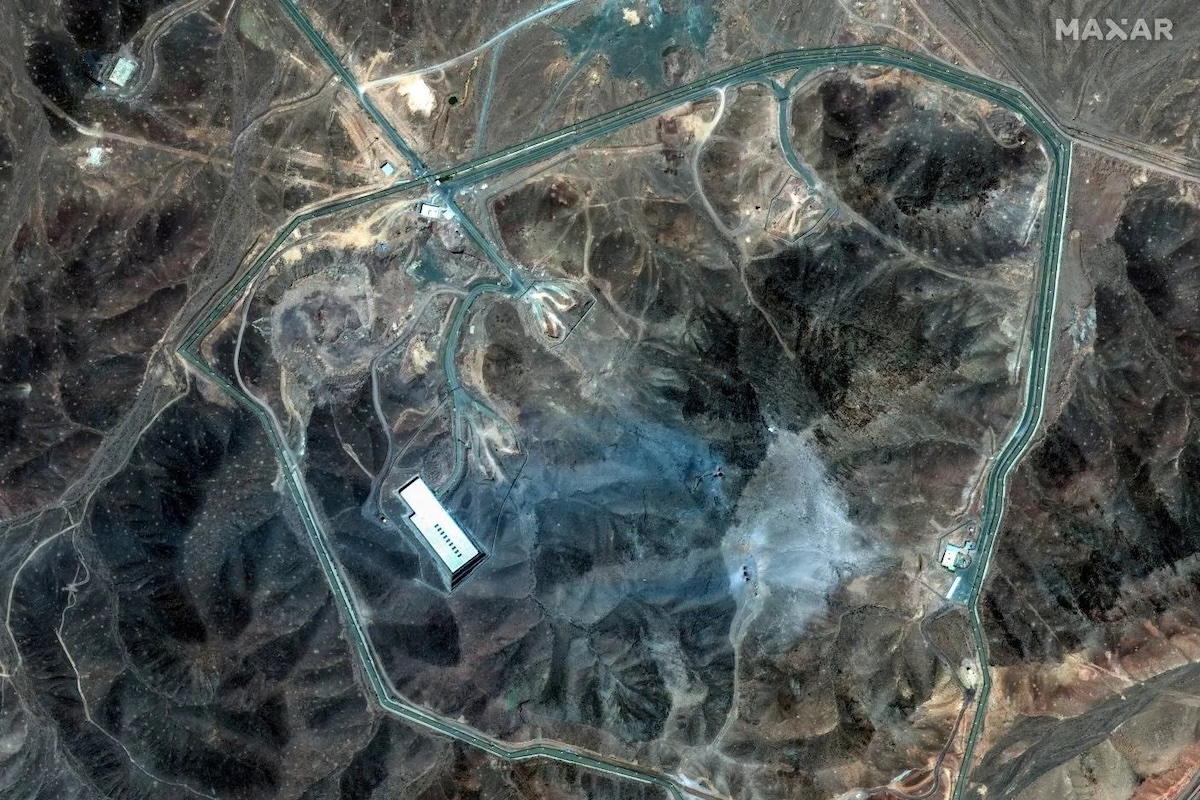
New technology may confirm destruction at Iran’s Fordow nuke site
A groundbreaking study utilizing cutting-edge hyperspectral imaging technology has provided new insights into the extent of damage inflicted on Iran’s Fordow nuclear facility. The analysis, conducted by Orbital Sidekick (OSK) Inc., employed its Global Hyperspectral Observation Satellite (GHOSt) constellation to assess the aftermath of a U.S. military strike codenamed ‘Operation Midnight Hammer’ on June 22, 2025. The findings suggest that the facility, officially known as the Shahid Ali Mohammadi Nuclear Facility, suffered ‘extremely severe damage and destruction,’ particularly to its underground enrichment halls. The GHOSt system, which leverages hyperspectral imaging (HSI) and advanced data analytics, identified significant subsidence and concrete debris pushed to the surface, indicating potential structural collapse. This marks a significant leap in satellite technology’s ability to monitor and analyze critical infrastructure and military targets. The study also highlights the evolution of satellite imaging from the Landsat era, which began in 1972, to today’s sophisticated systems capable of providing detailed environmental and situational awareness. The implications of such technology extend beyond military applications, offering potential uses in agriculture, infrastructure monitoring, and environmental management. However, the commercial nature of these systems raises concerns about their accessibility to potential adversaries, underscoring the dual-use dilemma of advanced satellite technology.
-
Refuseniks: More Israelis rejecting Gaza war orders
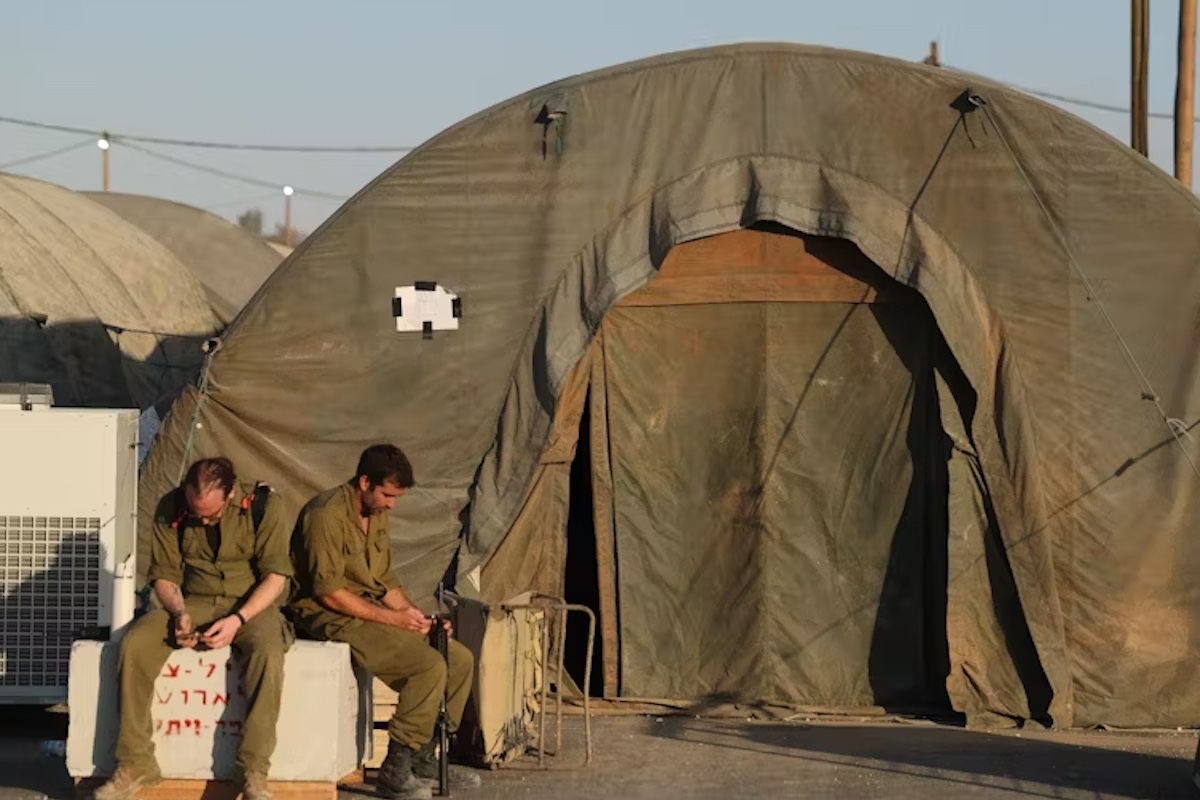
Israeli Prime Minister Benjamin Netanyahu has escalated military operations in Gaza City, despite mounting domestic and international criticism. This decision comes as the International Association of Genocide Scholars accuses Israel of committing genocide, further fueling global condemnation. On August 2, approximately 40,000 reservists were summoned, with an additional 90,000 expected to be mobilized by early 2026. However, reports indicate a significant decline in the number of reservists willing to serve, with some estimates suggesting a 30% to 50% drop in participation. Israel’s mandatory conscription policy requires high school graduates to serve 18 to 36 months, followed by reserve duty until age 40. Following the October 7, 2023, Hamas attacks, Israel mobilized 360,000 reservists alongside 100,000 active-duty soldiers, marking one of the largest call-ups in the nation’s history. Initially, the response rate exceeded 100%, but after nearly two years of conflict, fatigue and disillusionment have set in. Many reservists cite exhaustion and the failure to achieve key objectives, such as securing the release of Israeli hostages, as reasons for refusing to serve. This growing reluctance poses a strategic challenge for Netanyahu, as the Israel Defense Forces (IDF) rely heavily on reservists for sustained operations. Historically, refusal to serve has been a form of political protest in Israel, with movements like Yesh Gvul emerging during the Lebanon War in 1982 and gaining traction during the Palestinian uprisings. Recent protests against judicial reforms in 2023 also saw elite combat pilots refusing to serve, highlighting the intersection of military service and political dissent. Despite these challenges, Netanyahu shows no signs of altering his course, even as domestic and international pressure mounts.
-
‘Skull Chart’ math behind Trump’s climbdown on all things China
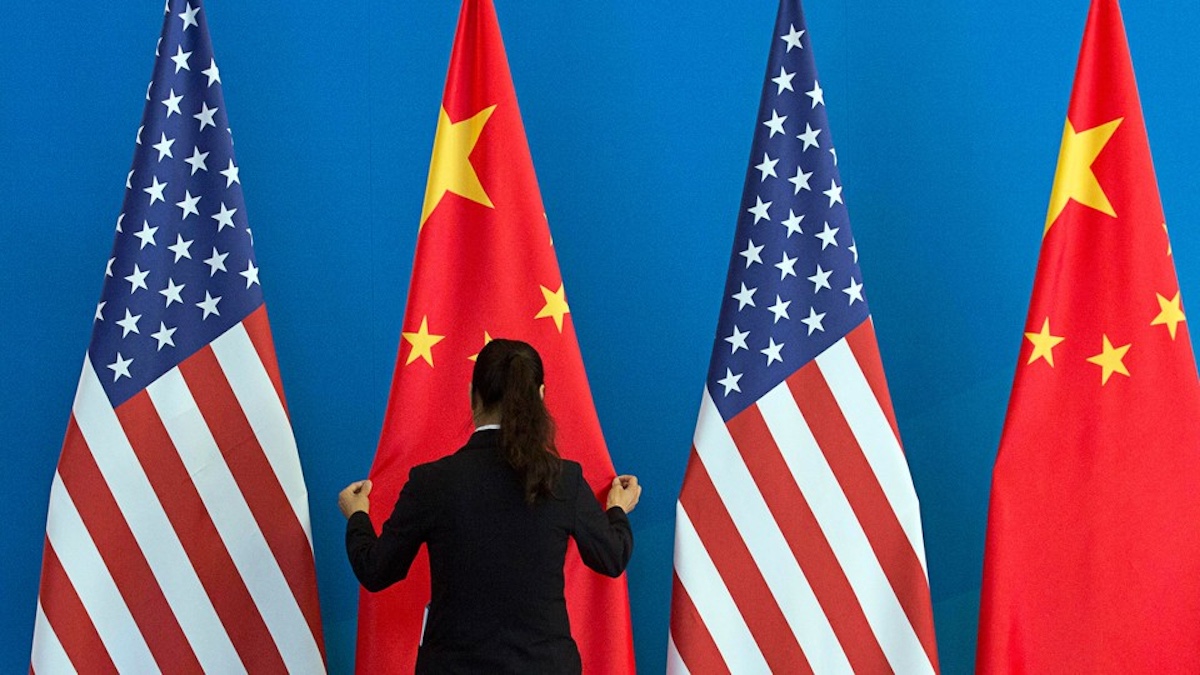
The latest National Defense Strategy, delivered to Secretary of War Pete Hegseth, marks a significant shift in U.S. military priorities. The document, reportedly crafted by Under Secretary of War for Policy Elbridge Colby, advocates for a refocus on domestic and regional missions, moving away from global adversaries like China and Russia. This pivot overturns decades of interventionist policies and signals a more restrained approach to international engagements.
Colby, previously known for his advocacy of a robust ‘Strategy of Denial’ to counter China, has surprised many with this pragmatic stance. During his confirmation hearings, he emphasized that Taiwan, while important, is not an existential interest for the U.S. This shift raises questions about whether it stems from a realistic assessment of U.S. military capabilities or the influence of a mercurial administration.
Meanwhile, China continues to demonstrate its military prowess, showcasing advanced weaponry in a recent parade. The rapid development of China’s defense industry, paralleling its dominance in the electric vehicle sector, underscores its technological and industrial might. With Chinese universities producing 6.7 times more engineers than their U.S. counterparts annually, the pace of innovation in China’s military sector appears unstoppable.
In parallel, the Trump administration has extended tariff negotiations with China for another 90 days, following previous concessions in trade disputes. This ongoing economic tug-of-war highlights the complexities of U.S.-China relations and the challenges of addressing China’s growing economic and military influence.
The new National Defense Strategy reflects a broader reckoning with the limits of U.S. power. As America grapples with domestic issues and overstretched military commitments, the strategy suggests a need to prioritize internal stability over global dominance. This shift, while controversial, may be a necessary step in adapting to a rapidly changing geopolitical landscape.
-
Lone survivor of mushroom murders pleads to grieve in private as killer jailed for life
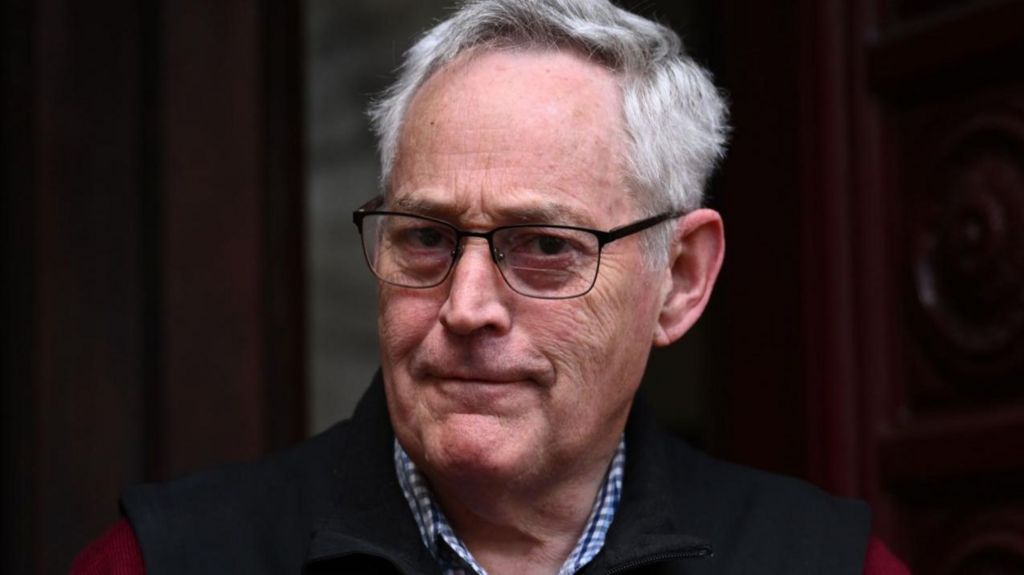
In a landmark ruling that has captivated Australia, Erin Patterson was sentenced to life in prison for the infamous mushroom poisoning case that claimed three lives and left one survivor. The sentencing took place on Monday at Melbourne’s Supreme Court, where Patterson, 50, was led out of the courtroom to begin her term. The case, which has drawn comparisons to an Agatha Christie novel, involved a deadly lunch in 2023 where Patterson served a meal laced with death cap mushrooms. The victims included her ex-husband’s parents and a close friend, while Ian Wilkinson, the sole survivor, continues to suffer from the aftermath. Wilkinson, a pastor, addressed the media outside the courthouse, expressing gratitude to law enforcement and medical professionals while urging kindness and respect for his family’s privacy. The trial revealed the meticulous planning behind the crime, with Justice Christopher Beale condemning Patterson’s actions as a “profound betrayal” of trust. Patterson, who maintained her innocence throughout, will be eligible for parole in 2056 at the age of 82. The case has sparked widespread media attention, with documentaries, podcasts, and books in the works, further amplifying the tragedy for the victims’ families. The community of Korumburra, where the families are rooted, has rallied around the survivors, offering support amidst the relentless public scrutiny.
-

Australian triple murderer jailed for life over toxic mushroom lunch
In a landmark ruling, Erin Patterson, a 50-year-old Australian woman, has been sentenced to life imprisonment with no possibility of parole for at least 33 years for the murder of three relatives and the attempted murder of a fourth through a toxic mushroom meal. The sentence, one of the longest ever imposed on a female offender in Australia, ensures Patterson will be in her 80s before she can apply for release. The Supreme Court of Victoria described her crimes as belonging to the “worst category” of offenses, involving an “elaborate cover-up.”
Patterson was convicted of killing her in-laws, Don and Gail Patterson, both 70, and Gail’s sister, Heather Wilkinson, 66, after serving them a deadly beef Wellington dish at her home in Victoria in 2023. Heather’s husband, Ian Wilkinson, a local pastor, survived the poisoning but continues to suffer from severe health complications. Patterson’s estranged husband, Simon Patterson, narrowly avoided the fateful meal due to suspicions that his wife had been attempting to poison him for years.
Despite her claims of innocence, asserting that the toxic death cap mushrooms were accidentally included in the dish, Patterson was found guilty of three counts of murder and one count of attempted murder. Justice Christopher Beale emphasized the gravity of her crimes, imposing the maximum penalty while acknowledging the harsh conditions she faces in prison, including prolonged solitary confinement.
The case has drawn significant public and media attention, with the court permitting live television coverage of the sentencing—a first in its history. Outside the courtroom, Ian Wilkinson, the sole survivor, expressed gratitude to law enforcement and medical personnel while urging kindness among people. Patterson has 28 days to appeal both her sentence and the guilty verdicts.
-

‘King Charles is a secret Muslim!’: The bizarre things I heard at the Reform party conference
The Reform Party’s annual conference at the National Exhibition Centre in Birmingham showcased a vibrant and diverse crowd, challenging the stereotype that Nigel Farage’s supporters are predominantly older men. Attendees included young men in flamboyant suits, women in light blue dresses, and even a few ethnic minorities, though the majority were white. The atmosphere was electric, resembling a festival with attendees enjoying beer, hot dogs, and burgers, though vegetarian options were scarce. The party’s light blue color was prominently displayed in attire and decorations, with Union Jack and St George’s flags adding to the patriotic fervor. Reform, a right-wing anti-immigrant party, has been leading opinion polls and is a strong contender for the next general election. Nigel Farage, the party leader, received a hero’s welcome, with his speech outlining controversial policies such as deporting 600,000 illegal immigrants within five years and banning the Muslim Brotherhood. The event also featured Zia Yusuf, the new head of policy, who addressed the party’s stance on Israel and Gaza, avoiding direct condemnation of Israel’s actions. The conference highlighted the party’s broad appeal, with members ranging from veterans to young activists, all united by concerns over immigration and national identity. Despite the festive atmosphere, underlying tensions and controversial views on race and religion were evident, reflecting the party’s polarizing nature.
-
Trump shows S Korea who’s boss with Hyundai plant raid
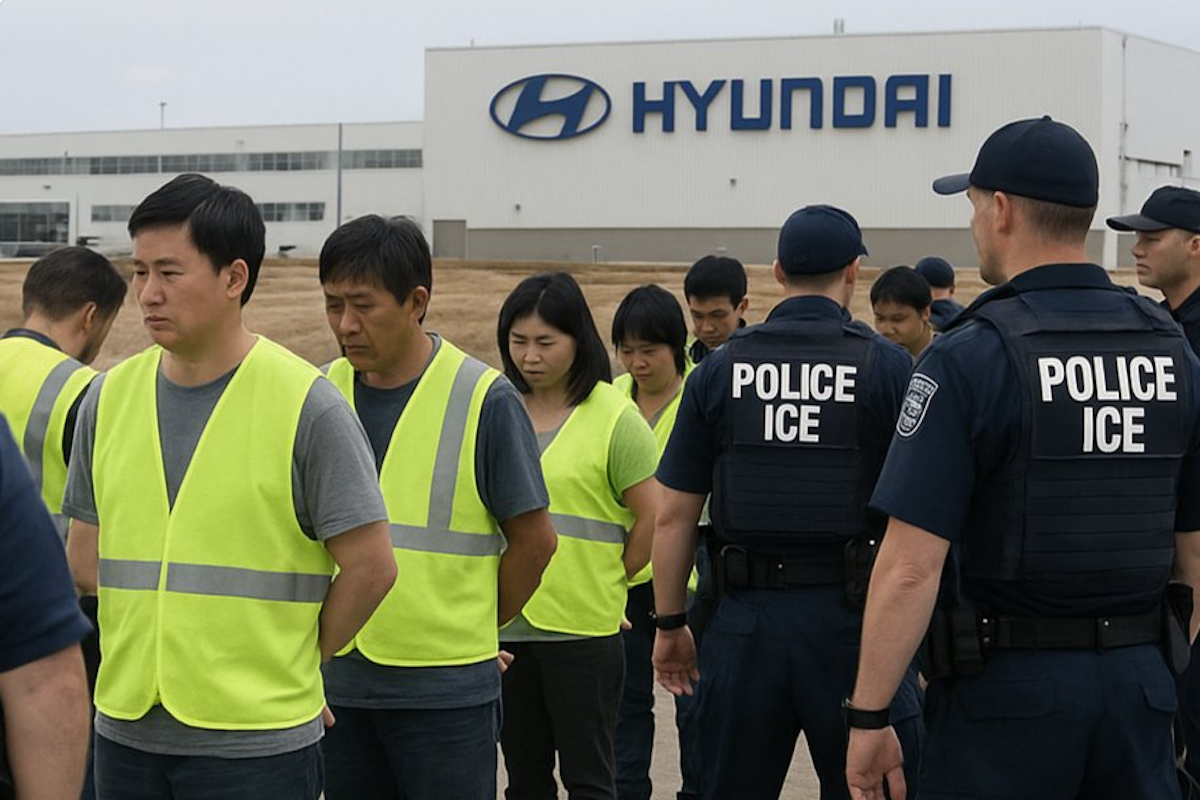
In a dramatic operation on September 4, U.S. Immigration and Customs Enforcement (ICE) agents, alongside Homeland Security Investigations (HSI), arrested 475 employees at the Hyundai Motor-LG Energy Solution joint venture’s electric vehicle (EV) battery manufacturing plant near Savannah, Georgia. The raid, described as the largest single-site enforcement operation to date, involved a heavily armed contingent, armored vehicles, and helicopters, with detained workers seen in ankle chains and handcuffs being transported on buses. Over 300 of those arrested were South Korean nationals, prompting immediate concern from the South Korean government. President Lee Jae-myung urged swift action to support affected citizens, while Foreign Affairs Minister Cho Hyun hinted at potential diplomatic discussions in Washington. The incident has raised questions about the treatment of foreign workers and the broader implications for international business relations. Steven Schrank, HSI’s chief special agent in Atlanta, emphasized the operation’s focus on protecting American jobs and ensuring legal compliance. However, South Korean media and officials have speculated about potential ulterior motives, linking the raid to political dynamics and the Biden administration’s prior endorsement of the facility. The raid has disrupted operations at the plant, which was slated to begin production in 2026, and could delay the production of Hyundai, Kia, and Genesis EVs. The incident has also drawn criticism for the perceived humiliation of South Korean workers, with global media coverage amplifying the fallout. Hyundai Motor has pledged to review its compliance processes, but the event underscores the challenges foreign companies face in navigating U.S. immigration and labor laws.