作者: admin

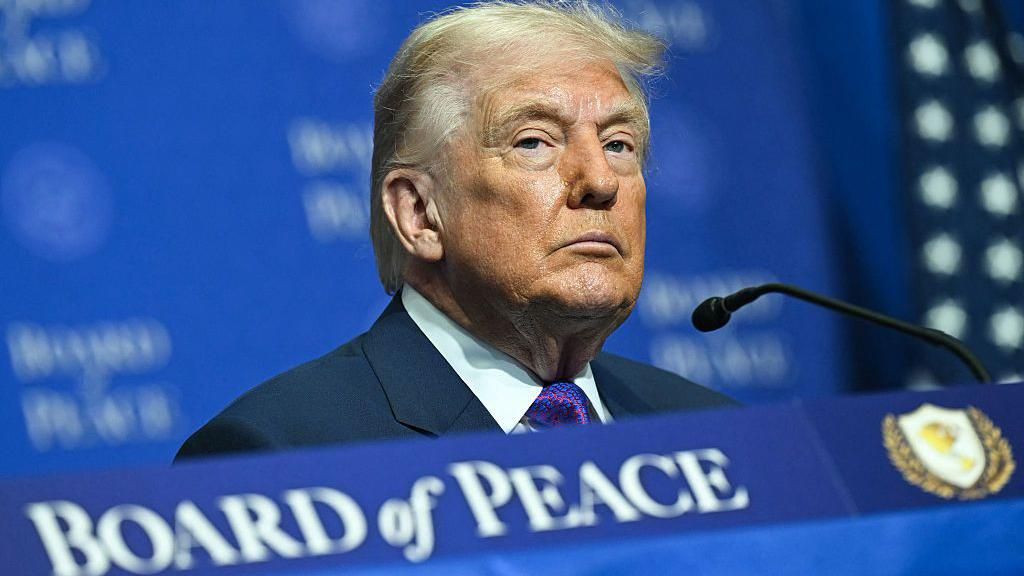
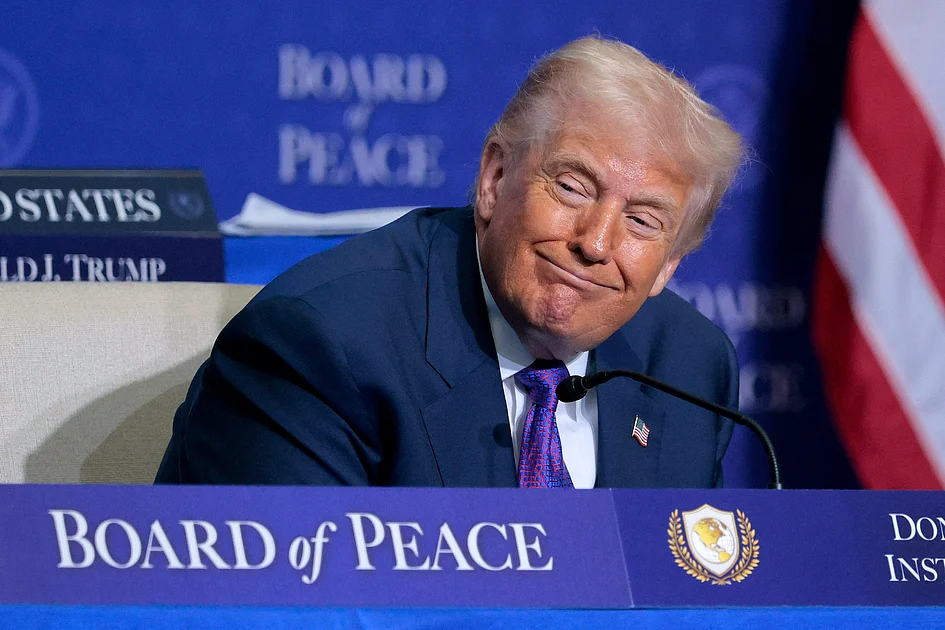
  • At Board of Peace debut, Trump announces global commitments for Gaza reconstruction

    At Board of Peace debut, Trump announces global commitments for Gaza reconstruction

    In a landmark Washington gathering, former U.S. President Donald Trump inaugurated his Board of Peace initiative with significant financial commitments for Gaza’s reconstruction. The inaugural meeting, attended by representatives from 47 nations, secured $7 billion in initial pledges toward rebuilding the war-devastated territory, though estimates indicate a staggering $70 billion may ultimately be required to restore the enclave after two years of conflict.

    The Board’s composition notably features predominantly Middle Eastern nations including the United Arab Emirates, Saudi Arabia, Qatar, Kuwait, Bahrain, Morocco, Kazakhstan, Azerbaijan, and Uzbekistan. While Israel holds membership, Palestinian representatives remain excluded from the nascent diplomatic body. The United States pledged an additional $10 billion contribution, though funding mechanisms and congressional approval remain unspecified.

    Central to the reconstruction effort remains the unresolved issue of Hamas disarmament—a prerequisite condition that currently appears distant from implementation. Israeli Prime Minister Benjamin Netanyahu emphasized that Hamas would be disarmed “one way or the other,” while Hamas spokesperson Hazem Qassem suggested disarmament discussions could only occur alongside guarantees against Israeli aggression.

    The initiative also includes plans for an International Stabilization Force, with Indonesia committing up to 8,000 troops. This force, led by a U.S. general with an Indonesian deputy, would initially deploy in Israeli-controlled areas including Rafah to train a new Palestinian police force aiming eventually to reach 12,000 officers.

    The Board’s establishment occurs alongside heightened regional tensions, with Trump simultaneously issuing warnings to Iran regarding its nuclear program while positioning himself as a peacemaker. The initiative has raised concerns among some Western allies about its potential to undermine existing international institutions, despite Trump’s assurances to “strengthen the United Nations.” Norway notably clarified it would not join the Board despite hosting an upcoming event.

    The meeting blended diplomatic proceedings with campaign-style elements, complete with musical selections from Elvis Presley and the Beach Boys, and distribution of signature red Trump hats to participants.
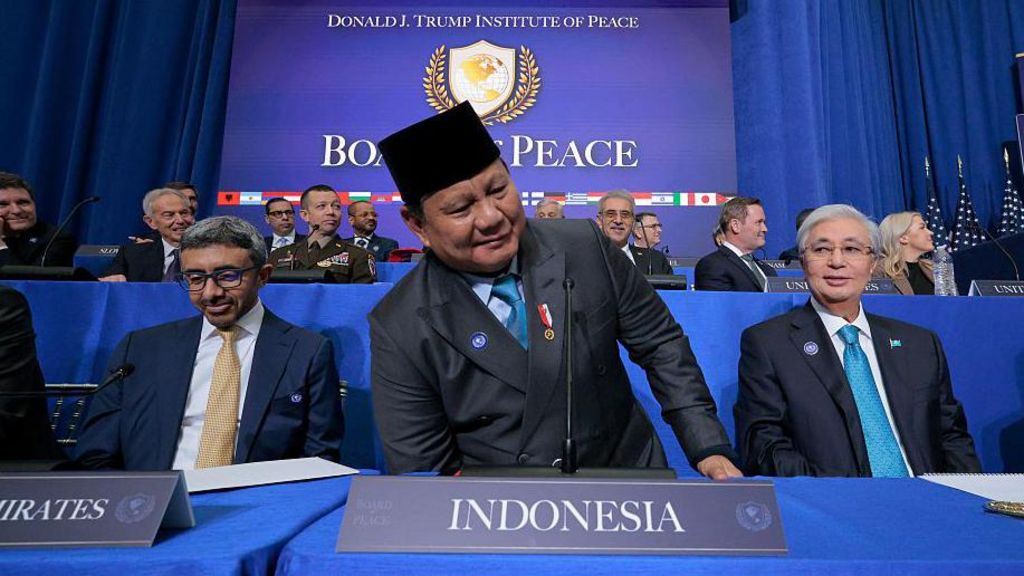

  • US and Indonesia sign deal to cut tariffs to 19%

    US and Indonesia sign deal to cut tariffs to 19%

    In a significant development for international trade relations, the United States and Indonesia have concluded a major bilateral agreement that substantially reduces trade barriers between the two nations. The breakthrough came during Indonesian President Prabowo Subianto’s visit to Washington, where he met with President Donald Trump alongside attending the inaugural session of the Trump-led “Board of Peace” initiative.

    The comprehensive pact, finalized on Thursday, slashes U.S. tariffs on Indonesian imports from 32% to 19%, marking one of the most substantial tariff reductions between the two countries in recent history. In reciprocation, Indonesia has committed to eliminating trade restrictions on over 99% of American goods across multiple sectors including agricultural products, healthcare equipment, seafood, technology, and automotive-related merchandise.

    White House officials detailed that Washington will grant specific tariff exemptions on select Indonesian textiles and clothing items manufactured using U.S.-sourced cotton and synthetic materials. The agreement also includes provisions for Indonesia to align its regulatory standards with American guidelines, particularly in automotive safety and emissions protocols, as well as adopting U.S. food and pharmaceutical standards for medical devices and drugs.

    U.S. Trade Representative Jamieson Greer characterized the agreement as transformative, stating it effectively “breaks down trade barriers” while strategically advancing American economic interests. The arrangement additionally facilitates improved market access for American agricultural and technology products within Indonesia’s growing consumer market.

    The timing of the agreement coincides with broader diplomatic engagements, including discussions about Gaza reconstruction efforts through the newly established Board of Peace framework. This dual-track approach demonstrates how trade and geopolitical initiatives are increasingly interconnected in contemporary international relations.

  • Revealed: The billions given to charity by ordinary Indians every year

    Revealed: The billions given to charity by ordinary Indians every year

    A transformative study from Ashoka University’s Centre for Social Impact and Philanthropy (CSIP) has fundamentally reshaped our understanding of Indian philanthropy. Contrary to the prevailing narrative dominated by billionaire pledges and corporate social responsibility initiatives, the How India Gives 2025 report reveals that ordinary households constitute the true backbone of the nation’s generosity.

    This comprehensive research, drawing from over 7,000 interviews across 20 Indian states, documents an astonishing annual household giving total of approximately 540 billion rupees ($6 billion). The findings demonstrate that 68% of Indian households participate in some form of giving, with nearly half (48%) providing in-kind donations such as food, clothing, and household goods. Cash donations represent 44% of contributions, while volunteering accounts for 30% of household generosity.

    The study identifies religious duty as the primary motivator for more than 90% of givers, with approximately 40-45% of all donations flowing to religious organizations. A comparable portion is directed toward beggars and destitute individuals, particularly in urban settings. Rural India demonstrates a stronger preference for religious institution support.

    Professor Jinny Uppal, head of CSIP, emphasizes the cultural embeddedness of this phenomenon: “India is a profoundly generous country where ordinary households play a much larger role than commonly acknowledged. This generosity appears widespread and culturally embedded across all demographics.”

    The research methodology anchored responses to India’s National Sample Survey consumption data, enabling detailed analysis of giving patterns across income segments. Remarkably, even at low consumption levels (4,000–5,000 rupees monthly), approximately half of households report giving. This participation rate escalates to 70-80% among higher income brackets.

    The study also reveals subtle gender variations: male-headed households show slightly greater inclination toward religious giving, while female-headed households demonstrate marginally stronger support for destitute individuals.

    Despite smaller individual contributions, everyday giving constitutes approximately 15% of total Indian philanthropy while accounting for nearly one-third of private donations to the organized social sector. As India’s economy continues its rapid expansion, researchers anticipate corresponding growth in this grassroots philanthropic movement that represents not a trickle from the top, but a daily tide from below.

  • Trump’s foreign policy dilemma laid bare by Iran tensions

    Trump’s foreign policy dilemma laid bare by Iran tensions

    In a striking display of diplomatic duality, President Donald Trump simultaneously advocated for peace while threatening military action against Iran during Thursday’s Board of Peace summit in Washington. The address revealed the fundamental contradictions characterizing Trump’s second-term foreign policy approach, particularly regarding the escalating standoff with Tehran.

    The administration maintains it prefers a diplomatic resolution to halt Iran’s nuclear weapons program, with a White House official recently suggesting Iran would be ‘very wise’ to negotiate. Yet this rhetoric contrasts sharply with the largest U.S. military buildup in the Middle East since the 2003 Iraq War, according to defense analysts.

    This pattern of military escalation without congressional approval has become a hallmark of Trump’s second term. The administration followed through on similar threats against Venezuela in January, resulting in the capture of former President Nicolás Maduro. With Iran, however, the strategic objectives remain markedly unclear. While preventing nuclear proliferation remains a stated priority shared by U.S. allies, the administration has additionally demanded Tehran curb its ballistic missile program and cease support for regional proxy groups—conditions that have stalled indirect negotiations.

    The rationale for additional military action remains particularly puzzling given Trump’s assertion that last June’s strike already ‘obliterated’ Iran’s nuclear facilities. The administration has not clarified what new targets might justify another campaign or how it would achieve different outcomes. Broader strategic questions also remain unanswered: Does the administration seek regime change? Is it prepared for Iranian retaliation against U.S. bases? How would prolonged conflict affect Middle East stability and Gaza reconstruction efforts?

    Israel’s potential involvement adds another layer of complexity. Prime Minister Benjamin Netanyahu’s recent White House meeting suggests coordinated planning, though specifics remain undisclosed. Domestically, Trump faces political challenges as his actions contradict campaign promises to disengage from foreign conflicts—a position popular with his MAGA base and congressional Republicans. An extended Iranian campaign could alienate supporters ahead of midterm elections, particularly when voters express frustration over immigration and economic issues.

    The situation creates a peculiar paradox for Trump’s Nobel Peace Prize aspirations. While he claims credit for ending eight conflicts since beginning his second term, he simultaneously pursues military interventions that contradict the prize’s fundamental purpose. No previous U.S. president has actively campaigned for the peace prize while conducting military operations abroad.

    This strategic ambiguity appears intentional—a manifestation of Trump’s self-styled role as global dealmaker-in-chief. From tariff diplomacy to territorial disputes over Greenland, the president has consistently kept international counterparts guessing about his true intentions. Regarding Iran, Trump offered characteristically vague remarks: ‘We have to make a meaningful deal otherwise bad things happen.’ The world now watches to see whether those ‘bad things’ will involve diplomacy or destruction.

  • Nasa boss says Boeing Starliner failure one of worst in its history

    Nasa boss says Boeing Starliner failure one of worst in its history

    NASA has officially classified the troubled 2024 Starliner mission as its most severe ‘Type A’ mishap, placing it in the same category as the fatal Challenger and Columbia space shuttle disasters, according to a newly released comprehensive report.

    The designation, reserved for incidents resulting in vehicle loss, control failure, fatalities, or damage exceeding $2 million, follows an extensive independent investigation into the mission that left astronauts Suni Williams and Butch Wilmore stranded aboard the International Space Station for over nine months.

    NASA Administrator Jared Isaacman, who assumed leadership in late 2025 after nomination by President Donald Trump, publicly criticized both Boeing—the spacecraft’s manufacturer—and his own agency for critical leadership failures and poor decision-making that culminated in the botched mission. The spacecraft had exhibited concerning issues during prior missions yet was still approved for the crucial test flight.

    The 312-page investigative report identified multiple systemic failures including hardware malfunctions, engineering deficiencies at Boeing, inadequate oversight, and organizational cultural problems that collectively created conditions falling short of NASA’s rigorous safety standards. What was originally planned as an 8-14 day mission evolved into a months-long ordeal for the veteran astronauts, who eventually returned to Earth in March 2025 via a SpaceX rescue flight and have since retired from the agency.

    While acknowledging that no injuries occurred and mission control was ultimately regained before docking, NASA’s statement emphasized that the highest-level classification recognizes the significant potential for catastrophe that existed. The agency has committed to implementing all recommended corrective actions and ensuring leadership accountability to prevent similar incidents in future missions.

    Isaacman stated: ‘To undertake missions that change the world, we must be transparent about both our successes and our shortcomings. We are correcting those mistakes and ensuring situations like this never reoccur.’

  • New Mexico reopens criminal inquiry into Jeffrey Epstein’s Zorro Ranch

    New Mexico reopens criminal inquiry into Jeffrey Epstein’s Zorro Ranch

    New Mexico authorities have initiated a renewed criminal investigation into the Zorro Ranch, previously owned by convicted sex offender Jeffrey Epstein, following disturbing allegations contained within recently unsealed Department of Justice documents.

    State prosecutors announced they will pursue complete access to unredacted federal files concerning the property held by investigators in Washington DC. The investigation will collaborate with a newly established bipartisan ‘Epstein truth commission’ created by state legislators this week to examine allegations that the ranch served as a site for sexual abuse and trafficking activities.

    Attorney General Raúl Torrez stated on social media platform X that his office would conduct “a broad and comprehensive” examination of the Zorro Ranch operations. The original state investigation was suspended in 2019 at the request of federal prosecutors in New York, where Epstein faced charges before his death in a Manhattan jail that same year.

    The four-member legislative commission is investigating serious claims, including allegations from a 2019 anonymous email suggesting Epstein ordered the burial of two foreign girls on the property’s periphery. State legislator Andrea Romero, serving on the commission, revealed that there may have been prior reports to the FBI regarding “bodies being buried” and “folks being trafficked” at the ranch.

    Commission members are additionally seeking explanations regarding Epstein’s failure to register as a sex offender in New Mexico despite his 2008 guilty plea for soliciting prostitution from a minor. Although Epstein never faced formal charges in the state, prosecutors confirmed in 2019 that they had interviewed potential victims who had visited the property.

    Multiple women have previously alleged they were recruited and abused by Epstein at Zorro Ranch, describing the remote property as integral to his trafficking operations. Congresswoman Teresa Leger Fernandez characterized the ranch as “very isolated” with “very beautiful landscape” but noted “very disturbing reports of some of the activity going on there.”

    The property, located south of Santa Fe, features prominently in the millions of documents released by the Justice Department in late January, with thousands of references to the ranch. The estate includes a 21,000-square-foot mansion situated on a hilltop overlooking nearly 10,000 acres of desert terrain, complemented by a private airstrip and helipad.

    Epstein originally acquired the property in 1993 from former New Mexico Governor Bruce King and subsequently leased approximately 1,250 acres of surrounding state lands. These leases were terminated in September 2019 when authorities determined Epstein used the land primarily as a privacy buffer rather than for legitimate agricultural purposes.

    The property now belongs to former Texas state Senator Don Huffines, who purchased it from the Epstein estate in 2023, with proceeds reportedly directed toward compensating Epstein’s victims.

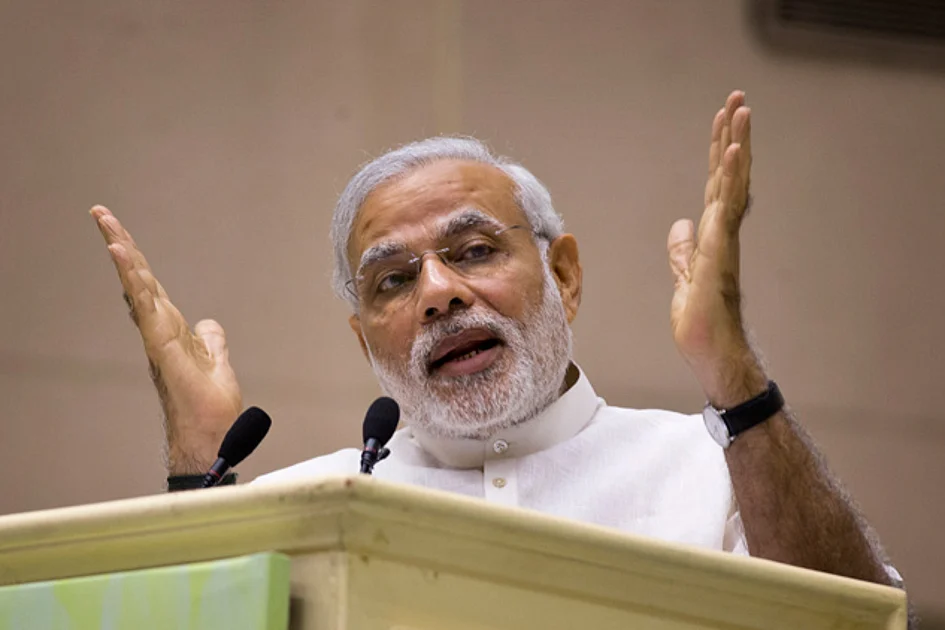
  • Netanyahu says India’s Modi to visit Israel next week

    Netanyahu says India’s Modi to visit Israel next week

    Israeli Prime Minister Benjamin Netanyahu has officially confirmed that Indian Prime Minister Narendra Modi will undertake a significant diplomatic visit to Israel next week. The announcement came during Netanyahu’s televised address at a military ceremony on Thursday, where he emphasized the strategic importance of strengthening international alliances.

    Netanyahu referred to Modi as his ‘close friend’ and highlighted India’s status as a ‘huge global power’ in his remarks. This upcoming visit marks the second official trip by Modi to Israel since his historic 2017 visit, which was the first by an Indian prime minister to the country. That previous visit established a new chapter in bilateral relations, with Netanyahu reciprocating with an official visit to India the following year.

    Under Prime Minister Modi’s leadership, the relationship between India and Israel has experienced substantial deepening across multiple sectors. The two nations have significantly expanded their cooperation in technology exchange, agricultural innovation, and security collaboration. This growing partnership represents a strategic alignment between two democratic nations with shared security concerns and complementary economic interests.

    The timing of this visit is particularly significant given current global geopolitical dynamics and both countries’ positions on the world stage. The visit is expected to include high-level discussions on regional security challenges, economic partnerships, and technological cooperation initiatives that benefit both nations.

  • Austrian climber found guilty after girlfriend froze to death on mountain

    Austrian climber found guilty after girlfriend froze to death on mountain

    An Austrian court has delivered a groundbreaking verdict in a high-altitude manslaughter case that has captivated mountaineering communities worldwide. Thomas P., identified under Austrian privacy protocols, received a five-month suspended sentence and a €9,600 fine for gross negligent manslaughter following the tragic death of his partner Kerstin G. during a January 2025 winter ascent of Austria’s highest peak, the Grossglockner.

    The judicial proceedings revealed disturbing details about the fateful expedition conducted under extreme conditions. Court evidence indicated temperatures plummeted to -8°C with wind chill reaching -20°C, accompanied by violent gusts exceeding 70 km/h. Presiding Judge Norbert Hofer, himself an experienced alpinist working with Tyrolean rescue teams, emphasized the dramatic skill disparity between the couple, noting Thomas P. was ‘light-years ahead’ in technical ability.

    Critical testimony emerged from multiple sources during the trial. Mountain rescuers described discovering Kerstin’s body suspended inverted from a rock face, still wearing her backpack but without gloves, with her boots unfastened and eyes wide open. Prosecutors established that Thomas P., as the expedition’s de facto guide, failed to initiate retreat despite clear signs of distress or summon timely assistance when police helicopters circled overhead at approximately 22:30.

    Compounding the prosecution’s case, former partner Andrea B. provided devastating testimony regarding Thomas P.’s prior behavior on the same mountain in 2023. She recounted being abandoned during critical stages of their climb while experiencing dizziness and equipment failure, leaving her ‘crying and screaming’ in isolation.

    The defense maintained that Kerstin was an willing participant who understood the risks, with attorney Kurt Jelinik characterizing the situation as unexpectedly severe. Thomas P. expressed profound remorse while maintaining his innocence, insisting they had mutually planned the ascent and that Kerstin had ultimately urged him to continue alone for help.

    This precedent-setting case has ignited intense international debate regarding criminal liability in extreme sports, particularly concerning the ethical responsibilities of experienced climbers toward less-capable partners. The verdict remains subject to appeal amidst ongoing discussions about risk assessment and accountability in mountaineering culture.

  • Hard work pays off for Pegula as American reaches Dubai semis

    Hard work pays off for Pegula as American reaches Dubai semis

    American tennis star Jessica Pegula extended her remarkable run of form on Thursday, securing her seventh consecutive tournament semifinal appearance with a hard-fought three-set victory over Denmark’s Clara Tauson at the Dubai Duty Free Tennis Championships. The world number five battled through a 6-3, 2-6, 6-4 quarterfinal clash against last year’s finalist, demonstrating the consistent excellence that has defined her recent performances.

    Pegula’s current semifinal streak dates back to August 2025, when she last failed to reach the final four at the Cincinnati Masters. Since that time, the 31-year-old has maintained exceptional consistency across all competitions, including deep runs at both the Australian Open and US Open, where she finished as runner-up in the latter.

    The daughter of billionaire Terry Pegula attributed her sustained success to dedicated technical and physical improvements implemented since last summer. ‘My coaches and I worked extensively on refining my strengths and addressing areas needing development,’ Pegula revealed in post-match comments. ‘I’ve significantly improved my serving performance, enhanced my movement on court, and overall elevated my physical conditioning.’

    Pegula now prepares for an all-American semifinal showdown against Amanda Anisimova, setting the stage for what promises to be a compelling encounter. ‘We’ve had numerous competitive matches in the past, including recently in Australia,’ Pegula noted regarding her upcoming opponent. ‘Our contests have typically been closely contested, making this next match particularly intriguing.’

    The Dubai championship continues to showcase top-tier women’s tennis talent, with Pegula’s consistent performance establishing her as one of the tour’s most reliable competitors heading into the critical semifinal stage.

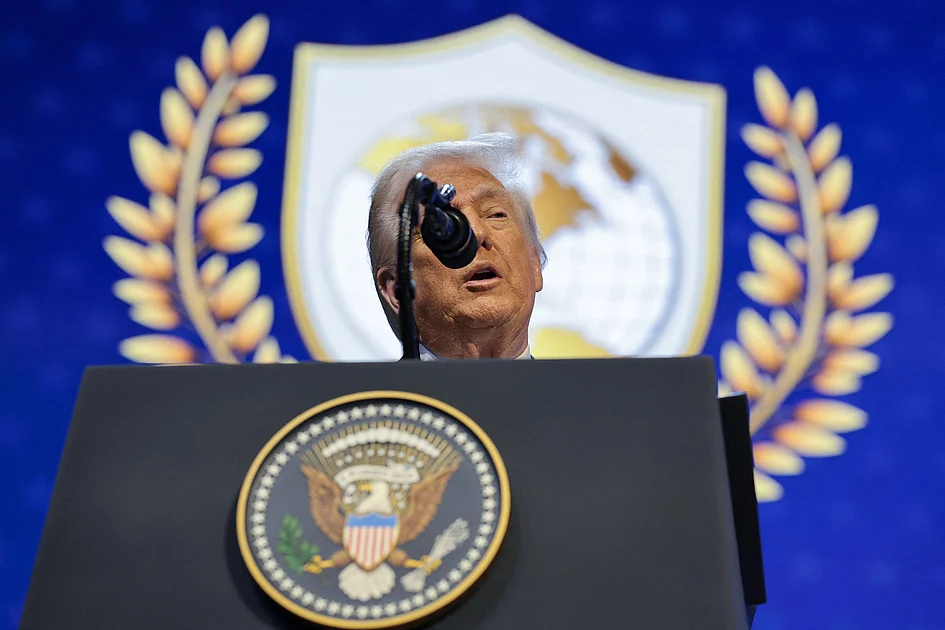
  • Trump tells first meeting of Board of Peace that $7 billion raised for Gaza

    Trump tells first meeting of Board of Peace that $7 billion raised for Gaza

    In a landmark event marked by ambitious financial commitments and geopolitical tensions, former U.S. President Donald Trump convened the inaugural session of his proposed Board of Peace on Thursday. The gathering concluded with a significant announcement: a collective $7 billion has been secured as an initial fund dedicated to the reconstruction of the Gaza Strip, contingent upon the complete disarmament of Hamas militants.

    The newly established board, which includes Israeli representation but notably excludes Palestinian delegates, faces immediate and formidable challenges. Key among these are ensuring Hamas relinquishes its weapons, facilitating the subsequent withdrawal of Israeli Defense Forces, and effectively channeling humanitarian aid to Gaza’s war-ravaged population. These objectives form the core of Trump’s 20-point peace plan, which previously brokered a fragile ceasefire in October, ending a devastating two-year conflict.

    Concluding a lengthy address, Trump declared a substantial U.S. contribution of $10 billion to the board’s efforts. He further detailed additional international support, including a FIFA pledge of $75 million for soccer-related projects in the region and a $2 billion commitment from the United Nations for humanitarian assistance.

    The board’s creation has sparked international concern regarding its potential to undermine the United Nations’ traditional role in global diplomacy. Trump sought to assuage these fears, stating, ‘We’re going to strengthen the United Nations. It’s really very important.’

    The meeting’s backdrop was dominated by escalating tensions with Iran. Trump issued a stark ultimatum, threatening military action and initiating a substantial military buildup in the region should Tehran refuse to abandon its nuclear program. He indicated that the prospects for a diplomatic resolution would be clear within a ten-day window, emphasizing the necessity for a ‘meaningful deal.’

    On the ground, a stark disconnect persists. While Hamas has expressed a conditional willingness to discuss disarmament, it insists any international force must primarily prevent further Israeli aggression. The group also claims Israel is blocking a U.S.-backed committee of Palestinian technocrats, led by Ali Shaath, from assuming administrative control in Gaza—an allegation Israel has not yet addressed. Israeli Prime Minister Benjamin Netanyahu remained resolute, asserting that Hamas would be disarmed ‘peacefully or forcefully.’

    Senior U.S. officials indicated that plans are advancing for an International Stabilization Force, with several nations prepared to deploy thousands of troops to maintain peace in Gaza upon its eventual deployment. The event itself, infused with the atmosphere of a campaign rally complete with music and signature red hats, underscored Trump’s unique approach to statesmanship and conflict resolution.