作者: admin

  • UAE to donate $1.2 billion to support Gaza through Board of Peace

    UAE to donate $1.2 billion to support Gaza through Board of Peace

    The United Arab Emirates has announced a substantial $1.2 billion humanitarian contribution to support Gaza reconstruction efforts through the newly established Board of Peace. The commitment was formally declared by the UAE’s Deputy Prime Minister during the coalition’s inaugural meeting on Thursday, February 19, 2026.

    This significant financial pledge forms part of a broader regional support initiative, with neighboring Gulf states including Saudi Arabia, Qatar, and Kuwait each committing $1 billion toward Gaza’s recovery. The collective regional assistance now totals approximately $4.2 billion in pledged reconstruction funding.

    Concurrent with these announcements, US President Donald Trump revealed that $7 billion has been allocated to a dedicated Gaza reconstruction fund, contingent upon Hamas disarming. President Trump further committed an additional $10 billion American contribution to the Board of Peace initiative, significantly amplifying international support for the region’s rebuilding efforts.

    The Board of Peace represents a multinational coordination mechanism designed to oversee and implement humanitarian and reconstruction projects in Gaza. The UAE’s leadership in this initiative demonstrates its growing role in regional stability and humanitarian assistance, while the substantial financial commitments from multiple nations indicate a concerted international effort to address the ongoing humanitarian situation in Gaza.

  • South African farmers fear devastation as foot-and-mouth takes hold

    South African farmers fear devastation as foot-and-mouth takes hold

    South Africa’s agricultural sector faces an unprecedented crisis as foot-and-mouth disease has been declared a national disaster, with the viral outbreak now affecting eight of the country’s nine provinces. The highly contagious pathogen has triggered widespread devastation across animal herds, forcing mass culling operations and crippling the nation’s vital livestock exports.

    In the pastoral landscapes of KwaZulu-Natal province—the epicenter of the outbreak and heartland of South Africa’s dairy industry—heightened biosecurity measures have proven insufficient against the relentless spread. The virus, transmitted through direct animal contact or contaminated materials, causes debilitating blisters in mouths and under hooves, leading to lameness, feeding difficulties, and catastrophic milk production declines.

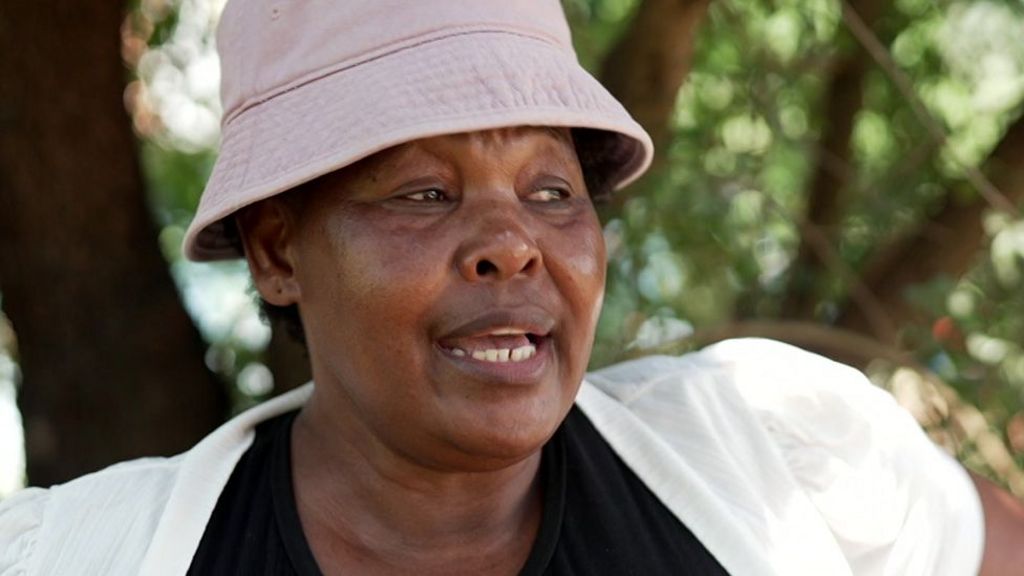
    Carol Houston, a commercial dairy farmer with 35 years of experience, witnessed her daily milk output plummet from 14,000 to 9,000 liters within days of infection. “We invested approximately $380 per cow in treatments and preventive measures,” Houston revealed, “yet the virus breached our defenses regardless.”

    The economic repercussions extend beyond large commercial operations. Small-scale farmers like Nompumelelo Ndlovu, who maintains approximately 20 cattle for trading, face existential threats to their livelihoods. “If vaccines don’t arrive promptly,” Ndlovu expressed, “my entire herd could be compromised, ending my business.”

    Agricultural Minister John Steenhuisen has announced a comprehensive 10-year eradication strategy, prioritizing mass vaccination in severely affected regions before expanding to cover South Africa’s estimated 14-million-strong national herd. However, implementation delays have fueled frustration among farming communities. Vaccine shipments, initially promised for January then February, have repeatedly been postponed.

    President Cyril Ramaphosa’s disaster declaration enables accelerated funding allocation and international vaccine procurement. South Africa, having lost domestic vaccine production capabilities over two decades ago, currently relies on imports—with an initial shipment of one million doses expected from Argentina. Nevertheless, this quantity remains insufficient for nationwide coverage.

    Industry experts like Livestock Wealth’s Ntuthuko Shezi emphasize the urgency: “If we successfully managed COVID-19 vaccinations, we should demonstrate similar efficacy against this outbreak.” The agricultural sector, while representing a modest portion of GDP, serves as a critical employer in rural regions and traditionally generates essential foreign exchange through meat and livestock exports.

  • The Russian village that lost its men to war

    The Russian village that lost its men to war

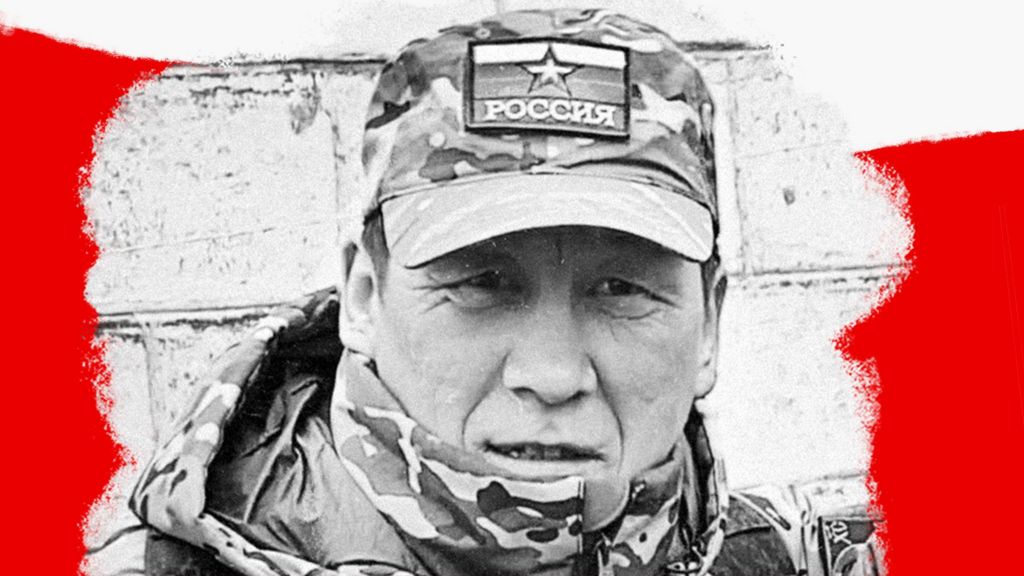
    In the isolated Kamchatka village of Sedanka, where winter temperatures plummet to -10°C (14°F), life has always been challenging. Most homes lack running water, indoor toilets, and central heating. Accessible only by river boat during summer months and snowmobile or helicopter in winter, this remote community survives primarily through fishing and subsistence farming.

    Now, Sedanka faces an unprecedented crisis: nearly all men aged 18 to 55 have joined Russia’s war in Ukraine. From a population of just 258 people, 39 men signed military contracts. Twelve have been confirmed killed, with seven others missing.

    “It’s heartbreaking – so many of our people have been killed,” says Natalia (name changed for security), whose brother-in-law and cousins are currently at the front. “In almost every family, someone is fighting.”

    The BBC, in collaboration with Russian outlet Medizona and volunteer researchers, has verified 40,201 Russian soldier deaths in 2025 alone. Projections indicate this number could reach 80,000 by year’s end, making 2025 the deadliest period for Russian forces since the full-scale invasion began in February 2022. Total confirmed Russian military deaths now stand at 186,102, though military experts estimate the actual toll could range between 286,000 and 413,500.

    Analysis reveals striking demographic disparities: 67% of casualties come from rural areas and small towns (populations under 100,000), despite these regions containing only 48% of Russia’s population. Indigenous communities like the Koryaks and Itelmens of Sedanka suffer disproportionately high losses, despite wartime rules theoretically exempting them from mobilization.

    Anti-war activist Maria Vyushkova explains how state media promotes stereotypes of indigenous peoples as “born warriors” to encourage recruitment. “The Kremlin uses this pride to recruit for war,” she states.

    The economic divide is stark: Moscow’s per capita death rate stands at 0.05%, while poorer regions like Buryatia and Tuva experience rates 27-33 times higher. Demographer Alexey Raksha attributes this gap to differences in economic development, pay, and education opportunities.

    Despite promises of support, Sedanka has received little assistance. Only four soldiers’ homes received roof repairs after media attention, while one-fifth of Soviet-era houses remain officially classified as unsafe. The village’s sole school risks structural collapse.

    As another demographer notes: “For many, the driver is not only poverty but a lack of prospects – the feeling that there is nothing to lose.”

  • Lion DNA helps convict poachers for first time

    Lion DNA helps convict poachers for first time

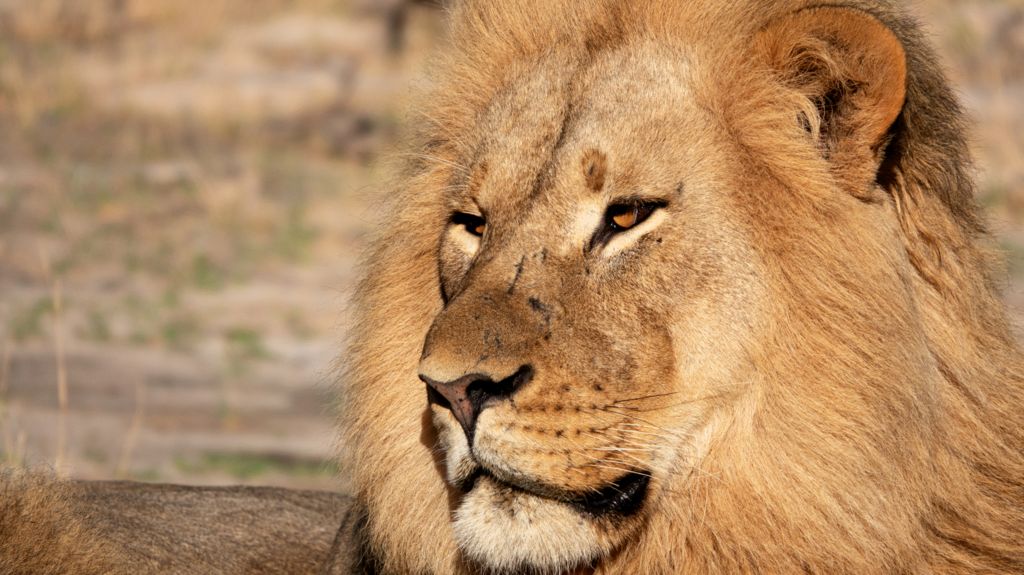
    In an unprecedented legal breakthrough, Zimbabwean authorities have successfully utilized lion DNA evidence to convict poachers for the first time in global wildlife crime history. The landmark case, recently disclosed by wildlife conservation NGO Traffic, demonstrates a revolutionary application of forensic science in combating illegal wildlife trade.

    The groundbreaking prosecution stemmed from a May 2024 incident in Hwange National Park, where wildlife authorities grew suspicious when a radio-collared male lion’s tracking device ceased functioning. Investigators tracing the final signal location discovered a snare containing lion fur, triggering an intensive investigation that led authorities to a nearby village.

    During searches, police uncovered substantial evidence including three sacks of meat, sixteen lion claws, and four teeth in the possession of two suspects. Traditionally, such possession might have been dismissed as inherited traditional ornaments or remains from naturally deceased animals, creating persistent legal hurdles in previous prosecution attempts.

    However, Zimbabwe’s sophisticated lion DNA database—developed over eight years through £250,000 funding from the UK’s People’s Postcode Lottery to the Victoria Falls Wildlife Trust—provided the critical breakthrough. Forensic specialists compared DNA profiles from the seized body parts against the database, achieving perfect matches with the blood sample previously collected from the radio-collared lion.

    Within ten days of the killing, prosecutors presented the irrefutable DNA evidence in court, resulting in both suspects pleading guilty. The convicted poachers received 24-month prison sentences, with the court acknowledging the lion’s value at approximately $20,000.

    Professor Rob Ogden, co-founder of TRACE organization promoting forensic science in wildlife enforcement, hailed the conviction as delivering “a message of hope” demonstrating how integrated training, research, and forensic casework can combat wildlife crime. The anonymous lead scientist involved emphasized the technological leap: “Before this technology, we could only do species identification, which sometimes wasn’t enough. Now we can match specific products to individual lions.”

    The breakthrough arrives amid concerning trends in lion poaching, with recent figures indicating rising demand for body parts used as cultural artifacts in Africa and ingredients in traditional Chinese medicine. Organized crime networks previously focused on rhino horn and ivory trafficking are suspected of diversifying into lion part trades, evidenced by significant seizures including 17 lion skulls intercepted in Lusaka (2021) and over 300kg of lion parts confiscated in Maputo (2023).

    This forensic methodology establishes a powerful new deterrent against wildlife crime, providing law enforcement worldwide with scientifically robust evidence to secure convictions previously impossible to obtain.

  • ‘Board of Peace’ members commit $7bn to Gaza relief, US pledges further $10bn

    ‘Board of Peace’ members commit $7bn to Gaza relief, US pledges further $10bn

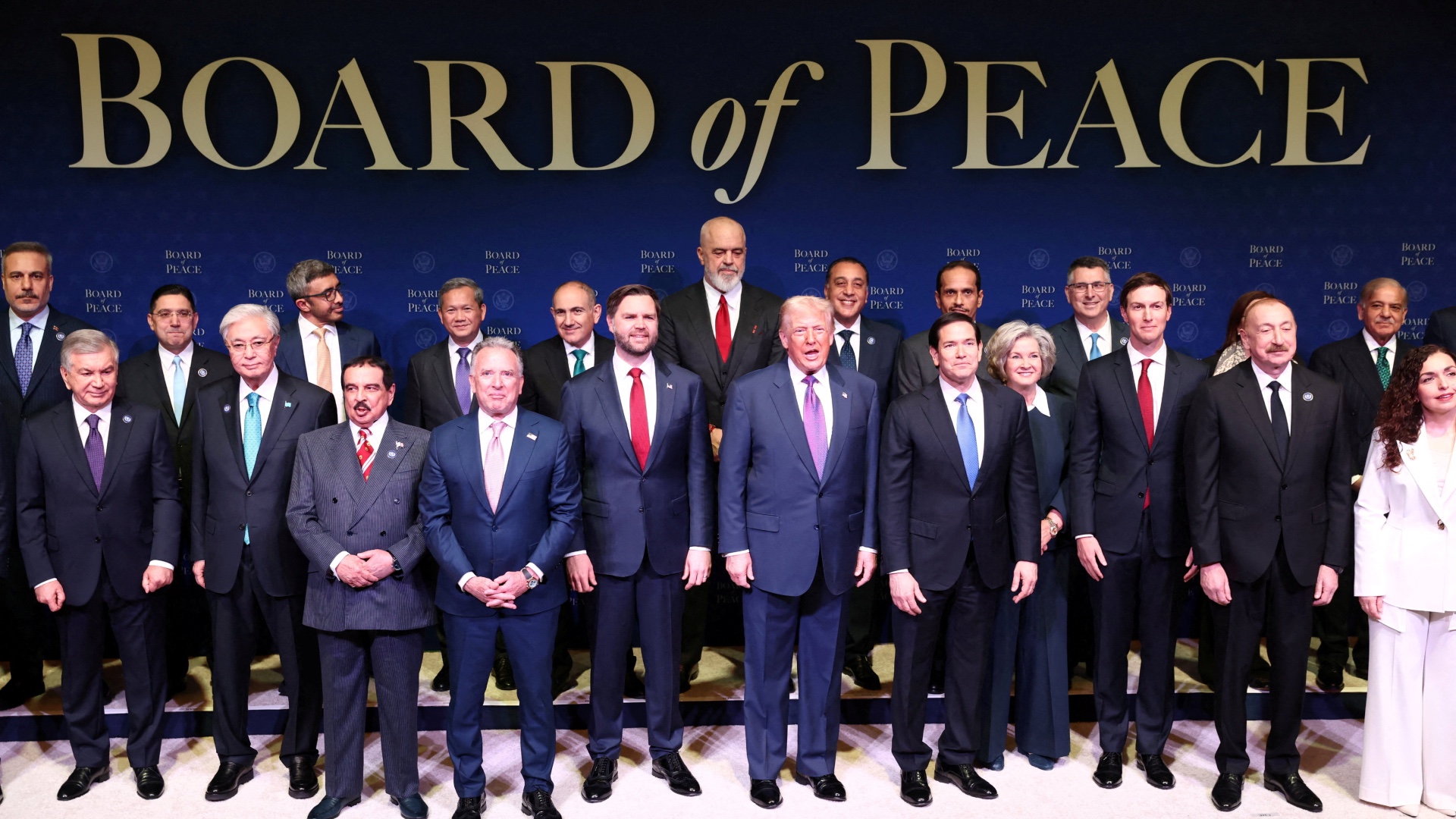
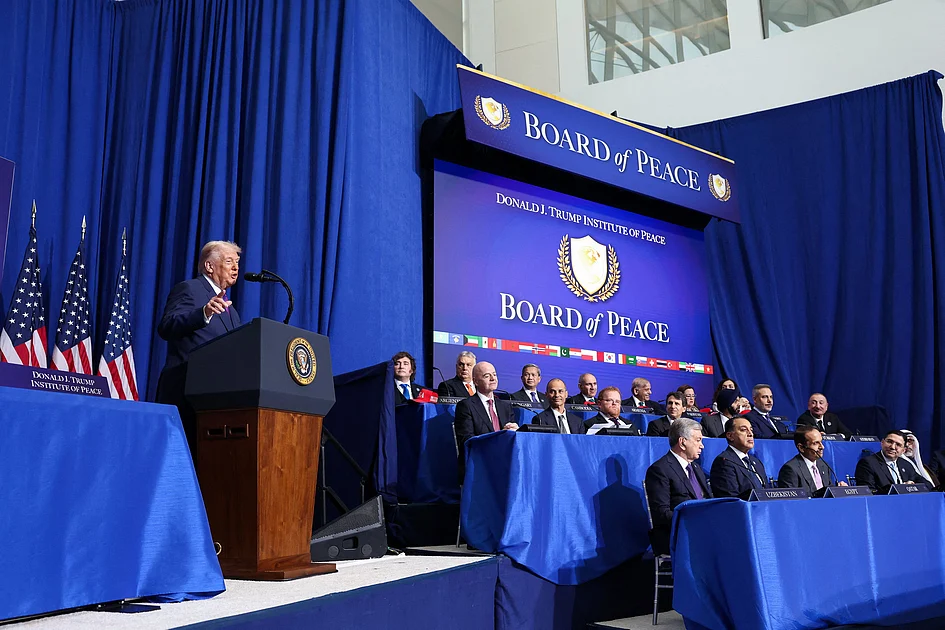
    WASHINGTON, DC – In a significant development for Middle Eastern diplomacy, nine member nations of former President Donald Trump’s newly established “Board of Peace” have collectively pledged $7 billion toward humanitarian relief and reconstruction efforts in Gaza. President Trump announced the commitments during the board’s inaugural meeting held at the Donald J Trump Institute for Peace on Thursday.

    The contributing nations include Kazakhstan, Azerbaijan, the United Arab Emirates, Morocco, Bahrain, Qatar, Saudi Arabia, Uzbekistan, and Kuwait. While a detailed breakdown of individual contributions was not immediately disclosed, Trump indicated that “many more are contributing to the numbers.” The United States is separately investing an additional $10 billion, though this allocation is understood to support the board’s overall operations rather than being exclusively designated for Gaza.

    Beyond member contributions, the international community is mobilizing substantial support. The United Nations Office for the Coordination of Humanitarian Affairs will raise $2 billion, while FIFA, the global football governing body, has committed $75 million for sports-related projects in the enclave. FIFA President Gianni Infantino, a recipient of the first-ever FIFA Peace Prize from Trump last year, attended the meeting and sits on the board. Furthermore, Japan has committed to hosting an aid fundraiser with participation expected from regional nations including South Korea, the Philippines, and Singapore, with potential involvement from China and Russia.

    World Bank President Ajay Banga, serving on the board’s executive committee, outlined the institution’s role as a “limited trustee.” The Bank will manage and disperse the pledged funds for reconstruction and development projects in Gaza, leveraging its AAA rating to attract private investment and de-risk the funding process.

    However, the initiative faces significant challenges. The security situation remains precarious. U.S. Major General Jasper Jeffers, appointed to oversee the accompanying International Stabilization Force (ISF), revealed that Indonesia, Morocco, Kazakhstan, Kosovo, and Albania will contribute troops to the force, which will be trained by Egypt and Jordan. The ISF’s mandate includes protecting civilians, training local forces, and assisting in the disarmament of factions—a point that has caused hesitation among some potential contributors. Indonesia will assume deputy command of the ISF, and deployment will begin in the Rafah sector, though no precise timeline was provided. The Trump administration confirmed no U.S. troops would be deployed on the ground.

    On the ground governance falls to the National Committee for the Administration of Gaza (NCAG), led by Palestinian technocrat Ali Shaath. He described operating in “extremely difficult conditions” with large areas “destroyed” and humanitarian needs “acute.” Bulgarian diplomat Nickolay Mladenov, appointed to oversee Gaza’s demilitarization, announced the creation of the Office of the High Representative for Gaza to guide the NCAG. A key priority is establishing security through a new 5,000-strong professional civilian police force, for which recruitment is already underway with 2,000 applicants so far. These officers will be trained in Egypt as part of a broader 20-point plan to consolidate all weapons under a single civilian authority.

    Despite the focus on Gaza, the board’s official charter notably makes no mention of either “Gaza” or “Palestinian,” reflecting the Trump administration’s break from the long-standing U.S. policy goal of a two-state solution. The board has also faced international skepticism. Spain and most European nations have refused to join, with some EU representatives attending only as “observers.” The Vatican declined its invitation, and Canada’s was rescinded. At a recent security conference, EU foreign affairs chief Kaja Kallas criticized the board for its omissions. Trump, however, positioned the board as a supplement to the UN, stating it would be “looking over the United Nations and making sure it runs properly,” while pledging to work closely with the international body.
  • North Korea opens major party congress with Kim emphasizing economy

    North Korea opens major party congress with Kim emphasizing economy

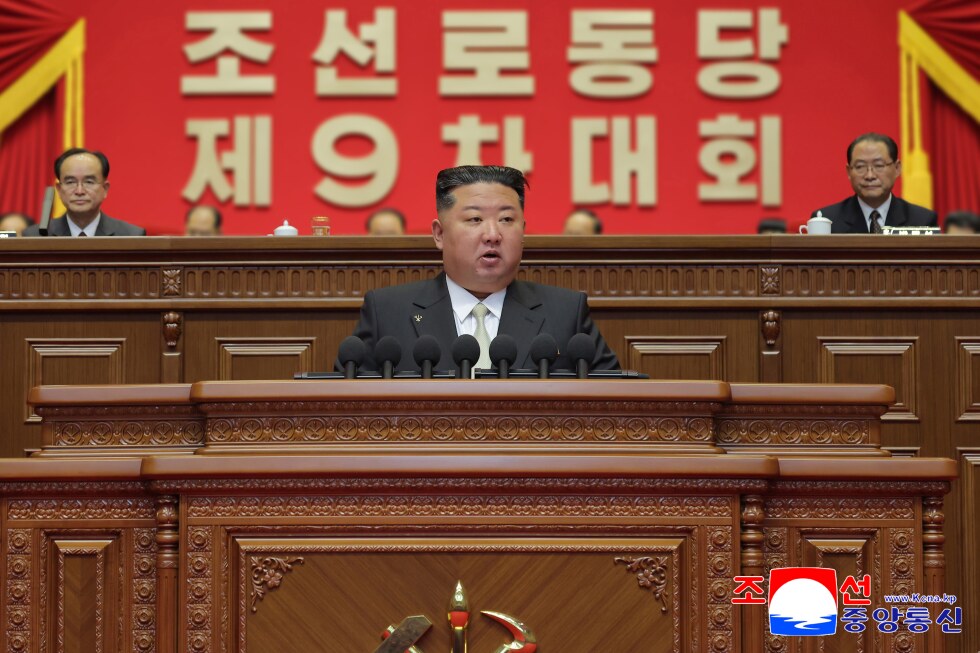
    SEOUL, South Korea — North Korea has commenced its most significant political gathering, the Workers’ Party Congress, where Supreme Leader Kim Jong Un is anticipated to outline his strategic vision for the nation’s next five-year development cycle. The event, which began Thursday in Pyongyang, marks a pivotal moment for cementing the Kim dynasty’s authoritarian governance while addressing critical domestic and international challenges.

    In his opening address, Kim emphasized economic achievements and national resilience since the previous congress in 2021, which coincided with the COVID-19 pandemic’s peak. He proclaimed substantial progress in economic development and regional positioning, characterizing these advances as an ‘irreversible’ enhancement of North Korea’s global standing. ‘This created favorable conditions and circumstances for giving a greater spur to our socialist construction,’ Kim stated, acknowledging the ‘heavy and urgent historic tasks’ of boosting economic construction and improving living standards.

    Notably absent from initial state media coverage were direct references to Kim’s nuclear weapons program or ongoing standoffs with the United States and South Korea. However, geopolitical analysts anticipate the congress will address these issues as Kim continues to leverage global tensions to advance his strategic objectives.

    Recent geopolitical maneuvers have seen North Korea deepen alliances with Russia and China. Kim has capitalized on Russia’s war in Ukraine to accelerate his nuclear and missile capabilities while providing substantial military support to Moscow—potentially in exchange for economic assistance and technological transfers. Simultaneously, he has strengthened ties with China, North Korea’s traditional ally and economic lifeline, through diplomatic visits and summits.

    While North Korea’s information blockade obscures accurate economic assessment, external experts suggest a gradual recovery fueled by post-pandemic trade resumption with China and weapons exports to Russia. The congress follows weeks of military demonstrations and inspections of industrial and housing projects, showcasing alleged achievements under Kim’s leadership.

    Approximately 5,000 delegates, including 224 central leadership members, are participating in the event expected to span several days. Experts predict Kim will outline ambitious economic targets and plans to expand his nuclear-armed military, which already possesses systems targeting U.S. allies in Asia and long-range missile capabilities potentially reaching the U.S. mainland.

    South Korea’s intelligence agency is monitoring potential signals regarding Kim’s teenage daughter, Kim Ju Ae (approximately 13), being positioned as a potential successor—a move that would formalize the regime’s fourth-generation dynastic succession.

    Diplomatic relations remain frozen since the 2019 collapse of talks between Kim and former U.S. President Donald Trump. North Korea has consistently rejected dialogue offers, demanding the U.S. abandon its denuclearization requirements as a precondition for negotiations. Relations with South Korea have similarly deteriorated, with Kim abandoning peaceful reunification rhetoric in favor of a hostile ‘two-state’ doctrine for the Korean Peninsula—a stance potentially to be institutionalized in the Workers’ Party constitution during this congress.

  • How do you modernise mango farming?

    How do you modernise mango farming?

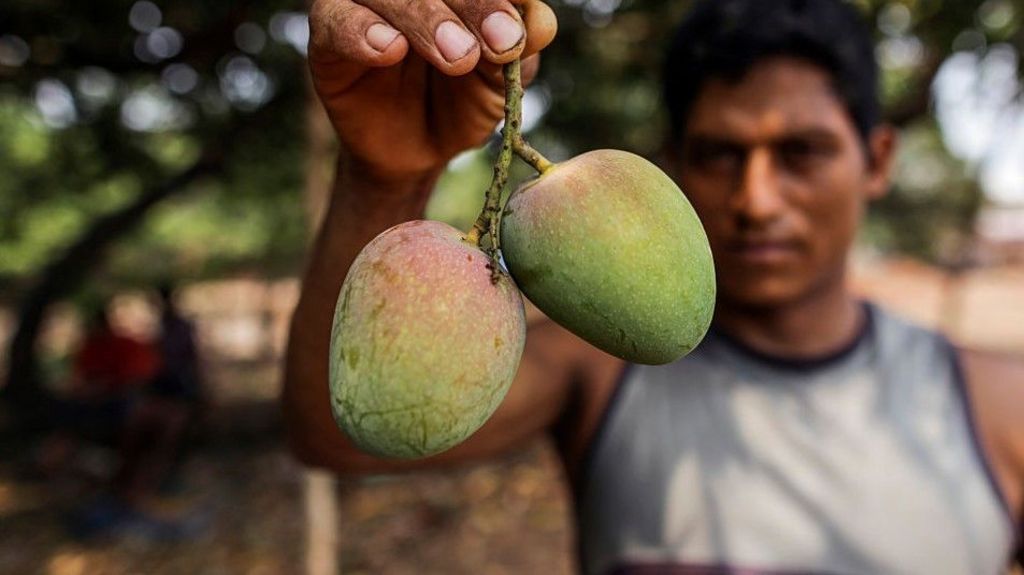
    As the world’s leading mango producer, India faces unprecedented challenges in sustaining its 23-million-ton annual harvest—approximately one-fifth of the nation’s total fruit output. The delicate cultivation process, dependent on precise climatic conditions, tree physiology, and agricultural techniques, has become increasingly precarious due to climate volatility.

    Fourth-generation mango cultivator Upendra Singh from Malihabad, Uttar Pradesh, embodies the sector’s struggles. Having worked on family orchards since age 12, the 62-year-old farmer observes: ‘Seasons no longer follow patterns. Flowering, fruiting, and harvesting shift annually due to climate change.’ Despite rising input costs for pesticides, labor, and irrigation, yields continue declining across India’s 700 regional varieties—from northern Dasheri to Maharashtra’s Alphonso and Bihar’s Langra.

    Dr. Hari Shankar Singh of the Central Institute for Subtropical Horticulture (ICAR) confirms these observations: ‘Erratic weather patterns have become the norm. Last year, premature flowering followed by strong winds damaged fruit development. This year, prolonged cold delayed flowering entirely.’

    Scientific interventions offer hope through two parallel approaches:

    Genetic research accelerated dramatically after ICAR scientists sequenced the Alphonso mango genome in 2016. ‘Genome mapping identifies genes governing fruit color, aroma, sweetness, and climate resilience,’ explains Dr. Singh. This breakthrough potentially reduces traditional breeding timelines from 10-20 years, though challenges remain due to mango trees’ heterozygous nature and 5-10 year maturation period.

    On-ground innovations include:
    – Protective ‘bagging’ techniques creating micro-environments around developing fruits
    – ‘Girdling’ methods involving controlled branch cuts to redirect tree energy
    – Canopy management and scientific pruning for size control
    – Orchard rejuvenation through strategic tree height reduction

    Progressive farmers like Neeti Goel (1,100 trees across 27 acres) employ soil and leaf analysis for precise micronutrient application. Exporters like Berrydale Foods’ Saravanan Achari experiment with greenhouse cultivation to meet international phytosanitary standards. ‘Climate change is the single biggest export risk,’ notes Achari, citing Japan and Israel’s protected cultivation models as precedents.

    While genetic science addresses long-term resilience, immediate adaptations through controlled environments and precision agriculture may determine whether India’s $2.1 billion mango industry can sustain its global dominance amid escalating climate challenges.

  • Trump says Obama shared ‘classified information’ when he said aliens were real

    Trump says Obama shared ‘classified information’ when he said aliens were real

    In a striking political confrontation, former President Donald Trump has leveled accusations against his predecessor Barack Obama for allegedly disclosing sensitive information during a recent podcast appearance. The controversy emerged when Obama stated his belief in extraterrestrial life during an interview with Brian Tyler Cohen.

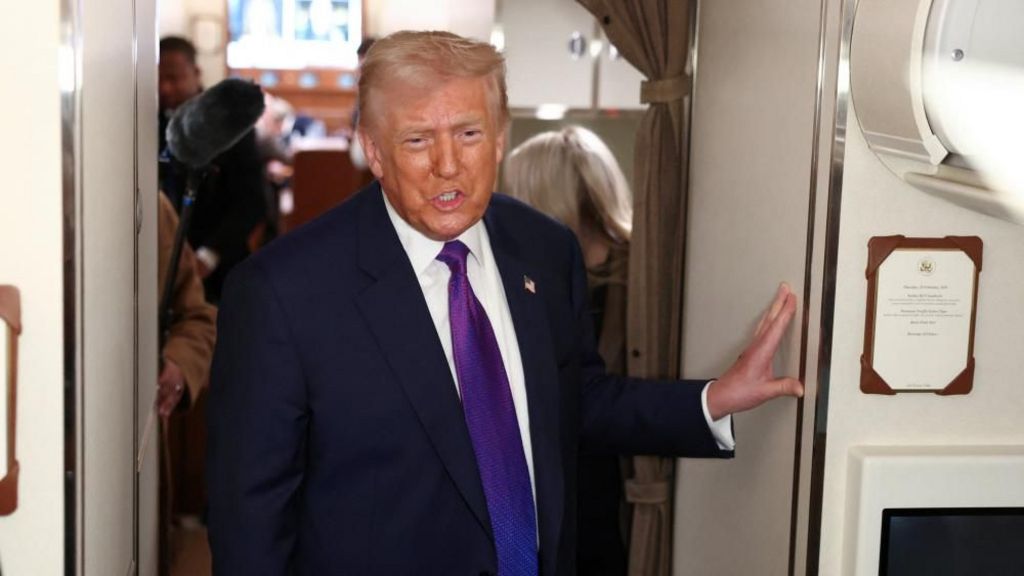
    Aboard Air Force One, Trump informed journalists that Obama had committed ‘a major error’ by making such declarations, emphasizing that ‘he’s not supposed to be doing that.’ When pressed about his own perspective on alien existence, Trump maintained an ambiguous stance, remarking, ‘Well, I don’t know if they’re real or not.’

    Obama’s initial comments sparked widespread media attention, prompting the former president to issue subsequent clarifications via Instagram. He elaborated that while he considers extraterrestrial life statistically probable given the universe’s immense scale, he witnessed ‘no evidence during my presidency that extraterrestrials have made contact with us.’ Obama specifically dismissed conspiracy theories about alien concealment at Area 51, noting no such facility could be hidden from presidential oversight.

    The exchange occurred during a rapid-fire question segment of the podcast, with no indication that Obama relied upon classified intelligence. The BBC’s attempts to obtain additional commentary from Obama’s representatives remain unanswered.

    This incident highlights the enduring political rivalry between the Democratic former president and his Republican successor. Trump noted that while many Americans believe in alien life, he deliberately avoids the topic and maintains no firm position.

    The Pentagon’s 2024 report aligns with Obama’s clarified position, finding ‘no evidence’ of governmental encounters with alien lifeforms and attributing most UFO sightings to ordinary objects. This followed a 2023 House of Representatives panel on Unidentified Anomalous Phenomena (UAPs) that yielded no groundbreaking revelations about extraterrestrial existence.

  • Strict warning against public eating during Ramadan in Kuwait

    Strict warning against public eating during Ramadan in Kuwait

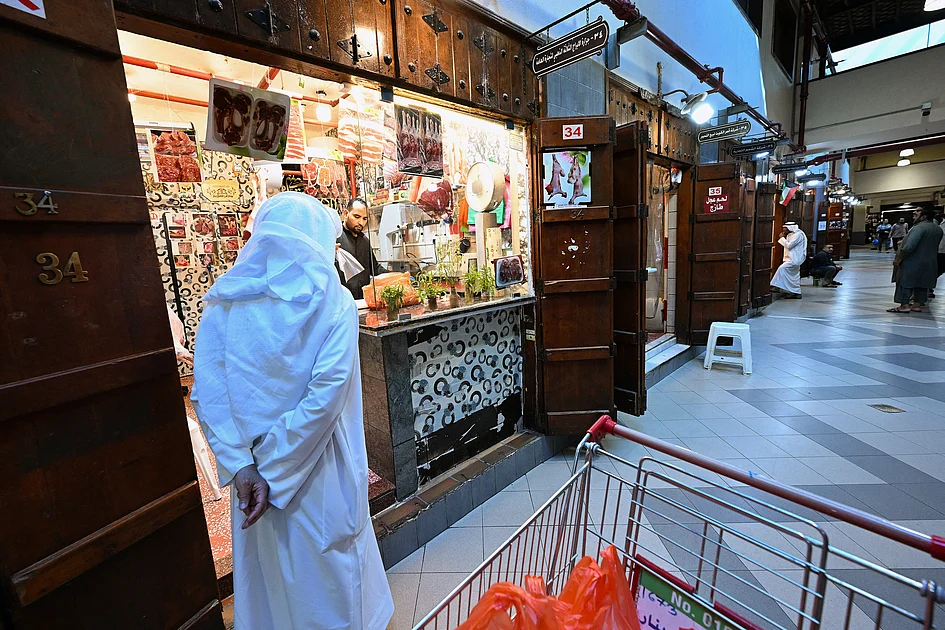
    Kuwait’s Ministry of Interior has delivered an unequivocal warning regarding public conduct during the upcoming Ramadan season, emphasizing zero tolerance for violations of established regulations. The authorities have specifically prohibited public consumption of food and beverages during daylight fasting hours, with stringent penalties awaiting those who disregard the mandate.

    According to the official directive, individuals caught eating in public spaces during fasting hours will face substantial fines, potential imprisonment for a maximum period of one month, or both penalties concurrently. The enforcement measures extend beyond direct violators to encompass those who facilitate, encourage, or coerce others into public eating, subjecting them to identical legal consequences.

    Commercial establishments found permitting or enabling public eating violations will confront severe operational sanctions, including mandatory temporary closure for durations extending up to two months. This comprehensive approach demonstrates the government’s determination to maintain decorum throughout the holy month.

    Major General Abdulwahab Ahmed Al-Wuhaib has confirmed that all security, traffic management, and public awareness divisions within the Ministry of Interior have completed comprehensive preparations for Ramadan. The coordinated strategy focuses on enhancing public safety measures, ensuring efficient traffic circulation, and promoting positive social behavior throughout the Islamic holy month.

    Security preparations include significantly intensified patrol presence around mosques, commercial markets, shopping centers, and other high-density gathering areas. Traffic authorities will reinforce patrol operations along both primary and secondary roadways, with particular emphasis on peak traffic periods preceding iftar and following Taraweeh prayers.

    Specialized field units have been deployed to identify and address negative social activities including unauthorized begging and illicit street vending operations. Legal proceedings will be initiated against offenders to preserve public order and maintain Kuwait’s civilized urban appearance during Ramadan observances.

  • 30-year Ramadan tradition: Residents in this UAE village share suhoor each night

    30-year Ramadan tradition: Residents in this UAE village share suhoor each night

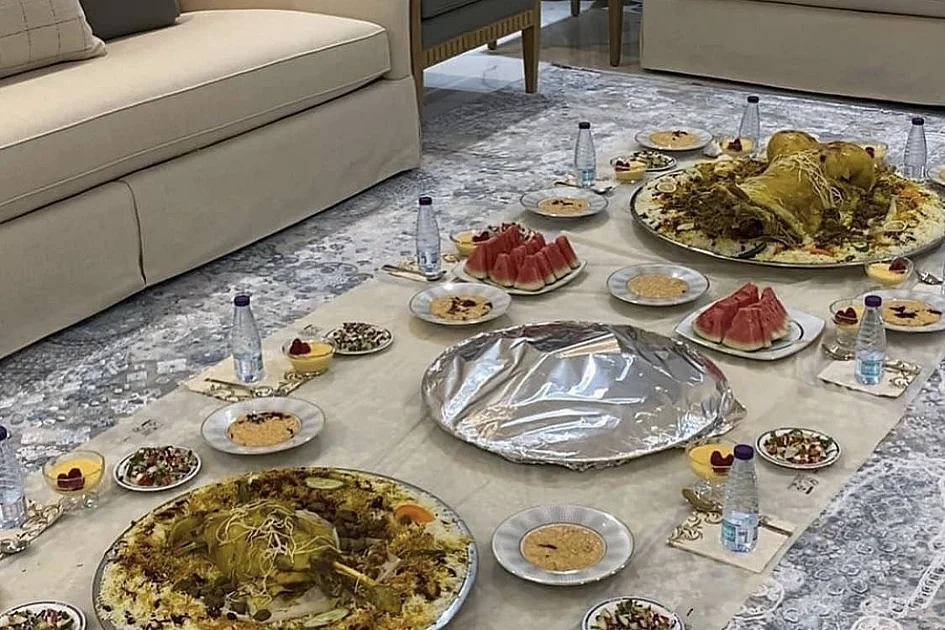
    In the tranquil village of Remah, nestled within Al Ain’s cultural landscape, a remarkable Ramadan tradition has flourished for over three decades, transforming nighttime suhoor into a powerful demonstration of community solidarity. Each night during the holy month, a different household opens its doors to host the entire village for the pre-dawn meal, creating a rotating celebration that has become the cornerstone of Ramadan’s social fabric.

    The practice, initiated in the 1990s by the village elders, continues today as a living testament to Emirati cultural values. As night deepens following iftar, families, elders, and children converge upon the designated host’s majlis, where conversations stretch into the early morning hours and laughter echoes through the communal space. The gathering represents far more than shared sustenance—it embodies the essence of village life where openness, neighborly bonds, and collective responsibility remain paramount.

    Khamis Alkhaili, a native resident, emphasizes the tradition’s intergenerational significance: “Our parents established this custom, and we are committed to preserving it for our children. This is how we demonstrate what community truly means in our village.”

    The ritual follows a carefully coordinated system where families prepare throughout the year for their hosting responsibilities. Women collaborate in meal preparation while men engage in storytelling and fellowship. Children witness firsthand the operationalization of unity, learning cultural values through participation rather than instruction.

    Beyond the communal gathering, the tradition extends into charitable action. Following each suhoor, women meticulously package untouched surplus food into distribution boxes destined for farm workers and low-income families in surrounding areas. This daily act of charity has become an integral component of the ritual, with recipients anticipating the nightly deliveries throughout Ramadan.

    Maryam Alkhaili explains the careful process: “We ensure all distributed food maintains the highest standards of cleanliness and preparation. The recipients have come to depend on this daily nourishment during the holy month.”

    For volunteers like Abeer, who participates annually in food distribution, the experience encapsulates Ramadan’s spiritual essence. “When you witness the gratitude in recipients’ eyes,” she reflects, “you understand how simple gestures forge profound connections. We cease to be separate families—we become one extended community.”

    The Remah village tradition stands as a compelling example of how cultural practices can simultaneously preserve heritage while addressing contemporary needs through structured generosity and social cohesion.