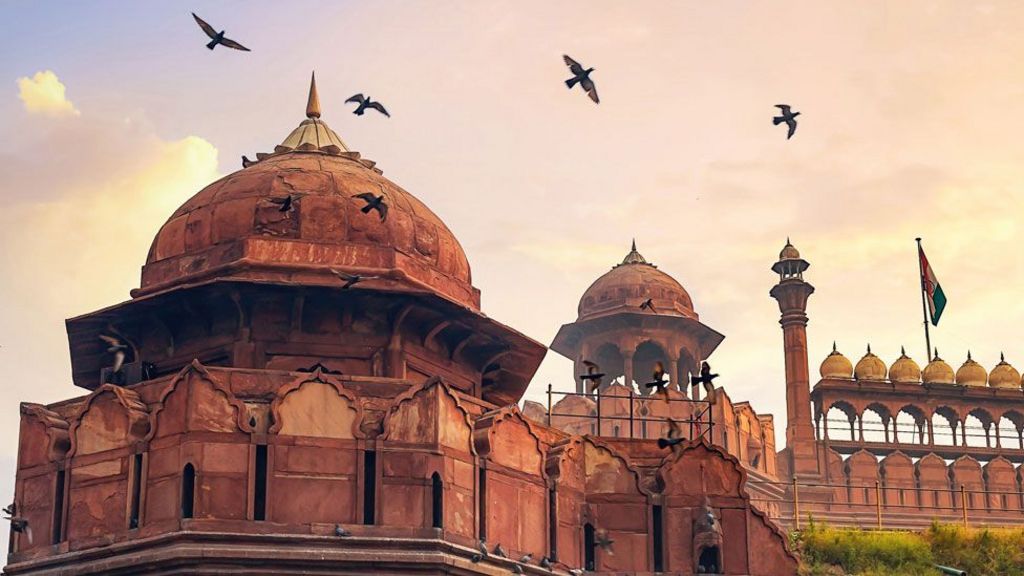
A groundbreaking study has revealed that severe air pollution in New Delhi is causing the formation of ‘black crusts’ on the walls of the Red Fort, a 17th-century Mughal-era monument and one of the city’s most iconic landmarks. The research, conducted between 2021 and 2023 by a team of Indian and Italian scientists, found that these crusts—deposits resulting from chemical interactions between pollutants and the fort’s red sandstone walls—range from 0.05mm to 0.5mm in thickness. If left unchecked, they could damage the fort’s intricate carvings and architectural elements. Published in the peer-reviewed journal Heritage in June, the study is the first to comprehensively analyze the impact of air pollution on this historic structure. Delhi, one of the world’s most polluted cities, frequently grapples with hazardous air quality, particularly during winter. The researchers identified particulate matter (PM2.5 and PM10) as primary contributors to the blackening and deterioration of the fort’s surfaces. They also observed blistering and flaking on the walls, warning that the phenomenon could worsen without timely conservation efforts. The study recommends applying stone protectives or sealants to highly affected areas to mitigate further damage. The Red Fort, built by Mughal Emperor Shah Jahan, holds immense historical significance, having served as the site where India’s first Prime Minister, Jawaharlal Nehru, hoisted the national flag after independence in 1947. This alarming discovery echoes previous concerns about pollution’s impact on India’s heritage, such as the discoloration of the Taj Mahal.
作者: admin
-
Kenya issues arrest warrant for British national over young mother’s murder
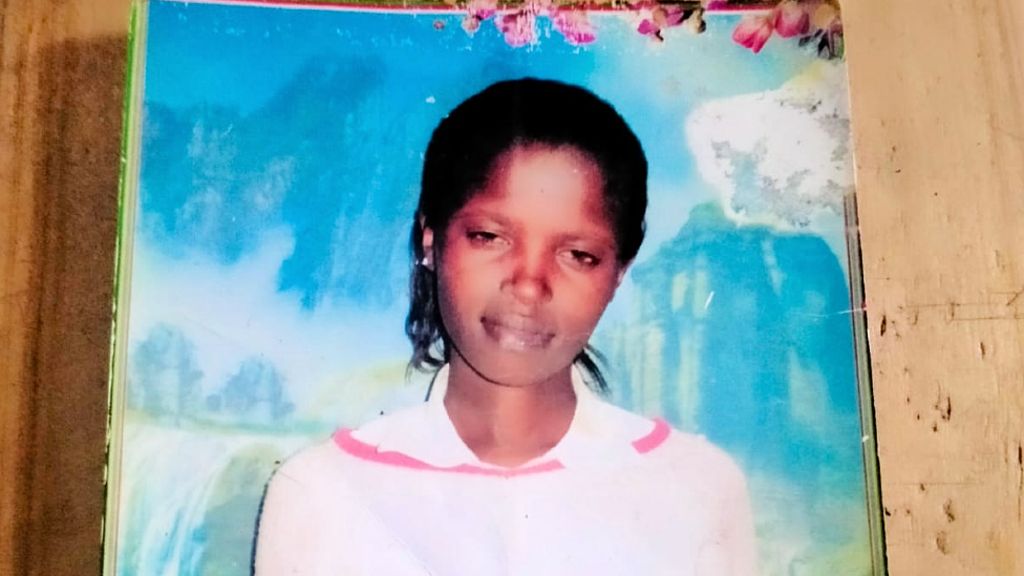
A Kenyan High Court has issued an arrest warrant for a British national suspected of murdering 21-year-old Agnes Wanjiru over a decade ago. Wanjiru was killed in March 2012, and her body was discovered in a septic tank at a hotel in Nanyuki, a central garrison town, nearly three months after she was last seen partying with British soldiers. Justice Alexander Muteti stated that prosecutors had presented sufficient evidence to warrant the suspect’s appearance in a Kenyan court for trial. Kamau Mbiu, the lawyer representing Wanjiru’s family, expressed hope that the ruling would expedite the extradition process from the UK, while urging greater transparency in the case, which has sparked public outrage in Kenya. The court has also ordered the protection of the identities of the accused and witnesses to maintain the trial’s integrity. A UK government spokesperson reiterated their commitment to supporting Wanjiru’s family in their pursuit of justice but declined further comment due to ongoing legal proceedings. The UK Ministry of Defence has confirmed its cooperation with the Kenyan investigation. Wanjiru’s family, who reside in Nanyuki near the British Army Training Unit Kenya (Batuk), has long sought justice for her death, which left behind a five-month-old daughter. Esther Njoki, Wanjiru’s niece, described the arrest warrant as a ‘bitter-sweet moment,’ acknowledging the potential delays in the extradition process. Prosecutors assured the court that UK-based witnesses would be available for the trial, ensuring its progression. Tessa Gregory, the family’s UK-based legal representative, called on the British government to facilitate the suspect’s extradition to Kenya promptly.
-
Artefacts recovered from Titanic’s sunk sister ship
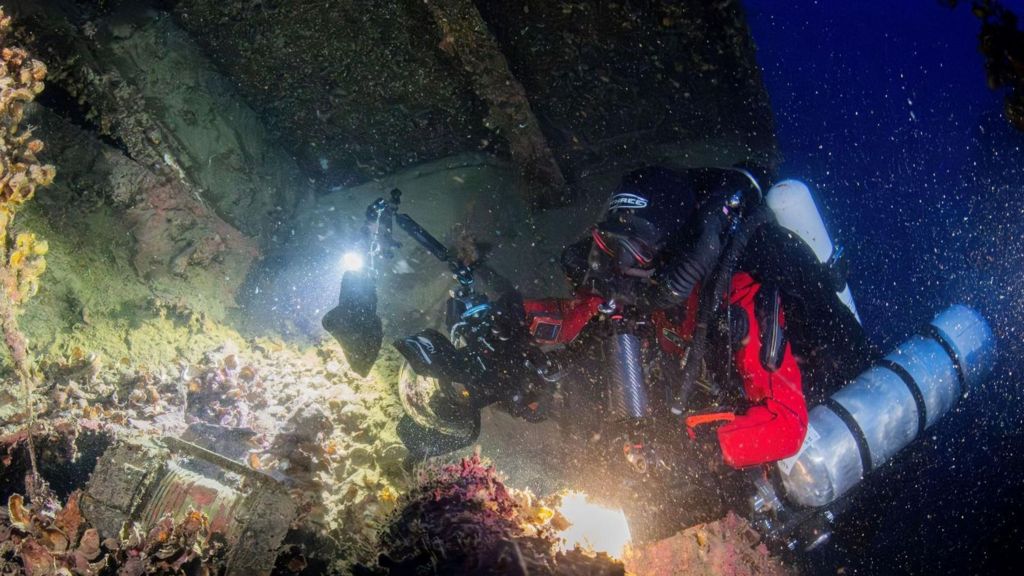
In a remarkable underwater recovery operation, Greece has successfully retrieved artefacts from the wreck of the HMHS Britannic, over a century after the ship was sunk by a German mine during World War I. The operation, conducted in May but announced on Monday by the Greek Ministry of Culture, involved an 11-member team of professional deep-sea divers equipped with closed-circuit technology. The expedition was organized by British historian Simon Mills, founder of the Britannic Foundation. Among the recovered items were the ship’s lookout bell, a portside navigation lamp, binoculars, ceramic tiles from Turkish baths, and equipment from first- and second-class cabins. A porcelain washbasin, though covered in marine organisms, was found intact in one of the second-class cabins. The artefacts were carefully cleaned of marine growth and transported to the Ephorate of Underwater Antiquities in Athens for further conservation. Some planned items could not be recovered due to their condition and location. The artefacts will eventually be displayed at the new National Museum of Underwater Antiquities in Piraeus, in a section dedicated to World War I. The Britannic, the third of the White Star Line’s Olympic-class steamships, was requisitioned by the British Admiralty during the war to serve as a hospital ship. On November 16, 1916, it struck a German mine off the island of Kea and sank in less than an hour, resulting in the deaths of 30 of the 1,065 people on board.
-
Explainer: Why South Korea cannot make the same US trade deal as Japan
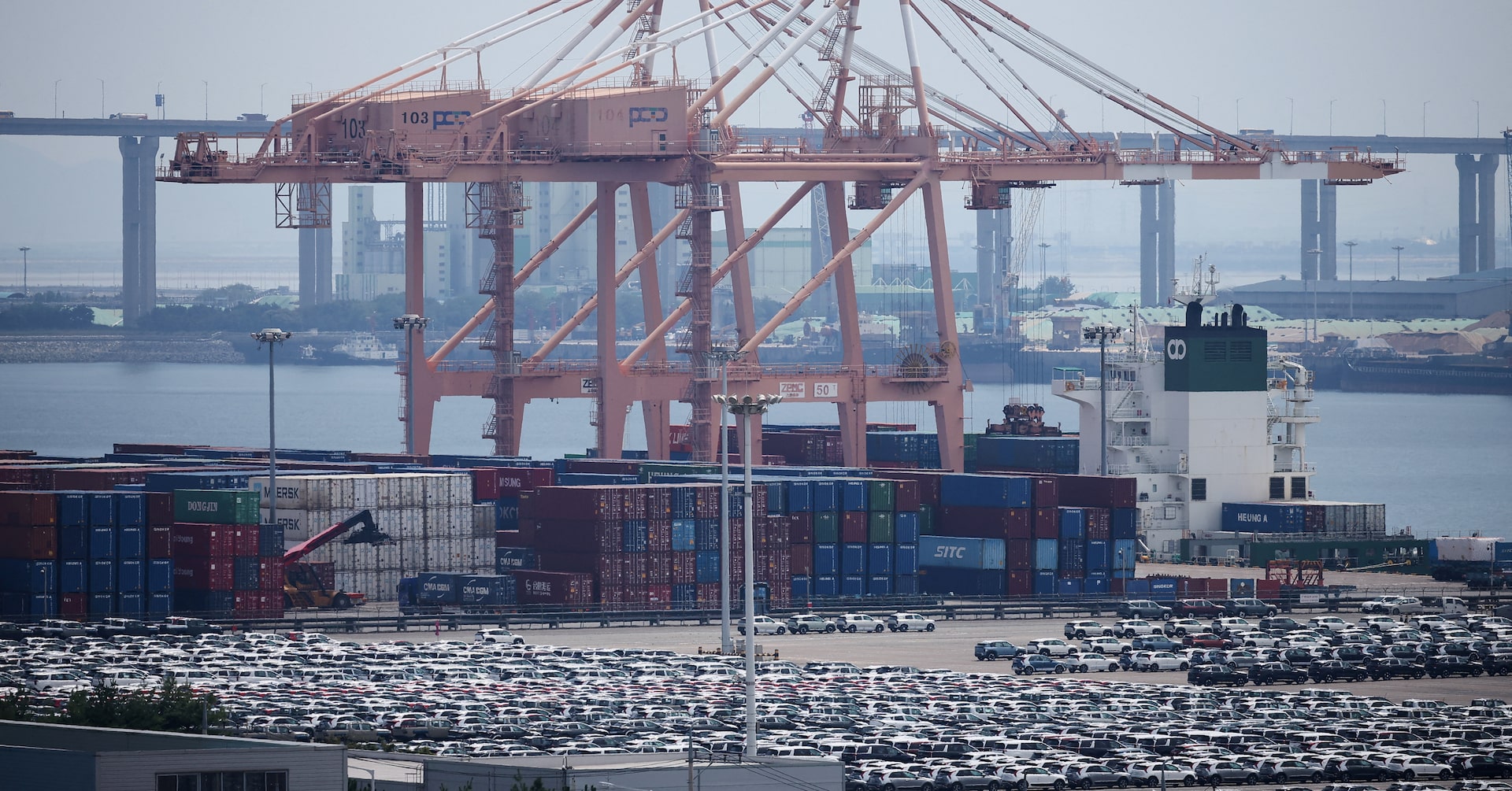
Trade negotiations between South Korea and the United States have hit a roadblock due to concerns surrounding the foreign exchange implications of a $350 billion investment fund. The fund, part of an agreement reached with U.S. President Donald Trump in July, has sparked fears that the resulting dollar demand could overwhelm South Korea’s relatively small currency market, potentially destabilizing the won. South Korean officials have expressed reluctance to accept terms similar to those agreed upon by Japan, which finalized a $550 billion investment package earlier this month. Tokyo’s deal requires transferring funds within 45 days of project selection and evenly splitting free cash flows until an allocated amount is reached, after which 90% of proceeds go to the U.S. U.S. Commerce Secretary Howard Lutnick emphasized that Seoul must either accept the same terms or face tariffs, leaving no room for negotiation. South Korea’s currency market, which remains tightly controlled since the 1997 financial crisis, is significantly smaller than Japan’s, with the won accounting for just 2% of global currency trade compared to the yen’s 17%. Market participants warn that the $40 billion annual demand from the state pension fund for overseas investments already strains the won, and the new package could add $100 billion annually from 2026 to 2028. Amid these challenges, South Korea is exploring the possibility of a bilateral currency swap line with the U.S. to mitigate potential foreign exchange pressures. Finance Minister Koo Yoon-cheol hinted at an upcoming announcement on foreign currency measures, while Presidential Policy Secretary Kim Yong-beom highlighted the yen’s international status and Japan’s unlimited swap line as advantages Seoul lacks. The U.S. Federal Reserve has previously established temporary swap lines with South Korea, including a $60 billion arrangement during the COVID-19 pandemic, which expired in December 2021. A renewed swap line could provide South Korea with much-needed stability as it navigates these complex trade negotiations.
-
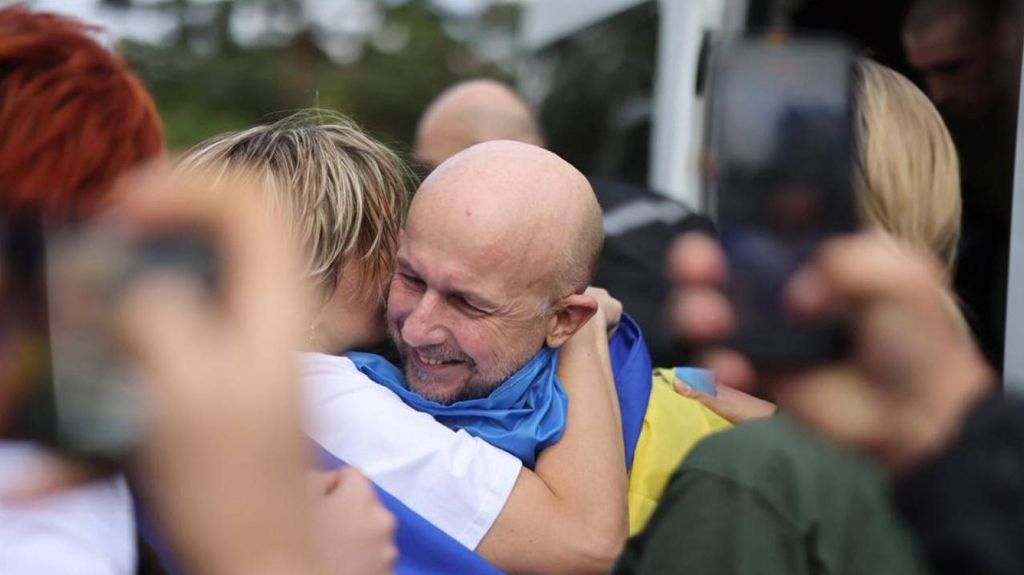
Beaten and held in Russia for three years – but never charged with a crime
In a rare prisoner exchange, Ukrainian journalist Dmytro Khyliuk has been released after enduring three and a half years in Russian captivity. Detained during the early days of Russia’s full-scale invasion of Ukraine, Khyliuk was among eight civilians freed in a surprising move that also saw the release of 146 Ukrainians, mostly soldiers. This exchange marks a significant development, as Russia seldom releases Ukrainian civilians. Since his return, Khyliuk has been reconnecting with the families of fellow detainees, offering them the first confirmation of their loved ones’ survival. The emotional reunion was marked by celebrations in Ukraine, with crowds waving national flags and cheering as the freed individuals arrived. Khyliuk’s release was part of a complex negotiation involving the return of individuals of interest to Russia, including residents from the Kursk region. Khyliuk’s harrowing experience in captivity included severe physical abuse, starvation, and psychological torment. Despite the brutality, he managed to send a single note to his family, assuring them of his survival. His return brings hope to thousands of Ukrainian families still awaiting news of their missing relatives, as officials estimate over 16,000 civilians remain unaccounted for. The ongoing conflict continues to pose significant challenges for prisoner exchanges, with Ukraine’s human rights ombudsman highlighting the lack of legal mechanisms to secure the release of civilians detained by Russia. Khyliuk’s story underscores the resilience of those affected by the war and the urgent need for international efforts to address the humanitarian crisis in Ukraine.
-
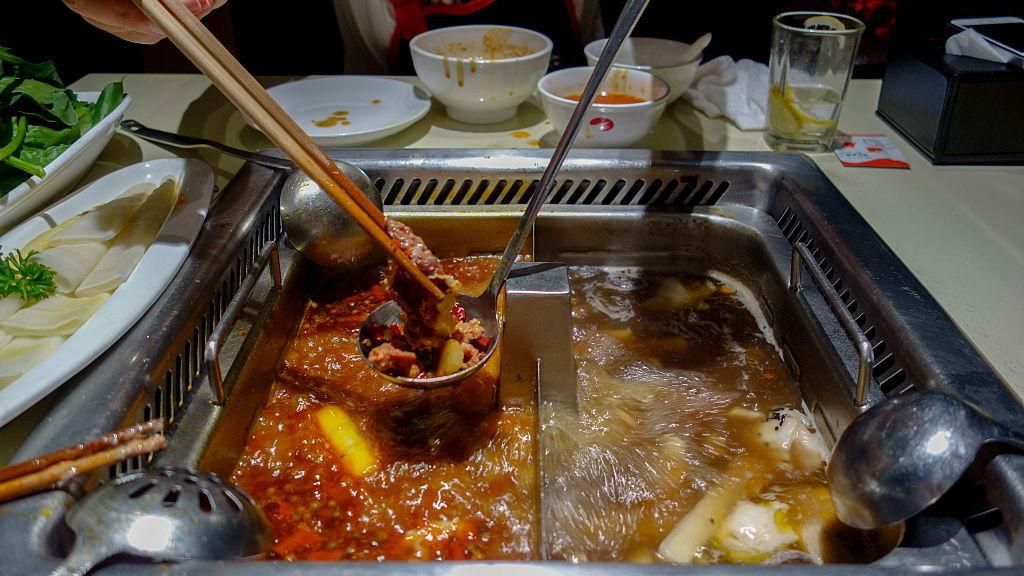
Chinese teens to pay $300,000 for urinating in soup
Two intoxicated teenagers who urinated into a pot of broth at a Haidilao hotpot restaurant in Shanghai have been ordered to pay 2.2 million yuan ($309,000) in damages to two catering companies. The incident, which occurred in February at a branch of China’s largest hotpot chain, Haidilao, drew widespread condemnation after the 17-year-olds posted a video of their act online. Although no one is believed to have consumed the contaminated broth, Haidilao compensated thousands of diners who visited the restaurant in the days following the incident. In March, the company sought over 23 million yuan in losses, citing compensation paid to customers and reputational damage. Last Friday, a Shanghai court ruled that the teenagers had violated the companies’ property rights and tarnished their reputation through “acts of insult,” which also caused public discomfort. The court noted that the parents had “failed to fulfil their duty of guardianship” and ordered them to bear the compensation. The damages include 2 million yuan for operational and reputational losses, 130,000 yuan for tableware replacement and cleaning, and 70,000 yuan in legal fees. However, the court clarified that additional compensation Haidilao voluntarily offered to customers, including full refunds and 10 times the billed amount, should not be borne by the teenagers. Haidilao, known for its exceptional customer service and family-friendly environment, has since replaced all hotpot equipment and conducted thorough cleaning and disinfection. The company, which started in Jianyang, Sichuan Province, now operates over 1,000 restaurants globally.
-
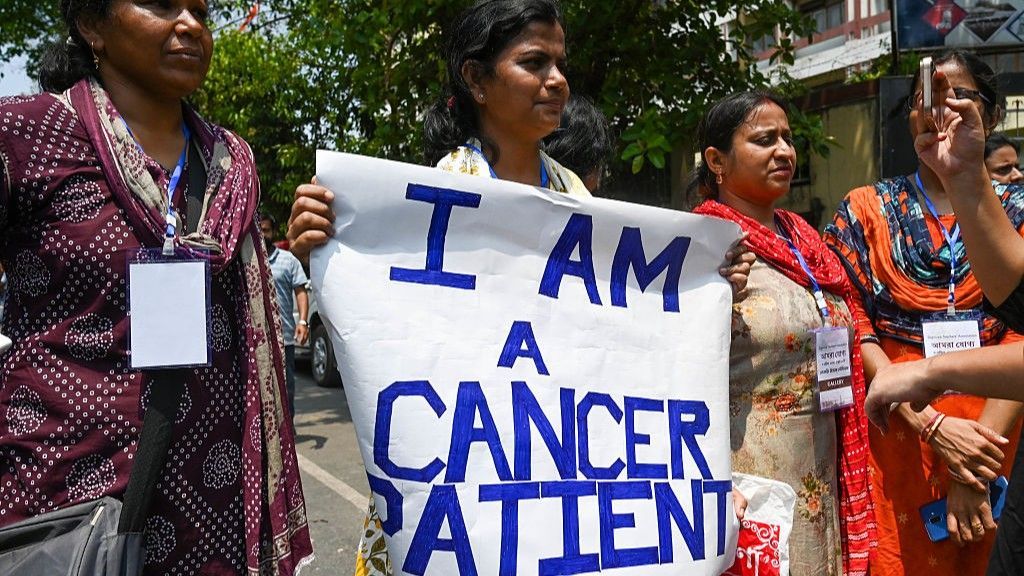
Why more women get cancer in India – but more men die
In India, a striking paradox has emerged in the realm of cancer: women are more likely to be diagnosed with the disease, yet men face a higher likelihood of dying from it. This phenomenon, revealed in a recent study of India’s cancer registry, highlights a complex interplay of biological, social, and healthcare factors. Women account for just over half of all new cancer cases, but men constitute the majority of cancer-related deaths. This trend stands in contrast to global patterns, where men generally have higher incidence and mortality rates. In 2022, the global average was 212 cancer cases per 100,000 men compared to 186 for women, according to the World Cancer Research Fund. In India, the most common cancers among women are breast, cervical, and ovarian, with breast and cervical cancers making up 40% of female cases. Hormonal factors and lifestyle changes, such as delayed pregnancies, reduced breastfeeding, obesity, and sedentary habits, are key contributors. For men, oral, lung, and prostate cancers dominate, with tobacco use driving 40% of preventable cancers. Awareness campaigns and improved healthcare facilities have led to earlier detection of cancers in women, resulting in better treatment outcomes and lower mortality rates. In contrast, men’s cancers are often linked to lifestyle factors like tobacco and alcohol, which are associated with more aggressive and less treatable cancers. Additionally, men are less likely to seek preventive care or early medical intervention, exacerbating their poorer outcomes. Regional disparities further complicate the picture. India’s northeast region, particularly Mizoram, has the highest cancer risk, largely due to rampant tobacco use and dietary habits. Meanwhile, cities like Srinagar and Hyderabad report high rates of lung and breast cancers, respectively. The cancer burden in India is not only growing but also becoming more complex, reflecting societal transitions in longevity, lifestyle, and environmental factors. Addressing these challenges requires targeted prevention, early detection, and lifestyle changes, underscoring the urgent need for comprehensive public health strategies.
-

The Dream Journey: Coming to terms with music in Pakistan’s Indo-Islamic culture
The intricate relationship between Islam and music has long shaped the cultural landscape of South Asia. While Islam’s influence on music has been a subject of debate, it has undeniably left an indelible mark on the region’s artistic traditions. In Pakistan, this relationship has been particularly complex, with music often caught in the crossfire of religious and national identity struggles. Amid these tensions, a group of Pakistani music enthusiasts embarked on a mission to preserve and celebrate their country’s neglected musical heritage. Their project, *The Dream Journey*, has since become a global phenomenon, bringing Pakistan’s rich musical traditions to the world stage. Launched in 2014, *The Dream Journey* saw its founders travel across Pakistan, documenting musicians and their families performing in intimate settings. The project’s YouTube channel, featuring videos with English subtitles, has garnered over 225,000 subscribers and millions of views. Its success has highlighted the enduring power of classical and Sufi music, even as these traditions face challenges in modern Pakistan. The channel showcases a diverse range of musical styles, from qawwali—a devotional form of Sufi music—to lesser-known family specialties. It has also amplified the work of legendary musicians like Ustad Munshi Raziuddin Khan and his descendants, who have kept the classical qawwali tradition alive. Despite the religious and political obstacles, *The Dream Journey* has provided a platform for musicians who might otherwise have remained in obscurity. The project’s meticulous translations and high-quality production have made it accessible to a global audience, ensuring that Pakistan’s musical heritage is preserved for future generations. As the group plans to resume their travels, their work stands as a testament to the resilience and beauty of Pakistan’s musical traditions.
-
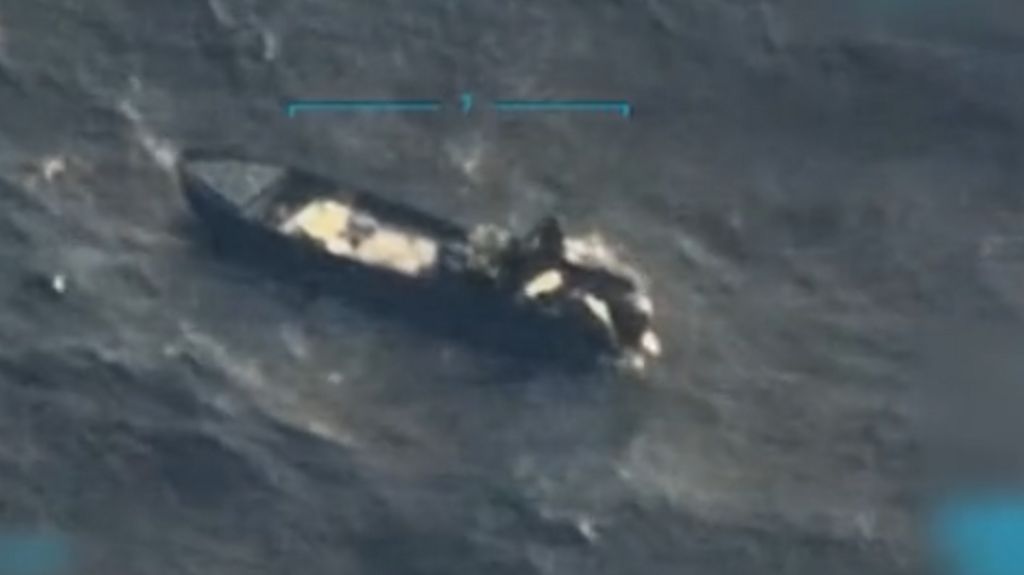
US destroys alleged Venezuelan drug boat, killing three
In a dramatic escalation of tensions between the United States and Venezuela, President Donald Trump announced on Monday that the US military had destroyed an alleged Venezuelan drug vessel in international waters. Trump, speaking via Truth Social, claimed the operation targeted ‘violent drug trafficking cartels’ and resulted in the deaths of three individuals. However, no concrete evidence was provided to substantiate the claim that the boat was carrying narcotics.
The incident follows a series of confrontations between the two nations, including the deployment of US warships to the southern Caribbean for counter-narcotics operations. A previous strike on September 2, which killed 11 people aboard another vessel, has been criticized by legal experts as potentially violating international human rights and maritime law.
Trump defended the actions, stating that the US had ‘recorded proof’ of the boats belonging to narco-terrorist groups. ‘All you have to do is look at the cargo—it was spattered all over the ocean—big bags of cocaine and fentanyl all over the place,’ he said during a press briefing from the Oval Office. He also claimed that maritime drug trafficking to the US had decreased due to recent efforts but acknowledged that narcotics continue to enter the country by land.
Venezuelan President Nicolás Maduro condemned the US actions, accusing Washington of ‘aggression’ and labeling America’s top diplomat Marco Rubio as the ‘lord of death and war.’ Maduro asserted that Venezuela would ‘fully exercise its legitimate right to defend itself’ and called on citizens to enlist in the militia. He also claimed that relations with the US had ‘been destroyed by their bomb threats.’
The Venezuelan Foreign Ministry further alleged that the US was seeking to escalate conflict in the Caribbean to justify regime change in Caracas. This accusation came after Venezuelan Foreign Minister Yván Gil reported that US forces had ‘illegally and hostilely’ seized a Venezuelan fishing boat for eight hours.
The US, along with other nations including the UK, has not recognized Maduro’s re-election in July 2024, citing evidence of electoral fraud. US officials have also accused Maduro of leading a drug cartel and have offered a $50 million reward for information leading to his capture. Maduro has denied these allegations, calling them an ‘imperialist move’ to depose him.
As tensions continue to rise, the international community watches closely, with concerns over the potential for further military escalation and its implications for regional stability.
-
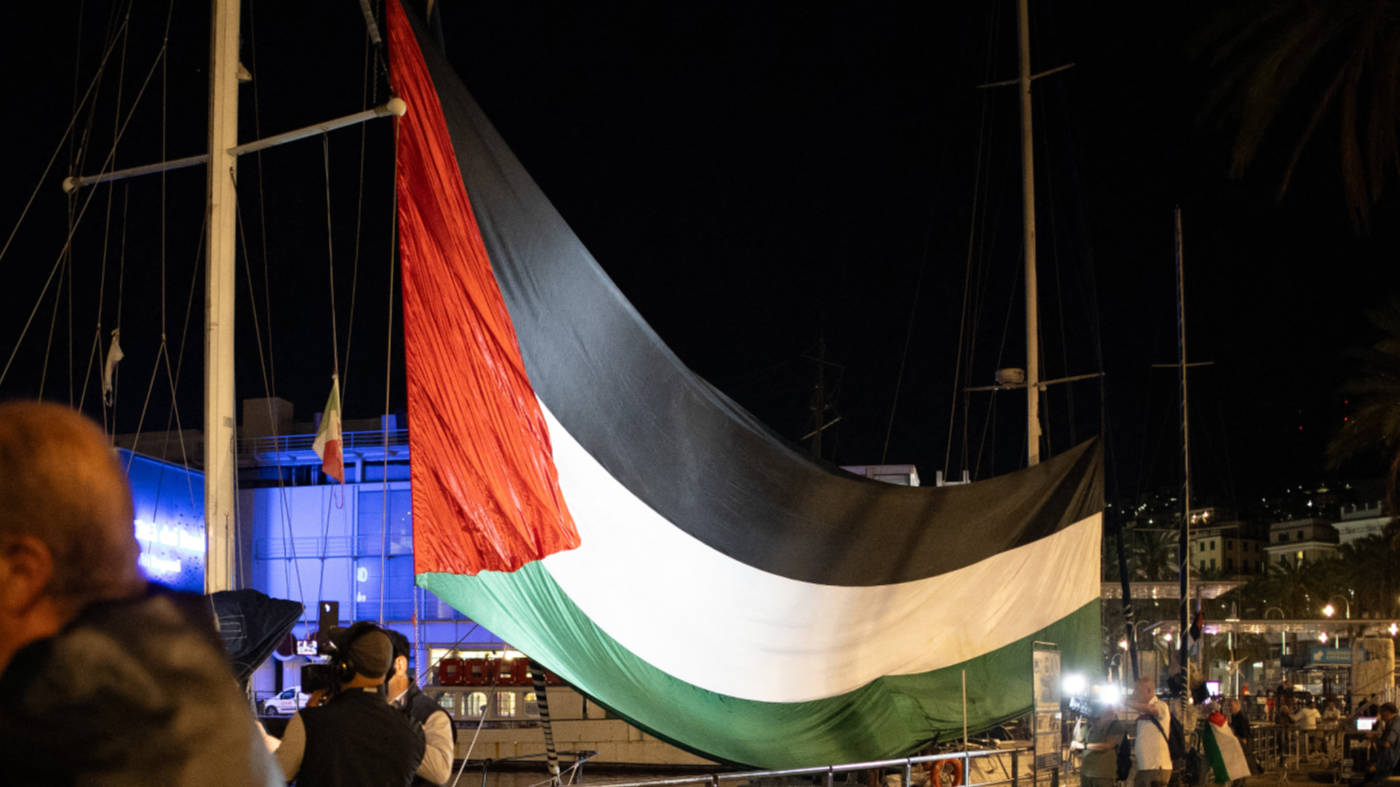
The Gaza flotilla: What you need to know about ‘sumud’
The Global Sumud Flotilla has captured international attention as it embarks on a mission to deliver humanitarian aid to Gaza, defying Israel’s longstanding naval blockade. Comprising over 300 activists from 44 countries, including prominent Swedish climate activist Greta Thunberg, this civilian-led initiative represents the largest maritime aid convoy to Gaza since Israel’s invasion in October 2023. However, the flotilla faced adversity even before reaching its destination, enduring drone-launched projectile attacks while anchored in Tunisia on September 8 and 9. The Tunisian government condemned these strikes as ‘premeditated,’ underscoring the risks faced by such missions. Israel has a history of intercepting Gaza-bound flotillas, most notably in 2010 when Israeli forces stormed the Mavi Marmara, resulting in the deaths of 10 Turkish activists. Earlier this year, two other aid vessels, the Madleen and the Handala, were similarly raided by Israeli forces in international waters. The flotilla’s name, ‘Sumud,’ derives from the Arabic word meaning ‘perseverance,’ ‘steadfastness,’ or ‘resilience.’ In the Palestinian context, Sumud embodies everyday acts of resistance against Israel’s occupation and policies of ethnic cleansing. For some, Sumud manifests in rebuilding homes destroyed by Israeli bombings in Gaza; for others, it means enduring the daily challenges of Israeli checkpoints in the West Bank. For the Palestinian diaspora, Sumud is reflected in their adherence to the Boycott, Divestment, and Sanctions (BDS) movement. The concept of Sumud traces its modern roots to the aftermath of the 1967 Arab-Israeli war, when Israel captured the West Bank, Gaza Strip, and other territories, displacing hundreds of thousands of Arab residents. Since then, Sumud has become a symbol of Palestinian resilience, often represented by the olive tree, a historic and cultural staple of Palestinian life. Despite decades of attacks on olive groves by Israeli forces and settlers, replanting these trees remains a powerful act of Sumud. Palestinian lawyer and writer Raja Shehadeh has described Sumud as the ‘Third Way’ of resistance—neither violent nor passive—but a steadfast commitment to remaining on Palestinian land. The Global Sumud Flotilla, inspired by this ethos, aims to highlight the ongoing plight of Palestinians and their unwavering resilience in the face of oppression.