作者: admin

  • ‘A path forward’: UAE minister Reem Al Hashimy hails ‘momentous’ Board of Peace meeting

    ‘A path forward’: UAE minister Reem Al Hashimy hails ‘momentous’ Board of Peace meeting

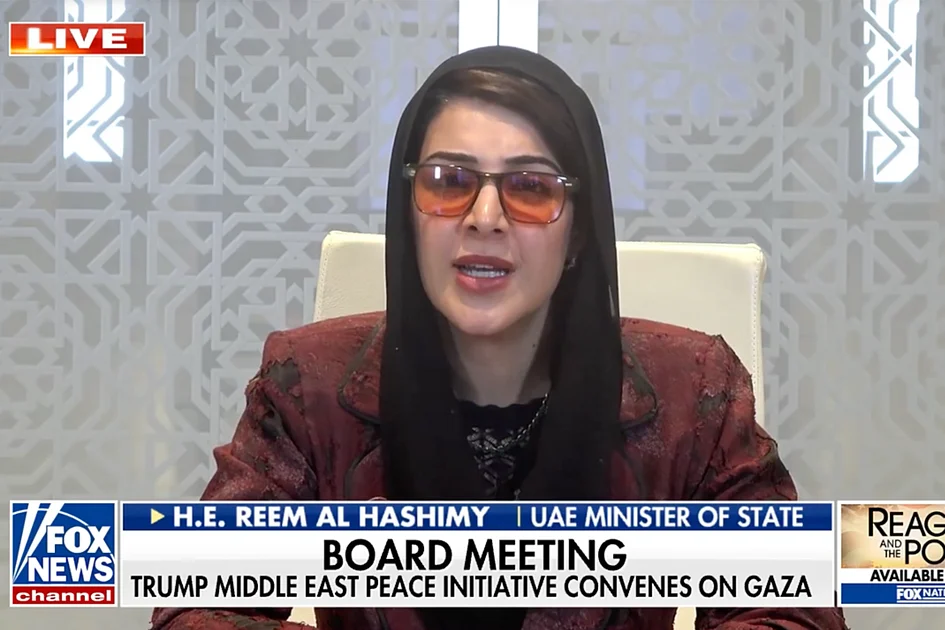
    In a landmark development for international diplomacy, UAE Minister of State for International Cooperation Reem Al Hashimy has characterized the recently convened Board of Peace meeting as a “historic” event offering a transformative approach to resolving entrenched global conflicts. Speaking exclusively with Fox News, Minister Al Hashimy articulated the board’s foundational purpose as a novel mechanism designed to address protracted crises through practical, solution-oriented dialogue rather than traditional diplomatic deadlock.

    The minister emphasized the distinctly pragmatic tone of the discussions, noting a collective shift from problem-identification to actionable solution-building. “There was a real sense of practicality and pragmatism,” she stated, describing the experience as “quite exciting to be part of something historical.” This initiative emerges against the backdrop of ongoing regional tensions, including the Hamas-Israel conflict, with Al Hashimy acknowledging measurable progress through increased humanitarian aid delivery, hostage returns, and improved ground conditions in Gaza.

    Clarifying the board’s relationship with existing international institutions, Minister Al Hashimy explicitly stated that the Board of Peace does not seek to replace the United Nations but rather functions as a complementary platform for collaboration. She described it as “a framework and a mechanism that brings different players to the table” to address issues that have proven “traditionally locked up and unable to solve through” conventional channels.

    The UAE’s substantial role in regional humanitarian efforts was highlighted, with the minister revealing that approximately half of all humanitarian aid entering Gaza originates from the Emirates. This commitment forms part of a broader strategy to build multinational coalitions around “pragmatic and practical plans” for conflict resolution.

    Addressing wider geopolitical concerns, including tensions between the US and Iran, Al Hashimy rejected what she termed a “defeatist attitude,” advocating instead for persistent diplomatic engagement. “We should keep trying to push forward new ways to solve these problems,” she asserted, expressing hope for continued dialogue to prevent regional escalation.

    Minister Al Hashimy concluded by underscoring the meeting’s global significance, noting participation from numerous nations eager to join this innovative mechanism. “What happened today was truly momentous,” she declared, characterizing the initiative as “an attempt for a path forward” in international conflict resolution.

  • Trump hits out at ‘deeply disappointing’ Supreme Court decision

    Trump hits out at ‘deeply disappointing’ Supreme Court decision

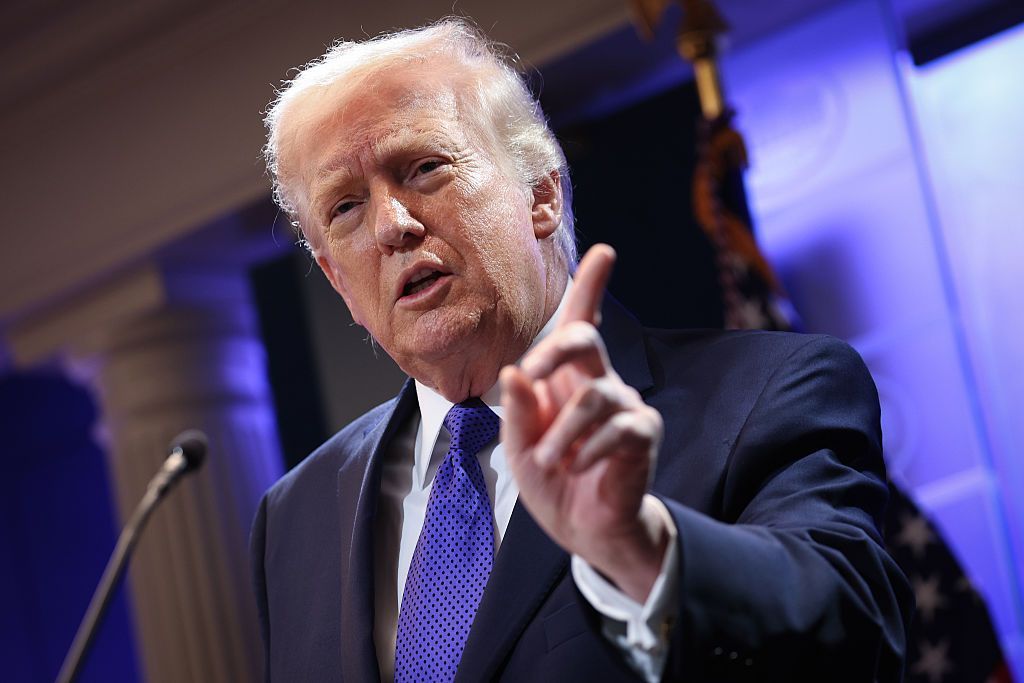
    In a sharp rebuke of the nation’s highest judicial body, President Trump has publicly condemned a recent Supreme Court decision, labeling it as ‘profoundly disappointing.’ The ruling, which represents a significant judicial check on presidential authority, has ignited a fresh wave of political contention. In direct response, the President unveiled a new economic offensive framed as a protective measure for national interests. He declared an intention to pursue alternative legal avenues to advance his policy agenda, specifically vowing to intensify charges under different statutory frameworks. Central to his retaliatory strategy is the imposition of a sweeping 10% global levy, characterized by the administration as a necessary tool to safeguard American economic and security interests against international challenges. This move signals a potential escalation in both domestic political conflicts and global trade tensions, underscoring a persistent clash between the executive and judicial branches.

  • Welcome to Australia’s hottest beach event – nowhere near the sea

    Welcome to Australia’s hottest beach event – nowhere near the sea

    In the unlikeliest of locations—400 kilometers from the nearest coastline—the Australian town of Cootamundra transforms its asphalt streets into a vibrant beachfront spectacle each year. What began as a whimsical pub conversation has evolved into Coota Beach, a three-day volleyball extravaganza that defies geographical logic.

    The brainchild of local resident Simon Sutherland, the tournament emerged from his desire to replicate Bali’s festive atmosphere in rural New South Wales. Twenty-five years since its inception, the event has ballooned from a modest single-court competition into a major regional festival featuring nearly 200 teams across ten professionally constructed sand courts.

    This year’s tournament required approximately 900 tonnes of imported sand—equivalent to six blue whales—to create the temporary coastal environment. The transformation begins a week in advance, with council workers meticulously shaping the urban landscape into beach volleyball courts that participants claim rival those of actual coastal venues.

    The event has become a significant economic driver for Cootamundra, generating an estimated $2 million in revenue and swelling the town’s population of 7,000 by nearly 3,000 visitors during tournament weekend. Local accommodations consistently report complete occupancy, with hospitality businesses experiencing substantial benefits.

    Beyond economics, Coota Beach has fostered remarkable community integration. Recent Samoan immigrant Sia Lesa described the tournament as a vital social bridge, noting how it provides connection beyond her regular work at the local abattoir. The event has also become a multigenerational tradition, with 86-year-old Pat Roberts celebrating it as ‘bigger than Christmas’ for family gatherings.

    The tournament maintains a distinctive character through creative team costumes—from yellow-faced minions to tasseled cowboy outfits—and playful team names like ‘Holy Blockamole.’ Matches follow hybrid volleyball rules with 20-minute games, creating an accessible competitive environment complemented by live music and festive atmosphere.

    Founder Sutherland now envisions expanding the event to rival Parkes’ Elvis Festival in scale, hoping to attract more urban visitors to experience country Australia’s unique community spirit.

  • Tony Blair claims crisis in Gaza due to ‘extremism’ and ‘corruption’

    Tony Blair claims crisis in Gaza due to ‘extremism’ and ‘corruption’

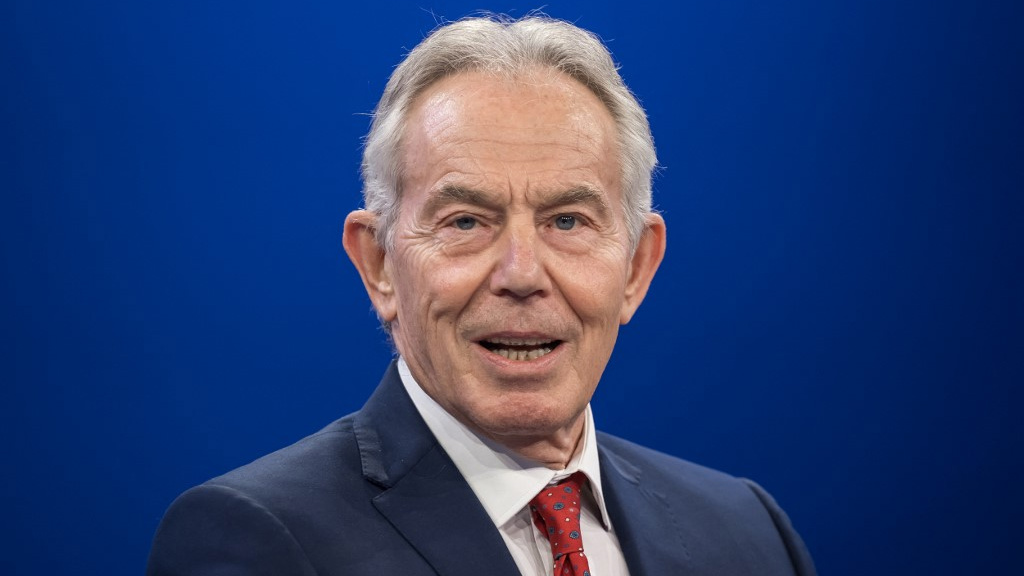
    Former British Prime Minister Tony Blair attributed the protracted crisis in Gaza to “extremism” and “corruption” during his keynote address at the inaugural session of Donald Trump’s “Board of Peace” in Washington DC on Thursday. Blair asserted that decades of dysfunctional governance, characterized by ineffective institutions and absent economic opportunities, have stifled the region’s potential.

    Despite acknowledging Gaza’s strategic advantages—including its Mediterranean coastline, proximity to major markets, and youthful demographic—Blair’s commentary notably omitted any reference to Israel’s military occupation or its role in the ongoing conflict. Instead, he championed President Trump’s 20-point reconstruction plan as the singular viable solution for Gaza’s future.

    The event revealed significant diplomatic fissures. While Blair participated in a personal capacity, the United Kingdom has formally declined membership in the initiative. This distance was reinforced by Keir Starmer’s Labour government, with Blair’s former chief of staff, Jonathan Powell, privately clarifying that the ex-PM does not represent British state interests. Powell reportedly lobbied against Blair’s involvement, according to anonymous sources familiar with the matter.

    Blair’s analysis faced immediate criticism from regional experts. Chris Doyle of the Council for the Arab-British Understanding (CAABU) labeled Blair a “serial failure in Palestine,” accusing him of possessing a colonial mindset and aligning with power structures rather than pursuing equitable solutions.

    The historical context underscores the complexity: Israel’s 2005 withdrawal was followed by a stringent blockade after Hamas’s 2007 electoral victory, leading to four major military operations that resulted in extensive Palestinian casualties. Current estimates, including a Lancet study, indicate that violent deaths alone may exceed 75,000, with total fatalities representing over 3.4% of Gaza’s pre-war population.

    Financially, nine nations—Kazakhstan, Azerbaijan, UAE, Morocco, Bahrain, Qatar, Saudi Arabia, Uzbekistan, and Kuwait—pledged $7 billion toward humanitarian efforts. However, the Board’s charter makes no explicit mention of Gaza or Palestinians, and the US has abandoned its longstanding advocacy for a two-state solution, marking a significant policy shift under the Trump administration.

  • Former Somaliland president demands agreement with Israel be made public

    Former Somaliland president demands agreement with Israel be made public

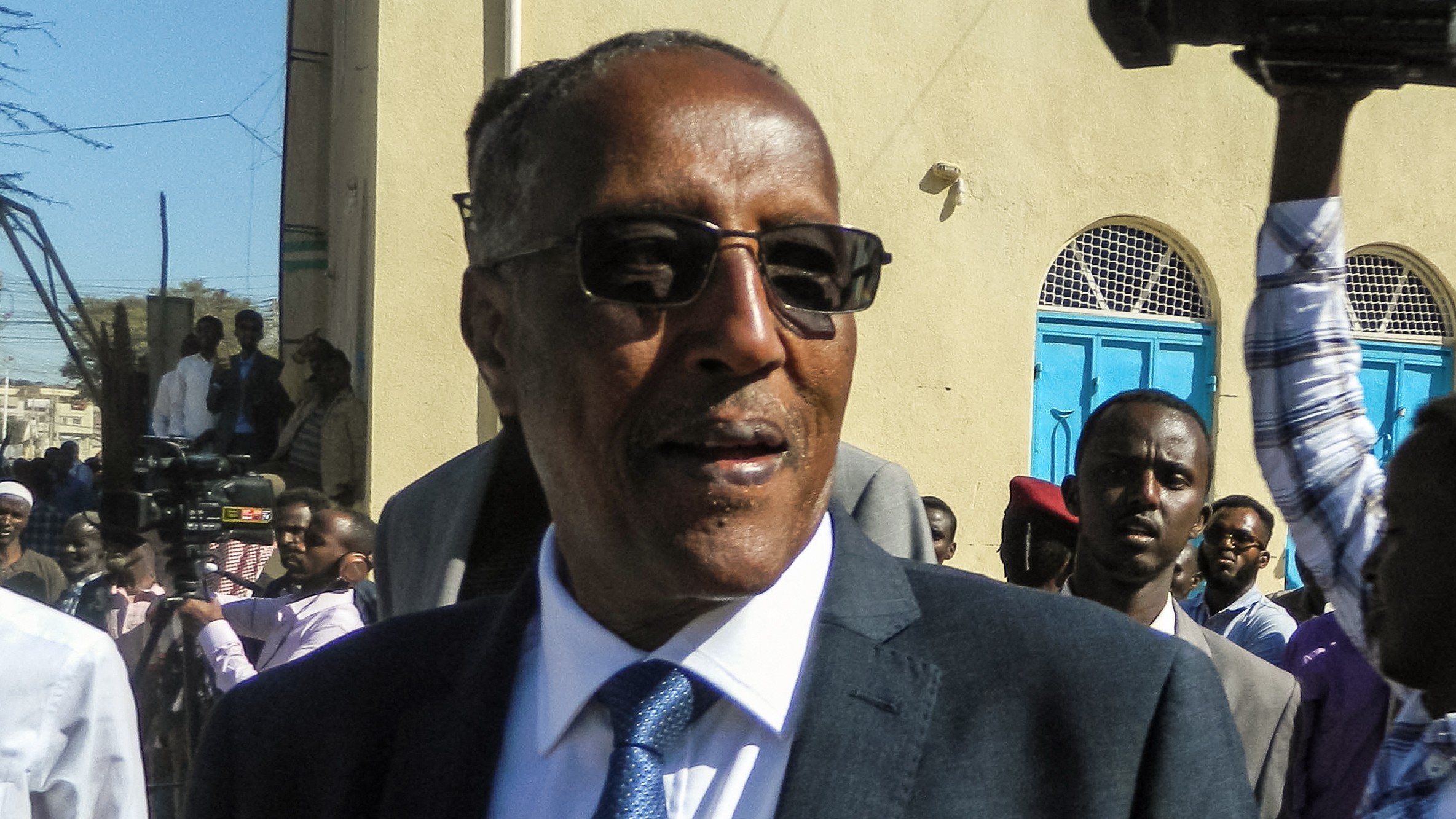
    In a significant political development, former Somaliland President Muse Bihi Abdi has called for full governmental transparency regarding the recently announced diplomatic agreement with Israel. Through a comprehensive video address, the influential political figure emphasized that Somaliland’s constitutional framework explicitly prohibits any actions contradicting Islamic principles or causing harm to Muslim communities worldwide.

    Abdi, who maintains considerable political influence through clan networks despite his electoral defeat, stated that authorities must publicly disclose all terms negotiated with Israel. He warned that should the agreement violate constitutional provisions, fail to serve mutual interests equally, or adversely affect Muslim populations, he would openly challenge the arrangement.

    This diplomatic recognition, announced on December 26th, represents a historic shift as Israel became the first United Nations member state to acknowledge Somaliland’s independence from Somalia. The move has triggered widespread condemnation across African and Muslim-majority nations, with Somalia’s President Hassan Sheikh Mohamud alleging the deal includes provisions for relocating Palestinians from Gaza and establishing an Israeli military installation.

    While Somaliland officials have denied plans to accept forcibly displaced Palestinians or host foreign military bases, regional analysts suggest Israel would not extend recognition without securing strategic advantages. The potential establishment of a Red Sea military facility to counter Iranian influence remains a subject of intense speculation.

    The recognition has sparked domestic religious debates in Hargeisa, with prominent Muslim scholars questioning the morality of engaging with Israel amid the Gaza conflict. Regionally, armed groups including al-Shabab and Yemen’s Houthi movement have vowed resistance against any Israeli presence.

    International opposition has emerged at the highest levels, with Turkish President Recep Tayyip Erdogan warning during his Ethiopia visit that such moves could destabilize the volatile Horn of Africa region. The African Union has formally condemned Israel’s unilateral recognition and called for its retraction.

  • Will ex-president Duterte’s absence at ICC trial affect proceedings?

    Will ex-president Duterte’s absence at ICC trial affect proceedings?

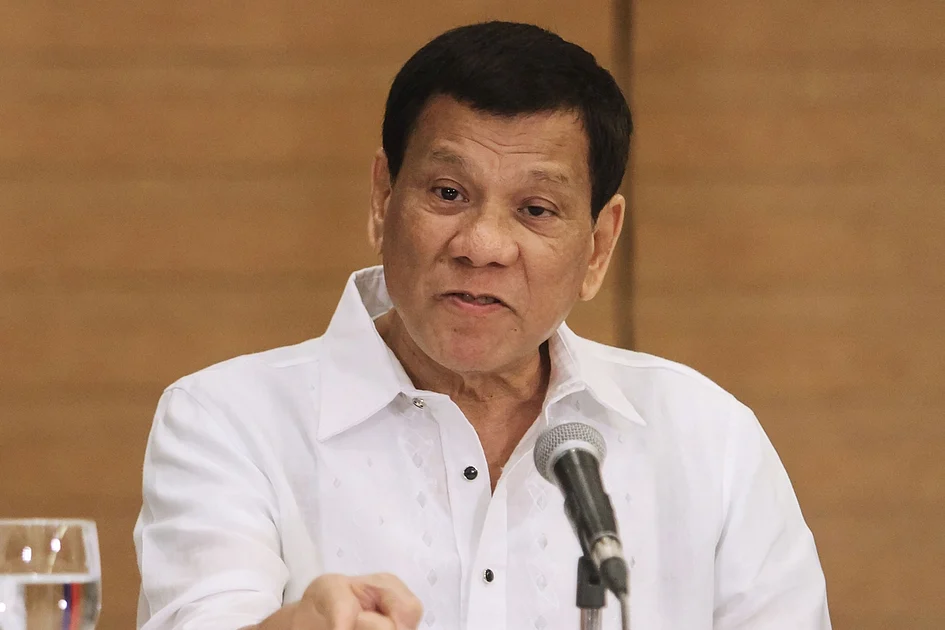
    THE HAGUE – The International Criminal Court has authorized former Philippine President Rodrigo Duterte to waive his physical presence during this week’s critical confirmation of charges hearing, proceeding with the case despite objections from prosecution and victim representatives.

    Pre-Trial Chamber I determined that Duterte, facing allegations of murder and attempted murder as crimes against humanity, has voluntarily relinquished his right to attend the four-day proceedings commencing February 23. The Chamber emphasized that his absence would not impede judicial processes, noting that defense counsel had thoroughly explained the consequences of this decision.

    This marks the latest development in Duterte’s pattern of non-appearance before the ICC. Since initially confirming his identity at the March 2025 hearing, the former leader has consistently avoided subsequent sessions, including those addressing petitions for temporary release.

    His legal team, led by attorney Nicholas Kaufman, has repeatedly cited deteriorating health conditions as justification for absence, claims the Chamber has previously rejected. Human rights advocates now question the validity of these health assertions.

    Ephraim Cortez, president of the National Union of Peoples’ Lawyers representing victims’ families, challenged the health narrative directly: ‘Duterte is fit as a fiddle. His non-appearance is strategic – preventing public observation of his actual physical condition.’

    Legal analysts suggest the absence reflects broader defense strategies rather than genuine health concerns. Cortez noted that confirmation hearings would proceed based on evidence rather than defendant presence, with the right to remain silent remaining available should Duterte eventually testify.

    Philippine opposition lawmakers from the Makabayan bloc have characterized Duterte’s avoidance as ‘cowardice’ and ‘a shameless display of arrogance,’ referencing the thousands of victims affected by the controversial anti-drug campaign between 2011-2019.

    The case represents one of the ICC’s most significant examinations of state-sponsored violence in recent years, with proceedings continuing despite the defendant’s absence.

  • Dozens of protesters sentenced to death in Iran, says rights group

    Dozens of protesters sentenced to death in Iran, says rights group

    Iran’s judicial system faces mounting international criticism following reports of imminent executions for dozens of individuals detained during recent anti-government demonstrations. According to the Norway-based Iran Human Rights organization (IHRNGO), at least 26 protesters face pending execution orders, with hundreds more—including minors—charged with capital offenses.

    The protests, which erupted in December, represented widespread public discontent with government corruption, economic instability, and state repression. While official Iranian sources report 3,117 fatalities, independent monitoring by Hrana news agency suggests the actual death toll may exceed 6,500.

    IHRNGO Director Mahmood Amiry-Moghaddam characterized the judicial proceedings as fundamentally flawed, stating that convictions rely predominantly on confessions extracted through torture within judicial processes that lack basic fairness standards. The organization reports that authorities are actively pressuring defendants to prevent public disclosure of their cases.

    Despite official denials regarding protest-related executions, hanging sentences continue to be implemented nationwide. Recent reports indicate at least nine executions occurred on Tuesday across multiple cities, with 26 additional hangings documented over the weekend—though authorities attribute these to drug and murder charges.

    Legal advocates confirm systematic denial of representation rights to the accused, while Amnesty International has previously documented Iran’s strategic use of capital punishment to suppress dissent through institutionalized fear.

  • Venezuela’s new amnesty law gets a chilly response from the opposition and detainees’ families

    Venezuela’s new amnesty law gets a chilly response from the opposition and detainees’ families

    CARACAS, Venezuela — Venezuela’s recently enacted amnesty legislation has generated divided responses from opposition figures, human rights organizations, and families of detainees, revealing deep fractures in the nation’s political landscape. The measure, signed into law by Acting President Delcy Rodríguez on Thursday, represents a notable policy shift following last month’s U.S. military operation in Caracas that resulted in the capture of former President Nicolás Maduro.

    While some view the legislation as a modest yet meaningful advancement for thousands targeted during the ruling party’s 27-year administration, others condemn it as an insult to victims of political persecution—particularly excluded military personnel. Rodríguez characterized the law during the signing ceremony as evidence of leadership ‘reducing intolerance and creating fresh pathways for political engagement in Venezuela.’

    Judicial oversight requirements mandating trial courts to approve each amnesty application within 15 days have raised substantial skepticism regarding implementation. Alfredo Romero, president of the Venezuela-based prisoners’ rights organization Foro Penal, noted that ‘the law assists a considerable number of individuals, but the fundamental issue of political persecution in Venezuela persists.’ Romero emphasized that the same judiciary responsible for unjust accusations will now interpret the amnesty provisions.

    The legislation provides comprehensive amnesty for offenses committed during specified periods since 1999, including politically motivated violence surrounding the 2024 presidential election and 2025 legislative contests. According to Foro Penal’s data, 2,742 individuals detained in connection with these elections qualify for amnesty, with 321 remaining incarcerated and 2,186 released under ongoing judicial supervision.

    Notable exclusions apply to those convicted of human rights violations, war crimes, murder, drug trafficking, or corruption. The measure also denies relief to individuals supporting ‘armed or forceful actions against Venezuela by foreign states, corporations, or individuals’—potentially excluding opposition members who endorsed former U.S. President Donald Trump’s Venezuela policies, including Nobel Peace Prize recipient María Corina Machado.

    The law enables exiled individuals to seek amnesty through legal representation without returning to Venezuela, offering protection from arrest during court appearances. However, Machado’s 2024 campaign manager Magalli Meda, currently in exile, denounced the legislation on social media as an attempt to ‘whitewash their image’ and create ‘a country of slaves and accomplices.’

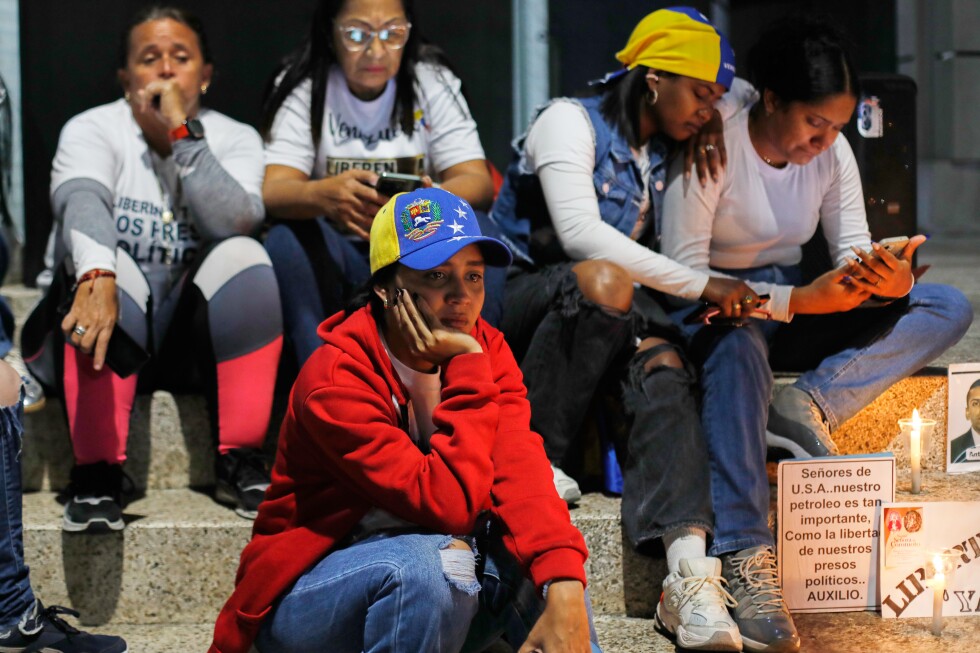
    Family members of detainees continue advocating for comprehensive prisoner releases, with some appealing directly to Venezuelan officials’ humanity and others seeking intervention from U.S. diplomatic representatives. The amnesty legislation emerges as a contentious component of Venezuela’s complex political reconciliation process, facing both cautious optimism and profound skepticism from affected communities.

  • Eid Al Fitr 2026: Why UAE families are choosing GCC trips over long international travel

    Eid Al Fitr 2026: Why UAE families are choosing GCC trips over long international travel

    As Eid Al Fitr 2026 approaches in mid-March, UAE families are demonstrating a distinct shift in holiday preferences, favoring regional destinations over long-haul international travel. This emerging trend sees residents capitalizing on the region’s pleasant spring weather to explore neighboring GCC countries through road trips and combined religious-leisure journeys.

    Travel industry professionals observe a substantial increase in bookings for destinations including Oman, Musandam, and various Saudi Arabian locations. Subair Thekepurathvalappil, Senior Manager at Wisefox Tourism, notes: ‘We’re witnessing a significant preference for regional travel during this Eid break. Families are opting for road trips to Oman and Musandam precisely because of the favorable climatic conditions.’

    The pattern extends beyond mere convenience, reflecting a deeper transformation in travel philosophy. UAE residents are increasingly prioritizing quality family time in natural settings over crowded urban attractions. Multi-family groups comprising four to five households are organizing collective excursions featuring outdoor activities and social games that cater to both adults and children.

    Mohammed AbuNael, an Ajman resident, exemplifies this trend: ‘We’re planning a road trip to Muscat to visit relatives. March provides ideal conditions for outdoor exploration without the intense heat, allowing us to enjoy destinations like Muttrah Corniche and Wadi Shab comfortably.’

    Simultaneously, many families are combining spiritual journeys with tourism. Abu Dhabi resident Mohammed Imran represents this blended approach: ‘We’ll perform Umrah during Ramadan’s final ten days, then extend our stay to explore Madina, Abha, and Jeddah during Eid. The timing allows us to experience both religious fulfillment and leisure in optimal weather.’

    Travel experts identify strategic planning as another factor driving this trend. Abdul Salam Khaneri, organizing a group trip to Musandam, explains: ‘We’re reserving our international travel budget and annual leave for extended summer vacations. Regional trips offer meaningful breaks without compromising our larger travel plans.’

    The industry response has been adaptive, with agencies noting increased demand for nature-based experiences and private accommodations. Pavan Poojary from Luxury Travels confirms: ‘Saudi destinations, particularly AlUla and Madina, are experiencing remarkable interest from families blending religious observance with tourism activities.’

    This regional travel surge demonstrates how UAE residents are redefining holiday priorities—emphasizing accessibility, weather-appropriate destinations, and meaningful family experiences over traditional long-distance international travel.

  • MIT student Neil Warty launches Atlantis Aqua, an AI and blockchain-powered platform for global aquaculture

    MIT student Neil Warty launches Atlantis Aqua, an AI and blockchain-powered platform for global aquaculture

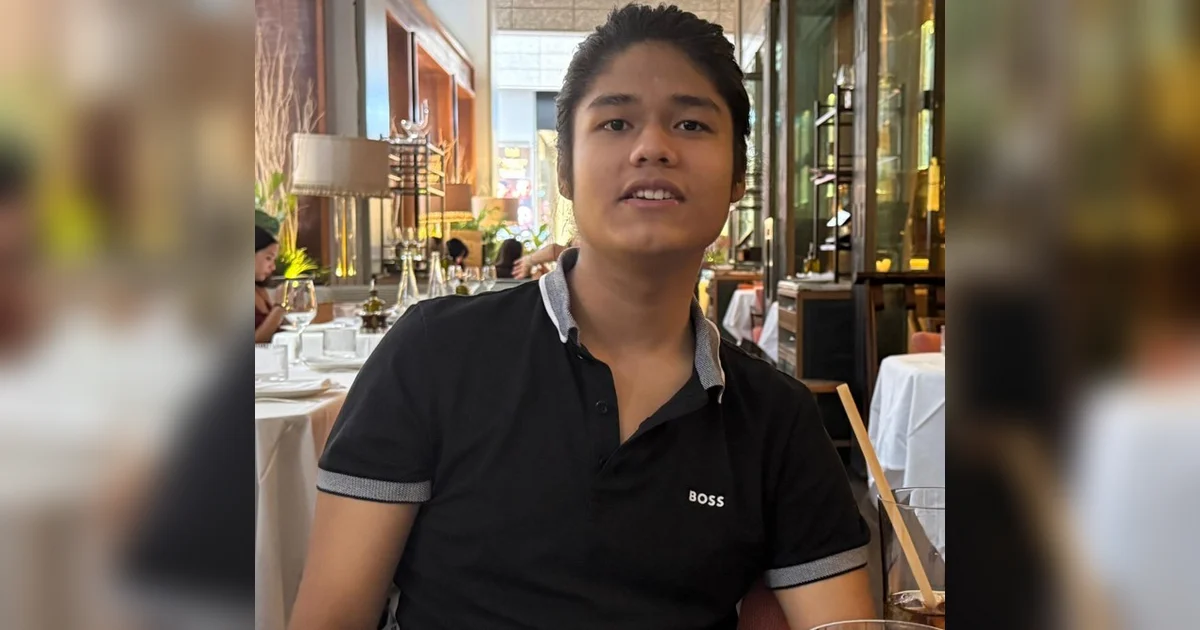
    A groundbreaking technological advancement has emerged in the global aquaculture sector with the launch of Atlantis Aqua’s AquaOS platform. Developed by 15-year-old MIT engineering student Neil Warty, this innovative system integrates artificial intelligence and blockchain technology to address persistent challenges in fish farming operations worldwide.

    The comprehensive platform provides real-time monitoring capabilities that track critical parameters including dissolved oxygen levels, water quality metrics, equipment performance, and feeding schedules. Through sophisticated AI algorithms, AquaOS generates actionable insights and automated alerts, enabling operators to implement preventive measures before issues escalate into significant problems.

    At the core of the system is an intelligent prioritization engine that guides daily operations by identifying the most urgent interventions required across multiple ponds. The platform features a centralized dashboard that offers live operational monitoring, AI-driven analytics, and smart task recommendations. Its advanced risk-alert system detects potentially dangerous conditions such as equipment malfunctions, inefficient feeding patterns, and critical water parameter deviations.

    Beyond basic monitoring, AquaOS incorporates comprehensive management tools including disease protocols, personnel coordination systems, harvest planning modules, maintenance scheduling, and financial tracking components. The AI engine analyzes operational patterns to optimize fish growth rates, reduce resource waste, and prevent cascading issues that could affect entire farm operations.

    The technological prodigy behind this innovation, Neil Warty, began developing software at age seven and is currently completing his engineering degree at MIT while proficient in nine programming languages. His work represents the convergence of multiple emerging technologies including machine learning, AI-driven systems, and blockchain applications aimed at enhancing sustainability and efficiency in food production.

    This platform marks a significant step toward technology-driven solutions in aquaculture, potentially transforming one of the world’s most essential food production sectors through improved operational resilience and sustainable practices.