作者: admin

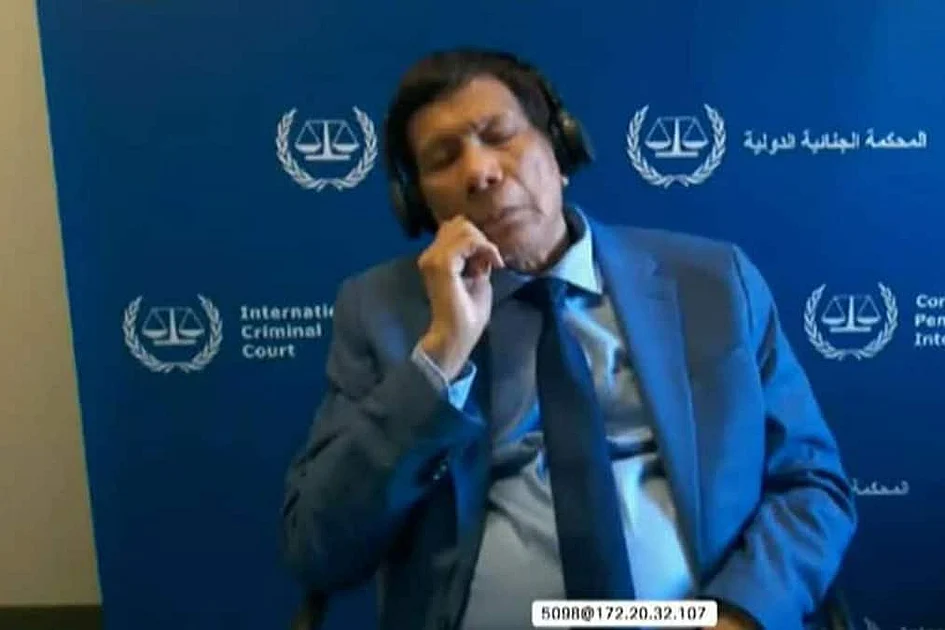
  • ICC approves ex Philippine President Duterte’s request to skip pre-trial hearing

    ICC approves ex Philippine President Duterte’s request to skip pre-trial hearing

    The International Criminal Court’s Pre-Trial Chamber I has authorized former Philippine President Rodrigo Duterte to absent himself from the upcoming confirmation of charges hearing scheduled for February 23-27, 2026. This judicial decision permits the proceedings to advance despite the defendant’s non-attendance, marking a significant development in the high-profile case concerning Duterte’s controversial war on drugs campaign.

    The prosecution team, led by Deputy Prosecutor Mame Mandiaye Niang, had formally contested Duterte’s petition in a comprehensive six-page submission dated February 19. The legal opposition argued that the former leader’s justification—centered on non-recognition of the court’s jurisdiction and claims of political persecution—failed to meet the necessary legal standards for excusal from physical appearance.

    Court documents reveal Duterte’s defense characterized the charges as “an outrageous lie” fabricated by political adversaries, while simultaneously asserting that his involvement with the ICC proceedings amounted to being “kidnapped” by the judicial process. These statements, according to prosecution analysis, demonstrate Duterte’s continued rejection of the court’s legitimacy and authority.

    The upcoming hearing represents a critical phase in determining whether sufficient evidence exists to proceed to full trial regarding allegations of crimes against humanity connected to Duterte’s anti-drug initiative, which reportedly resulted in thousands of fatalities during his presidential term from 2016 to 2022.
  • IMF rebukes China’s model with its own credibility in tatters

    IMF rebukes China’s model with its own credibility in tatters

    The International Monetary Fund confronts a deepening legitimacy crisis as its traditional neoliberal prescriptions face irrelevance in the Trump era and prove inadequate for addressing China’s unique economic challenges. This crisis emerges as the IMF urges Beijing to abandon its state-driven industrial model while navigating a global landscape transformed by geopolitical adventurism and economic nationalism.

    The Fund’s latest assessment identifies China’s export-heavy growth strategy as fundamentally distorting global trade patterns. IMF executives specifically highlight Beijing’s allocation of approximately 4% of GDP to corporate subsidies in critical sectors, creating worldwide economic imbalances. They emphasize that transitioning to consumption-led growth represents China’s ‘overarching priority,’ noting that the nation’s substantial current-account surplus generates ‘adverse spillovers to trading partners.’

    China’s economic dilemmas extend beyond trade imbalances. IMF Asia Pacific Deputy Director Thomas Helbling identifies the property sector crisis as the ‘elephant in the room,’ with unfinished properties severely undermining investor confidence. The institution advocates for comprehensive structural reforms including central government financing to address presold unfinished housing and strengthened social protection systems to reduce precautionary savings.

    BNP Paribas strategist Chi Lo observes China’s economy remains stuck in a liquidity trap, requiring fiscal policy to ‘do the heavy lifting’ in reviving public confidence. Despite recognizing the need for rebalancing since before Xi Jinping’s 2013 rise to power, progress toward demand-led domestic growth remains sluggish.

    The core challenge involves convincing 1.4 billion citizens to reduce savings and increase spending—a transformation requiring robust social safety nets that have thus far been underdeveloped. With approximately 70% of household wealth tied to real estate, property sector stabilization becomes crucial for maintaining 5% growth targets.

    IMF China economist Sonali Jain-Chandra notes China’s remarkable development has ‘relied too much on investment as opposed to consumption,’ identifying the service sector as an ‘underexploited driver of growth.’ However, credit expansion remains subdued, with November 2025 marking the first consecutive monthly household loan contraction since records began in 2005.

    The People’s Bank of China faces political constraints in addressing these challenges, including concerns that yuan depreciation could exacerbate trade tensions with Washington. Meanwhile, Trump administration policies—including tariffs and economic coercion—further complicate China’s transition while rendering traditional economic theories increasingly inadequate for contemporary global dynamics.

  • Nasa targets early March to send humans back around the Moon

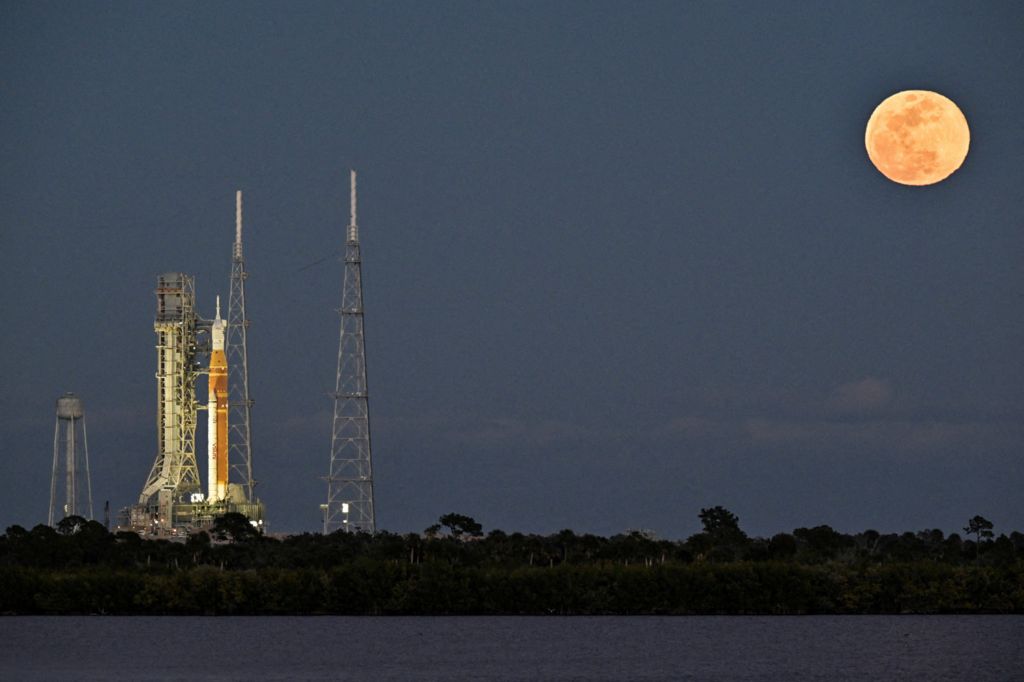
    Nasa targets early March to send humans back around the Moon

    NASA has officially scheduled early March for humanity’s most distant space voyage in over half a century, marking a pivotal moment in space exploration history. The Artemis II mission will launch four astronauts on a groundbreaking 10-day journey around the far side of the Moon and back to Earth, setting the stage for subsequent lunar landings.

    The space agency confirmed March 6 (March 7 UK time) as the earliest launch window following a successful ‘wet dress rehearsal’ at Florida’s Kennedy Space Center. This critical pre-launch test involved fully fueling the Space Launch System (SLS) rocket and executing complete countdown procedures. The achievement comes after an earlier February rehearsal was abbreviated due to a hydrogen fuel leak, with NASA officials confirming all technical issues involving seals and filters have been comprehensively resolved.

    ‘Every night I look up at the Moon and feel her calling us—and we’re ready,’ declared NASA’s Lori Glaze during a recent press briefing. ‘The excitement for Artemis II is genuinely building momentum as we approach launch readiness.’

    The international crew comprises NASA astronauts Reid Wiseman, Victor Glover, and Christina Koch alongside Canadian Space Agency astronaut Jeremy Hansen. These spacefarers will embark aboard the 98-meter-tall SLS rocket—NASA’s most powerful launch vehicle—which previously completed an uncrewed test flight in November 2022 during the Artemis I mission.

    During their expedition, the crew will reside within the Orion capsule’s minibus-sized interior, conducting scientific observations and capturing unprecedented imagery while orbiting 6,500-9,500 kilometers above the lunar far side. Following their lunar flyby, the astronauts will commence a four-day return journey culminating in a Pacific Ocean splashdown.

    This milestone mission directly enables Artemis III, which aims to land astronauts on the lunar surface by 2028. However, NASA faces significant challenges as SpaceX’s Starship lunar lander development experiences delays, prompting the agency to solicit alternative acceleration proposals from both SpaceX and Blue Origin. This urgency is compounded by growing international competition, particularly from China’s planned 2030 lunar landing mission, with both nations targeting the Moon’s strategically valuable south pole for future base establishments.

  • Australia hammer Oman in final World Cup game

    Australia hammer Oman in final World Cup game

    In their final match of the ICC Men’s T20 World Cup 2024, Australia secured a commanding nine-wicket triumph against Oman at Pallekele International Cricket Stadium. Despite having already been eliminated from tournament contention, the Australian team delivered a polished performance to conclude their campaign on a positive note.

    The match saw Australia’s bowling attack effectively contain Oman’s batting lineup, restricting them to a modest total. The Australian chase was then executed with clinical precision, reaching the target with significant overs to spare and only one wicket lost. This demonstration of skill served as a reminder of the team’s underlying capabilities despite their overall disappointing tournament outcome.

    This victory stands as a consolation for the five-time champions who entered the competition with higher expectations. The win provides valuable momentum as the team regroups and evaluates strategies for future international competitions. For Oman, the match represented another challenging encounter against top-tier cricketing opposition in their World Cup journey.

  • Australia leaves T20 World Cup after crushing Oman

    Australia leaves T20 World Cup after crushing Oman

    In a commanding display of cricketing prowess, Australia decisively defeated Oman by nine wickets during their final T20 World Cup group stage match in Pallekele on Friday. The match, rendered inconsequential after Australia’s unexpected elimination from tournament contention, saw the team achieve their winning target of 105 runs in a mere 9.4 overs.

    The Australian bowling attack, led by Adam Zampa’s remarkable comeback performance of 4-21, efficiently dismantled Oman’s batting lineup, restricting them to 104 runs in 16.2 overs. This represented a significant turnaround for Zampa, who had previously failed to take wickets against both Zimbabwe and Sri Lanka.

    Captain Mitchell Marsh delivered an explosive batting demonstration, achieving a half-century off just 26 balls during the power play segment. His unbeaten 64 runs from 33 deliveries, featuring seven boundaries and four sixes, propelled Australia to a comprehensive victory. Travis Head provided substantial support with 32 runs from 19 balls before being dismissed with only 12 runs required for victory.

    The match began decisively for Australia when Xavier Bartlett (2-27) struck on the very first delivery, dismantling Aamir Kaleem’s leg stump. Oman’s captain Jatinder Singh, who had provocatively declared pre-match that it was “the best time to crush” Australia, managed only 17 runs before being cleanly bowled by Bartlett.

    Despite the crushing defeat, Oman’s Wasim Ali contributed a respectable 32 runs from 33 deliveries, helping his team surpass the 100-run threshold. Glenn Maxwell supplemented Australia’s bowling dominance with figures of 2-13 during the middle overs.

    Australia concludes their tournament in third position within Group B, while Oman finished their campaign without a victory in four matches. The tournament now advances to the Super Eight stage, commencing Saturday with Pakistan facing New Zealand in Colombo.

  • Meet Dubai businessman who helped free 20,000 prisoners, plans more releases in Ramadan

    Meet Dubai businessman who helped free 20,000 prisoners, plans more releases in Ramadan

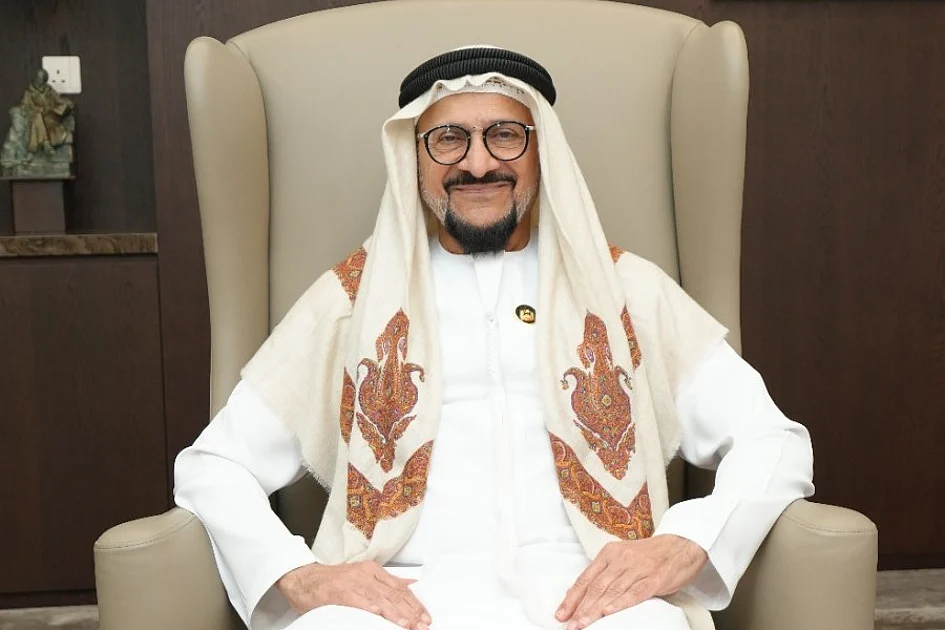
    Dubai-based Indian philanthropist Firoz Merchant has transformed thousands of lives through his extensive humanitarian initiatives, primarily focused on releasing debt-ridden prisoners across the UAE. Since launching his mission in 2008, Merchant has secured the freedom of over 20,000 inmates who were detained primarily due to financial constraints rather than criminal behavior.

    The humanitarian effort operates year-round but gains significant momentum during Ramadan, a period Merchant describes as particularly blessed for charitable work. During the current holy month, his foundation has already facilitated the release of 497 prisoners, with additional cases being processed. The program operates in coordination with UAE authorities and in partnership with the Khalifa Bin Zayed Al Nahyan Foundation, ensuring structured and effective implementation.

    Merchant’s approach addresses what he identifies as victims of circumstance—individuals who encountered financial difficulties and could not repay debts rather than hardened criminals. Beyond clearing financial obligations, his initiative frequently covers repatriation costs, providing complete rehabilitation for those released.

    Expanding his philanthropic vision, Merchant is now directing significant resources toward supporting cancer patients struggling with astronomical treatment costs. Having previously contributed Dh1 million for dialysis treatments through the Dubai Charity Association, he now plans to allocate between Dh500,000 to Dh700,000 specifically for cancer care in 2026, potentially increasing to Dh1 million if necessary.

    ‘Treatment is prohibitively expensive,’ Merchant noted during an interview at his Jumeirah Lakes Towers office. ‘Many patients are elderly or children, and families often exhaust their savings before assistance can be arranged. I stand where the need is greatest, and currently that includes cancer patients who cannot afford treatment.’

    Complementing these efforts, Merchant is undertaking an ambitious project to construct mosques across all seven emirates. The initiative includes a new facility in Dubai’s Al Furjan district—already permitted and awaiting construction—and projects in Fujairah’s Mohammed Bin Zayed City and Umm Al Quwain, where an older mosque from the 1970s will be replaced with a larger structure accommodating 1,000-1,200 worshippers.

    The founder of Pure Gold Jewellers, which operates over 150 stores across 12 countries, attributes his philanthropic drive to gratitude toward the UAE. Merchant is documenting his journey from modest beginnings in Mumbai to international business success and humanitarian work in an upcoming book. His philosophy remains straightforward: ‘If someone returns home to their family because a debt was cleared, that is enough. If someone can continue treatment because we stepped in, that is enough. The rest is in Allah’s hands.’

  • Sheroes 2026 set to celebrate International Women’s Day with art, dialogue and purpose

    Sheroes 2026 set to celebrate International Women’s Day with art, dialogue and purpose

    Dubai prepares to host the fourth annual Sheroes festival from March 5-8, 2026, at Khaleej Times headquarters, celebrating International Women’s Day through an immersive program of artistic expression and leadership discourse. Organized by Funun Arts Group in partnership with Khaleej Times, the event embraces the global theme ‘Give to Gain’ by emphasizing knowledge sharing, creative collaboration, and mutual support as drivers of inclusive societal advancement.

    The four-day program will showcase a meticulously curated art exhibition, live artistic demonstrations, thought-provoking panel discussions, and wellness sessions. This convergence of creative professionals, entrepreneurs, and intellectual leaders transforms Sheroes beyond a conventional event into a thriving cultural movement that honors female leadership while fostering cross-community cooperation.

    Shiba Khan, Founder and Director of Funun Arts Group, articulated the philosophy behind the initiative: ‘Sheroes originates from the conviction that sharing knowledge, creativity, and encouragement generates an ecosystem where collective growth flourishes. The Give to Gain concept represents more than a theme—it embodies a mindset that enables individuals to elevate together.’

    This collaboration between the UAE’s creative and media sectors demonstrates the powerful synergy possible when cultural organizations join forces with media platforms. Funun Arts Group, established by Shiba Khan and Farah Khan, has risen as a significant cultural force in the region, advocating for art as a vehicle for leadership development and social transformation.

    The 2026 edition enjoys support from several prominent sponsors including 19AGH, Ahmed Al Maghribi, and The Green Revolution, further solidifying its position as a landmark event in the UAE’s cultural calendar.

  • Tariffs ruling is major blow to Trump’s second-term agenda

    Tariffs ruling is major blow to Trump’s second-term agenda

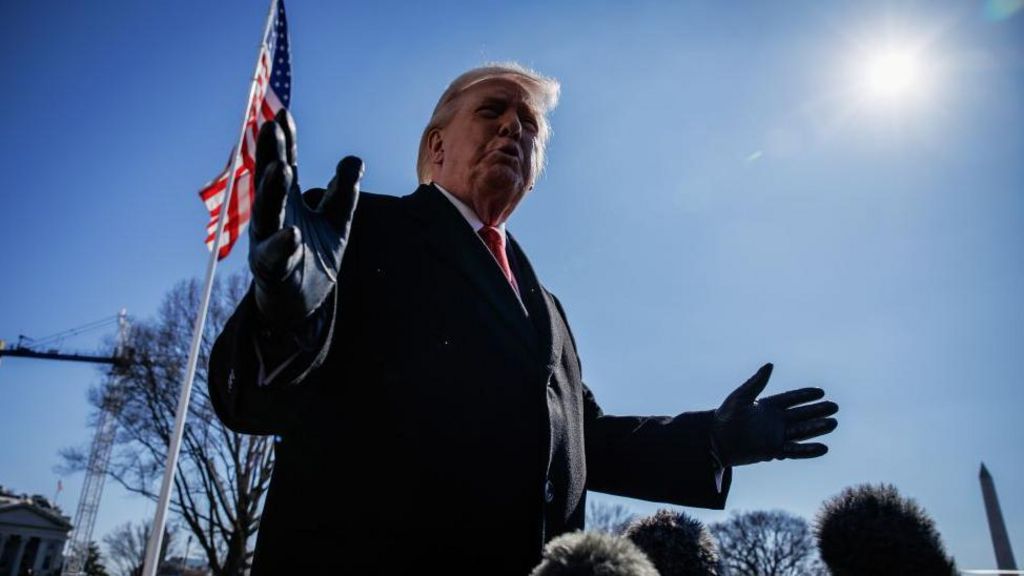
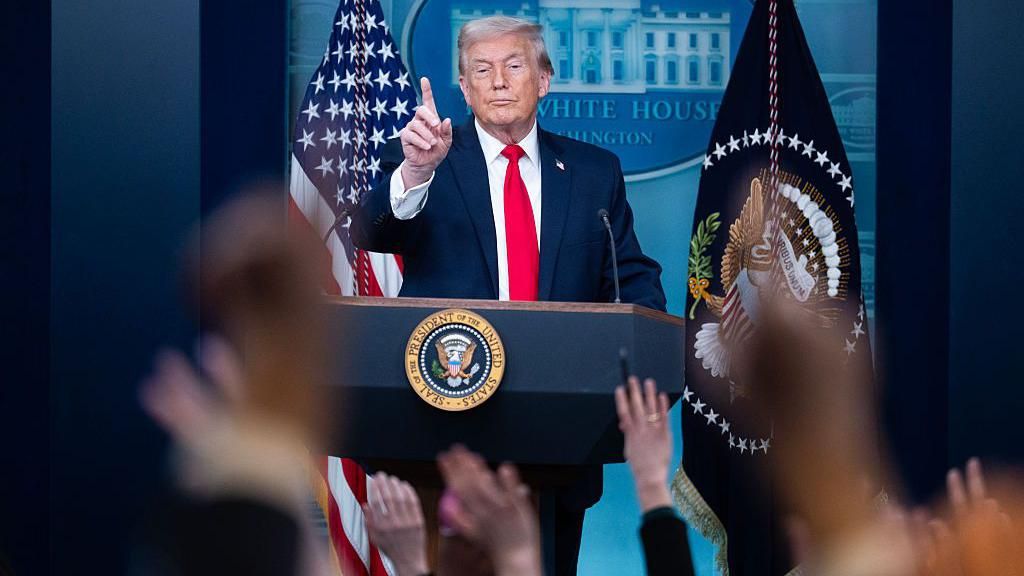
    In a landmark ruling with profound implications for presidential power, the U.S. Supreme Court has delivered a significant setback to the Trump administration’s trade agenda. By a decisive six-justice majority, the court ruled on Friday that the president lacks constitutional authority to unilaterally impose tariffs without explicit congressional authorization.

    The court determined that the 1977 Emergency Economic Powers Act—the legal foundation for Trump’s controversial tariffs—contains no provision granting the president such sweeping powers. This decision represents a rare judicial check on this administration’s expansive interpretation of executive authority, particularly notable given the court’s general tendency to permit Trump’s policy initiatives to proceed during legal challenges.

    Legal analysts suggest the ruling may have immediate practical consequences, potentially forcing the administration to refund billions in tariff revenues collected over the past year. Justice Brett Kavanaugh, in his dissenting opinion, characterized the prospective repayment process as likely to become a ‘mess’ of litigation.

    The decision fundamentally alters America’s trade negotiation dynamics, stripping the president of his ability to threaten or implement massive tariffs through mere executive action. Future tariff measures will now require detailed agency reports, face limitations on scope and duration, and undergo extended implementation timelines—a stark contrast to the sudden ‘Liberation Day’ tariffs that caused significant economic disruption last year.

    While the Trump administration had anticipated this possible outcome, with Trade Adviser Jamieson Greer previously stating the White House had ‘multiple options’ regardless of the ruling, the alternatives remain constrained. The administration could seek explicit congressional authorization, though such efforts appear unlikely to succeed given narrow Republican majorities and approaching midterm elections.

    Paradoxically, the decision may relieve political pressure on many congressional Republicans who have faced criticism from constituents over tariff-related consumer price increases. The ruling sets the stage for an unusually tense atmosphere during the upcoming State of the Union address, where the president may literally face the justices who undermined a cornerstone of his second-term agenda.

  • A rare ‘no’ for Trump, but not necessarily an end to tariffs

    A rare ‘no’ for Trump, but not necessarily an end to tariffs

    In an unprecedented legal setback for the executive branch, the U.S. Supreme Court has ruled that President Donald Trump overstepped his authority by invoking emergency powers to implement reciprocal, country-specific tariffs. This decision effectively dismantles a cornerstone of Trump’s aggressive trade strategy, which had previously upended global economic norms through unilateral actions.

    The controversial tariffs, first announced during last April’s ‘Liberation Day’ ceremony in the Rose Garden and later expanded through threats against European nations regarding Greenland, had established an average tariff rate of approximately 15% on imports. While the Court’s ruling theoretically reduces this rate by more than half, the practical impact remains complex. A baseline tariff of about 6% persists—triple the pre-2025 levels—implemented through various other legal mechanisms.

    Despite the judicial check, importers may experience minimal immediate relief. The administration’s use of the 1977 International Emergency Economic Powers Act (IEEPA) had already prompted significant supply chain adaptations, with many businesses shifting sourcing away from heavily tariffed nations like China. This agility, combined with importers absorbing additional costs, has paradoxically muted the inflationary impact on U.S. consumers while generating substantial government revenue—tariff collections reached $240 billion last year.

    The White House has signaled its intention to pursue alternative legal avenues to maintain its trade policy objectives, though these pathways are notably more complex and time-consuming. This creates a dual landscape of opportunity and risk: importers may rush goods through during the interim period, while smaller businesses with less flexible supply chains face renewed uncertainty.

    Globally, the decision has catalyzed a reassessment of trade relationships. While China has sustained export strength through IT hardware demand fueled by the AI boom, other Asian manufacturers like Thailand and Vietnam have gained market share. Simultaneously, Beijing has intensified outreach to African emerging markets and traditional U.S. allies like Canada.

    The enduring legacy of Trump’s trade approach may be the accelerated diversification of global supply chains and trading partnerships. Despite the turbulence, international trade volumes likely exceeded global economic growth in 2025, demonstrating how nations have adapted to volatility. However, this fresh uncertainty may further strain relationships with traditional partners like the EU and UK, potentially driving them closer together in response to perceived U.S. unpredictability.

    Financial markets now face additional layers of complexity regarding existing agreements—such as those with Japan involving investment guarantees in exchange for tariff relief—and the broader implications of a presidency that has weaponized economic uncertainty as a diplomatic tool. While the Supreme Court has removed one potent policy lever, the world continues navigating the transformed trade landscape that Trump’s actions created.

  • UAE ‘ready to support’ Board of Peace for regional stability: Foreign minister

    UAE ‘ready to support’ Board of Peace for regional stability: Foreign minister

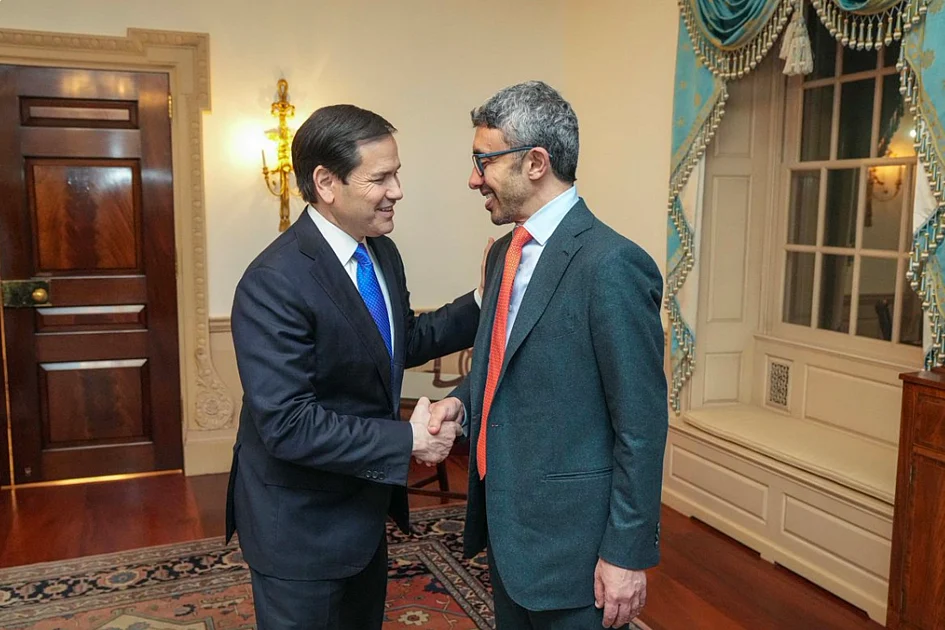
    In a significant diplomatic engagement, UAE Foreign Minister Sheikh Abdullah bin Zayed Al Nahyan and US Secretary of State Marco Rubio convened in Washington to strengthen bilateral relations and advance regional peace initiatives. The high-level discussions, held on February 20, 2026, focused on expanding cooperation across economic, trade, and technological sectors, with particular emphasis on artificial intelligence and advanced technology.

    The central agenda item involved the Board of Peace framework, with Sheikh Abdullah confirming the UAE’s commitment to support this international platform for achieving regional security and stability. Both diplomats emphasized the Board’s critical role in facilitating multilateral coordination and advancing peaceful solutions aligned with the aspirations of Middle Eastern populations for development and prosperity.

    Secretary Rubio subsequently highlighted on social media the substantive progress made regarding Phase Two implementation of former President Trump’s Gaza peace plan. The dialogue also addressed pressing humanitarian concerns in Gaza, with both parties stressing the urgent need for sustained civilian aid delivery and intensified international efforts to mitigate the ongoing crisis.

    Additionally, the officials examined the devastating civil conflict in Sudan, exploring mechanisms to reinforce regional and international initiatives for an immediate ceasefire and enhanced humanitarian relief operations. The UAE’s participation in these peace efforts demonstrates its strategic positioning as a key mediator in regional stability operations, working alongside international partners to foster security and prosperous futures for affected populations.