作者: admin

  • Keolis appoints Youenn Dupuis as CEO for Middle East & Eastern Asia

    Keolis appoints Youenn Dupuis as CEO for Middle East & Eastern Asia

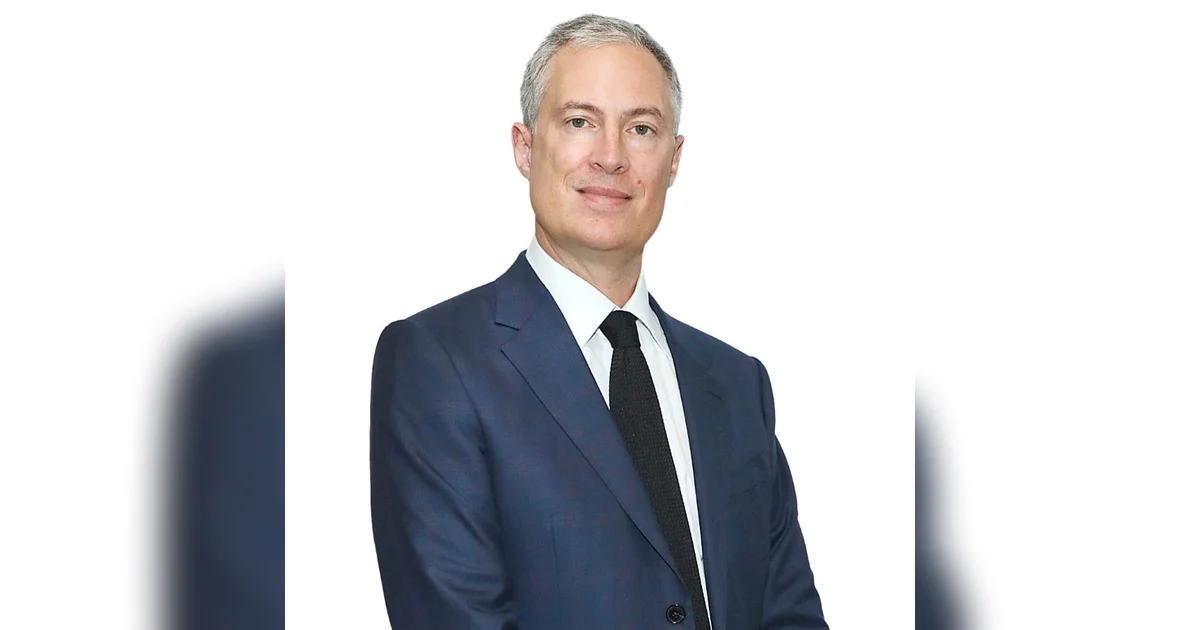
    Global public transport operator Keolis Group has appointed transportation industry veteran Youenn Dupuis as Chief Executive Officer for its Middle East and Eastern Asia operations. The strategic appointment, announced on February 20, 2026, positions Dupuis to spearhead the company’s expansion across some of the world’s most dynamic mobility markets.

    Dupuis brings to the role a distinguished track record in managing complex transportation networks, including his acclaimed leadership during the Paris Olympic Games where he delivered world-class service operations. His expertise will be crucial in advancing Keolis’ portfolio of automated metro systems, tramway networks, and passenger rail services throughout the region.

    Laurence Broseta, CEO International of Keolis Group, emphasized the strategic importance of these markets: “The Middle East and Eastern Asia represent the vanguard of global mobility transformation, driving innovation in smart, automated, and sustainable transportation solutions. Youenn’s proven ability to manage large-scale operations and his exceptional performance during high-stakes events like the Olympics make him uniquely qualified to advance our ambitions in these critical regions.”

    Dupuis will focus on strengthening existing operations in key markets including Dubai, Doha, and China while overseeing the launch of new rail partnerships in the United Arab Emirates. He emphasized his commitment to blending Keolis’ global expertise with local market knowledge to establish new international benchmarks for safety, reliability, and passenger experience.

    “I am honored to lead our operations in regions distinguished by their visionary infrastructure development and unwavering commitment to technological innovation,” Dupuis stated. “Our strategy involves building upon established successes while pioneering new standards of excellence in public transportation across these rapidly evolving markets.”


  • Lindsey Vonn has more surgery after Olympic crash. ‘I’m bionic for real now’

    Lindsey Vonn has more surgery after Olympic crash. ‘I’m bionic for real now’

    Olympic skiing champion Lindsey Vonn remains hospitalized following a complex six-hour surgical procedure to repair severe damage to her left leg, nearly two weeks after a catastrophic crash during training for the Milan Cortina Games. The 41-year-old athlete underwent the operation Friday, marking at least her fifth surgical intervention since the incident occurred on the slopes of Cortina d’Ampezzo.

    Vonn provided a detailed medical update through her Instagram account, revealing the extensive nature of the procedure. “It took a bit more than 6 hours to complete. As you can see, it required a lot of plates and screws to put back together,” the champion skier posted alongside radiographic images displaying significant internal hardware now stabilizing her fractured tibia.

    The skiing legend acknowledged ongoing recovery challenges, stating: “With the extent of the trauma, I’ve been struggling a bit post op and have not yet been able to be discharged from the hospital just yet. Almost there. Baby steps.” In a subsequent post on X, Vonn displayed characteristic resilience with the message: “I’m bionic for real now,” referencing the metal components now supporting her damaged limb.

    Vonn’s attempted comeback represented one of the most remarkable stories of the upcoming Winter Olympics. Competing at age 41 with a previously torn ACL in her left knee and a partial titanium replacement in her right knee, she aimed to add to her collection of Olympic medals. The crash occurred merely 13 seconds into her downhill run when she became entangled with a gate, triggering a violent, airborne descent down the mountain.

    The accident has sparked serious safety discussions within the international skiing community. Of particular concern was the failure of Vonn’s ski bindings to release during the catastrophic fall, a malfunction that potentially exacerbated her injuries and raised questions about equipment safety protocols for elite competitors.

    Vonn was initially treated at an Italian medical facility before being medically transported to the United States last weekend for continued specialized care. The extended hospitalization and multiple surgeries underscore the severity of the trauma sustained during the training incident.

  • Florida airport to be renamed after US President Donald Trump

    Florida airport to be renamed after US President Donald Trump

    Florida’s Republican-controlled legislature has passed legislation to rebrand Palm Beach International Airport as ‘President Donald J. Trump International Airport,’ marking a significant political tribute to the former president. The approved bill, which now awaits Governor Ron DeSantis’ expected signature, would immortalize Trump’s name on a major transportation hub located merely minutes from his Mar-a-Lago estate.

    The proposed renaming requires subsequent approval from the Federal Aviation Administration to become official. This initiative represents the latest in a series of institutional rebrandings honoring the former president, following recent decisions by the Kennedy Center and the U.S. Institute of Peace to incorporate Trump’s name into their official titles.

    According to legislative records, the move reflects Trump’s continued influence within Florida’s political landscape despite previous tensions with Governor DeSantis. The airport serves the affluent Palm Beach community, known for its luxurious properties and coastal amenities, creating a symbolic connection between Trump’s political legacy and an area central to his post-presidential life.

    Media reports indicate the administration has pursued additional renaming initiatives for other prominent facilities including New York’s Penn Station and Washington’s Dulles International Airport, though those efforts were unsuccessful. Concurrently, the Treasury Department has reportedly drafted designs for a commemorative Trump coin, potentially testing legal boundaries regarding living presidents’ images on currency.

    The political symbolism extended further this week with the appearance of a large banner featuring Trump’s image at the Justice Department headquarters, traditionally considered insulated from overt political displays.

  • UK agrees drone defence plan with four EU allies

    UK agrees drone defence plan with four EU allies

    In a significant move to strengthen European defense capabilities, Britain has entered a groundbreaking partnership with Germany, France, Italy, and Poland to develop advanced air defense weapons. The collaborative initiative, announced during a ministerial meeting in Krakow, Poland, will focus on creating cost-effective missile systems and autonomous drones inspired by Ukraine’s successful adaptation of affordable drone technology against Russian aggression.

    The UK Ministry of Defence confirmed the program will prioritize lightweight, affordable surface-to-air weaponry, with initial deliverables expected within the coming year. This development marks a notable improvement in UK-European defense relations following last year’s stalled negotiations regarding British participation in the EU’s €150 billion defense fund, which collapsed over disputes regarding multibillion-euro entry fees.

    Defence Minister Luke Pollard revealed that each participating nation has committed multimillion-pound and multimillion-euro investments to the scheme, though specific budget allocations remain undisclosed. The program draws direct inspiration from Ukraine’s remarkable establishment of a robust domestic drone manufacturing sector since Russia’s full-scale invasion four years ago.

    The strategic partnership, operating under the E5 framework, represents a concerted effort to transform the economics of modern warfare. Pollard emphasized the critical need to develop defensive systems that match the cost-effectiveness of current threats, stating: ‘To be effective at shooting down relatively low-cost missiles, drones and other threats facing us, we need to ensure we’re matching the cost of the threat with the cost of defence.’

    This initiative aligns with broader European efforts to enhance defense capabilities amid growing concerns about NATO reliability and increased pressure to bolster military spending following the Ukraine conflict. The E5 group, which has convened seven times since its formation after Donald Trump’s re-election in autumn 2024, has emerged as a pivotal organization for advancing European defense cooperation outside formal EU structures.

    The development program also reflects the UK’s strategic shift toward embracing more permissive regulations for autonomous weapons systems, potentially moving away from previous positions requiring ‘context-appropriate human involvement’ in military operations. The MoD has pledged enhanced collaboration with smaller technology firms and streamlined operational requirements to accelerate development timelines.

  • Israel bans thousands of Palestinian from Al-Aqsa for first Ramadan prayers

    Israel bans thousands of Palestinian from Al-Aqsa for first Ramadan prayers

    Israeli authorities implemented stringent access limitations at Al-Aqsa Mosque in occupied East Jerusalem during the inaugural Friday prayer of Ramadan, preventing thousands of Palestinian worshippers from entering despite their possession of previously authorized permits.

    Contrary to the typical Ramadan gatherings numbering in the hundreds of thousands, Israeli officials enforced a strict cap of 10,000 worshippers from the West Bank for weekly prayers throughout the holy month. The Israeli Coordinator of Government Activities (Cogat), which administers operations in Palestinian territories, specified that only individuals above 50 or below 12 years old would receive approval after military authorization.

    At the Qalandiya military checkpoint, approximately 2,000 Palestinians managed to cross according to Israeli reports, while thousands more faced rejection despite valid documentation. The Palestinian Authority’s Jerusalem Governorate reported severe overcrowding as Israeli authorities turned away worshippers after reaching the predetermined quota.

    Maarof al-Rifaai, media advisor to the Palestinian Governor of Jerusalem, detailed the extensive bureaucratic requirements imposed on worshippers, including magnetic cards, dual fingerprint scanning, and conditional permits. He characterized these measures as deliberate complications designed to reduce attendance. Israeli forces further escalated tensions by preventing ambulance crews from entering and detaining volunteer medical personnel.

    Personal accounts emerged from worshippers like Jihad Basharat from Tammun, who described obtaining permits early only to face last-minute cancellations at restricted access points. The situation developed alongside recent Israeli detention of Sheikh Mohammed al-Abbasi, Imam of Al-Aqsa, without explanation—an action condemned by Hamas as part of systematic violations against religious freedom.

    Sheikh Ikrima Sabri, the former grand mufti of Jerusalem currently barred from the mosque, accused Israel of deliberately disrupting Muslim observance of Ramadan. The escalating restrictions occur within the broader context of Al-Aqsa’s significance as one of Islam’s holiest sites and a symbol of Palestinian identity and resistance. Since Israel’s 1967 occupation of East Jerusalem, gradual erosion of Islamic administrative control has coincided with expanded Jewish presence, challenging longstanding international agreements governing the site’s religious status.

    The current tensions unfold against intensified Israeli military operations across the West Bank since October 2023, involving increased settler violence, demolitions, and displacement activities.

  • Diplomacy is still the only viable path to peace in Ukraine, UN refugee chief Barham Salih says

    Diplomacy is still the only viable path to peace in Ukraine, UN refugee chief Barham Salih says

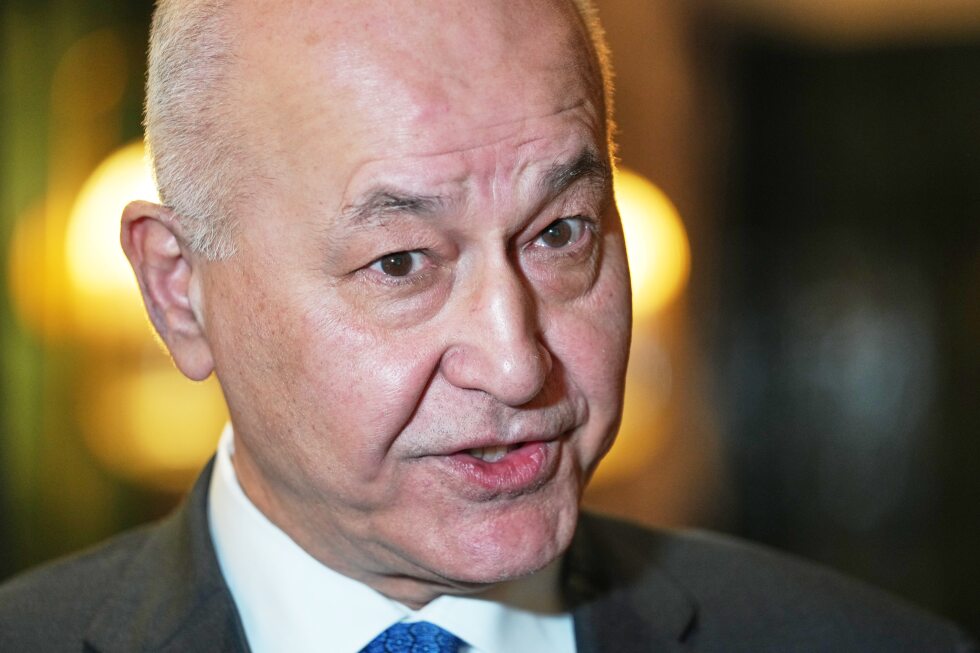
    KYIV, Ukraine — The newly appointed head of the United Nations refugee agency emphasized Friday that despite significant obstacles, diplomacy remains the sole viable path to ending the conflict in Ukraine. Barham Salih, former Iraqi president who assumed leadership of UNHCR in December, concluded his first official visit to Ukraine with sobering assessments of the humanitarian situation.

    During his tour of front-line cities including Kharkiv and Zaporizhzhia, Salih witnessed firsthand the devastating impact of Russia’s targeted attacks on energy infrastructure during harsh winter conditions. His meetings with President Volodymyr Zelenskyy focused on both immediate relief efforts and long-term peace prospects.

    ‘While I maintain hope, I fully recognize the considerable difficulties in achieving peace,’ Salih stated in an exclusive interview with The Associated Press. ‘Ultimately, there exists no military solution to this conflict. What Ukraine requires is a durable and just peace that enables citizens to reclaim their normal lives.’

    The UNHCR faces severe operational challenges, with only $150 million pledged toward its $470 million Ukraine appeal. This funding gap reflects broader reductions in humanitarian aid worldwide, complicating relief efforts across multiple simultaneous crises.

    Current statistics reveal 3.7 million internally displaced Ukrainians and nearly 6 million refugees abroad. The agency projects that 10.8 million Ukrainians will require humanitarian assistance in 2026, with the most critical needs concentrated along active front lines in eastern and southern regions.

    Salih’s Ukraine visit forms part of a broader global tour that has included Kenya, Chad, Turkey, and Jordan—regions grappling with their own refugee emergencies. The erosion of humanitarian infrastructure, particularly following drastic cuts to U.S. funding during the Trump administration, has severely constrained organizational capacity to deliver aid.

    Globally, 117 million people remain displaced, including at least 42 million refugees, with two-thirds experiencing protracted displacement and continued reliance on humanitarian support. Salih emphasized the difficult prioritization decisions required amid shrinking resources and expanding needs.

    In his discussions with Ukrainian leadership, Salih stressed the importance of transitioning toward recovery phases and sustainable solutions that promote self-reliance rather than perpetuating dependency on aid.

  • At halfpipe, neither US-born Olympic medal favorite competes for U.S. Eileen Gu takes the heat

    At halfpipe, neither US-born Olympic medal favorite competes for U.S. Eileen Gu takes the heat

    LIVIGNO, Italy — The women’s halfpipe skiing competition at the Winter Olympics features two American-born athletes representing different nations, yet only one has become the center of international political scrutiny. While Zoe Atkin competes for Britain with minimal controversy, Eileen Gu’s decision to represent China has ignited persistent debate and criticism.

    This phenomenon of athletes switching national allegiances is hardly unprecedented in international sports. However, when combined with Olympic prestige and extraordinary athletic success—Gu has been positioned to win her third medal of these Games—the situation transforms into a complex, politically-charged discourse.

    “Numerous athletes compete for different countries,” Gu stated after Thursday’s qualifying rounds. “The singular focus on my decision stems from perceptions of China as a monolithic entity that people dislike. Their criticism isn’t fundamentally about what they claim.”

    The 22-year-old Bay Area native responded to recent comments from U.S. Vice President J.D. Vance, who expressed on Fox News that he hoped someone who benefited from American upbringing would choose to compete under the U.S. flag.

    Gu recognizes she receives disproportionate vitriol not merely for representing her mother’s homeland but also for her remarkable success both on and off the slopes. Following the Olympics, she will resume her studies at Stanford and attend Milan fashion shows, maintaining her status as both elite athlete and global celebrity.

    The Olympic charter requires athletes to be nationals of the country they represent, with provisions for a “cooling-off” period for those switching allegiances—though neither Gu nor Atkin have changed teams during their Olympic careers.

    Action sports culture typically minimizes nationalistic concerns, with freeskiing and snowboarding communities prioritizing individuality over national representation. These athletes primarily compete in events like X Games and Dew Tours where national flags are scarcely visible.

    “We’re all traveling to the same places together,” noted American three-time medalist Nick Goepper. “There are approximately 25 athletes performing at elite levels worldwide, and camaraderie transcends national boundaries.”

    Recent reports about Chinese government funding for Gu and other athletes have added financial dimensions to the controversy. Gu consistently emphasizes her motivation as increasing visibility for winter sports among Chinese girls rather than financial considerations.

    Meanwhile, Atkin—a Massachusetts native with dual citizenship since birth—has competed for Britain throughout her career without similar scrutiny. The 23-year-old world champion values the British team’s smaller size, which allows more flexible training schedules.

    Somewhere between these experiences lies Gus Kenworthy, who famously switched from Team USA to Britain citing the intense competition within American teams. His transition faced criticism but highlighted the mathematical reality that world-class athletes might not make deeply talented national teams.

    As Gu reiterated Thursday, “people are entitled to their opinions”—a sentiment reflecting the complex intersection of sports, nationality, and global politics that defines modern Olympic competition.

  • ICC approves ex Philippine President Duterte’s request to skip pre-trial hearing

    ICC approves ex Philippine President Duterte’s request to skip pre-trial hearing

    The International Criminal Court’s Pre-Trial Chamber I has authorized former Philippine President Rodrigo Duterte to absent himself from the upcoming confirmation of charges hearing scheduled for February 23-27, 2026. This judicial decision permits the proceedings to advance despite the defendant’s non-attendance, marking a significant development in the high-profile case concerning Duterte’s controversial war on drugs campaign.

    The prosecution team, led by Deputy Prosecutor Mame Mandiaye Niang, had formally contested Duterte’s petition in a comprehensive six-page submission dated February 19. The legal opposition argued that the former leader’s justification—centered on non-recognition of the court’s jurisdiction and claims of political persecution—failed to meet the necessary legal standards for excusal from physical appearance.

    Court documents reveal Duterte’s defense characterized the charges as “an outrageous lie” fabricated by political adversaries, while simultaneously asserting that his involvement with the ICC proceedings amounted to being “kidnapped” by the judicial process. These statements, according to prosecution analysis, demonstrate Duterte’s continued rejection of the court’s legitimacy and authority.

    The upcoming hearing represents a critical phase in determining whether sufficient evidence exists to proceed to full trial regarding allegations of crimes against humanity connected to Duterte’s anti-drug initiative, which reportedly resulted in thousands of fatalities during his presidential term from 2016 to 2022.

  • IMF rebukes China’s model with its own credibility in tatters

    IMF rebukes China’s model with its own credibility in tatters

    The International Monetary Fund confronts a deepening legitimacy crisis as its traditional neoliberal prescriptions face irrelevance in the Trump era and prove inadequate for addressing China’s unique economic challenges. This crisis emerges as the IMF urges Beijing to abandon its state-driven industrial model while navigating a global landscape transformed by geopolitical adventurism and economic nationalism.

    The Fund’s latest assessment identifies China’s export-heavy growth strategy as fundamentally distorting global trade patterns. IMF executives specifically highlight Beijing’s allocation of approximately 4% of GDP to corporate subsidies in critical sectors, creating worldwide economic imbalances. They emphasize that transitioning to consumption-led growth represents China’s ‘overarching priority,’ noting that the nation’s substantial current-account surplus generates ‘adverse spillovers to trading partners.’

    China’s economic dilemmas extend beyond trade imbalances. IMF Asia Pacific Deputy Director Thomas Helbling identifies the property sector crisis as the ‘elephant in the room,’ with unfinished properties severely undermining investor confidence. The institution advocates for comprehensive structural reforms including central government financing to address presold unfinished housing and strengthened social protection systems to reduce precautionary savings.

    BNP Paribas strategist Chi Lo observes China’s economy remains stuck in a liquidity trap, requiring fiscal policy to ‘do the heavy lifting’ in reviving public confidence. Despite recognizing the need for rebalancing since before Xi Jinping’s 2013 rise to power, progress toward demand-led domestic growth remains sluggish.

    The core challenge involves convincing 1.4 billion citizens to reduce savings and increase spending—a transformation requiring robust social safety nets that have thus far been underdeveloped. With approximately 70% of household wealth tied to real estate, property sector stabilization becomes crucial for maintaining 5% growth targets.

    IMF China economist Sonali Jain-Chandra notes China’s remarkable development has ‘relied too much on investment as opposed to consumption,’ identifying the service sector as an ‘underexploited driver of growth.’ However, credit expansion remains subdued, with November 2025 marking the first consecutive monthly household loan contraction since records began in 2005.

    The People’s Bank of China faces political constraints in addressing these challenges, including concerns that yuan depreciation could exacerbate trade tensions with Washington. Meanwhile, Trump administration policies—including tariffs and economic coercion—further complicate China’s transition while rendering traditional economic theories increasingly inadequate for contemporary global dynamics.

  • Nasa targets early March to send humans back around the Moon

    Nasa targets early March to send humans back around the Moon

    NASA has officially scheduled early March for humanity’s most distant space voyage in over half a century, marking a pivotal moment in space exploration history. The Artemis II mission will launch four astronauts on a groundbreaking 10-day journey around the far side of the Moon and back to Earth, setting the stage for subsequent lunar landings.

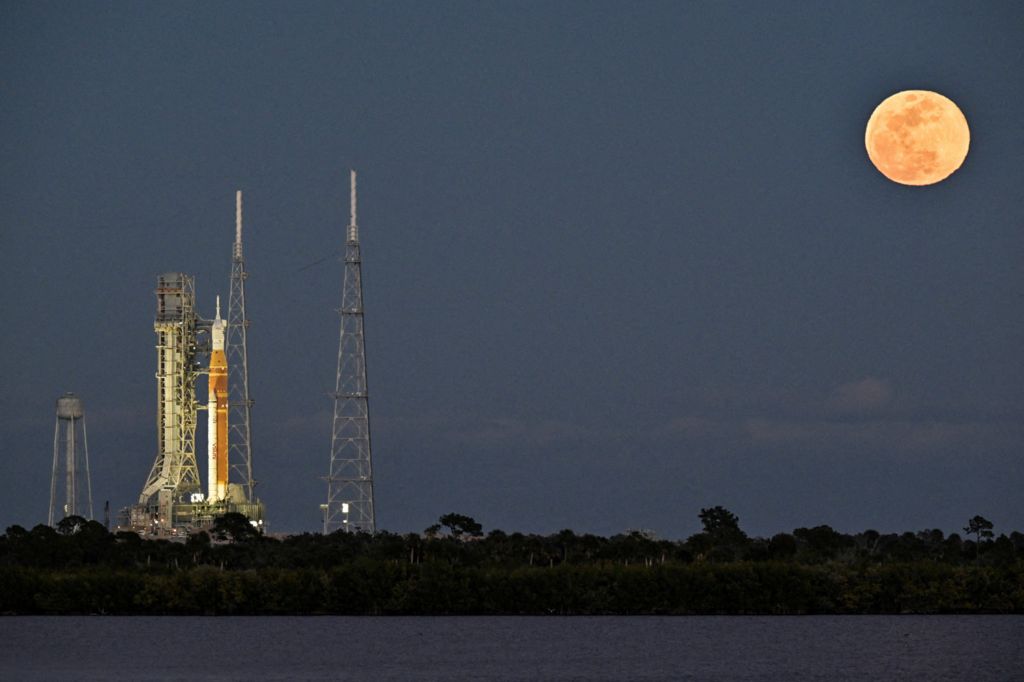
    The space agency confirmed March 6 (March 7 UK time) as the earliest launch window following a successful ‘wet dress rehearsal’ at Florida’s Kennedy Space Center. This critical pre-launch test involved fully fueling the Space Launch System (SLS) rocket and executing complete countdown procedures. The achievement comes after an earlier February rehearsal was abbreviated due to a hydrogen fuel leak, with NASA officials confirming all technical issues involving seals and filters have been comprehensively resolved.

    ‘Every night I look up at the Moon and feel her calling us—and we’re ready,’ declared NASA’s Lori Glaze during a recent press briefing. ‘The excitement for Artemis II is genuinely building momentum as we approach launch readiness.’

    The international crew comprises NASA astronauts Reid Wiseman, Victor Glover, and Christina Koch alongside Canadian Space Agency astronaut Jeremy Hansen. These spacefarers will embark aboard the 98-meter-tall SLS rocket—NASA’s most powerful launch vehicle—which previously completed an uncrewed test flight in November 2022 during the Artemis I mission.

    During their expedition, the crew will reside within the Orion capsule’s minibus-sized interior, conducting scientific observations and capturing unprecedented imagery while orbiting 6,500-9,500 kilometers above the lunar far side. Following their lunar flyby, the astronauts will commence a four-day return journey culminating in a Pacific Ocean splashdown.

    This milestone mission directly enables Artemis III, which aims to land astronauts on the lunar surface by 2028. However, NASA faces significant challenges as SpaceX’s Starship lunar lander development experiences delays, prompting the agency to solicit alternative acceleration proposals from both SpaceX and Blue Origin. This urgency is compounded by growing international competition, particularly from China’s planned 2030 lunar landing mission, with both nations targeting the Moon’s strategically valuable south pole for future base establishments.