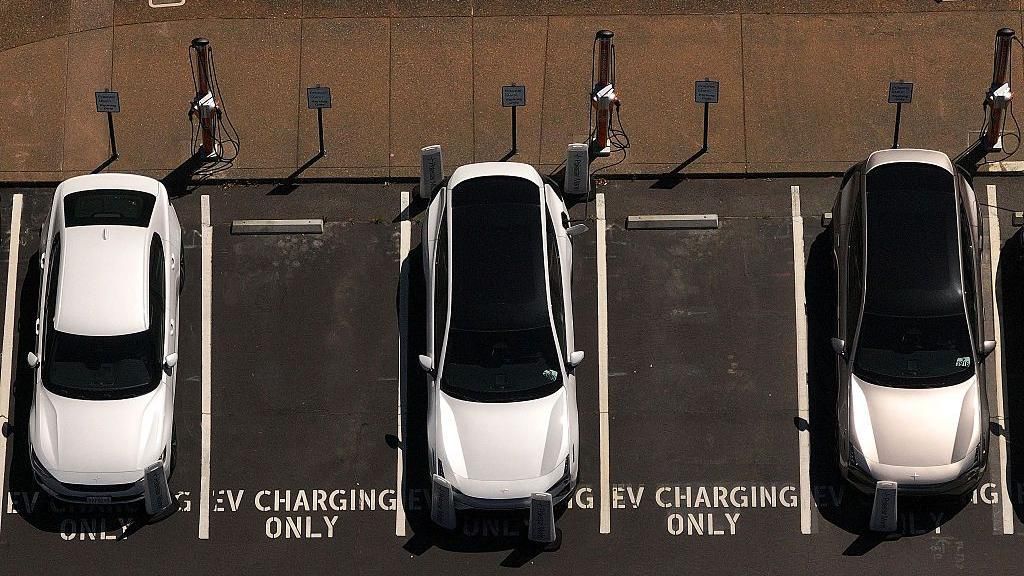
The US electric vehicle (EV) market has shown significant growth in recent years, with sales of battery-powered cars reaching 1.2 million in 2023—a fivefold increase from just four years prior. Hybrid vehicle sales have also tripled, and EVs accounted for 10% of total car sales in August, a record high according to S&P Global Mobility. Major automakers like General Motors, Ford, and Tesla reported record EV sales in the past quarter, providing a bright spot in an industry grappling with high interest rates and economic uncertainty. However, analysts attribute this surge to a rush to purchase before the expiration of a $7,500 federal tax credit for EVs, which ended in September. Without this incentive, automakers anticipate a sharp decline in demand. Ford CEO Jim Farley warned that the EV industry will shrink significantly, while General Motors CFO Paul Jacobson predicted a steep drop in demand. Despite recent gains, the US lags behind global leaders in EV adoption. For instance, EVs and hybrids accounted for nearly 30% of sales in the UK and 20% in Europe last year, while China saw EVs make up almost half of its car market. Norway and Nepal have even higher adoption rates. In contrast, the US has been hindered by weaker government support compared to other regions. Former President Joe Biden’s administration implemented measures to boost EV adoption, including stricter emissions rules, fleet purchases, and investments in charging infrastructure. However, former President Donald Trump has criticized these policies, calling climate change a ‘con job’ and advocating for market-driven decisions. High tariffs on Chinese-made cars, supported by both administrations, have also limited competition in the US market. Analysts warn that the combination of expiring subsidies and new tariffs will make 2026 a challenging year for the industry, with overall car sales expected to decline by 2%. While some automakers, like Hyundai, are lowering prices to offset the loss of incentives, others, such as Tesla, are increasing costs. Researchers caution that Trump’s policy changes could further reduce investments in EVs, leaving the US with significant ground to make up in the global EV race.
作者: admin
-
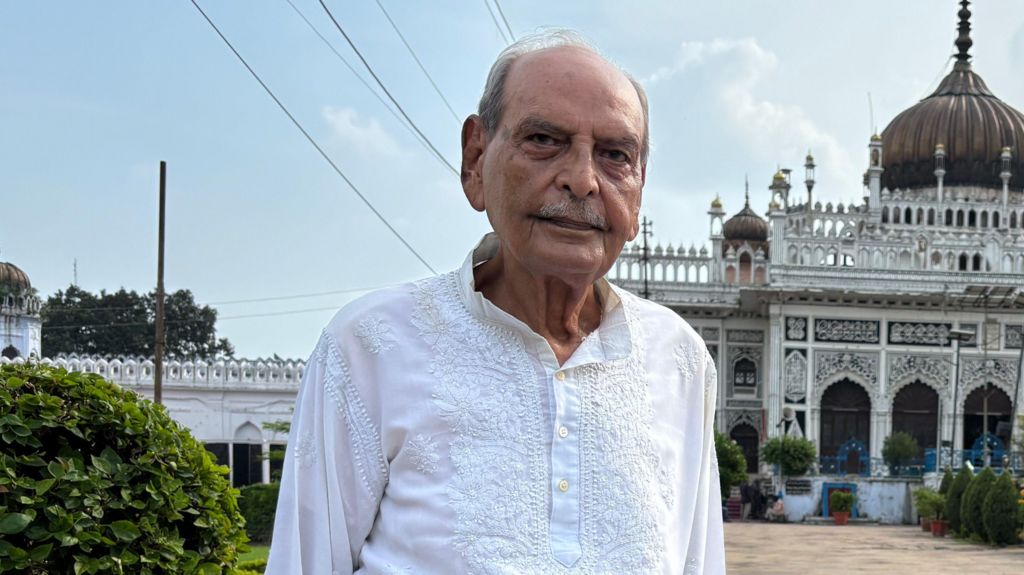
‘A legacy worth millions’ – India’s former royals who draw a meagre pension
In the historic town of Hussainabad, Uttar Pradesh, 90-year-old Faiyaz Ali Khan makes his annual pilgrimage to the Picture Gallery, a 19th-century relic of the city’s royal past. His mission: to collect his wasika, a royal pension granted to descendants of the Awadh royal family. This tradition, rooted in a 200-year-old agreement, continues to link modern India to its regal heritage. The wasika, derived from the Persian word for a written agreement, was initially established when members of the Awadh royal family lent money to the East India Company in the early 1800s, stipulating that the interest be paid as pensions to their descendants. Today, around 1,200 wasikedars, including Faiyaz Ali Khan, receive these pensions, though the amounts have dwindled significantly over generations. For many, the pension, though meager—just nine rupees and 70 paise ($0.11) a month—symbolizes a cherished connection to their illustrious ancestry. The payments are now managed by the Hussainabad Trust and the Uttar Pradesh government, with some beneficiaries receiving direct bank transfers while others collect cash. Critics argue that these pensions are outdated remnants of feudal privilege, but supporters view them as a sacred honor tied to historical promises. Shahid Ali Khan, a lawyer and beneficiary, emphasizes that the wasika is more about identity than money, using it exclusively for religious expenses. Despite appeals to increase the pension amounts to reflect modern interest rates, the payments remain unchanged, leaving recipients like Faiyaz Ali Khan to spend far more on travel than they receive. The grandeur of the tradition has also faded, with the once festive atmosphere of pension collection now a distant memory. As the debate over the relevance of these pensions continues, they remain a poignant reminder of India’s royal past.
-
Trump authorises deployment of 300 National Guard troops to Chicago
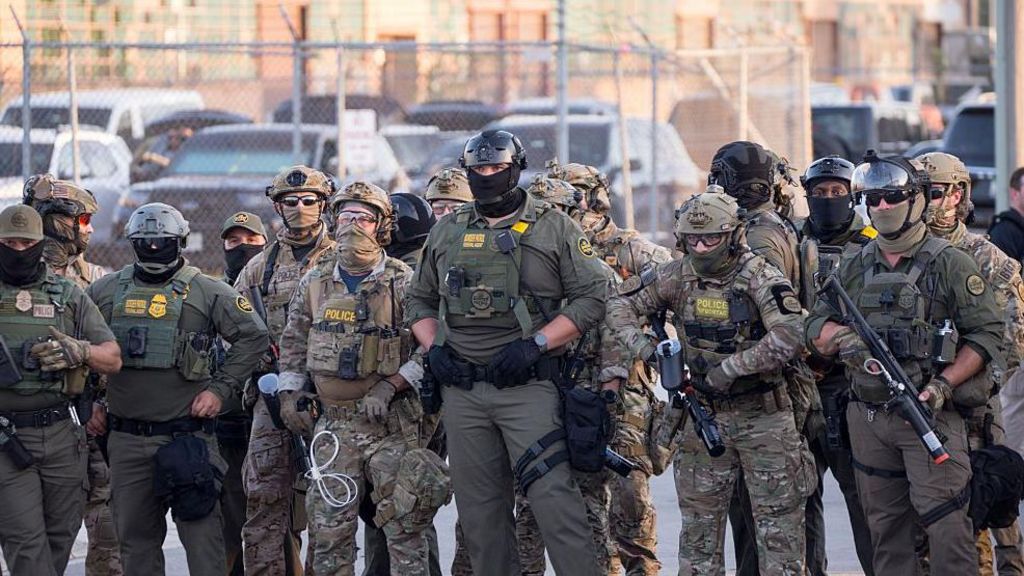
In a controversial move, President Donald Trump has authorized the deployment of 300 National Guard troops to Chicago, Illinois, citing escalating crime and unrest in the city. This decision follows a tense confrontation between immigration authorities and protesters, during which an armed woman was shot after allegedly ramming her vehicle into law enforcement cars. The incident has further fueled tensions in the Democrat-led city, where protests against immigration enforcement have intensified in recent weeks. Illinois Governor J.B. Pritzker criticized the deployment, accusing Trump of manufacturing a crisis and abusing federal power. The announcement comes on the heels of a federal judge in Portland, Oregon, temporarily blocking a similar deployment of 200 troops, ruling that such actions risk undermining state sovereignty and blurring the lines between civil and military authority. Legal challenges are expected in Chicago as well, though it remains unclear whether any troops have been mobilized yet. The White House defended the decision, emphasizing the need to protect federal officers and assets amidst what it described as lawlessness in American cities. The situation in Chicago mirrors recent deployments in other Democratic strongholds, including Washington, Los Angeles, Memphis, and Portland, all of which have sparked widespread debate over the role of federal military intervention in local affairs.
-

‘They’re not just sharing needles, they’re sharing blood’: How HIV cases soared in Fiji
Fiji, a small South Pacific nation, is grappling with one of the world’s fastest-growing HIV epidemics, driven largely by intravenous drug use. Over the past decade, the number of HIV cases has surged from fewer than 500 in 2014 to nearly 5,900 by 2024, marking an elevenfold increase. In 2024 alone, Fiji recorded 1,583 new cases, with 41 of them involving individuals aged 15 or younger. The youngest known case, a ten-year-old boy, highlights the alarming spread of the virus among youth.
-
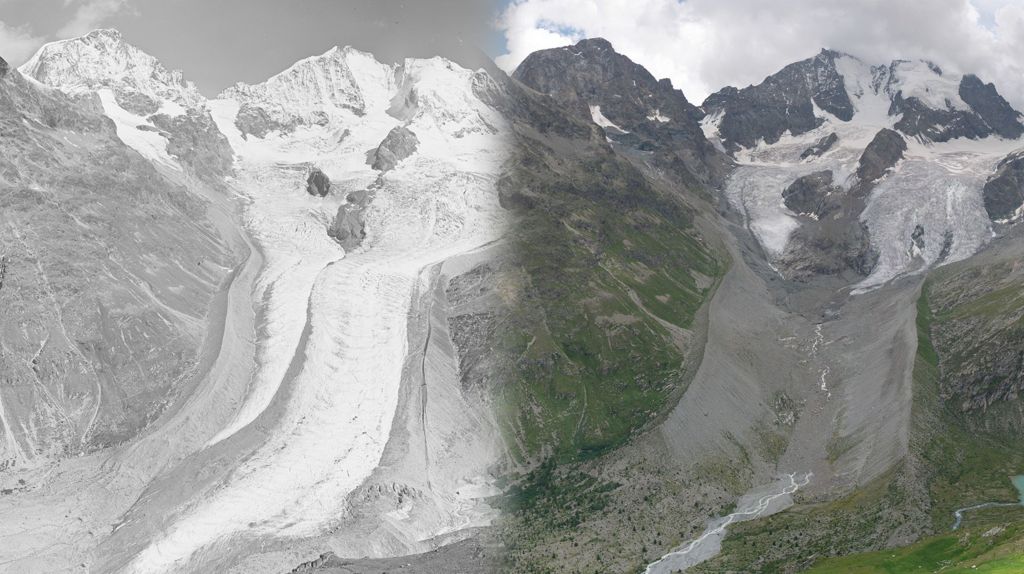
The before and after images showing glaciers vanishing before our eyes
When Matthias Huss first set foot on the Rhône Glacier in Switzerland 35 years ago, the ice was a mere stroll from his family’s parking spot. Today, the journey takes half an hour, and the glacier’s retreat is a poignant reminder of the rapid changes unfolding across the planet. Huss, now the director of Glacier Monitoring in Switzerland (GLAMOS), recalls the glacier’s former grandeur with a sense of loss. ‘Every time I go back, I remember how it used to be,’ he says. His story is not unique. Glaciers worldwide are shrinking at an alarming rate, with 2024 alone seeing a staggering loss of 450 billion tonnes of ice outside Greenland and Antarctica, according to the World Meteorological Organization. This equates to a colossal ice block measuring 7km in height, width, and depth—enough to fill 180 million Olympic swimming pools. Switzerland’s glaciers have been particularly hard-hit, losing a quarter of their ice in the past decade. Satellite images and ground photographs starkly illustrate the transformation. The Rhône Glacier, for instance, now features a lake where ice once stood. Similarly, the Clariden Glacier, once in equilibrium, has melted rapidly this century. Smaller glaciers, like the Pizol Glacier, have vanished entirely. ‘It definitely makes me sad,’ Huss admits. The Great Aletsch Glacier, the largest in the Alps, has receded by 2.3km over 75 years, replaced by trees. While glaciers have naturally fluctuated over millennia, the accelerated retreat of the past 40 years is unequivocally linked to human-induced climate change. Burning fossil fuels has released vast amounts of CO2, warming the planet and destabilizing these icy giants. Even if global temperatures stabilize, glaciers will continue to retreat due to their delayed response to climate change. However, there is hope. Research published in *Science* suggests that limiting global warming to 1.5°C above pre-industrial levels could preserve half the world’s mountain glaciers. Yet, current projections indicate a 2.7°C rise by the century’s end, risking the loss of three-quarters of glacial ice. The consequences are profound. Rising sea levels threaten coastal populations, while mountain communities dependent on glacial meltwater for agriculture, drinking water, and hydropower face dire challenges. In Asia’s high mountains, often called the Third Pole, 800 million people rely on glacial meltwater, particularly in the Indus River basin. ‘That’s where we see the biggest vulnerability,’ says Prof. Regine Hock of the University of Oslo. Despite the grim outlook, scientists emphasize the power of human action. ‘It’s sad,’ Hock reflects, ‘but it’s also empowering. If we decarbonize, we can preserve glaciers. We have it in our hands.’
-
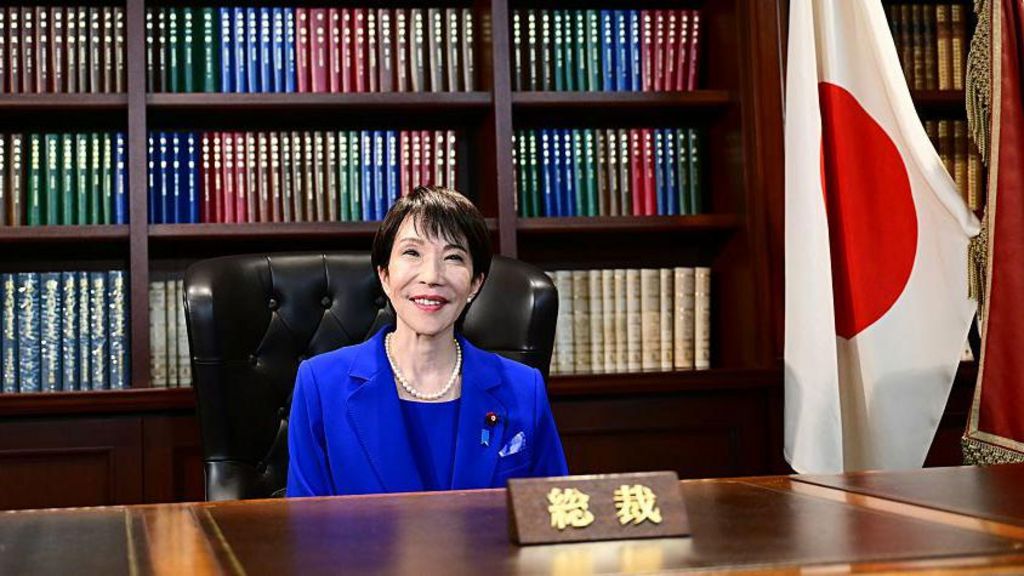
Who is Japan’s ‘Iron Lady’ Sanae Takaichi?
In a historic turn of events, Sanae Takaichi, a 64-year-old veteran politician, has been elected as the leader of Japan’s ruling Liberal Democratic Party (LDP), paving the way for her to become the nation’s first female prime minister. This milestone comes on the 70th anniversary of the LDP, a party that has long dominated Japanese politics but now faces significant challenges, including declining voter trust and a rising far-right movement. Takaichi, a former government minister and TV host, who once drummed in a heavy metal band, has overcome two previous failed attempts to secure the LDP leadership. Her victory marks a pivotal moment for Japan, as she aims to restore the party’s credibility and address pressing national issues. Born in Nara Prefecture in 1961, Takaichi’s journey into politics was unconventional. Her early career included stints as a television host and a heavy metal drummer, where she gained fame for her intense performances. Her political awakening came during the 1980s, amid US-Japan trade tensions, which shaped her determination to defend Japan’s autonomy. After losing her first parliamentary election in 1992, she persisted, eventually winning a seat in 1993 and joining the LDP in 1996. Over the years, she has held multiple senior government roles, including minister for economic security and internal affairs and communications. Takaichi’s conservative stance has been a defining feature of her political career. She has opposed legislation allowing married women to keep their maiden names and same-sex marriage, though she has recently softened her tone on some social issues. Her policy proposals focus on expanding women’s health services, improving childcare support, and addressing Japan’s aging population. A protégé of the late Shinzo Abe, she has pledged to revive his ‘Abenomics’ economic strategy. However, her leadership will be tested as she navigates the LDP’s declining majority and seeks to counter the rise of the far-right Sanseito party. Parliament is expected to confirm her as prime minister on October 15, ushering in a new chapter for Japan.
-
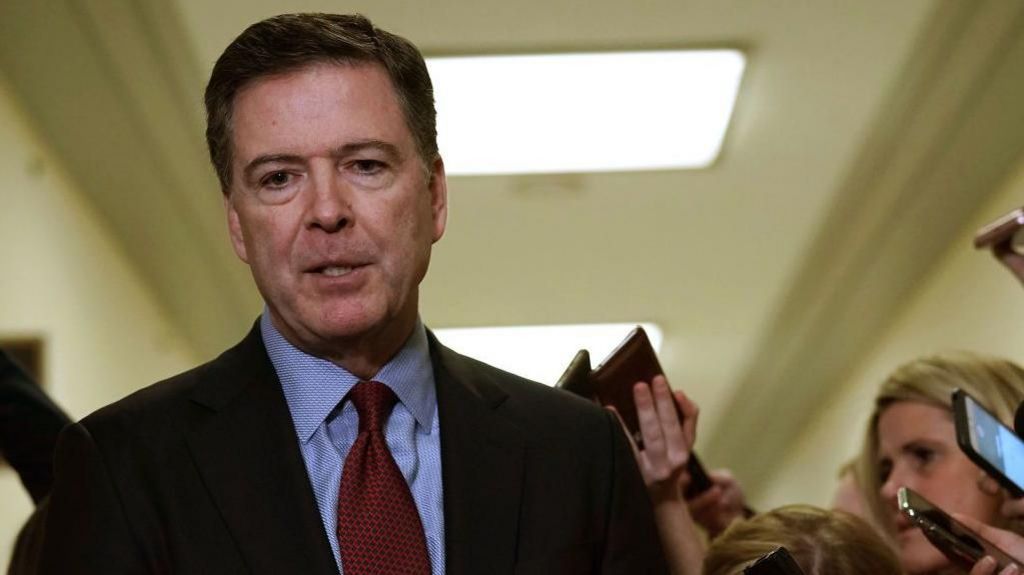
FBI agent suspended over refusal to ‘perp walk’ former director
Former FBI Director James Comey has been indicted on two federal charges in Virginia, just days after former President Donald Trump urged law enforcement to intensify investigations into his political opponents. The charges, which include lying to Congress and obstructing a congressional proceeding, stem from allegations that Comey authorized a leak of classified information to the media in 2020. Comey, who led the FBI during a period marked by investigations into Russian interference in the 2016 election and Hillary Clinton’s use of a private email server, has denied the allegations, expressing confidence in the federal judicial system. The indictment comes shortly before the five-year statute of limitations would have expired and follows Trump’s appointment of Lindsey Halligan, his former personal attorney, as a top prosecutor in the region. Trump has publicly called for investigations into Comey and other political adversaries, emphasizing the urgency of such actions. Meanwhile, an FBI agent was reportedly suspended for refusing to participate in a ‘perp walk’ for Comey, a practice where law enforcement publicly escorts an accused individual, often in view of media cameras. Comey is scheduled to appear in court on October 9 for his arraignment, where the charges will be formally read. If convicted, he could face up to five years in prison. The situation underscores the ongoing political tensions in the U.S., with Comey remaining a focal point of Trump’s ire since his firing in 2017.
-
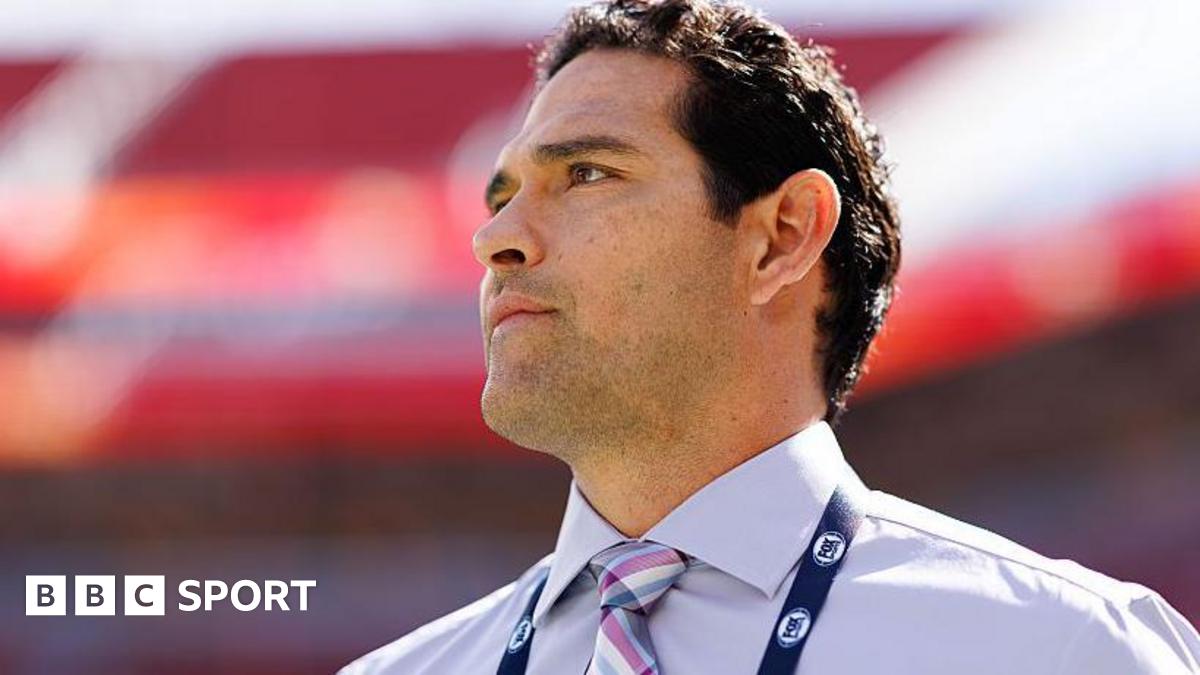
Ex-Jets quarterback Sanchez in hospital after stabbing
Former NFL quarterback Mark Sanchez is currently hospitalized in stable condition following a stabbing incident in Indianapolis, where he was also arrested for his involvement. The 38-year-old, who was the fifth overall pick in the 2009 NFL Draft for the New York Jets, was in the city to commentate on the Colts vs. Las Vegas Raiders game for Fox Sports. According to the Indianapolis Metropolitan Police Department, the incident involved a physical altercation between two men, resulting in one sustaining lacerations and the other, Sanchez, suffering stab wounds. Police later confirmed that Sanchez had been arrested on charges of battery with injury, unlawful entry of a motor vehicle, and public intoxication. Fox Sports released a statement expressing gratitude to the medical team for their care and requesting privacy for Sanchez and his family. The New York Jets also shared a message of support on social media, wishing Sanchez a speedy recovery. Sanchez, who wore number six during his five seasons with the Jets, led the team to two consecutive AFC Championship Game appearances. Over his 10-year career, which included stints with the Philadelphia Eagles, Dallas Cowboys, Chicago Bears, and Washington Commanders, he threw for 15,357 yards, 86 touchdowns, and 89 interceptions. After retiring in 2019, Sanchez transitioned to broadcasting, first with ESPN and later with Fox Sports in 2021.
-

Militants attack major prison in Mogadishu hours after roadblocks lifted
Mogadishu, Somalia — A brazen assault by the al-Qaida-affiliated militant group al-Shabab targeted a high-security prison near Somalia’s presidential palace on Saturday, unleashing chaos in the capital. The attack, marked by explosions and heavy gunfire, occurred just hours after the federal government removed long-standing roadblocks in Mogadishu, a move intended to ease traffic and commerce but which may have inadvertently compromised security. Residents in the Bondhere district reported hearing blasts and witnessing thick smoke rising from the Godka Jilacow prison, which also houses the regional intelligence unit. Hibo Mohamed, a local resident, expressed widespread fear, stating, ‘The city had been calm for months, but now everyone feels anxious once more.’ Al-Shabab claimed responsibility for the attack, asserting that they had freed prisoners. Somali state media reported that the militants used a vehicle disguised as one belonging to the intelligence unit’s security forces. Government soldiers reportedly repelled the assault, killing several militants. The attack on Godka Jilacow prison is not unprecedented; in 2014, al-Shabab launched a similar assault involving a suicide car bomb and an attempted prison break, which resulted in at least a dozen fatalities. Saturday’s incident underscores the persistent threat posed by the militant group, despite recent gains by Somali forces, supported by local militias and African Union troops, in pushing al-Shabab out of central and southern regions. Security forces swiftly cordoned off the area, and ambulances rushed to the scene, though the exact number of casualties remains unclear. The timing of the attack, following the removal of roadblocks, has reignited debates about the balance between security measures and urban mobility in Mogadishu.
-
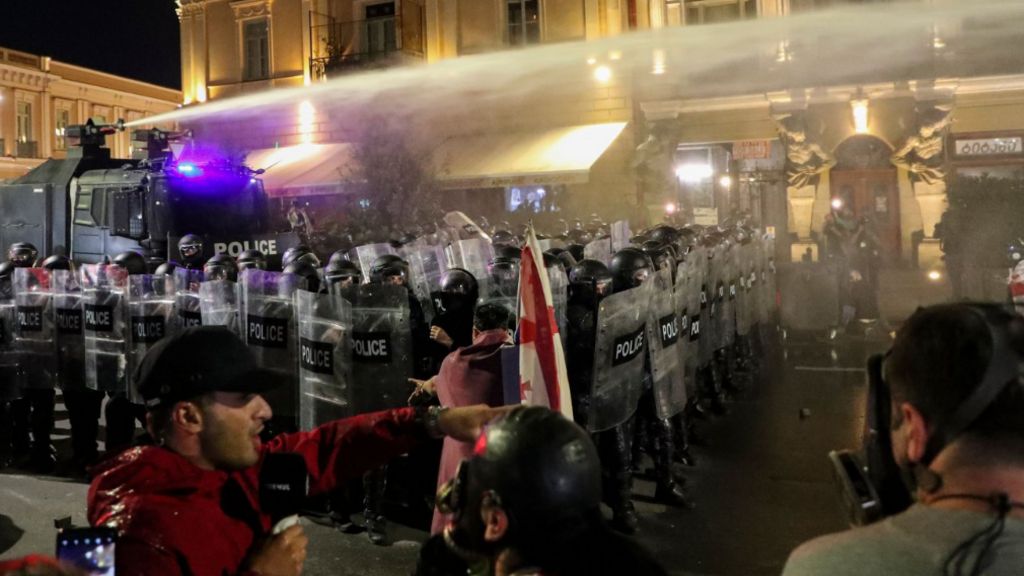
Georgia protesters try to storm Tbilisi presidential palace
Tensions escalated in Tbilisi, Georgia, as anti-government demonstrators clashed with police forces while attempting to storm the presidential palace. Security personnel deployed water cannons and pepper spray to disperse the crowd, marking a dramatic turn in the ongoing political crisis gripping the Caucasus nation. The protest, organized under the banner of ‘saving democracy,’ drew tens of thousands of participants who marched through the capital waving Georgian and European Union flags. The demonstration coincided with local elections, which the opposition largely boycotted in protest against alleged electoral fraud and government repression. Opera singer Paata Burchuladze, a key organizer, read a declaration urging law enforcement to arrest six senior figures from the ruling Georgian Dream party, accusing them of undermining democratic processes. The unrest follows months of government crackdowns on activists, independent media, and opposition leaders, many of whom are now imprisoned. The crisis began after the Georgian Dream party’s contested victory in last year’s parliamentary elections, which the pro-EU opposition claims was rigged. Since then, EU accession talks have been paused, further fueling public discontent.